
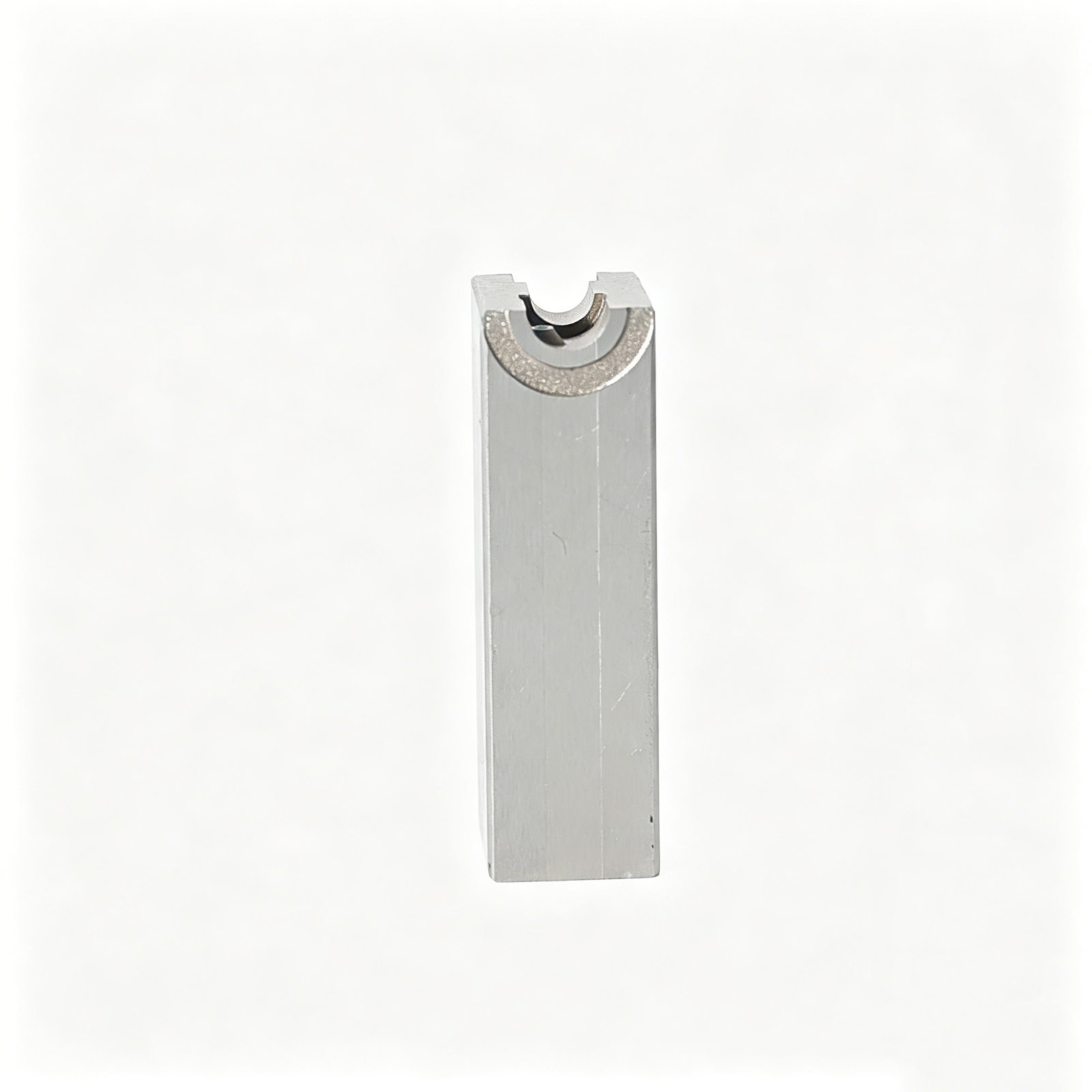
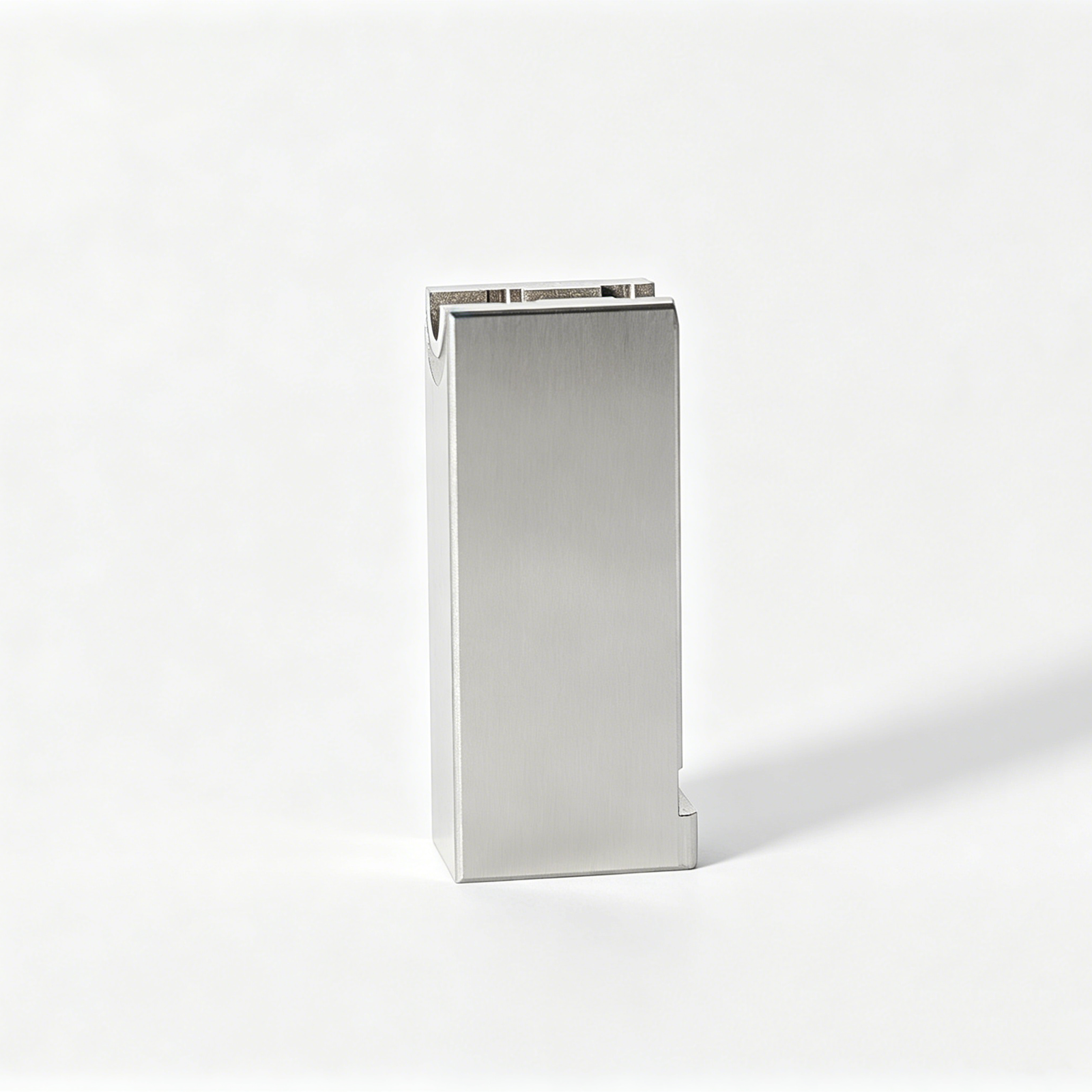
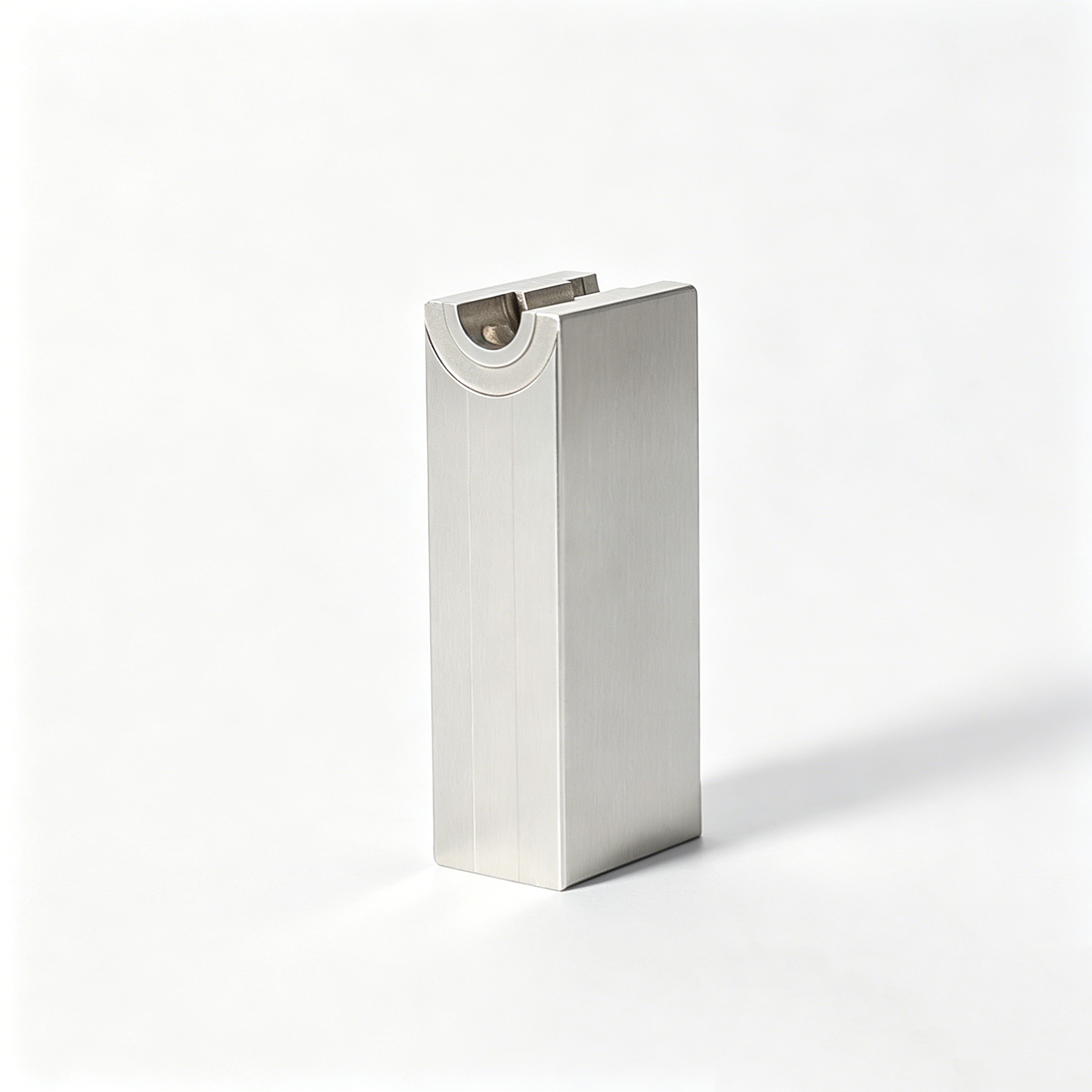
Plastic film parts · Precision mold insert
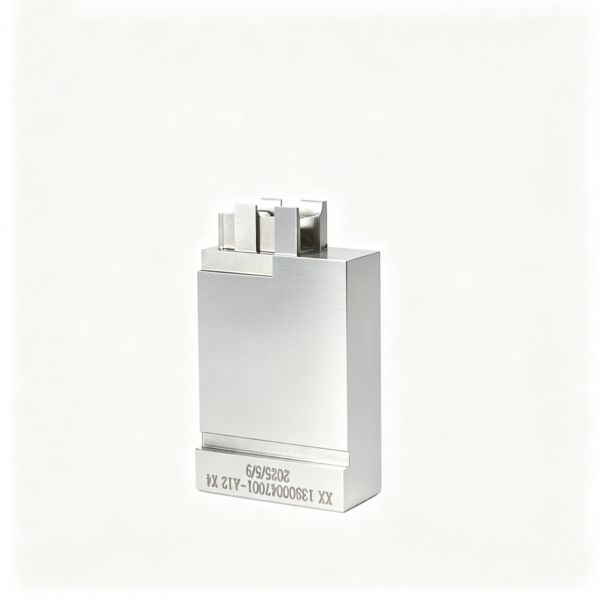
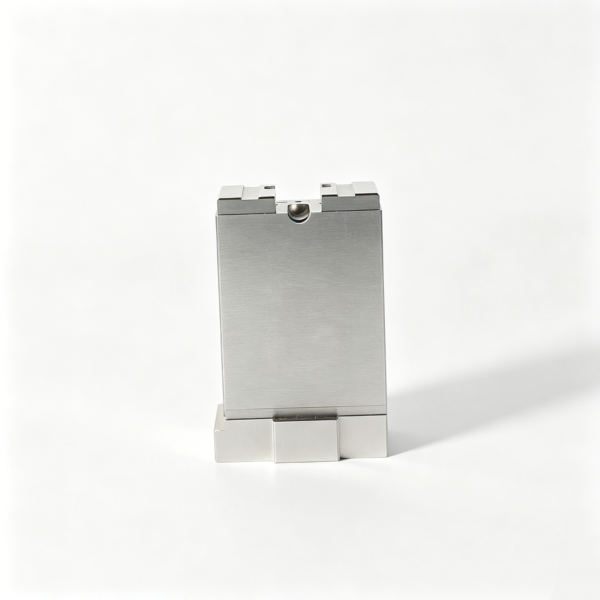
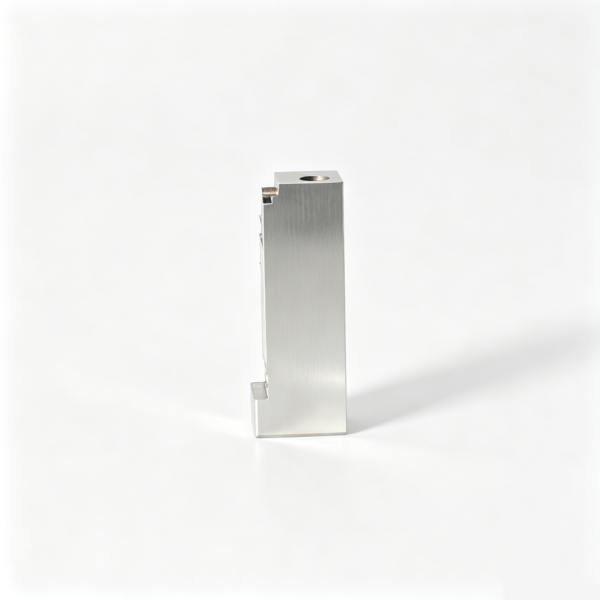
Precision Mold Components for Automotive Connectors – Custom Inserts & Pins for High-Speed Production
Brand Xuxiang Mold
Availability Made to drawing
RFQ pricing
Quote from STEP / PDF & quantity
Achieve stable, repeatable molding results for modern automotive wiring systems with these precision mold components for automotive connectors. Engineered inserts, cores, ejector pins, and sleeves help you maintain tight tolerances on thin walls, micro-terminals, and complex latch features. Optimized for high-cavity connector molds, they support fast cycle times without sacrificing accuracy or surface finish. Use them to extend tool life, reduce unplanned downtime, and improve first-pass yield across critical harness and ECU connector programs.
- ISO 9001:2015–oriented process & documented inspection paths
- Zeiss / Nikon class metrology available for critical dimensions
- DFM feedback from 10+ senior tooling engineers
- Dongguan HQ + Quanzhou capacity for volume programs
High-Consistency Tooling for Demanding Automotive Connector Molds
Automotive electrical connectors are becoming smaller, denser, and more complex, with more pins and tighter packaging around safety-critical electronics. To mold these housings reliably, every core, cavity, and insert in the tool must deliver micron-level consistency over long production runs. Our precision mold components for automotive connectors are engineered specifically for this environment, helping you stabilize processes, meet OEM quality standards, and support just-in-time supply of connector housings.
These components form the critical details inside your connector molds: contact cavities and terminal windows, latch and polarization features, seal grooves, locking ramps, and strain relief geometries. By combining carefully selected tool steels, fine grinding, and high-precision EDM, each part is built to withstand high injection pressures, abrasive glass-filled materials, and demanding cycle rates while maintaining the exact connector geometry your application requires.
Key Features & Benefits
Each component is designed with the realities of automotive production in mind: high volumes, demanding OEM audits, and minimal downtime. Instead of generic mold parts, you receive connector-specific components that help keep your tooling in tolerance for longer.
- Connector-focused design: Core pins, cavity blocks, and inserts are shaped for multi-pin headers, plug housings, and hybrid high-voltage connectors commonly used in modern vehicles.
- Stable performance in high-cavity molds: Components are designed to support consistent filling and shrinkage behavior across many cavities, improving balance and reducing scrap in family or multi-row connector tools.
- Wear-resistant tool materials: Hardened tool steels and specialty alloys are used where needed to provide resistance to abrasion from reinforced resins and to maintain fine details such as tiny contact openings and locking hooks.
- Fine surface preparation: Ground and polished surfaces help connectors release cleanly, reduce drag and stress during ejection, and contribute to better cosmetic appearance in visible harness and interior connectors.
- Support for complex connector features: Components can incorporate undercuts, snap fits, and seal interfaces, enabling robust latch and sealing performance in the final molded parts.
- Serviceable modular construction: Core inserts and blocks are designed to be installed and replaced individually, helping you maintain molds without rebuilding the complete tool.
- Process-friendly geometry: Uniform draft angles and uninterrupted shut-offs support smoother ejection and reduce the risk of sticking or part damage in delicate connector walls.
Specifications & Component Overview
While every project is customized around your connector models and tooling standards, most sets of precision mold components for automotive connectors share a common structure. The table below summarizes typical attributes and options so you can better plan your tooling package.
| Attribute | Description |
|---|---|
| Product type | Precision mold components for automotive connectors, including cores, cavities, inserts, sleeves, and pins |
| Typical applications | Automotive electrical connector housings, plug and receptacle bodies, ECU connectors, sensor connectors, harness junction blocks |
| Common materials | Hardened tool steel, pre-hardened steel, and specialty alloys selected according to connector design and resin type |
| Manufacturing processes | CNC milling, precision grinding, EDM for fine details, polishing for critical surfaces |
| Connector feature capability | Fine terminal cavities, latch hooks, anti-misplug keys, seal grooves, locking ramps, cable strain relief geometries |
| Mold types supported | Single- and multi-cavity injection molds, high-cavity tools, family molds, hot-runner tools for connector housings |
| Resin compatibility | Designed for engineering plastics commonly used in connectors, including heat-resistant and reinforced grades |
| Finish options | Ground, polished, and coated surfaces according to connector performance and release requirements |
| Customization | Dimensions and geometry tailored to customer connector drawings, 3D models, and tooling standards |
| Typical usage environment | High-volume automotive injection molding lines with rigorous quality and traceability requirements |
Use Cases & Who These Components Are For
These precision mold components are intended for manufacturers and tooling partners who must keep complex connector programs running reliably over long service lives. They help bridge the gap between high-level CAD models of the connectors and the day-to-day realities of mass production tooling.
- Automotive connector manufacturers: Ideal for suppliers producing plug and receptacle housings for wiring harnesses, in-line connectors, and power distribution units where dimensional stability is critical.
- Tooling and mold builders: Useful for shops specializing in connector molds who want to integrate connector-focused components rather than redesigning every core and insert from scratch.
- Tier-1 and Tier-2 suppliers: Supports organizations delivering high-volume harness assemblies, battery connectors, or electronic module connectors to vehicle OEMs.
- Engineering teams updating connector platforms: When retooling for next-generation vehicle platforms or EV models, these components help shorten development time and maintain continuity with existing connector families.
- Facilities focusing on uptime and yield: Plants seeking to reduce unplanned downtime, scrap from dimensional drift, and minor connector defects can upgrade critical components to stabilize processes.
Because connector geometries change frequently as vehicles evolve, the ability to quickly adapt core and cavity components while keeping the base mold frame is a major advantage. These precision components are well suited to incremental connector design updates, allowing targeted changes with minimal disruption to your molding cells.
Care, Maintenance & Buying Guidance
Connector molds run hard: high volumes, fine features, and demanding plastics mean that all mold components benefit from thoughtful specification and regular maintenance. Selecting high-quality precision mold components for automotive connectors is only the first step; how you install, run, and maintain them will determine their real-world life and performance.
- Define your connector priorities: Before ordering, clarify which aspects matter most—dimensional stability, reduced flash, surface finish, or extended life with abrasive materials—so component materials and finishes can be selected accordingly.
- Align components with molding conditions: Share information such as planned resin types, expected cycle times, and mold temperatures so components can be optimized for your real operating window.
- Plan for serviceability: Consider kits of critical spare components—such as high-wear core pins and fine latch details—so you can perform preventative replacements during scheduled maintenance.
- Maintain clean working surfaces: Regularly clean venting and sealing areas to prevent deposits that can affect connector dimensions, flash, and surface appearance.
- Monitor wear on precision details: Inspect thin pins, core edges, and fine shut-offs on a defined schedule to catch wear before it affects connector fit with terminals or mating parts.
- Record changes and replacements: Document component replacements, polishing, and setup changes to maintain traceability and help correlate connector quality trends with the condition of specific components.
When ordering, providing clear connector drawings or 3D models, mold layouts, and any internal tooling standards allows our team to recommend the most appropriate configuration. With the right combination of component design, material, and finish, your connector molds can maintain smooth, stable production across the entire lifecycle of a vehicle platform.
FAQ
Are these mold components compatible with my existing automotive connector molds?
Yes, components are designed around your connector drawings and mold layouts. As long as you can share connector models and tool details, we can configure inserts, cores, and pins to fit existing or new molds.
What types of automotive connectors can these components be used for?
They can be applied to a wide range of connector housings, including engine bay connectors, interior harness connectors, ECU connectors, battery and high-voltage connectors, and many multi-pin plug and receptacle systems used across vehicle platforms.
How should I choose materials for mold components used with reinforced plastics?
If your connectors use glass-filled or other reinforced resins, consider higher-wear tool steels or specialty alloys for areas that see the most abrasion, such as fine core pins and thin shut-offs. Discuss your resin and expected volumes when requesting components so material choices can reflect your conditions.
What maintenance do these precision mold components require in production?
Routine cleaning, lubrication according to your mold maintenance plan, and periodic inspection of fine features are recommended. Focus inspections on terminal cavities, latch areas, and any slender pins or edges that directly influence connector fit and sealing performance.
Can I order spare components for critical connector features?
Yes, you can specify spare sets of high-wear items such as small core pins, fine inserts for latches, or seal-groove components. Keeping these on hand allows scheduled replacements and reduces unscheduled downtime if a part is damaged or worn.
What information do I need to provide when requesting a quotation?
For accurate quoting, provide connector 3D models or drawings, mold layout or cavity arrangement, resin information, any applicable standards or specifications, and your expected annual production volumes.
How are the components shipped and protected during transport?
Components are typically packed in protective trays or individual wrapping to prevent impact and corrosion during shipping. Surfaces are oiled or otherwise protected so grinding and polished areas arrive ready for inspection and assembly.
Is there a warranty or quality assurance for these mold components?
Components are manufactured under controlled processes and inspected against agreed drawings or models. Warranty and quality assurance details follow the terms set out in your quotation or supply agreement and cover material and workmanship within those terms.
How long do these components typically last in a high-volume connector mold?
Service life depends on resin type, cycle time, connector geometry, and maintenance practices. With appropriate material selection and regular care, many components provide long-term performance suitable for sustained mass production of automotive connectors.
Can I modify or polish the components myself after delivery?
Minor polishing and fitting during mold assembly are common, but any significant modification should be planned carefully to avoid altering connector dimensions. If major adjustments are needed, consult with your tooling engineer or request updated components designed to the new specifications.
Related products
Same drawing, predictable results—next batch
Share revision, quantity ramp, and inspection level. We quote process route, ship date, and documentation in one structured response.