
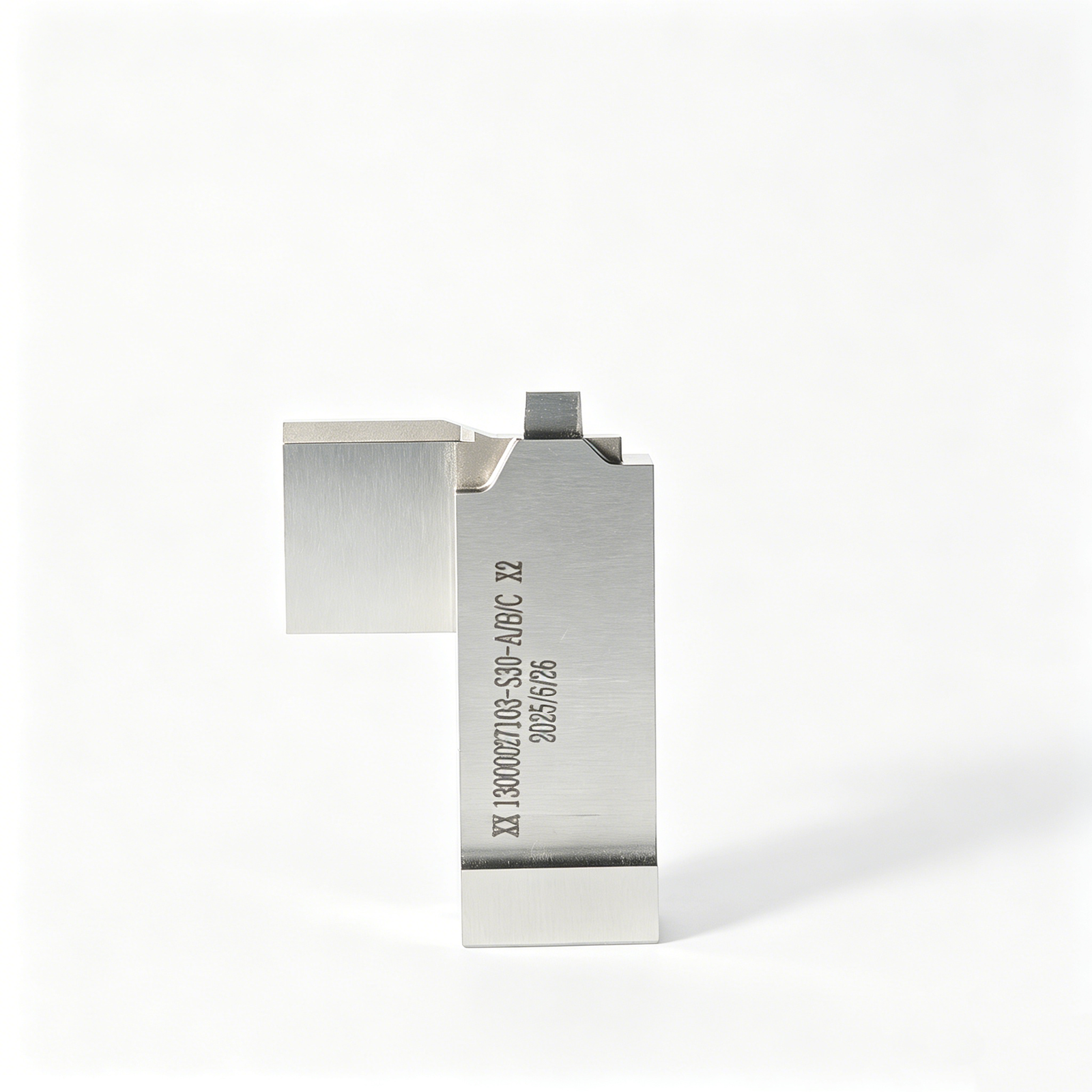
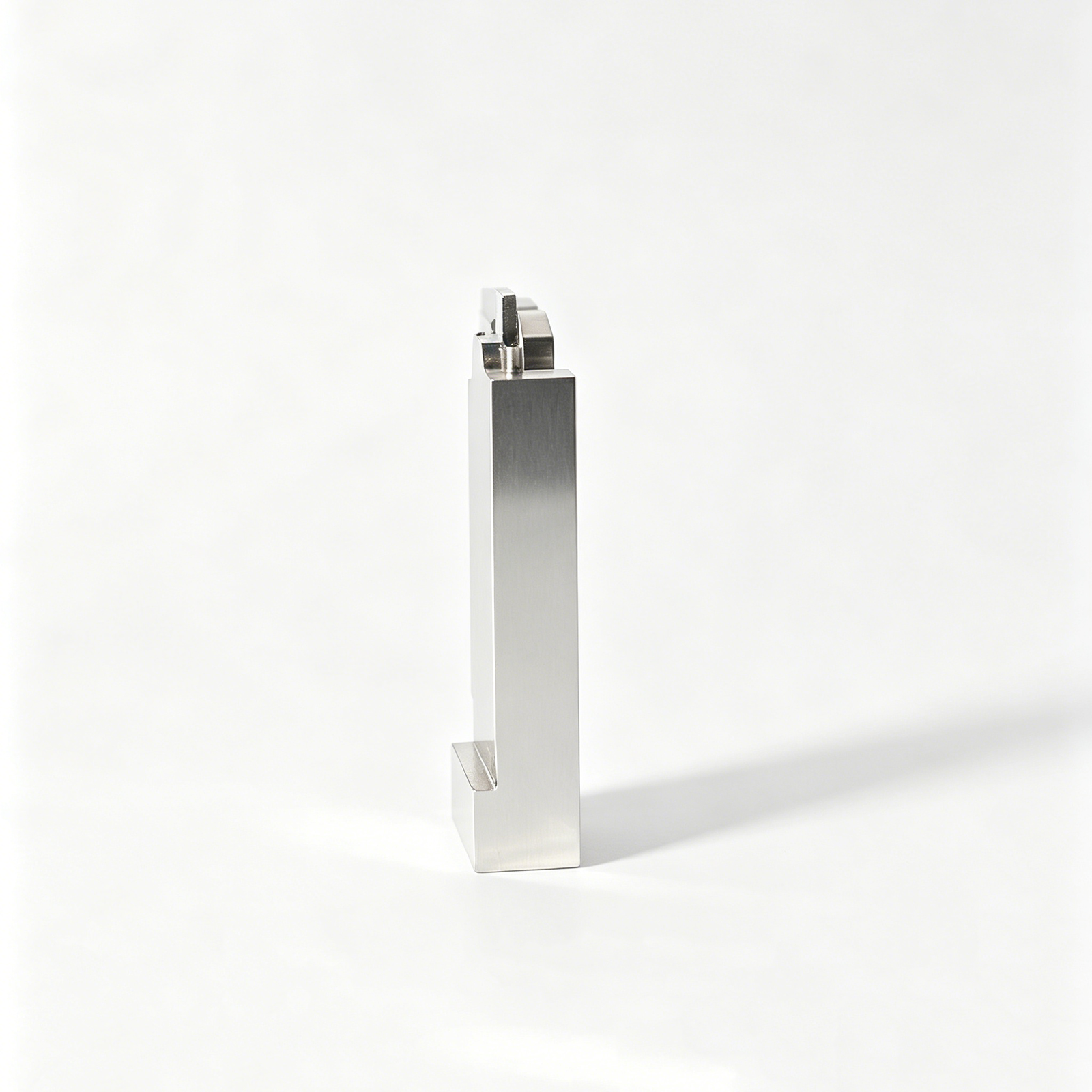
Plastic film parts · Precision mold insert
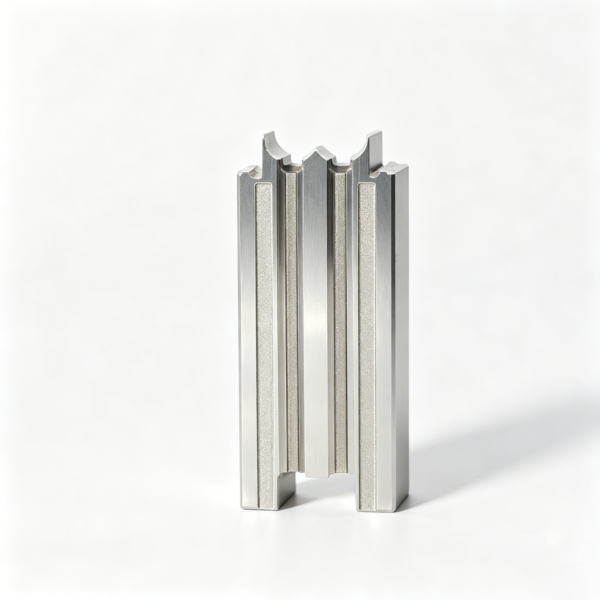
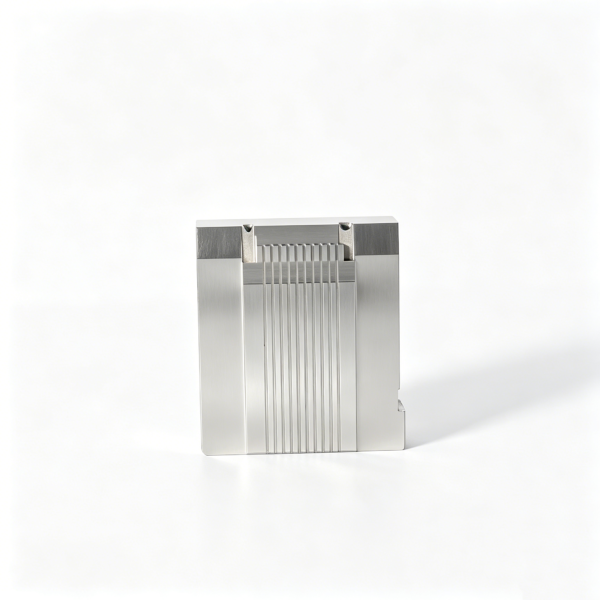
Precision Mold Components for Automotive Connectors – Engineered Tooling Inserts & Core Pins Set
Brand Xuxiang Mold
Availability Made to drawing
RFQ pricing
Quote from STEP / PDF & quantity
Upgrade your connector tooling with precision mold components for automotive connectors engineered for stable, repeatable production. This matched set of inserts, core pins, sleeves and ejectors is designed to hold fine tolerances in multi-cavity, high-cavitation molds, supporting consistent mating fits and secure terminal retention. Smooth ground surfaces and optimized venting help reduce flash, warpage and short shots in high-speed injection molding. Robust tool steels and heat-treatment options enhance wear resistance under glass-filled and flame-retardant resins. Ideal for Tier 1 and Tier 2 automotive suppliers targeting higher OEE, longer mold life and fewer in-press adjustments.
- ISO 9001:2015–oriented process & documented inspection paths
- Zeiss / Nikon class metrology available for critical dimensions
- DFM feedback from 10+ senior tooling engineers
- Dongguan HQ + Quanzhou capacity for volume programs
High-Precision Mold Components for Reliable Automotive Connector Production
Automotive electrical connectors demand extremely accurate plastic housings to ensure secure locking, proper terminal alignment and long-term reliability under vibration, temperature cycling and harsh environments. Precision mold components for automotive connectors provide the dimensional stability and repeatability your injection molds need to meet these requirements shift after shift.
This professional-grade component set typically includes core inserts, cavity inserts, core pins, sleeves, ejector pins and related guiding elements tailored for connector tooling. By focusing on fine tolerances, excellent surface finish and material robustness, these components help you achieve consistent part quality across large production volumes, whether you are molding micro-connectors for sensors or multi-row power connectors for under-hood applications.
Compared with generic mold parts, automotive connector mold components are designed around thin walls, fine pitch terminal cavities and complex latch features. The result is reduced risk of flash, short shots and dimensional drift, along with smoother demolding of delicate parts.
Key Features & Benefits
These precision mold components are optimized for demanding automotive connector projects where even minor dimensional variation can cause assembly or field failures.
- Connector-specific geometry – Components are designed to support complex connector layouts, including fine-pitch terminal cavities, locking windows, polarization keys and secondary lock features.
- Tight dimensional control – Precision grinding and advanced machining methods enable micron-level tolerance capabilities at critical functional surfaces, helping maintain pitch, center distances and profile accuracy in the molded connector cavities.
- Stable performance in multi-cavity tools – Harmonized dimensions and concentricity across component sets enhance cavity balance, facilitating consistent fill, pack and shrink behavior in high-cavitation molds.
- Wear-resistant material options – Tool steels and suitable alloys, often with optional heat treatment or surface coatings, are selected to withstand high injection pressures, abrasive glass-filled compounds and frequent cycling.
- High-quality surface finish – Carefully polished or ground surfaces on core pins and inserts help achieve clean plastic surfaces, smooth terminal lead-ins and well-defined latch details, reducing post-processing or de-flashing work.
- Support for complex demolding – Ejector pins, sleeves and lifter-compatible features are configured to release thin-wall connector housings without deformation, minimizing risk of cracks on latches or damage to alignment ribs.
- Enhanced process capability – When paired with a well-designed cooling and gating system, precision components contribute to smaller Cp/Cpk variation and more stable overall process windows.
Key Specifications & Attributes
The following table summarizes typical attributes and configuration options so buyers can align these precision components with their connector tooling requirements. Exact specifications can be tailored to your project, connector family and press capabilities.
| Attribute | Description |
|---|---|
| Product type | Precision mold components set for automotive connector injection molds (cores, cavities, pins, sleeves, ejectors) |
| Typical application | Plastic housings for automotive electrical connectors, sensor plugs, ECU connectors, power and signal connectors |
| Material options | High-quality tool steels or equivalent mold steels chosen for hardness, toughness and wear resistance |
| Manufacturing process | Precision machining, EDM and grinding with fine-tolerance capability for connector geometries |
| Surface finish | Ground and/or polished functional areas for smooth demolding and clean cavity details |
| Tolerance capability | Fine dimensional control suitable for automotive connector pitch and profile requirements (connector-grade precision) |
| Supported connector styles | Inline, header, sealed and unsealed connectors, multi-pin plugs, sockets and terminal blocks |
| Tooling configuration | Suitable for single-cavity prototype molds up to multi-cavity, high-cavitation production molds |
| Customization | Custom geometry, special draft, specific radii, and unique latch or key shapes available on request |
| Typical industries | Automotive OEMs, Tier 1/Tier 2 suppliers, harness manufacturers, connector manufacturers, precision mold shops |
Use Cases & Who These Components Are For
Precision mold components for automotive connectors are ideal for any organization responsible for producing high-quality connector housings at scale.
- Connector manufacturers and Tier suppliers – Companies producing plastic connector housings for wiring harnesses, sensors, ECUs, ABS systems or lighting harnesses benefit from enhanced dimensional stability and fewer rejects.
- Custom mold makers – Tool shops that design and build automotive connector molds can rely on these components to streamline manufacturing, reduce hand-fitting work and shorten try-out cycles.
- OEM engineering and tooling teams – Automotive OEMs overseeing global platforms can specify these precision components in internal tooling standards to help harmonize connector quality across plants and regions.
- Process engineers and production managers – Injection molding teams working to improve OEE, reduce downtime and stabilize scrap levels will appreciate the predictable performance of tightly controlled inserts and pins.
- R&D and prototype programs – For new connector platforms, using production-grade components early in the development cycle helps correlate prototype and serial-production results, reducing design changes later.
Whether you are designing a sealed connector for under-hood environments or a compact board-to-wire connector in the cabin, precision mold components help ensure that latch forces, insertion forces and electrical clearances meet specification from the very first tooling run.
Care, Maintenance & Buying Guidance
Selecting and maintaining the right precision mold components is essential to protect your tooling investment and maintain consistent connector quality.
- Matching to connector design – Share detailed 3D models and GD&T requirements of your connector with the component supplier so that critical cavity and core features are aligned with the housing’s functional zones.
- Material and coating choices – For glass-filled, high-temperature or flame-retardant resins, consider higher-grade tool steels and optional surface treatments that resist abrasion and chemical attack.
- Cooling and venting considerations – Work with your mold designer to position cooling and vents relative to the inserts and cores; precision parts work best when thermal balance and air evacuation are properly engineered.
- Preventive maintenance – Establish a regular inspection schedule for wear on core pins, gate areas and fine features, especially for thin-wall and fine-pitch connector designs. Replace high-wear components before they cause dimensional shifts or flash.
- Spare parts strategy – Maintain spare core pins, inserts and sleeves for high-volume tools so component changeovers do not interrupt critical production schedules.
- Qualification and approval – Validate new component sets through dimensional inspection, capability studies and connector assembly trials to confirm that mating forces, retention forces and electrical clearances remain within specification.
By selecting precision mold components that match both your connector design and your process conditions, you can significantly extend mold life, reduce troubleshooting time and improve the consistency of your molded parts.
FAQ
Are these precision mold components compatible with my existing connector mold?
In most cases, components can be engineered to match your existing mold base and layout. Provide 3D models, drawings and current component dimensions so compatibility can be checked and any required design adaptations can be made before ordering.
What types of automotive connectors can these components be used for?
They are suitable for a wide range of automotive connector housings, including sensor plugs, ECU connectors, power distribution connectors, inline harness connectors and header-style connectors used on control units and modules.
How do I choose the right material grade for core pins and inserts?
Material selection depends on your resin, additive package and expected shot volume. For abrasive or glass-filled materials and long production runs, higher wear-resistant tool steels and optional surface treatments are generally recommended.
What information do you need to quote custom connector mold components?
For a detailed quotation, prepare 3D CAD data of the connector and the mold components, 2D drawings with tolerances, information on resin type, expected annual volume and any special requirements such as coatings or specific heat-treatment conditions.
How are these components shipped and protected during transport?
Components are typically individually packed or grouped in protective trays, with rust-preventive oil or wrapping applied to finished surfaces. For international shipments, strong outer cartons or wooden cases are used to avoid damage in transit.
How often should I inspect and replace high-wear mold components?
Inspection frequency depends on shot volume and resin abrasiveness. Many users perform visual checks at planned maintenance intervals and dimensional checks after a defined shot count, replacing pins or inserts when wear approaches the limits of the connector tolerance.
Can these mold components help reduce flash and short shots?
Yes. Tightly controlled dimensions, accurate alignment and high-quality surface finishes help maintain parting line integrity and consistent cavity volume, which supports stable filling conditions and lowers the risk of flash and short shots.
What is the typical lead time for custom automotive connector mold components?
Lead time varies with complexity and order quantity, but custom connector components usually require additional engineering and precision machining time. Confirm current lead times when requesting a quotation, especially for new program launches.
Do you offer support during mold trials and start-up?
Many precision component suppliers can provide technical guidance during mold trials, helping you optimize processing parameters, evaluate part quality and adjust component clearances or venting where required.
What is the policy on defects or dimensional issues after delivery?
If dimensional deviations or manufacturing defects are identified and confirmed against approved drawings, reputable suppliers typically offer rework, replacement or credit solutions. Report any issues promptly and provide measurement data and photos to speed resolution.
Related products
Same drawing, predictable results—next batch
Share revision, quantity ramp, and inspection level. We quote process route, ship date, and documentation in one structured response.