
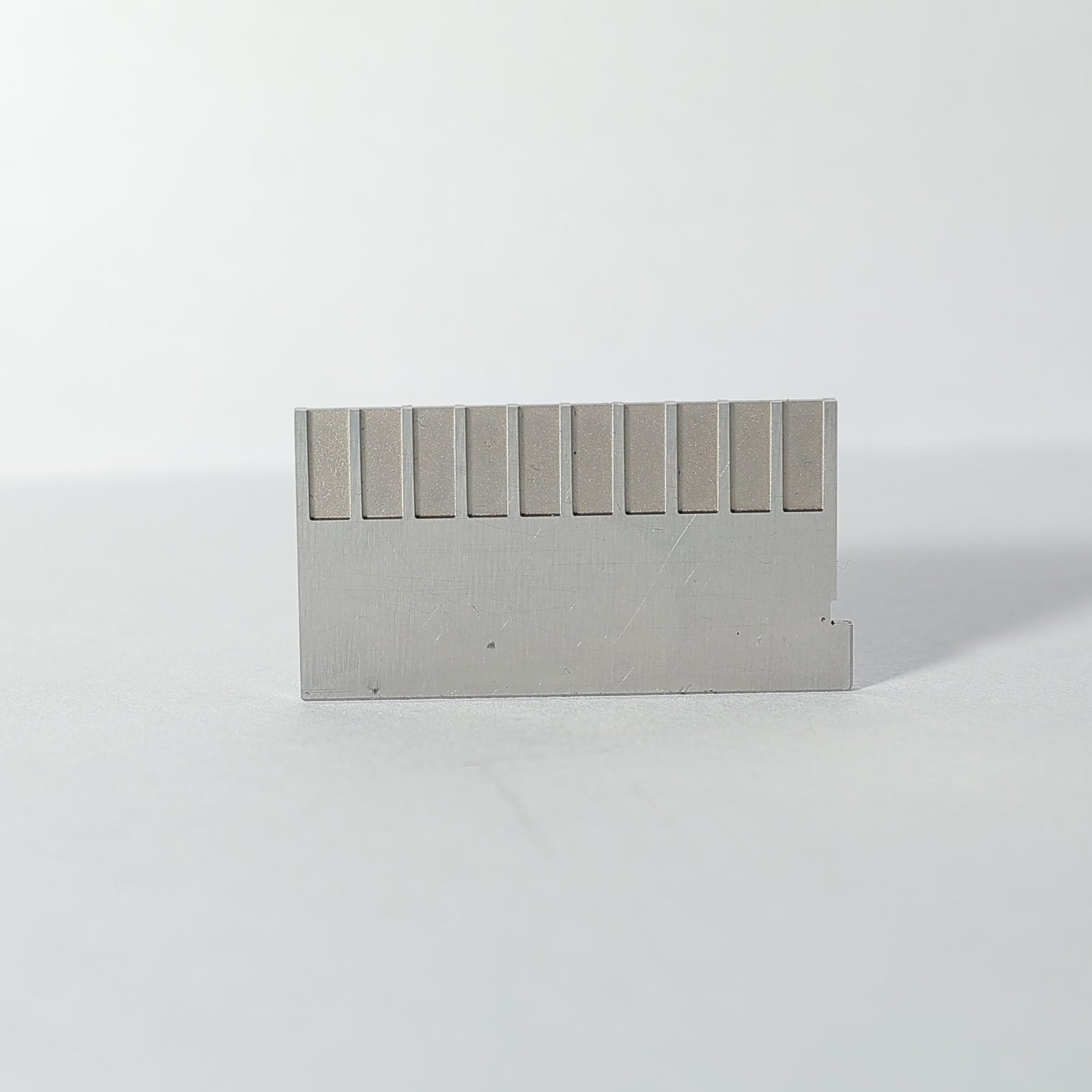
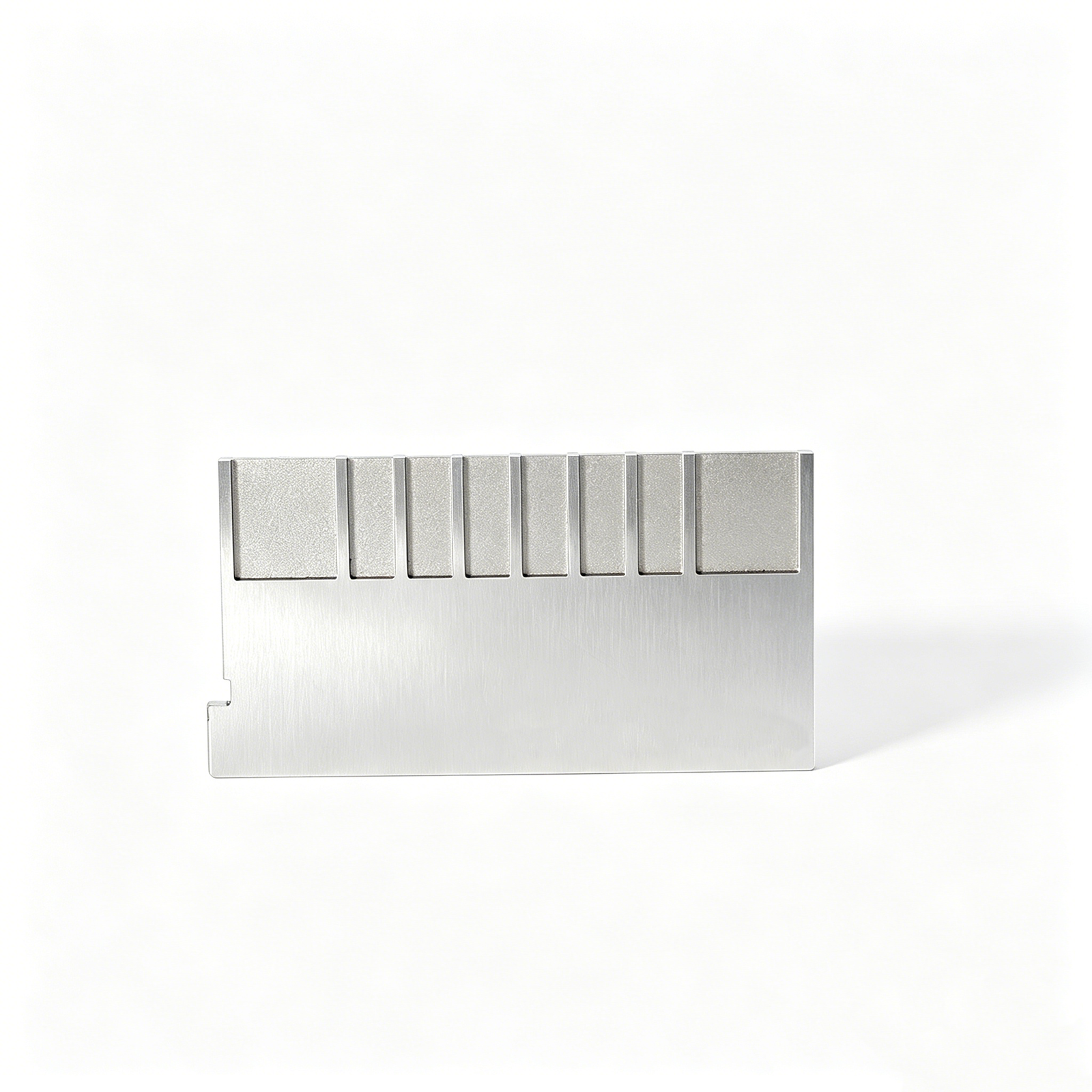
Plastic film parts · Precision mold insert
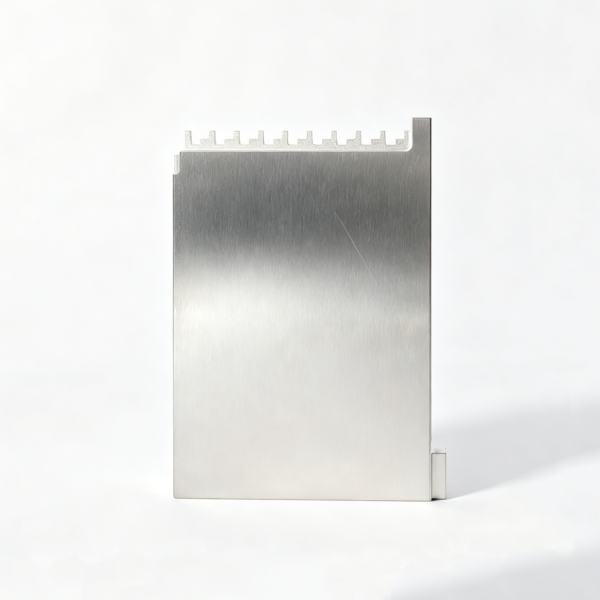
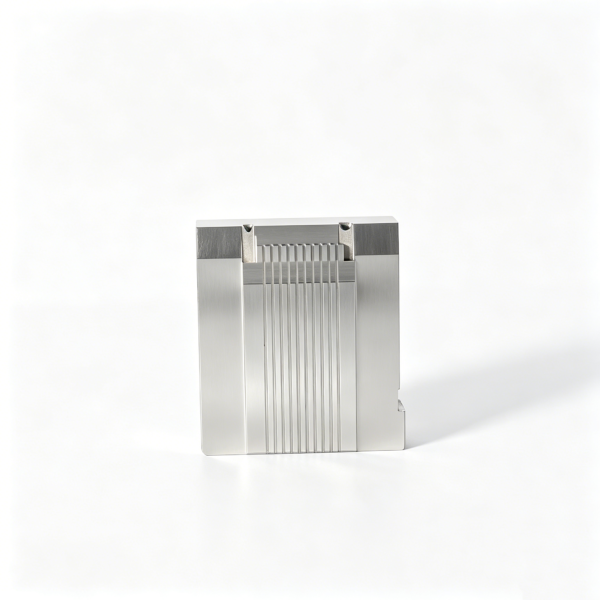
Precision Mold Components for Automotive Connectors – Wear-Resistant Core Pins & Inserts
Brand Xuxiang Mold
Availability Made to drawing
RFQ pricing
Quote from STEP / PDF & quantity
Engineered for demanding automotive applications, these precision mold components for automotive connectors deliver stable dimensional accuracy shot after shot. Optimized core pins, inserts and sleeves help you mold complex terminal windows, latch details and sealing features with minimal flash and reduced scrap. High-hardness tool steels and fine surface finishing support long production runs under aggressive molding conditions. Whether you are developing a new connector platform or upgrading an existing tool, these components help shorten setup time and improve overall molding efficiency.
- ISO 9001:2015–oriented process & documented inspection paths
- Zeiss / Nikon class metrology available for critical dimensions
- DFM feedback from 10+ senior tooling engineers
- Dongguan HQ + Quanzhou capacity for volume programs
High-Precision Mold Components Tailored for Automotive Connectors
Automotive electrical connectors demand exceptionally tight tolerances, repeatable fit with mating parts and reliable performance under vibration, temperature cycling and chemical exposure.[1][4] To achieve this consistently, the mold tooling that forms each tiny feature must be equally precise. These precision mold components for automotive connectors are designed specifically for connector molds, including terminal cavities, latch details, keying features and sealing structures.[1][3]
Each component is manufactured from quality tool steels or equivalent high-performance materials, then finished through precision grinding, EDM and polishing processes to achieve sharp edges and stable dimensions. This allows connector mold builders and injection molders to maintain micro-level accuracy on wall thickness and terminal windows, while keeping cycle times competitive and reducing maintenance intervals.[3][6]
Key Features & Benefits
The design and construction of these mold components focus on the unique requirements of automotive connector tooling, from compact multi-cavity molds to high-cavitation platforms running 24/7.[4][10]
- Connector-specific geometries – Core pins, cavity inserts, slides and lifters are shaped to form terminal chambers, locking fingers, ribs, ribs for strain relief, keyways and other critical connector details.
- High dimensional stability – Precision machining and grinding help maintain tight tolerances on length, concentricity and profile, supporting accurate pin pitch and consistent insertion forces in finished connectors.[3][6]
- Wear and corrosion resistance – Using heat-treated tool steels and appropriate surface treatments enhances resistance to abrasion from glass-filled resins and repeated cycling, extending mold life and reducing downtime.[4][6]
- Optimized for injection molding – Radii, draft angles and venting features are designed to support smooth filling, controlled shrinkage and easy ejection, helping prevent short shots, warpage and damage during demolding.[4][7]
- Flexible customization – Components can be tailored to different connector families, cavity counts and press sizes, making them suitable for OEMs, Tier 1 suppliers and specialized connector mold shops.[2][11]
- Support for high-cavitation tools – Stable, repeatable components facilitate balanced filling in tools with many cavities, improving productivity in large-volume connector programs.[4][10]
Specifications & Typical Configuration
Because automotive connector platforms vary widely, these precision mold components are typically configured and sized to match your specific tooling design. Below is an example of the type of attributes you can expect when sourcing components for this category of molds.
| Attribute | Description |
|---|---|
| Component types | Core pins, cavity inserts, sleeves, ejector pins, lifters, slides and custom inserts for automotive connector molds[1][3] |
| Typical applications | Power connectors, signal connectors, sensor housings, multi-pin blocks and inline connectors for vehicles[4][10] |
| Material options | High-quality tool steel or stainless steel suitable for precision injection mold components, with optional surface treatments[4][6] |
| Manufacturing processes | CNC machining, precision grinding, EDM, polishing and heat treatment to achieve high accuracy and wear resistance[3][6] |
| Compatibility | Designed for integration into custom automotive connector molds for standard injection molding machines[4][9] |
| Design support | Can be specified based on connector layout, cavity count, resin choice and required mold structure[4] |
| Target industries | Automotive OEMs, Tier 1 and Tier 2 suppliers, precision mold makers and connector manufacturers[2][10] |
Use Cases & Ideal Users
These precision mold components are suitable wherever reliable automotive connectors are produced through plastic injection molding.[4][10]
- New connector platform development – Tooling engineers designing new automotive connector families can specify tailored core and cavity inserts to achieve the required geometry and tolerance stack-up for terminals and seals.
- Mold refurbishment and upgrades – Existing connector molds can be upgraded with new core pins and inserts to improve dimensional consistency, address wear or adapt the mold to new resin grades.
- High-volume production environments – Plants running multi-cavity connector molds on high-speed injection presses benefit from components designed for long life and stable performance under continuous operation.[4][10]
- Prototype and bridge tooling – Short-run or pilot tools still require reliable mold components to validate connector fit, assembly behavior and electrical performance before committing to full-scale production.[7][10]
- Multi-industry connectors in vehicles – Suitable for connectors used in powertrain, ADAS, infotainment, body control modules and charging components where consistent molding quality is essential for downstream assembly and testing.[9][10]
Selection, Care & Buying Guidance
Choosing the right mold components and maintaining them correctly will help you realize the full value of your connector tooling investment.[4]
- Match components to connector geometry – When selecting core pins and inserts, consider the connector’s pin pitch, locking features, seal grooves and wall thickness targets. A close match to the 3D model of your connector reduces rework during sampling and PPAP.
- Consider resin and filler content – Aggressive materials such as glass-filled or flame-retardant resins can accelerate wear. In these cases, select harder materials or additional surface treatments for key wear surfaces.[4][6]
- Plan for maintenance access – Opt for component designs that allow easy removal and replacement during routine maintenance, especially for high-cavitation automotive connector molds where downtime has a high cost.[4]
- Implement regular inspection – Monitor critical dimensions on core pins and inserts after defined shot counts to detect wear before it affects connector performance, especially for contact retention features and sealing interfaces.
- Use appropriate cleaning methods – Clean components with suitable solvents and non-abrasive tools to avoid altering surfaces that control release or sealing. Avoid harsh mechanical cleaning that may change parting line or gate details.
- Coordinate with mold designers – Engage your mold design team or supplier early to align on component standards, tolerances and interchangeability across different connector programs, reducing spare part complexity.[4]
FAQ
Are these mold components compatible with my existing automotive connector mold?
In most cases, components can be adapted to existing connector molds by matching critical dimensions, materials and mounting interfaces. Provide your current mold drawings or 3D files so that sizes and fits can be verified before ordering.
What information do I need to supply to specify the right components?
For accurate selection, share connector drawings, cavity layout, resin type, expected shot volume and any special requirements such as seal compression features or overmolding. This helps ensure the components are optimized for your application.[4]
Can these components handle glass-filled or flame-retardant connector resins?
Yes, suitable material and surface treatment choices can support abrasive or chemically aggressive automotive resins. When requesting components, note the resin grade and filler level so appropriate wear-resistant options can be recommended.[4][6]
How often should I inspect or replace core pins and inserts in high-volume production?
Inspection frequency depends on resin, cycle time and shot volume, but many automotive molders establish preventive checks based on shot count or production hours. Measuring key dimensions regularly helps identify wear early and avoid connector quality issues.
What shipping options are available for replacement mold components?
Replacement components are typically shipped via standard courier or air freight, depending on urgency. For unplanned downtime, expedited shipping can usually be arranged so you can restore connector production as quickly as possible.
Do I need special training to install these components in my mold?
No special certification is required, but installation should be carried out by experienced toolmakers or maintenance technicians. Proper alignment, torque and cleanliness are essential to maintain precision and avoid damage to neighboring mold surfaces.
How should I store spare precision mold components for automotive connectors?
Store spares in a clean, dry environment, ideally in labeled trays or boxes to protect critical surfaces. A light protective oil or rust inhibitor can be applied to steel components, provided it is removed before installation.
What is the typical warranty or return policy for mold components?
Warranty terms vary by supplier but generally cover manufacturing defects in material and workmanship. Components that are unused and undamaged can usually be returned or exchanged within an agreed period, subject to inspection and restocking rules.
Can these components be customized for prototype and low-cavitation tools?
Yes, core and cavity inserts can be configured for single- or low-cavity prototype molds, allowing you to validate connector performance before scaling up. Customization can include simplified geometries, different steels or alternate gate and vent designs.
How do these components help reduce scrap in connector molding?
High-precision components support stable filling, accurate parting lines and consistent terminal geometry, which reduces flash, short shots and deformation. This leads to fewer rejected parts during visual inspection and electrical testing.[4][7]
Related products
Same drawing, predictable results—next batch
Share revision, quantity ramp, and inspection level. We quote process route, ship date, and documentation in one structured response.