
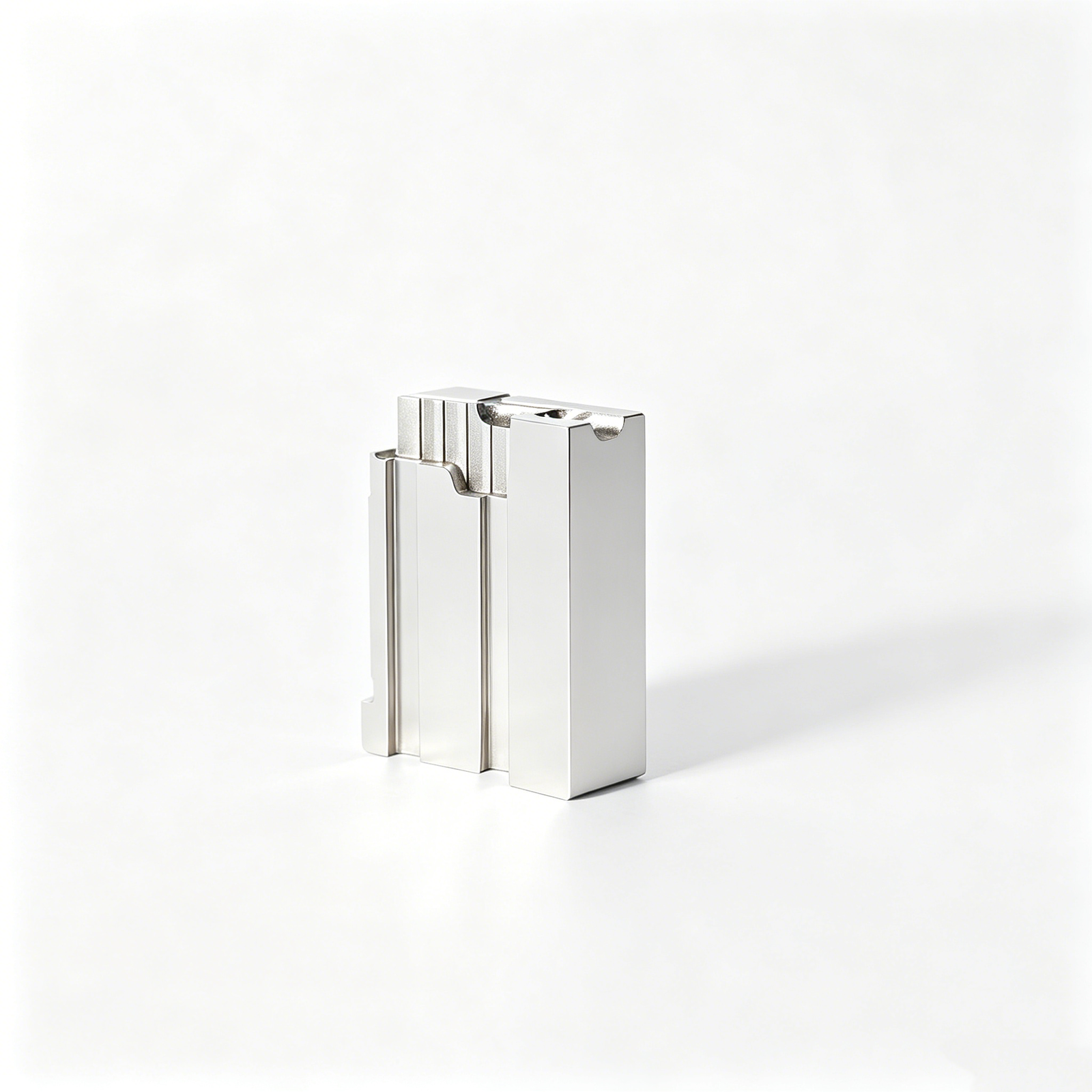
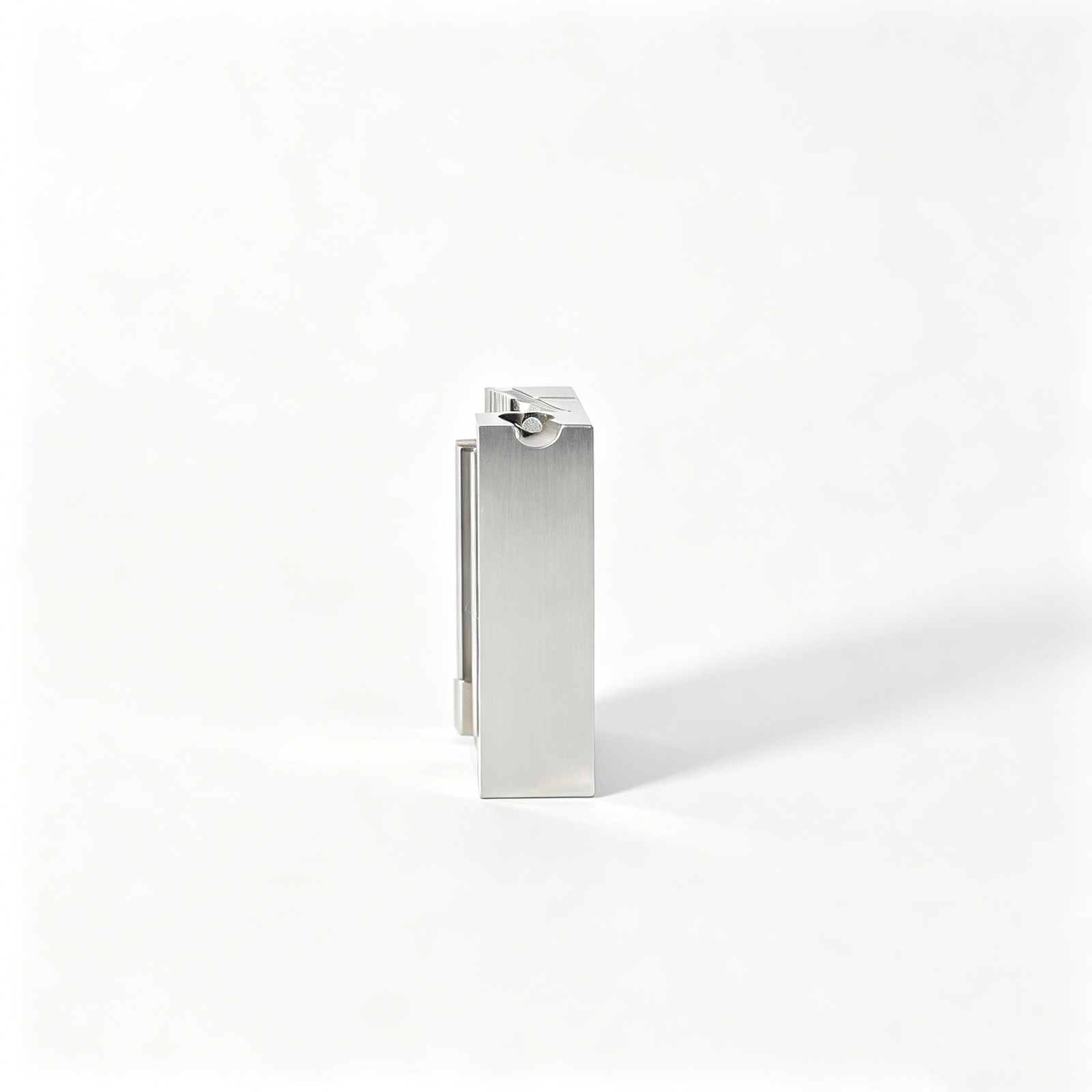
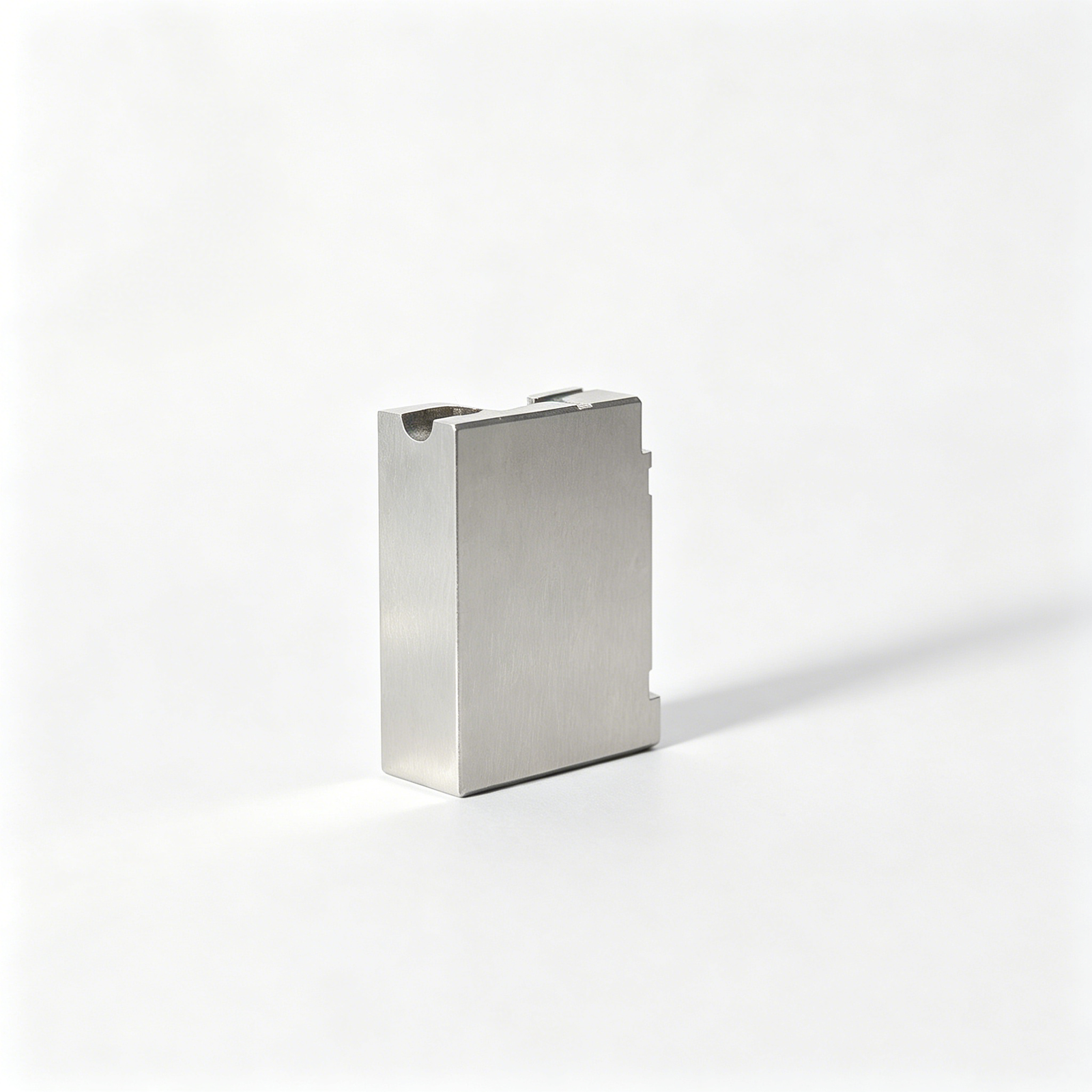
Plastic film parts · Precision mold insert
Precision Mold Components for Automotive Connectors – Fine-Pitch Cavities, Cores & Ejectors
Brand Xuxiang Mold
Availability Made to drawing
RFQ pricing
Quote from STEP / PDF & quantity
Engineer reliable connector tooling with precision mold components for automotive connectors designed for demanding production environments. Each core, cavity and ejector element is manufactured for fine-pitch terminal layouts and repeatable dimensional stability in multi-cavity tools. These components help you achieve consistent insulation wall thickness, clean parting lines and smooth demolding, even on compact connector housings. Integrate them into new tool builds or retrofit existing molds to improve yield and reduce rework. Ideal for Tier 1 and Tier 2 suppliers that must hold tight tolerances on complex automotive electrical connectors.
- ISO 9001:2015–oriented process & documented inspection paths
- Zeiss / Nikon class metrology available for critical dimensions
- DFM feedback from 10+ senior tooling engineers
- Dongguan HQ + Quanzhou capacity for volume programs
Precision Mold Components for High-Performance Automotive Connector Tooling
Automotive electrical connectors demand extremely accurate plastic housings so terminals align perfectly, seals seat correctly and harnesses plug together every time. To achieve this level of dimensional control, the quality of your tooling inserts, pins and other precision mold components is critical. Our precision mold components for automotive connectors are engineered for use in high-cavity, high-output injection molds where fine-pitch geometries, thin walls and complex latch details must be replicated over long production runs.
These components are typically used in connector molds that produce housings, headers, sensor plugs and control module interfaces for under‑hood, in‑cabin and chassis applications. By focusing on stability, wear resistance and interchangeability, they help mold builders, toolrooms and production plants maintain consistent part dimensions, even when running engineered plastics at elevated temperatures and fast cycle times.
Key Features & Manufacturing Benefits
Every element in this component range is designed to support robust connector tooling and stable series production:
- Fine-pitch geometry control – Core pins, sleeves and cavity inserts support narrow terminal spacing, uniform wall thickness and sharp detail definition to help avoid flash and short shots in complex connector housings.
- High wear resistance – Components are produced from suitable tool steels or equivalent high-strength alloys selected for abrasion resistance, surface hardness and thermal stability, reducing dimensional drift over time.
- Stable tolerances for multi-cavity molds – Matched components are ground and finished to precise tolerances so that cavity-to-cavity variation is minimized, supporting connector programs that require millions of shots.
- Optimized for engineered plastics – Geometry and surface finishes are designed with automotive connector resins in mind, including glass-filled and high CTI materials, supporting smooth filling and controlled shrinkage.[4][11]
- Improved demolding and part handling – Ejector pins, sleeves and lifter details are configured to release thin, delicate connector parts without inducing stress marks, whitening or deformation, which is essential for high cosmetic and functional requirements.[4][7]
- Serviceability and replacement – Modular inserts and removable cores simplify maintenance, allowing toolmakers to replace high-wear elements without reworking the entire mold base, reducing downtime.
By integrating these components into your connector molds, you can increase first-pass yield, extend tooling life and reduce the number of adjustments required at the molding machine, particularly on demanding automotive programs.
Specifications & Key Attributes
The following table summarizes typical characteristics and options for precision mold components used in automotive connector tooling. Exact configurations are tailored to your connector design, mold base and production requirements.
| Attribute | Description |
|---|---|
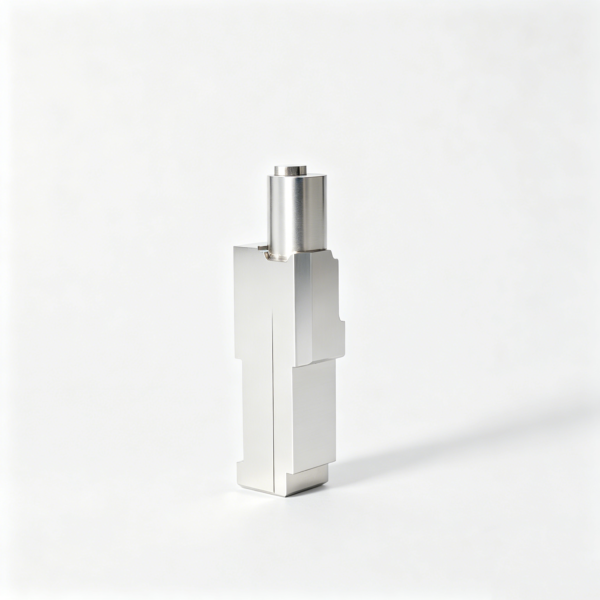
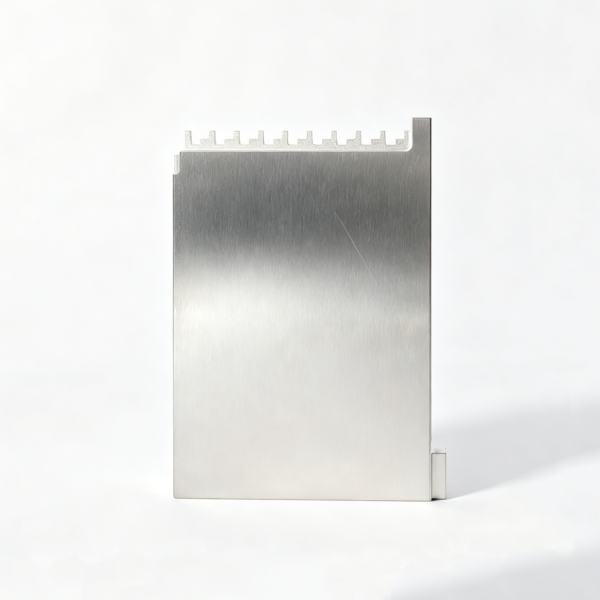
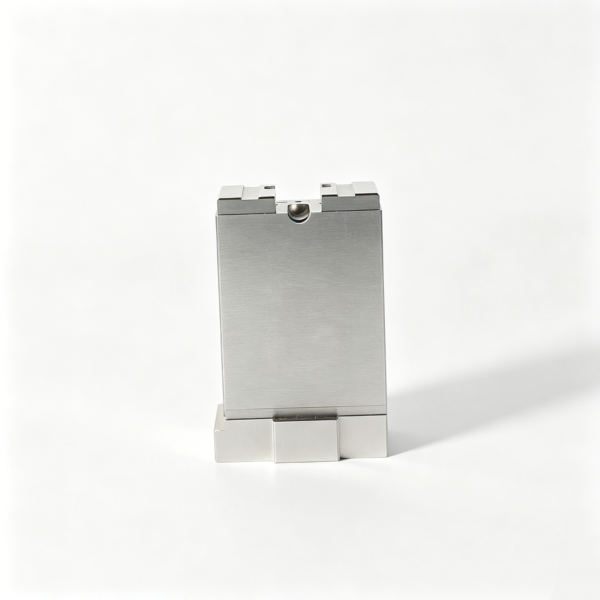
| Component types | Core pins, cavity inserts, sleeves, ejector pins, lifters, guide elements and custom connector profiles. |
| Typical applications | Automotive electrical connectors, sensor plugs, ECU headers, power distribution housings and in‑cabin connector blocks.[1][9][11] |
| Material options | Tool steels and comparable high-strength alloys selected for wear resistance, dimensional stability and polishability. |
| Surface treatments | Available with suitable hardening and surface conditioning options aimed at reducing wear and improving release. |
| Tolerance capability | Configured for tight connector mold tolerances suitable for fine-pitch and thin-wall geometries, subject to design review.[3][6][8][12] |
| Connector design compatibility | Supports multi-row, sealed and unsealed connectors, snap-fit latch details, polarization keys and terminal retention features.[4][9] |
| Mold styles supported | Single and multi-cavity, hot runner and cold runner molds for automotive connector production.[4][11] |
| Production environment | Developed for high-cycle, long-run programs in automotive plastics processing and connector manufacturing plants. |
| Customization | Components can be customized to match customer drawings, connector standards and existing mold bases.[2][6][12][14] |
| Quality focus | Dimensional accuracy, interchangeability and repeatability prioritized for reliable electrical connector assembly.[1][9][11] |
Use Cases & Ideal Users
These precision mold components are suited for a wide range of automotive connector projects, from new tooling to refurbishment of existing molds.
- Automotive connector mold manufacturers – Tool shops that specialize in connector molds can integrate these components into new tools to speed up build time while maintaining accuracy for challenging connector geometries.[1][3][9]
- Tier 1 and Tier 2 suppliers – Production facilities that mold connectors for OEM harnesses, sensor systems and modules can standardize on these components to help stabilize part dimensions across multiple tools and presses.[11][15]
- Maintenance and engineering teams – In-house toolrooms can use compatible inserts, pins and sleeves to refurbish worn connector molds, extending service life and reducing scrap.
- New platform launches and transfers – During platform changes or tool transfers between plants, standardized components make it easier to maintain consistent performance while adapting to new presses or process windows.
Typical scenarios include high-volume automotive harness programs where thousands of parts per hour must be molded and tightly controlled, as well as smaller production runs of specialized connectors that nonetheless require precise mating performance and electrical reliability.[9][11]
Selection, Care & Buying Guidance
Selecting the right precision mold components for an automotive connector project starts with a careful review of connector geometry, resin choice and expected production volumes. Collaborate with your mold designer and component supplier to align on gate locations, cooling channel layouts, demolding strategy and any special surface requirements for sealing areas or high-voltage creepage distances.[4][7][9]
When configuring your components, consider the following points:
- Confirm the connector standards or OEM drawings the components must support, including any critical dimensions and gauge requirements.
- Identify high-wear regions, such as terminal cavities and latch features, that may benefit from specific materials or surface treatments.
- Evaluate demolding forces and draft angles to balance secure terminal retention with smooth part ejection.[4][7]
- Plan for maintenance access, designing inserts and pins so they can be replaced or adjusted without extensive disassembly.
For ongoing care, clean precision surfaces regularly, avoid abrasive tools that can alter dimensions, and monitor part measurements over time to detect early signs of wear. Proper lubrication and controlled storage conditions for spare components help maintain consistency when replacements are installed.[4]
When purchasing, it is helpful to supply detailed connector drawings, existing tool layouts and resin information. This allows your supplier to recommend component designs that support the specific shrinkage behavior, flow characteristics and operating temperatures associated with your material and molding process.[4][7][10]
FAQ
Are these mold components compatible with my existing automotive connector mold?
In many cases, components can be adapted to existing connector molds if you provide drawings or samples. Critical interfaces such as mounting dimensions, alignment features and shut-off surfaces must be checked so that replacement parts match your current tooling.
What connector types can these components support?
They can be configured for a wide variety of automotive connector styles, including sealed and unsealed multi-pin housings, sensor connectors, ECU headers and power distribution modules, as long as the necessary cavity and core geometry is defined.
How do I ensure the components will meet my tolerance requirements?
The best approach is to share the key dimensions and gauge criteria that your connectors must pass. The component supplier can then propose manufacturing tolerances and inspection methods aligned with those requirements, especially for fine-pitch and thin-wall sections.
What information should I send when requesting a quotation?
You should include 2D drawings or 3D models of the connector and mold areas, identify the resin to be molded, note the expected production volume and specify any special surface or treatment needs. This allows an accurate assessment of component design and pricing.
How are these components shipped and protected from damage?
Components are typically packed in protective cases or trays to prevent impact and corrosion. Smaller pins and inserts are separated and labeled for easy identification during mold assembly. If you have particular packing requirements, these can usually be arranged.
What is the typical lead time for custom automotive connector mold parts?
Lead times vary with complexity and quantity, but you should allow time for drawing review, manufacturing and inspection. Discuss your project schedule early so production slots can be coordinated with your tool build or maintenance plan.
How should I maintain these components once installed in the mold?
Follow a regular maintenance routine that includes cleaning, visual inspection and periodic dimensional checks of critical regions. Keep the mold properly lubricated and avoid aggressive cleaning methods that could alter precision surfaces or edges.
What happens if a core pin or insert wears out or is damaged?
Because the components are designed to be replaceable, individual elements can be removed and exchanged. Providing the original part reference or drawing helps ensure the replacement matches exactly and minimizes downtime.
Is there any warranty or return policy on these mold components?
Warranty and return conditions depend on the supplier’s terms, which typically cover manufacturing defects. Discuss expectations regarding service life, inspection on receipt and any claims procedure before placing an order.
Can I standardize these components across multiple connector programs?
Yes, many users choose to standardize certain pin, sleeve and insert families across several tools. This can simplify spare parts management and reduce lead time for replacements, provided the connector designs share compatible geometries.
Related products
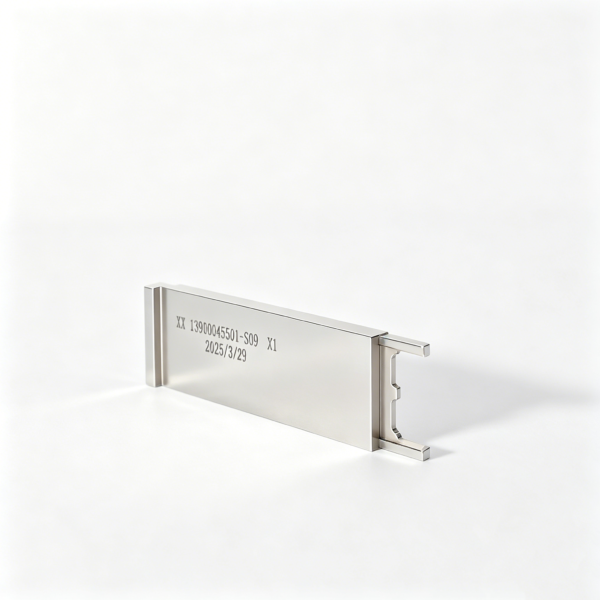
Same drawing, predictable results—next batch
Share revision, quantity ramp, and inspection level. We quote process route, ship date, and documentation in one structured response.