
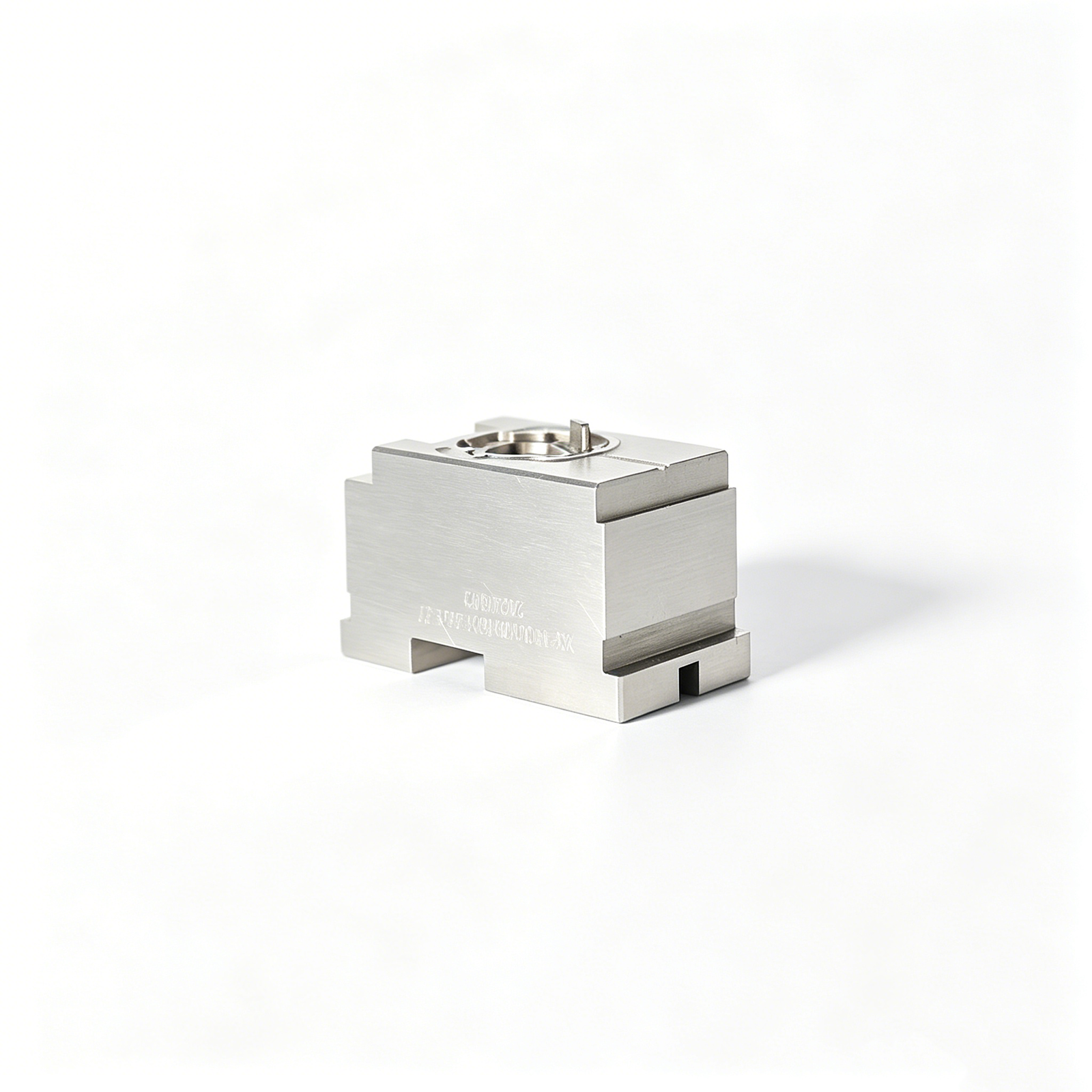
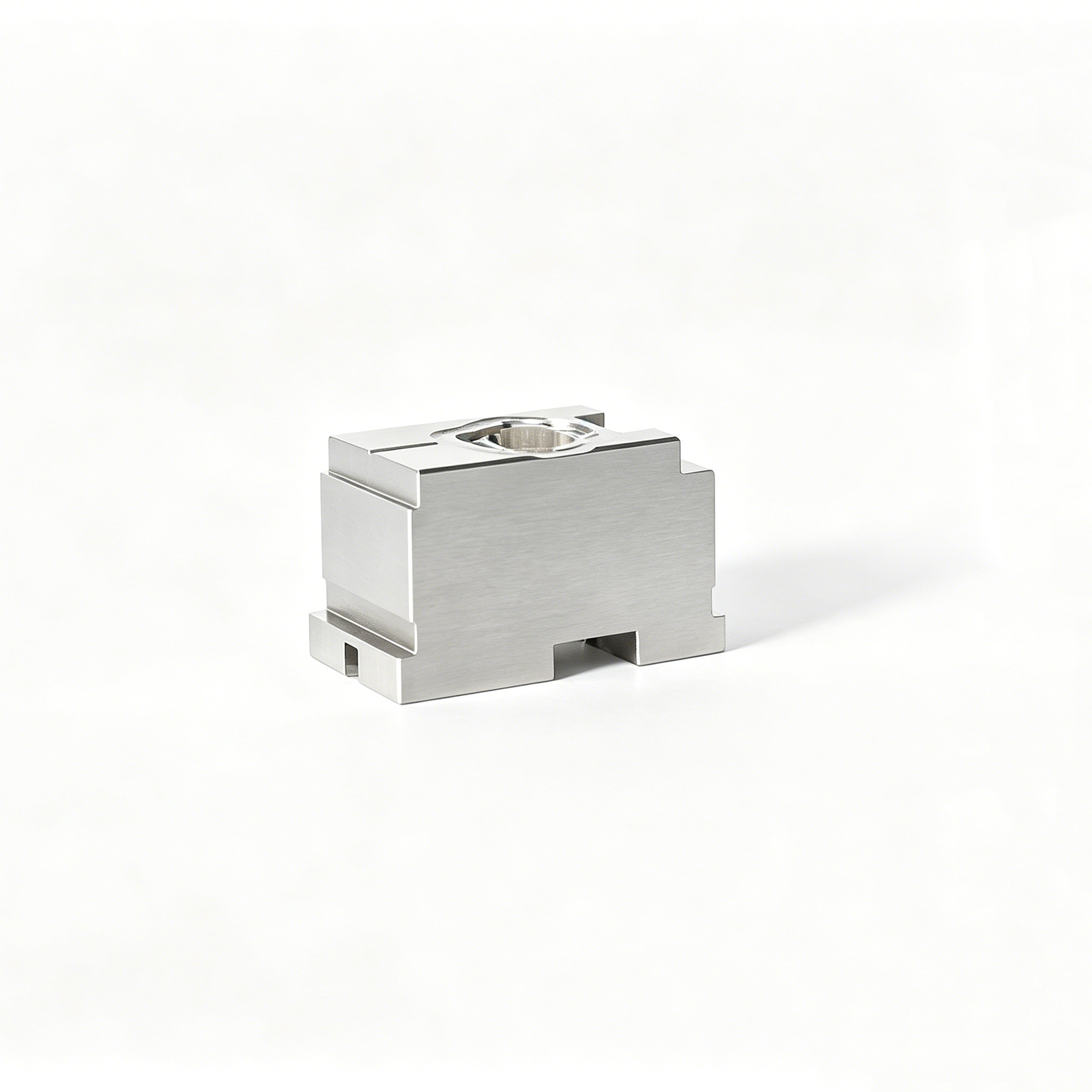
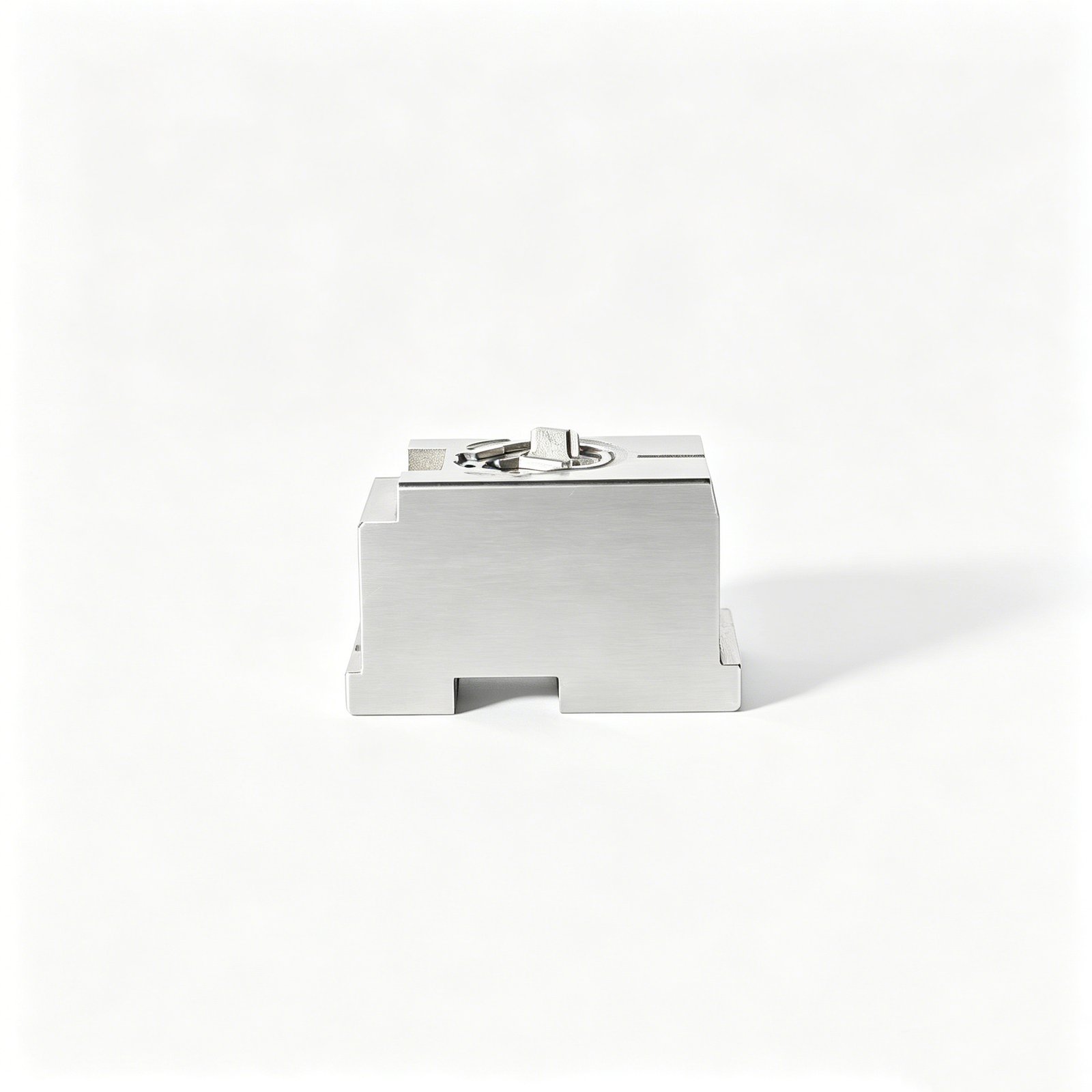
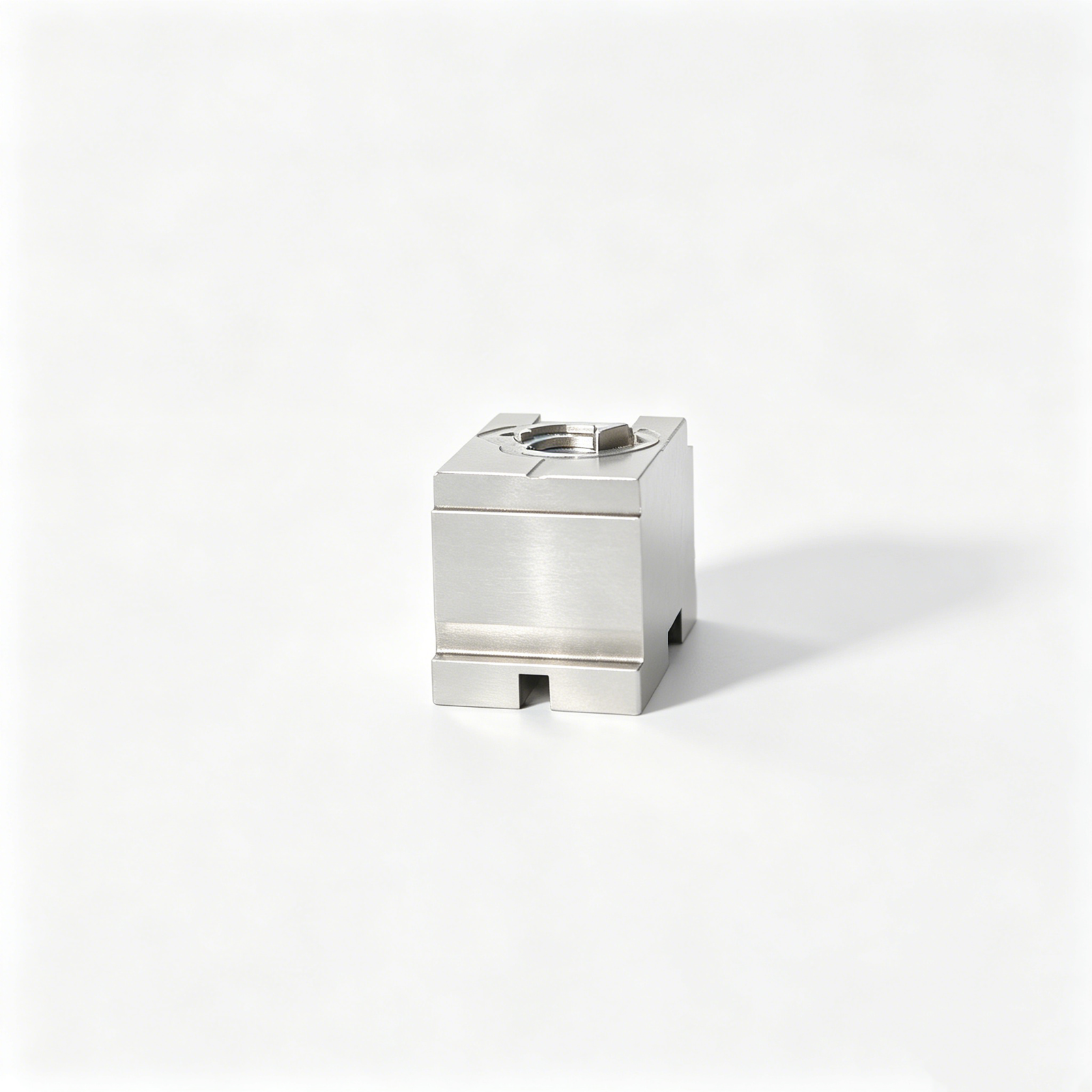
Plastic film parts · Precision mold insert
Precision Mold Components for Automotive Connectors – Fine-Pitch Insert & Core Pin Solutions
Brand Xuxiang Mold
Availability Made to drawing
RFQ pricing
Quote from STEP / PDF & quantity
Engineered for demanding connector programs, these precision mold components for automotive connectors deliver stable, repeatable quality on every shot. Fine-pitch cores, sleeves and inserts are manufactured from high-grade tool steels to withstand long production runs and abrasive engineering resins. Tight tolerances help you maintain terminal alignment, minimize flash and reduce post-processing. Integrate them into new connector molds or retrofit existing tools to extend service life. Ideal for Tier-1, Tier-2 and custom tool shops seeking higher dimensional accuracy and process capability.
- ISO 9001:2015–oriented process & documented inspection paths
- Zeiss / Nikon class metrology available for critical dimensions
- DFM feedback from 10+ senior tooling engineers
- Dongguan HQ + Quanzhou capacity for volume programs
Fine-Pitch Precision Mold Components Optimized for Automotive Connectors
Automotive electrical connectors are becoming smaller, more complex and more densely packed, which places extreme demands on the quality of the tooling that forms them. Our precision mold components for automotive connectors are designed specifically for this environment, supporting high-cavitation molds, thin-wall parts and fine-pitch terminal layouts used across today’s vehicle platforms.
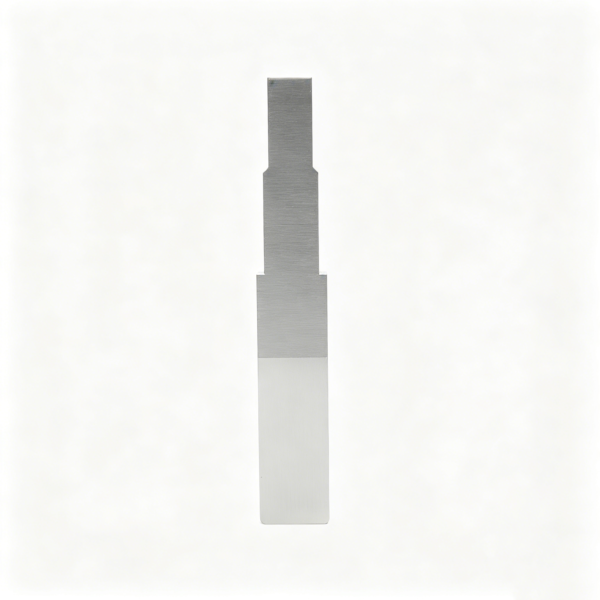
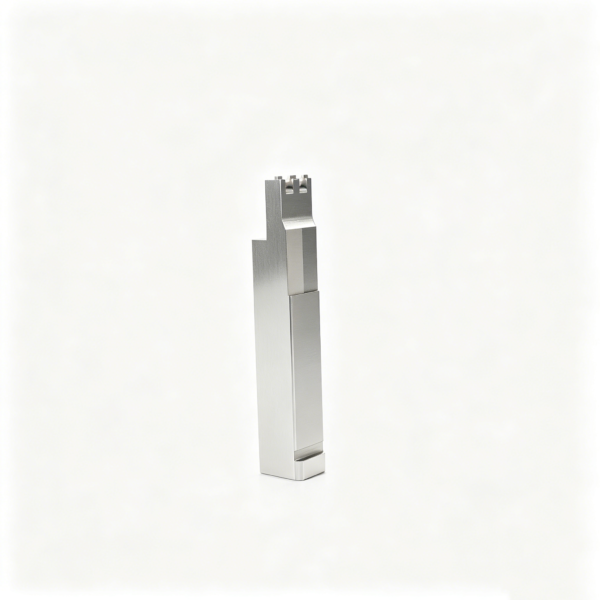
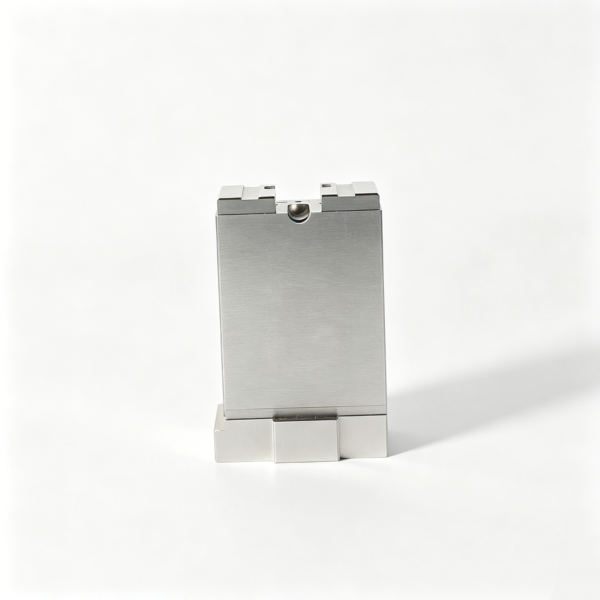
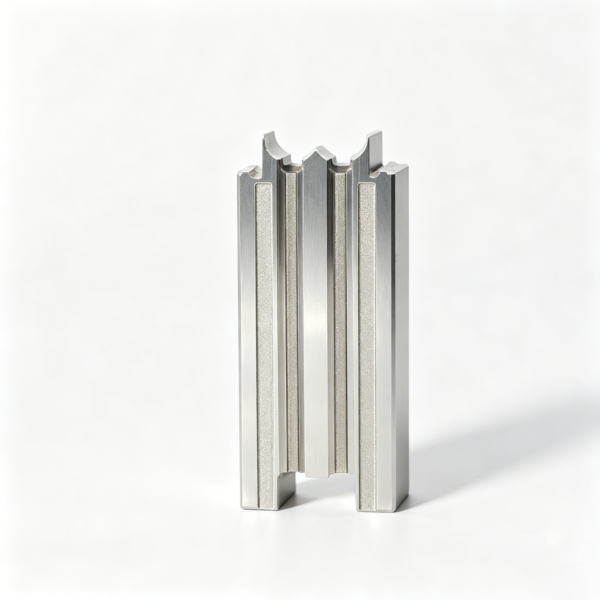
These components cover the critical working elements of the tool set: core inserts, cavity inserts, core pins, sleeves, lifters and selected ejector elements. Produced from carefully chosen tool steels and stainless steels commonly used in connector molds, they provide the dimensional stability, wear resistance and polishability required to mold tight-tolerance plastic housings with consistent fit to mating terminals and harness systems.
Whether you are building a new connector mold for body electronics, powertrain control modules or high-speed data connectors, or refurbishing existing tools after high-volume production, these mold components give you a reliable foundation for stable processing and repeatable quality.
Key Features & Benefits for Connector Tooling
Automotive connector tooling must align perfectly with terminals and wiring looms while withstanding millions of molding cycles in often aggressive materials. These mold components are tailored to that reality.
- Fine-pitch geometry control – Component surfaces and critical diameters are produced to tight tolerances to support high-pin-count connectors and densely packed cavity layouts, helping you maintain terminal position and consistent insertion forces.
- Connector-focused component portfolio – Includes core inserts, cavity inserts, core pins, sleeves and related wear parts configured for typical automotive connector families, from small signal connectors to larger power housings.
- Wear-resistant materials – Manufactured in widely used mold steels and corrosion-resistant grades suitable for glass-filled and flame-retardant resin systems found in many automotive electrical applications.
- Stable running in high-cavitation molds – Geometry, surface finish and material selection support fast cycling and balanced filling, helping reduce flash, short shots and dimensional drift over the life of the tool.
- Service-friendly design – Many components are configured for straightforward replacement during scheduled maintenance, reducing press downtime compared to fully integrated, non-modular tooling solutions.
- Support for advanced cooling strategies – Component designs are compatible with insert-level cooling concepts and optimized mold cooling layouts often used to control warpage and shrinkage in thin-walled connectors.
Technical Attributes & Specification Overview
The table below summarizes the typical characteristics of these precision mold components for automotive connectors. Where exact numeric values depend on your project, descriptive information is provided so you can quickly determine suitability for your mold design.
| Attribute | Description |
|---|---|
| Component types | Core inserts, cavity inserts, core pins, sleeves, lifter details and selected ejector elements tailored for automotive connector molds |
| Typical applications | Injection molds for automotive electrical connectors, plug housings, header blocks and multi-pin connector families |
| Material options | High-grade tool steels and corrosion-resistant steel grades suitable for high-cycle connector tooling and engineering plastics |
| Surface finish | Precision-ground and polished working surfaces to support low-friction demolding and high-quality connector appearance |
| Geometry focus | Fine-pitch features, thin walls, small radii and sharp edges needed for modern automotive connector designs |
| Compatibility | Configurable for new mold builds or as replacement parts in existing connector tooling, subject to dimensional matching |
| Processing environment | Designed for use in high-volume injection molding cells producing electrical connector housings for automotive applications |
| Cooling & demolding | Compatible with connector mold cooling layouts and demolding systems using ejector pins, sleeves and lifters |
| Quality focus | Supports dimensional accuracy, flash control, terminal alignment and repeatable connector fit during high-cavitation production |
Typical Use Cases & Ideal Users
These precision mold components are used anywhere automotive connector housings must be molded with repeatable accuracy. They are especially relevant where you need long service life and low maintenance in demanding production settings.
- Tier-1 and Tier-2 automotive suppliers – For internal toolrooms and production plants molding connectors for body control modules, lighting systems, infotainment units, ADAS devices and more.
- Independent injection mold makers – Ideal for tool shops building new connector molds for automotive OEMs or retrofit programs, where off-the-shelf yet configurable components can shorten build times.
- Connector manufacturers diversifying into automotive – Companies expanding from industrial or consumer connectors into the automotive market can leverage these components to meet automotive-grade dimensional and reliability requirements.
- Maintenance and refurbishment teams – Use as replacement cores, pins and inserts to refresh worn connector molds, restore dimensional capability and extend tooling life with minimal disruption.
- Engineering and development groups – Suitable for prototype and pilot tools that must closely represent mass-production conditions, especially when validating new connector geometries or plastic materials.
Automotive connector molds often incorporate complex gating, venting and cooling to manage shrinkage, warpage and flash in thin-walled parts. Combining that level of mold design with robust, finely machined components helps maintain stable part dimensions, ensuring connectors mate properly and pass electrical and mechanical performance tests.
Selection, Care & Buying Guidance
Selecting the right mold components at the outset can significantly reduce lifetime tooling cost and improve manufacturing efficiency. When evaluating components for your connector program, consider the following points:
- Match components to resin and connector family – Different connectors use different engineering plastics and design rules. Make sure the component material and hardness level are compatible with the resin’s abrasiveness and processing temperature range.
- Pay attention to fine-pitch requirements – For high-pin-count or miniaturized connectors, prioritize components that support very fine features and consistent alignment across all cavities in the mold.
- Plan for maintenance and interchangeability – Specify components that can be removed and replaced without major mold disassembly. Modular inserts and standardized core pins help reduce downtime during preventive maintenance.
- Coordinate with cooling and demolding design – When designing the mold, ensure component choices do not compromise cooling channel layouts or ejector systems. Good communication between component selection and mold design teams is essential.
- Verify compatibility with existing tools – For retrofits, cross-check critical dimensions, seating faces and fastening methods before ordering to ensure a smooth installation into your current mold base.
Routine care is equally important. Establish a maintenance schedule that includes cleaning, inspection for wear or micro-cracking, and timely replacement of heavily loaded pins and inserts. Proper handling and storage of spare components—keeping them clean, dry and protected from corrosion—helps ensure they are ready when needed.
By combining robust mold design with these high-precision components, manufacturers can reduce scrap, minimize unplanned downtime and maintain the dimensional integrity required for reliable, long-life automotive electrical connectors.
FAQ
Are these precision mold components compatible with my existing connector mold?
In many cases, components can be adapted to existing connector molds if the critical dimensions and mounting interfaces match. Before ordering, compare your current tooling drawings with the component specifications or consult your toolmaker to confirm compatibility.
Which automotive connector applications are these components best suited for?
They are designed for a wide range of automotive connector housings, including signal connectors, power connectors and multi-pin headers used in body electronics, powertrain control units, chassis systems and infotainment modules.
How should I choose materials for components when molding glass-filled resins?
For glass-filled or otherwise abrasive materials, prioritize higher wear-resistant tool steels or corrosion-resistant grades commonly used in connector tooling. Matching the component material to the resin helps reduce galling, wear and dimensional drift over long production runs.
What maintenance is recommended to extend the life of the mold components?
Implement regular cleaning to remove resin residue, inspect fine features for wear or chipping, and replace critical pins and inserts on a planned schedule. Proper lubrication of moving elements and protection from corrosion during downtime also contribute to longer service life.
Can these components support high-cavitation, high-speed connector production?
Yes, they are intended for use in high-volume connector molds where stable dimensions and reliable demolding are critical. When combined with a well-designed gating and cooling system, the components support high-cavitation, fast-cycle production.
How are the mold components shipped and packaged?
Components are typically packed in protective cases or individual sleeves to prevent damage to critical surfaces during transport. Packaging is arranged to keep parts clean and organized so they can be identified and installed quickly upon arrival.
What information should I provide when requesting a quotation?
For an accurate quote, share connector drawings or 3D models, mold layout details, required component types, preferred materials and any special requirements such as fine-pitch features, specific surface finishes or integration with existing tooling.
Is there any warranty or quality assurance on these components?
Connector mold components are typically supplied under a quality management system suited to automotive tooling. Warranty conditions vary by supplier, but most include conformance to agreed specifications and workmanship standards when used under recommended operating conditions.
How do I handle and store spare mold components correctly?
Store spare components in a clean, dry environment in their protective packaging or dedicated storage trays. Lightly oil uncoated steel surfaces where appropriate, label each item clearly and avoid stacking parts in a way that could damage fine edges or polished surfaces.
Can I order custom dimensions or special connector-specific geometries?
Yes, many connector tooling programs require custom geometries. Provide your dimensional requirements and connector design data so that components can be manufactured or modified to match your specific mold design and performance targets.
Related products
Same drawing, predictable results—next batch
Share revision, quantity ramp, and inspection level. We quote process route, ship date, and documentation in one structured response.