
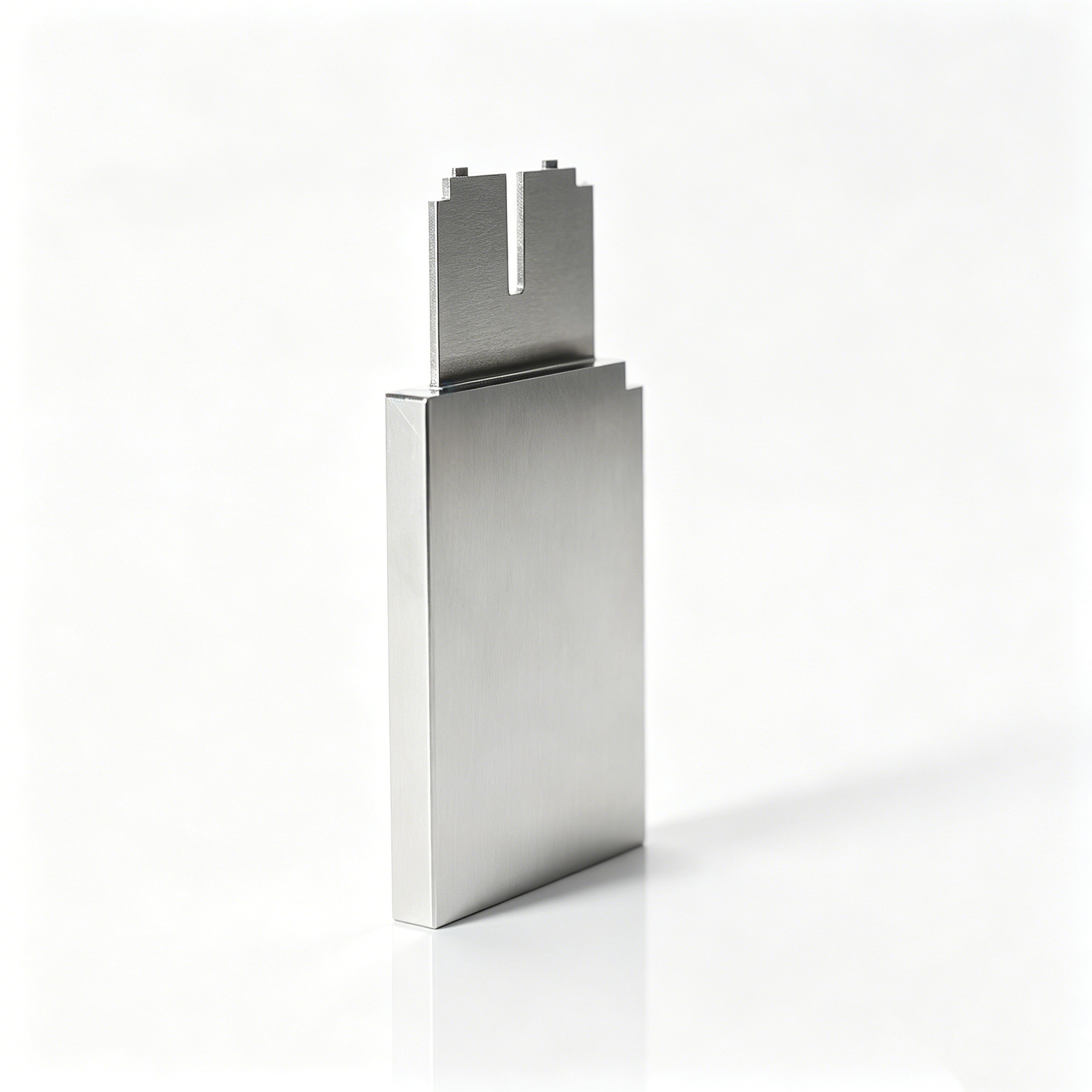
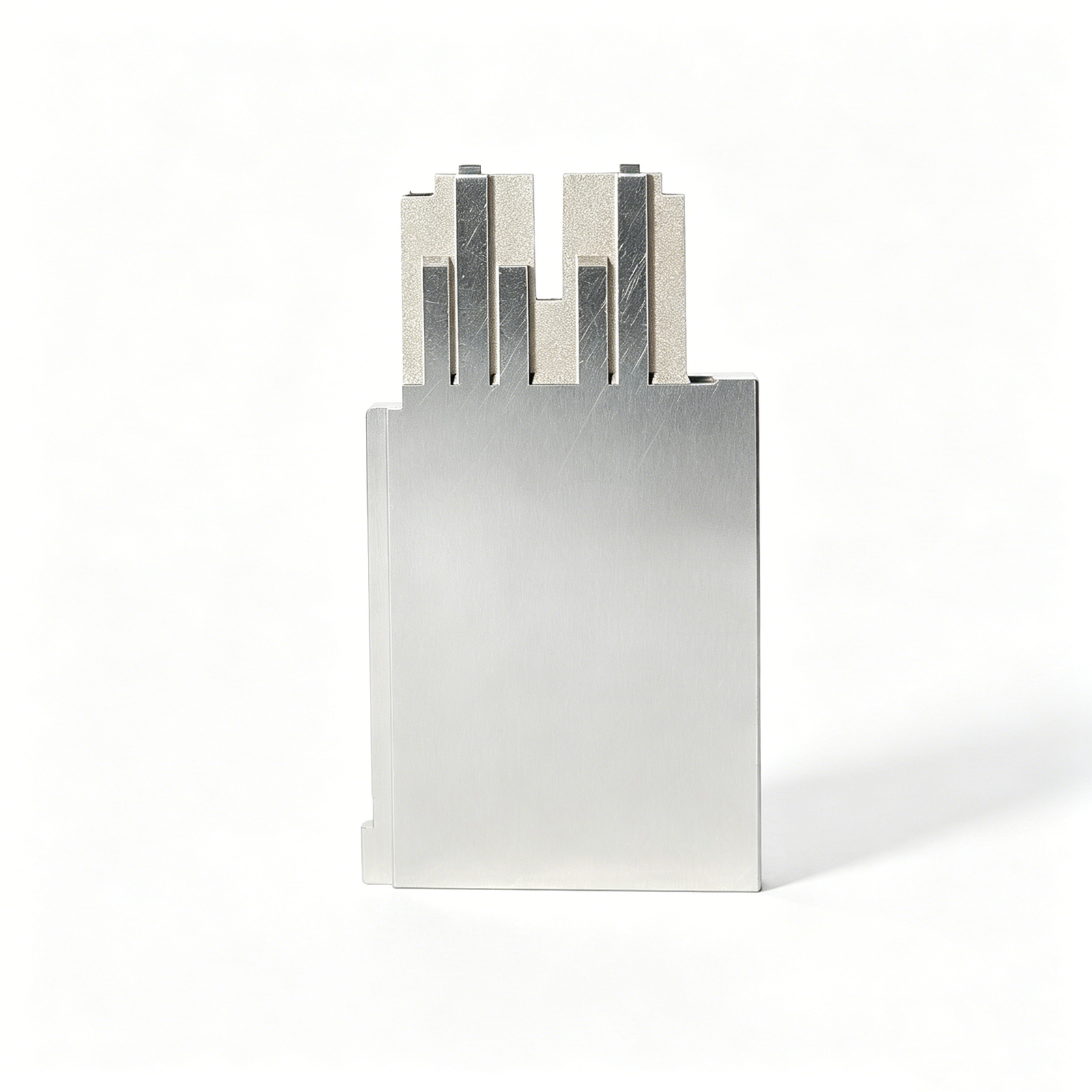
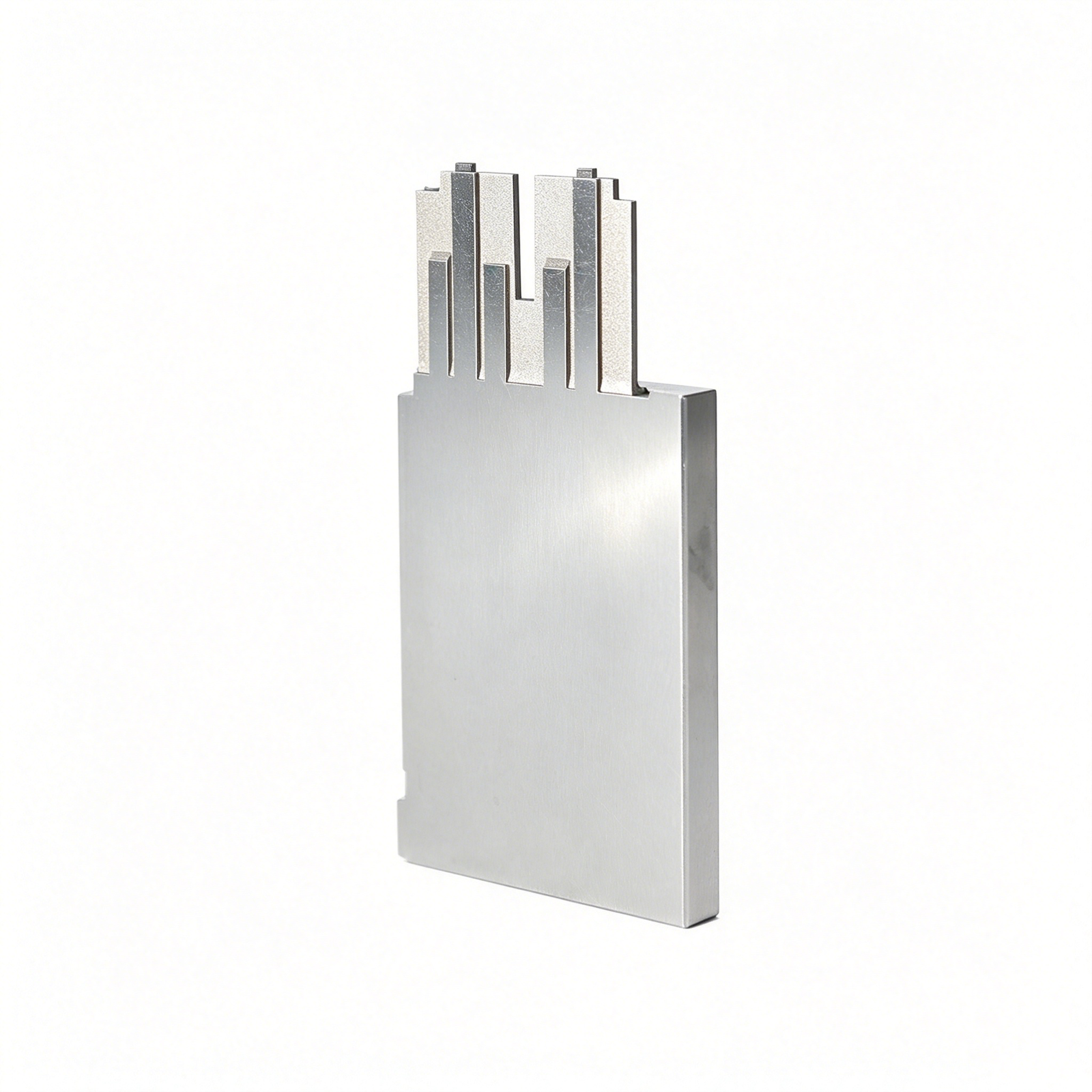
Plastic film parts · Precision mold insert
Precision Mold Components for Automotive Connectors – Fine-Pitch Insert & Core Solutions
Brand Xuxiang Mold
Availability Made to drawing
RFQ pricing
Quote from STEP / PDF & quantity
Engineered for the demanding world of automotive electrics, these precision mold components help you produce stable, fine-pitch connector housings run after run. Each insert, core, sleeve and pin is manufactured for tight dimensional control, clean demoulding and reliable cavity filling in high-cavity connector tools. Use them to optimize complex terminal layouts, reduce flash and warpage, and extend mold life in high-volume injection molding. With robust steel selection and optimized cooling and ejector interfaces, you gain consistency, easier maintenance and fewer unexpected stoppages. Integrate these precision mold components for automotive connectors into new tools or retrofit existing connector molds to upgrade quality without redesigning your entire mold base.
- ISO 9001:2015–oriented process & documented inspection paths
- Zeiss / Nikon class metrology available for critical dimensions
- DFM feedback from 10+ senior tooling engineers
- Dongguan HQ + Quanzhou capacity for volume programs
High-Precision Mold Components Built for Automotive Connector Tooling
Automotive electrical systems depend on compact, reliable connectors that must withstand vibration, temperature swings and harsh under-hood environments while still mating smoothly for years of service.
To manufacture these parts repeatably, your injection molds need highly accurate, durable internal components. Precision mold components for automotive connectors provide the critical cores, cavities, inserts, sleeves and ejectors that define each connector’s geometry and ensure long-term stability in mass production.
These components are designed around the specific challenges of connector molding: ultra-fine features, thin walls, tight CTQ dimensions, and dense multi-cavity layouts that demand excellent cooling and robust wear resistance.[1][4] By upgrading or specifying the right mold components, you improve part consistency, speed up cycle times and reduce scrap caused by dimensional drift, flash or poor ejection.
Key Features & Performance Advantages
Every mold shop and automotive connector manufacturer faces similar issues: shrinking tolerances, more complex connector designs, and pressure to shorten launch times. These precision mold components directly support those requirements through a combination of design, materials and machining quality.
- Connector-specific geometry: Components are tailored for automotive connector housings and terminals, including fine-pitch pin arrays, latch details, polarization keys, ribbing and sealing features typical in powertrain, body and ADAS connectors.[1][4]
- High dimensional accuracy: Machined and ground to tight tolerances so multi-cavity tools maintain consistent pin spacing, wall thickness and mating interface dimensions across extended production runs.[6][8]
- Robust wear resistance: Tool steels and suitable surface treatments are selected to withstand glass-filled and flame-retardant engineering resins often used in automotive connector applications.[4][10]
- Optimized for plastic flow: Component design works in concert with the mold’s gating and runner layout to help ensure balanced filling of thin connector walls, minimizing short shots and burn marks.[4][7]
- Stable cooling and ejection: Cores, sleeves and inserts are configured to integrate with cooling channels and demoulding systems, supporting uniform shrinkage, reduced warpage and smooth ejection of delicate parts.[4]
- Flexible for new tools and retrofits: Suitable for incorporation into new connector mold designs or as replacement parts during refurbishment, life-extension or engineering change projects.
Specifications & Typical Configurations
Because automotive connector designs vary widely—from compact signal connectors to rugged power plugs—the exact configuration of mold components is customized to the connector family. Below is a representative overview of what you can expect from a typical set.
| Attribute | Description |
|---|---|
| Product type | Precision mold components for automotive connectors (cores, cavities, inserts, sleeves, ejector elements) |
| Typical application | Plastic injection molds for automotive electrical connector housings and related plastic components |
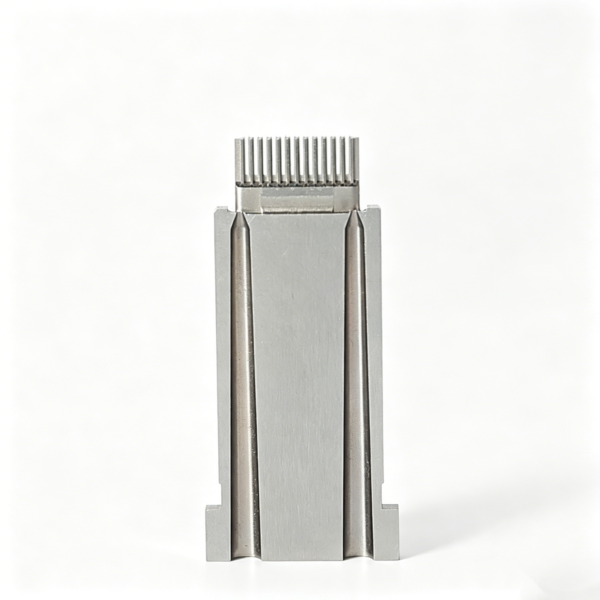
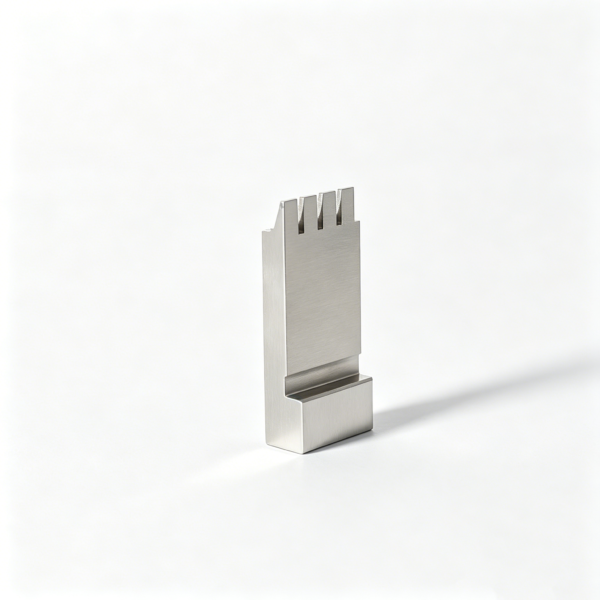
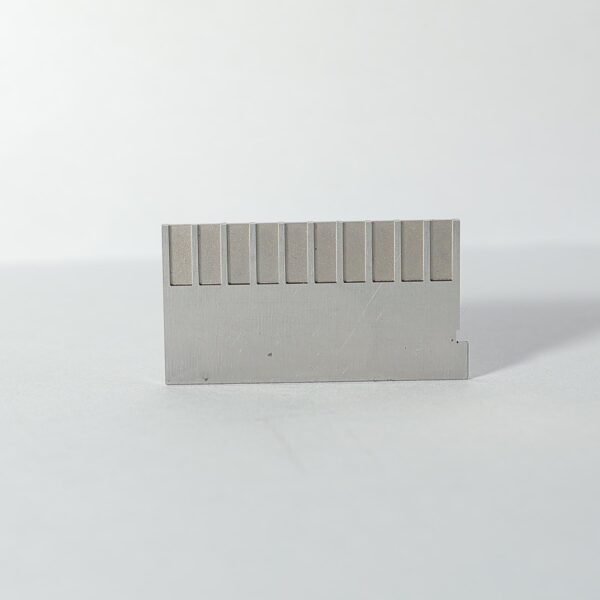
| Component geometries | Connector cores, cavity blocks, core inserts, fixed and floating inserts, core pins, sleeves, lifter interfaces, ejector pins and blades |
| Material options | Tool steels and corrosion-resistant steels selected for wear resistance, toughness and polishability (specific grade chosen per project) |
| Surface condition | Precision ground and/or polished functional surfaces, with optional surface treatments or coatings as specified |
| Connector compatibility | Designed for a range of automotive connector styles, including signal, power, multi-way, sealed and unsealed designs |
| Tooling integration | Adaptable to common mold base standards and customized layouts for high-cavity, multi-row connector tools |
| Processing environment | Suited for injection molding of engineering thermoplastics used in automotive electrical connectors |
| Quality focus | Consistent tolerances, repeatable fit-up, and controlled interchangeability to support long production runs |
| Typical users | Toolmakers, injection molders, and OEM/ Tier suppliers producing automotive connector components |
Typical Use Cases & Who These Components Are For
These precision mold components are a practical choice for both new mold builds and refurbishment programs across the automotive connector supply chain.
- New automotive connector molds: When developing new connector families or derivative designs, choosing accurate cores and inserts from the outset helps you hit PPAP requirements quickly and avoid extended debug loops.[4][10]
- Mold upgrades and life extension: For established programs where connector cavity wear or dimensional drift has started to affect yield, replacing critical cores, pins and sleeves restores part quality without replacing the entire tool.
- High-cavitation production: Multi-cavity connector molds benefit from consistent, interchangeable components that simplify cavity balancing and make it easier to swap individual cores in the event of damage.
- Engineering changes and design refresh: When terminal layouts or housing features change, new inserts and localized cores can be implemented, allowing partial tooling updates instead of full redesigns.
- Prototype and bridge tooling: For pilot runs or short-term bridge tools, using robust precision components gives you better correlation between prototype part performance and final production conditions.
Selection, Care & Buying Guidance
To get the most from your precision mold components, it is important to match the configuration and materials to your connector design and production environment, and to maintain them correctly over the tool’s life.[4]
- Clarify connector and resin requirements: Identify connector form factor, pin density, sealing scheme and the plastic grade to be molded. This information guides the design of cores, gates, venting and cooling around the components.[4][7]
- Consider expected production volume: High-volume automotive connectors benefit from materials and coatings that emphasize wear resistance and stable performance over many millions of cycles, especially when molding glass-filled or high-temperature resins.[4][10]
- Review cooling and demoulding concepts: Work with your mold designer to ensure cores and inserts support effective cooling and reliable ejection, particularly around latch arms and thin walls prone to sticking.[4]
- Plan for interchangeability: Where possible, standardize component interfaces so that future engineering changes or cavity repairs can be implemented quickly using updated inserts.
- Routine maintenance: Implement regular cleaning, lubrication and inspection procedures to remove resin deposits, check for wear on sealing surfaces and verify that ejector-related components move freely.[4]
By combining sound mold design practices with well-specified precision mold components, automotive connector manufacturers can improve dimensional stability, reduce unplanned downtime and support the growing complexity of modern vehicle electronics.
FAQ
Are these mold components compatible with my existing automotive connector mold?
In many cases, precision mold components can be adapted to existing connector molds by matching the interface dimensions, mounting features and functional geometry. Provide drawings or 3D models of your current tool so compatibility and any required adaptations can be evaluated.
Which connector types can these components be used for?
They are suitable for a broad range of automotive connectors, including multi-pin signal connectors, power connectors, sealed and unsealed housings, and specialized interfaces for sensors or control units. The exact component design is customized to your connector’s shape, pin layout and performance requirements.
What information do I need to specify when ordering components?
Typically you should prepare connector drawings, cavity layout, resin details, target production volumes and any critical tolerance or cosmetic requirements. This data helps define core and cavity design, material choices and surface finishes that match your application.
How should I maintain these precision mold components during production?
Follow a regular maintenance schedule that includes cleaning build-up from cores and cavities, checking for wear on sealing and parting surfaces, verifying ejector movements and reapplying suitable lubricants where allowed. Proper maintenance extends tool life and maintains consistent connector dimensions.
Can these components handle glass-filled or high-temperature engineering plastics?
Yes, when specified with appropriate tool steels and surface treatments, the components are capable of working with abrasive, glass-filled or high-temperature resins commonly used in automotive connectors. Discuss your resin selection so the material and surface finish can be selected accordingly.
What impact do these components have on cycle time and scrap rate?
Accurate, well-cooled cores and inserts can shorten cooling times, improve part ejection and reduce dimensional variation, which together help to lower cycle times and reduce scrap related to warpage, short shots or flash. The exact improvement depends on the overall mold and process setup.
Do you support engineering changes to existing connector programs?
Yes, new or revised cores and inserts can be developed to implement connector design changes while retaining as much of the existing mold base as practical. This allows you to update terminal layouts or housing details with less downtime compared to building a new tool.
What is the typical lead time for customized mold components?
Lead time depends on design complexity, number of components and current manufacturing load. After reviewing your drawings and requirements, an estimated schedule can be provided that includes design, machining, finishing and inspection steps.
How are the components inspected before shipment?
Dimensional checks are performed against approved drawings using suitable measurement tools. Critical areas such as core profiles, pin diameters and locating surfaces are verified to ensure proper fit and function when installed in your mold.
What happens if a component is damaged in production?
If a core, insert or pin is damaged, it can typically be replaced individually. Keeping documentation and part identification up to date makes it easier to order exact replacements and minimize downtime.
Related products
Same drawing, predictable results—next batch
Share revision, quantity ramp, and inspection level. We quote process route, ship date, and documentation in one structured response.