
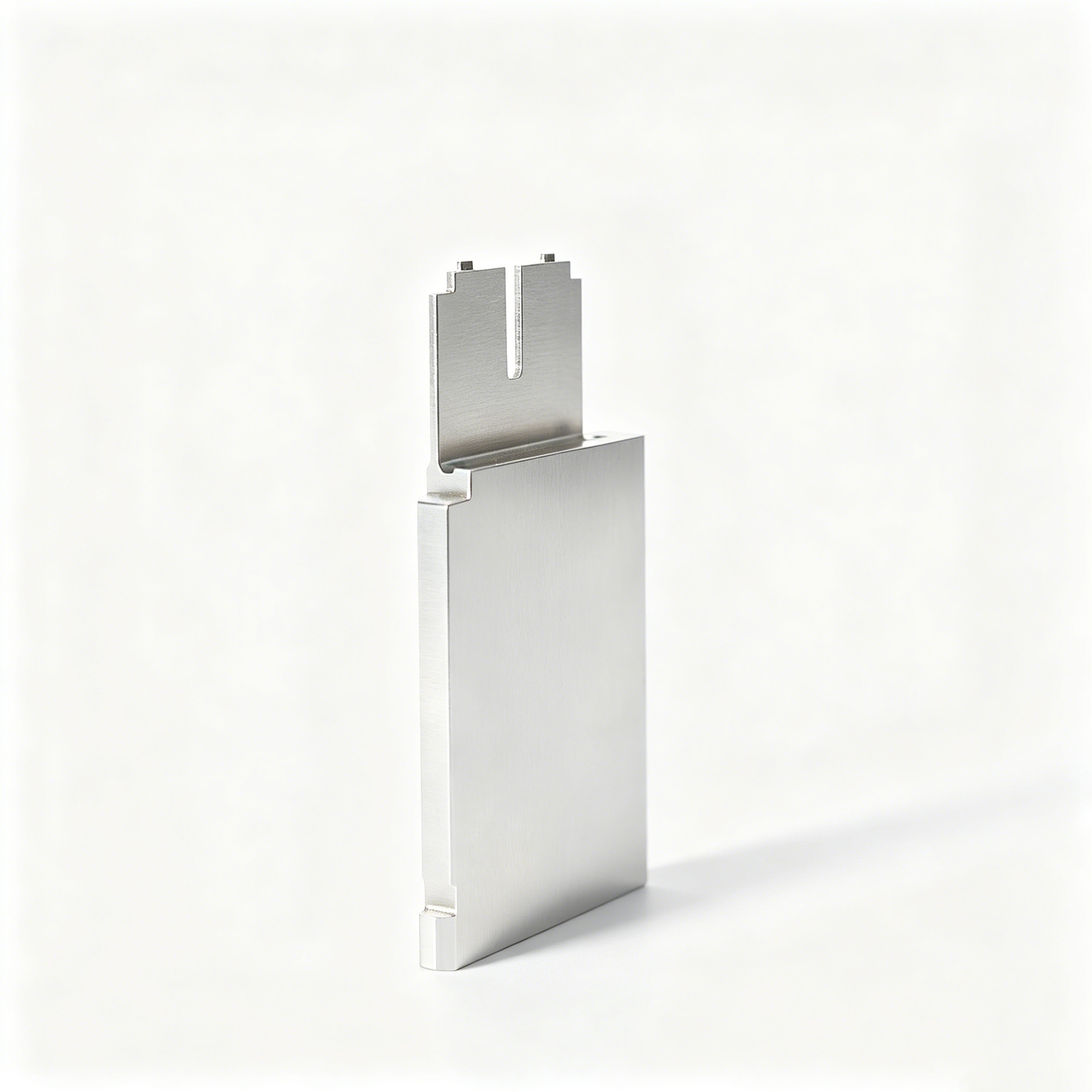
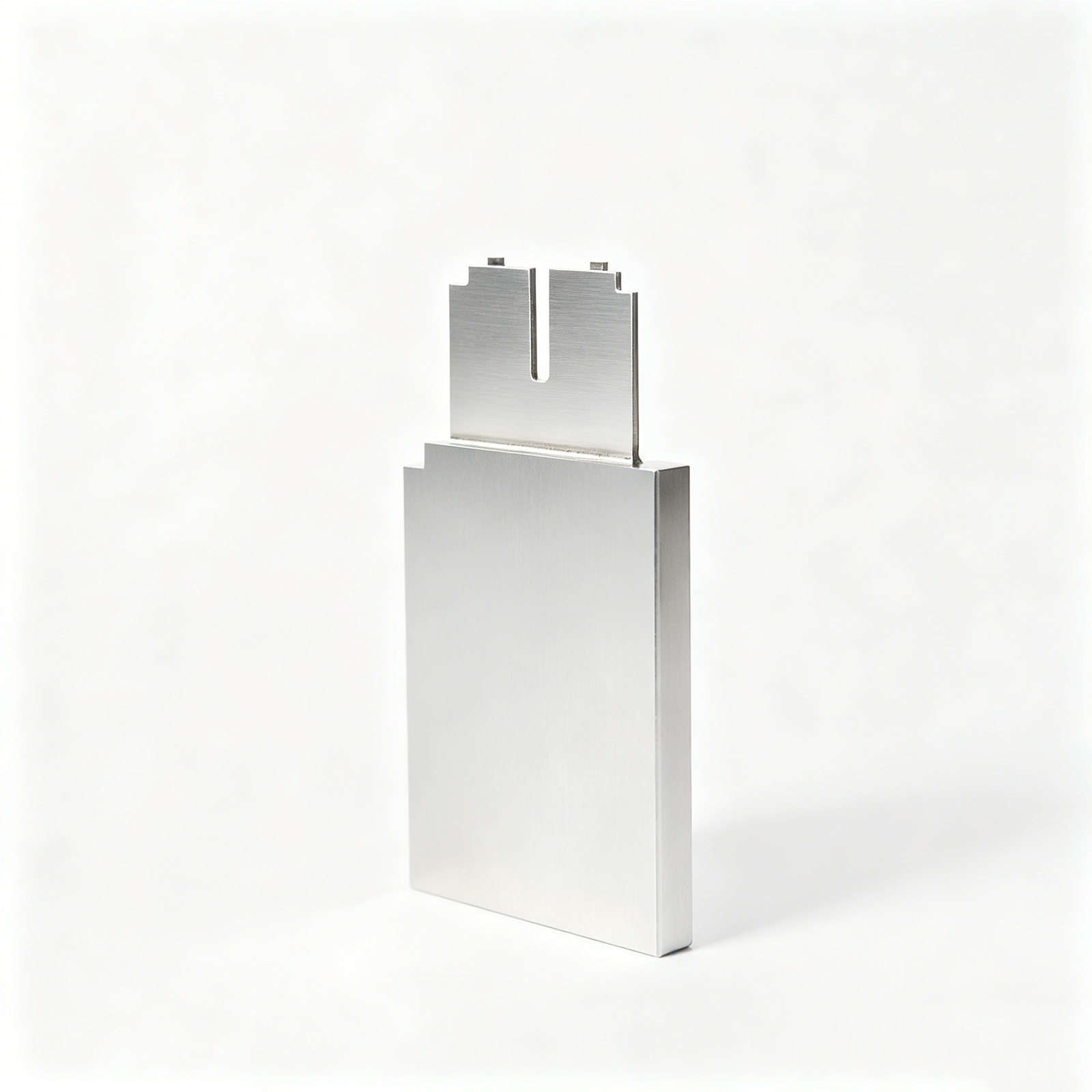
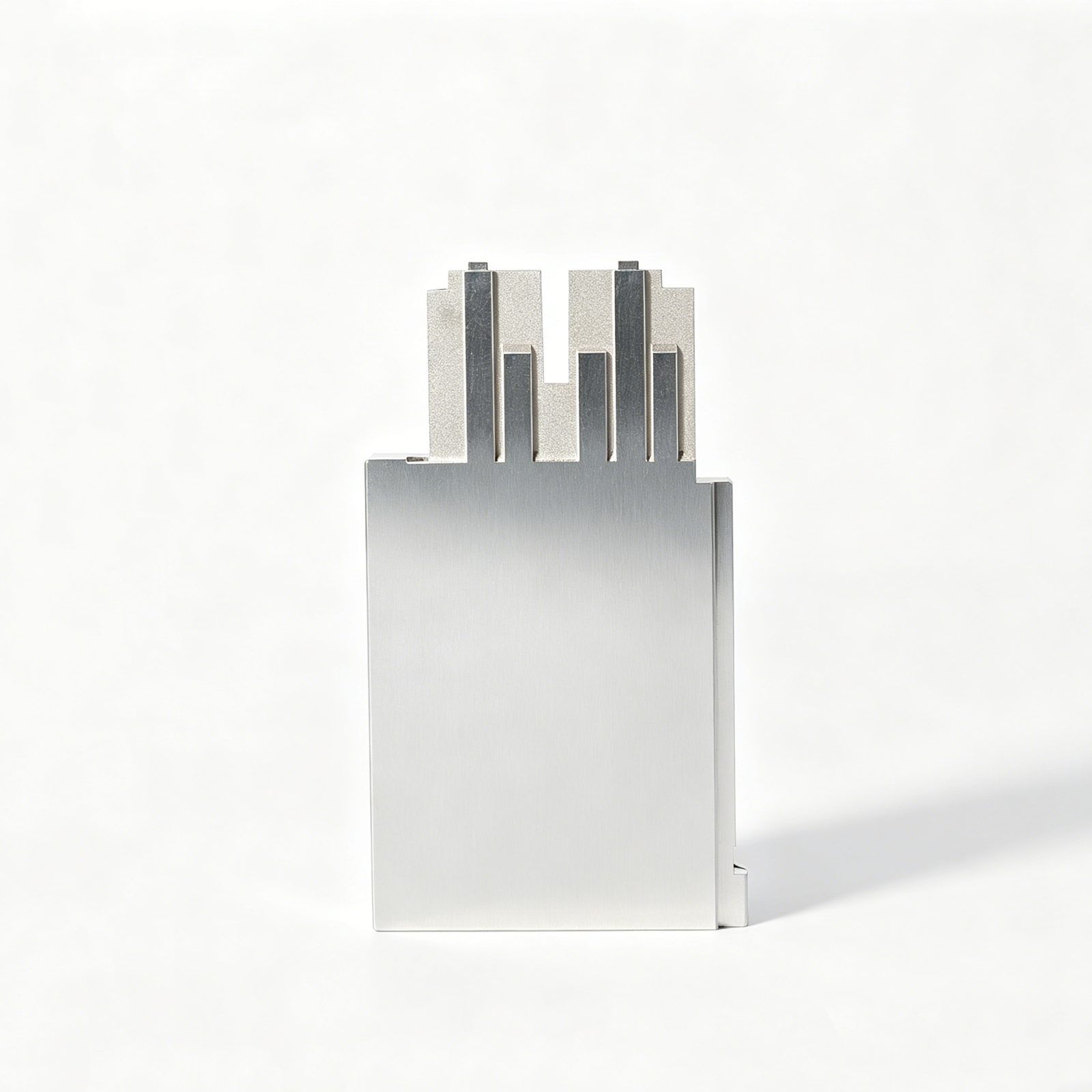
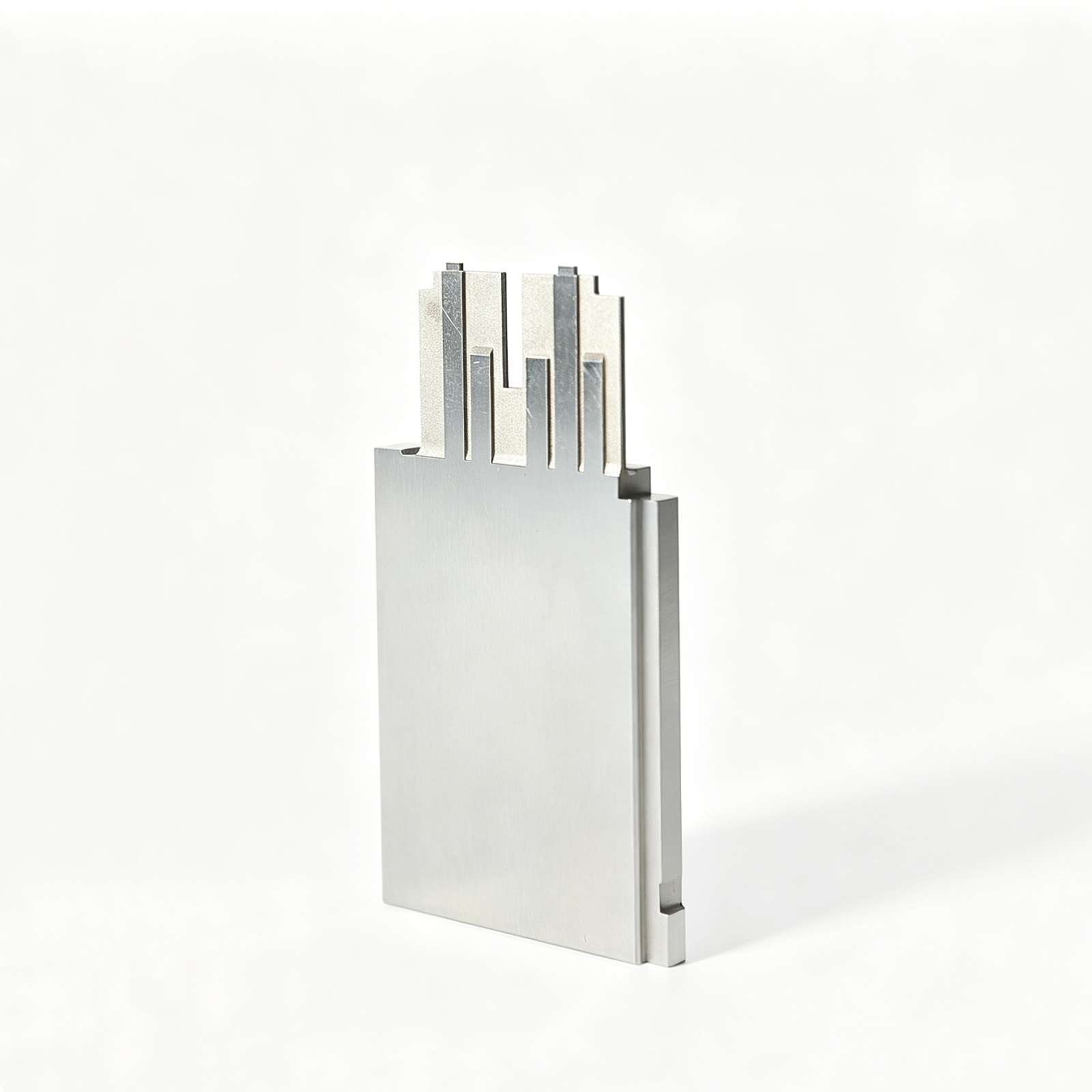
Plastic film parts · Precision mold insert
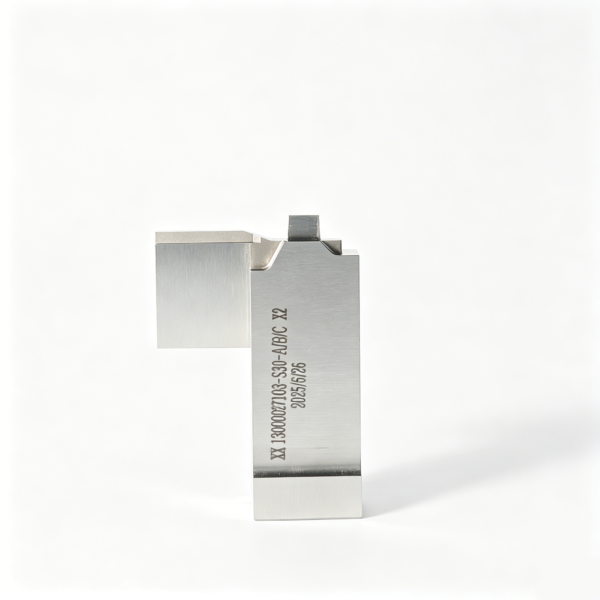
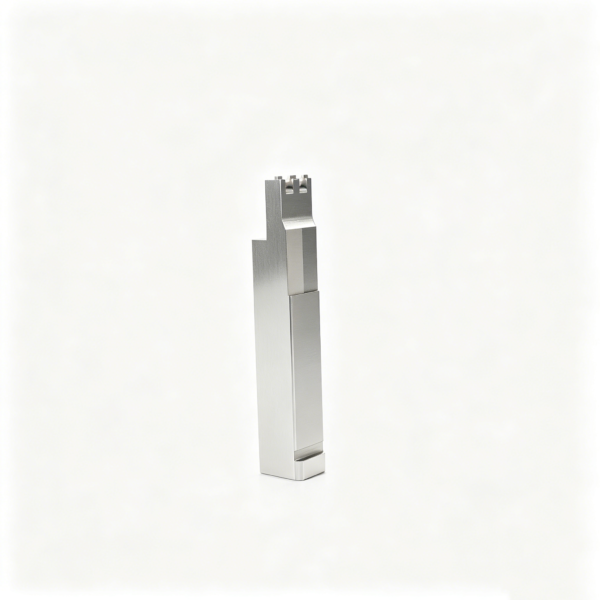
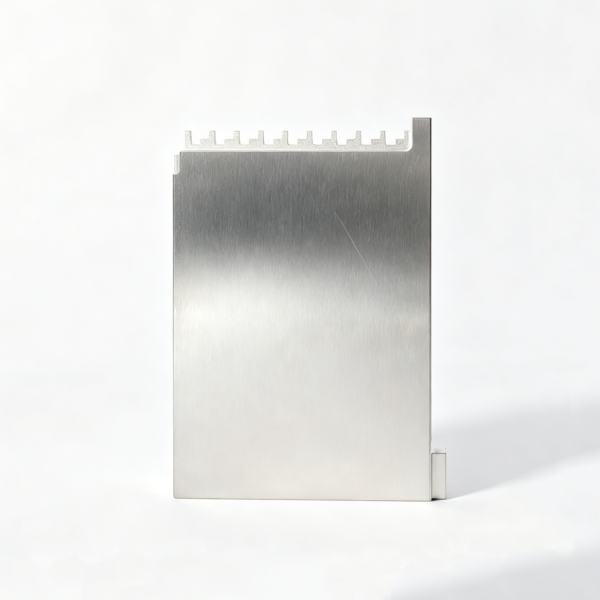
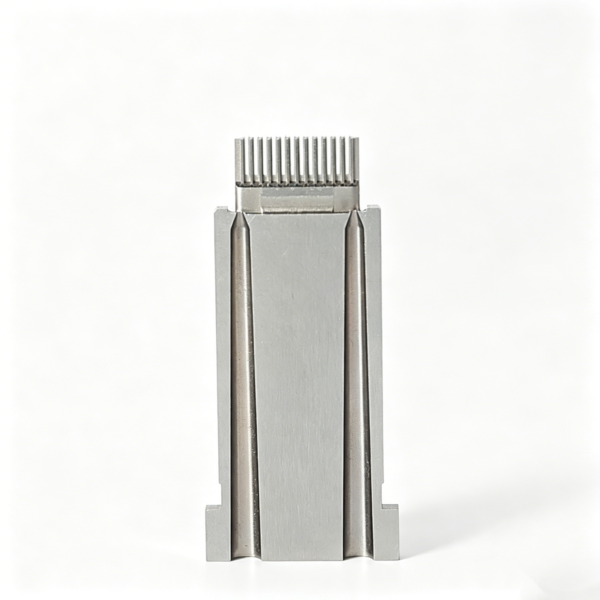
Precision Mold Components for Automotive Connectors – Fine-Pitch Terminal Cavities & Core Pins
Brand Xuxiang Mold
Availability Made to drawing
RFQ pricing
Quote from STEP / PDF & quantity
Engineer reliable connector tooling with precision mold components for automotive connectors designed specifically for fine-pitch terminal layouts. Each core pin, cavity insert, and sleeve is manufactured for stable tolerances to help you maintain consistent pin spacing and smooth demolding during high-volume molding runs. Durable tool steels and optimized surface finishes support long service life, even with glass-filled engineering plastics. Integrate these components into new connector molds or retrofit existing tools to improve dimensional accuracy and reduce scrap. Ideal for Tier 1 and Tier 2 automotive suppliers looking to tighten process capability on critical electrical interfaces.
- ISO 9001:2015–oriented process & documented inspection paths
- Zeiss / Nikon class metrology available for critical dimensions
- DFM feedback from 10+ senior tooling engineers
- Dongguan HQ + Quanzhou capacity for volume programs
Precision Mold Components for Automotive Connectors – Built for Fine-Pitch, High-Density Designs
Modern vehicles rely on compact, high-density electrical interfaces, and that puts extreme demands on the tooling used to mold their plastic housings. Precision mold components for automotive connectors are the interchangeable cores, cavities, sleeves, and ejector elements that directly shape each pin pocket, wall, latch, and seal groove of the connector body. By upgrading the critical working components of your connector mold, you can significantly improve dimensional stability, reduce flash and warp, and extend tool life in demanding production environments.
These components are designed for automotive-grade connector molds used in injection molding cells that must repeatedly hold fine-pitch terminal spacing and tight positional tolerances over long production runs. Whether you are producing under-hood connectors exposed to elevated temperatures or in-cabin interfaces that must meet stringent fit and finish requirements, the right precision components inside the mold are essential to hit your quality targets and maintain efficiency.
Key Features & Benefits
Focusing on the working elements of your connector mold brings tangible advantages to both process engineers and tooling managers. The following features are engineered to help you achieve robust, repeatable molding for complex automotive connector geometries.
- Fine-pitch cavity and core geometry – Core pins and cavity inserts are tailored to support dense terminal patterns and miniature pin cavities, helping to maintain terminal alignment and secure mating performance.
- High dimensional accuracy – Precision machining and grinding are applied on critical surfaces and diameters to support the tight tolerances required for automotive electrical connectors, allowing parts to fit reliably with mating terminals and harnesses.
- Wear-resistant tool materials – Components are typically manufactured from quality tool steels or stainless steels selected for hardness, toughness, and resistance to abrasion from reinforced or filled polymers, extending maintenance intervals and service life.
- Optimized for injection molding stability – The design of cores, sleeves, and ejectors considers proper draft angles, venting, and cooling proximity to reduce warpage, shrink variation, and sticking, contributing to smoother demolding and shorter cycle times.
- Interchangeable and replaceable construction – Using discrete inserts and core pins makes it simpler to replace worn features, fine-tune critical dimensions, or adapt the same base mold to new connector variants with different keying or pin counts.
- Support for challenging environments – Component selection can be tailored for connectors used under the hood, in the engine compartment, or near power electronics, where temperature and chemical resistance requirements are higher.
By combining robust base materials with fine surface finishes in the molding area, these components help minimize downtime associated with polishing, reworking, and dimensional correction. They are especially valuable when producing parts where even small deviations in pitch or housing dimensions can result in mating issues, electrical contact problems, or assembly rework.
Specifications & Technical Details
The exact configuration of precision mold components for automotive connectors will vary depending on connector family, pin count, housing style, and the plastics being processed. Instead of fixed numerical values, the table below summarizes typical characteristics and configurable options to help guide your selection and engineering discussions.
| Attribute | Description |
|---|---|
| Component types | Core pins, cavity inserts, sleeves, lifters, ejector pins, gate inserts, and related precision elements used in connector molds. |
| Typical application | Injection molds for automotive electrical connector housings and related plastic components. |
| Supported connector styles | Inline connectors, multi-way plug housings, headers, sealed connectors with gasket grooves, and high-density modules. |
| Material options | Tool steel and stainless tool steel grades chosen for hardness, wear resistance, and corrosion resistance according to customer requirements. |
| Surface treatment | Polishing, fine grinding, and optional treatments or coatings to enhance wear resistance and improve release. |
| Tolerance strategy | Fine machining and grinding on critical dimensions to support the tight pitch and position requirements of automotive terminals. |
| Cooling accommodation | Component geometries designed to integrate with the mold’s cooling channels and maintain uniform temperature around critical features. |
| Mold compatibility | Custom-made to fit customer-specific mold bases, connector designs, and injection molding machines. |
| Production environment | Suitable for high-volume, continuous production of automotive connectors in automated molding cells. |
| Customization level | Components can be engineered for specific connector footprints, keying features, latch shapes, and sealing interfaces. |
Typical Use Cases & Who This Is For
Precision mold components for automotive connectors are a strategic choice for organizations that must consistently deliver connector housings with tight mechanical and dimensional requirements. They are widely used in several segments of the automotive supply chain.
- Automotive connector manufacturers – Companies molding plastic housings for OEMs and harness makers use these components to ensure stable production of standard and custom connector families.
- Tier 1 and Tier 2 suppliers – Suppliers producing integrated modules, sensors, and electronic control units need reliable molds for their proprietary connector interfaces to maintain system performance and reduce assembly issues.
- Toolmakers and mold builders – Precision components are critical elements in new connector mold builds, enabling modular designs and faster turnaround when connector specifications change.
- Process engineers and maintenance teams – Facilities focusing on OEE and scrap reduction rely on robust core and cavity components to keep cycle times predictable and reduce unplanned tool maintenance.
- Engineering teams developing new platforms – When launching new vehicle platforms or electrification programs, having dependable connector tooling components supports faster validation and smoother ramp-up to mass production.
These components are particularly relevant where connector geometry includes complex latch mechanisms, undercuts managed by lifters or slides, and seal features for IP-rated interfaces. Consistent component quality translates into fewer dimensional shifts, lower risk of flash in delicate areas, and a more stable molding window for process optimization.
Selection, Care & Buying Guidance
Selecting the right precision mold components for automotive connector tooling involves more than matching basic shape and size. To get the most value, consider your production volume, plastic material selection, and the environment where the connectors will be used.
- Assess material compatibility – Align component material and treatment with the resins being molded, especially when running glass-filled or flame-retardant compounds that increase wear.
- Define tolerance priorities – Identify which connector dimensions are most critical to fit and function, and specify the highest precision in those areas for cores, sleeves, and cavities.
- Plan for interchangeability – Where possible, standardize certain insert sizes or pin diameters across molds to simplify inventory and reduce downtime when replacements are needed.
- Implement preventive maintenance – Regular cleaning, inspection for wear or micro-cracking, and careful handling of core pins and inserts will help maintain surface quality and dimensional stability over time.
- Collaborate with your toolmaker – Sharing connector design data, gate locations, and cooling layouts with your component supplier supports better integration and more predictable performance in production.
During operation, maintain stable processing conditions and monitor for early signs of wear, such as increased flash, sticking in specific cavities, or subtle changes in pin pitch. Addressing these issues proactively by refurbishing or replacing individual precision components is usually faster and more economical than major mold repairs or unscheduled downtime.
FAQ
Are these precision mold components compatible with my existing automotive connector mold?
Yes, components are typically custom-manufactured according to your connector drawings and mold layout. When you provide 3D data and detailed specifications, the components can be engineered to match your current mold base and cavity arrangement, allowing targeted upgrades without a complete tool replacement.
How do I choose the right material for core pins and cavity inserts?
The best material depends on your resin type, filler content, and expected production volume. For high-wear applications, such as glass-filled engineering plastics, tool steels with strong wear resistance and hardness are commonly selected, sometimes combined with additional surface treatments or coatings. Your tooling or component supplier can review your requirements and recommend an appropriate grade.
What information do you need to design mold components for a new connector?
To design suitable components, you should be ready to share connector part models, mold layout or cavity arrangement, expected shot volume, resin details, and any critical dimensions or tolerances. Information about gate type, cooling layout, and expected production rates also helps optimize the component design for long-term stability.
How are these components maintained during production?
Routine maintenance typically includes careful cleaning to remove resin deposits, visual inspection for wear or damage, light polishing or reconditioning of critical surfaces when necessary, and prompt replacement of any components showing significant wear. Following a standard maintenance schedule tied to shot counts can prevent unexpected downtime.
Can precision mold components help reduce scrap and rework?
Yes. When core pins, cavity inserts, and sleeves hold stable dimensions and maintain good surface quality, parts are less likely to show flash, short shots, or distortion in critical areas like terminal pockets or latch features. This directly reduces scrap and lowers the need for manual rework or sorting in downstream assembly.
What is the typical lead time for customized connector mold components?
Lead time depends on component complexity, quantity, and current capacity. After reviewing your drawings and requirements, your supplier will provide a project-specific schedule that covers design review, machining, finishing, and final inspection before shipment.
How are the components packaged and shipped to protect precision surfaces?
Precision mold components are usually individually protected with caps or wraps on critical surfaces, then packed in padded or compartmented containers to avoid contact and impact during transport. Proper packaging helps ensure components arrive ready for installation without additional rework.
What is the return or warranty policy for these precision mold parts?
Warranty and return terms are generally linked to manufacturing quality and conformance to your approved drawings. If a component does not meet the agreed specifications or shows a manufacturing defect, suppliers typically offer repair, replacement, or credit after a quality review. Specific conditions will be outlined in your quotation and order documents.
Can I order small quantities for prototype or trial molds?
Many tooling suppliers support small-batch orders for prototype connectors or trial cavities so you can validate design and process parameters before committing to full production tooling. This approach allows you to fine-tune tolerances and details before scaling up.
How do I know when it is time to replace core pins or inserts?
Common indicators include increased flash, changes in part dimensions, visible wear or rounding at edges, and recurring sticking in particular cavities. Monitoring part quality data and tracking shot counts for each mold can help you schedule replacements before defects become more frequent.
Related products
Same drawing, predictable results—next batch
Share revision, quantity ramp, and inspection level. We quote process route, ship date, and documentation in one structured response.