
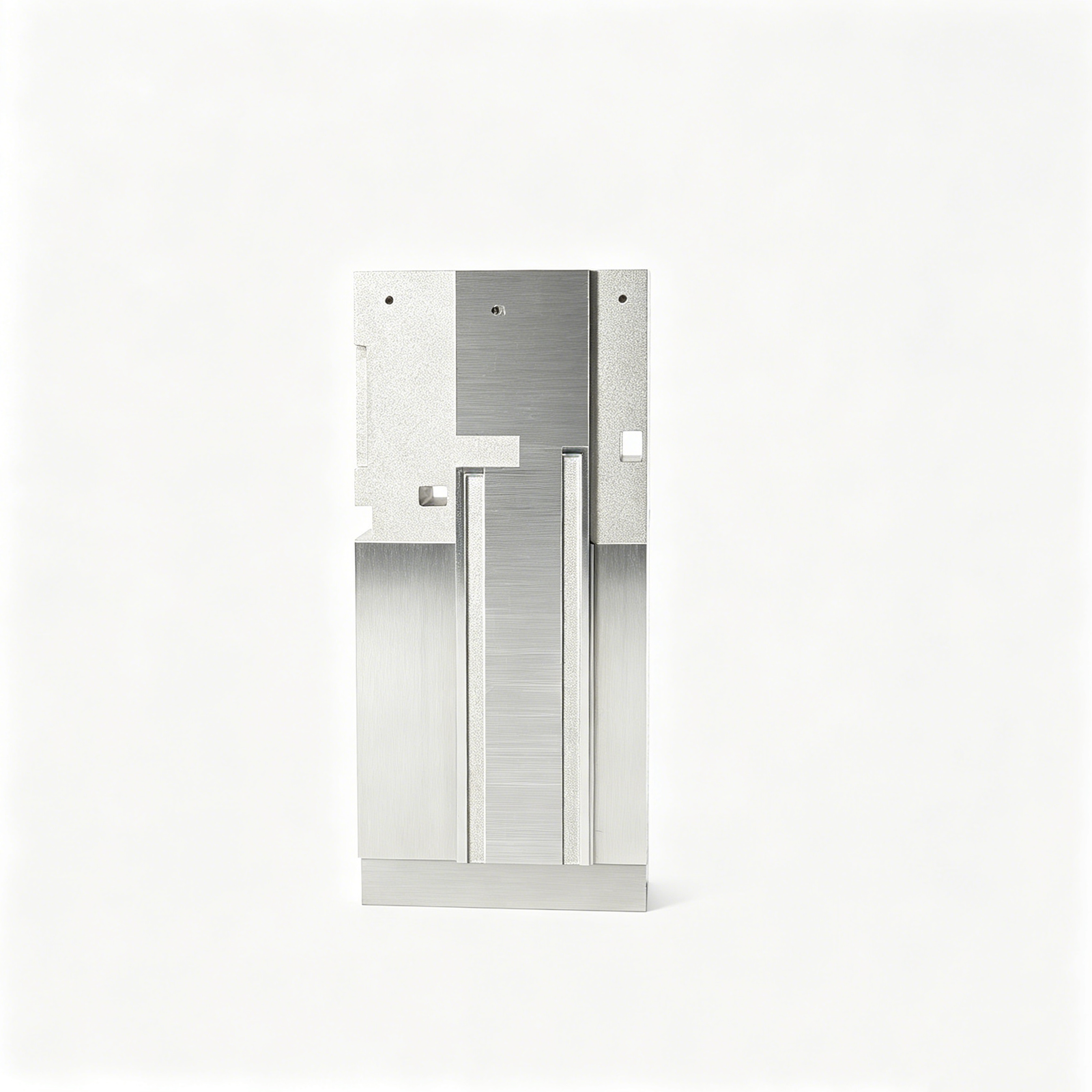
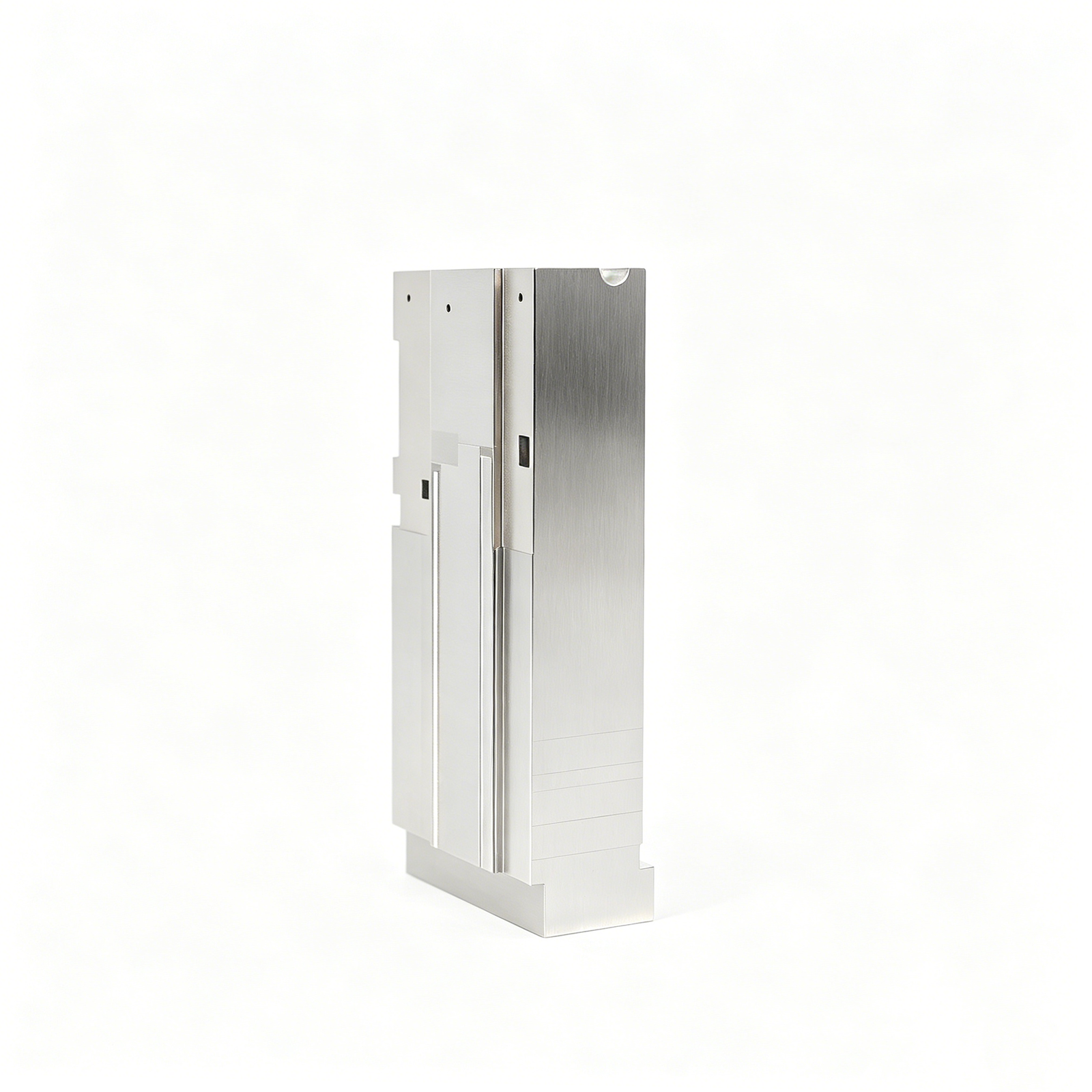
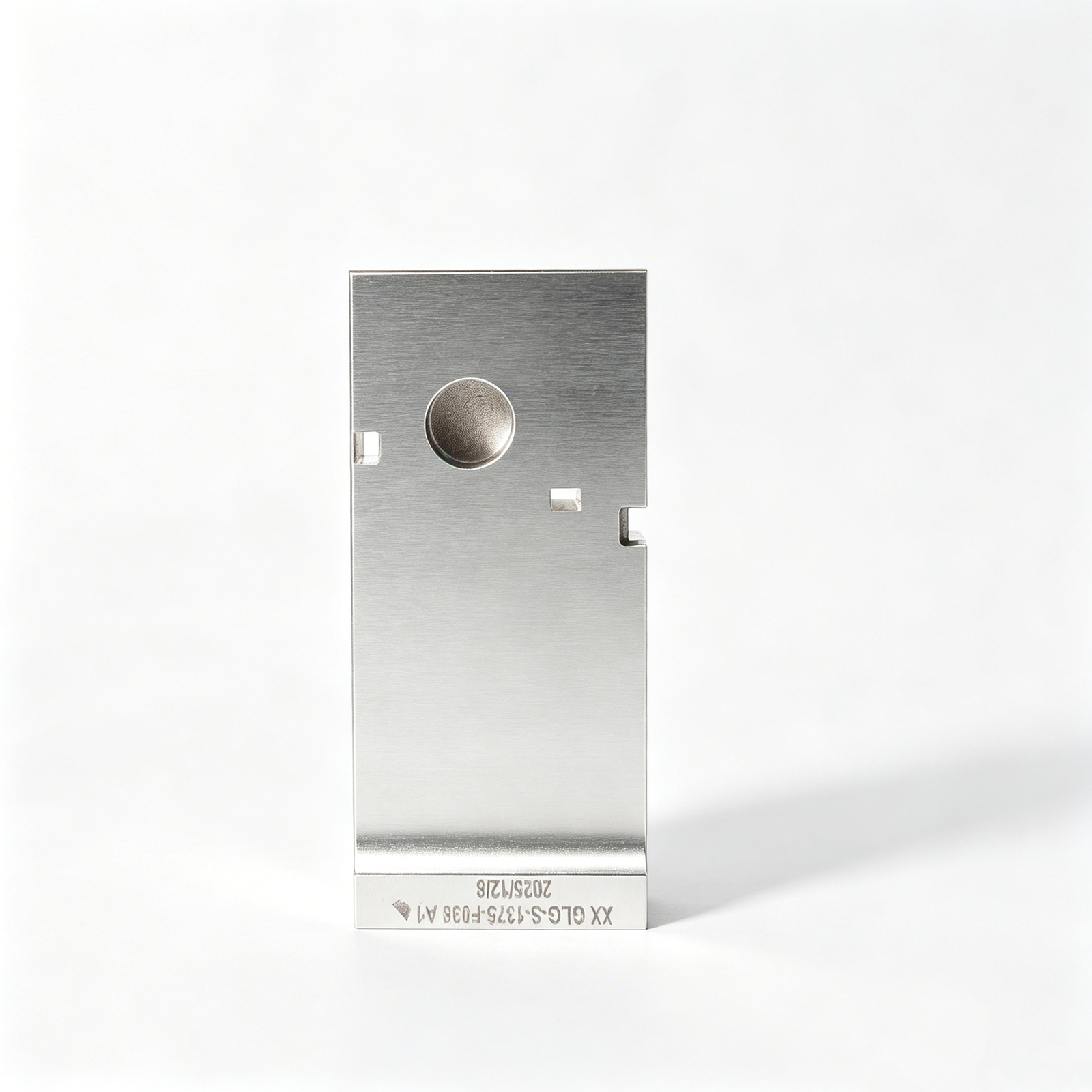
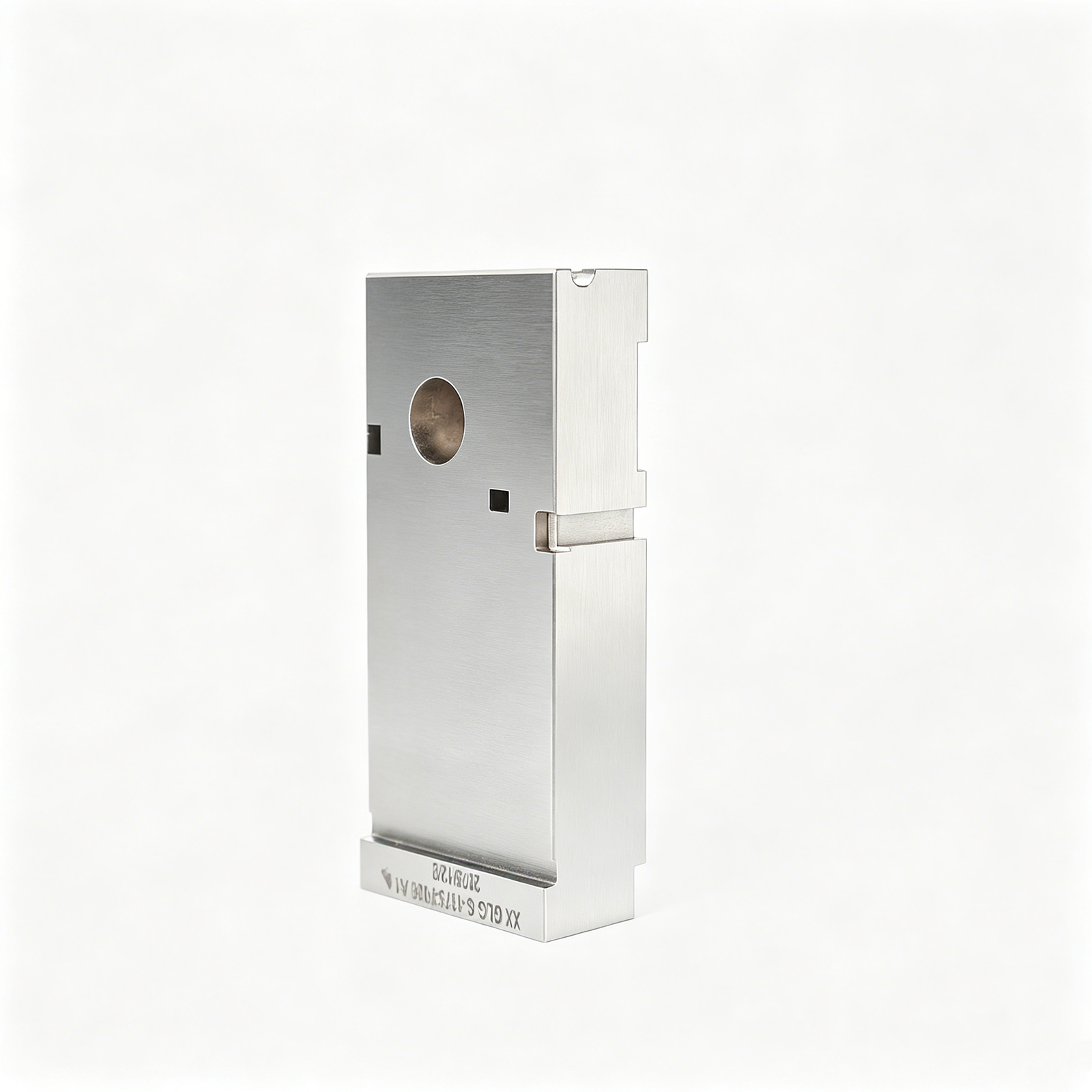
Plastic film parts · Precision mold insert
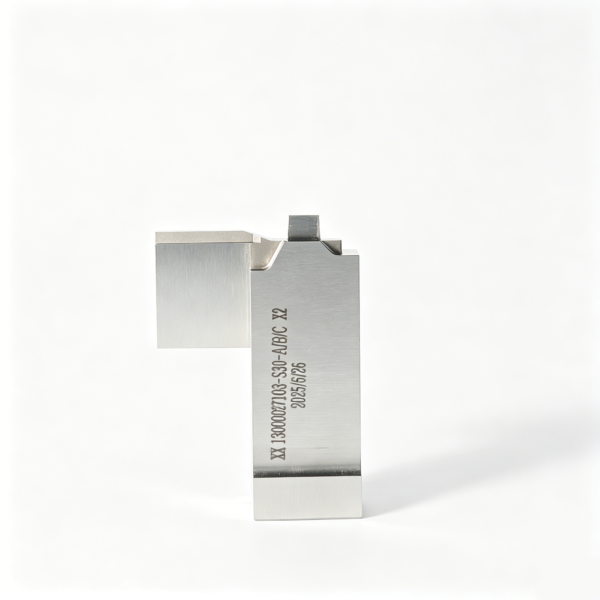
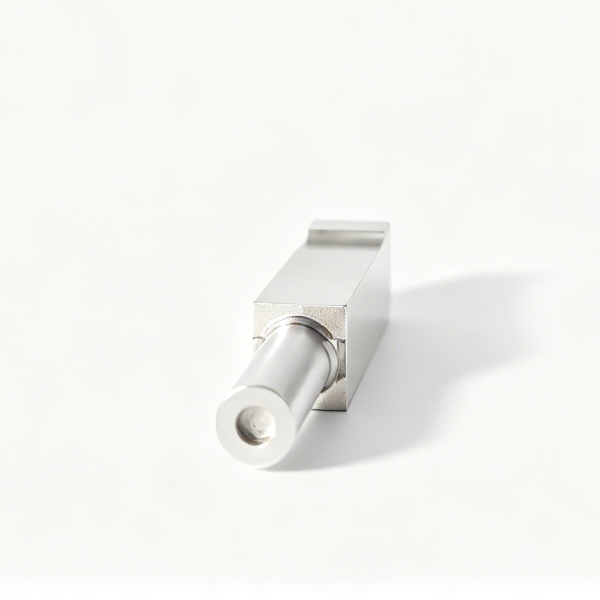
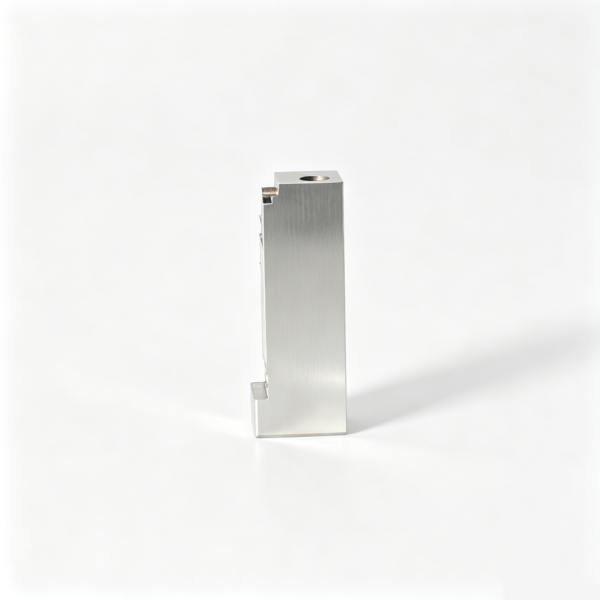
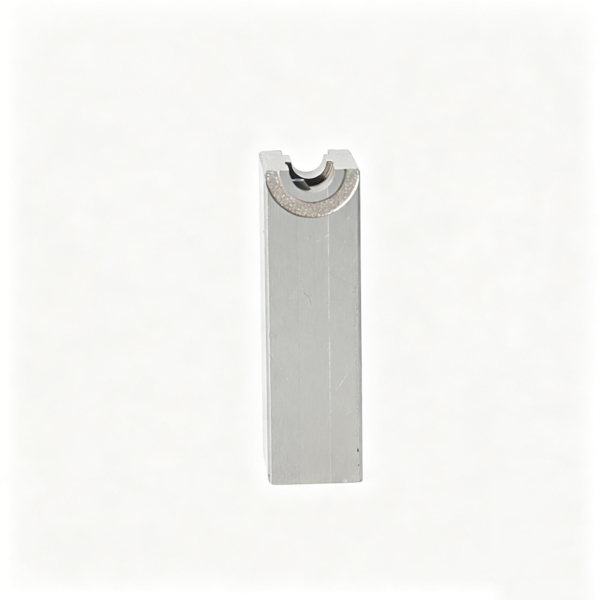
Precision Mold Components for Automotive Connectors – Modular Cores, Inserts & Ejector Pins
Brand Xuxiang Mold
Availability Made to drawing
RFQ pricing
Quote from STEP / PDF & quantity
Engineer reliable connector tooling with these precision mold components for automotive connectors, designed to keep your molding process stable, repeatable and efficient. Each core, insert and ejector element is machined to fine tolerances to support complex multi-cavity connector molds and high-cavity layouts. Smooth surface finishes help plastics fill and release cleanly, reducing flash and rework while enhancing terminal alignment. Robust tool steel construction and optimized heat treatment deliver excellent wear resistance for glass‑fiber‑reinforced and flame‑retardant resins. Ideal for OEMs, Tier‑1s and mold makers who need consistent connector quality in demanding automotive environments.
- ISO 9001:2015–oriented process & documented inspection paths
- Zeiss / Nikon class metrology available for critical dimensions
- DFM feedback from 10+ senior tooling engineers
- Dongguan HQ + Quanzhou capacity for volume programs
Precision Mold Components Tailored for Automotive Connectors
Automotive electrical connectors demand extremely accurate plastic geometries so that terminals seat correctly, seals compress uniformly and housings lock with a secure feel. To achieve this in production, the tooling inside your injection mold must be built around robust, repeatable, precision mold components for automotive connectors. These modular cores, inserts, sleeves and ejector elements form the functional heart of each connector cavity, shaping fine details such as pin windows, latch arms, polarization keys and sealing grooves.
Designed specifically for the automotive sector, these components support complex multi-pin connector designs, compact housings and high-density layouts used in powertrain, ADAS, infotainment and body electronics. High-quality tool steels, meticulous machining and grinding, and carefully finished surfaces work together to minimize dimensional variation, extend mold life and keep cycle times competitive for large production volumes.
Key Features & Benefits
This modular component set is engineered to deliver consistent performance in demanding connector tooling programs. By selecting components optimized for connector geometry, you help stabilize your process from the first trial shot through long-term serial production.
- Connector-focused geometry: Core pins, inserts, sleeves and cavity blocks are laid out to support fine-pitch terminals, thin walls and intricate latch or locking details typical of automotive connectors.[1][4]
- High dimensional stability: Tight machining and grinding tolerances help maintain true position of critical features such as terminal seats, secondary lock windows and sealing lands, supporting excellent mating and retention performance.[6][8][11]
- Robust materials and heat treatment: Tool steels commonly used in automotive connector molds provide wear, compression and fatigue resistance, even when running glass‑fiber‑reinforced and flame‑retardant engineering plastics.[4][13]
- Optimized surface finish: Polished and textured surfaces are selected according to resin type and connector function to support clean filling, reliable demolding and reduced risk of gate blush, flow marks or sticking.[3][10]
- Support for high-cavity molds: Consistent component quality across sets helps balance multi-cavity connector molds, stabilizing cavity pressure and shrinkage behavior across the tool.[9][14]
- Serviceable & interchangeable: Standardized dimensions and reference surfaces make it easier to swap out worn inserts or core pins in the press, reducing downtime and simplifying maintenance plans.[2][13]
Technical Specifications & Materials
Because automotive connector programs differ widely in pin count, pitch, material and environment, these mold components are available in a range of configurations. Instead of forcing one layout to fit every tool, you can combine cores, cavity inserts, sleeves and ejectors that match your connector family.
| Attribute | Description |
|---|---|
| Product type | Precision mold components set for automotive connector injection molds (cores, cavity inserts, sleeves, ejectors) |
| Typical application | Automotive electrical connectors for power, signal and data in harnesses and modules |
| Compatible molding process | Plastic injection molding of engineering resins used in connector housings |
| Common materials | Hardened tool steels and stainless tool steels suitable for high-cycle connector molds[4][13] |
| Manufacturing methods | Precision machining, grinding and EDM for fine features and sharp corners[3][6][11] |
| Tolerance capability | Fine-tolerance manufacturing appropriate for connector cavities with small pins and thin walls[6][8] |
| Surface finish options | Polished, matte or micro-textured surfaces selected to match resin and cosmetic requirements[3] |
| Mold types supported | Single- and multi-cavity connector molds, family tools, overmolded terminal tools[9][10] |
| Typical connector segments | Engine bay, chassis, interior, infotainment, sensor and high-speed data connectors[10][14] |
| Customization | Dimensions and features configurable to customer connector drawings and mold layout[2][5][6] |
Use Cases & Ideal Users
These precision components are suited to a wide range of connector manufacturing scenarios. Whether you are developing a new platform or optimizing a mature program, matching tooling components to your connector requirements can have a direct impact on quality metrics and scrap rates.
- Automotive connector mold makers: Build new production tools or prototype molds for OEM and Tier‑1 customers using components specifically shaped for connector geometries. This helps reduce fitting time and speeds up sampling and PPAP approvals.[1][9]
- Tier‑1 and Tier‑2 suppliers: Standardize across connector families by using similar core and insert concepts, simplifying spare parts management and maintenance across multiple plants or lines.[10][14]
- OEM tooling departments: When qualifying new suppliers or re-sourcing tooling, specify connector-focused mold components to maintain interchangeability and ensure that critical dimensions transfer between tools.[4][10]
- High-reliability segments: Applications in engine compartments, underbody and ADAS modules benefit from consistent sealing and contact positioning, which rely heavily on the accuracy of connector mold components.[10][14]
Typical parts include headers, receptacle housings, junction box interfaces, sensor plugs and inline connectors with complex latch features. The components can be configured for different gate styles, including direct, pin, submarine and hot-tip gating, to support your filling strategy.[4][7]
Selection, Care & Buying Guidance
Choosing the right combination of mold components and maintaining them correctly are critical steps in achieving long tool life and stable dimensional performance in automotive connector molding.
- Match materials to resin: When running abrasive or glass‑filled engineering thermoplastics, select hardened tool steels and consider surface treatments that enhance wear resistance.[4][13]
- Consider demolding strategy: For connectors with aggressive undercuts or snap-fits, review the ejector pin layout, sleeve design and draft angles during component selection to minimize sticking and damage during ejection.[4][7]
- Plan for maintenance: Keep a schedule for cleaning, inspection and lubrication of moving components such as ejector pins and sliding inserts, based on actual cycle counts and resin usage.[4]
- Maintain spares: For high-volume programs, hold spare cores, inserts and critical pins, matched and labeled by cavity, to minimize downtime during scheduled mold services or unexpected incidents.[2][13]
- Verify fit and alignment: During initial build, check the fit between mold base, core and cavity components, and confirm that connector terminals and seals mate correctly in trial parts before ramping up production.[1][4][7]
When purchasing, have your connector drawings, mold layout and resin specification available. This allows the components to be configured for appropriate draft, venting and cooling integration, and ensures that the resulting mold supports your target cycle time and quality levels.[4][9]
FAQ
Are these mold components compatible with my existing connector mold base?
In most projects, components are sized and machined to fit your existing mold base layout. Provide your mold drawings and connector part models so the cores, inserts and ejectors can be adapted to your current guide pillars, clamping plates and hot runner or cold runner system.[2][4]
Which connector materials can these components handle?
The components are designed for typical automotive connector resins, including engineering thermoplastics used in electrical housings. By selecting suitable tool steel grades and surface finishes, they can support both unfilled and glass‑fiber‑reinforced compounds as well as flame‑retardant formulations.[4][10][13]
How do I choose the right core and insert configuration for a new connector?
Start with the connector CAD model and define the split lines, gate locations and demolding directions. Your tooling engineer or mold supplier will then select core, cavity and insert arrangements that allow proper venting, cooling and ejection while preserving critical dimensions such as pin locations and seal interfaces.[1][4][9]
What maintenance do these mold components require in production?
Implement a routine that includes cleaning resin build-up, inspecting contact surfaces for wear or corrosion, lubricating moving parts like ejector pins, and checking alignment of cores and inserts. Maintenance frequency should match your cycle count, resin abrasiveness and production environment.[4]
Can I replace a single damaged core pin or insert without rebuilding the whole mold?
Yes. One advantage of using modular precision components is that individual core pins, sleeves or inserts can typically be replaced or reworked without altering the rest of the tool. Keeping matched spares on hand minimizes downtime when damage occurs.[2][13]
How does shipping protection work for these fine-tolerance components?
Components are usually packed in protective trays or individual sleeves to prevent impact damage, rust and surface contamination during transit. Desiccant and rust-preventive coatings are commonly used; remove any protective coatings and clean the components before installation in the mold.[2][5]
Do you support prototype or low-volume connector projects?
Precision components can be supplied for both prototype and series tools. For prototypes, the focus is typically on shorter lead times and flexibility, while series tools may emphasize maximum wear resistance and interchangeability for high-volume production.[5][9]
What is the typical approach to returns or rework if a component does not fit?
If a component does not fit the agreed drawing or specification, most suppliers will assess whether reworking or remanufacturing is appropriate. Provide detailed feedback, measurements and photos so the cause can be identified and corrected in the next batch.[2][5]
Can these components be used for non-automotive connector applications?
Yes. While optimized for automotive connector molds, the same principles of fine-tolerance cores, inserts and ejectors apply to connectors used in industrial, medical or consumer electronics, provided the materials and operating environment are considered.[9][12]
Related products
Same drawing, predictable results—next batch
Share revision, quantity ramp, and inspection level. We quote process route, ship date, and documentation in one structured response.