
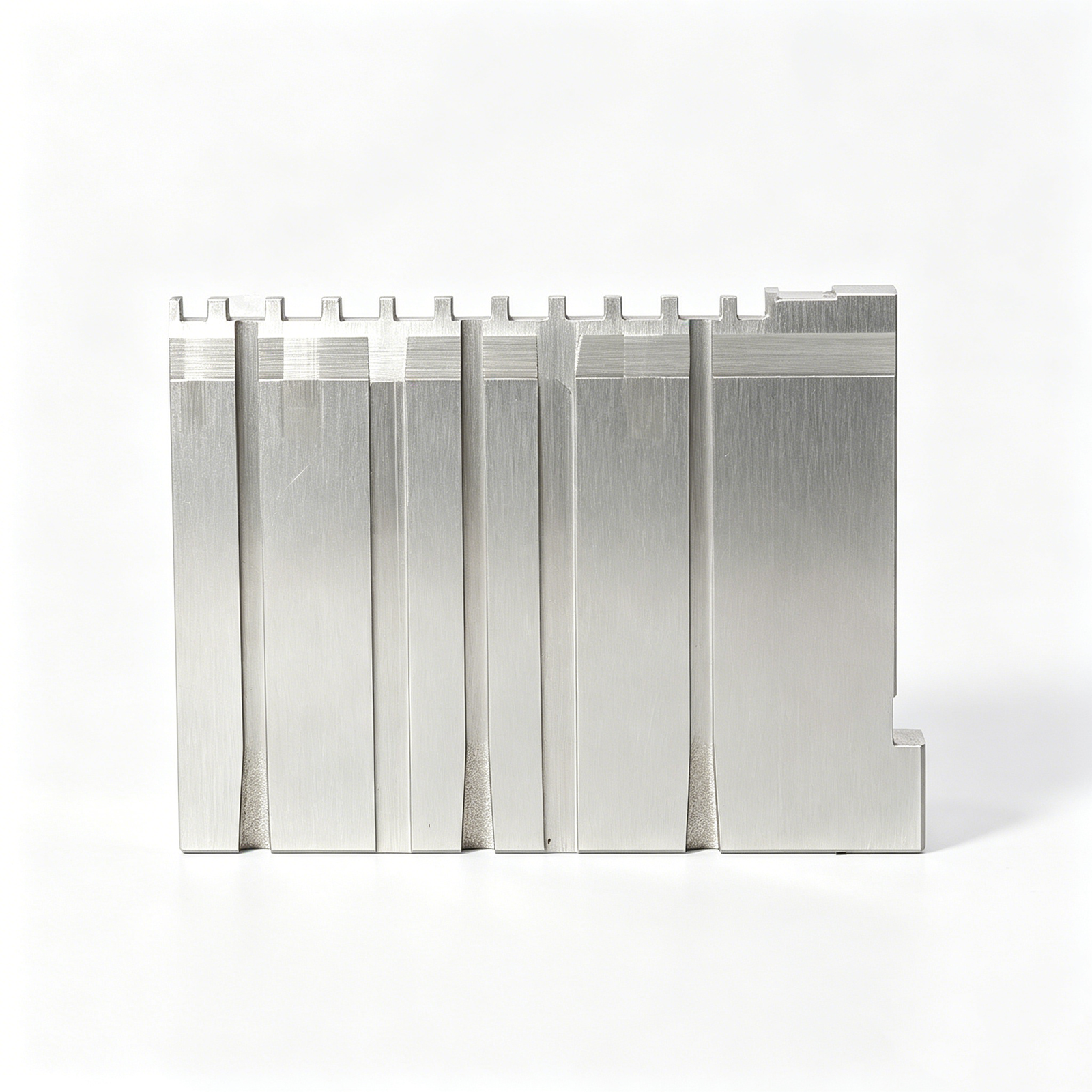
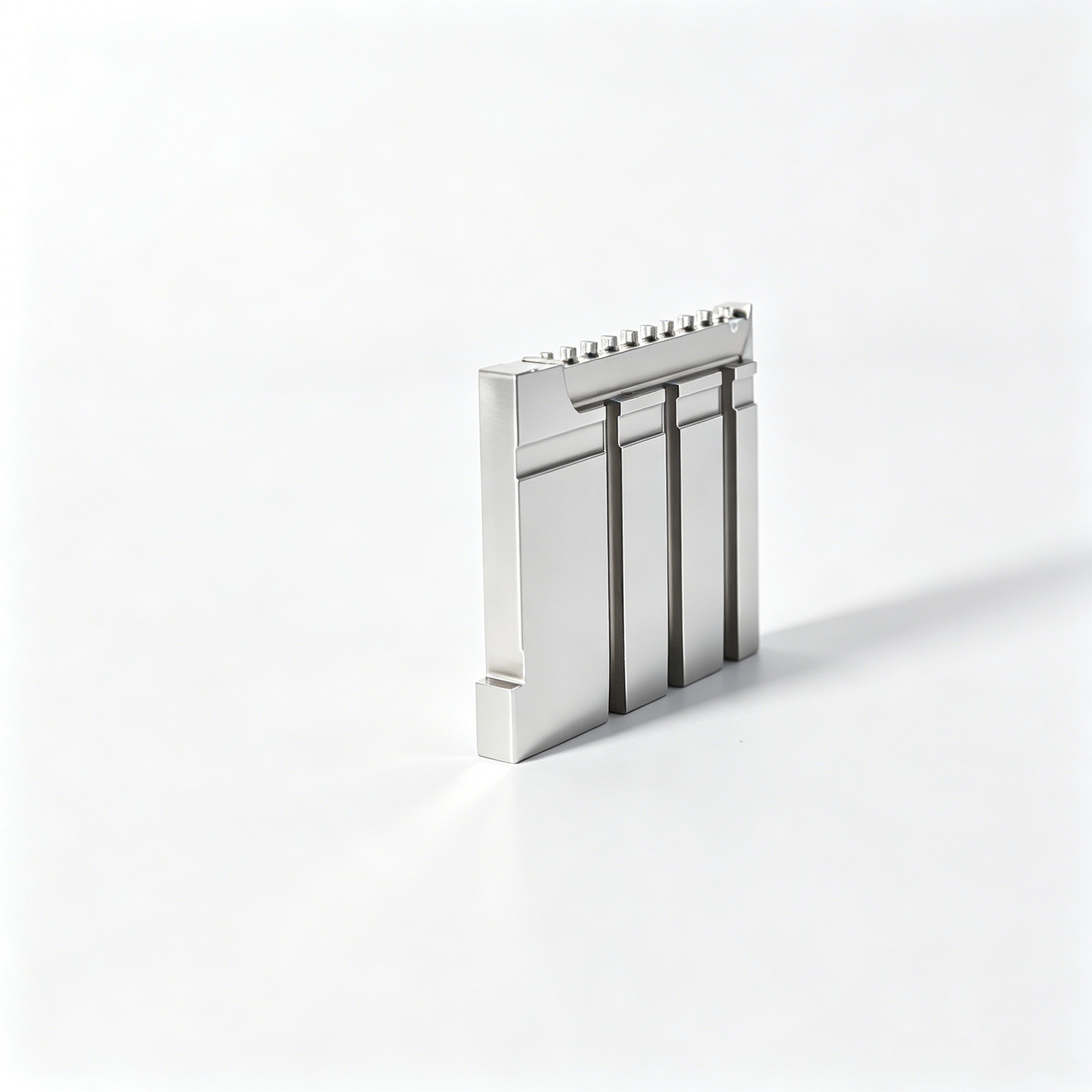
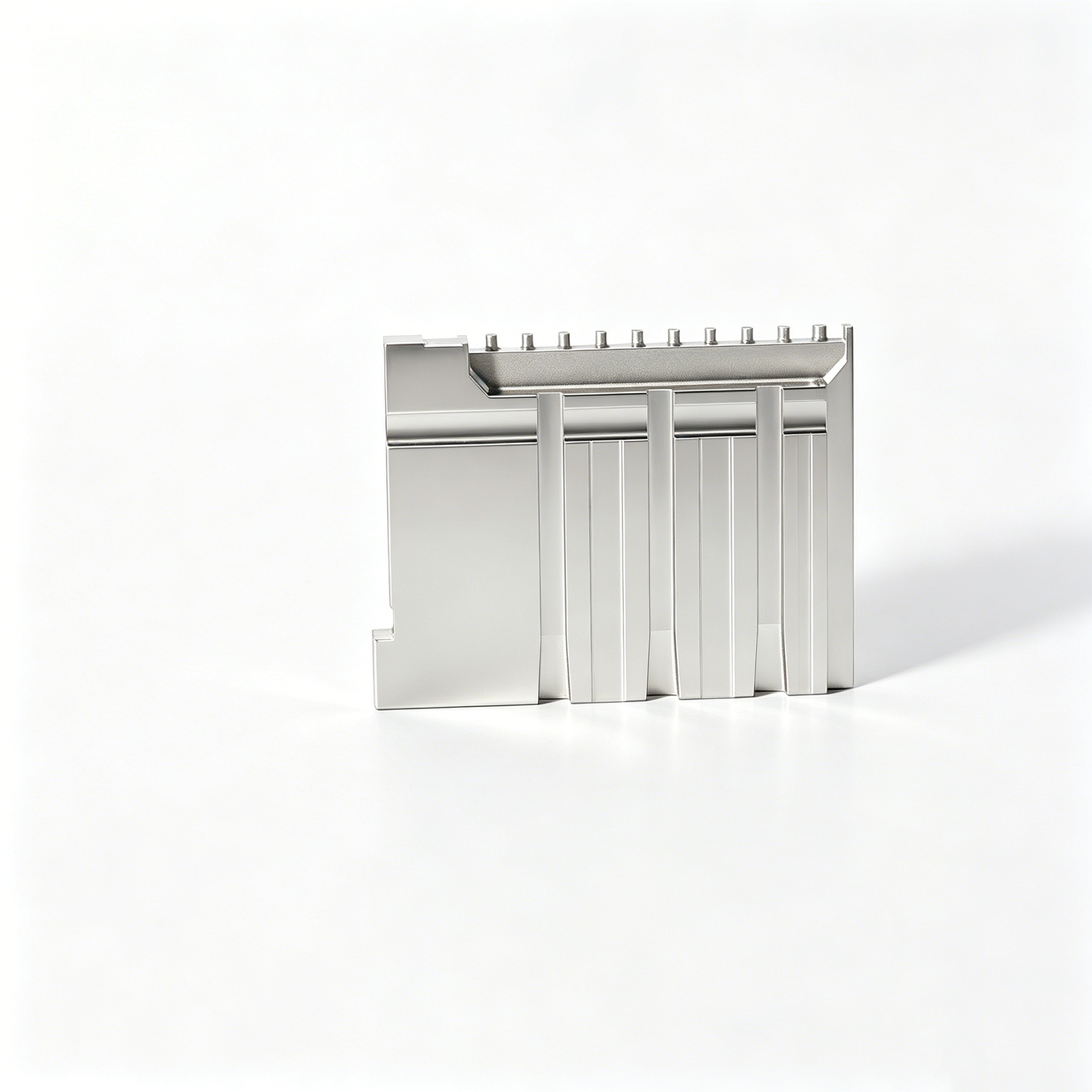
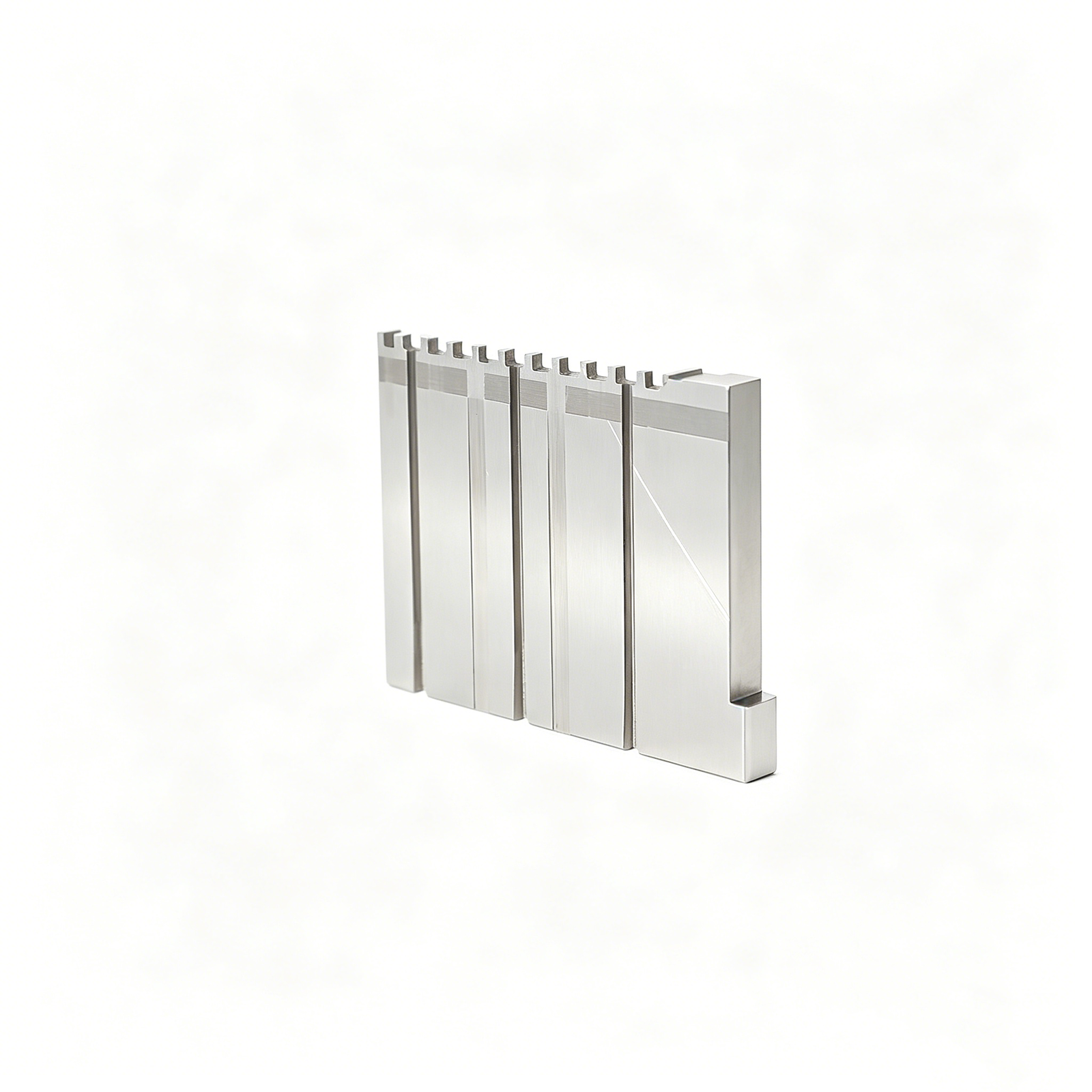
Plastic film parts · Precision mold insert
Industrial Connector Precision Mold Components for Multi-Cavity Production Lines
Brand Xuxiang Mold
Availability Made to drawing
RFQ pricing
Quote from STEP / PDF & quantity
Boost the consistency and throughput of your connector tooling with Industrial Connector Precision Mold Components for multi-cavity production lines. Designed for demanding injection molding environments, these components help you achieve tight dimensional control on every shot. Robust tool steels and fine-ground surfaces support long service life under high cycle counts. Flexible customization of inserts, cores, and cavity blocks makes it easy to adapt to evolving connector designs. Ideal for manufacturers who need stable quality in high-volume electronic, automotive, or industrial connector runs.
- ISO 9001:2015–oriented process & documented inspection paths
- Zeiss / Nikon class metrology available for critical dimensions
- DFM feedback from 10+ senior tooling engineers
- Dongguan HQ + Quanzhou capacity for volume programs
High-Performance Mold Components for Connector Manufacturers
Industrial connector manufacturers face constant pressure to deliver smaller, more complex parts with tighter tolerances and shorter lead times. Industrial Connector Precision Mold Components for multi-cavity production lines are engineered to support these demands by stabilizing the heart of your tooling – the core, cavity, and allied inserts that form every critical detail of your connectors.[4][6]
These precision components are purpose-built for injection molds used to produce plastic housings, terminals, and functional features for a wide range of connectors, including industrial I/O, signal, power, and data interface parts.[1][4] From fine-pitch micro-connectors to ruggedized industrial plugs, you gain a stable, repeatable foundation that protects part geometry and minimizes scrap.
By focusing on dimensional accuracy, durable materials, and optimized fit within your existing mold bases, these components make it easier to manage high-cavity tools, maintain process capability, and keep your lines running efficiently.[4][6] They are a strategic upgrade for OEMs, Tier 1s, and precision mold shops alike.
Key Features & Benefits
- Multi-cavity stability: Components are designed to maintain consistent dimensions across multiple cavities, helping you reduce cavity-to-cavity variation and improve overall process capability for high-volume connector production.[4]
- Precision-ground working surfaces: Critical forming areas are finely machined and ground to tight tolerances, supporting clean edges, crisp terminal slots, and precise wall thicknesses that are essential for reliable mating and electrical performance.[3][7]
- Wear- and heat-resistant materials: High-grade tool steels and carefully selected treatments provide the strength, hardness, and wear resistance needed to withstand abrasive resins, glass-filled materials, and long production runs.[4][6]
- Optimized for complex connector geometries: Components support features like fine ribs, undercuts, latch details, and thin-wall sections, enabling modern connector designs without sacrificing mold robustness.[7][11]
- Improved uptime and easier maintenance: Modular inserts, core pins, and cavity blocks allow fast replacement of high-wear sections, reducing downtime and simplifying preventive maintenance.[4][9]
- Flexible customization: Components can be configured to suit different connector families, resin types, and molding machines, allowing you to standardize your approach to tooling while still meeting custom design needs.[6][10]
Specifications & Construction Details
Because connector projects vary widely, these Industrial Connector Precision Mold Components are supplied with flexible configurations rather than fixed one-size-fits-all specifications. The table below summarizes typical attributes and options you can expect when configuring your components.
| Attribute | Description |
|---|---|
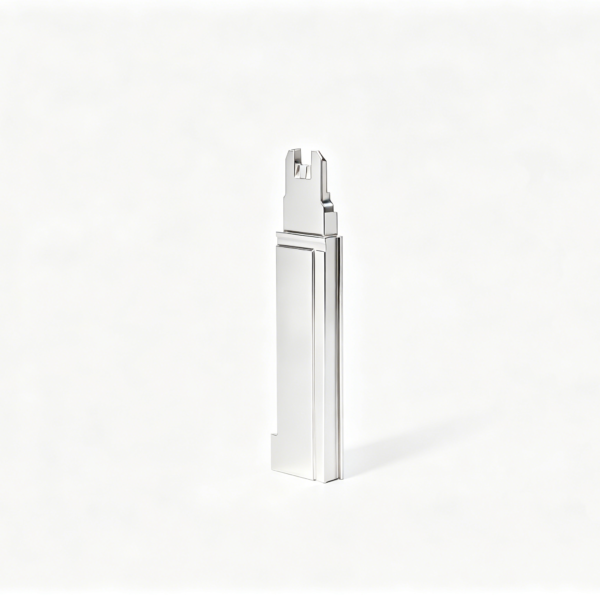
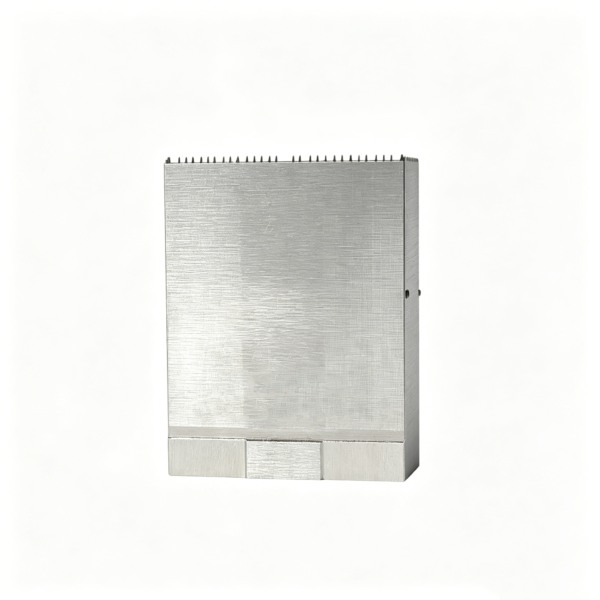
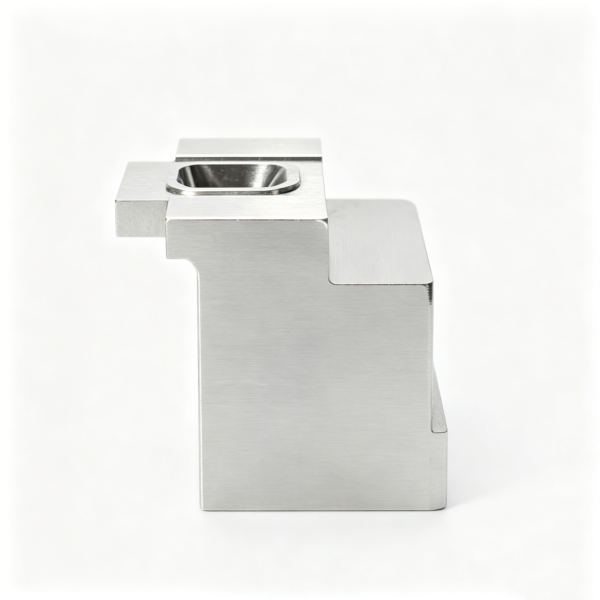
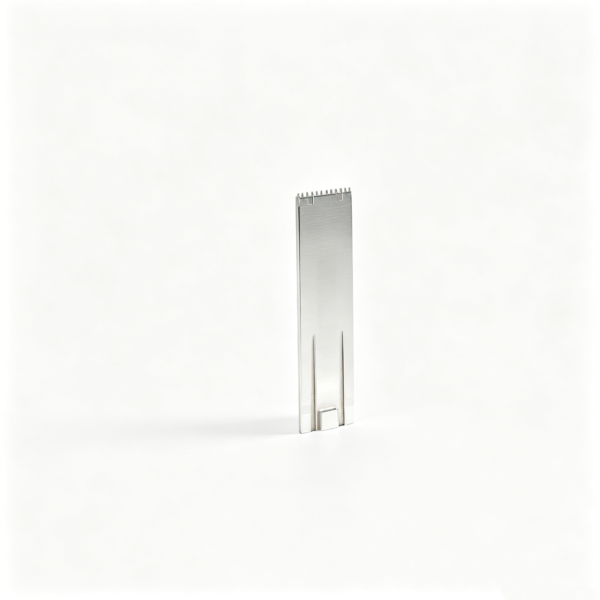
| Component types | Cavity blocks, core inserts, core pins, sleeves, lifter inserts, guide elements for connector molds.[2][4][15] |
| Typical applications | Injection molds for industrial, automotive, communications, and consumer electronic connectors.[1][4][10] |
| Base materials | High-strength, wear-resistant tool steels selected for hardness, toughness, and dimensional stability under molding temperatures.[4][6] |
| Surface finish | Precision machined and ground; optional polishing or texturing on part-forming surfaces depending on connector cosmetic requirements.[3][6] |
| Tolerance capability | Manufactured to tight dimensional accuracy suitable for fine-pitch connector features and high-cavity tools (exact numeric values defined per project and drawing).[3][4] |
| Supported molding processes | Standard injection molding, multi-cavity production, overmolding of inserts, and specialized connector housing molds.[1][6][13] |
| Design compatibility | Designed for use in custom connector molds; compatible with common mold base standards and hot runner / cold runner layouts.[4][9][10] |
| Thermal management | Supports integration with cooling channels and temperature control provisions to stabilize molding conditions and cycle times.[4][6] |
| Quality control | Produced using high-precision CNC machining, grinding, and inspection to ensure they match mold design drawings and connector dimensional requirements.[3][6][11] |
| Customization options | Custom geometries, special coatings, and tailored fits for specific connector families or resin systems, according to customer drawings and specifications.[6][10][12] |
Use Cases & Ideal Users
These Industrial Connector Precision Mold Components are well suited to a wide range of users involved in connector design, tooling, and manufacturing:
- High-volume connector OEMs who run multi-cavity molds for industrial, automotive, and data connectors and need stable dimensional performance over long production campaigns.[1][4][13]
- Tooling and mold-making shops supplying custom connector molds for different industries, looking for reliable, repeatable component geometry as a basis for their custom tooling solutions.[2][10][15]
- Electronics and communications manufacturers requiring precise molded housings for high-speed signal connectors, sensor interfaces, and 5G communication modules where small deviations can affect assembly and electrical behavior.[1][7][11]
- Industrial equipment builders producing rugged connectors for harsh environments, where mold integrity and dimensional stability are critical for sealing, locking, and long-term durability.[1][4][14]
Common scenarios where these components add value include new connector launches with fine-pitch terminals, upgrades of existing molds to increase cavity count, and refurbishment of aging tooling to restore dimensional performance without a full mold redesign.
Care, Maintenance & Buying Guidance
Choosing the right configuration of Industrial Connector Precision Mold Components and maintaining them effectively will directly influence your scrap rates, cycle times, and maintenance intervals.[4][6]
Selection Tips
- Review your connector design drawings and tolerance stack-ups to decide which features need the tightest control in the mold components.[6][7]
- Consider the resin type and any fillers (such as glass fiber) to guide material and surface-treatment choices for optimal wear resistance.[4][13]
- Align component design with your cooling strategy, hot runner or cold runner systems, and ejection approach to prevent warpage and maintain uniform shrinkage.[4][7]
- Work closely with your mold designer or supplier to ensure the components integrate smoothly with existing bases and machine specifications.[6][11]
Maintenance Best Practices
- Inspect high-wear areas (core tips, thin ribs, terminal slots) regularly for polishing loss, micro-chipping, or erosion, especially when molding abrasive or high-temperature resins.[4]
- Keep moving elements clean and lightly lubricated where appropriate, following resin compatibility guidelines to avoid contamination.[4][9]
- Store spare inserts and core pins in a dry, controlled environment and protect them with rust-inhibiting coatings when not in use.[4]
- Track component performance over time to schedule proactive replacement before dimensional drift affects connector fit or electrical reliability.[6][11]
By investing in robust Industrial Connector Precision Mold Components and applying disciplined maintenance, manufacturers can stabilize part quality, extend mold life, and keep high-volume connector lines operating at peak efficiency.
FAQ
Are these components compatible with my existing connector mold base?
Yes. The components are designed to integrate into custom connector molds and can be produced according to your existing mold base standards and assembly drawings. Provide dimensional details and 3D files so the components can be matched to your current tooling layout.[4][6][10]
What connector types are these mold components suitable for?
They are suitable for a wide range of plastic connector housings, including industrial power and signal connectors, automotive connectors, communication and data connectors, and many consumer electronic interfaces. Geometry and tolerances are customized according to your specific connector family.[1][4][10][13]
How do I specify tolerances and critical dimensions when ordering?
You should provide complete 2D and 3D design data, including GD&T, tolerance requirements on key features, and any special surface finish guidelines. The mold and component supplier then manufactures and inspects to those requirements to ensure reliable connector fit and function.[3][6][11]
What maintenance is required to keep these components performing well?
Regular cleaning, visual inspection for wear or damage, light lubrication of moving interfaces, and periodic polishing of critical surfaces are recommended. Monitoring part quality trends will help you schedule timely replacement of high-wear inserts or pins before issues appear in production.[4][9]
Do you offer coatings or treatments for abrasive or high-temperature resins?
Yes. Depending on your resin system, you can request specific material grades and surface treatments designed to improve wear resistance, corrosion protection, and heat stability, particularly for glass-filled, flame-retardant, or high-temperature connector applications.[4][6][13]
How are these components shipped and protected in transit?
Components are typically individually packed or secured in protective trays, with anti-corrosion measures such as rust-inhibiting oil and moisture-resistant packaging. This helps ensure the precision surfaces arrive clean, undamaged, and ready for installation.[4]
What lead times should I expect for custom connector mold components?
Lead times depend on complexity, quantity, and current production load, but most projects involve a design confirmation period followed by precision machining, grinding, and inspection. Your supplier can provide a schedule after reviewing your drawings and requirements.[6][10]
Is there any warranty or support for dimensional accuracy and fit?
Reputable suppliers will inspect components against your approved drawings and typically support adjustments or corrective actions if dimensional issues are found upon receipt. Details vary by supplier, so review warranty and after-sales policies during the quotation stage.[6][8]
Can these components be used when upgrading from a single-cavity to a multi-cavity mold?
Yes. Customized component sets can be designed for new multi-cavity tooling, using lessons learned from your existing single-cavity mold to improve balance, cooling, and dimensional control across additional cavities.[4][6][11]
What information should I prepare before requesting a quotation?
Prepare connector part drawings, 3D models, mold layout concepts, resin specifications, expected production volume, cavity count, and any special performance or cosmetic requirements. This information allows the supplier to recommend suitable materials, designs, and pricing.[6][10][12]
Related products
Same drawing, predictable results—next batch
Share revision, quantity ramp, and inspection level. We quote process route, ship date, and documentation in one structured response.