
Plastic film parts · Precision mold insert
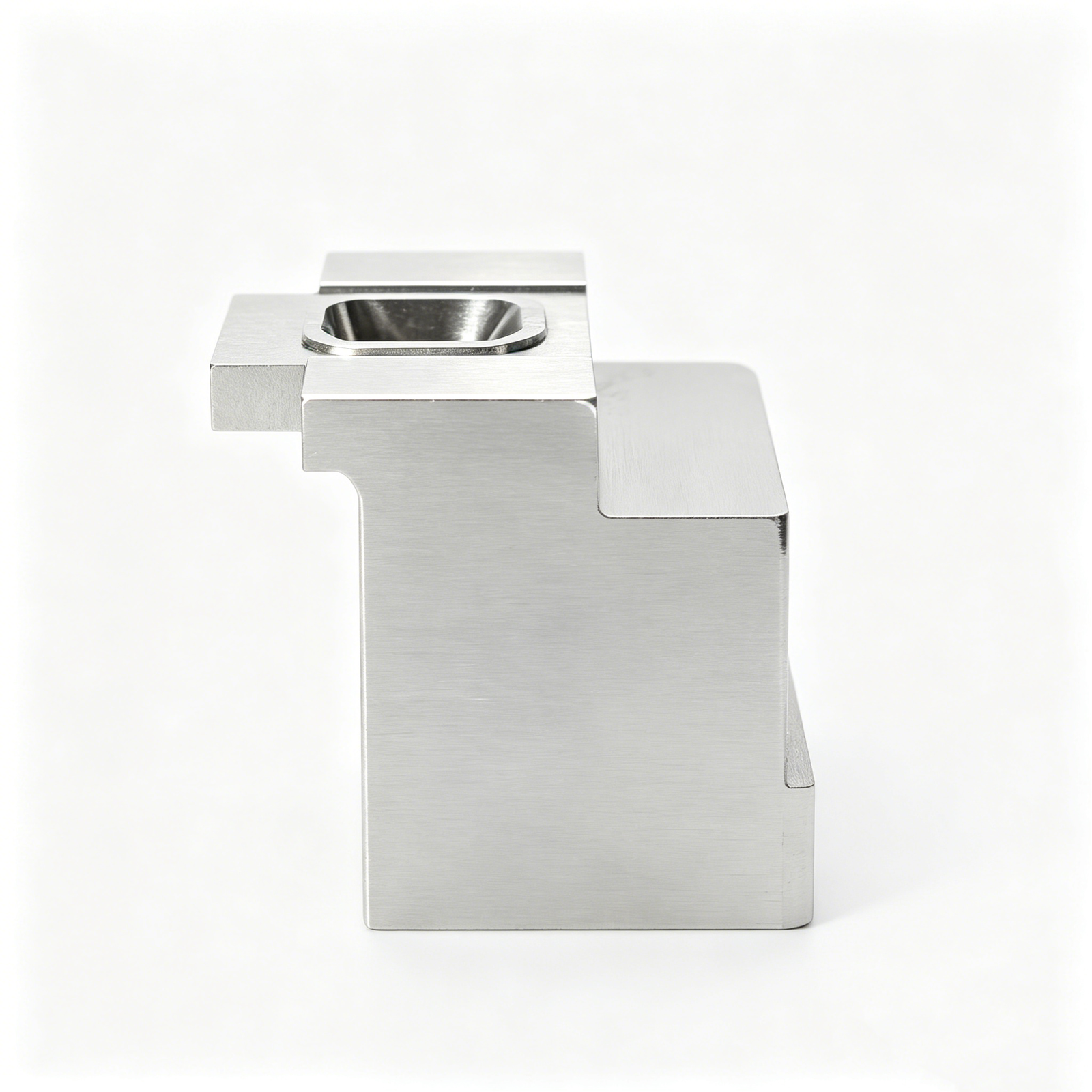
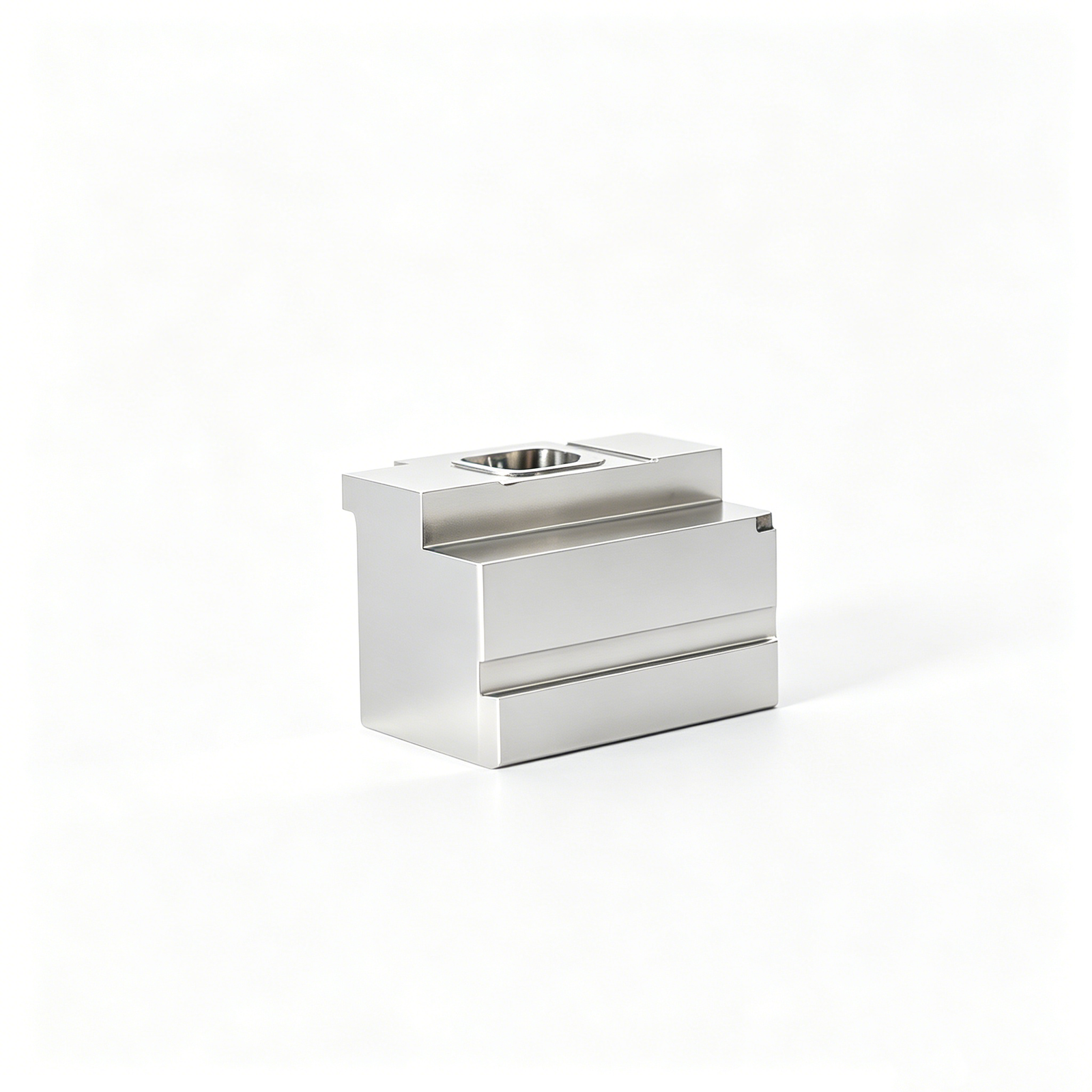
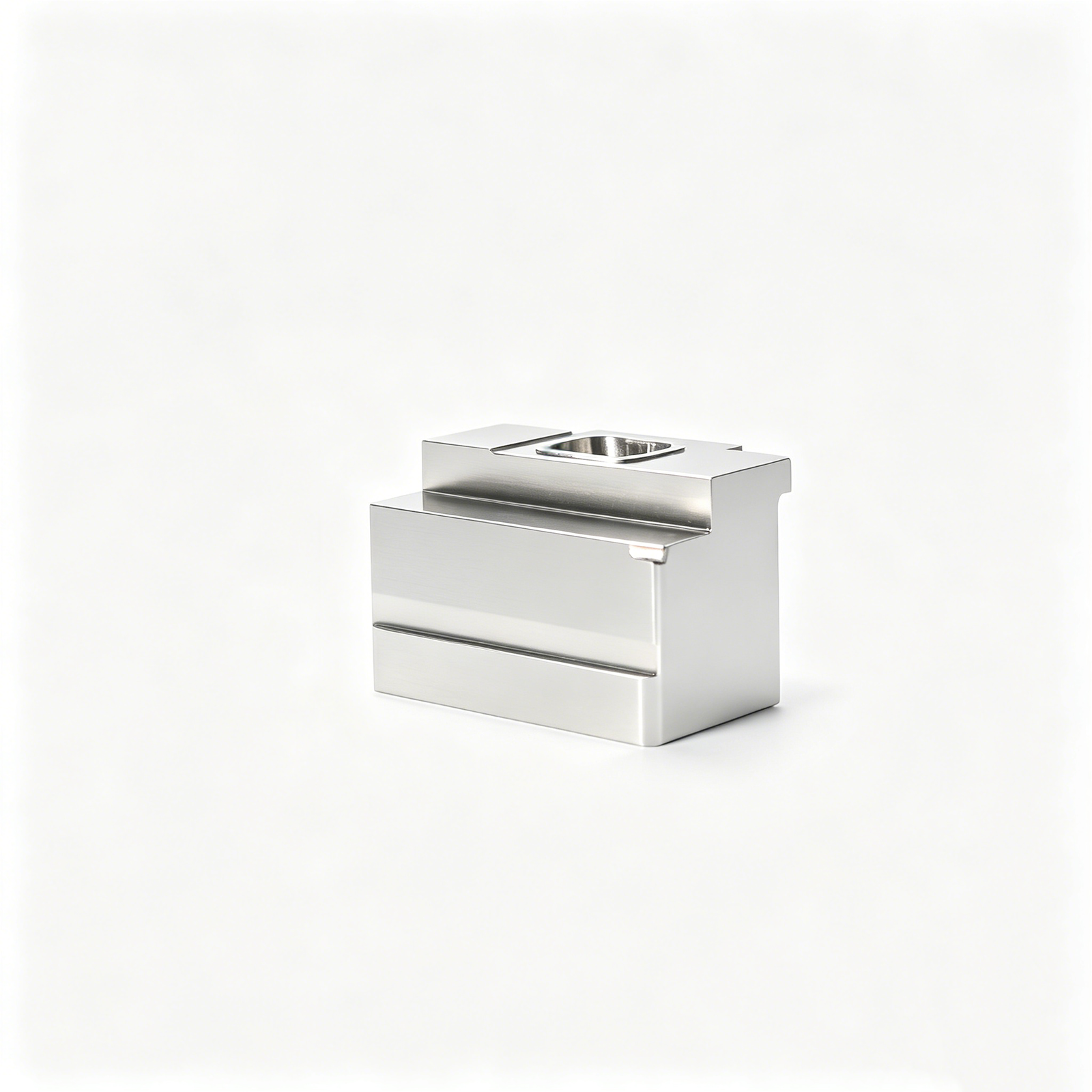
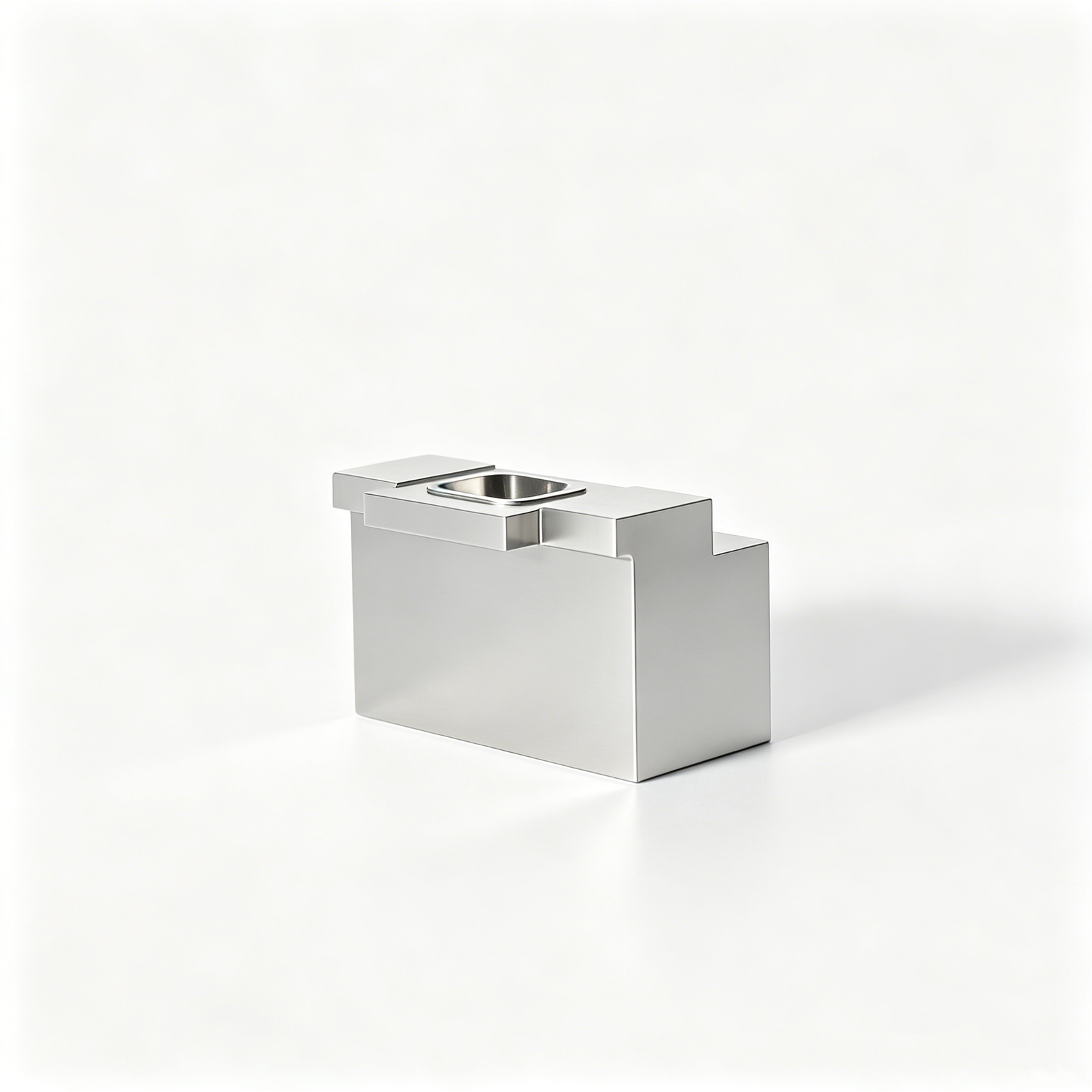
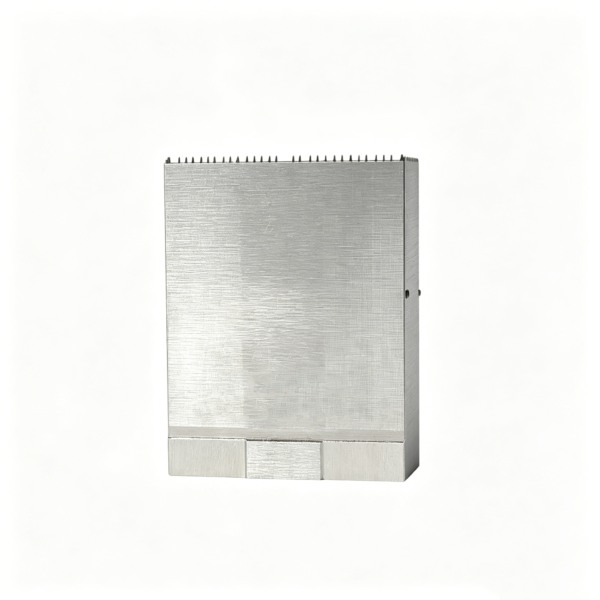
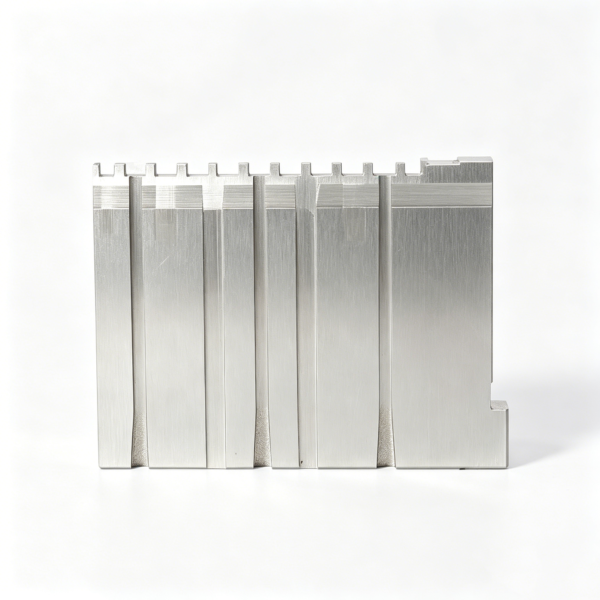
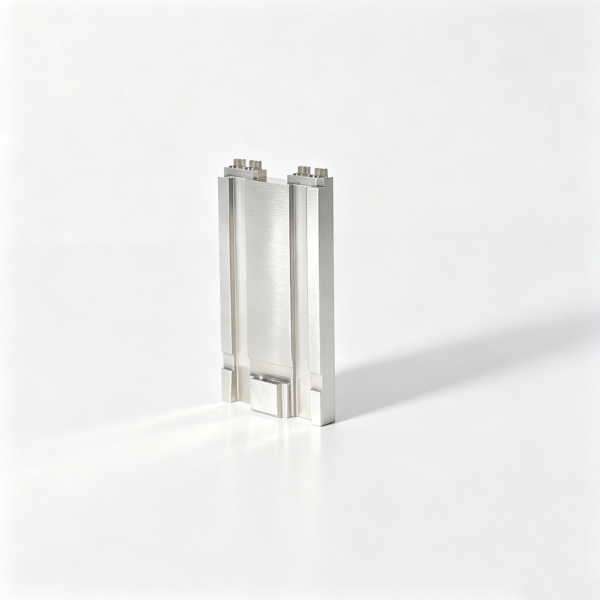
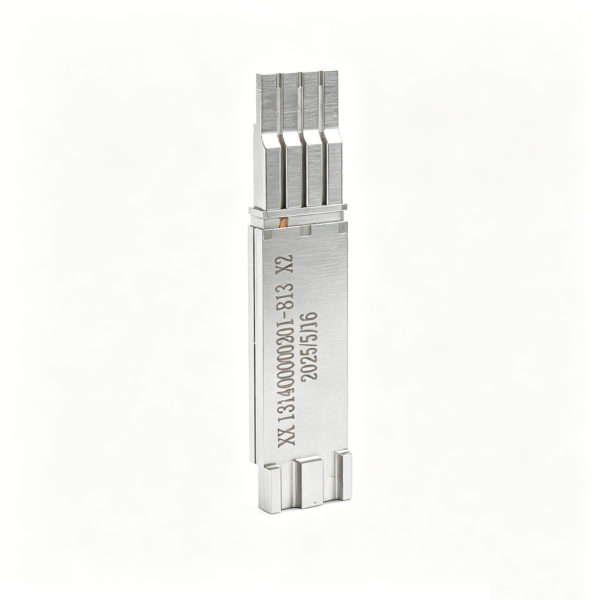
Industrial Connector Precision Mold Components for Fine-Pitch Connector Molds
Brand Xuxiang Mold
Availability Made to drawing
RFQ pricing
Quote from STEP / PDF & quantity
Engineer ultra-consistent connector parts with Industrial Connector Precision Mold Components for fine-pitch production. Designed for demanding connector tooling, these components help maintain cavity accuracy, gate balance, and stable demolding over long runs. Precision-ground edges and optimized cooling interfaces support reliable fills on thin-wall and micro-feature connectors. From signal headers to power housings, they help reduce flash, warpage, and costly rework. Upgrade aging connector molds or specify them into new tools to extend mold life and stabilize quality on every shot.
- ISO 9001:2015–oriented process & documented inspection paths
- Zeiss / Nikon class metrology available for critical dimensions
- DFM feedback from 10+ senior tooling engineers
- Dongguan HQ + Quanzhou capacity for volume programs
Industrial Connector Precision Mold Components for Fine-Pitch Applications
Industrial connectors used in automation, power distribution, data communication, and control systems demand extremely accurate plastic parts to guarantee secure mating, reliable signal integrity, and long service life. Industrial Connector Precision Mold Components are the core tooling elements that create these plastic connector housings, terminals support structures, and high-density headers in injection molding processes.[1][5]
These components typically include cores, cavities, inserts, lifters, slides, ejector pins, and precision locator elements tailored specifically to connector geometries.[2][5] They define the critical dimensions of contact slots, locking features, keying details, and cable entry paths. When built with high-precision manufacturing and robust materials, they enable stable, repeatable molding for millions of cycles, even on very fine-pitch and thin-wall connector designs.[4][5]
Whether you are upgrading an existing connector mold or specifying tooling for a new platform, these precision mold components help you achieve tighter tolerances, more consistent part quality, and longer mold uptime across industrial, automotive, and electronics applications.[1][3][7]
Key Features & Performance Benefits
Connector molds present unique challenges such as narrow pin spacing, small draft angles, and complex undercuts for latching and polarization.[8] Purpose-built precision mold components tackle these challenges through careful engineering and manufacturing quality.
- Fine-pitch accuracy: Ground and EDM-machined core and cavity inserts help maintain precise pitch distance between connector terminals, supporting reliable mating and electrical performance.[4][5][7]
- Stable dimensions over long runs: Use of wear-resistant tool steels and high-hardness surface treatments helps reduce dimensional drift caused by abrasion and high-temperature cycling.[4][7]
- Optimized for technical resins: Industrial connectors frequently use materials such as glass-fiber reinforced engineering plastics or high-performance resins for heat and electrical resistance.[1][7][13] Mold components are designed to handle these resins with appropriate venting, polish, and gating to avoid burning and short shots.[5][8]
- Improved cooling control: Integrated cooling channels within cores, cavities, and inserts support uniform temperature distribution, reducing warpage and shrink variation in narrow connector features.[5][7]
- Enhanced surface quality: Polished or textured forming surfaces produce connector housings with controlled gloss and minimal flow marks, improving both appearance and assembly feel.[7][13]
- Serviceable construction: Modular inserts, removable core pins, and standardized ejector layouts allow maintenance teams to replace only worn components instead of rebuilding entire tools, shortening downtime and reducing lifecycle cost.[2][5]
Collectively, these attributes help minimize common connector molding defects—such as flash at terminal openings, burn marks near gates, dimensional mismatch between upper and lower housings, or inconsistent locking force—driving down scrap and rework rates.[5][8][13]
Key Specifications & Configuration Options
Every connector program is different, and mold components are customized to match part geometry, material selection, and machine capabilities.[2][7][11] The table below summarizes typical attributes and options you can define when sourcing Industrial Connector Precision Mold Components.
| Attribute | Description / Options |
|---|---|
| Component types | Cavity inserts, core inserts, core pins, sleeves, lifters, slides, ejector pins, guide pillars, bushings specific to connector tooling.[2][5] |
| Typical applications | Industrial automation connectors, power and signal plugs, terminal blocks, automotive connectors, communication and I/O housings.[1][3][11][14] |
| Material options | High-hardness tool steels and alloy steels selected for wear resistance, toughness, and heat stability; surface treatments for enhanced life.[4][7] |
| Precision level | Connector mold components are produced to tight machining tolerances and fine surface finishes to support demanding connector fits.[4][5][12] |
| Surface treatment | Polishing, texturing, heat treatment, and optional coatings for wear and corrosion resistance to extend service intervals.[4][7] |
| Mold compatibility | Configurable for single-cavity, multi-cavity, family, or multi-row connector molds, compatible with common injection molding machine platens.[5][7][11] |
| Resin compatibility | Designed with proper gating, venting, and cooling for high-performance engineering plastics typically used in electrical and industrial connectors.[1][7][13] |
| Design support | Works with connector CAD, 3D models, and mold-flow insights to fine-tune gate locations, draft, and parting line strategies.[7][11][12] |
| Maintenance approach | Modular construction facilitates replacement of high-wear components and periodic polishing or adjustment during mold overhauls.[2][5] |
Typical Use Cases & Ideal Customers
Industrial Connector Precision Mold Components are suited for toolmakers, OEMs, and molding suppliers who must produce reliable connector housings and related plastic components in medium to very high volumes.[1][5][13]
- Industrial automation and control: Mold components for field I/O connectors, sensor plugs, M12/M8-style interfaces, and control cabinet connectors that must withstand vibration, moisture, and oil.[1][14]
- Power and energy distribution: Components for power connectors, terminal blocks, and high-current plugs used in switchgear, inverters, and industrial drives.[1][13]
- Automotive and transportation: Precision inserts and cores for multi-way automotive connector housings exposed to temperature cycles, chemicals, and mechanical stress.[3][11][13]
- Data and communication systems: Fine-pitch connector molds for signal connectors, modular plugs, and high-speed data interfaces where dimensional stability is critical to impedance control and mating reliability.[1][8][12]
- Custom and specialty connectors: Short-run or specialized connectors for medical, instrumentation, or harsh environment applications, where tooling flexibility and serviceability are crucial.[11][12][13]
Manufacturers who invest in well-designed, high-quality mold components often realize reduced cycle times, better cavity balance across multi-cavity tools, and lower total cost of ownership thanks to fewer breakdowns and simpler maintenance routines.[4][5][12]
Selection, Care & Buying Guidance
Choosing the right mold components for an industrial connector project involves balancing part performance, tooling budget, and production volume.[2][5][7]
- Clarify the connector’s requirements: Define mechanical strength, environmental sealing (dust, moisture, oil), flammability rating, and electrical performance targets before finalizing tooling design.[1][7][13]
- Align component materials with resin and volume: For abrasive or glass-filled materials and high-volume programs, prioritize superior wear resistance and proven heat-treating processes.[4][7]
- Optimize cooling strategy: Use mold-flow and thermal analyses where possible to position cooling circuits within cores and cavities, improving dimensional stability and shortening cycle times.[5][7][12]
- Plan for maintenance: Specify modular core and cavity inserts, and consider standardizing ejector and guide components to simplify inventory and downtime planning.[2][5]
- Define inspection checkpoints: Implement regular checks for wear, micro-cracks, and corrosion on high-stress features like fine core pins and gate areas, and schedule preventative polishing or replacement.[5][10]
To extend service life, store connector molds in controlled environments, use rust-inhibiting oils on critical surfaces, and ensure proper lubrication of moving mechanisms such as slides and lifters.[5] Careful handling during disassembly and reassembly, along with documentation of adjustments, helps preserve cavity alignment and part consistency over the tool’s lifespan.[2][5][10]
FAQ
Are these mold components compatible with my existing connector mold base?
Industrial Connector Precision Mold Components are generally produced to standard mold base interfaces, and custom inserts can be machined to match your existing pocket sizes and bolt patterns. Provide your current mold drawings or 3D data so component geometry can be aligned to your existing base.[2][5][7]
How do I know if these components fit my connector design and pitch?
Compatibility is evaluated using your connector CAD files, pitch data, and material specifications. Tooling engineers review terminal spacing, wall thickness, and locking details, then propose core and cavity layouts that support the needed tolerances and draft while preserving your electrical and mechanical requirements.[7][8][12]
Can they be used for glass-filled or high-temperature engineering plastics?
Yes, these components are typically built from wear-resistant tool steels and treated surfaces appropriate for abrasive or high-temperature connector materials. During sourcing, specify the exact resin family and any additives so materials, venting strategy, and surface finish can be matched appropriately.[1][4][7][13]
What kind of maintenance do connector mold components require?
Routine care includes cleaning deposits from gates and vents, inspecting fine core pins for wear or bending, lubricating slides and ejectors, and protecting polished surfaces with anti-corrosion agents during storage. A planned maintenance schedule based on cycle counts helps prevent unexpected downtime.[5][10]
How are these components shipped and protected in transit?
Connector mold components are usually packed in protective cases or foam-lined boxes, coated with rust-inhibiting oil, and wrapped to prevent impact damage. For larger inserts and plates, individual packaging and secure strapping are used to avoid shifting during transport.[2][5]
What is the typical lead time for custom connector mold inserts?
Lead time depends on geometry complexity and the level of polishing or surface treatment required, but custom connector inserts often involve detailed machining and inspection. Sharing your project timeline and 3D data early allows more accurate scheduling and may enable phased deliveries for trial and mass-production sets.[2][7][11]
Do these components come with any warranty or quality assurance?
Precision mold component suppliers commonly back their products with dimensional inspection reports and performance assurances tied to material and process standards. Warranty terms vary, but typically cover manufacturing defects; service life depends on usage conditions, resin type, and maintenance practices.[2][4][5]
Can I start with trial components before committing to full multi-cavity tooling?
Yes, many projects begin with prototype or low-cavity insert sets to validate connector design, resin choice, and process parameters. Once the trial tool meets quality and performance goals, the same component concepts can be expanded to multi-cavity or family molds for volume production.[7][11][12]
What information should I prepare before ordering these mold components?
Prepare your connector part drawings or 3D models, target resin and color, expected annual volume, machine tonnage and shot size, and any special requirements such as sealing, high-current performance, or specific cosmetic finishes. This information helps optimize component design from the start.[1][5][7][13]
Related products
Same drawing, predictable results—next batch
Share revision, quantity ramp, and inspection level. We quote process route, ship date, and documentation in one structured response.