
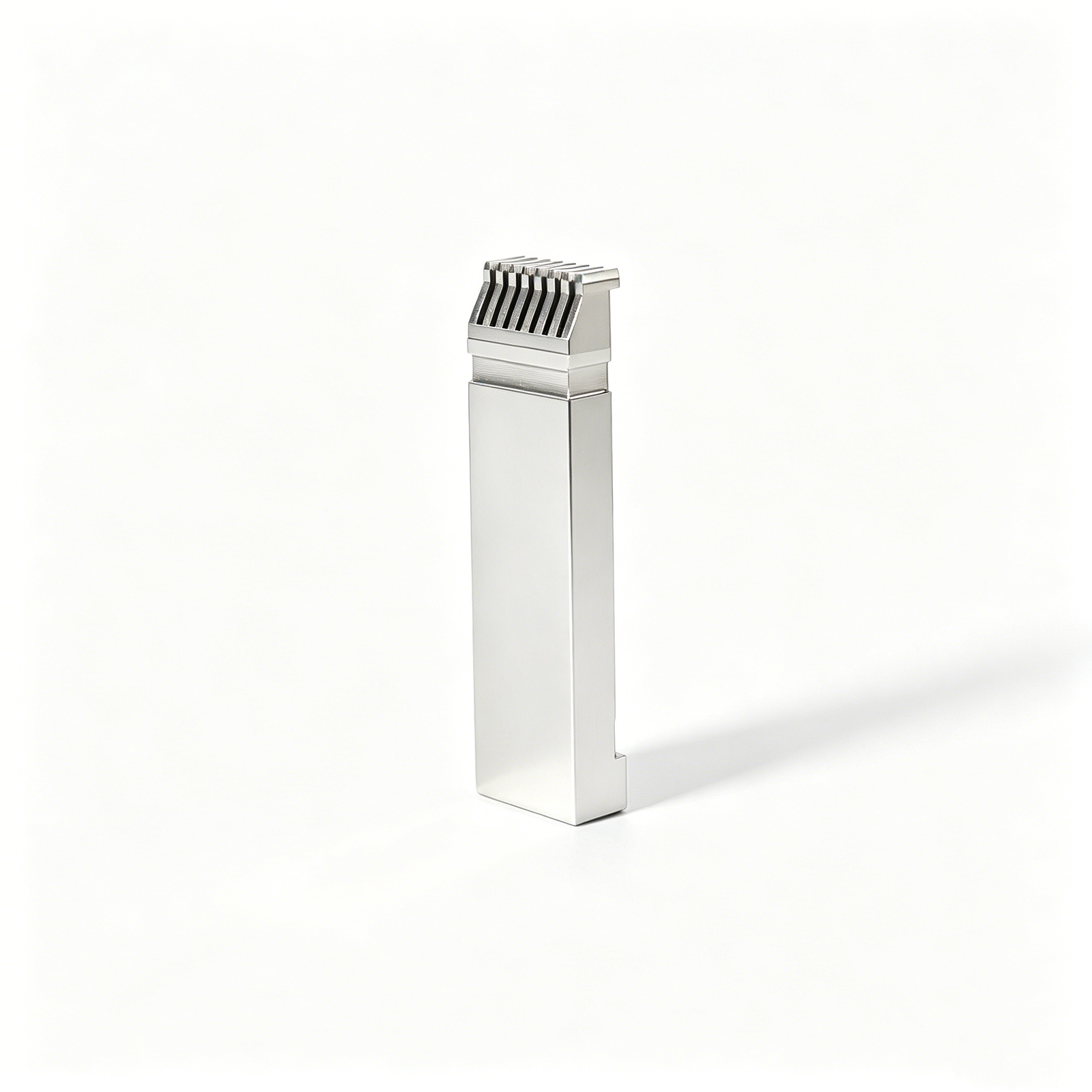
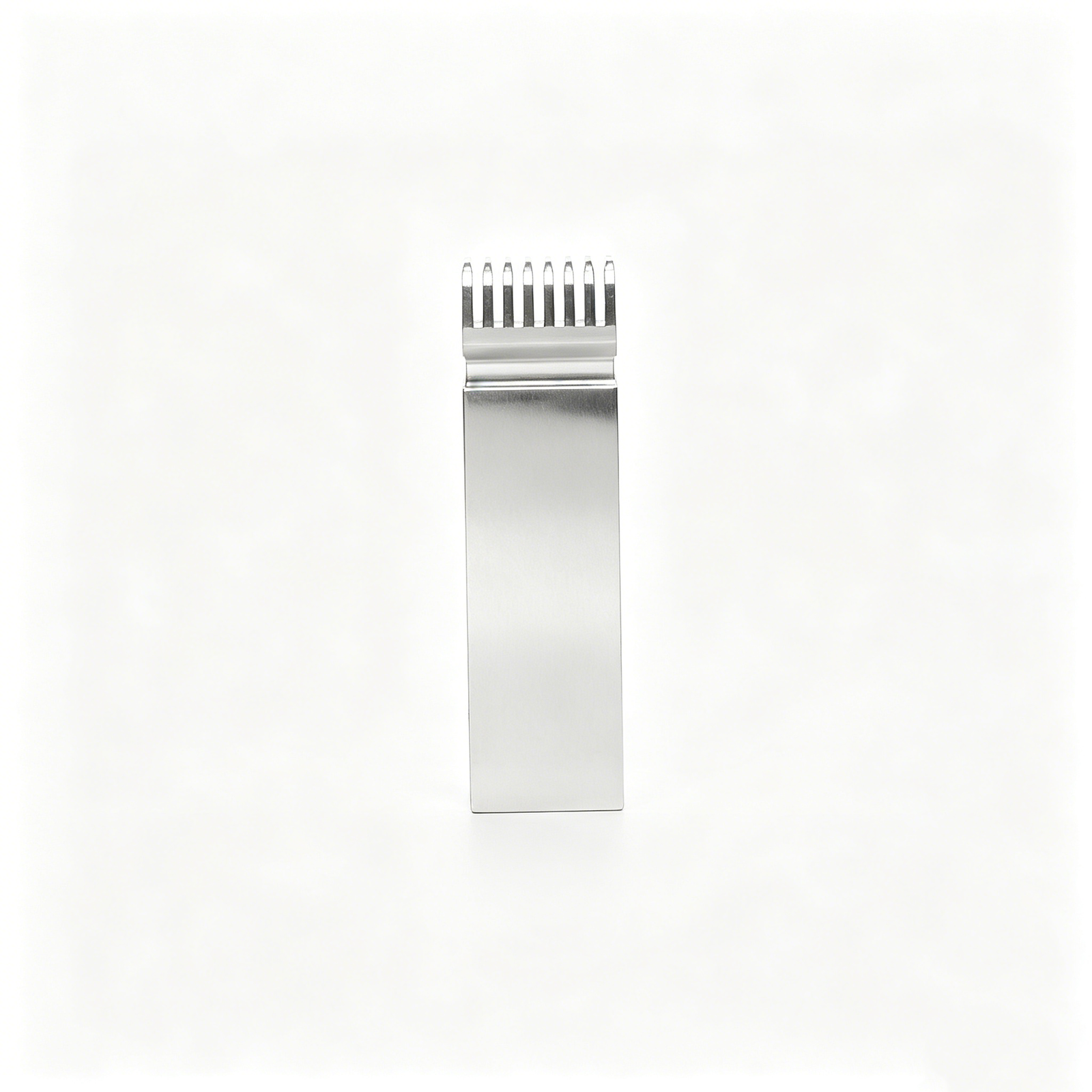
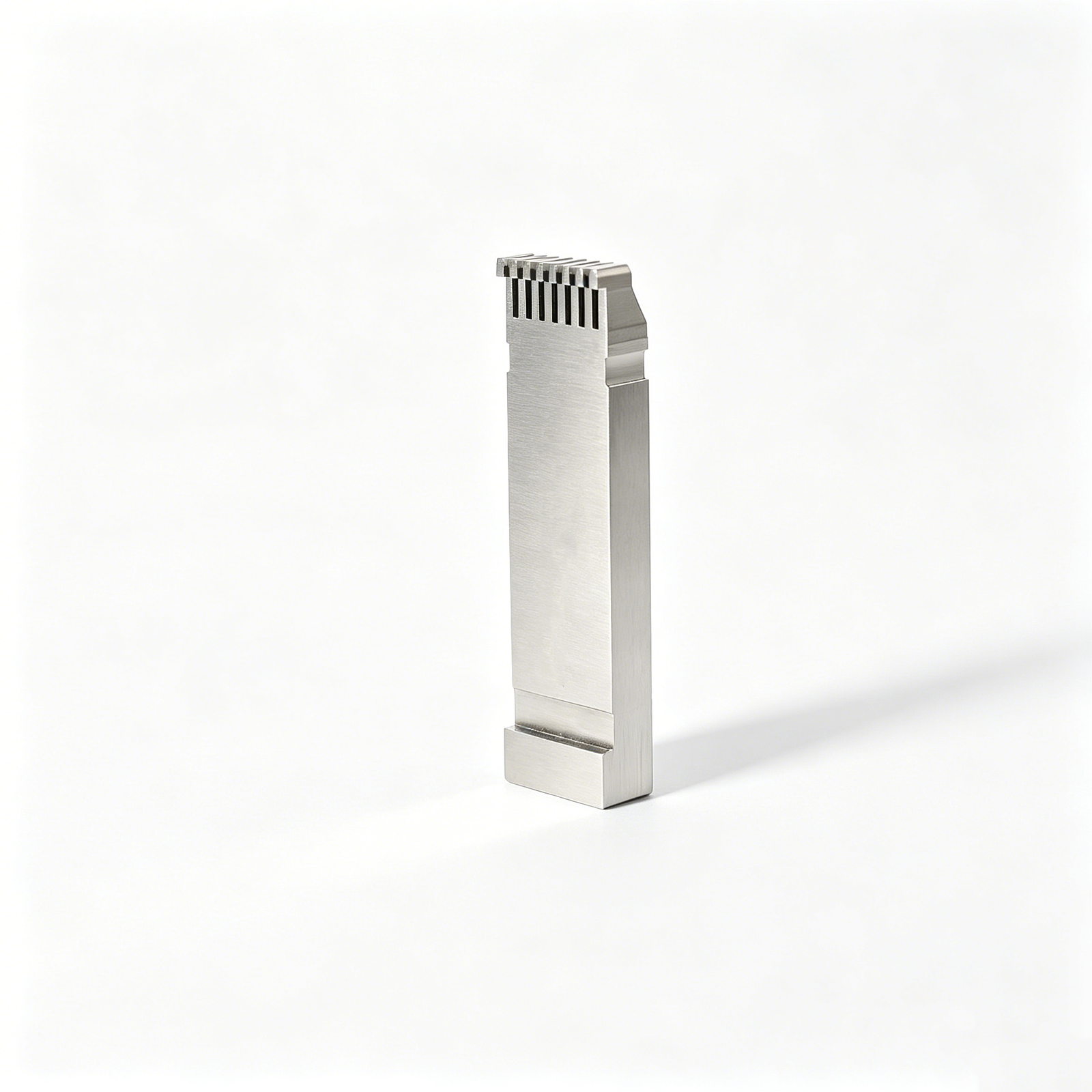
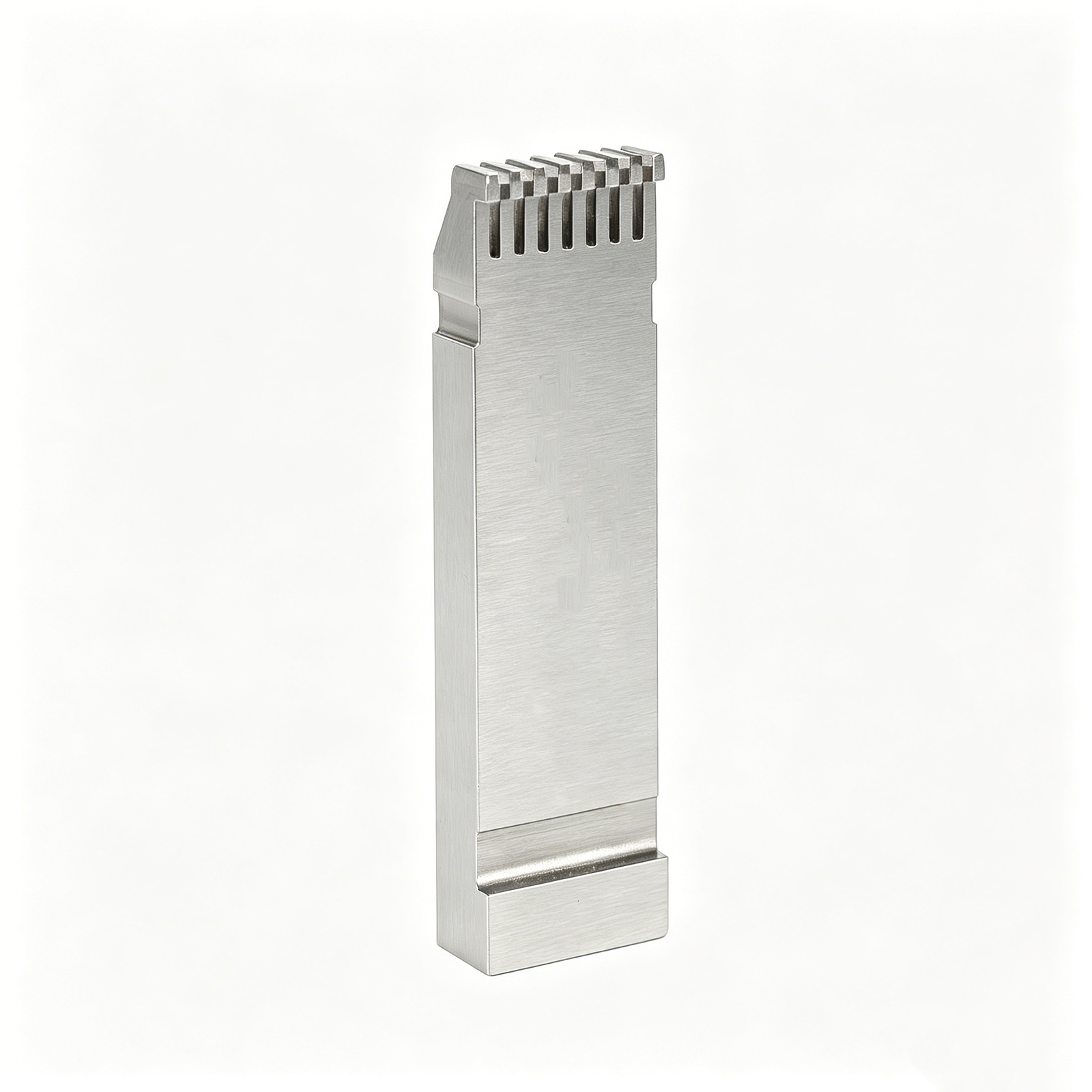
Plastic film parts · Precision mold insert
Industrial Connector Precision Mold Components for Tight-Tolerance Insert Tooling
Brand Xuxiang Mold
Availability Made to drawing
RFQ pricing
Quote from STEP / PDF & quantity
Achieve repeatable, micron-level quality in high‑density connector production with these Industrial Connector Precision Mold Components engineered for tight-tolerance insert tooling. Designed for complex multi-pin geometries, they help you maintain sharp cavity definition, stable dimensions, and clean parting lines across long production runs. Premium tool steels and optimized heat treatment deliver excellent wear resistance under demanding injection molding conditions. With these components in your mold base, you can reduce scrap, shorten debug cycles, and keep your connector projects on schedule and within spec.
- ISO 9001:2015–oriented process & documented inspection paths
- Zeiss / Nikon class metrology available for critical dimensions
- DFM feedback from 10+ senior tooling engineers
- Dongguan HQ + Quanzhou capacity for volume programs
High-Precision Mold Components for Industrial Connector Projects
These Industrial Connector Precision Mold Components are engineered specifically for manufacturers and mold makers producing miniature and medium-sized plastic connectors for industrial, electronic, and communication applications. Built for use in high-precision injection molds, they help you consistently replicate the intricate terminal windows, locking features, and fine ribs that define modern connector designs.
Whether you are molding sensor plugs for factory automation, wire-to-wire connectors for harsh environments, or compact housings for PCB-mounted interfaces, these components are designed to integrate seamlessly into your mold base and support stable, repeatable production.
What These Mold Components Are and How They Work
Connector molds place extreme demands on critical inserts, cores, and cavity blocks. Fine pitch terminals, thin walls, and tight positional tolerances mean that any deviation in the mold directly shows up as flash, deformation, or poor fit on the finished connector. These precision mold components are designed as the working elements inside your mold that form the connector’s detailed geometry and ensure the plastic flows and cools correctly.
Typical component types used in connector tooling include:
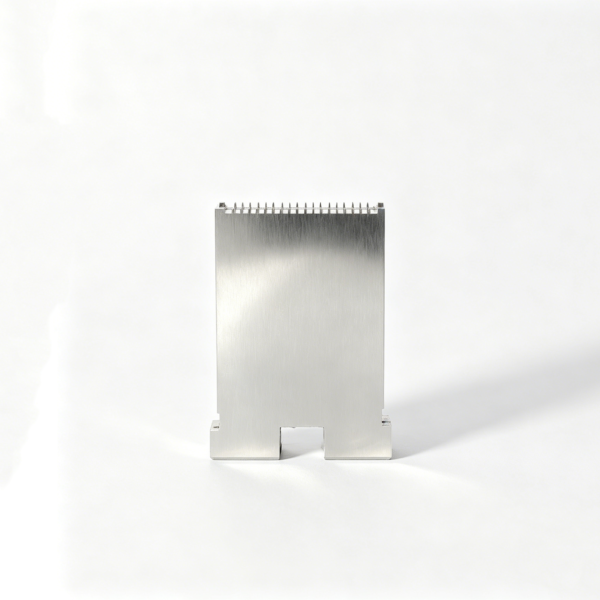
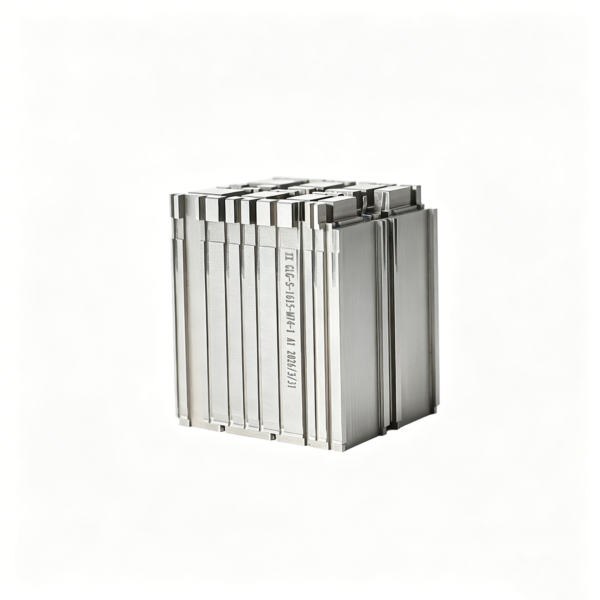
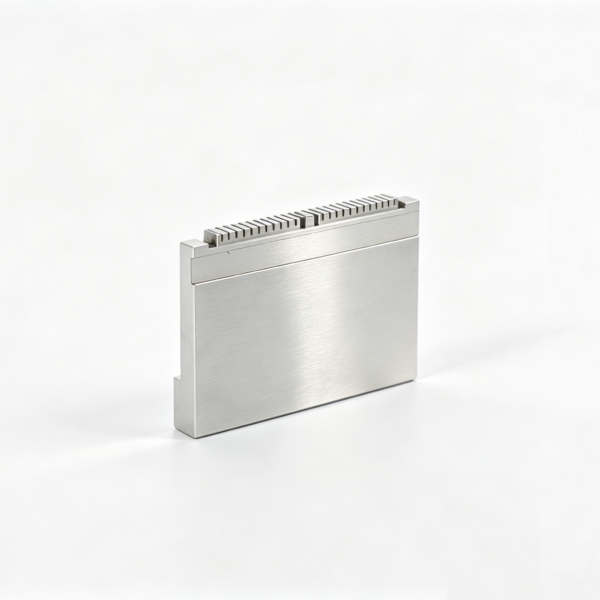
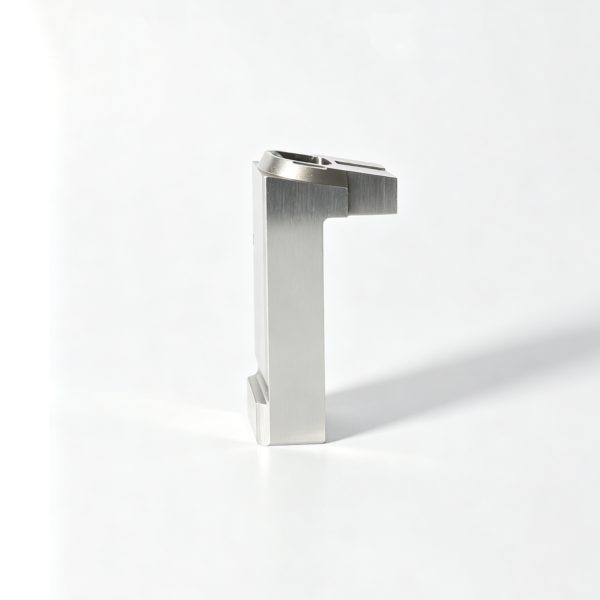
- Core pins and blades that create pin cavities, slots, and windows for contacts.
- Cavity inserts that define the outer profile of the housing and latch features.
- Slide inserts and lifters that form undercuts and side openings while allowing easy ejection.
- Gate and runner inserts optimized to deliver balanced filling with minimal weld lines.
- Ejector-related components that push parts out cleanly without marking sealing surfaces.
By combining high-grade tool steel, precise machining, and appropriate surface treatments, these parts maintain their shape and surface finish even under high cavity pressures and elevated molding temperatures.
Key Features & Performance Benefits
For industrial connector programs, uptime and dimensional consistency are critical. These mold components are developed to deliver:
- Stable tight tolerances: Precision grinding and EDM processes help maintain accurate profiles on delicate features over extended production runs.
- Enhanced wear resistance: Carefully selected steels and heat treatments improve resistance to abrasion from glass-filled or flame-retardant resins commonly used in industrial connectors.
- Clean demolding: Attention to draft angles and polished surfaces on functional areas assists smooth part release, reducing sticking and deformation.
- Improved process window: Optimized cooling and venting features in the insert design can contribute to shorter cycle times and lower scrap rates.
- Easy maintenance and replacement: Modular component design lets you replace only worn inserts or pins instead of reworking the entire mold base.
- Support for complex geometries: Fine blades and multi-piece inserts make it possible to realize intricate latch systems, polarization keys, and coding features without compromising strength.
Specifications & Typical Attributes
The exact configuration of each component set can be customized for your connector project, but the table below summarizes typical attributes you can expect when specifying this category of precision mold components.
| Attribute | Description |
|---|---|
| Product type | Precision mold components for industrial connector injection molds (cores, cavities, inserts, pins) |
| Typical application | Plastic housings and insulators for industrial, electronic, and communication connectors |
| Material options | High-quality tool steels suitable for high wear and elevated temperature molding environments |
| Manufacturing processes | Precision CNC machining, EDM, grinding, and polishing for critical surfaces |
| Geometry capability | Fine pitches, thin walls, deep slots, and complex undercuts for modern connector designs |
| Surface treatment | Heat treatment and optional surface coatings to improve hardness, wear resistance, and anti-corrosion performance |
| Compatibility | Designed to be integrated into standard or custom mold bases for connector molding machines |
| Target industries | Industrial automation, power and control, communication equipment, transportation, and electronics manufacturing |
| Quality focus | Dimensional accuracy, repeatability, and long service life under continuous production conditions |
Use Cases & Ideal Users
These Industrial Connector Precision Mold Components are suitable for a wide range of design and production scenarios, including:
- Industrial automation connectors: Mold housings for field I/O modules, sensor connectors, and actuator cables where sealing and mechanical robustness are essential.
- Power and control connectors: Produce plug and socket bodies used in control cabinets, motor connections, and distribution boxes that require reliable creepage and clearance distances.
- Communication and data connectors: Support compact housings for industrial Ethernet, fieldbus networks, and custom data interfaces.
- Transportation and off-highway equipment: Create connectors for harsh environments where vibration, temperature changes, and contaminants demand consistent molding quality.
- OEMs and mold shops: Both in-house tooling departments and dedicated mold makers can use these components when building new connector molds or refurbishing existing tools.
They are especially valuable when launching new connector platforms that must pass rigorous fit, function, and reliability testing before going into full-scale production.
Selection, Care & Buying Guidance
Choosing the right mold components from the outset helps you control costs and time-to-market. When specifying components for your next connector mold, consider:
- Resin type and additives: Glass fiber, flame retardants, and high-temperature resins call for higher wear resistance and careful attention to surface finish.
- Required dimensional accuracy: Finer pitches and lower profile connectors may require stricter tolerances on cores and cavities, as well as more robust alignment features.
- Projected shot volume: For high-volume industrial connectors, investing in more durable materials and refined cooling features will help avoid premature wear and warpage issues.
- Maintainability: Opt for component designs that allow quick removal and replacement of high-wear pins and inserts without disturbing the whole mold layout.
- Toolroom capabilities: Match the component design to the equipment and expertise available for future polishing, adjustment, and repair.
To maximize service life, establish a routine maintenance program. Clean components carefully during mold teardown, check for wear on edges and corners, and apply appropriate rust protection when storing the mold. Periodic inspection of surfaces and shut-offs helps you catch early signs of fatigue or abrasion before they affect part quality.
FAQ
Are these mold components compatible with my existing connector mold base?
The components are designed to integrate into most standard and custom mold bases used for connector tooling. For best results, share your current mold layout or 3D data with your tooling supplier, so the inserts and cores can be matched to your specific system.
What types of connectors can I produce with these precision mold components?
They are suitable for a broad range of industrial and electronic connectors, including sensor plugs, power and control connectors, communication interfaces, and custom multi-pin modules. The critical factor is the detailed geometry and performance requirements of your connector design.
How do I choose the right material combination for these components?
Material selection should be based on the resin you plan to mold, the anticipated production volume, and the mechanical stresses on each feature. Discuss your resin grade and cycle targets with your supplier so they can recommend a tool steel and heat treatment profile suited to your application.
What maintenance is required to keep the components performing well?
Regular maintenance includes cleaning resin residue, checking sharp edges and sealing surfaces for wear, lubricating moving elements where appropriate, and applying corrosion protection during storage. A consistent inspection schedule helps keep your connector molds running with minimal downtime.
Can these components help reduce flash and warpage on my connectors?
Accurate, stable mold components contribute significantly to reducing flash, distortion, and dimensional drift. When combined with a well-optimized molding process, they help maintain uniform wall thickness and consistent sealing conditions, which lowers the risk of cosmetic and dimensional defects.
What information do I need to provide before ordering?
Provide key details such as 3D models or drawings of the connector, the desired number of cavities, your chosen resin, target cycle time, and any special requirements such as sealing surfaces or overmolding. This information allows the supplier to align the mold components with your performance targets.
How are the components shipped and protected from damage?
Components are typically packed in protective trays or wrapped individually to prevent impact and surface scratching during transit. Corrosion-inhibiting packaging or oil is often used to protect precision surfaces until the components reach your toolroom.
What is the usual lead time for customized connector mold components?
Lead time varies with design complexity and quantity, but custom connector inserts and cores generally require additional time for engineering review and precision machining. Confirm current schedules with your supplier when planning new projects or tooling upgrades.
Is there a warranty or quality guarantee on these components?
Most suppliers provide a quality guarantee tied to material integrity and manufacturing accuracy. Specific warranty terms depend on the vendor, so review their documentation for coverage details related to defects, premature wear, or dimensional nonconformance.
Can I retrofit these components into an older connector mold?
In many cases, older molds can be upgraded by replacing worn or outdated core and cavity inserts with modern precision components. This can extend the life of the mold and improve part quality without the cost of a completely new tool, provided the base remains structurally sound.
Related products
Same drawing, predictable results—next batch
Share revision, quantity ramp, and inspection level. We quote process route, ship date, and documentation in one structured response.