
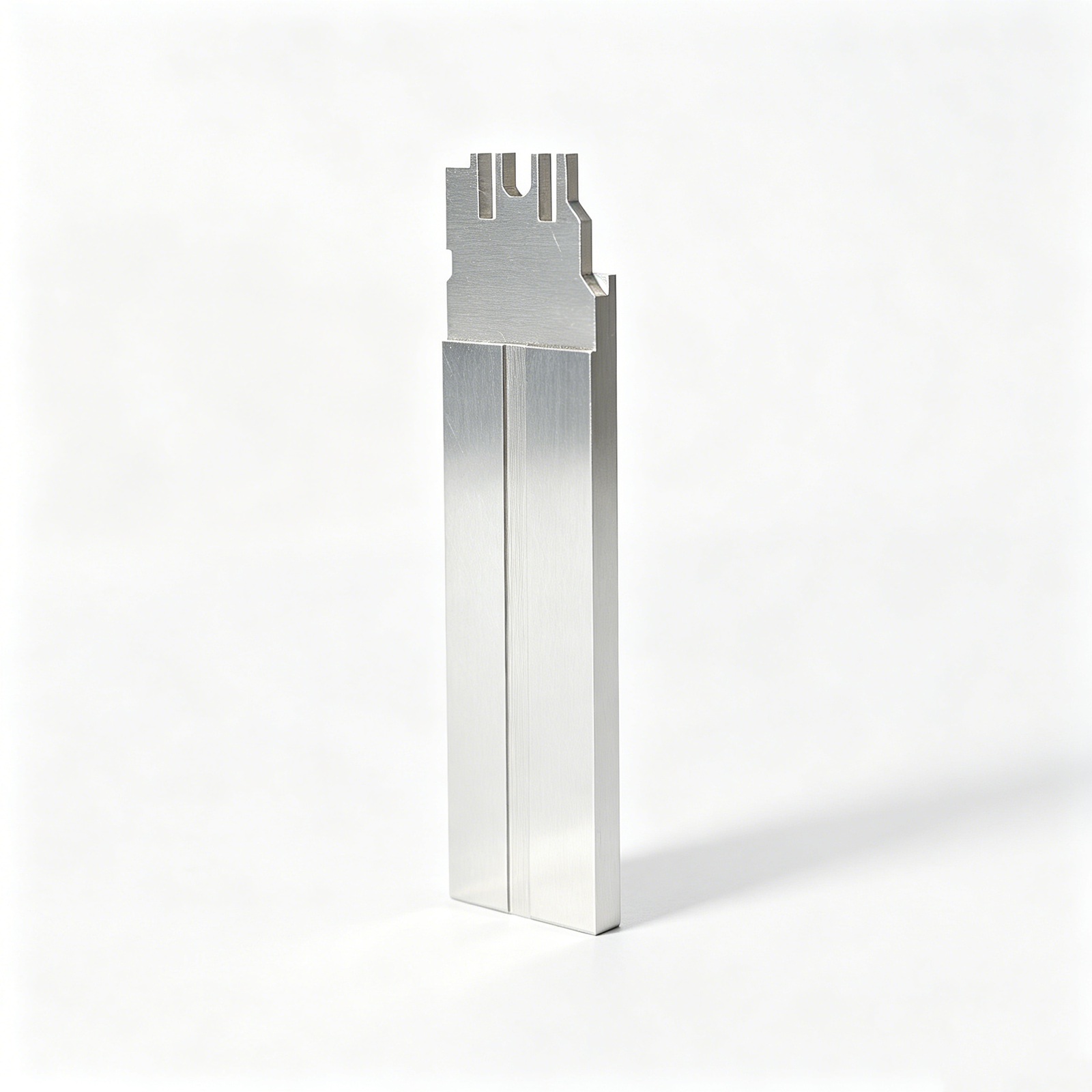
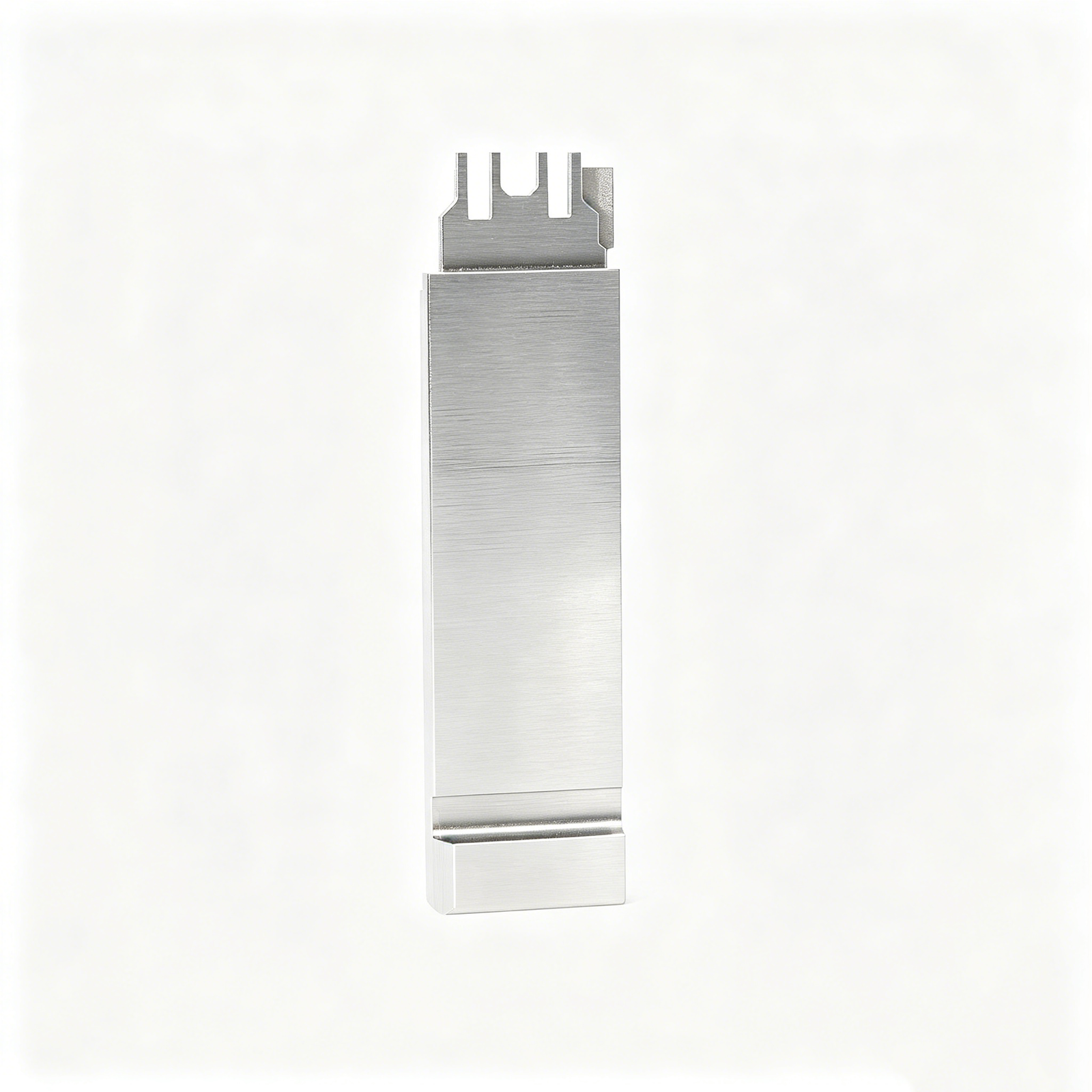
Plastic film parts · Precision mold insert
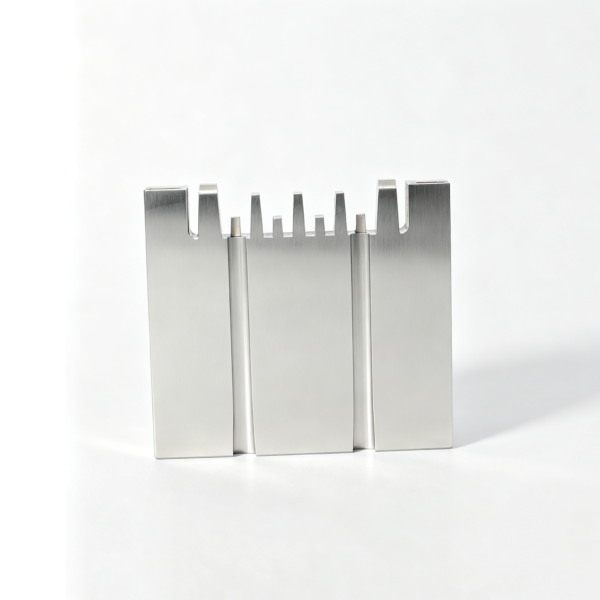
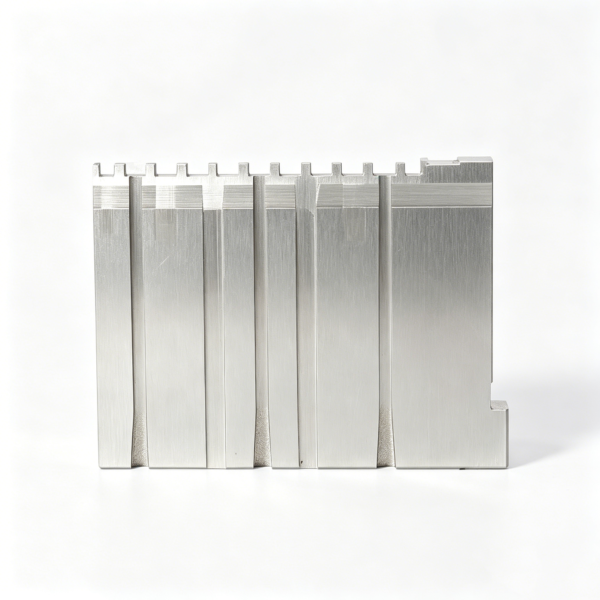
Industrial Connector Precision Mold Components for Stable High-Volume Molding
Brand Xuxiang Mold
Availability Made to drawing
RFQ pricing
Quote from STEP / PDF & quantity
Achieve consistent, repeatable connector quality with these Industrial Connector Precision Mold Components engineered for high-volume injection molding lines. Each core, cavity and insert is finished for smooth flow, sharp edges and reliable demolding, even in complex multi-pin connector designs. Built from wear-resistant tool steels and processed by high-precision CNC and grinding, they help you hold tight tolerances over long production runs. Integrate them into new tools or retrofit existing molds to upgrade uptime, reduce scrap and stabilize electrical connector dimensions. Ideal for OEMs, mold makers and job shops supplying demanding industrial and electronic connector programs.
- ISO 9001:2015–oriented process & documented inspection paths
- Zeiss / Nikon class metrology available for critical dimensions
- DFM feedback from 10+ senior tooling engineers
- Dongguan HQ + Quanzhou capacity for volume programs
Industrial Connector Precision Mold Components Built for Stable High-Volume Runs
These Industrial Connector Precision Mold Components are designed specifically for manufacturers who need stable, repeatable output on demanding connector programs. From miniature signal connectors to robust wire-to-wire and board-to-board interfaces, modern connector molds must maintain tight dimensions and clean surfaces while running at high cavitation and cycle rates. Our component concept focuses on dimensional stability, wear resistance and serviceability so your tooling keeps producing accurate parts, lot after lot.
Connector molds present unique challenges compared with general plastic parts. Complex terminal pockets, thin walls, undercuts and alignment critical features demand ultra-precise cores, cavities, inserts and lifters to ensure proper mating with counterpart connectors and electronic hardware.[4][6] By using high-quality mold components, you can better control flash, warpage, contact alignment and surface finish, which translates directly into fewer rejects and more reliable electrical performance in the final connector assemblies.[4][5][13]
Key Features & Benefits
- Precision-ground working surfaces – Critical molding surfaces are ground and lapped to fine finishes to help achieve sharp parting lines, well-defined ribs and smooth terminal pockets that improve electrical contact fit.[3][4]
- Tight-tolerance dimensional control – Components are manufactured using high-precision CNC machining, EDM and grinding processes that support the tight tolerances connector molds typically demand, helping maintain consistent mating dimensions across large production volumes.[3][5][11]
- Durable tool steel construction – Industrial-grade steels commonly used for connector mold parts provide high hardness, wear resistance and resistance to heat checking, extending maintenance intervals in high-cycle environments.[4][5]
- Optimized for complex connector geometries – Suitable for intricate core and cavity inserts, slender pins, sliders and inserts for snap fits and locking features, supporting modern high-density connector designs without compromising mold stability.[4][6][10]
- Stable performance in automated lines – Consistent component quality helps maintain stable clamping, balanced filling and predictable cooling, which are essential for automated demolding and downstream assembly in industrial applications.[1][4][13]
- Flexible integration into new or existing molds – Components can be used in new mold builds or selected to retrofit/upgrade existing connector tools, allowing incremental improvements to your current production assets.
Specifications & Core Attributes
The table below summarizes the typical characteristics and configuration options for these Industrial Connector Precision Mold Components. Values are described qualitatively so you can align them with your own project requirements and internal standards.
| Attribute | Description |
|---|---|
| Product type | Precision mold components for plastic connector injection molds (cores, cavities, inserts, pins, sliders, lifters) |
| Typical applications | Industrial connectors, electronic connectors, automotive harness connectors, communication module connectors, consumer electronics connectors[1][2][10] |
| Material category | High-hardness tool steels and alloy steels suitable for high-cycle connector molds, with optional surface treatments for wear and corrosion resistance[4][5] |
| Manufacturing processes | CNC milling, turning, wire-cut EDM, sinker EDM, precision grinding and fine surface finishing for critical features[3][5][11] |
| Tolerance capability | Designed to support tight connector mold tolerances required for accurate mating, alignment and minimal flash (specific tolerances set per project)[3][4][6] |
| Surface finish | Smooth cavity and core surfaces suitable for high-detail connector features; surface textures or polishing levels can be chosen according to part requirements[3][4] |
| Mold compatibility | Customizable to fit standard or proprietary connector mold bases, with options for single-cavity and multi-cavity layouts[2][4][10] |
| Cooling and venting support | Components can be configured with appropriate clearances, venting features or interfaces to cooling channels designed in the parent mold[4][13] |
| Typical operating environment | High-volume injection molding cells producing precision connectors for industrial, automotive, communication and electronics sectors[1][10][13] |
| Maintenance approach | Designed for periodic inspection, polishing and replacement as part of standard connector mold maintenance programs[4][9] |
Use Cases & Ideal Users
These Industrial Connector Precision Mold Components are a smart fit anywhere reliable, high-volume connector molding is a priority. They serve as the building blocks for both new tooling programs and life-extension projects on existing molds.
Typical use cases
- Industrial automation connectors – Rugged housings and inserts used in factory automation, robotics and process equipment that must withstand vibration, dust and harsh environments.[1][14]
- Electronics and consumer devices – Compact connectors for digital equipment, household appliances and wearable devices, where dimensional stability is critical for assembly and signal integrity.[1][6][13]
- Automotive wiring and harness connectors – Connector mold components for under-hood, in-cabin and chassis harness connectors where parts must align with metal terminals and meet strict quality criteria.[12][14]
- Communication and data connectors – Parts for high-density communication modules and networking hardware, including designs that use high-performance resins such as LCP for miniaturized connectors.[1][10][13]
- Custom OEM connector programs – Proprietary connector systems where the mold design must be tailored to specialized geometries, latching features and branding details.[2][5][10]
Who benefits most
- Mold makers building new connector molds or refurbishing legacy tools.
- Injection molding companies specializing in precision electrical and industrial connectors.
- OEMs and Tier suppliers in automotive, industrial automation, medical and communications sectors who require stable connector quality.[10][13][14]
- Engineering teams seeking to improve yield, reduce scrap and stabilize process windows on challenging connector projects.
Care, Maintenance & Buying Guidance
To get the most value from Industrial Connector Precision Mold Components, it is essential to pair them with appropriate mold design, processing conditions and maintenance routines. High-quality components cannot perform at their best if they are installed in poorly cooled tools or neglected between production runs.[4][13]
Care & maintenance tips
- Follow a regular inspection schedule – Check cores, cavities and inserts for wear, micro-cracking, corrosion or buildup, particularly in fine terminal pockets and thin ribs where damage can quickly affect connector fit.[4][9]
- Use suitable cleaning methods – Clean components using non-abrasive methods and appropriate solvents; avoid aggressive grinding or blasting that could round critical edges or alter dimensions.[4][9]
- Apply rust protection during storage – When molds are idle, clean and dry the components, apply anti-corrosion oils, and store in a controlled environment to prevent rust, especially in high-humidity regions.[4][9]
- Keep moving elements lubricated – For sliders, lifters and guiding components associated with these mold parts, use recommended high-temperature lubricants to minimize wear and prevent galling.[4]
- Monitor process parameters – Dimensional drift in connector parts can indicate changes in mold temperature, clamping force or injection settings; treat your mold components as sensors that flag process issues early.[6][13]
Buying guidance
- Clarify connector standards and tolerance needs – Share target dimensions, critical-to-function features and applicable connector standards so components can be specified to match your quality requirements.[5][10]
- Align material choice with production volume – For long-running, multi-cavity tools, choose higher-grade steels and enhanced surface treatments; for prototype or low-volume tools, more economical options may suffice.[4][5]
- Consider maintenance access – When planning a new mold, configure components so they can be removed and replaced from accessible directions, minimizing downtime and simplifying preventive maintenance.[4][9]
- Coordinate with mold designers – Work closely with your mold designer or supplier to ensure that component selection supports optimal cooling, venting and ejection for your specific connector geometry.[5][6][11]
By combining robust Industrial Connector Precision Mold Components with sound mold design and disciplined maintenance, manufacturers can significantly improve connector quality, extend mold life and stabilize cycle times across demanding industrial and electronic connector programs.
FAQ
Are these Industrial Connector Precision Mold Components compatible with my existing mold base?
Yes. The components are intended to be customized or selected to fit both new and existing connector mold bases. When ordering, provide your current mold drawings or cavity layouts so dimensions, mounting features and alignment details can be matched for a straightforward retrofit.
What types of connectors are these mold components best suited for?
They are suitable for a wide range of plastic connector housings, including industrial automation connectors, automotive harness connectors, communication module connectors and compact connectors for electronic and consumer devices. Complex multi-pin and high-density layouts can also be supported when specified in the design stage.
How should I care for the mold components between production runs?
After each run, remove resin residue, dry the mold surfaces, lightly polish if needed to remove minor buildup and apply a suitable rust-preventive oil. Store the mold in a clean, dry environment and protect precision surfaces with covers or wrapping to prevent accidental damage during handling.
What is the typical lead time for custom connector mold components?
Lead time depends on the complexity and quantity of components. Simple core and cavity inserts can often be delivered more quickly, while intricate multi-feature parts or complete insert sets require additional machining and inspection time. Sharing 3D CAD data and clear specifications early helps shorten the overall schedule.
How do I ensure the components will hold the required connector tolerances?
Provide detailed drawings or 3D models that highlight critical features, datum schemes and tolerance zones. This allows the manufacturing team to select suitable machining methods, finishing steps and inspection plans to achieve the precision your connector design demands. Trial shots and dimensional checks before full production are also recommended.
Can I use these components for both prototype and mass-production molds?
Yes. For prototype tools, components can be specified with appropriate materials and finishes to control costs while still delivering accurate parts. For mass-production molds, you can choose higher-grade steels and enhanced surface treatments for maximum durability in high-cycle, multi-shift environments.
What shipping options are available for international orders?
Industrial Connector Precision Mold Components can typically be shipped via express air freight for urgent projects or consolidated sea or ground freight for larger, less time-sensitive orders. Packaging is arranged to protect precision surfaces and avoid corrosion during transit; you can select the option that best matches your budget and schedule.
Is there any warranty or return support for these mold components?
Warranty and return terms normally cover workmanship and material quality for a defined period, assuming components are used within agreed operating conditions and maintained properly. If you encounter issues such as premature wear or dimensional nonconformance, contact support with inspection data so a repair, replacement or other solution can be evaluated.
Related products
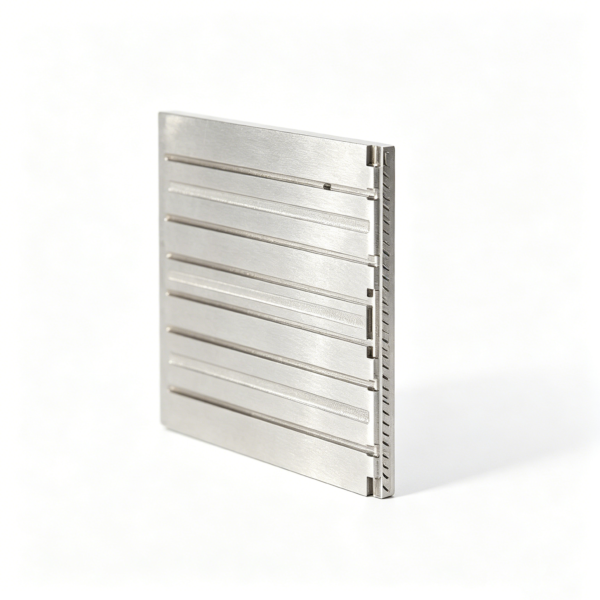
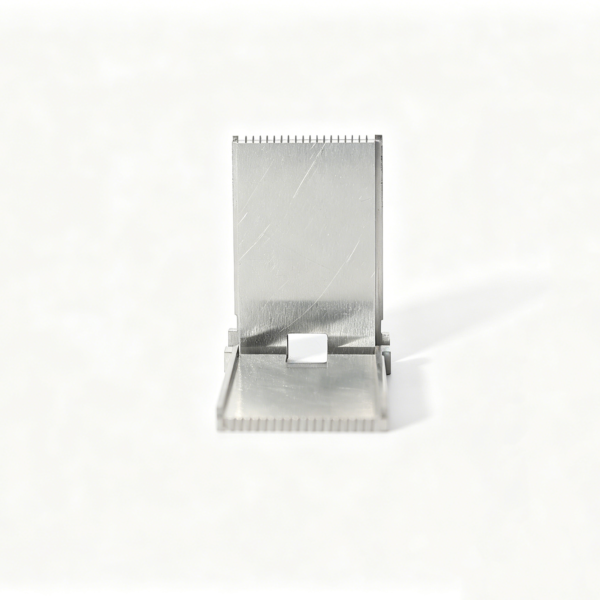
Same drawing, predictable results—next batch
Share revision, quantity ramp, and inspection level. We quote process route, ship date, and documentation in one structured response.