
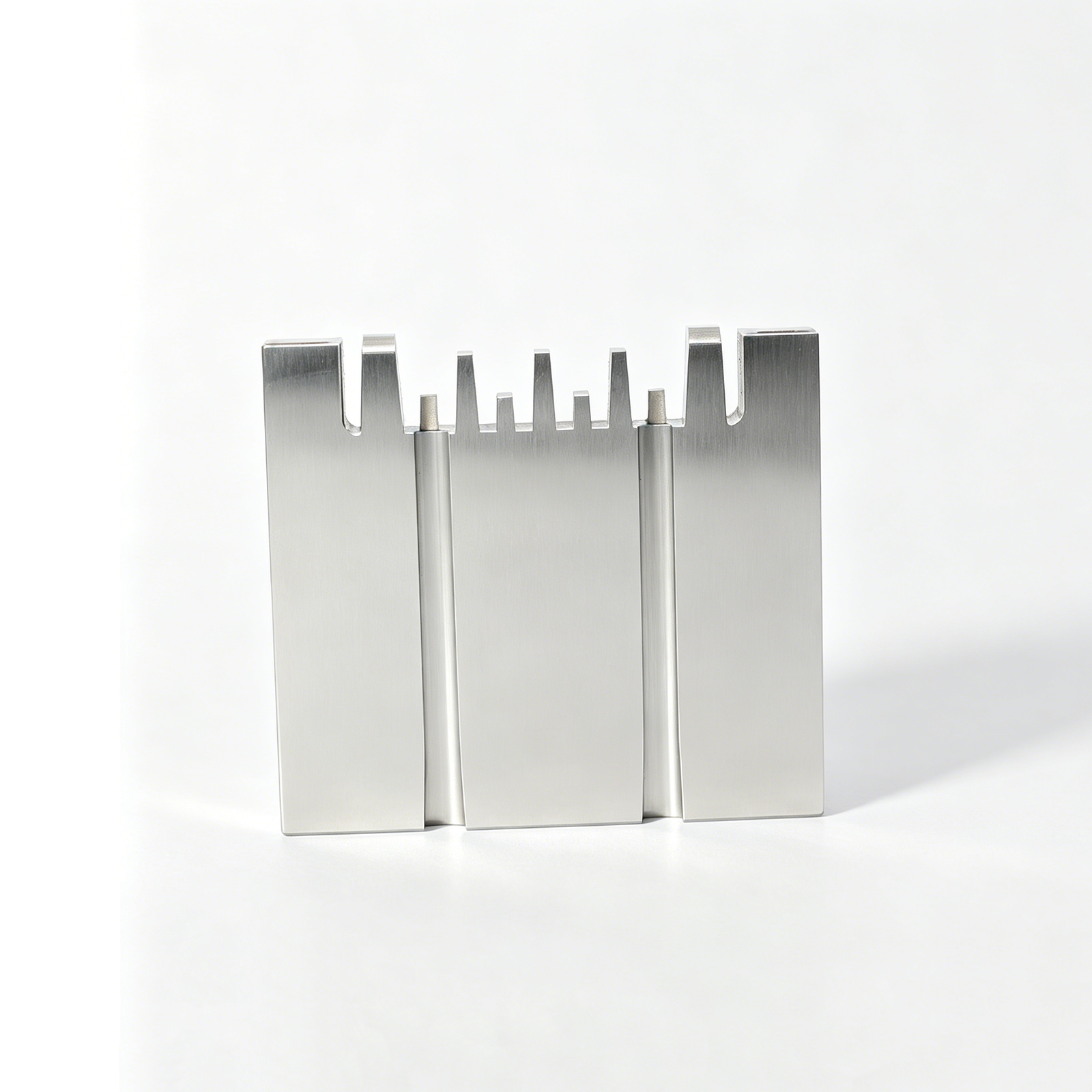
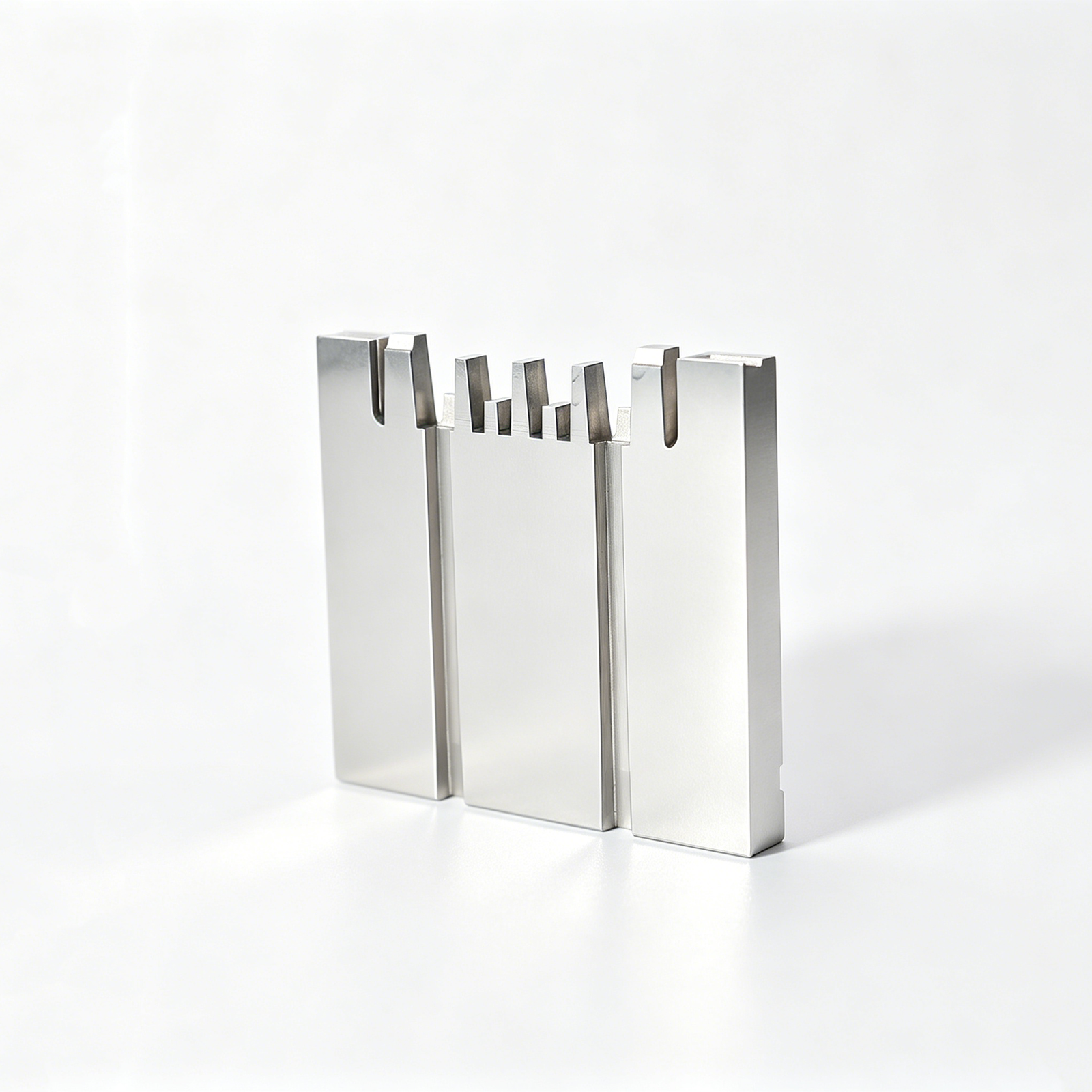
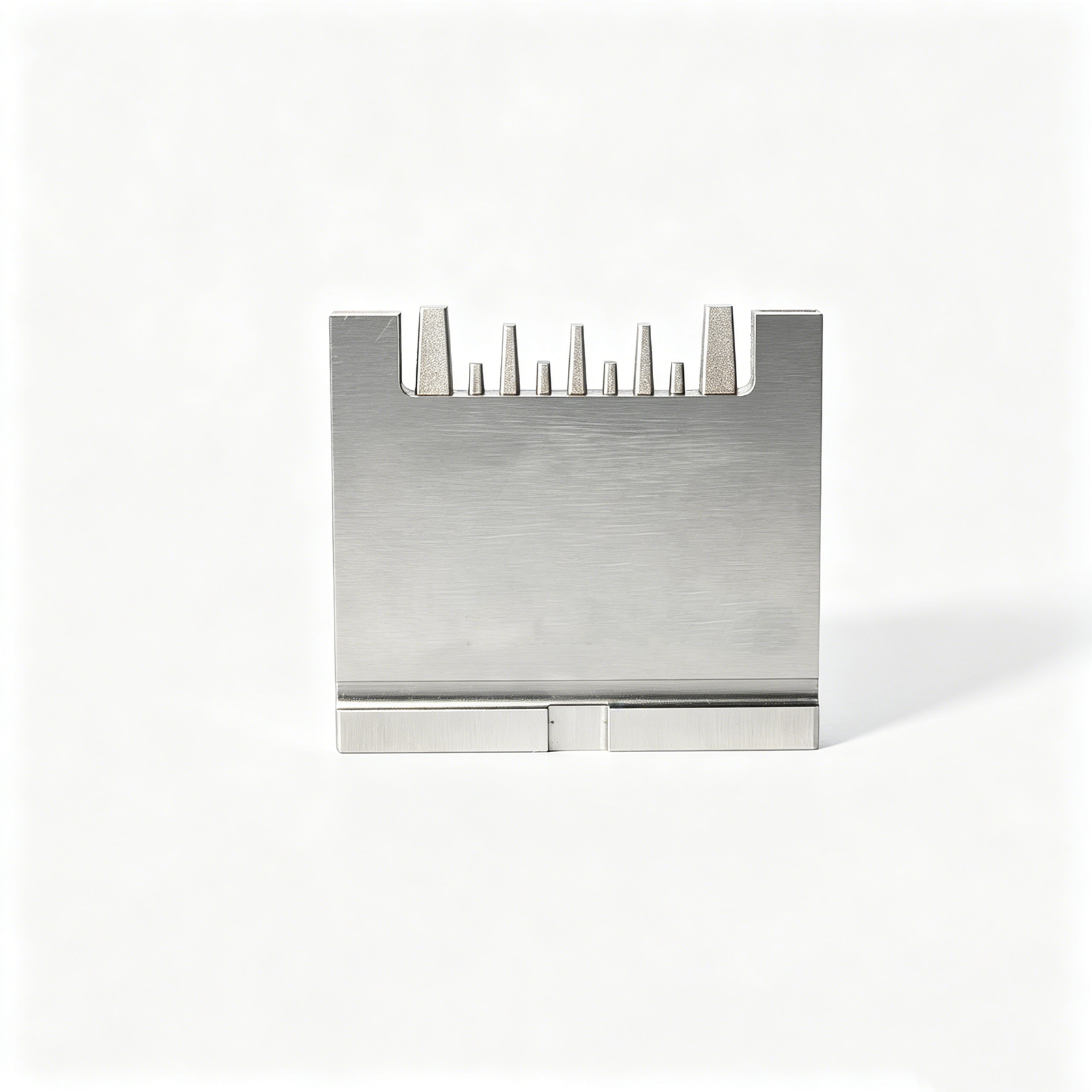
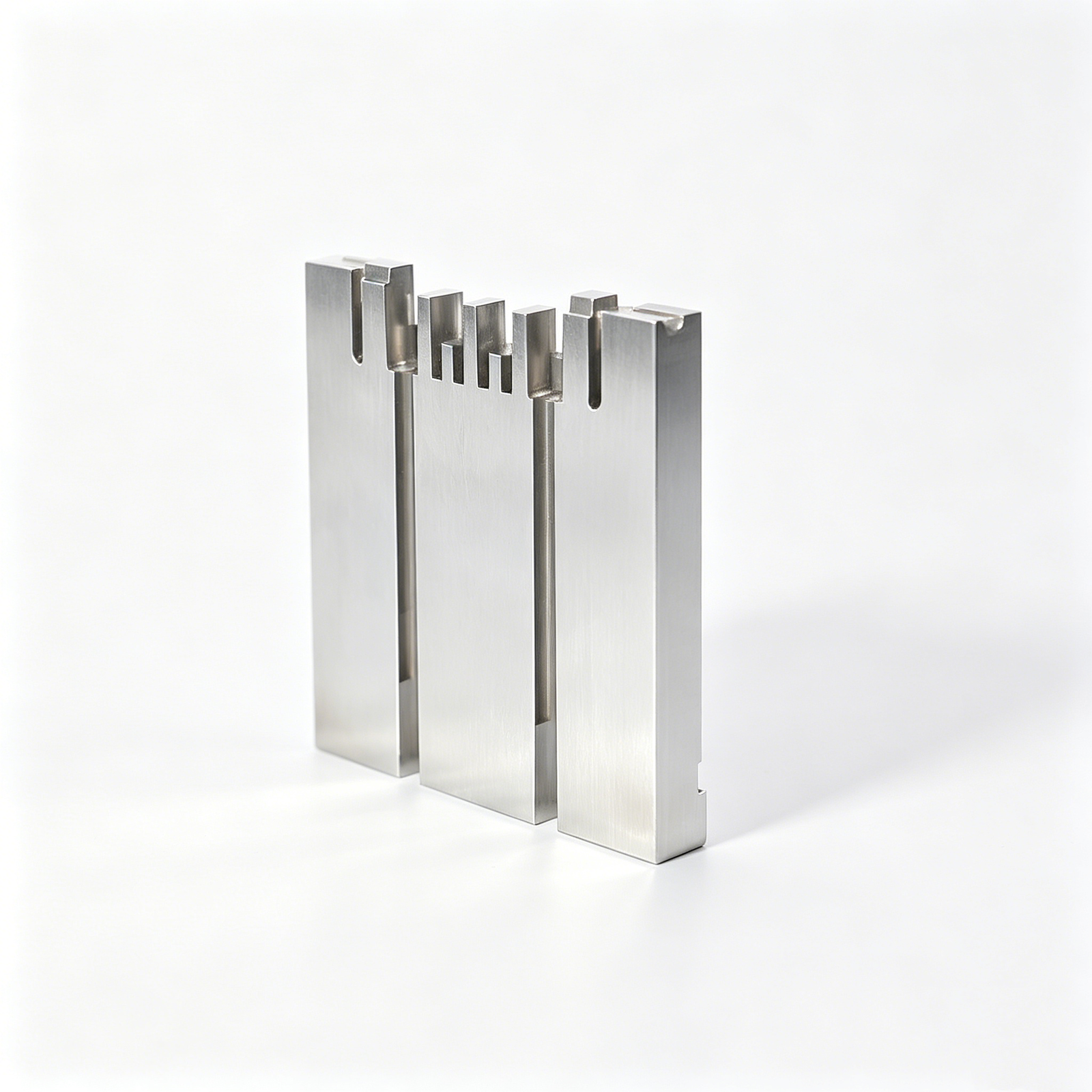
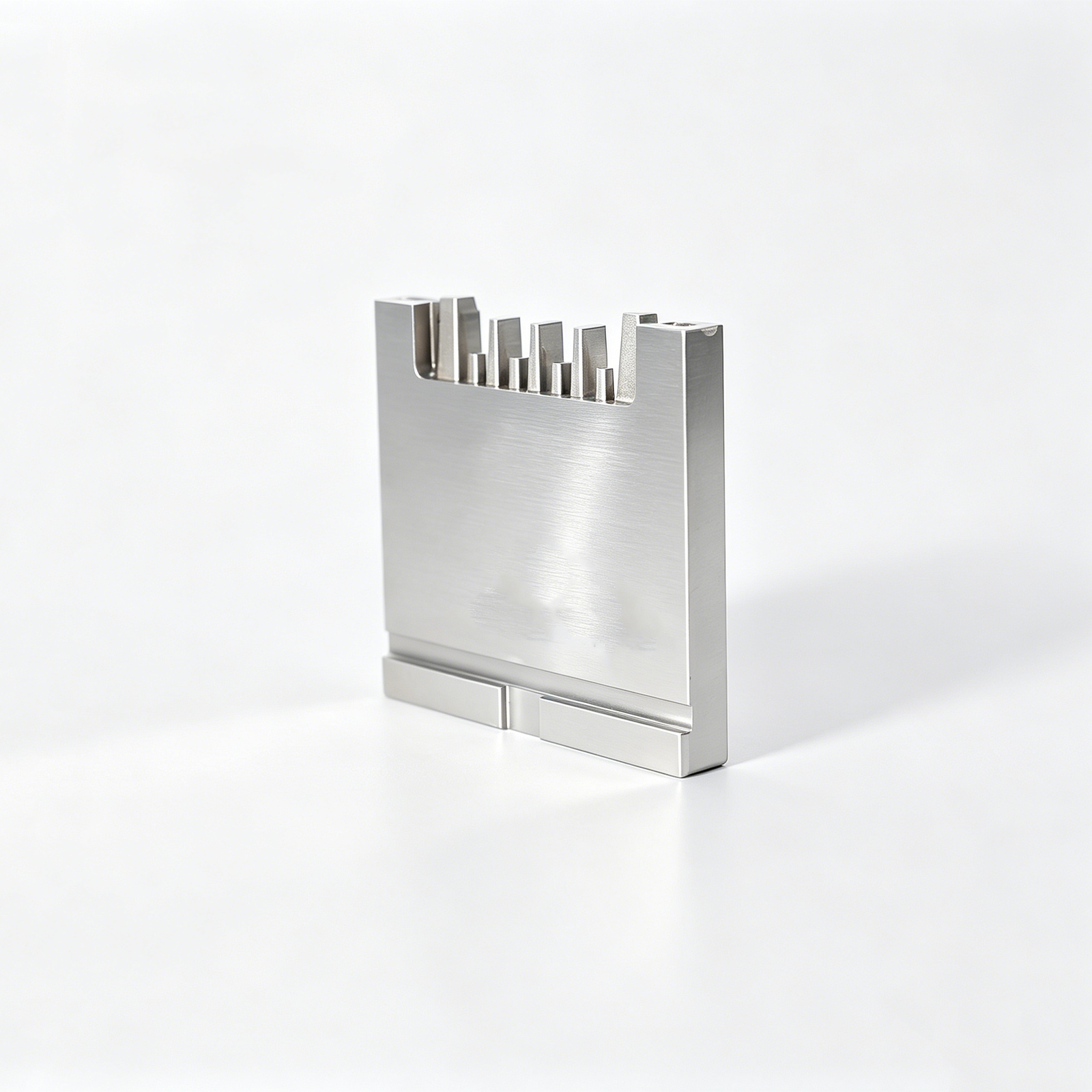
Plastic film parts · Precision mold insert
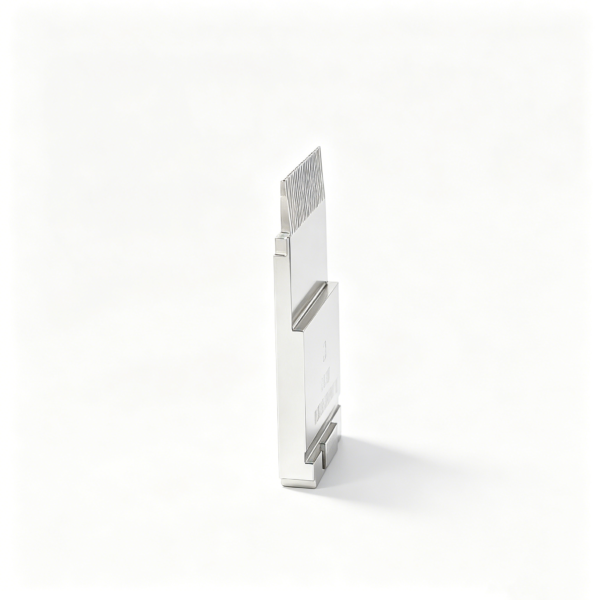
Industrial Connector Precision Mold Components for Durable Production Molds
Brand Xuxiang Mold
Availability Made to drawing
RFQ pricing
Quote from STEP / PDF & quantity
Engineer long-lasting connector tooling with Industrial Connector Precision Mold Components designed for stable, repeatable production. Manufactured from high-quality tool steels and processed with precision grinding and EDM, these components help maintain cavity accuracy, reduce flash, and minimize downtime. Ideal for high-volume industrial connector projects, they support consistent part geometry and smooth ejection over long runs. Use them to upgrade existing connector molds or to build new tools that meet demanding dimensional and visual standards. With robust construction and thoughtful design, they help keep your injection molding line running clean, efficient, and predictable.
- ISO 9001:2015–oriented process & documented inspection paths
- Zeiss / Nikon class metrology available for critical dimensions
- DFM feedback from 10+ senior tooling engineers
- Dongguan HQ + Quanzhou capacity for volume programs
Industrial Connector Precision Mold Components for Reliable, Long-Life Tooling
Industrial connector manufacturers depend on molds that hold tight tolerances through millions of cycles, even under high-cavitation, high-speed injection molding conditions. Industrial Connector Precision Mold Components for Durable Production Molds are engineered specifically for this demanding environment, helping you achieve stable part quality, low scrap rates, and predictable maintenance intervals.
These components are used in molds that produce a wide range of plastic connectors for automation equipment, control cabinets, sensors, power distribution blocks, and other industrial systems where electrical integrity and mechanical robustness are critical. By combining optimized geometry with premium materials and advanced machining methods, they support precise connector dimensions and clean mating interfaces from the first shot to the last.
What These Precision Mold Components Are
Industrial connector mold components are the critical inserts and standard elements inside your injection mold that directly form and release the connector part. In a typical connector mold, these include cavity inserts, core pins, sleeves, sliders, lifters, ejector pins, and alignment features that together define the final connector geometry and ensure reliable demolding.
According to connector mold component suppliers, these parts are designed to control the shape of fine features such as terminal windows, latch hooks, polarization keys, and ribbing while maintaining dimensional accuracy and surface finish over long runs.[4]
Our Industrial Connector Precision Mold Components for Durable Production Molds are tailored to the specific requirements of industrial connectors, which often feature:
- Complex internal geometries for contact retention and wire routing
- Thin walls and narrow slots that demand micron-level precision[3]
- High-temperature engineering plastics that place extra stress on the mold[5]
- Stringent requirements for fit with mating parts and housings[6]
Key Features & Operational Benefits
These precision mold components are optimized around durability, dimensional stability, and ease of integration into your existing mold designs.
- Precision-machined forming surfaces – Cavity inserts and core pins are produced using high-accuracy CNC, grinding, and EDM to keep critical dimensions consistent across all cavities, supporting interchangeable parts and balanced multi-cavity tools.[3][5]
- Material selection for long life – Components are typically made from high-hardness tool steels or equivalent wear-resistant alloys suitable for glass-filled and flame-retardant connector resins, reducing wear on fine features and edges over time.[4][5]
- Support for complex connector designs – Sliders, lifters, and inserts allow undercuts, snap-fit latches, and locking features to be formed without compromising tool rigidity or part release.[6][13]
- Optimized cooling and thermal balance – Cooling features and temperature-sensing provisions in the mold architecture help maintain stable molding conditions, contributing to consistent shrinkage and reduced warpage in connector parts.[4][13]
- Serviceability and interchangeability – Critical inserts and wear components can be replaced individually, helping you restore original dimensional performance without rebuilding the entire mold.
- Smoother production and less downtime – Well-designed ejection elements and polished forming surfaces help reduce sticking, short shots, and cosmetic defects, allowing your press to run at optimized cycle times with fewer interruptions.[4][6]
Specifications & Key Attributes
The table below summarizes typical characteristics and options for Industrial Connector Precision Mold Components for Durable Production Molds. Exact values depend on your mold design, connector series, and material selection.
| Attribute | Description |
|---|---|
| Application | Mold components for injection-molded industrial connectors (automation, power, control, sensor interfaces) |
| Typical component types | Cavity inserts, core pins, sleeves, sliders, lifters, ejector pins, guide elements, support blocks |
| Material options | High-hardness tool steels and wear-resistant alloys suitable for engineering and glass-filled plastics |
| Manufacturing processes | High-precision CNC machining, surface grinding, EDM, polishing; optional surface treatments for wear and corrosion resistance[3][5] |
| Tolerance capability | Tight dimensional control for fine connector features and alignment; grinding processes support very small deviation on critical surfaces[3] |
| Surface finish | Polished or textured according to connector appearance and release requirements |
| Connector design support | Suitable for housings with thin walls, narrow slots, multi-row terminals, and complex latch geometries[4][10] |
| Mold types | Compatible with single-cavity and multi-cavity hardened steel molds for automated production lines[4] |
| Typical industries | Industrial automation, machinery, robotics, energy distribution, control cabinets, heavy equipment |
| Customization | Dimensions and shapes tailored to customer connector drawings and mold layouts |
Use Cases & Who These Components Are For
Industrial Connector Precision Mold Components for Durable Production Molds are aimed at toolmakers, mold shops, and manufacturers who want to improve the long-term stability and service life of their connector tooling.
Typical use cases include:
- New industrial connector mold builds – Integrate these components during the design phase for new connector families so that core pins, sliders, and inserts are optimized for the target resin, expected shot counts, and automation level.[5][10]
- Refurbishing and upgrading existing molds – Replace worn or out-of-tolerance inserts, gates, and ejection components to recover original part dimensions and extend the mold’s productive life.
- Scaling to higher volumes – As connector demand grows, upgrade key elements to handle faster cycle times, higher injection pressures, and more aggressive resins without sacrificing quality.[13]
- Reducing scrap and quality escapes – For plants struggling with flash, short shots, or inconsistent connector fit, high-precision inserts and properly balanced mold components can significantly improve dimensional capability.
- Standardizing connector tooling fleets – Multi-plant manufacturers can use standardized, high-quality components across different molds to simplify maintenance, spare parts management, and process transfer.
Care, Maintenance & Buying Guidance
To maximize the performance and longevity of your industrial connector molds, both component selection and ongoing maintenance are important.
When specifying or purchasing Industrial Connector Precision Mold Components for Durable Production Molds, consider:
- Resin compatibility – Match component materials and surface treatments to the connector resin (e.g., high-temperature, glass-filled, or flame-retardant grades) to minimize abrasion, corrosion, and chemical attack.[4][13]
- Dimensional requirements – Review connector drawings for critical-to-function dimensions, such as terminal windows, latch heights, and keying features, and ensure the components are manufactured to support these tolerances.[5]
- Mold layout – Coordinate with your mold designer to ensure that inserts, sliders, and cooling circuits are accessible for maintenance and can be replaced without major disassembly.[5][10]
- Process window – If your process requires narrow temperature and pressure windows, invest in higher-grade materials and superior finishes to reduce process variability.
Recommended maintenance practices include:
- Regularly inspect cavities and cores for wear, micro-cracks, or buildup, especially in high-stress zones and fine details.[4]
- Clean and dry components after production runs, applying rust inhibitors as appropriate before storage.[4]
- Lubricate moving elements such as sliders, lifters, and ejectors with mold-safe lubricants to reduce friction and galling.[4]
- Record cycle counts and establish preventive maintenance intervals for checking and, if necessary, reconditioning critical inserts.
FAQ
Are these mold components compatible with my existing industrial connector mold?
Most Industrial Connector Precision Mold Components for Durable Production Molds can be designed to fit your current mold layout. Provide 2D/3D drawings or samples so that dimensions, mounting interfaces, and alignment features can be matched or improved for your specific tool.
What types of industrial connectors are these components best suited for?
They are ideal for plastic connector housings used in industrial automation, control cabinets, power distribution, sensors, and machine interfaces, including multi-pole and multi-row connector designs where dimensional stability and long tool life are critical.[1][4]
How do I know if I need to upgrade my existing connector mold components?
Common signs include increasing scrap from flash or short shots, connectors that no longer mate smoothly, greater variation in key dimensions, or visible wear on cavity edges and core pins. If these issues are recurring despite process optimization, upgrading to higher-precision, more durable components is often cost-effective.[4]
What maintenance is required to extend the life of these precision mold components?
Clean and dry the mold after each production run, apply rust inhibitors if the tool will be stored, and lubricate moving parts with suitable mold lubricants. Schedule periodic inspections for wear or damage on fine features and replace critical inserts before part quality is affected.[4]
Can these components handle high-temperature or glass-filled engineering plastics?
Yes, when specified with appropriate tool steels and surface treatments, these components are suitable for demanding connector resins, including high-temperature and glass-filled materials that require high wear and heat resistance.[4][5]
What information should I provide when ordering customized components?
Share connector part drawings, mold layout files, target resin information, expected annual volumes, and any known problem areas in your current tooling. This allows the component supplier to recommend suitable materials, tolerances, and design features for your application.
How are these components shipped and protected during transit?
Precision mold components are typically packed in protective cases or individual sleeves, with corrosion-inhibiting coatings or packaging to prevent rust and damage during transportation. Check the shipment on arrival and store in a dry, controlled environment.
What is the typical lead time for replacement or custom connector mold components?
Lead time depends on complexity and quantity. Standard or lightly modified components may be available quickly, while fully customized inserts and sliders require additional design and machining time. Confirm current production schedules with the supplier during quotation.
Is there any warranty or support for these industrial mold components?
Most professional suppliers offer a quality warranty against material and manufacturing defects, plus technical support for installation and troubleshooting. Warranty terms vary, so review the supplier’s specific coverage and conditions before purchase.
How can I ensure dimensional consistency across multiple cavities or molds?
Work with a supplier that uses controlled machining and inspection processes for all cavities and components, and specify critical dimensions and tolerances clearly. Using the same high-precision components and materials across your tooling fleet helps maintain consistent connector quality between presses and plants.[3][5]
Related products
Same drawing, predictable results—next batch
Share revision, quantity ramp, and inspection level. We quote process route, ship date, and documentation in one structured response.