
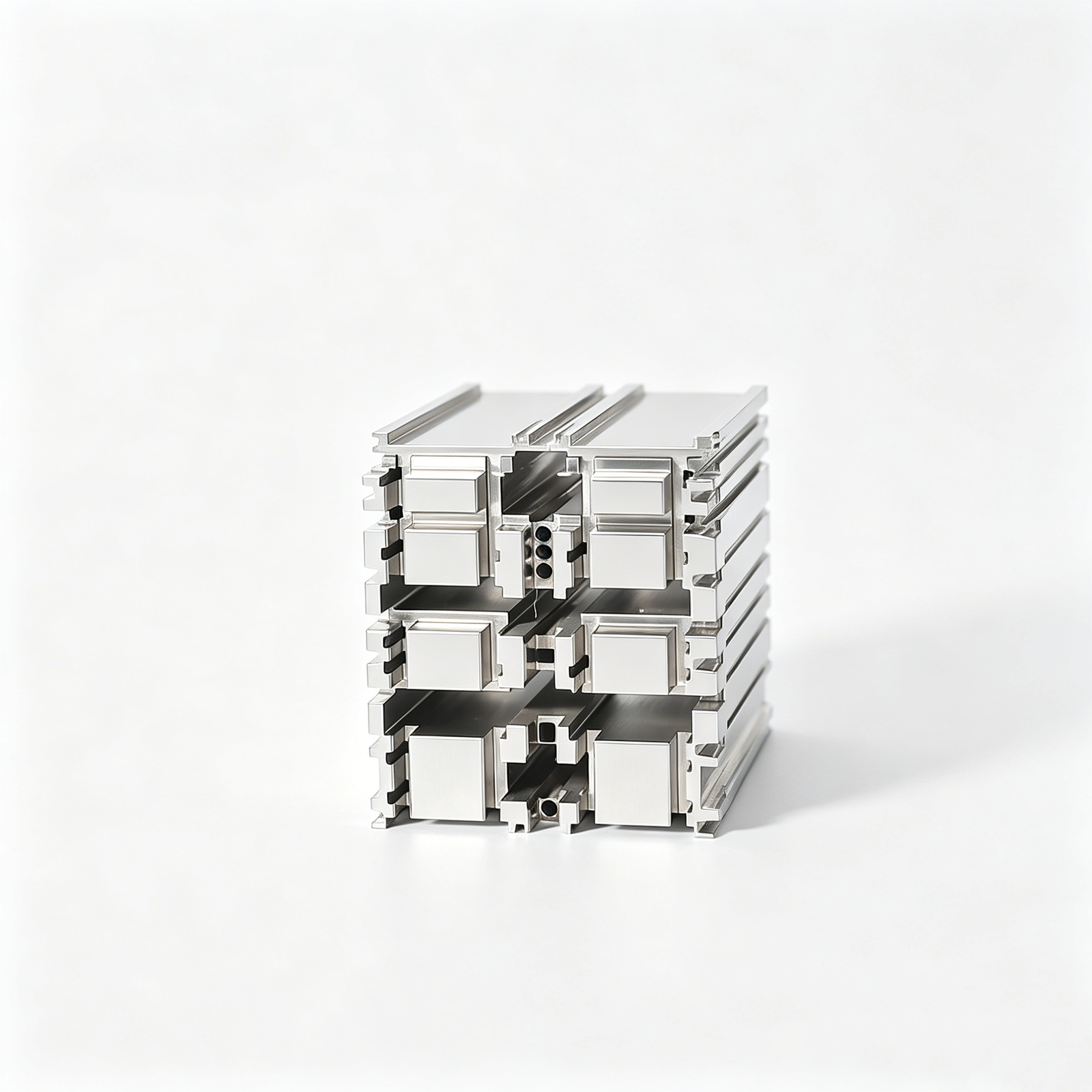
Plastic film parts · Precision mold insert
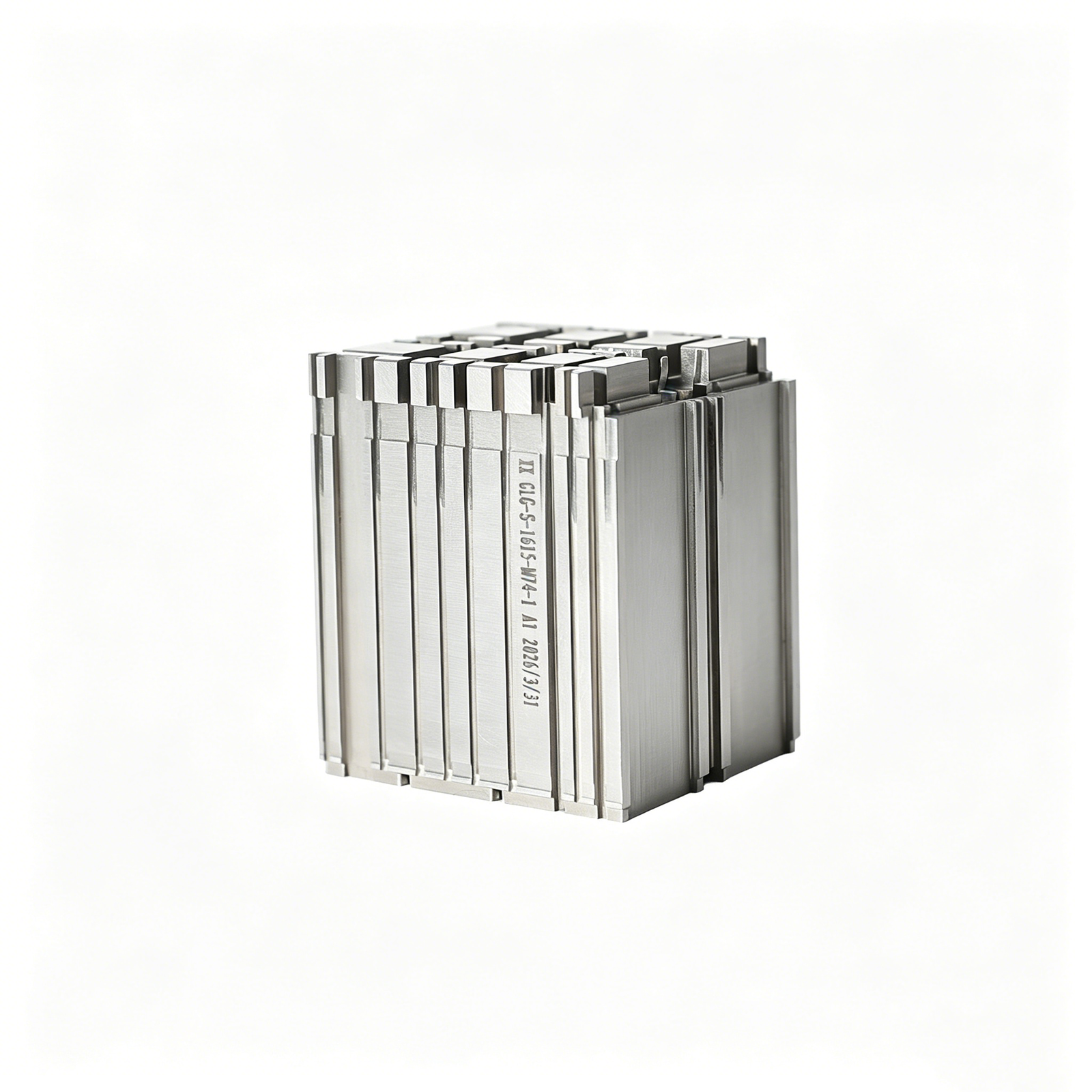
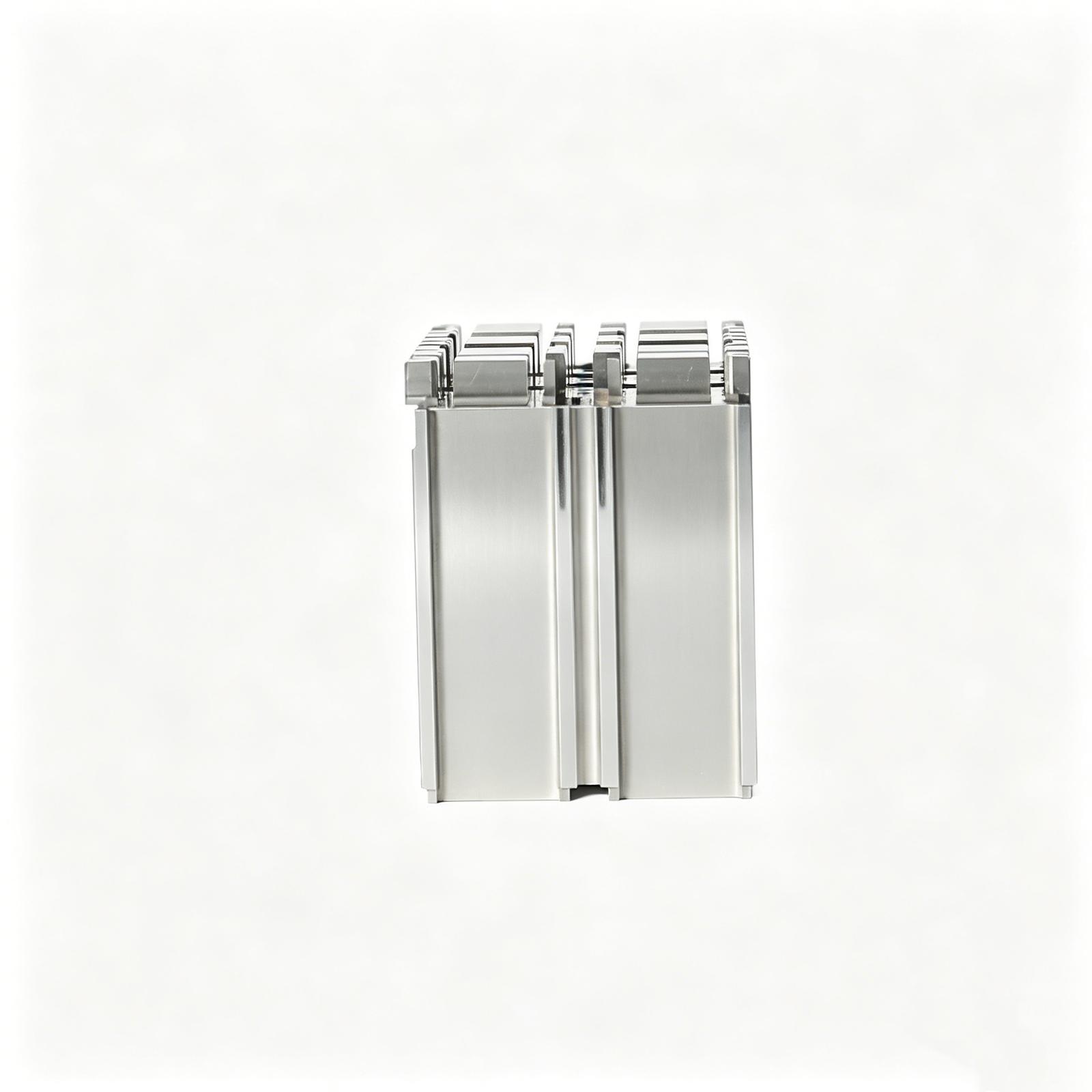
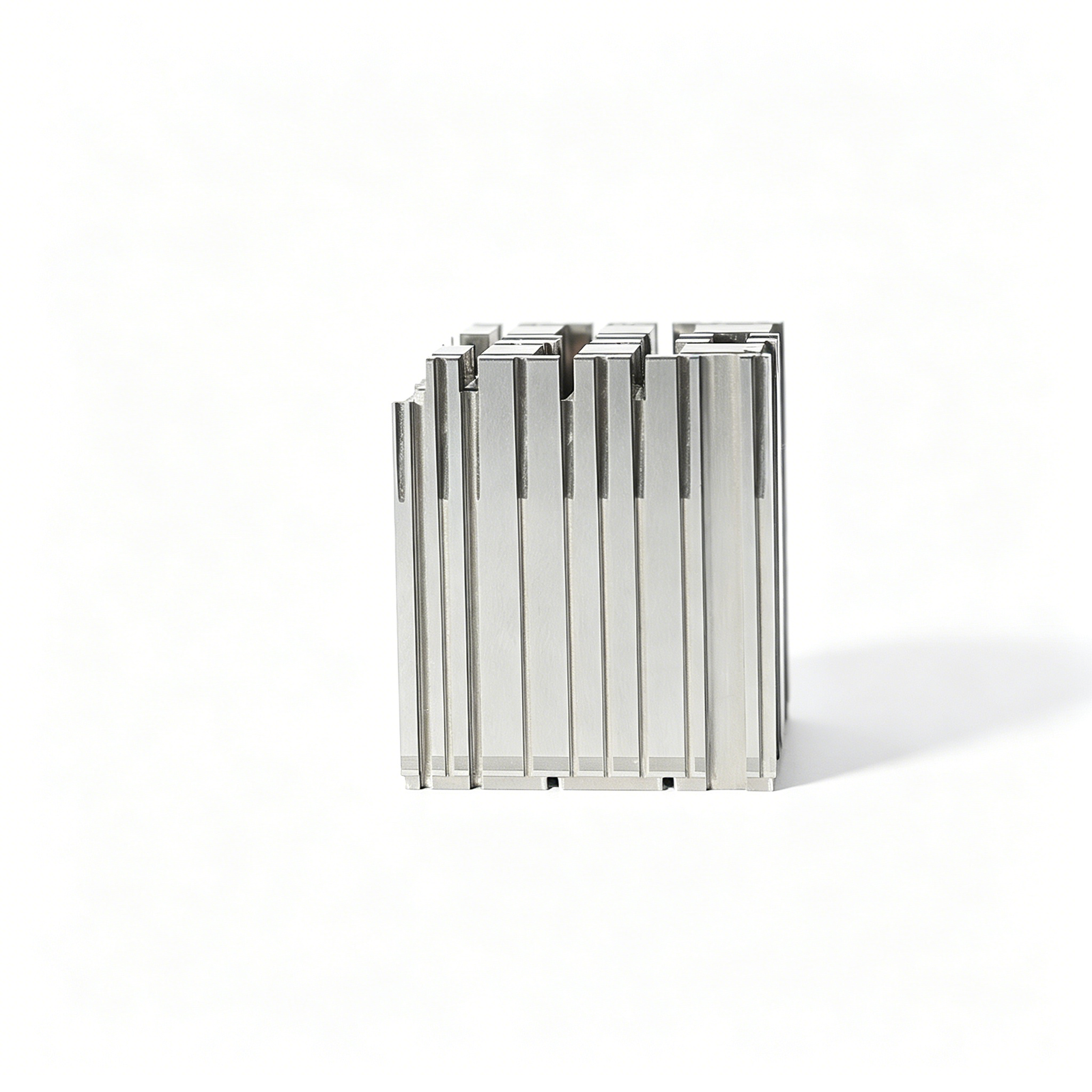
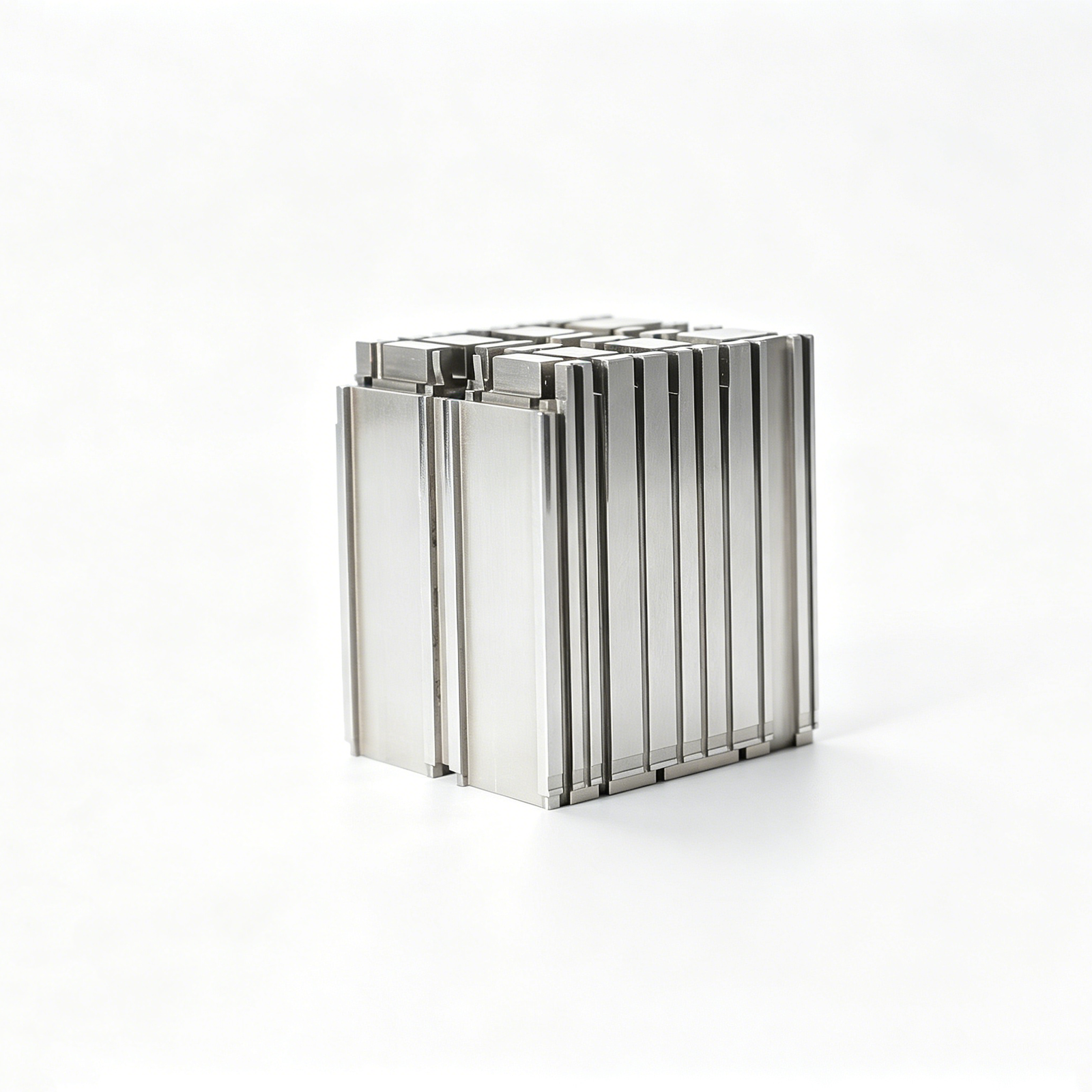
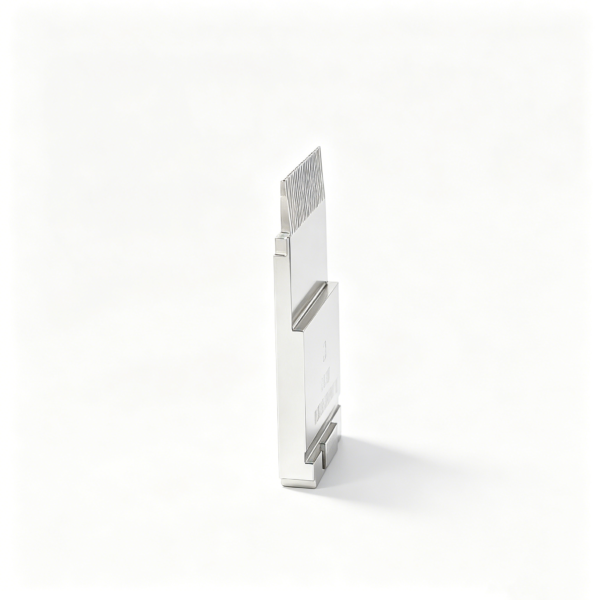
Industrial Connector Precision Mold Components for Modular Insert Systems
Brand Xuxiang Mold
Availability Made to drawing
RFQ pricing
Quote from STEP / PDF & quantity
Engineer your next connector mold around Industrial Connector Precision Mold Components designed for modular insert systems and demanding production environments. These finely machined cores, cavities, lifters, and inserts help you achieve consistent dimensions on fine-pitch terminals, housings, and wire-to-wire interfaces. Optimized steel selections and surface treatments support long mold life under high-cavitation, high-cycle conditions. From development tools to fully automated production cells, they provide the stability you need for low scrap rates and repeatable QC results.
- ISO 9001:2015–oriented process & documented inspection paths
- Zeiss / Nikon class metrology available for critical dimensions
- DFM feedback from 10+ senior tooling engineers
- Dongguan HQ + Quanzhou capacity for volume programs
Industrial Connector Precision Mold Components for Modular Insert Tooling
These Industrial Connector Precision Mold Components for Modular Insert Systems are engineered for mold makers and OEMs producing plastic and hybrid industrial connectors in high-mix, high-accuracy environments. Built around modular insert concepts, they allow you to configure and reconfigure connector molds quickly as pin counts, housing geometries, and locking features evolve.
In typical connector tooling, the core and cavity inserts define the external shell, terminal windows, and locking details for the finished connector, while additional components like sliders, lifters, ejector pins, and guide elements ensure correct demolding and dimensional repeatability.[5] By using dedicated precision components for these functions, you can maintain tight tolerances across multiple cavities and families while simplifying maintenance, spare parts management, and design changes.
Industrial connectors are widely used to create robust electrical interfaces in automation, motion control, power distribution, and process equipment, where dust, oil, vibration, and temperature cycling are common.[1] These connectors often require intricate insulation geometries, thin walls, and stable terminal positioning, which in turn demand rigorously machined mold inserts and supporting hardware to keep parts within specification over long production runs.
Key Features & Performance Benefits
Every feature of this component set is designed to address the specific challenges of molding complex industrial connectors, from dimensional stability to surface finish and uptime.
- Modular insert concept – Standardized seating surfaces and locating geometry make it easy to swap core/cavity inserts for different connector variants without redesigning the entire base mold, reducing changeover time and engineering cost.
- Tight dimensional control – Critical molding surfaces are ground or EDM-finished to support narrow tolerance windows for wall thickness, terminal slots, and mating interfaces, helping maintain proper fit with matching plugs, harnesses, or devices.[4][5]
- Optimized materials and heat treatment – Wear-resistant tool steels and appropriate heat treatments are selected to withstand glass-filled and high-temperature engineering resins commonly used in industrial and communication connectors.[7][13]
- Support for high cavity counts – Guided ejector systems, alignment elements, and robust leader pins keep multi-cavity molds running smoothly, helping distribute clamping force evenly and minimizing flash or parting-line mismatch.[5][10]
- Refined cooling and thermal management – Provision for conformal or conventional cooling channels near the inserts enables stable cycle times and helps control shrinkage, warpage, and dimensional drift across long runs.[5][8]
- Service-friendly design – Inserts and wear components are designed for straightforward removal from the parting line or back plate, aiding preventive maintenance, polishing, and quick replacement during unplanned stops.
- Compatibility with multiple connector types – Suitable for power connectors, signal connectors, I/O modules, terminal blocks, and customized interface designs in automation, transportation, and power management applications.[1][11][14]
Specifications & Configurations
The table below summarizes typical attributes and configuration choices for these Industrial Connector Precision Mold Components. Actual values and options depend on your tooling design, connector geometry, and production requirements.
| Attribute | Description |
|---|---|
| Component types | Core inserts, cavity inserts, gate inserts, sleeves, lifters, slides, ejector pins, guide pillars, bushings, and locating rings for connector molds |
| Typical applications | Industrial automation connectors, sensor and actuator plugs, power distribution blocks, terminal housings, wire-to-wire and board-to-board connectors |
| Tolerance capability | Designed for fine connector features and narrow clearance fits; suitable for high-precision grinding and EDM finishing requirements |
| Material selection | High-hardness tool steels and other mold steels chosen for wear resistance, polishability, and dimensional stability under thermal cycling |
| Surface finish | Polished, textured, or EDM finishes on forming surfaces according to the specified connector housing appearance and friction requirements |
| Cooling considerations | Layouts that support cooling channels or thermal control elements near critical connector features to maintain stable processing windows |
| Mold compatibility | Adaptable to standard connector mold bases and custom-designed tooling for single-cavity prototypes up to multi-cavity production tools |
| Production environment | Supports automated molding cells with robotics or manual demolding, including high-cycle, 24/7 production scenarios |
| Quality control support | Geometry and locating strategies tailored to simplify dimensional checks, first-article inspection, and ongoing process capability monitoring |
Use Cases & Ideal Applications
These Industrial Connector Precision Mold Components are suited for companies that need repeatable connector quality and flexible tooling platforms, particularly in the following environments:
- Industrial automation and robotics – When producing ruggedized I/O connectors, sensor plugs, and actuator interfaces that must withstand vibration, fluids, and frequent mating, the stability of your mold inserts directly impacts field reliability.[1][14]
- Control panels and power distribution – Terminal blocks and power connectors often combine high current paths with tight creepage and clearance requirements. Accurate mold components support consistent plastic insulation geometry and reliable electrical performance.[7][13]
- Data and communication modules – For fieldbus, Ethernet, and proprietary industrial communications, connector shells may integrate fine-pitch contacts or shielding features; tight mold tolerances help maintain mating performance and signal integrity.[1][8]
- Custom connector platforms – When serving OEMs that update designs frequently, modular inserts let you add or remove poles, change keying, or adjust locking mechanisms with minimal impact on the mold base.
- Prototype-to-production transitions – Start with low-cavity pilot molds using the same insert interfaces as your future high-cavity tool, then upgrade by reusing proven component geometries.
Care, Maintenance & Purchasing Guidance
To get the best life and dimensional stability from your connector mold components, pair robust design with disciplined maintenance and thoughtful purchasing decisions.[5][10]
- Routine cleaning and inspection – After production runs, remove polymer residue, deposits, and any vent clogging on the inserts. Inspect for wear bands, micro-chipping, or corrosion, especially around gate areas and fine terminal windows.[5]
- Lubrication of moving parts – Apply suitable high-temperature lubricants to slides, lifters, and ejector systems to reduce friction and wear, taking care to avoid contamination of molding surfaces or parts.[5]
- Corrosion protection – Before storage, dry the mold thoroughly and use rust-inhibiting oils or anti-corrosive sprays on exposed steel, especially in humid or coastal environments.[5]
- Storage practices – Store molds and loose inserts in a clean, dry, temperature-stable area, using dedicated racks or cases to maintain alignment and prevent accidental damage to precision surfaces.[5]
- Material and finish selection – When specifying new components, consider resin type (e.g., glass-filled, halogen-free, high-temperature), cosmetic requirements, and expected cycle counts so the steel grade and hardness match your production demands.[7][11]
- Design collaboration – Involve tooling designers early to coordinate draft angles, gate location, venting, and cooling layouts, which can significantly influence connector performance and mold uptime.[8][12]
When buying, focus on the compatibility of these components with your existing mold bases, standardization opportunities across your connector families, and the availability of spare parts for critical wear areas. A unified set of Industrial Connector Precision Mold Components can shorten lead times for new projects and simplify global support for distributed production sites.
FAQ
Are these Industrial Connector Precision Mold Components compatible with my existing mold bases?
Most component sets are designed around common mold base standards and can be adapted to many existing tools. When ordering, share your base dimensions, locating methods, and current insert interfaces so the components can be matched or customized for a proper fit.
What types of connectors can I produce with these modular insert components?
They are suitable for a wide range of industrial connectors, including sensor and actuator plugs, power and signal housings, terminal blocks, and custom I/O modules used in automation, control panels, and machinery.
How do I ensure compatibility with my chosen molding resin?
Provide information on your resin family, filler content, melt temperature, and any flame-retardant or high-temperature requirements. This helps select the appropriate tool steel, surface treatment, and gate design to handle wear, corrosion, and thermal loads.
What is the recommended maintenance schedule for these mold components?
For high-volume production, inspect and clean the components at least at the end of each shift or production batch. In lower-volume environments, perform a thorough inspection and rust protection step before extended storage, and always check critical dimensions after large production campaigns.
Can I start with a small number of cavities and expand later?
Yes. The modular insert concept allows you to begin with single or few cavities in a compatible base and later scale up by adding more identical insert sets, helping preserve validated geometries and process parameters.
How are these components shipped and protected during transport?
Components are typically packed in protective foam or formed trays, with forming surfaces shielded by oil or film to prevent corrosion. Outer cartons or crates are selected based on shipment size to minimize shock and vibration during transit.
Do I need any special equipment to install and align the inserts?
Standard mold shop tools and measuring equipment are usually sufficient. Precision alignment is achieved through locating keys, shoulders, and reference surfaces built into the components, but proper torqueing and verification with indicators or gauges is recommended.
What happens if a component wears out or is damaged in production?
You can replace only the affected insert or wear component rather than reworking the entire mold. Keeping spare cores, cavities, and gate inserts on hand reduces downtime and keeps production schedules on track.
Is there any warranty or return policy for defective components?
Most suppliers offer a warranty that covers manufacturing defects, such as material issues or dimensional non-conformance. If you encounter problems, document the issue with photos and measurement data and contact support promptly to arrange evaluation, replacement, or credit.
How can I optimize cycle time with these mold components?
Work with your tooling and process teams to position cooling channels near critical connector features, define appropriate gate sizes and locations, and adjust packing and cooling profiles. The precision of these components supports shorter, more consistent cycles once process windows are established.
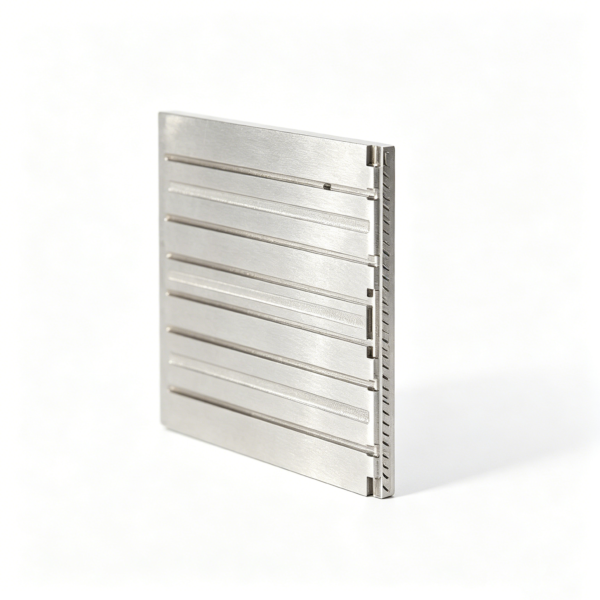
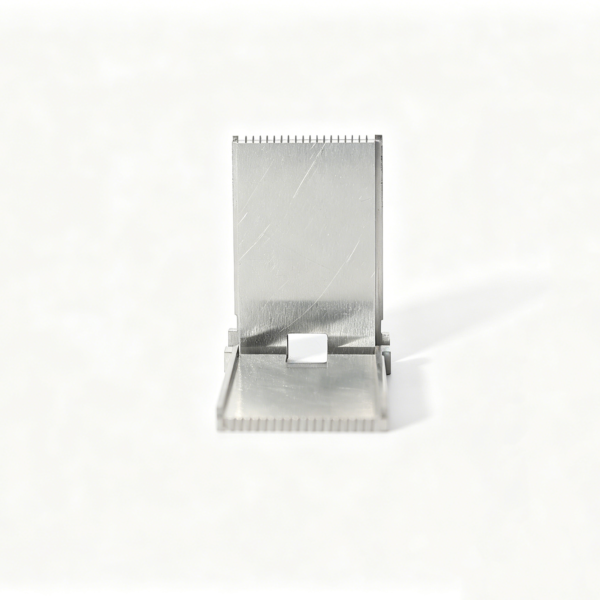
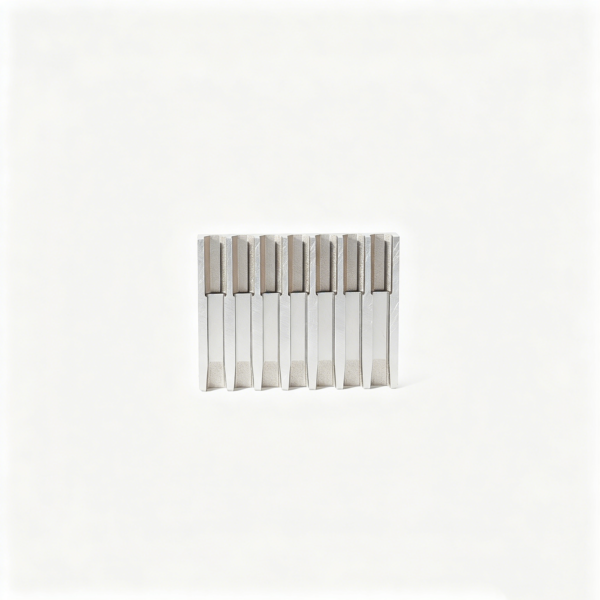
Same drawing, predictable results—next batch
Share revision, quantity ramp, and inspection level. We quote process route, ship date, and documentation in one structured response.