
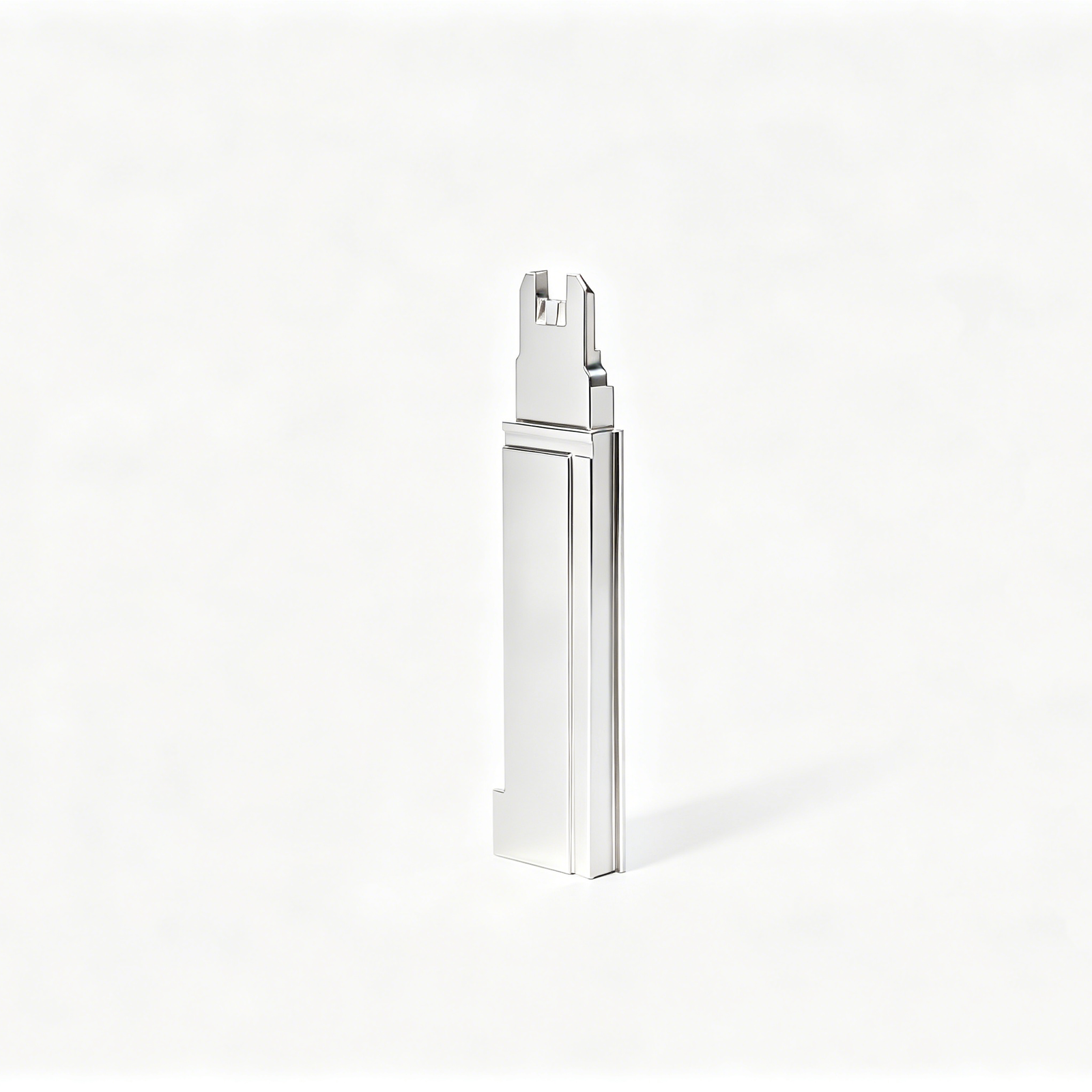
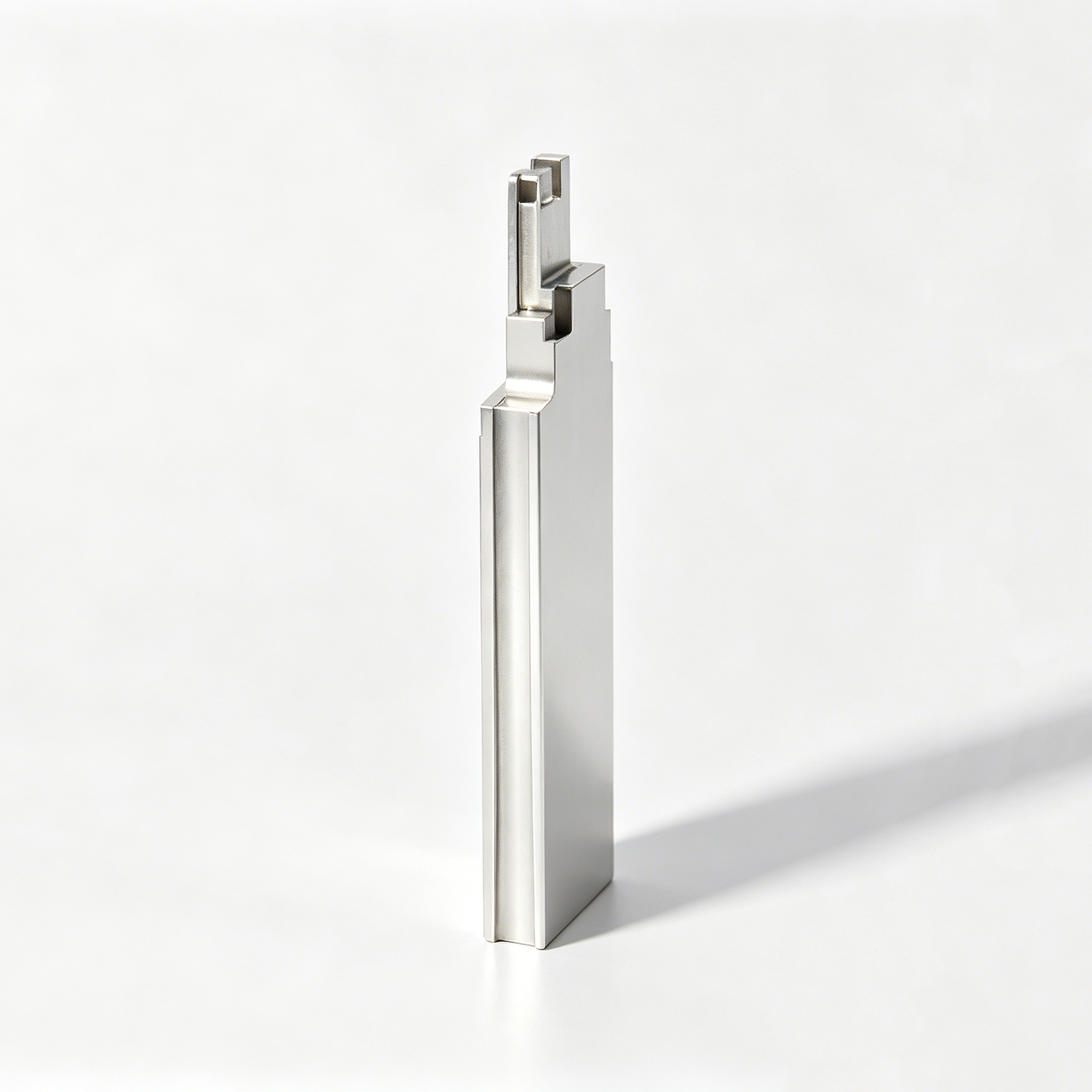
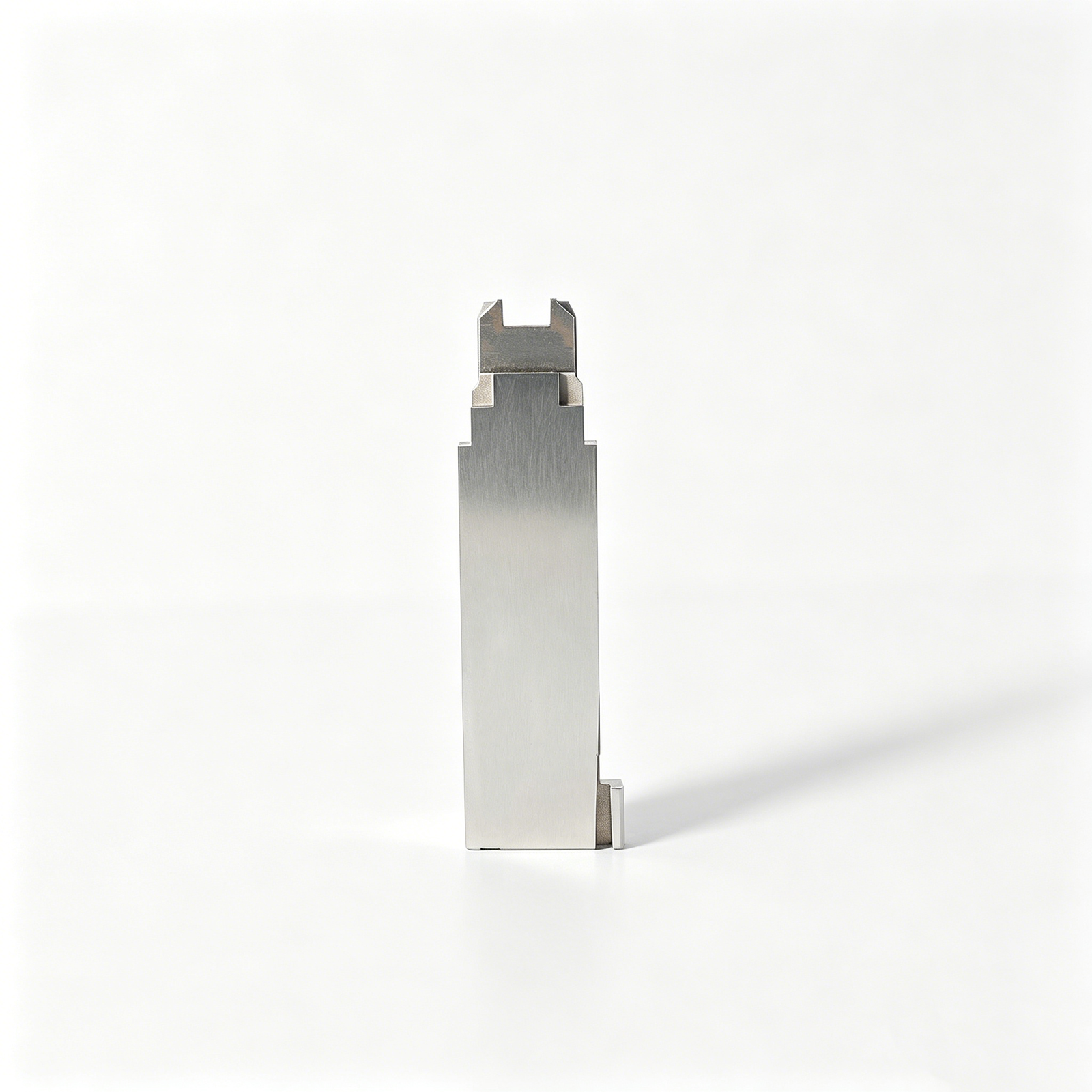
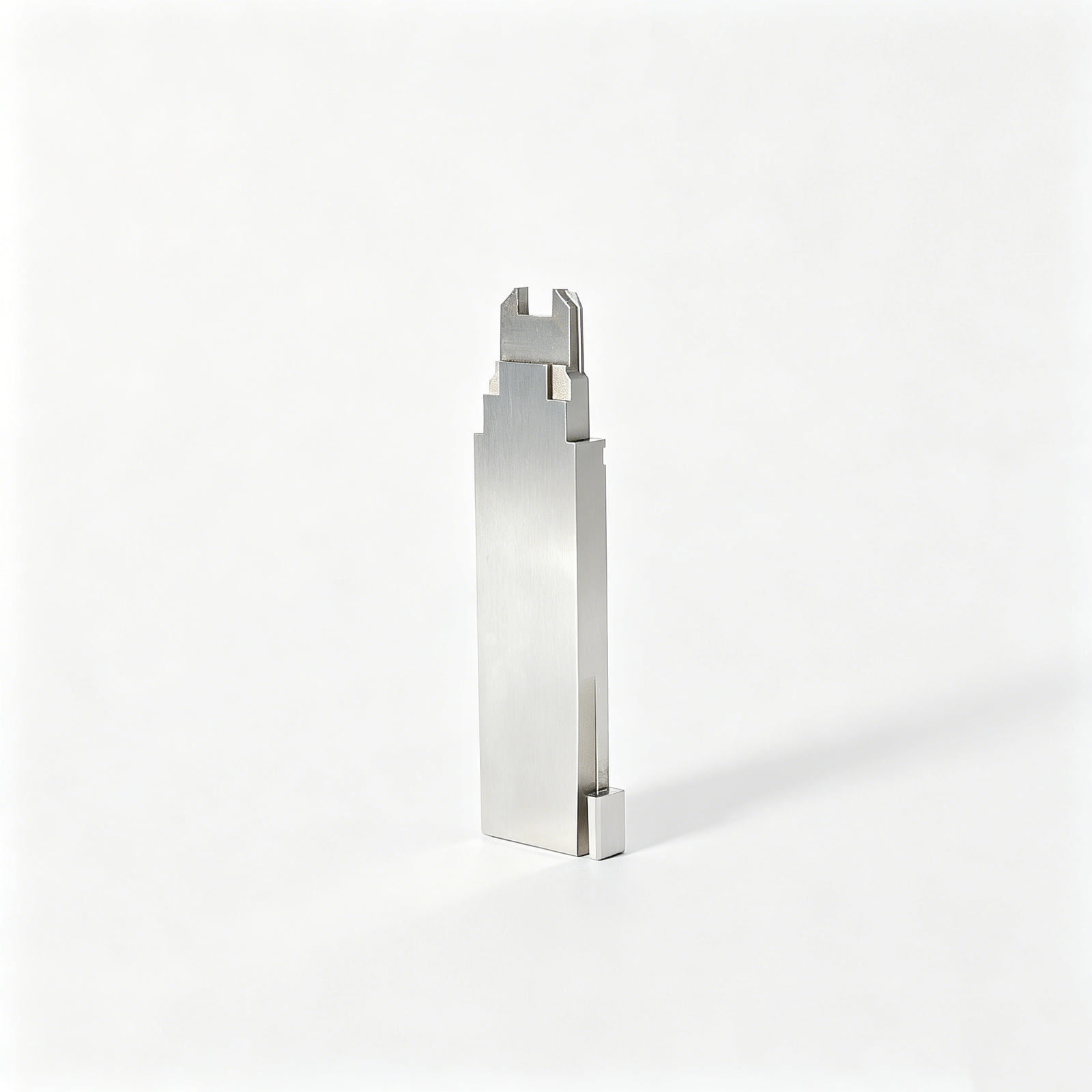
Plastic film parts · Precision mold insert
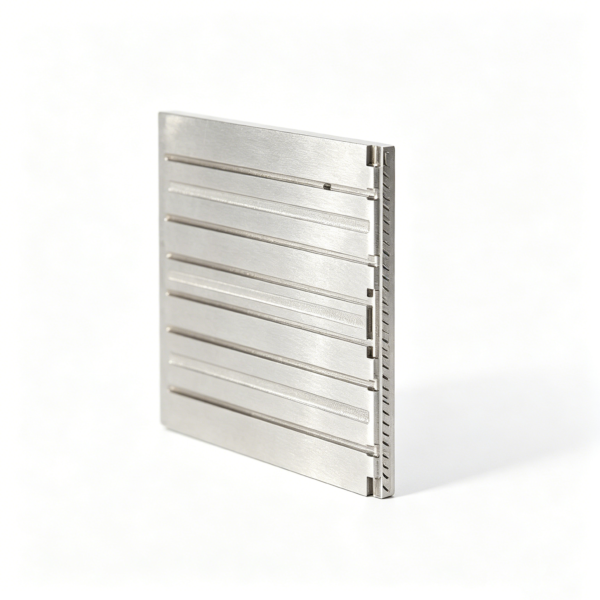
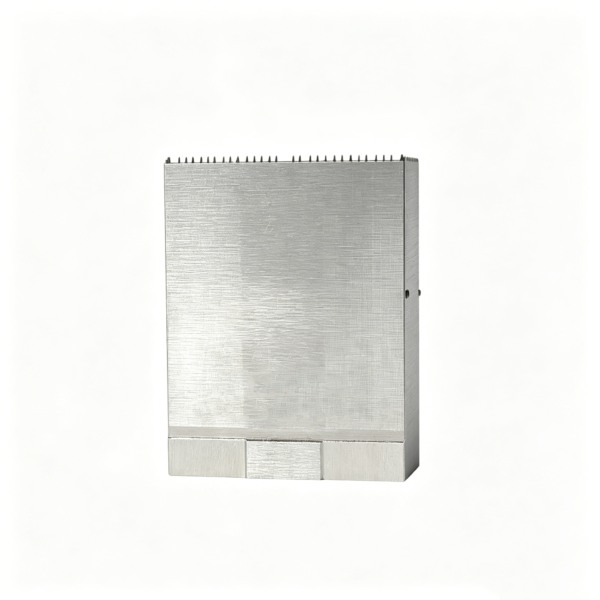
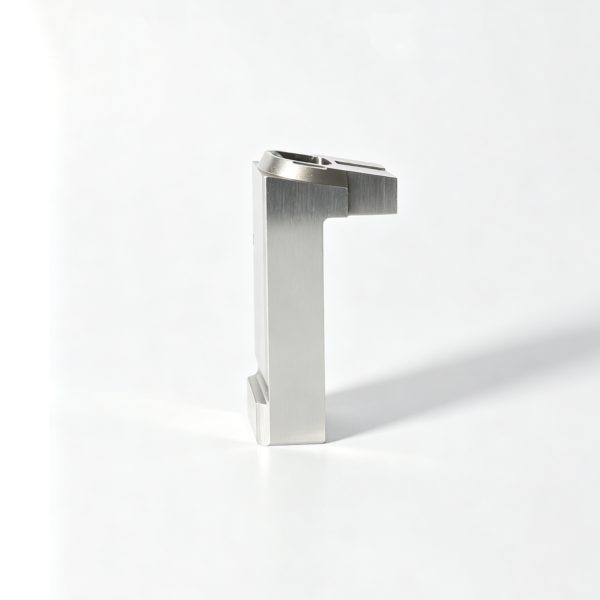
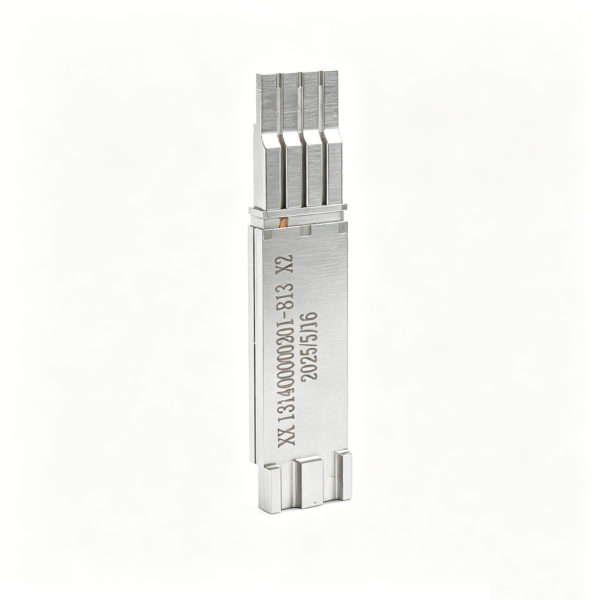
Industrial Connector Precision Mold Components for Industrial Connector Tooling
Brand Xuxiang Mold
Availability Made to drawing
RFQ pricing
Quote from STEP / PDF & quantity
Build cleaner, more consistent connector parts with Industrial Connector Precision Mold Components designed for demanding production runs. These components help support accurate cavity formation, dependable ejection, and stable molding performance for industrial connector applications. They are a smart choice when you need repeatable fit, smoother processing, and fewer surprises on the shop floor. Ideal for teams that value reliable tooling in high-volume connector manufacturing.
- ISO 9001:2015–oriented process & documented inspection paths
- Zeiss / Nikon class metrology available for critical dimensions
- DFM feedback from 10+ senior tooling engineers
- Dongguan HQ + Quanzhou capacity for volume programs
Precision Mold Components for Industrial Connector Manufacturing
Industrial Connector Precision Mold Components are specialized mold parts used in tooling for connector production, where dimensional consistency and stable process control matter every cycle. In industrial connectors, the molded part must align properly with mating interfaces, maintain reliable electrical separation, and withstand demanding operating environments. Precision mold components help support those requirements by improving the accuracy of the mold structure, the repeatability of the molding process, and the overall quality of the finished connector parts.[1][5][7][8]
These components are typically used in connector molds that produce wire-to-wire and related industrial connector formats. Buyers often look for tooling elements that can handle tight tolerances, clean part release, wear resistance, and good thermal stability. In practice, that means the mold components must fit the production goal rather than just the drawing: they should support accurate cavity definition, reliable cooling behavior, and consistent ejection with minimal flash or deformation.[1][5][7]
Key Benefits and Production Value
For connector manufacturers, the main advantage of precision mold components is process stability. Connector parts are sensitive to wall thickness, gate balance, shrinkage, and alignment, so even small tooling errors can affect fit or performance. Well-made mold components help reduce mismatch between halves, limit dimensional drift over long runs, and improve the chances of producing connectors that assemble smoothly and perform as intended.[5][7][8][13]
Another important benefit is durability. Connector tooling is commonly expected to run repeatedly under demanding conditions, so wear resistance and surface integrity are critical. Precision components can be selected or finished to better withstand abrasion, heat, and repeated cycling, helping maintain part quality and reduce unplanned maintenance. That can support lower downtime, fewer rejected parts, and more predictable output over time.[5][7][10][13]
These components also matter when the connector design includes small features such as latching geometry, fine pitch details, or compact internal structures. In those cases, the mold needs to reproduce detail cleanly while still allowing easy release from the cavity. The right precision components can support that balance by improving mold alignment, reducing friction at moving interfaces, and helping the tool run more consistently across long production schedules.[7][8][12][13]
Typical Attributes and Buying Considerations
| Attribute | What to Consider |
|---|---|
| Application | Connector molds for industrial, electrical, and related precision plastic parts |
| Accuracy focus | Tight alignment, cavity repeatability, and stable dimensional control |
| Material needs | Wear resistance, hardness, thermal stability, and corrosion resistance as required by the tool |
| Surface quality | Smooth finish where part release, appearance, or low-friction motion is important |
| Tooling functions | Cavity support, core support, insert positioning, ejection assistance, and wear-prone interface control |
| Process fit | Suitable for connector designs that require uniform flow, controlled shrinkage, and repeatable ejection |
| Customization | Often specified to match the connector geometry, mold base, and production method |
Where These Components Are Commonly Used
Industrial connector precision mold components are used in tooling for electrical connectors, housing parts, insert-molded structures, and other precision plastic connector items. They are especially useful when the product must support dependable electrical connection between modules or systems in industrial equipment. In broader connector manufacturing, similar tooling concepts are used across communication, data, and device interconnect applications, where accurate molding supports assembly fit and performance.[1][7][13]
They are also relevant for manufacturers building multi-cavity production tools, modular insert systems, or connector parts with complex geometry. When the mold design includes slender features, thin walls, or functional latching details, the tooling must hold position accurately and remain stable under repetitive use. Precision components help the mold stay true to the part design instead of drifting as the tool ages.[5][7][8]
Care, Maintenance, and Purchase Guidance
To keep connector molds performing well, routine inspection is important. Look for wear, surface degradation, alignment issues, contamination, and any signs of corrosion or sticking on moving surfaces. Keeping the tool clean, lubricating motion-related parts where appropriate, and storing molds in a dry controlled environment can help preserve accuracy and extend service life.[5]
When buying, match the component to the connector design rather than choosing a generic part. Ask about fit requirements, tolerances, finish expectations, and whether the component needs to support specific molding challenges such as shrinkage control, ejection stability, or insert positioning. For buyers sourcing industrial connector tooling, the best results usually come from specifying the actual production conditions, not only the nominal part size.[7][8][13]
If your project involves new connector tooling, it is useful to confirm compatibility with the mold structure, expected resin type, cycle demands, and maintenance plan. A well-matched precision component can improve first-pass success during trialing and support more stable mass production afterward.[7][8]
FAQ
How are these parts shipped?
Shipping is typically arranged in protective packaging to help prevent scratches, corrosion, or transit damage. For international orders, buyers usually confirm packing method, lead time, and any customs requirements before dispatch.
How do I know if the component will fit my mold?
Provide the connector drawing, mold layout, and key dimensional requirements so the component can be matched to your tooling structure. Compatibility depends on cavity design, insert position, and the precision level needed for the part.
What types of connector molds are these used in?
They are commonly used in industrial connector tooling, insert-style molds, connector housing molds, and other precision injection molds where alignment and repeatability are important.
Can these components help with part defects?
Yes, when the defect is caused by tooling-related issues such as misalignment, wear, poor ejection, or unstable cavity control. They do not replace process tuning, but they can support better molding stability.
What maintenance do you recommend?
Clean the mold regularly, inspect wear surfaces, check alignment, and store the tool in a dry environment. Lubrication and rust prevention should follow the toolmaker’s maintenance practice and the molding environment.
Are these suitable for high-volume production?
They are commonly selected for production tools because precision and wear resistance matter more as cycle counts increase. Final suitability depends on the mold design, material choice, and operating conditions.
Do you offer custom sizing or drawing-based production?
Many buyers source connector mold components against drawings or samples to match a specific tool. Customization is often the practical choice when the connector geometry or mold base is not standard.
What is your return or warranty approach?
Returns and warranty terms usually depend on the supplier’s policy and whether the item was made to drawing. Before ordering, confirm inspection standards, acceptable tolerances, and the process for handling nonconforming parts.
Related products
Same drawing, predictable results—next batch
Share revision, quantity ramp, and inspection level. We quote process route, ship date, and documentation in one structured response.