
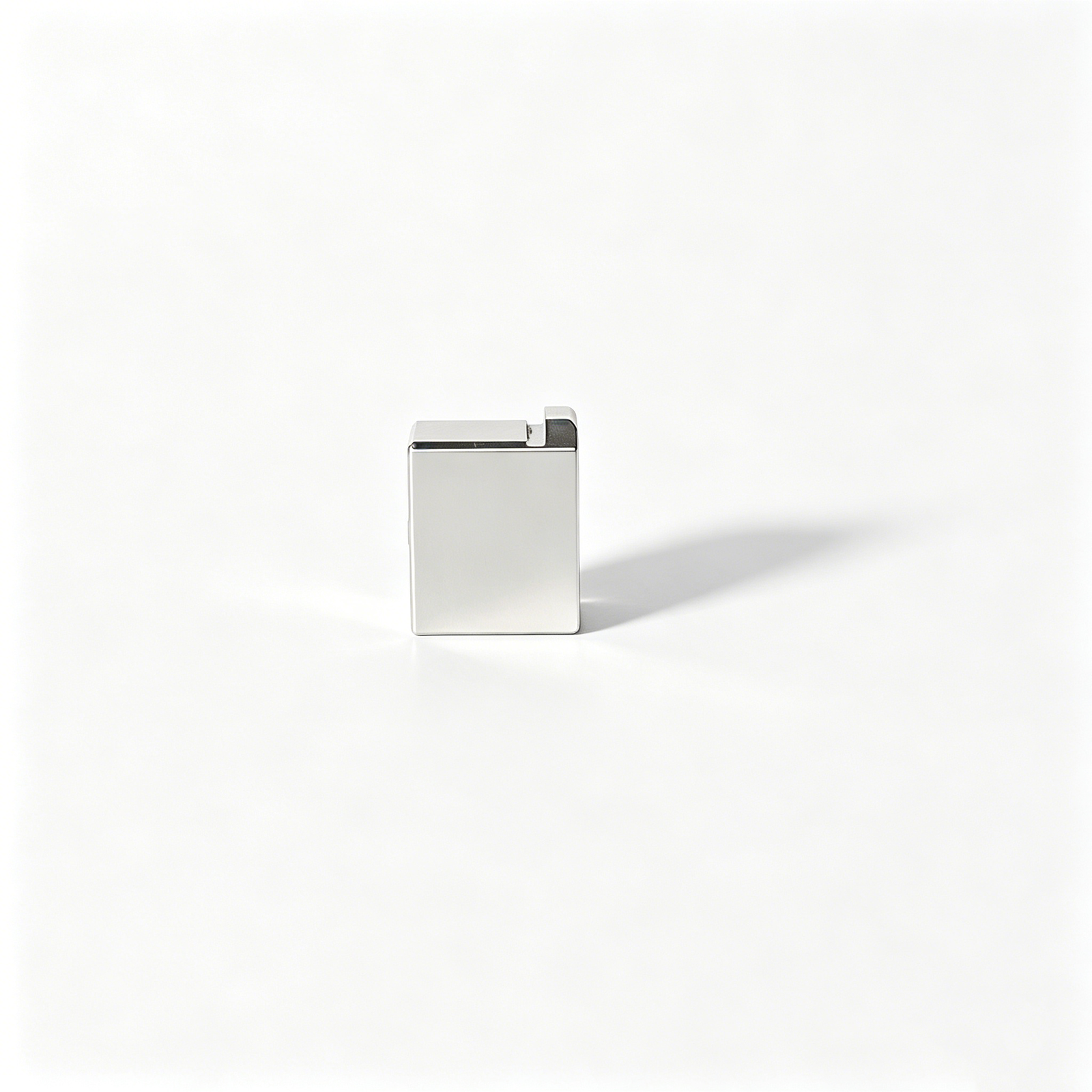
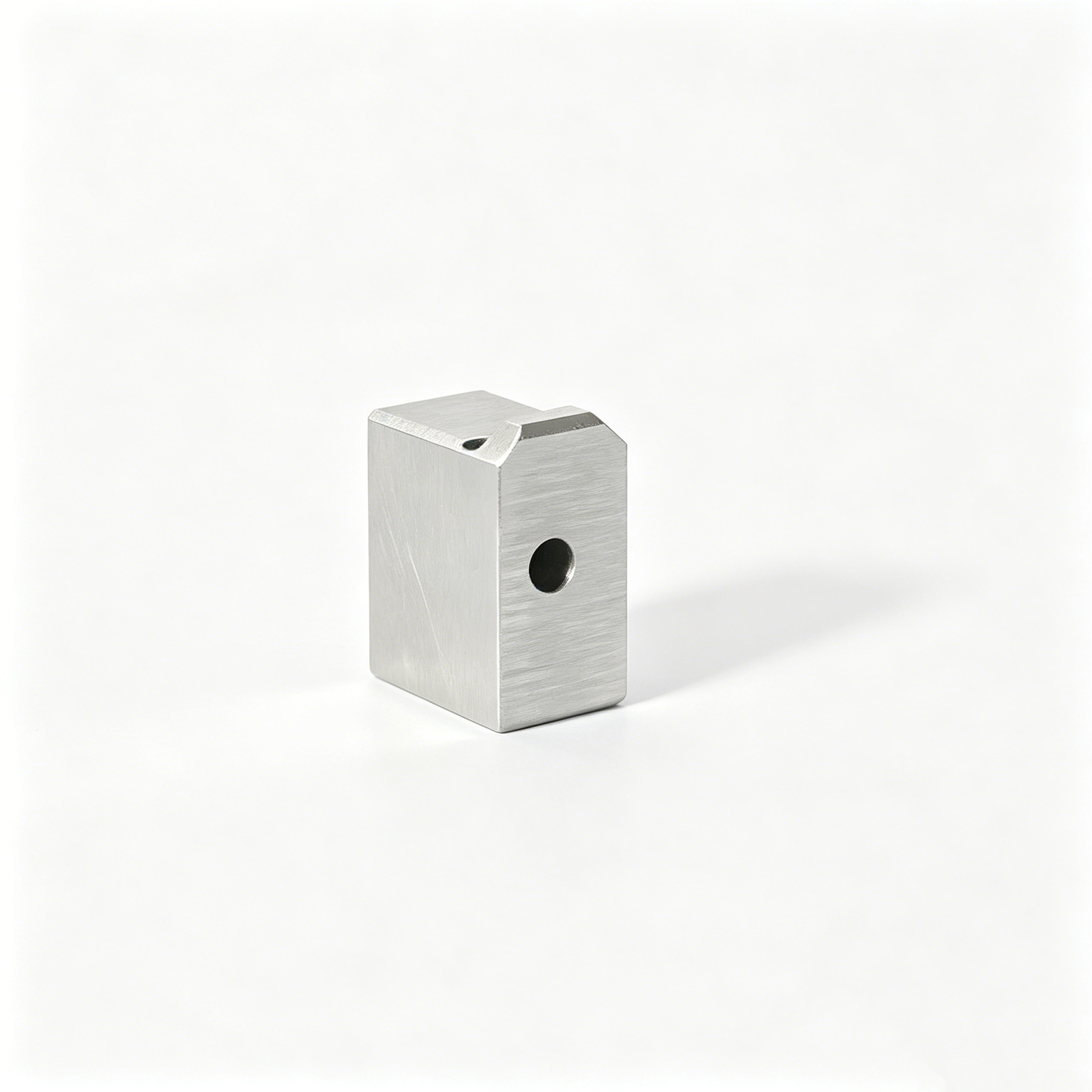
Plastic film parts · Precision mold insert
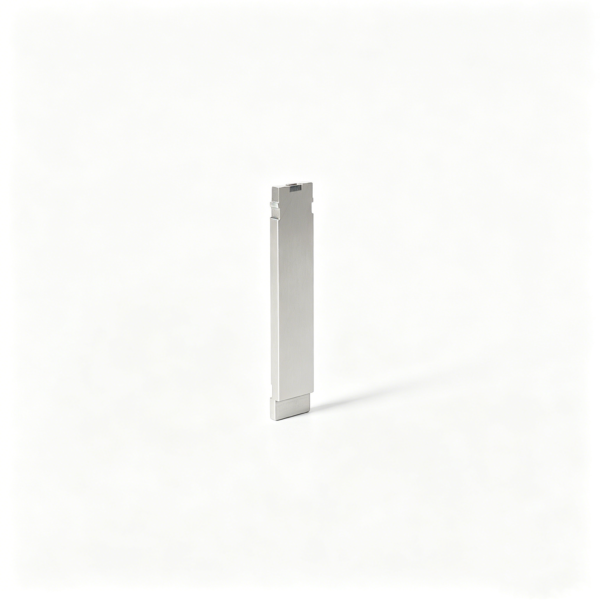
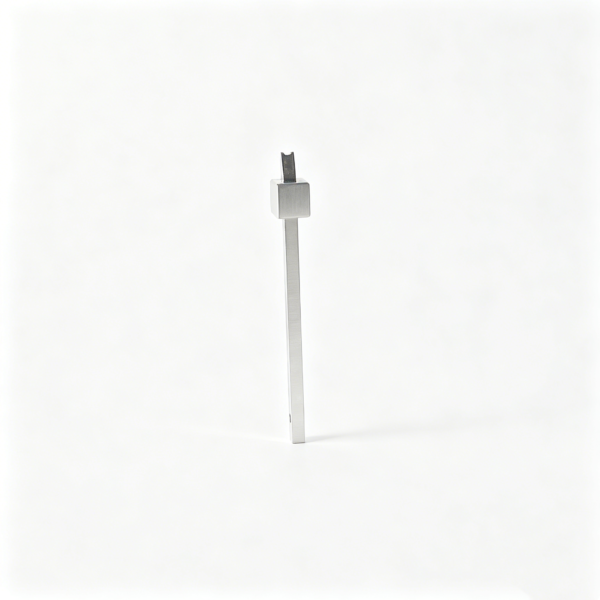
Mobile Connector Precision Mold Components for High-Accuracy Tooling
Brand Xuxiang Mold
Availability Made to drawing
RFQ pricing
Quote from STEP / PDF & quantity
Engineer smoother production runs with Mobile Connector Precision Mold Components designed for demanding connector tooling projects. These high-accuracy inserts, cores, and sleeves help you achieve consistent cavity balance, tight shut-offs, and reliable pin positioning in compact connector molds. Optimized for repeatability, they reduce rework, flash, and unplanned downtime on the molding floor. Whether you are building new tools or refurbishing existing molds, these components support stable cycle times and long-term dimensional integrity. Ideal for mold makers and OEMs that need stable quality across large connector production volumes.
- ISO 9001:2015–oriented process & documented inspection paths
- Zeiss / Nikon class metrology available for critical dimensions
- DFM feedback from 10+ senior tooling engineers
- Dongguan HQ + Quanzhou capacity for volume programs
Mobile Connector Precision Mold Components: Engineered for Accurate, Reliable Connector Tooling
Mobile and electronic connectors are getting smaller, denser, and more complex, while customers expect perfect fit and long service life. To meet these expectations, the tooling behind every connector must be built around highly accurate, durable components. Mobile Connector Precision Mold Components are purpose-designed for injection molds that produce mobile device connectors, signal connectors, and compact power interfaces.
These components typically include precision cores, cavity inserts, ejector pins, sleeves, guide elements, and alignment features that ensure each connector is molded with stable dimensions and consistent surface quality. By combining high-grade tool steels or engineered alloys with fine machining and tight tolerances, they help mold makers reduce trial iterations and speed up time to stable mass production.
Instead of generic off-the-shelf parts, mobile connector tooling often demands specialized geometries: ultra-fine pins, micro-slots, thin walls, and carefully controlled radii to match terminal and housing designs. This product range is developed to support those requirements, giving you a robust foundation for connector molds that must run long, unattended cycles in automated production environments.
Key Features & Performance Benefits
The right mold components make the difference between a tool that struggles with flash, sticking, and rapid wear, and one that delivers continuous, repeatable output. These mobile connector precision mold components are designed to address the typical pain points found in micro and connector molding.
- Tight dimensional control – Components are manufactured to fine tolerances to support stable connector pitch, terminal spacing, and locking features, reducing the risk of misfit during assembly.
- Connector-specific geometries – Cores, inserts, and pins can be produced with extremely small diameters, micro-slots, and complex contours that match mobile connector designs, including high-pin-count and low-profile styles.
- Wear-resistant materials – Use of hardened tool steels or advanced alloys (depending on configuration) supports long service life in abrasive or glass-filled resin applications, maintaining part quality over extended production runs.
- Stable alignment and guidance – Precision guide components and alignment features help maintain cavity-to-core concentricity, minimizing flash in fine connector details and ensuring reliable shut-off performance.
- Improved productivity – Reliable ejection components and polished working surfaces support smoother demolding, reducing the incidence of part sticking, deformation, or damage at ejection.
- Support for high-cavitation tools – Consistency from component to component makes it easier to balance high-cavitation connector molds, which contributes to uniform filling and shorter cycle optimization time.
By selecting components tailored to mobile connector applications, mold makers can shorten the debug phase, reduce maintenance interventions, and provide their customers with tooling that holds specification across the full production life of the connector program.
Specifications & Key Attributes
Because mobile connector projects vary widely in geometry, resin, and cavitation, these mold components are typically configured to match your specific tooling design. The table below summarizes typical attributes you can expect when sourcing mobile connector precision mold components.
| Attribute | Description |
|---|---|
| Product type | Precision mold components for mobile and electronic connector tooling (cores, inserts, pins, sleeves, guides, and related parts) |
| Typical applications | Injection molds for mobile phone connectors, data connectors, charging ports, signal connectors, and compact power connectors |
| Material options | High-grade tool steels or engineered alloys selected for wear resistance, toughness, and dimensional stability in connector molding |
| Surface treatment | Polished or treated working surfaces to support easy demolding and reduce wear in high-friction areas |
| Dimensional tolerance | Tight tolerance levels suitable for fine-pitch connectors and micro features; specific tolerances set according to project requirements |
| Connector geometry support | Components can be configured for high-pin-count, fine-pitch, low-profile, and shielded connector designs |
| Mold type compatibility | Suitable for single-cavity and multi-cavity connector molds, including high-cavitation and family tools |
| Production environment | Designed to perform in automated, high-volume injection molding environments used for electronics and mobile device components |
| Customization level | Available as standardized elements or fully customized components based on customer drawings and connector specifications |
| Quality focus | Emphasis on stable dimensions, repeatable positioning, and consistent finish to support long-term connector quality |
Use Cases: Who Benefits from These Components?
These mobile connector precision mold components are intended for professional users in the plastics and tooling supply chain who must deliver repeatable, high-quality connector parts.
- Mold makers building new connector tools – Ideal when designing molds for new mobile platforms, including charging interfaces, audio connectors, and data ports, where small details and high pin counts require very accurate tooling elements.
- OEMs and Tier suppliers – Electronics and mobile device manufacturers that require consistent connector quality for assembly lines can specify these components in their tooling standards to reduce quality drift and downtime.
- Tooling maintenance and refurbishment teams – When existing connector molds show wear on cores, inserts, or ejector systems, replacing those elements with higher precision components helps restore part quality and extend mold life.
- Engineering teams optimizing cycle time – Process and tooling engineers working to reduce cycle times can benefit from components that maintain tight alignment and reduce ejection-related interruptions.
Typical environments include connector manufacturing for smartphones, tablets, wearables, consumer devices, and compact industrial connectors used in communication modules and control units.
Selection, Care & Buying Guidance
Choosing the right precision mold components for mobile connectors starts with a clear understanding of your connector design and the mold layout. Before ordering, review your connector drawings, resin data, and mold base concept so that the components can be matched to cavity count, gate position, and ejection strategy.
- Review connector specifications – Consider pin pitch, housing geometry, locking features, and any shielding elements to define the required core and insert geometry.
- Confirm resin and additives – Abrasive or filled materials place higher demands on wear resistance and surface finish; discuss resin type to select suitable materials and treatments.
- Align with maintenance strategy – For high-volume tools, specify components that are easy to replace or service without full mold disassembly, reducing downtime when maintenance is required.
- Plan for future revisions – Where connector designs may evolve, consider modular insert concepts that allow local geometry updates without reworking the entire mold.
Once in production, basic care helps protect your investment. Follow your standard mold maintenance schedule: clean components at planned intervals, check for wear on critical shut-offs and micro features, and replace individual elements before they cause dimensional drift or flashing. Proper handling, storage, and inspection of replacement components will support consistent performance over the life of the connector project.
FAQ
Are these mold components compatible with my existing mobile connector molds?
Compatibility depends on your current mold design and dimensions. Many users integrate these components during mold builds or refurbishments by matching the components to existing pocket sizes, guide layouts, and parting-line geometry. Providing detailed drawings or 3D models allows a closer fit to your existing tooling.
Can I use these components with high-temperature or glass-filled materials?
Yes, in many cases. Material selection and surface treatment can be tailored to support higher processing temperatures or abrasive, glass-filled grades commonly used in connector housings. Share your resin data sheet and processing parameters to ensure an appropriate configuration.
How do I determine the correct size and configuration for my connector project?
Start with your connector and mold drawings, including pin layout, wall thickness, and cavity arrangement. From there, identify which cores, inserts, ejector elements, and guides must be precision components. Working from these details helps ensure the selected components match your cavity geometry and mold base design.
What maintenance do these precision mold components require in production?
Maintenance requirements follow standard mold care practices: regular cleaning, inspection of wear surfaces and shut-offs, lubrication of moving elements where required, and timely replacement of worn parts. Monitoring connector dimensions and visual appearance helps you schedule maintenance before quality issues arise.
Can these mold components support high-cavitation connector molds?
Yes. Consistent manufacturing and tight tolerances make these components suitable for high-cavitation connector tools, where cavity balance and uniform wear are critical. When designing such molds, ensure that the same component specification is applied across all cavities for best results.
How are the components packaged and shipped to protect precision surfaces?
Components are typically individually protected to avoid damage during shipping, with contact surfaces covered or wrapped. Outer packaging is designed to resist impact and moisture in transit. On receipt, it is recommended to inspect and store them in a clean, dry environment until assembly.
What is the usual lead time for customized mobile connector mold components?
Lead time varies with complexity and order volume. Standard-style components are generally faster to supply, while fully customized geometries require additional engineering and machining time. Sharing your timelines and design data early in the project helps align production and delivery with your mold build schedule.
Is there any warranty or quality assurance for these components?
Precision mold components are typically supplied under a quality assurance framework that covers material conformity and manufacturing accuracy. Warranty terms depend on the supplier and region, but most buyers can expect documented inspection reports and clear criteria for addressing any nonconforming parts.
Can I order small quantities for trials before committing to full production?
In many cases, smaller quantities are available for tool trials or prototype molds. This approach allows you to validate fit and performance in your connector application before standardizing on a component set for full production tooling.
Related products
Same drawing, predictable results—next batch
Share revision, quantity ramp, and inspection level. We quote process route, ship date, and documentation in one structured response.