
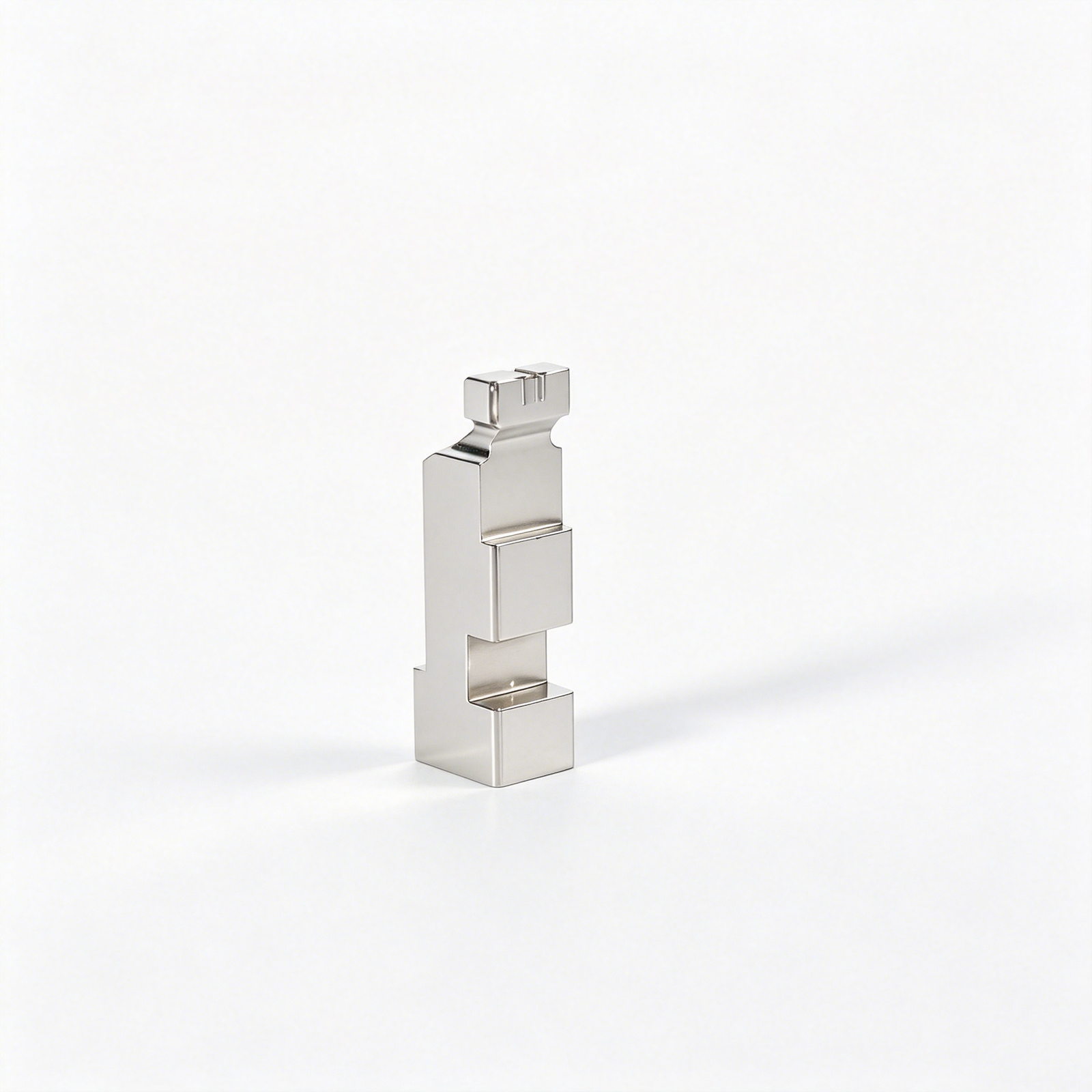
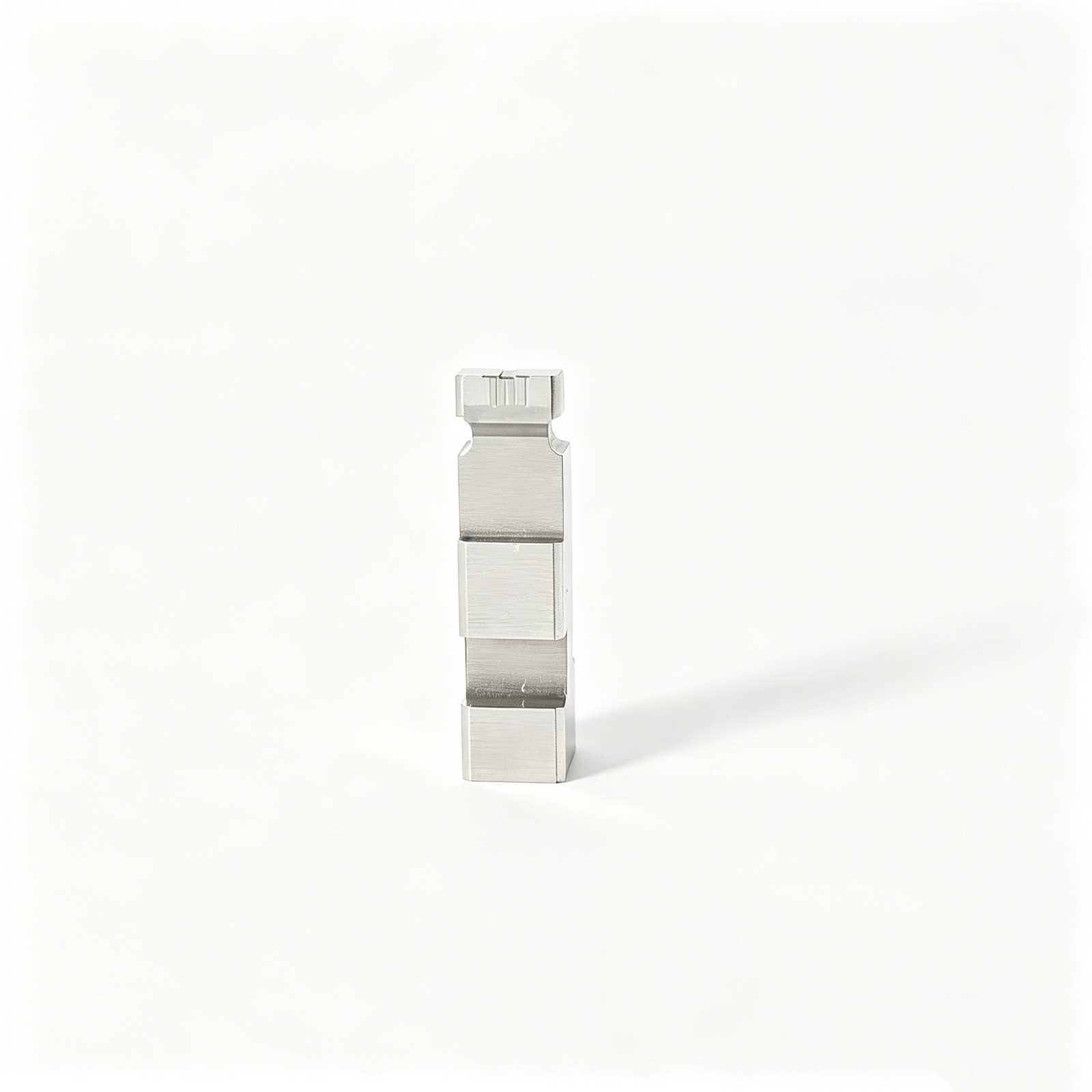
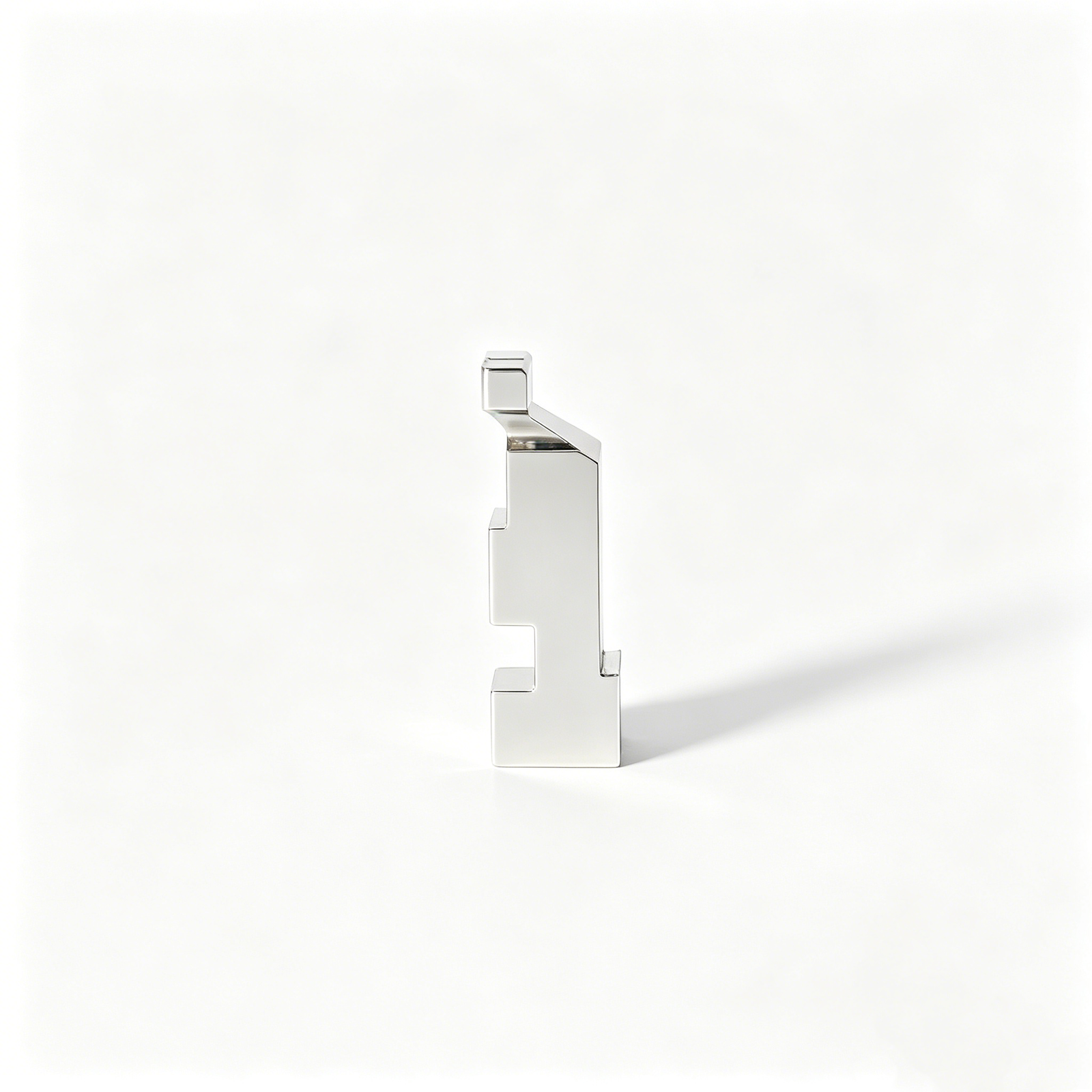
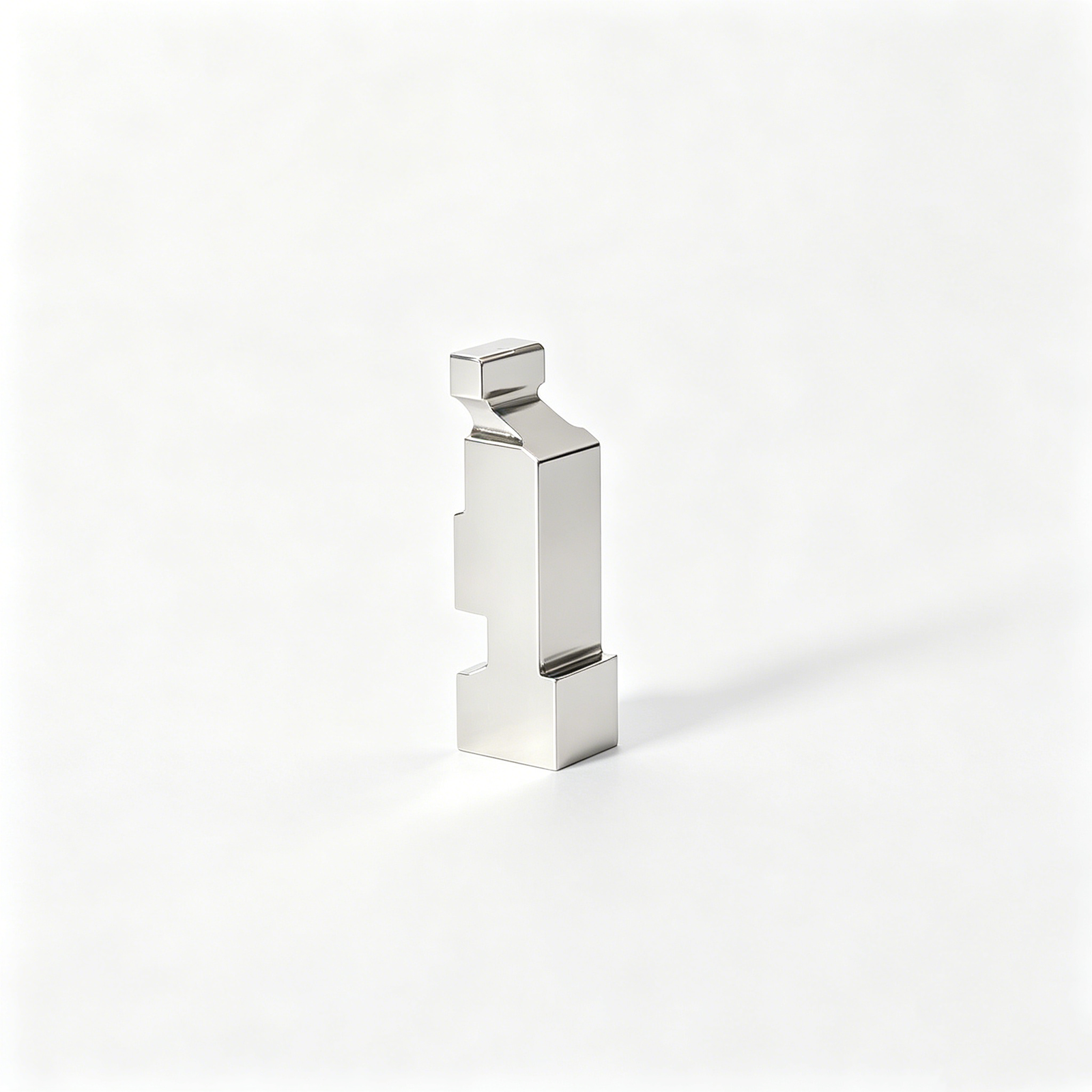
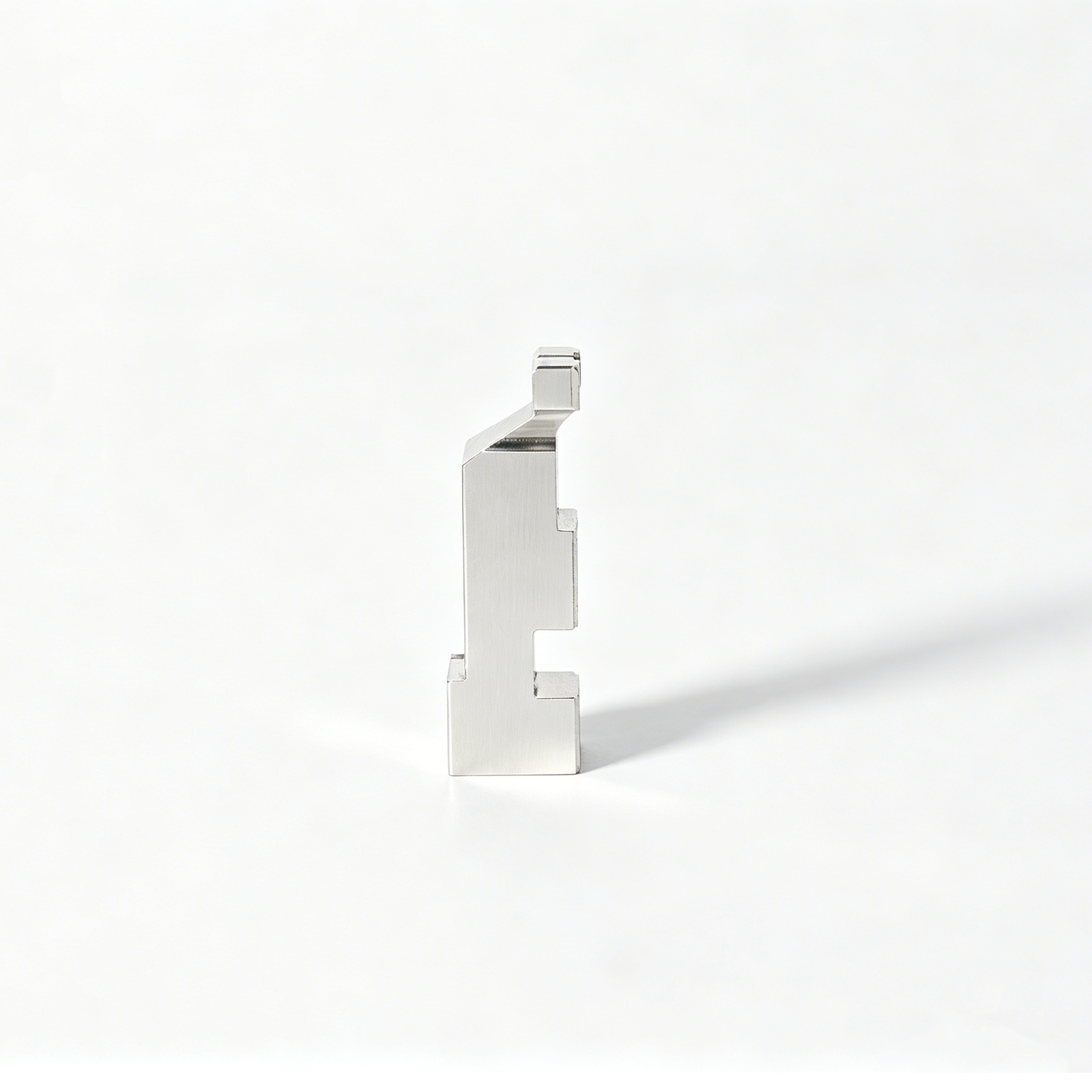
Plastic film parts · Precision mold insert
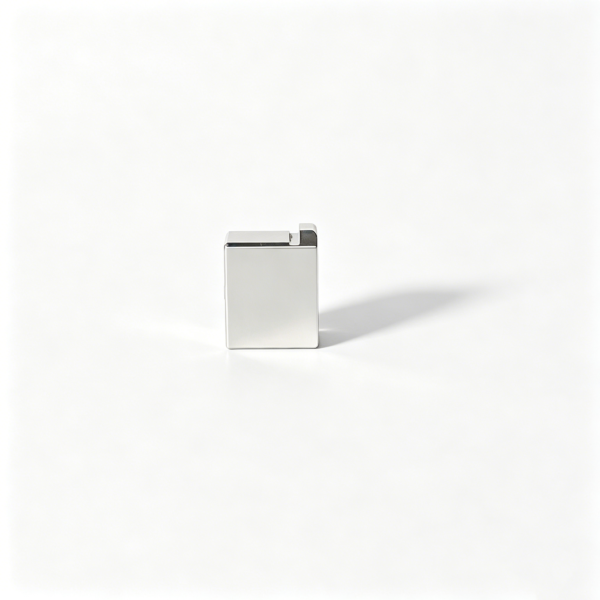
Mobile Connector Precision Mold Components for Fine-Pitch Plug & Socket Tools
Brand Xuxiang Mold
Availability Made to drawing
RFQ pricing
Quote from STEP / PDF & quantity
Engineer reliable mobile connectors with Mobile Connector Precision Mold Components designed for fine-pitch plug and socket tooling. These high-accuracy inserts, cores and cavity details help you maintain consistent terminal spacing, clean housing geometry and stable cycle times in demanding production environments. Optimized steel selection and heat treatment deliver long service life even under high-cavitation and high-speed molding conditions. From smartphone chargers to compact automotive and IoT connectors, these components support repeatable, low-defect output. Elevate your connector tooling performance while keeping maintenance and changeovers efficient.
- ISO 9001:2015–oriented process & documented inspection paths
- Zeiss / Nikon class metrology available for critical dimensions
- DFM feedback from 10+ senior tooling engineers
- Dongguan HQ + Quanzhou capacity for volume programs
Mobile Connector Precision Mold Components for Fine-Pitch Plug & Socket Tools
As mobile devices, EV charging accessories and compact electronics evolve, connector designs are becoming smaller, more complex and more demanding. Fine-pitch terminals, multi-row housings and intricate locking features all rely on robust, accurately built tooling. Mobile Connector Precision Mold Components for fine-pitch plug & socket tools are engineered to give mold makers and OEMs the dimensional control and durability they need to hit tight tolerances across long production runs.
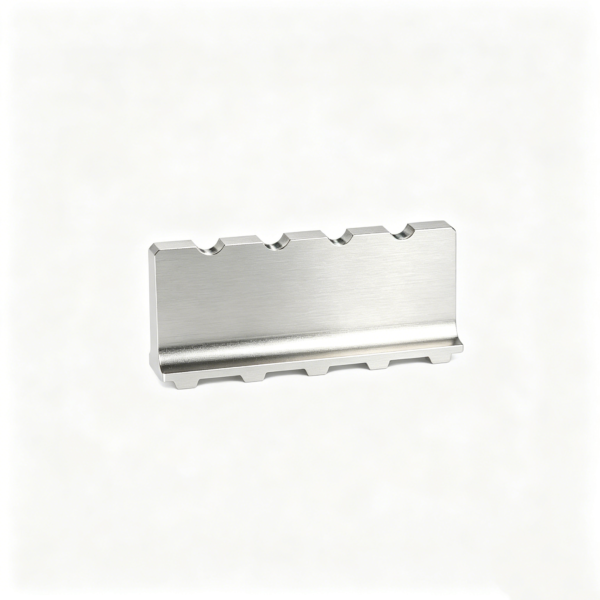
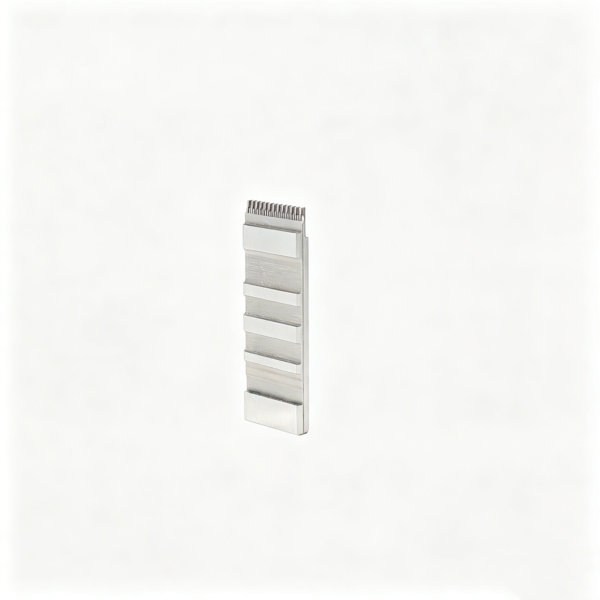
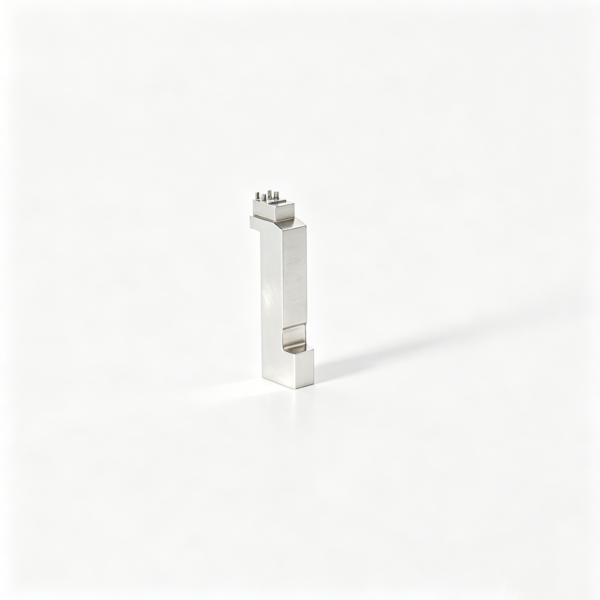
These components typically include core pins, cavity inserts, sleeves, lifters, ejector elements and precision-guided features that define critical connector geometry. Designed for use in high-precision injection molds, they help ensure consistent insulation wall thickness, terminal alignment and housing detail, even at micro-scale dimensions. Whether you manufacture USB-style connectors, board-to-wire mobile interfaces or compact automotive connectors, these components support stable, repeatable output with minimal scrap.
Key Features & Performance Benefits
Every element of these mold components is developed with mobile connector production in mind, where dimensional accuracy directly impacts contact performance, fit and long-term reliability.
- Fine-pitch geometry control: Ground and polished working surfaces are designed to maintain exact terminal spacing, housing widths and slot dimensions for modern small-format connectors.
- High-stability materials: Components are manufactured from carefully selected tool steels and alloys, then hardened and tempered for excellent wear resistance and minimal deformation over time.
- Optimized for repetitive cycles: Surfaces that see frequent sliding and ejection are treated or coated for lower friction, reducing galling, sticking and unscheduled downtime.
- Clean demolding and part release: Accurate alignment and polished cavity and core areas help prevent sticking, whitening and gate vestiges that can compromise connector appearance or function.
- Suitable for multi-cavity molds: The components support high-cavity layouts for mobile connector housings, helping balance flow and shrinkage so cavities fill and pack consistently.
- Support for complex features: Undercuts, locking windows, strain relief forms and latch details can be realized via specialized inserts, lifters and sliders designed around your connector geometry.
Together, these features help mold manufacturers maintain tight tolerance windows, reduce post-processing and shorten time-to-market for new connector designs.
Specifications & Technical Characteristics
While every mobile connector program has unique requirements, the following table summarizes typical attributes and options offered with this category of precision mold components.
| Attribute | Description |
|---|---|
| Product type | Precision mold components for mobile connector plug & socket tooling |
| Typical components | Core pins, cavity inserts, sleeves, lifters, sliders, ejector elements, guide and alignment components |
| Common applications | Mobile device connectors, charging plugs, compact automotive connectors, signal/power hybrid connectors |
| Material options | High-grade tool steels and mold steels selected for hardness, wear and dimensional stability |
| Heat treatment | Hardened and tempered; optional surface treatments to enhance wear and corrosion resistance |
| Surface finish | Precision ground and polished functional surfaces; optional texturing based on connector design |
| Tolerance capability | Designed for tight-tolerance mobile connector geometries; final capabilities depend on project requirements |
| Mold compatibility | Custom-fit to customer-supplied 3D models and drawings for single- and multi-cavity connector molds |
| Connector formats | Board-to-wire, wire-to-wire, board-to-board, charging interfaces and custom mobile connector designs |
| Typical processing methods | CNC machining, grinding, EDM, fitting and inspection based on precision molding standards |
Use Cases & Ideal Customers
Mobile Connector Precision Mold Components for fine-pitch plug & socket tools are tailored for engineering teams that must deliver consistent quality at scale in demanding markets.
- Injection mold makers building new connector tools or refurbishing existing molds for mobile, automotive or industrial electronics programs.
- Connector manufacturers who require stable production of high-density contact layouts where even minor dimensional drift can affect insertion force and electrical integrity.
- EMS and OEM engineering teams developing next-generation mobile or wearable devices that use custom low-profile or right-angle connectors.
- EV and charging accessory suppliers producing compact charging plugs and sockets that must remain reliable under repeated daily use and challenging environments.
- R&D groups and prototyping shops needing early-stage tooling inserts and test cavities to evaluate new connector concepts before full-scale production.
In each of these scenarios, precision mold components help align mechanical fit, electrical performance and manufacturability, ensuring that connector projects move smoothly from design validation into volume production.
Care, Handling & Buying Guidance
To get the best performance and longest service life from your mobile connector mold components, both procurement and daily handling practices matter.
- Start with accurate data: Provide detailed 3D models, connector drawings, tolerance schemes and resin information so the components can be tailored to your exact design.
- Consider resin and environment: Requirements differ depending on whether you are molding engineering plastics, high-temperature materials or flame-retardant compounds; share these details when specifying materials and treatments.
- Plan for maintenance access: When configuring cavity inserts and core pins, take into account how easily these parts can be removed, cleaned and replaced during scheduled mold maintenance.
- Implement a cleaning routine: Use suitable mold cleaners and lint-free cloths to remove deposits and residues from working surfaces, helping maintain surface finish and dimensional stability over time.
- Protect during storage: When components or entire molds are offline, apply light rust-preventive agents and store in a dry, temperature-stable environment to minimize corrosion and oxidation.
- Monitor wear in critical areas: Fine-pitch features, sharp corners and sliding elements should be inspected regularly for rounding or wear that might influence connector fit or terminal position.
By focusing on correct upfront specification and disciplined maintenance, you can extend the life of your tooling and maintain consistent connector quality, even in demanding, high-volume manufacturing environments.
FAQ
Are these mold components compatible with my existing connector tools?
The components are designed to be custom-fitted to your existing or new connector molds based on 3D models and drawings. When you provide accurate mold and connector data, the parts can be manufactured to drop into your current tool design or be integrated into new tooling projects.
What information do I need to supply when ordering?
For the best result, share connector drawings, 3D CAD files, target tolerances, resin type, projected shot volume and any special functional requirements such as high-temperature operation, aggressive flame-retardant materials or special surface finishes.
Can these components support high-cavity mobile connector molds?
Yes, they are frequently used in multi-cavity molds for mobile and compact connectors. Careful design of gates, runners and cooling, combined with precisely machined cavity inserts and cores, supports balanced filling and consistent dimensions across all cavities.
How should I maintain the precision of fine-pitch features over time?
Regularly clean deposits from cavity and core surfaces, monitor wear in sharp or highly stressed areas and schedule periodic inspections. Re-polishing or replacing specific components before excessive wear occurs helps keep pitch accuracy within target limits.
What shipping and packaging methods are used for these components?
Precision parts are typically packed in protective trays or individual wrapping, with cushioning to prevent impact or scratching during transit. Corrosion-inhibiting materials or light rust-preventive coatings may also be applied to safeguard surfaces until installation.
Do I need special setup for first-time use in the mold?
On initial installation, verify alignment, clamping and clearance in the mold base. It is good practice to run a controlled mold trial, gradually adjusting processing parameters to achieve the desired connector dimensions and visual quality.
How should I clean these components between production runs?
Use mold-safe cleaning agents and soft, lint-free cloths or brushes to remove residue. Avoid abrasive tools that could scratch critical surfaces or alter delicate fine-pitch features.
Is there any warranty or support for dimensional accuracy?
Suppliers typically support components against manufacturing defects and dimensional deviations from the agreed drawings. Be sure to review the specific terms for tolerances, inspection procedures and claim handling before placing your order.
Can I modify the components later if my connector design changes?
Minor adjustments may be possible through rework or polishing, but larger design changes usually require new inserts or core elements. When planning a connector family, consider future variants so the mold layout can accommodate replacement components efficiently.
Same drawing, predictable results—next batch
Share revision, quantity ramp, and inspection level. We quote process route, ship date, and documentation in one structured response.