
Plastic film parts · Precision mold insert
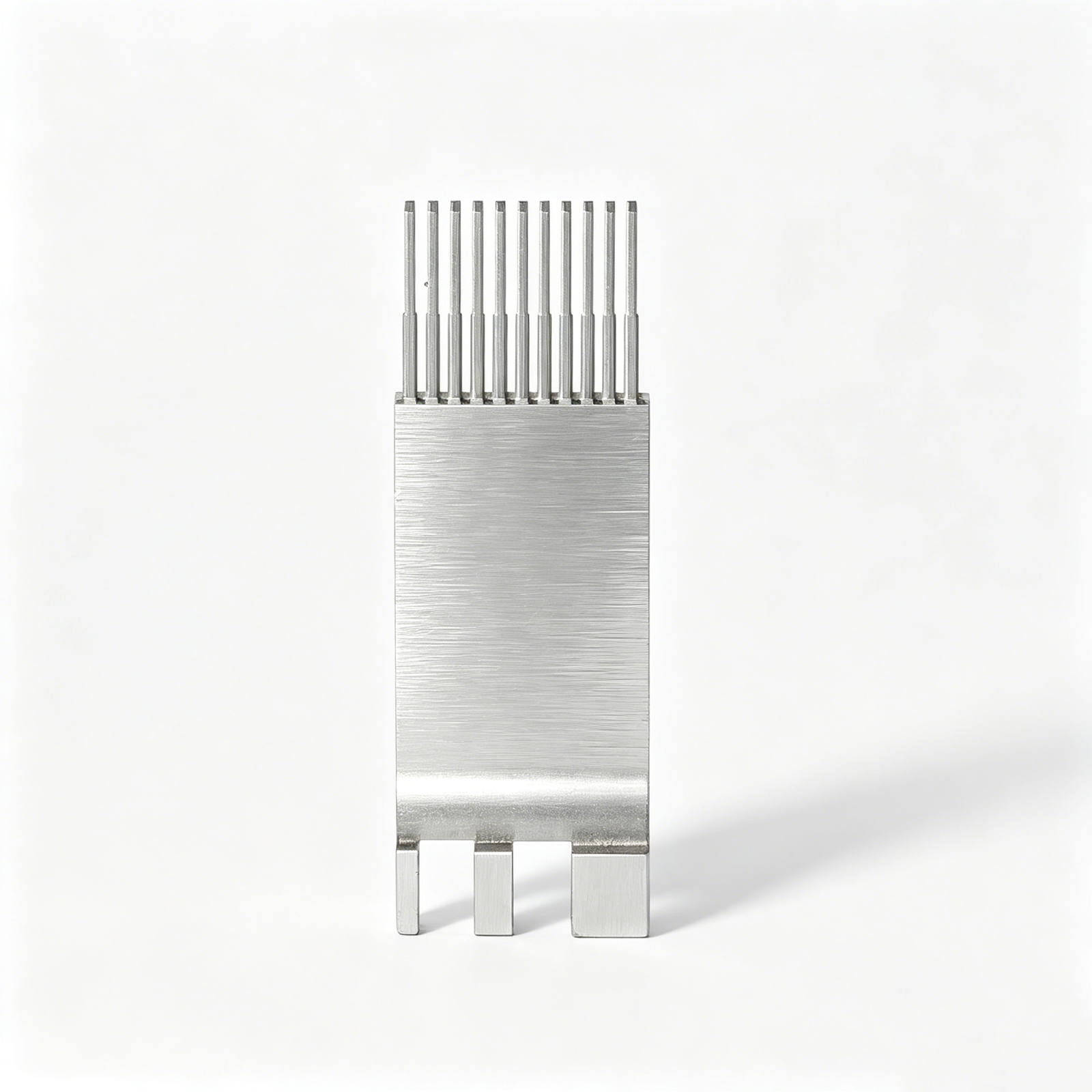
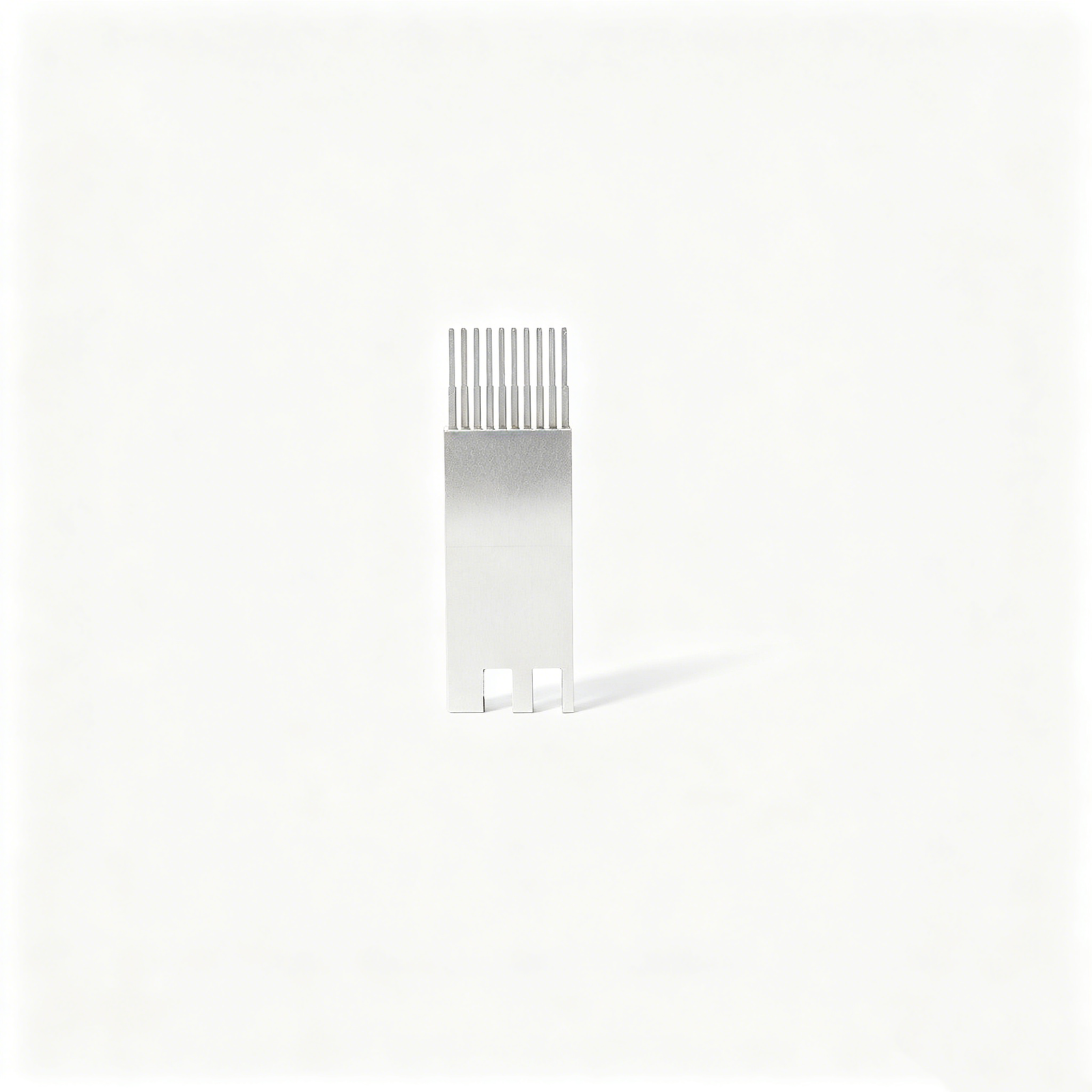
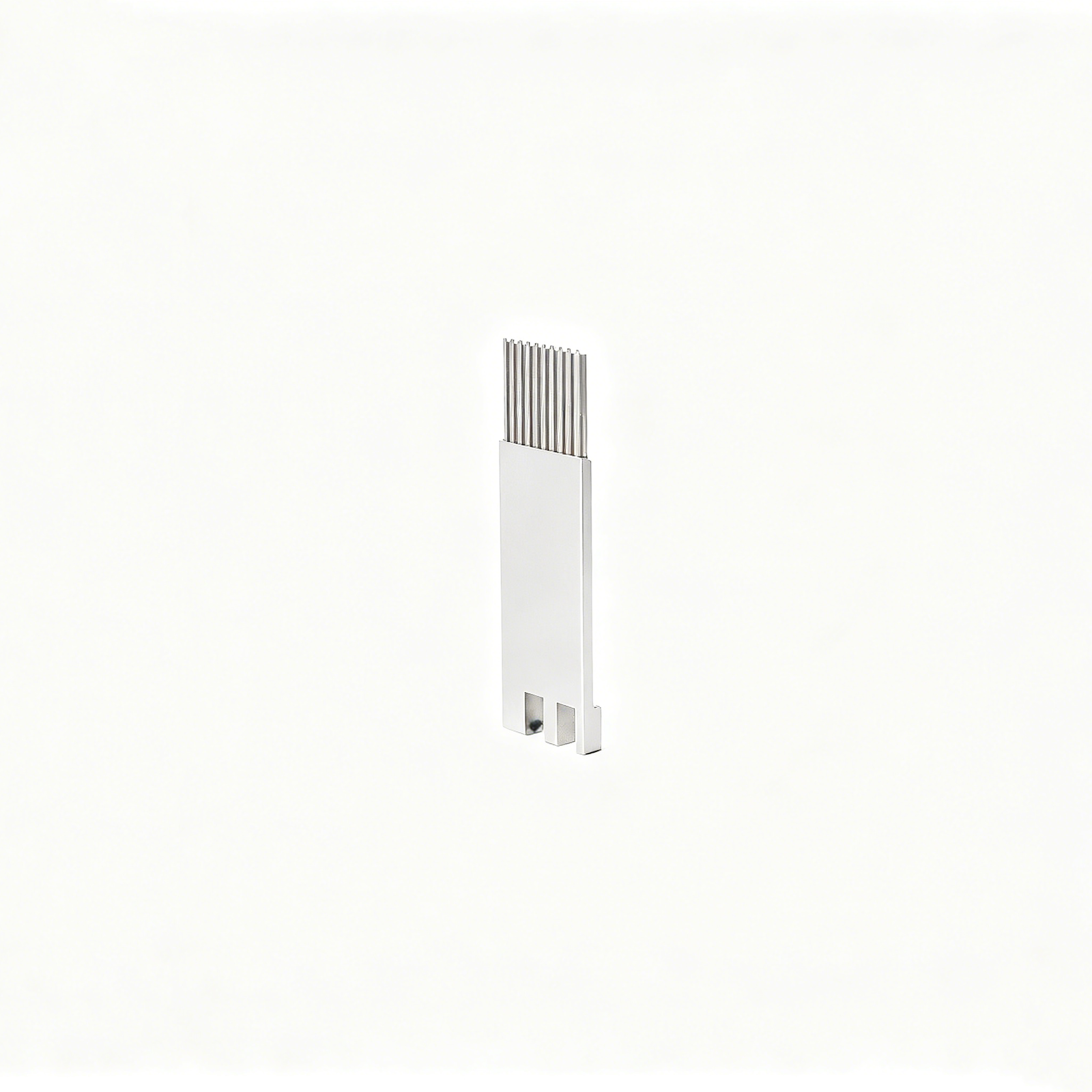
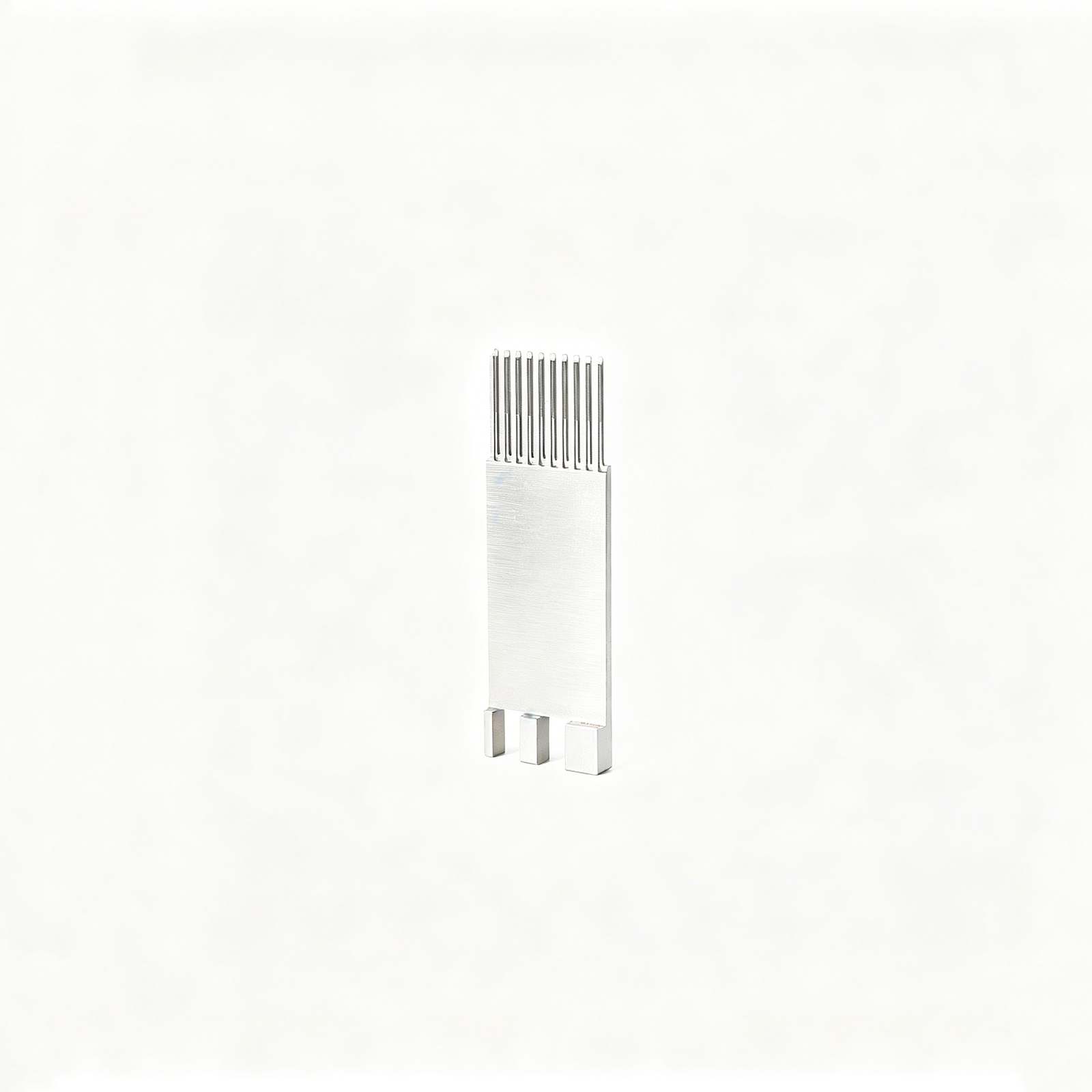
Mobile Connector Precision Mold Components for Tight-Tolerance Cavities
Brand Xuxiang Mold
Availability Made to drawing
RFQ pricing
Quote from STEP / PDF & quantity
Build more stable, repeatable connector tooling with Mobile Connector Precision Mold Components engineered for ultra-tight cavity control. Each insert, core and pin is manufactured from high-grade tool steel for consistent wear resistance under high-volume injection molding. Optimized parting lines and venting help you maintain clean gate vestiges and sharp edge definition, even on micro-features. These components integrate smoothly into existing connector molds, reducing setup time and scrap rates. Ideal for suppliers who need automotive, industrial or consumer mobile connectors to meet demanding dimensional and electrical interface requirements.
- ISO 9001:2015–oriented process & documented inspection paths
- Zeiss / Nikon class metrology available for critical dimensions
- DFM feedback from 10+ senior tooling engineers
- Dongguan HQ + Quanzhou capacity for volume programs
What These Mobile Connector Precision Mold Components Are
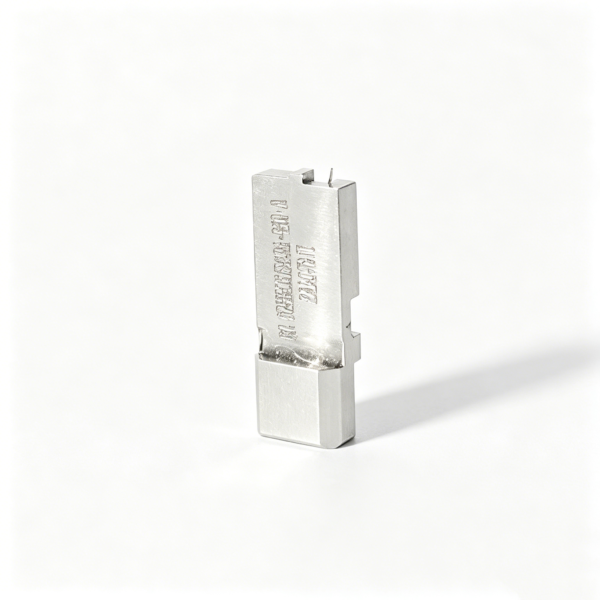
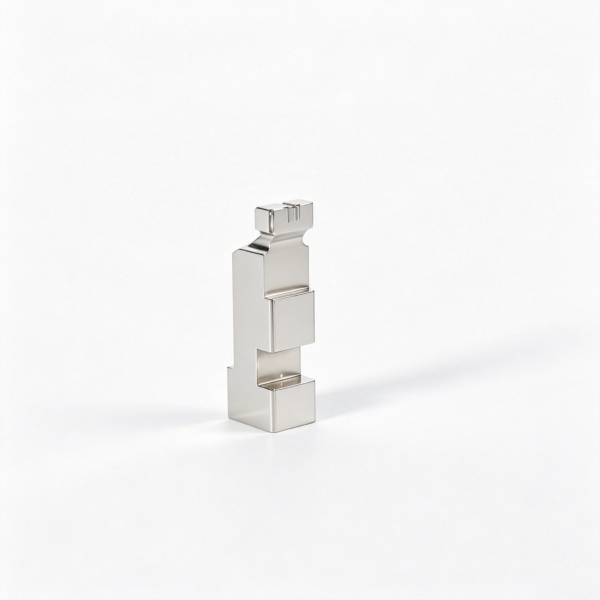
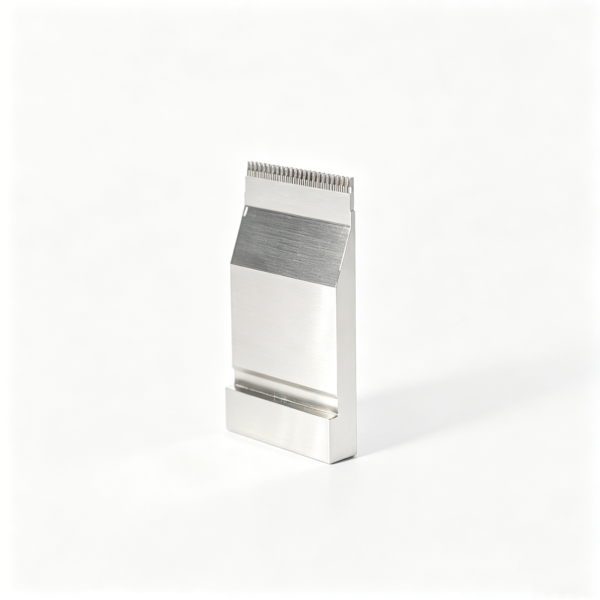
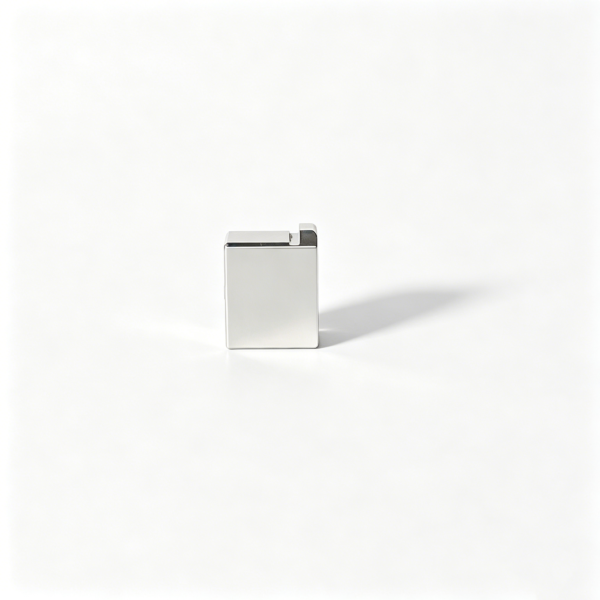
These Mobile Connector Precision Mold Components are specialized mold inserts, cavity blocks, cores, ejector elements and related tooling parts used to manufacture plastic mobile and automotive-style connectors through injection molding.[1][3] They are designed for connector housings that require fine detail, reliable pin positioning and tight dimensional control so that the final connector mates correctly with cables, PCBs and device ports.
In a modern connector mold, multiple precision components work together: mold bases, cavity inserts, cores, lifters, sliders, ejector pins and alignment elements.[1][3] By upgrading these core elements to high-precision versions, manufacturers can reduce flash, warpage and dimensional drift while increasing mold uptime and service life.
These components are typically produced from hardened tool steels or stainless steels and manufactured with high-accuracy machining methods such as CNC milling, grinding and EDM to achieve the micro-tolerances required for today’s compact connector geometries.[1][3] The result is a modular toolkit that can be configured for a wide variety of mobile connector platforms.
Key Features & Benefits
- Tight-tolerance cavity control – Critical connector interfaces such as latch windows, locking ramps and terminal pockets are held within strict dimensional ranges to support stable mating performance and electrical alignment.
- High material durability – Quality tool steels and appropriate heat treatment help resist wear, abrasion and micro-chipping during long injection runs, reducing unexpected downtime.[3]
- Fine detail capability – EDM-finished corners, thin ribs and micro-slots allow accurate reproduction of small connector details common in smartphone, tablet and automotive infotainment connectors.[1][12]
- Modular component concept – Separately replaceable cavity inserts and cores make it easier to modify connector styles or cavity counts without building an entirely new mold.
- Stable processing window – Consistent component geometry improves flow balance, packing and cooling, letting processors hit target dimensions with less trial-and-error and fewer settings changes.[3]
- Better surface finish – Carefully ground and polished mold surfaces support smooth demolding and visually clean connector housings with minimal secondary finishing.[1]
Specifications & Technical Highlights
The table below summarizes typical attributes for these Mobile Connector Precision Mold Components. Values are described qualitatively so you can match them to your own tooling standards and connector projects.
| Attribute | Description |
|---|---|
| Product type | Precision inserts, cores, cavity blocks and related mold components for mobile and automotive connectors |
| Primary application | Injection molding of plastic connector housings for mobile devices, automotive electronics and industrial control systems |
| Material options | Tool steel or stainless steel grades selected for hardness, wear resistance and dimensional stability |
| Manufacturing processes | CNC milling, turning, precision grinding, wire and sinker EDM, polishing and fine fitting[1][3] |
| Tolerance capability | Designed for tight-tolerance connector features and fine-pitch geometries based on project requirements |
| Surface finish | Ground and polished functional surfaces for reliable ejection and consistent appearance on molded parts[1] |
| Mold compatibility | Custom-made to suit new connector molds or retrofits to existing tools, including single- and multi-cavity layouts |
| Cooling & venting features | Components can be configured with tailored cooling channels and venting to support stable molding and reduced burn marks[3] |
| Target industries | Mobile electronics, automotive connectors, telecom, industrial automation and consumer device manufacturing |
| Quality focus | Dimensional accuracy, repeatability, ease of maintenance and long service life under high-volume production |
Use Cases & Who These Components Are For
These Mobile Connector Precision Mold Components are ideal for any manufacturer that needs to mold complex connector housings, especially where multi-cavity tools and high annual volumes are involved.[1][12]
- Automotive connector suppliers – For vehicle harness connectors, ECU plugs and infotainment interfaces that need robust housings and repeatable fit.[1][3]
- Mobile device OEMs and EMS providers – For USB, charging, docking and board-to-board connectors used in smartphones, tablets, wearables and accessories.[12][14]
- Industrial and telecom manufacturers – For robust connectors in control cabinets, field devices and communication equipment where long-term dimensional stability is critical.
- Tooling and mold shops – For mold makers who want to upgrade problematic cavities, extend tooling life or convert to different connector families using modular inserts.
By integrating these components into new or existing molds, users can tighten process variation, reduce scrap due to dimensional defects and maintain consistent connector quality over long production campaigns. This is particularly important when dealing with micro-sized contacts, high pin counts or compact housing formats.[12]
Care, Maintenance & Buying Guidance
To maximize the life and performance of Mobile Connector Precision Mold Components, it is important to follow sound mold maintenance practices. After production runs, components should be cleaned, dried and lightly oiled to prevent corrosion, especially in high-humidity environments.[3] Tracking mold shot counts and planning periodic inspections helps you identify wear before it affects part quality.
During maintenance, pay special attention to cavity edges, core tips, venting areas and ejector interfaces where wear or deposits can accumulate. Proper handling during disassembly and reassembly helps preserve critical fits and alignments. When components eventually reach the end of their service life, modular design makes it easier to replace only the affected inserts instead of the entire mold.
When specifying or purchasing these components:
- Provide accurate connector drawings and 3D models so mold geometry matches final part requirements.[3]
- Clarify the resin types, projected shot counts and any special environmental conditions (temperature, chemicals, humidity) to inform material and hardness choices.
- Discuss required tolerances, surface finishes and any critical datum features for mating performance.
- Consider future product families or variants so the insert layout can accommodate potential design changes.
By pairing clear application data with precision manufacturing, you can obtain mold components that deliver stable performance across the full lifecycle of your connector program.
FAQ
Are these components suitable for both new molds and retrofits?
Yes. The components can be engineered for brand-new connector molds or designed as custom inserts to replace or upgrade specific areas in an existing tool. Providing your current mold drawings helps ensure a precise fit.
What types of mobile connectors can these mold components support?
They are suitable for a wide range of plastic connector housings, including charging ports, signal connectors, board-to-board interfaces and automotive-style mobile connectors. The exact configuration is customized to your connector design and cavity layout.[1][12]
How do I know if the components will be compatible with my injection molding machine?
Compatibility is determined by your mold base, not the injection machine itself. As long as the components are designed to match your mold base dimensions, tie-bar spacing and clamping capacity, they will work with your existing molding equipment.[3]
What information should I provide when requesting a quotation?
You should include connector drawings or 3D models, preferred mold base standards, estimated annual volume, resin types and any specific tolerance or surface finish requirements. This allows the engineering team to size and configure the components correctly.
How are these Mobile Connector Precision Mold Components shipped and packaged?
Components are typically cleaned, rust-protected and packed in protective foam or trays inside sturdy cartons. For larger or heavier parts, wooden cases or crates may be used to prevent damage during transport.
What maintenance is recommended during production?
Regularly inspect critical areas such as gate regions, cavity edges and core tips for wear or buildup. Light cleaning, proper lubrication of moving elements and periodic verification of key dimensions help maintain consistent connector quality over long runs.[1][3]
Can these components handle high-temperature or reinforced engineering plastics?
Yes, when required, material choices and heat treatment can be specified for higher wear resistance and thermal stability. When requesting components for such applications, be sure to indicate resin type, filler content and processing conditions.
Is there any warranty or support if dimensional issues arise after installation?
Most suppliers provide a defined support period covering workmanship and dimensional accuracy, subject to proper use and maintenance. If issues occur, you can share inspection reports and molded samples so the cause can be analyzed and corrective actions proposed.
How long is the typical lead time for custom connector mold inserts?
Lead time depends on complexity and order volume, but precision connector inserts often require several weeks from design approval through machining, heat treatment and final inspection. Early engineering engagement can help reduce project delays.
Can I standardize certain components across different connector projects?
Yes. Many manufacturers choose common ejector pins, guide elements or base insert sizes across multiple connector tools. This simplifies spare-parts inventory and shortens future development cycles.
Related products
Same drawing, predictable results—next batch
Share revision, quantity ramp, and inspection level. We quote process route, ship date, and documentation in one structured response.