
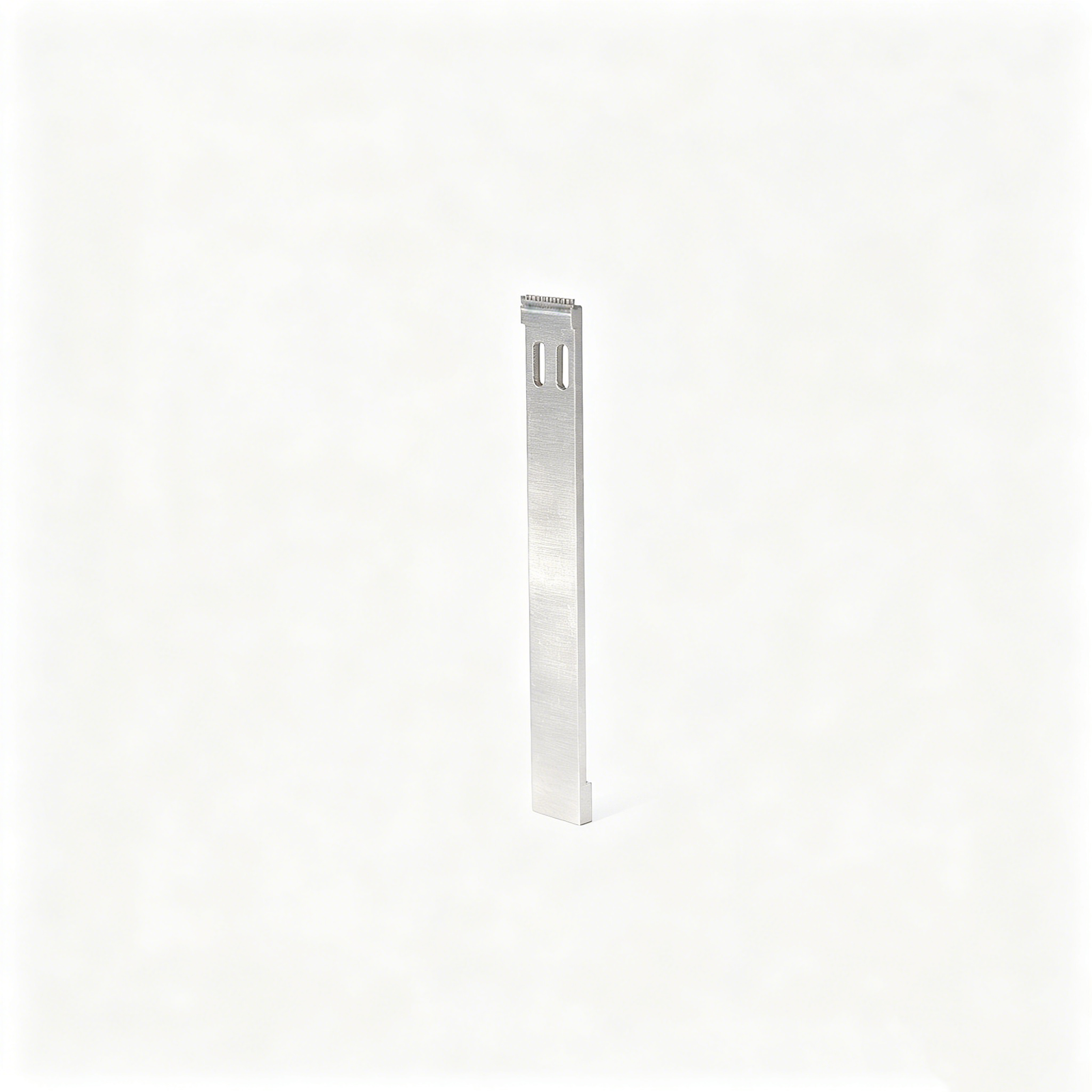
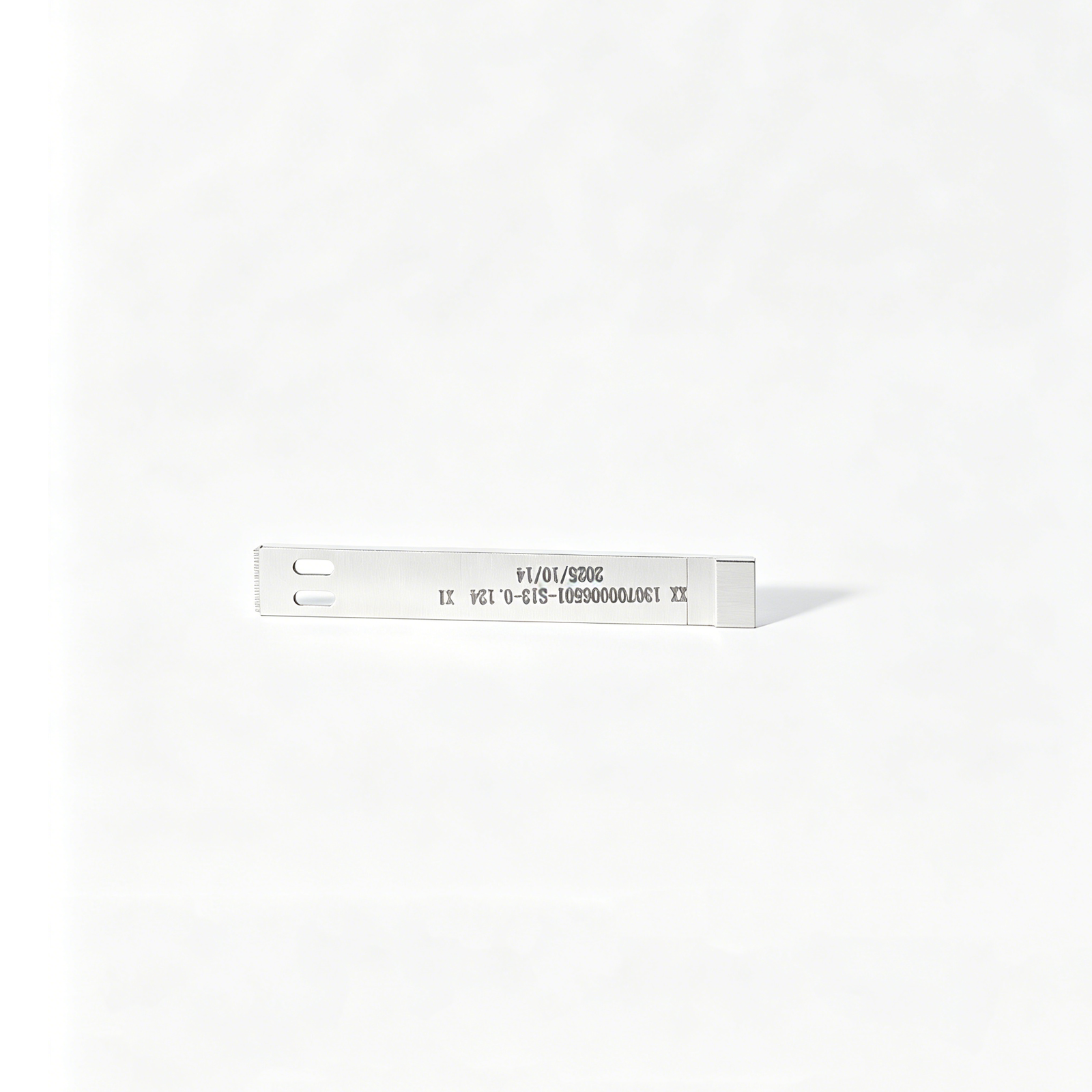
Plastic film parts · Precision mold insert
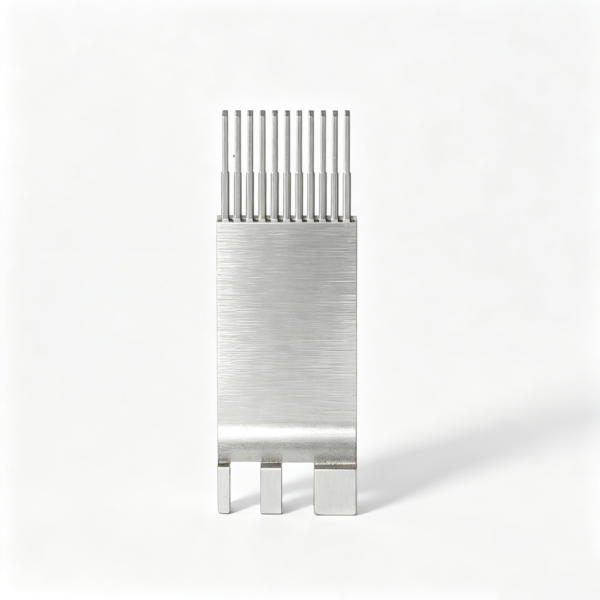
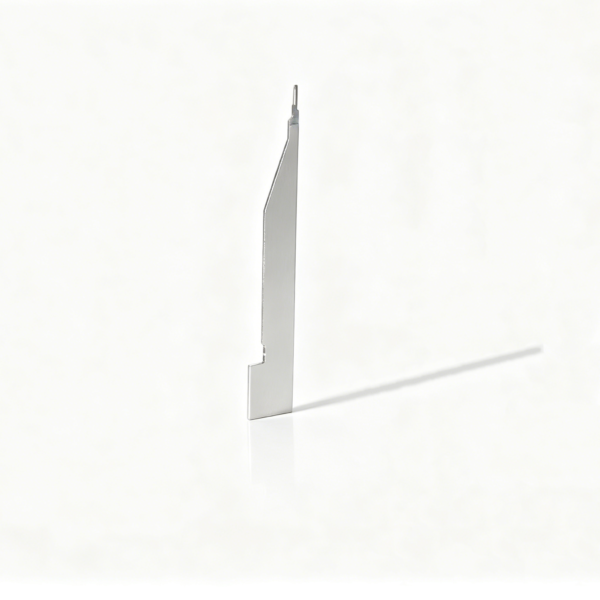
Mobile Connector Precision Mold Components for Robust Connector Platforms
Brand Xuxiang Mold
Availability Made to drawing
RFQ pricing
Quote from STEP / PDF & quantity
Engineer reliable mobile connectors with Mobile Connector Precision Mold Components designed for demanding, high‑volume production lines. Each core, cavity, and insert is produced with tight dimensional control to maintain consistent fit for fine‑pitch terminals and compact housings. Stable alignment and polished molding surfaces help reduce flash, warpage, and costly rework. Whether you are tooling for consumer electronics, automotive harnesses, or industrial I/O, these components support fast cycle times without compromising part quality.
- ISO 9001:2015–oriented process & documented inspection paths
- Zeiss / Nikon class metrology available for critical dimensions
- DFM feedback from 10+ senior tooling engineers
- Dongguan HQ + Quanzhou capacity for volume programs
Mobile Connector Precision Mold Components for Robust Connector Platforms
These Mobile Connector Precision Mold Components are specialized steel mold parts engineered for manufacturing compact mobile and electronic connectors used in phones, tablets, automotive infotainment systems, charging interfaces, and other portable devices.[1][3][12] They form the critical working surfaces of your injection molds, defining the geometry of connector housings, terminal slots, keying features, and strain‑relief details.[1][3]
Built for high output and long service life, the components are suitable for use in single‑cavity prototype tools as well as complex multi‑cavity production molds typically used in connector manufacturing.[1][3][12] Precision machining, heat treatment, and surface finishing help ensure repeatable part quality across long production runs and frequent mold changes.
Key Features & Tooling Benefits
Connector molds must balance miniaturization, mechanical robustness, and dimensional stability. These mold components are designed to support that balance in modern connector platforms.[3][12]
- High‑precision cavity and core inserts: Machined using CNC milling, grinding, and EDM to achieve tight tolerances on pin spacing, housing walls, and latch details, helping ensure reliable mateability of molded parts.[1][3][8]
- Optimized for miniaturized connectors: Suited for fine‑pitch, multi‑row contact layouts used in mobile electronics, where small deviations can cause misalignment or poor electrical contact.[12][14]
- Stable steel selection and heat treatment: Components are typically manufactured from tool steels or hardened steels, then quenched and tempered to provide hardness and wear resistance under repetitive molding cycles.[1][3]
- Polished molding surfaces: Grinding and polishing reduce surface defects and micro‑burrs, contributing to clean parting lines, lower flash, and improved cosmetic appearance of visible connector faces.[1][3]
- Configurable to your mold design: Components can be manufactured in various geometries—cores, cavities, sliders, lifters, ejector sleeves, and gate inserts—to fit cold runner or hot runner connector molds.[1][3][13]
- Support for advanced cooling layouts: Critical inserts are often prepared to integrate with dedicated cooling circuits, contributing to shorter cycle times and more uniform shrinkage.[3][12]
When combined, these attributes help molders shorten sampling time, achieve stable mass production faster, and reduce maintenance frequency on high‑duty connector tools.[3][12]
Specifications & Technical Parameters
The following table summarizes typical characteristics and configuration options for these mold components. Exact parameters are finalized according to your connector drawings and tooling standards.
| Attribute | Description |
|---|---|
| Product type | Precision mold cores, cavities, inserts, sliders, and related parts for mobile connector tooling |
| Typical application | Injection molds for mobile device connectors, charging ports, automotive infotainment connectors, compact signal and power interfaces |
| Common materials | Tool steel, hardened steel, pre‑hardened steel; selection based on wear resistance, polishability, and toughness requirements[1][3] |
| Manufacturing processes | CNC milling, turning, drilling, wire‑cut EDM, sinker EDM, precision grinding, hand and machine polishing[1][3][8] |
| Supported connector styles | Mobile charging connectors, board‑to‑board connectors, wire‑to‑board connectors, automotive low‑voltage connectors, custom mobile I/O |
| Tolerancing approach | Tight control on critical dimensions such as pin pitch, terminal window size, housing wall thickness, and latch geometry (defined per customer drawing) |
| Surface finish | Precision ground and polished molding surfaces; optional texturing on non‑functional areas depending on product design[1] |
| Heat treatment | Quenching and tempering processes applied as required to improve hardness, wear resistance, and dimensional stability under thermal cycling[3] |
| Mold compatibility | Custom fitted to customer mold base, including integration with existing cooling, ejection, and runner systems |
| Quality verification | Component inspection, mold assembly checks, and trial molding to validate cavity balance and part dimensions before mass production[1][3] |
Typical Use Cases & Target Users
These components are intended for OEMs, tier suppliers, and specialized mold shops that manufacture small form‑factor connectors for a range of mobile and electronic platforms.[1][2][12]
- Mobile device connectors: USB‑type connectors, charging ports, audio and accessory connectors in smartphones, tablets, wearables, and handheld terminals.[12][14]
- Automotive communication and infotainment: Low‑voltage connection systems within dashboards, head units, navigation systems, and seat‑mounted screens where compact yet robust connectors are required.[1][3]
- Consumer electronics and IoT devices: Compact board‑to‑board and wire‑to‑board connectors in smart home products, portable speakers, cameras, and similar devices.[12][13]
- Industrial handheld equipment: Ruggedized mobile data terminals, scanners, and diagnostic tools requiring durable connectors that can withstand frequent mating cycles.
Process engineers, tooling designers, and purchasing teams looking to upgrade existing connector molds or develop new product families can specify these components to improve dimensional stability and extend mold life.
Selection, Care & Buying Guidance
Choosing the right precision mold components is crucial for the long‑term performance of your connector tooling.
- Match steel grade to resin and volume: For glass‑filled or high‑temperature engineering plastics, prioritize higher wear‑resistant tool steels and robust heat treatment. For prototype tools or lower volumes, pre‑hardened steels may be sufficient.[1][3]
- Define critical tolerances clearly: Work from finalized connector drawings that indicate functional tolerances on contact windows, locking features, and polarization keys so that the mold components can be machined accordingly.[3][12]
- Plan for maintenance: Even with high‑hardness steels, regular cleaning, inspection for wear at gates and sharp corners, and timely replacement of high‑load inserts will keep dimensions stable over the tool’s lifetime.[1][3]
- Consider modular inserts: Designing the mold with replaceable inserts for different connector variants can shorten changeover time and reduce tooling cost over a product family.[12][13]
- Validate through mold trials: Schedule adequate trial runs to fine‑tune parameters like injection speed, packing pressure, and cooling time, then confirm part dimensions and mating performance before ramping to full production.[3]
By combining appropriate material selection, clear dimensional specifications, and a solid maintenance plan, buyers can leverage these components to build robust connector platforms that remain consistent through design changes and capacity increases.
FAQ
Are these mold components compatible with my existing connector mold base?
The components are manufactured according to your drawings and can be adapted to most standard or custom mold bases. When ordering, provide assembly dimensions, parting line layout, and details of cooling and ejection systems so the inserts can be integrated with minimal modification.
What types of mobile connectors can these components be used for?
They are suitable for a wide range of compact connectors, including mobile charging ports, board‑to‑board, wire‑to‑board, and low‑voltage automotive infotainment connectors. The final geometry is tailored to your specific connector design and pitch requirements.
How should I specify tolerances for fine‑pitch connector features?
Indicate functional tolerances for pin spacing, terminal windows, housing walls, and latch geometry directly on your technical drawings. Your tooling supplier can then apply appropriate machining and inspection strategies to achieve the required precision for reliable mating performance.
What is the recommended maintenance routine for these mold inserts?
Implement regular cleaning to remove resin deposits, check sharp corners and gates for wear, and inspect sliding components for galling. Apply suitable mold protection and lubrication between runs, and plan periodic dimensional checks on high‑load inserts in long‑running tools.
Can these components be used with high‑temperature or glass‑filled plastics?
Yes, provided that appropriate steel grades and heat treatment are selected. When ordering, specify the resin type, filler content, and anticipated shot count so that material and hardness can be matched to the application.
How are the components shipped and protected during transport?
Components are typically cleaned, oiled, and individually packed or compartmentalized to prevent impact damage and corrosion. Outer packaging is chosen to withstand international transport; any special packing instructions can be discussed when placing the order.
What information is needed to receive a quotation?
To prepare a precise quotation, provide 2D and 3D drawings of the connector and mold inserts, target quantities, preferred materials or standards, expected annual production volume, and any special surface or texturing requirements.
Is there any warranty or after‑sales support for these mold components?
Warranty conditions are normally linked to material and manufacturing quality. If any issue related to workmanship or material is found within the agreed period, the supplier can assist with repair, replacement, or technical support to restore tool performance.
How do I confirm fit and function before mass production?
After installation, conduct mold trials under representative process conditions. Inspect part dimensions, evaluate connector mating behavior, and monitor cavity balance. Any necessary fine adjustments to clearances or venting can then be completed before full‑scale production.
Related products
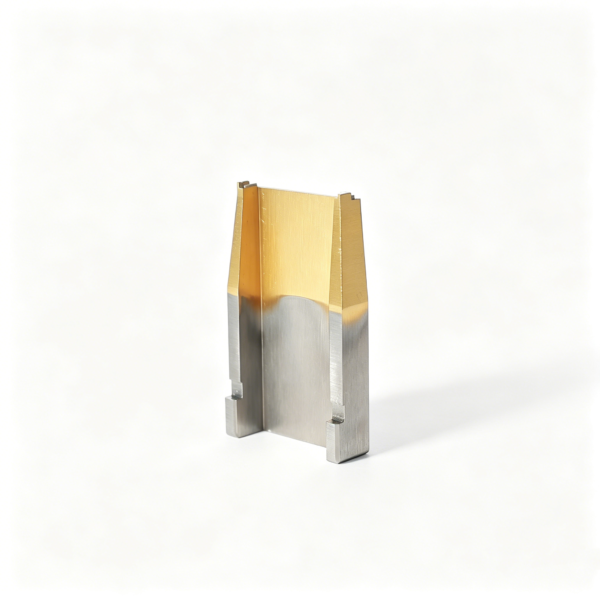
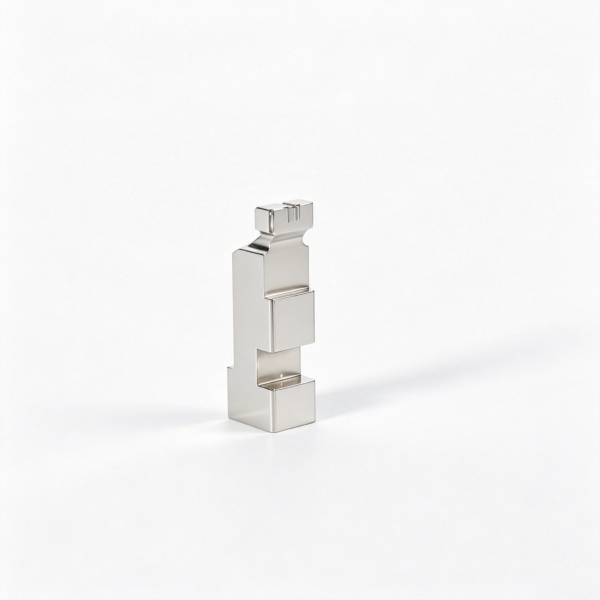
Same drawing, predictable results—next batch
Share revision, quantity ramp, and inspection level. We quote process route, ship date, and documentation in one structured response.