
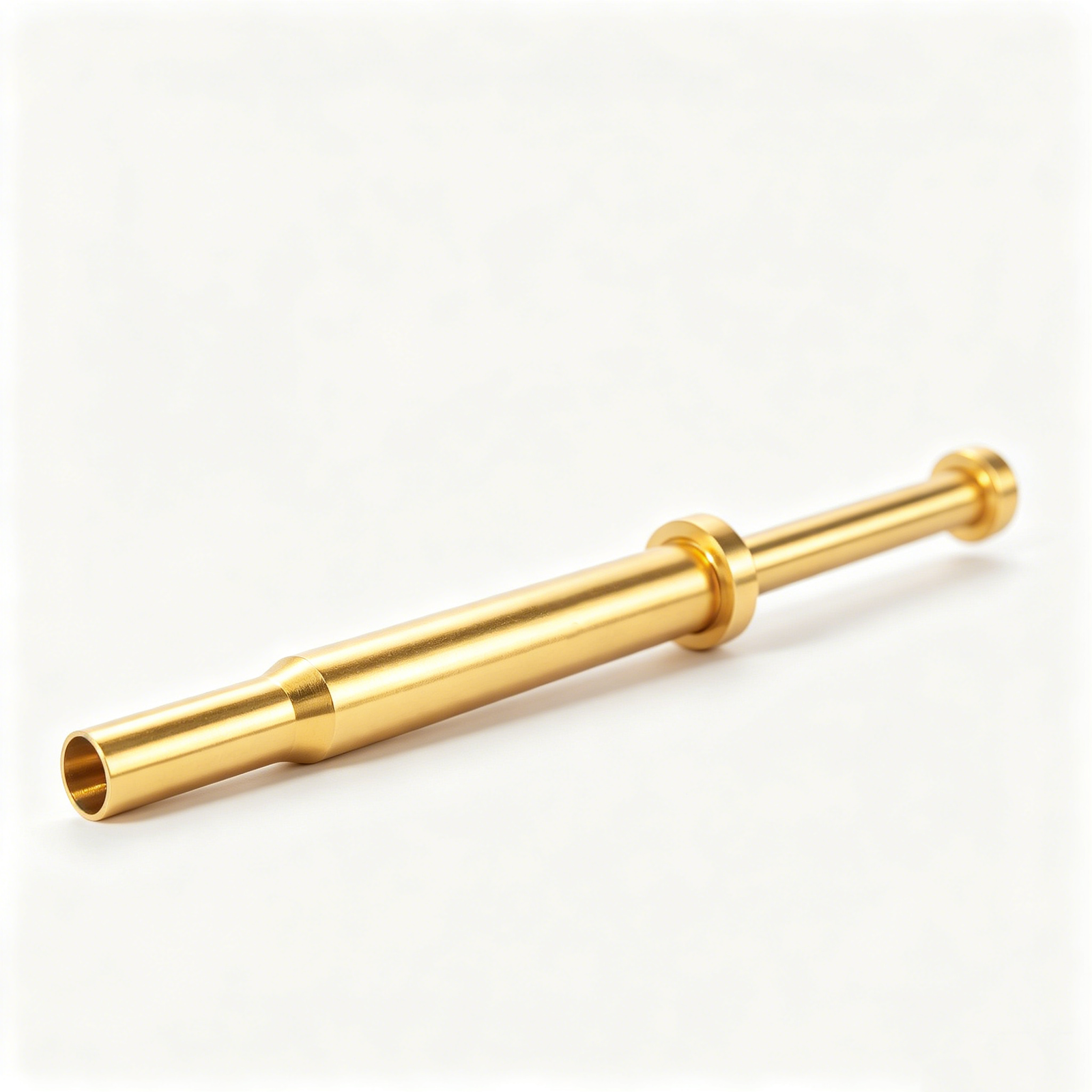
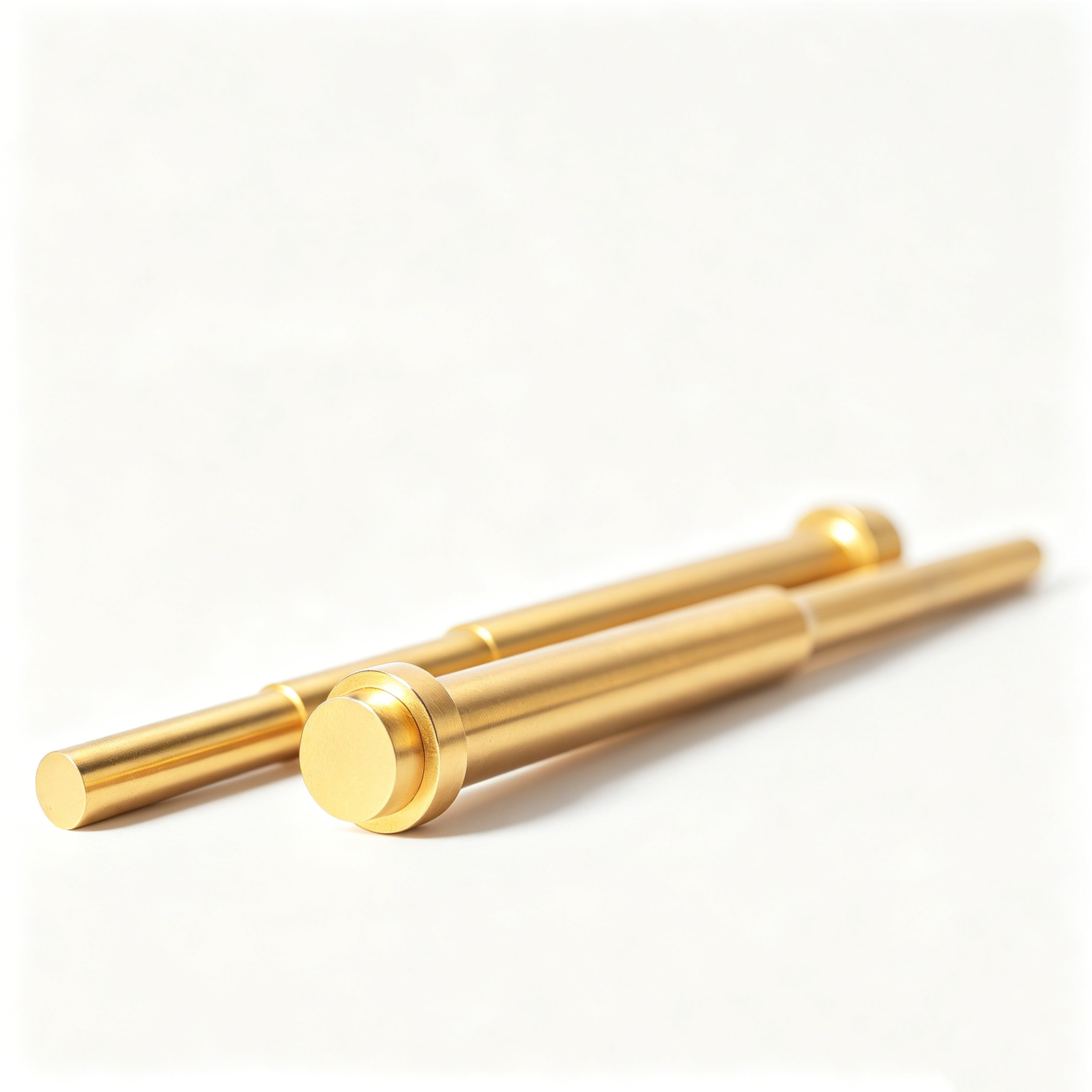
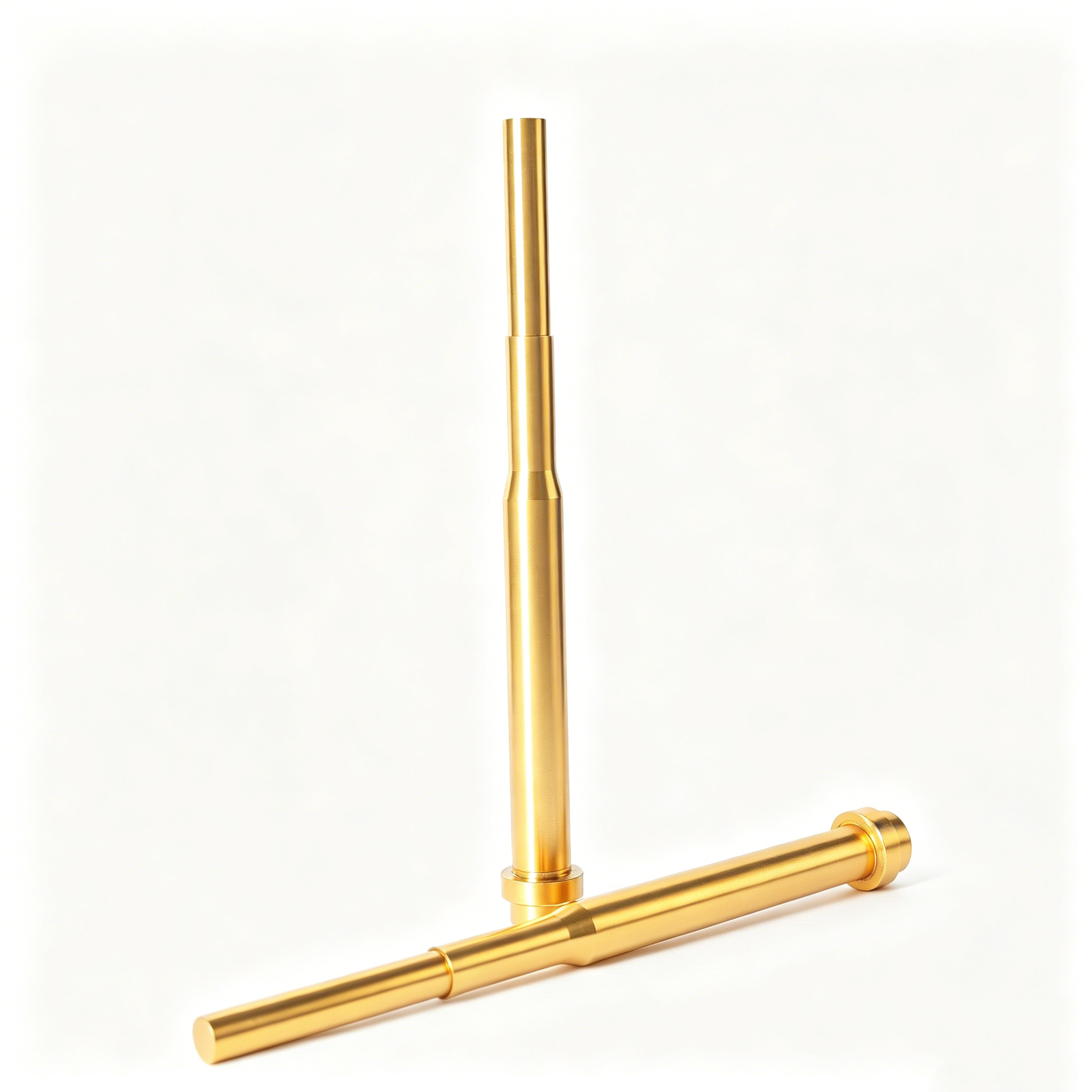
Plastic film parts · Precision mold insert
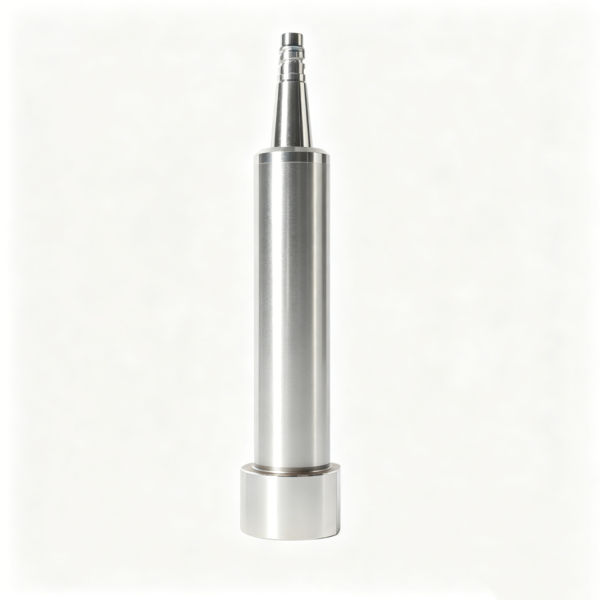
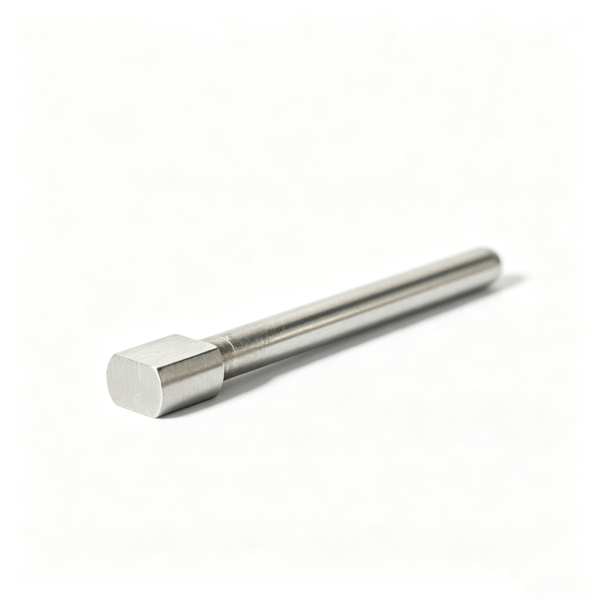
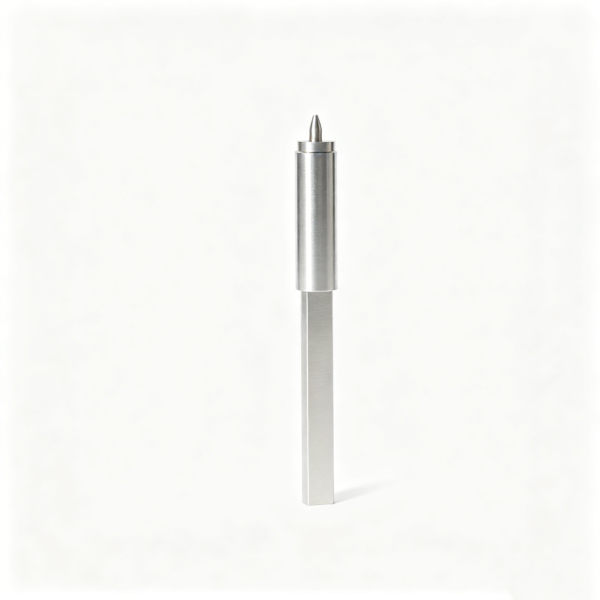
Custom Precision Round Parts for Optical & Photonics Hardware Assemblies
Brand Xuxiang Mold
Availability Made to drawing
RFQ pricing
Quote from STEP / PDF & quantity
Bring your vision systems to life with custom-engineered Precision Round Parts designed specifically for optical and photonics hardware. Each component is turned and finished for exceptional concentricity, smooth surfaces, and repeatable alignment performance. Imagine lens barrels that thread smoothly every time, spacer rings that hold your optics at the exact focal distance, and housings that keep sensitive elements stable under vibration. Ideal for OEM instruments, R&D labs, and advanced imaging equipment, these round components help you achieve consistently sharp, reliable results. Partner with us to streamline your build, reduce assembly tweaks, and improve overall system accuracy.
- ISO 9001:2015–oriented process & documented inspection paths
- Zeiss / Nikon class metrology available for critical dimensions
- DFM feedback from 10+ senior tooling engineers
- Dongguan HQ + Quanzhou capacity for volume programs
Custom Precision Round Parts for Optical & Photonics Hardware Assemblies
For optical and photonics systems, small dimensional errors can mean big problems with focus, alignment, and image quality. These custom precision round parts are engineered to give lens systems, laser modules, and imaging assemblies the accurate, repeatable geometry they rely on. From finely turned lens barrels and spacer rings to cylindrical housings and alignment sleeves, every part is produced with tight control over diameter, roundness, and surface quality.
Whether you are building microscopes, cameras, laser instruments, or machine-vision equipment, these components are designed to fit seamlessly into your mechanical and optical stack. Careful attention to tolerances, surface finish, and material selection helps minimize assembly time and reduce the need for iterative shimming or field adjustments.
Key Features & Benefits
These precision round parts are tailored to the demanding needs of optical and photonics hardware manufacturers, integrators, and research labs.
- Optimized for optical alignment – Cylindrical features are turned and finished to support accurate coaxial alignment of lenses, filters, mirrors, and laser diodes, reducing tilt and decenter.
- High concentricity and roundness – Precision turning processes help maintain tight relationships between inner and outer diameters, critical for zoom assemblies, focus mechanisms, and beam-forming optics.
- Smooth, low-defect surfaces – Carefully controlled finishing reduces burrs and surface imperfections that can damage coatings, snag cables, or contaminate sensitive optical components.
- Configurable geometries – Support for external and internal threads, grooves, recesses, knurls, and alignment features enables you to integrate mechanics, electronics, and optics into a compact assembly.
- Material flexibility – Typical options include aluminum for lightweight housings, stainless steel for stiffness and environmental durability, and brass or copper alloys for specialty requirements such as thermal management or shielding.
- Adaptable from prototypes to production – Capable of supporting low-volume R&D builds, pilot runs, and ongoing OEM production with consistent quality and traceability.
Specifications & Customization Options
Because optical and photonics assemblies vary widely, these precision round parts are built to your drawings or co-developed with your engineering team. Instead of fixed catalog sizes, you can specify the critical dimensions, tolerances, and finishing details that your system requires.
| Attribute | Description |
|---|---|
| Component types | Lens barrels, spacer rings, cylindrical housings, alignment sleeves, threaded inserts, precision pins, collars, and custom photonics fixtures. |
| Typical materials | Aluminum alloys for lightweight structures, stainless steels for rigidity and corrosion resistance, brass for smooth machining and stability, and other machinable alloys on request. |
| Outer diameter range | Sized to your print, from small-format optical cells and ferrules to larger imaging and laser housings. |
| Inner diameter / bores | Custom internal bores for lenses, fibers, filters, and beam tubes; configurable fits for slip, clearance, or press conditions. |
| Tolerance capability | Tight-tolerance turning available for diameters, runout, and concentricity based on application-critical requirements. |
| Surface finish | Machined finishes suitable for mechanical fits, with optional post-processing such as polishing, bead-blasting, or controlled roughness for bonding and adhesion. |
| Threading options | External and internal threads for lens mounts, adjustment rings, caps, and couplers, including fine-pitch and custom thread forms where required. |
| Secondary operations | Cross-holes, slots, keyways, groove features, chamfers, and deburring to make components assembly-ready. |
| Finishing & treatments | Optional anodizing for aluminum, passivation for stainless steel, and other finishes to improve durability or optical compatibility. |
| Quality documentation | Inspection reporting and documentation available on request to support your internal QA and regulatory processes. |
Typical Use Cases & Applications
These custom precision round parts are suited to a wide range of optical and photonics applications where consistent geometry and stable alignment are essential.
- Microscopes and imaging systems – Cylindrical lens holders, spacers, and focusing sleeves that keep optical paths stable for brightfield, fluorescence, and digital microscopy.
- Machine vision and industrial cameras – Robust housings and sensor mounts that maintain precise sensor-to-lens spacing in factory and robotics environments.
- Laser modules and beam delivery – Round components that center laser diodes, fibers, and beam-shaping optics to control spot size and pointing stability.
- R&D optical benches – Custom rings, bushings, and cylindrical fixtures for prototyping new optical layouts, photonics experiments, and measurement systems.
- Fiber-optic and telecom hardware – Precision ferrules, sleeves, and alignment pins for connectors and photonics subassemblies.
- Scientific instruments – Optical cells, lens tubes, and detector housings for spectrometers, interferometers, and metrology tools.
Because every instrument has its own mechanical envelope and optical stack-up, you can specify the design details that matter most: overall length, step diameters, shoulder locations, thread starts, and spacer thicknesses that deliver the exact working distances you need.
Design, Ordering & Quality Guidance
To get the best results from your custom precision round parts, it helps to plan your requirements around both optical performance and manufacturability. Consider the following when preparing your drawings or models:
- Prioritize critical dimensions – Identify which diameters, shoulders, or spacings are optically critical so tolerances can be applied intelligently without over-constraining the entire part.
- Clarify fit requirements – Note whether bores and shafts should be slip-fit, clearance-fit, or press-fit to avoid assembly issues or unwanted play.
- Account for coatings and adhesives – If optics will be bonded or coated, allow for adhesive thickness and ensure surfaces are compatible with your processes.
- Think about assembly sequence – Design chamfers, lead-ins, and handling features that make it easier to insert delicate optics and tighten retaining rings without damage.
- Specify environment and handling – Share information about vibration, temperature swings, or cleanroom use so materials and finishing can be selected accordingly.
Lead times depend on the complexity of machining, material availability, and order quantity. Early engagement with your requirements and 3D models can help refine the design for production while preserving the optical intent of your assembly.
FAQ
Can these precision round parts be made to my existing optical drawings?
Yes. Parts are typically produced directly from your 2D drawings or 3D CAD models, including all specified diameters, threads, and tolerances. If needed, engineering support can help translate performance requirements into practical machining details.
What materials are recommended for optical and photonics assemblies?
Aluminum is often chosen for lightweight lens barrels and housings, while stainless steel is preferred where rigidity, vacuum compatibility, or corrosion resistance is important. Brass can be a good option for smooth threads and thermal stability. Your choice should reflect weight, environment, and mechanical requirements.
How do I know if my design is manufacturable with tight tolerances?
You can submit your design for review and request feedback on tolerance stack-ups, wall thicknesses, and feature layout. In many cases, small adjustments to non-critical dimensions can improve manufacturability and cost without affecting optical performance.
Are these parts compatible with standard lens and thread systems?
Components can be made with common thread formats and diameters used in optical systems, such as standard lens tube interfaces or custom fine-pitch threads. Indicate the thread type and mating components on your drawings to ensure proper compatibility.
How should I clean and handle the parts before installing optics?
Before assembly, wipe metal surfaces with a lint-free cloth and a suitable solvent that is compatible with your optics and adhesives. Avoid abrasive pads that might shed particles or change surface finish, and handle finished parts with gloves to minimize contamination.
What is the typical lead time for custom optical hardware components?
Lead time varies with complexity and quantity, but prototype and small-batch orders are often faster than full production runs. Providing clear drawings, material preferences, and required dates upfront helps set accurate delivery expectations.
Do you offer small quantities for prototypes and lab setups?
Yes, low-volume orders are common for R&D projects, experimental rigs, and pilot builds. Once your design is validated, the same tooling and process knowledge can be used to support larger production batches.
What is the policy on returns or remakes if a part does not meet spec?
If a part does not conform to the agreed drawing and tolerances, you can typically request inspection, corrective action, and a remake or credit where appropriate. It is important to share your inspection results and any assembly findings so issues can be resolved quickly.
Can I consolidate multiple optical parts into a single turned component?
In many cases, yes. Combining spacers, collars, and separate rings into a single precision round part can simplify assembly and improve alignment. Share your current stack-up so a machinable integrated design can be evaluated.
Is special packaging available for sensitive optical components?
Protective packaging options can be arranged, such as individual wrapping, compartmented trays, or cleanroom-friendly bags. If your assembly area has specific cleanliness requirements, mention them when requesting a quote.
Same drawing, predictable results—next batch
Share revision, quantity ramp, and inspection level. We quote process route, ship date, and documentation in one structured response.