
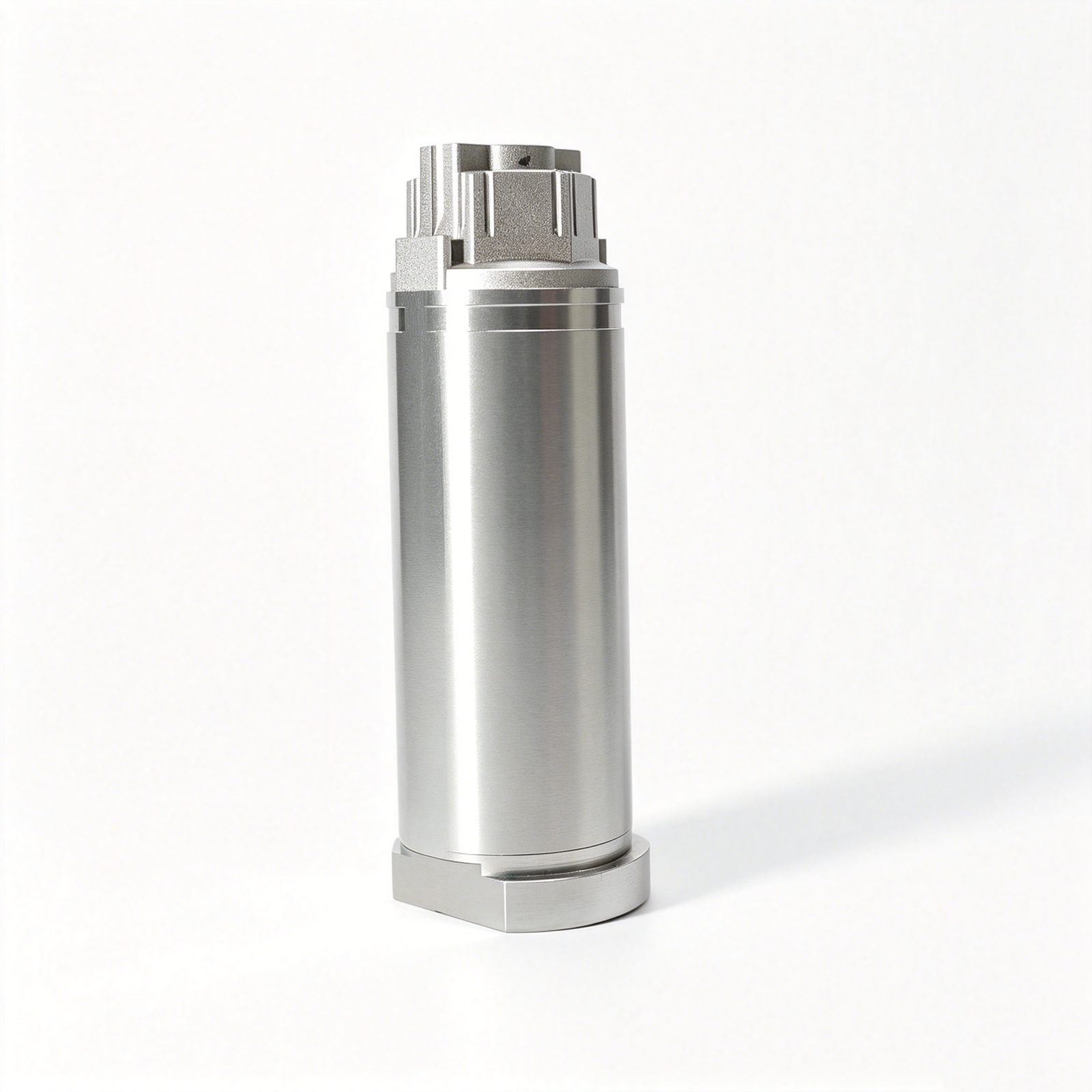
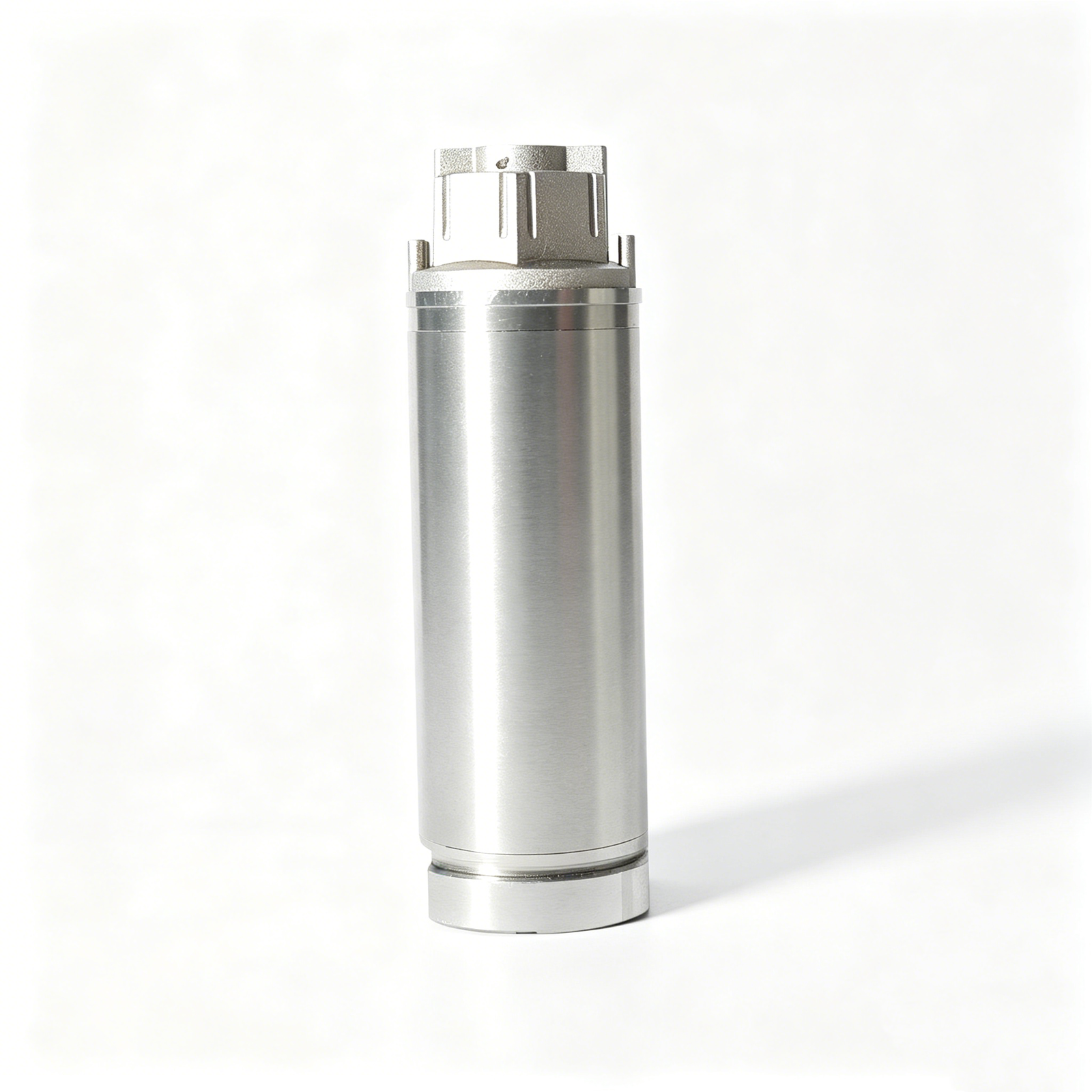
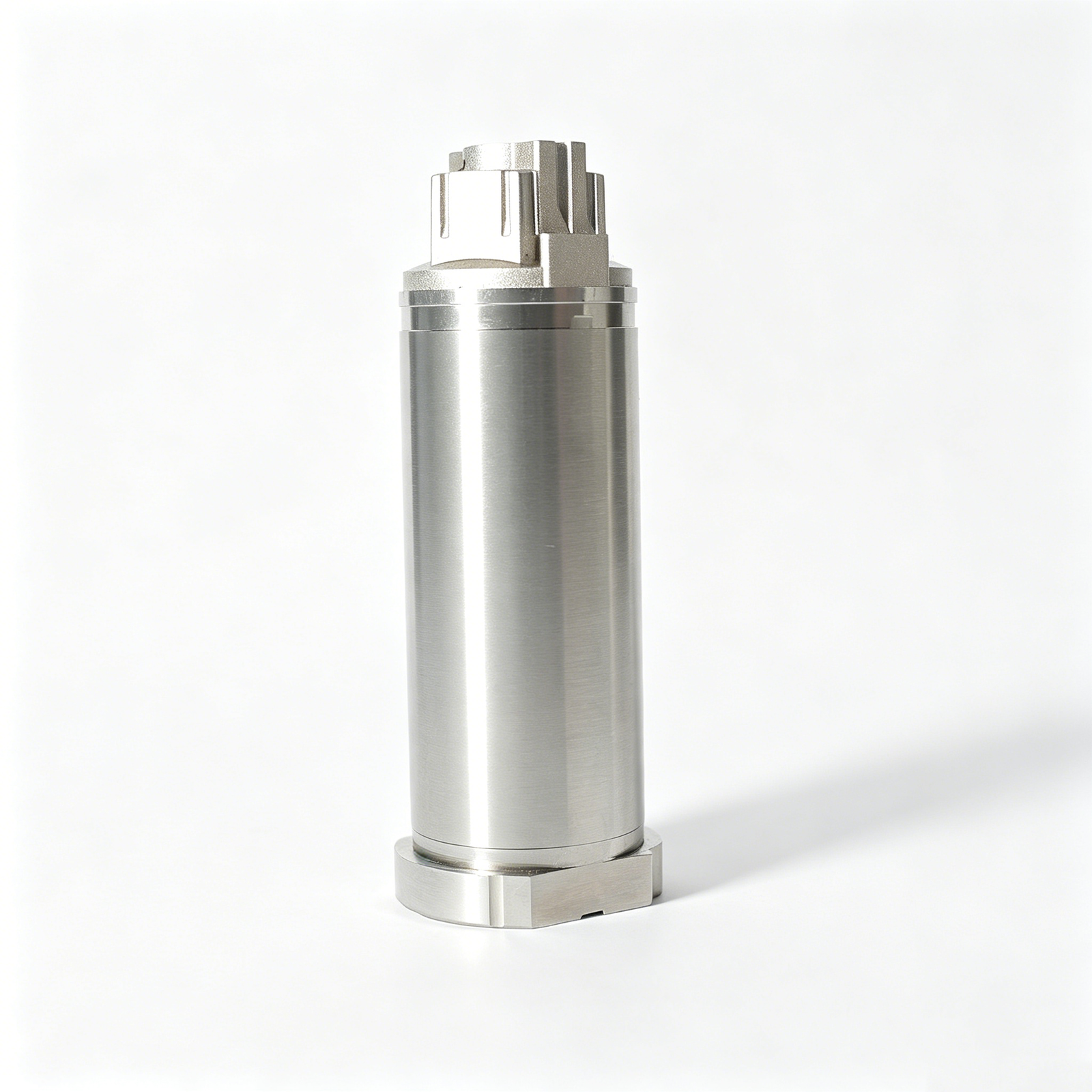
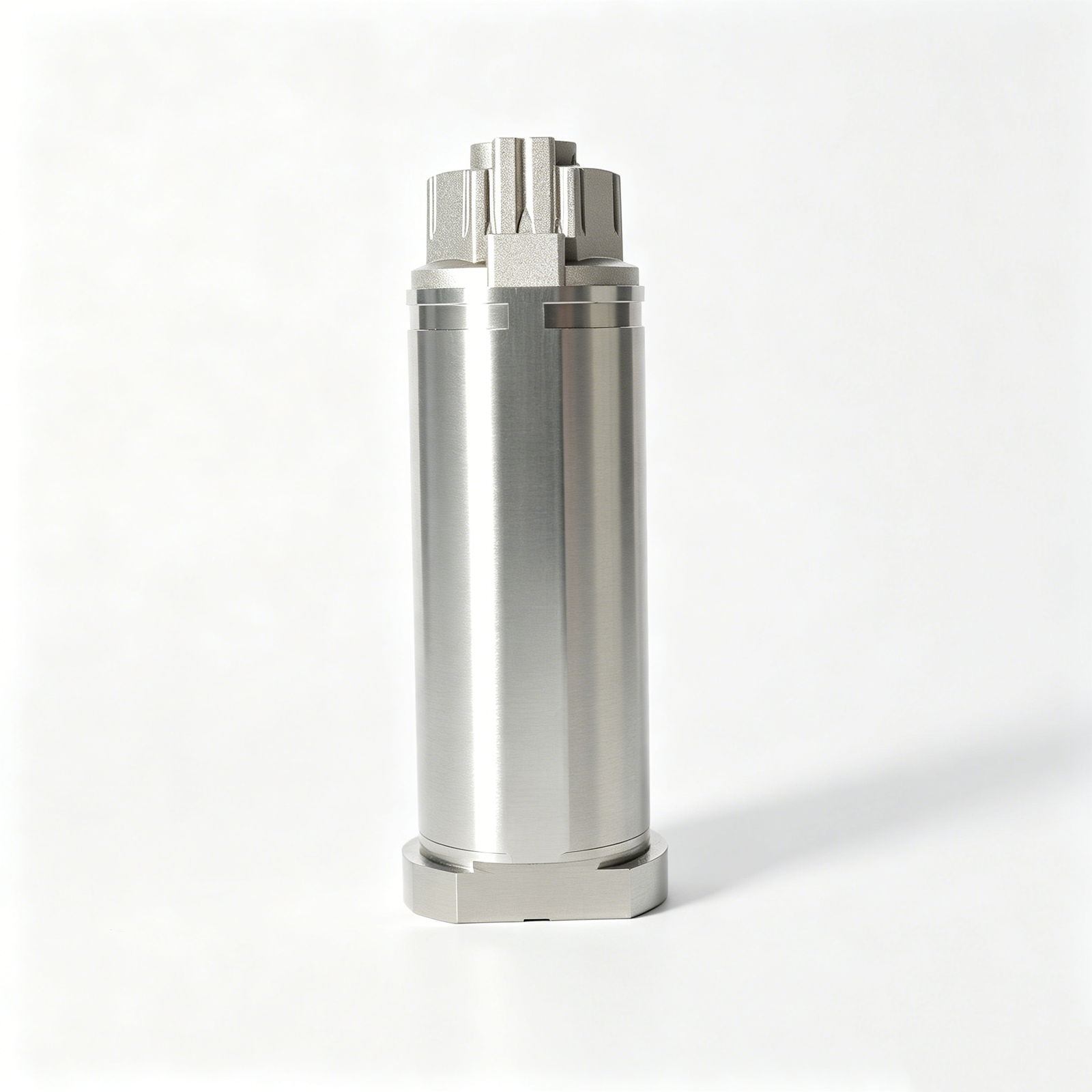
Plastic film parts · Precision mold insert
Custom Precision Round Parts for CNC & Swiss Machining Assemblies
Brand Xuxiang Mold
Availability Made to drawing
RFQ pricing
Quote from STEP / PDF & quantity
Upgrade your builds with custom Precision Round Parts engineered for demanding mechanical, electronic, and fluid-control assemblies. Each component is machined to tight tolerances for smooth rotation, accurate alignment, and reliable sealing in dynamic systems. Whether you are prototyping a new device or scaling up to production, these parts help reduce vibration, wear, and assembly time. Imagine faster, cleaner builds with components that fit right the first time and perform consistently under load. Ideal for OEMs, job shops, and engineers who refuse to compromise on accuracy.
- ISO 9001:2015–oriented process & documented inspection paths
- Zeiss / Nikon class metrology available for critical dimensions
- DFM feedback from 10+ senior tooling engineers
- Dongguan HQ + Quanzhou capacity for volume programs
Custom Precision Round Parts for High‑Accuracy Assemblies
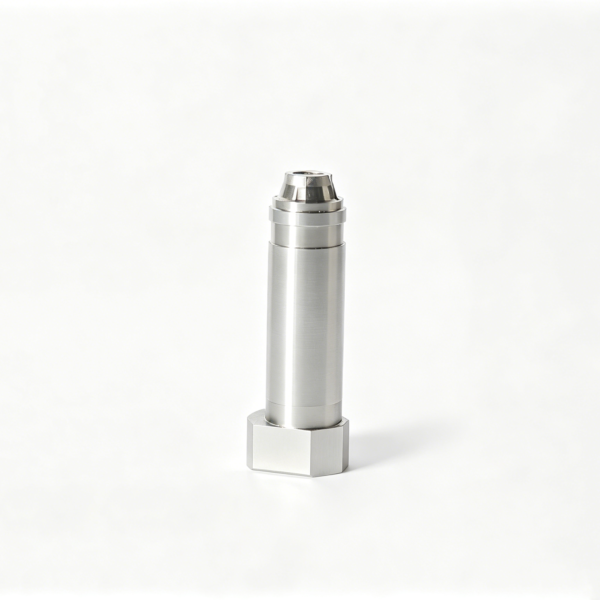
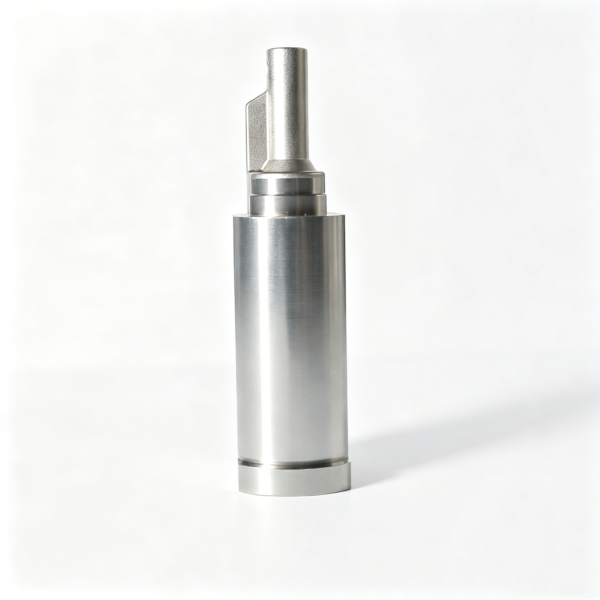
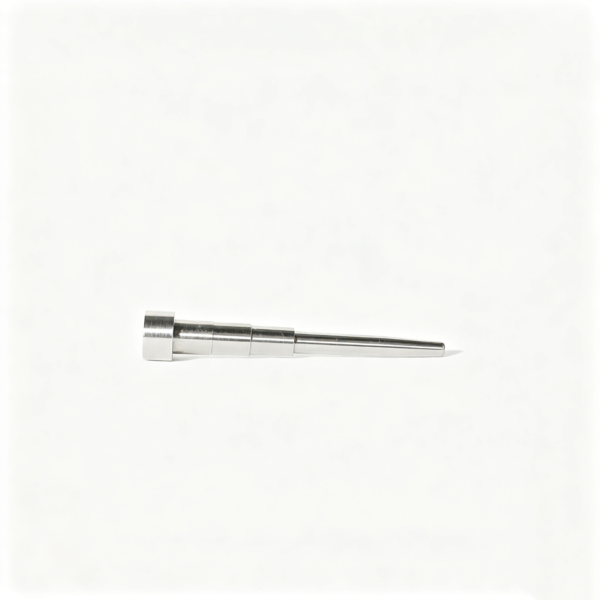
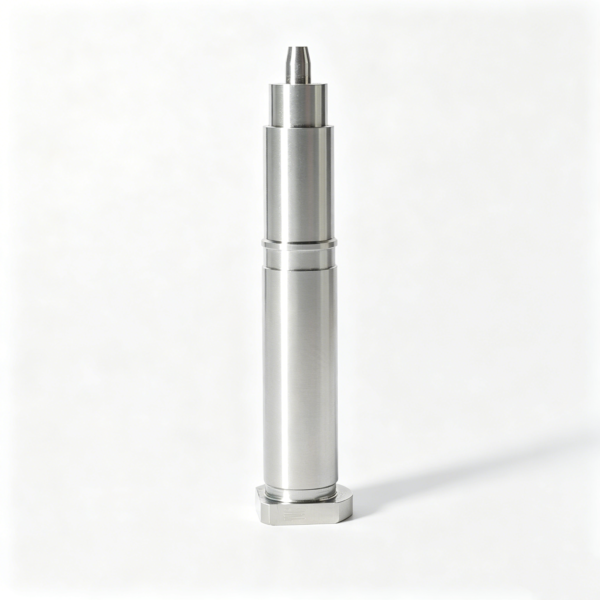
These custom Precision Round Parts are designed for engineers, OEM manufacturers, and machine builders who need consistently accurate cylindrical components for their assemblies. Produced using modern CNC turning, Swiss screw machining, and precision grinding processes, these parts are ideal wherever round geometry, concentricity, and tight tolerances are critical to performance.
Precision parts are widely used in industries such as automotive, aerospace, medical devices, robotics, and electronics because they must fit seamlessly into larger assemblies and operate reliably under demanding conditions.[5][9][14] By combining CAD/CAM workflows with advanced CNC equipment, manufacturers can achieve extremely consistent dimensions, smooth surface finishes, and repeatable quality across both small and large production runs.[5][8][14]
Key Features & Benefits
- Tight dimensional control – Precision round components are produced to strict tolerances so they locate, rotate, and seal accurately in bearings, housings, and mating bores, supporting long-term stability in your assemblies.[5][8]
- Superior surface finish – CNC turning and subsequent grinding or polishing can achieve refined surface roughness suitable for sliding fits, fluid passages, and aesthetic visible parts, helping reduce friction and premature wear.[8][14]
- Versatile materials – Depending on the application, parts can be machined from steels, stainless steels, aluminum, brass, copper alloys, engineering plastics, or other machinable materials, allowing you to balance strength, weight, and corrosion resistance.[5]
- Compatible with complex geometries – Features such as shoulders, grooves, undercuts, knurls, internal bores, chamfers, and threads can be integrated along the round profile, minimizing secondary assembly steps.
- Scalable from prototype to volume – Precision machining workflows support small pilot batches for testing as well as high-volume production, while maintaining consistent quality part to part.[1][8]
- Reliable performance in critical sectors – Precision round components are foundational in high‑performance systems across aerospace, automotive, medical devices, robotics, and electronics where even small deviations can affect function or safety.[3][14]
Specifications & Options
Each project is manufactured to your drawing or 3D CAD model. Instead of fixed catalog dimensions, these Precision Round Parts are configured around your requirements for diameter, length, and functional features. Typical capabilities for precision machining include very tight tolerances and fine surface finishes when required for critical fits or sealing surfaces.[7][8][14]
| Attribute | Description |
|---|---|
| Part type | Custom precision round components (shafts, pins, spacers, bushings, sleeves, inserts, dowels) |
| Manufacturing process | CNC turning, Swiss screw machining, precision grinding, drilling, threading, and deburring as required[1][6][8] |
| Typical tolerance capability | Precision turning and grinding can achieve very tight dimensional tolerances suitable for high‑accuracy assemblies, significantly tighter than conventional turning when required.[1][7][8] |
| Surface finish | Smooth machined or ground finish appropriate for bearing surfaces, sliding fits, and sealing interfaces.[8] |
| Material options | Carbon and alloy steels, stainless steels, aluminum, brass, copper alloys, and selected engineering plastics depending on application demands.[5] |
| Typical industries | Automotive, aerospace, medical devices, robotics, industrial automation, electronics, and instrumentation.[3][5][9][14] |
| Design support | Works from customer drawings or CAD models; manufacturability feedback recommended before volume production.[12][14] |
| Production volumes | Suitable for prototypes, small batches, and high‑volume recurring orders, depending on project requirements.[1][8] |
| Quality assurance | Dimensional inspection against specifications, with additional documentation or traceability available on request. |
Typical Applications & Who These Parts Are For
Because of their round geometry and precision manufacturing, these components can be used anywhere accurate rotation, alignment, or sealing is needed. Precision parts are a core element in numerous industries where consistency and repeatability are non‑negotiable.[3][5][9][14]
Common application areas
- Automotive and transportation – Shafts, pins, bushings, and sleeves in steering systems, gearboxes, braking assemblies, and engine accessories where reliable mechanical motion is vital.[3][15]
- Aerospace and defense – High‑integrity round components inside actuators, control systems, and structural assemblies where tight tolerances and dependable performance are essential.[3][14]
- Medical and laboratory devices – Precision round parts supporting pumps, surgical tools, diagnostic instruments, and other equipment that demands controlled movement and clean finishes.[3][5]
- Robotics and automation – Shafts, couplers, and bearing interfaces in robotic joints, linear modules, and sensor mounts that must maintain alignment under repeated cycles.[3][9][14]
- Electronics and instrumentation – Small round components in connectors, switches, and measurement devices where reliable mechanical interfaces protect sensitive electronics.[3][5]
Ideal customers
- Design engineers seeking dependable round components that will assemble smoothly into new prototypes or redesigned platforms.
- Manufacturing buyers and supply‑chain managers looking for consistent quality and repeatability from batch to batch.
- Machine builders and OEMs who require custom cylindrical parts tailored to their own housings, bearings, and sub‑assemblies.
- Maintenance and MRO teams needing reliable replacement parts for critical equipment and assemblies.
Ordering, Care & Buying Guidance
To specify these Precision Round Parts effectively, clear communication of your functional requirements is essential. Because precision machining works from exact designs, the quality of your drawing or model has a direct impact on the finished component.[12][14]
How to specify your parts
- Prepare a detailed 2D drawing or 3D CAD file that defines diameters, lengths, tolerances, and any special features like threads, cross‑holes, grooves, or chamfers.[12][14]
- Indicate surface finish requirements only where they matter functionally; this keeps machining time and cost under control while maintaining performance.[8][14]
- Specify material, hardness or heat-treatment condition, and any plating or coating if corrosion resistance or wear resistance is important.[5][14]
- Note the expected operating environment (temperature, loads, exposure to fluids) so material and tolerance choices align with real‑world conditions.[5][14]
Handling and maintenance
- Store machined parts in clean, dry packaging to avoid corrosion or surface damage before assembly.
- Avoid dropping or impacting precision surfaces, especially bearing journals or sealing lands, to preserve dimensional accuracy.
- If parts are supplied in steel without protective coatings, consider light oiling or controlled storage to prevent rust.
- Inspect critical dimensions periodically in high‑duty applications, particularly where the part is exposed to abrasion or high loads.
When you choose these Precision Round Parts, you are selecting components engineered to align with precision manufacturing best practices, helping your assemblies run smoothly, quietly, and reliably over their service life.
FAQ
What information do I need to provide to get a quote for Precision Round Parts?
For an accurate quote, you should provide a drawing or CAD model, the desired material, quantity, tolerance requirements, and any special features such as threads or cross‑holes. Including information about surface finish and any heat treatment or coating needs also helps determine the most suitable manufacturing route.
Are these Precision Round Parts compatible with my existing assemblies?
Yes, as long as your dimensions and tolerances match your existing design. These components are made to your specifications, so they can be engineered to fit directly into current housings, bearings, and mating parts. If you are retrofitting or replacing a legacy part, providing a sample or accurate measurements is recommended.
How are the parts packaged and shipped to prevent damage?
Precision components are typically packed in protective inner packaging such as trays, tubes, or separated compartments to prevent metal‑to‑metal contact. Outer cartons and appropriate cushioning are used to safeguard parts during transport. For highly delicate surfaces, additional wraps or caps can be used on critical features.
Can I order small quantities for prototyping before committing to volume production?
Yes, small prototype batches are generally available so you can validate fit, function, and performance before moving to larger orders. Prototyping with the same manufacturing approach used for volume production helps ensure that your test parts behave like the final components.
What tolerances can be achieved on these Precision Round Parts?
Modern CNC turning and grinding processes can achieve very tight tolerances appropriate for high‑precision applications, significantly tighter than conventional machining when required. The practical tolerance range depends on the part geometry, material, and volume, so exact limits are confirmed during the quotation and DFM review stages.
How should I care for and store Precision Round Parts before assembly?
Store parts in a clean, dry area in their original packaging to protect them from dust, moisture, and accidental impact. For carbon steel parts, light oiling or corrosion‑inhibiting packaging is recommended if they will be stored for extended periods before use.
Do you support different material and finish options for one part number?
In many cases, yes. A given design can often be produced in multiple materials or with different finishes, such as stainless steel vs. carbon steel, or plated vs. uncoated. This allows you to tailor performance and cost for different applications while keeping the same basic geometry.
What is the typical lead time for custom Precision Round Parts?
Lead time depends on the complexity of the part, material availability, and order quantity. Simple parts in common materials can often be produced more quickly, while complex components with special processing steps require more time. Lead times are confirmed at the quotation stage so you can plan your production schedule.
Are there any design tips to reduce cost without sacrificing performance?
Designing with standard diameters, avoiding unnecessary extremely tight tolerances, and minimizing complex features that require multiple setups can help reduce cost. Discussing your design with the machining supplier early in the process can reveal opportunities to simplify features while still meeting functional requirements.
Same drawing, predictable results—next batch
Share revision, quantity ramp, and inspection level. We quote process route, ship date, and documentation in one structured response.