
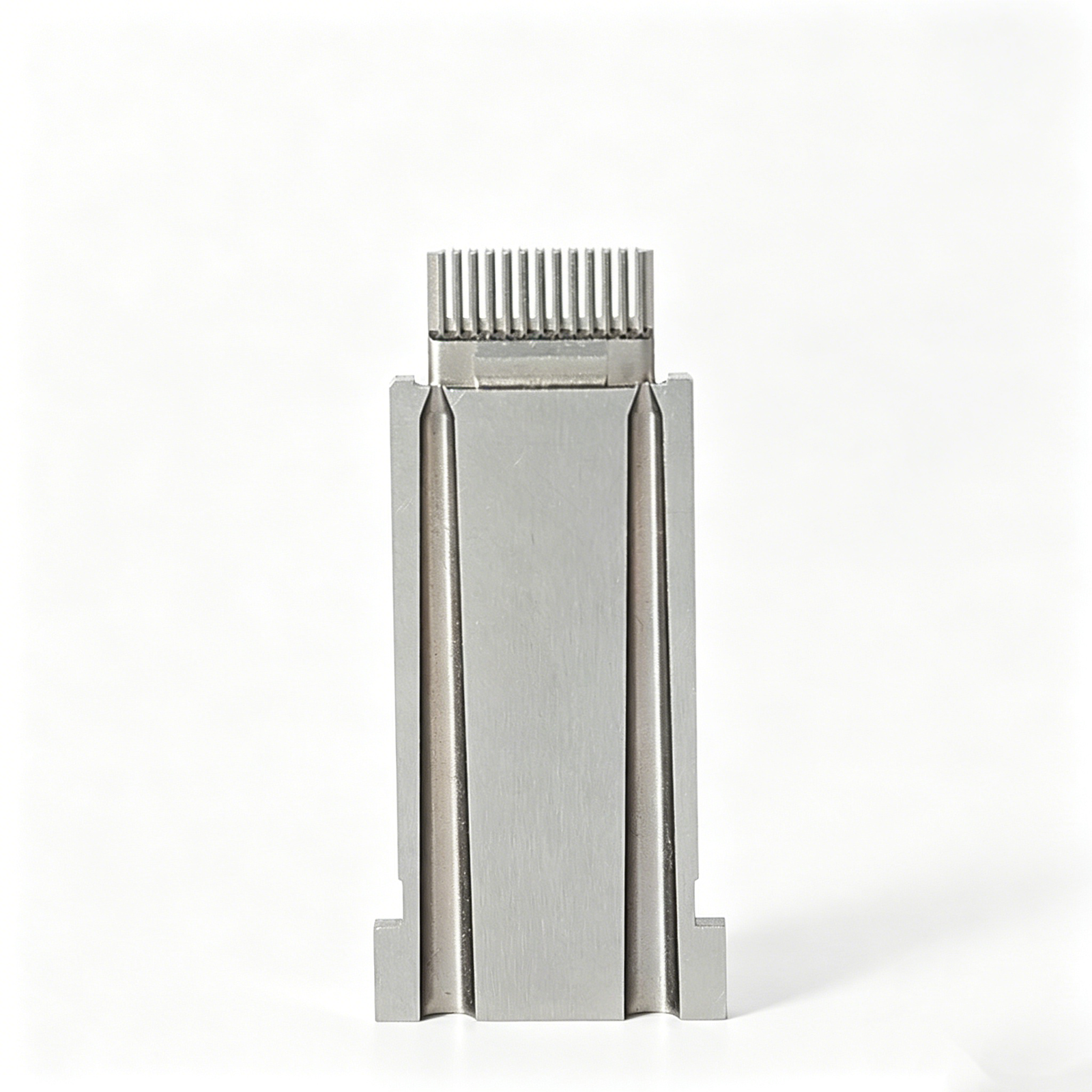
Plastic film parts · Precision mold insert
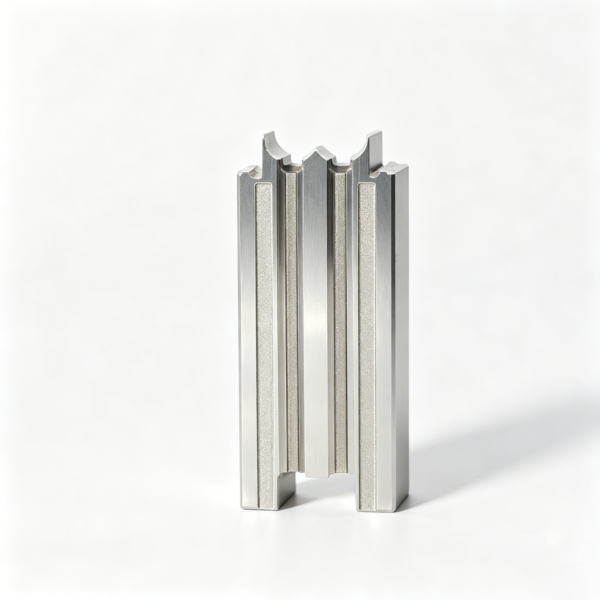
Precision Mold Components for Automotive Connectors – Tight-Tolerance Cores, Sleeves & Ejector Pins
Brand Xuxiang Mold
Availability Made to drawing
RFQ pricing
Quote from STEP / PDF & quantity
Engineer highly reliable connector housings with precision mold components for automotive connectors designed for tight-tolerance injection tooling. Each core, sleeve and ejector pin is crafted to support stable molding of complex connector geometries and thin walls. High-grade tool steels and optimized heat treatment help maintain dimensional integrity over long production runs. These components are ideal for mold refurbishments, new connector programs and high-cavitation tools. Upgrade your connector tooling to reduce flash, stabilize pin positions and keep your presses running with fewer interruptions.
- ISO 9001:2015–oriented process & documented inspection paths
- Zeiss / Nikon class metrology available for critical dimensions
- DFM feedback from 10+ senior tooling engineers
- Dongguan HQ + Quanzhou capacity for volume programs
Precision Mold Components Tailored for Automotive Connector Tooling
Automotive electrical connectors demand exceptional dimensional accuracy, repeatability and durability from the molds that produce them. Precision mold components for automotive connectors are the core building blocks of that tooling: the cores, cavities, sleeves, core pins, ejector pins, lifters and inserts that form each housing, latch and terminal pocket.[1] When these elements are engineered and finished to a high standard, manufacturers can maintain stable connector dimensions, achieve consistent pin-to-hole alignment and support fully automated assembly processes with minimal rework.
This product range focuses specifically on mold components for automotive-grade plastic connectors, where resin flow, thin-wall sections and complex undercuts place heavy demands on each insert and pin.[4] By combining carefully selected tool steels with advanced machining and polishing processes, these components help you produce robust connector housings that meet OEM and Tier 1 quality expectations.
Key Features & Benefits
Designed around the practical challenges of connector tooling, these precision mold components support both new mold builds and retrofit projects.
- Tight-tolerance forming surfaces – Ground and machined to fine tolerances to support precise connector profiles, terminal windows and latch features, helping ensure reliable mating and sealing performance.
- Optimized for engineering plastics – Component geometries are configured for common connector resins such as PBT, PA and other high-performance, glass-filled polymers frequently used in automotive connectors.[11]
- Wear- and corrosion-resistant tooling materials – Components are produced from suitable tool steels and stainless grades chosen for wear resistance and dimensional stability in high-volume injection molding environments.[4]
- Stability in high-cavitation molds – Consistent manufacturing of cores and sleeves helps maintain cavity balance and uniform filling across multi-cavity connector molds, supporting shorter cycle times and fewer dimensional deviations.[9]
- Smooth demolding and reduced sticking – Carefully designed draft, surface finishes and ejector pin configurations enable clean ejection of small, intricate connectors, reducing sticking and part deformation.[4][7]
- Support for complex connector designs – Components can accommodate undercuts, locking features, keying and strain-relief geometries typical of modern automotive connectors, helping toolmakers meet demanding design briefs.[4][9]
Specifications & Configuration Overview
Because automotive connector tools vary widely by platform, cavity count and connector family, these precision mold components are supplied according to your drawing, 3D data or reference samples. The table below summarizes typical attributes and configuration options.
| Attribute | Description |
|---|---|
| Product category | Precision mold components for automotive connectors (cores, cavities, sleeves, core pins, ejectors, inserts) |
| Typical application | Injection molds for automotive electrical connector housings, headers, terminals carriers and related plastic parts[9][11] |
| Material options | Tool steels and stainless grades selected for wear resistance, polishability and dimensional stability (specific grade per project)[4] |
| Component examples | Core and cavity blocks, core pins, sleeves, ejector pins, lifters, guide inserts, sub-inserts for terminal windows[1][2] |
| Manufacturing processes | Precision CNC machining, grinding, EDM and hand-finishing as required for connector geometry and surface quality |
| Tolerance capability | Fine tolerance manufacturing suitable for automotive connector mating dimension requirements (specifics defined by drawing and standards)[6][8] |
| Surface finish | Polished, textured or functional finishes according to resin behavior, venting and cosmetic requirements |
| Mold types supported | Single- and multi-cavity, hot runner and cold runner connector molds for interior, under-hood and powertrain applications[9][11] |
| Customization | Manufactured to customer CAD / 2D drawings, with options for design optimization based on connector application |
| Quality focus | Dimensional control and repeatability to support automated assembly, terminal insertion and electrical testing |
Typical Use Cases & Who These Components Are For
These precision mold components are intended for professionals responsible for high-volume connector tooling and production, particularly in the automotive supply chain.
- Automotive connector mold makers – Tool shops that design and build molds for ECU connectors, sensor plugs, lighting connectors, power distribution modules and similar components benefit from stable, repeatable inserts and pins.[9][10]
- Tier 1 and Tier 2 suppliers – Producers of wire harnesses, junction boxes and module housings rely on connector molds that run consistently; upgrading critical components can reduce downtime and scrap during large production campaigns.[11][15]
- Mold refurbishing & maintenance teams – When existing connector molds show wear in critical pin areas, latch features or seal grooves, replacement precision components extend service life and restore dimensional capability.[4]
- Engineering teams launching new vehicle platforms – New connector designs often require tight timing and ramp-up; using robust, accurately built mold components reduces tuning loops and accelerates sampling and PPAP.
Use cases span from compact multi-pin signal connectors in dashboards to high-current power connectors in engine bays, each with specific dimensional and thermal requirements that these components are built to support.[9][11]
Care, Maintenance & Buying Guidance
To extract maximum value and service life from your precision mold components for automotive connectors, it is important to consider maintenance and purchase planning alongside initial design.
- Regular mold maintenance – Routine cleaning, lubrication and inspection of cores, sleeves and ejectors help prevent resin buildup, corrosion and unexpected wear, preserving connector dimensions over long runs.[4]
- Monitor critical wear areas – Fine features around terminal windows, sealing faces and latch hooks experience high stress during ejection and assembly; scheduling timely component replacement avoids loss of fit or flash generation.
- Align design with molding conditions – When ordering components, share key process information such as resin type, shot size and expected cycle time so that material and surface finish can be matched to your application.[7][11]
- Plan spares for high-volume tools – For 24/7 connector production, maintaining spare cores, pins and sleeves reduces downtime and supports quick replacement during planned maintenance windows.
- Consider future connector revisions – If platforms or connector configurations may change, work with your supplier to design modular inserts that can be updated without fully rebuilding the mold base.
By pairing robust component design with disciplined upkeep, manufacturers can sustain stable connector quality and minimize toolroom interventions, even under demanding automotive production schedules.[4][9]
FAQ
Are these precision mold components compatible with my existing connector mold?
In most cases, components are produced to your supplied drawings or CAD data, so they can be integrated into existing mold bases. When ordering, provide full dimensional information and any mating part details to ensure proper fit and alignment.
Which types of automotive connectors can these components be used for?
They are suitable for a wide range of automotive connectors, including signal and power connectors, sensor plugs, lighting connectors and module housings used in interior, chassis and under-hood environments.
What information do I need to provide when requesting a quotation?
Prepare 2D drawings and/or 3D models, indicate the connector application, resin type, expected production volume and any specific tolerance or surface finish requirements. This helps define the appropriate material and manufacturing route.
How should I maintain these mold components during production?
Follow a preventive maintenance schedule that includes cleaning off resin residues, checking for wear or damage, verifying critical dimensions and lubricating moving components as recommended for your mold and resin.
Can the components handle high-temperature engineering plastics?
Material selection and heat treatment can be matched to resins that run at elevated processing temperatures. Discuss your resin and process temperature range when ordering so the right tooling material can be chosen.
What is the typical lead time for custom connector mold components?
Lead time depends on component complexity and quantity. After reviewing your drawings and requirements, a more accurate timeframe can be provided based on machining and finishing steps required.
Do you offer support for optimizing connector mold design?
Many customers benefit from design-for-manufacture feedback on gate locations, venting and demolding strategies. You can request engineering input to help refine component geometry for better flow and ejection performance.
How are the components packaged and shipped to protect precision surfaces?
Components are typically packed in individual protective sleeves or trays, with corrosion protection where needed, and then boxed for transport to minimize risk of impact or surface damage during shipping.
What happens if a component does not fit as expected?
If a dimensional discrepancy is discovered, contact support with measurement data, photos and relevant drawings. A review can determine whether rework, replacement or design adjustment is the best solution under warranty and return policies.
Can I order spare sets of high-wear pins and inserts?
Yes, it is common to order additional quantities of core pins, sleeves and other wear components. Having spares on hand reduces downtime and supports planned maintenance for high-volume connector production.
Related products
Same drawing, predictable results—next batch
Share revision, quantity ramp, and inspection level. We quote process route, ship date, and documentation in one structured response.