
Plastic film parts · Precision mold insert
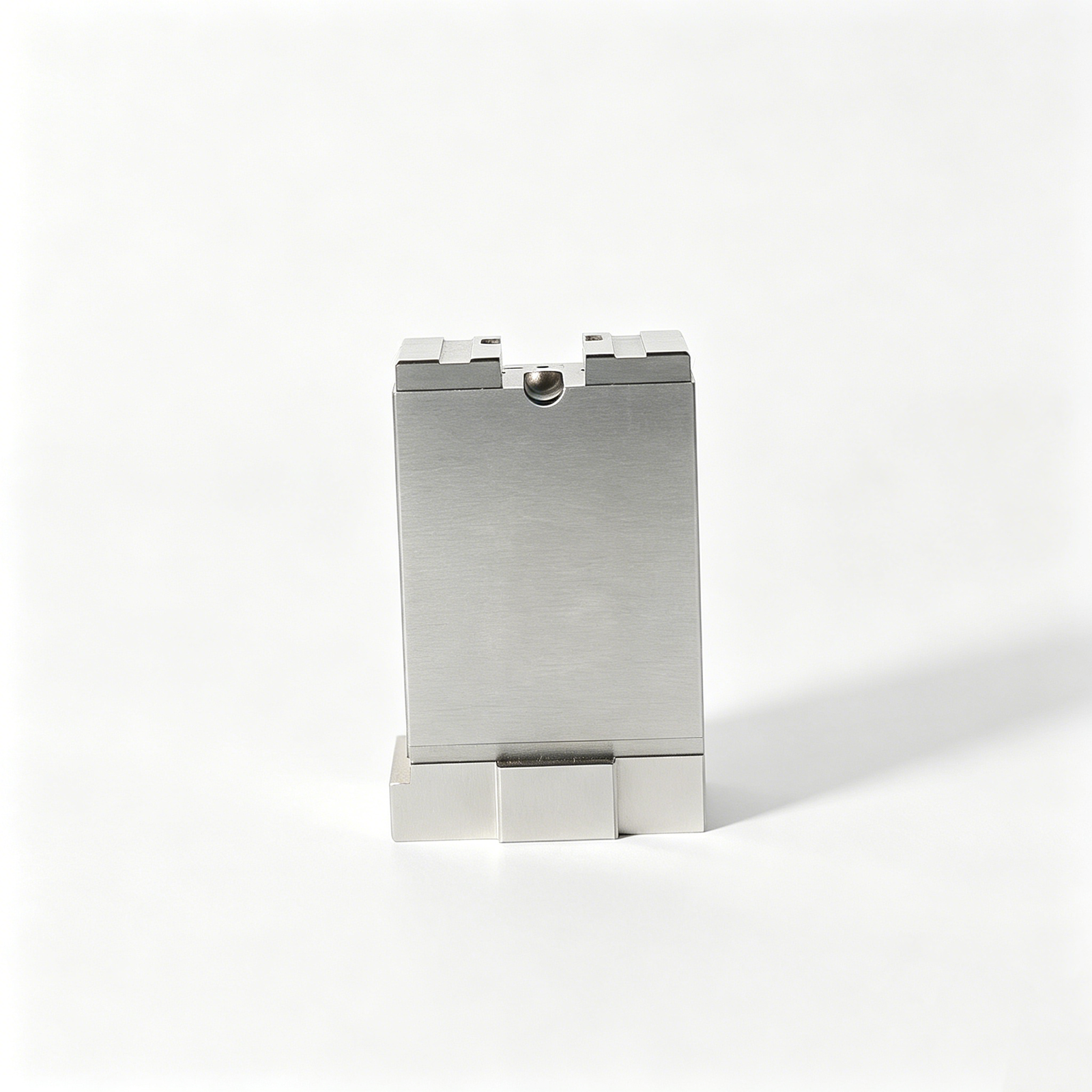
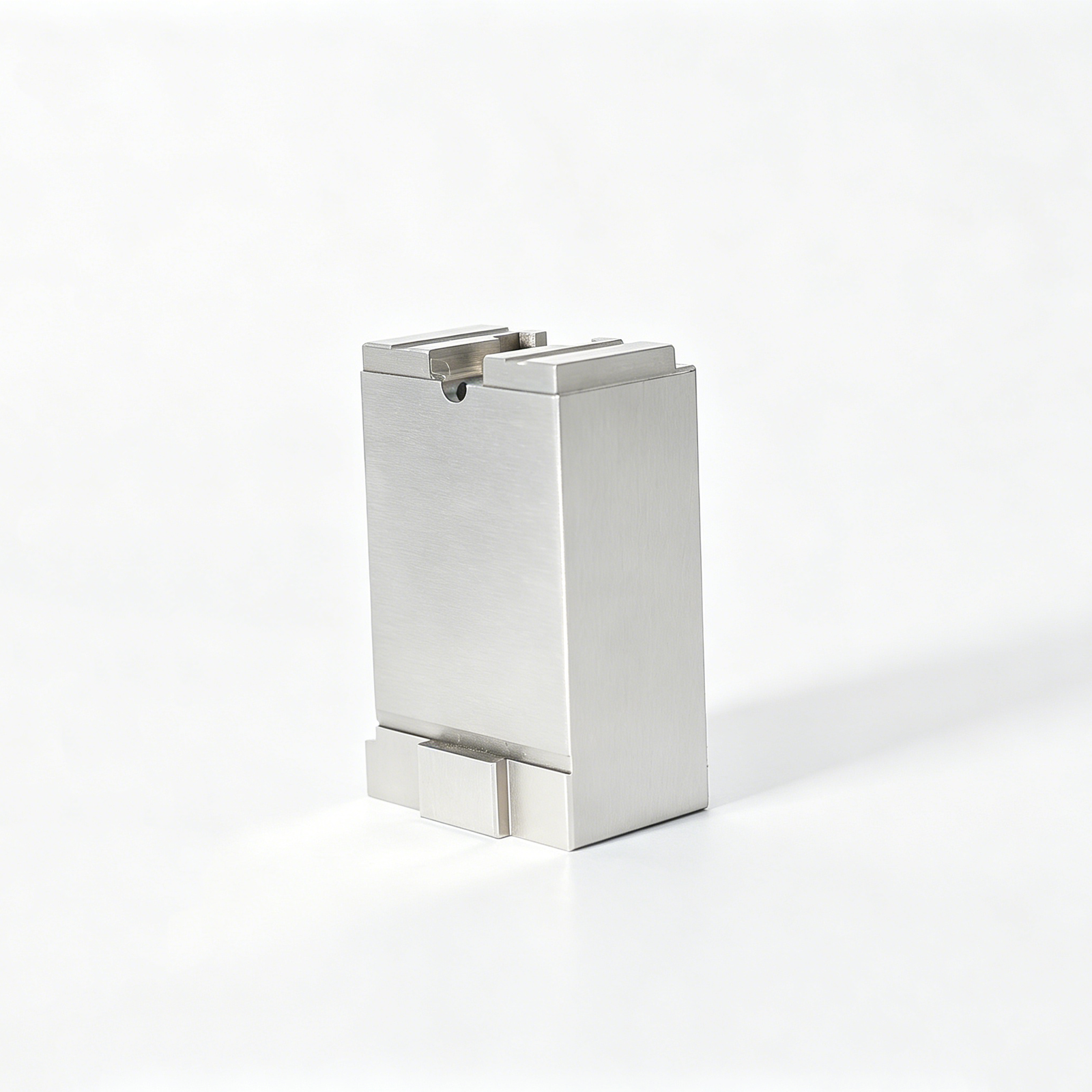
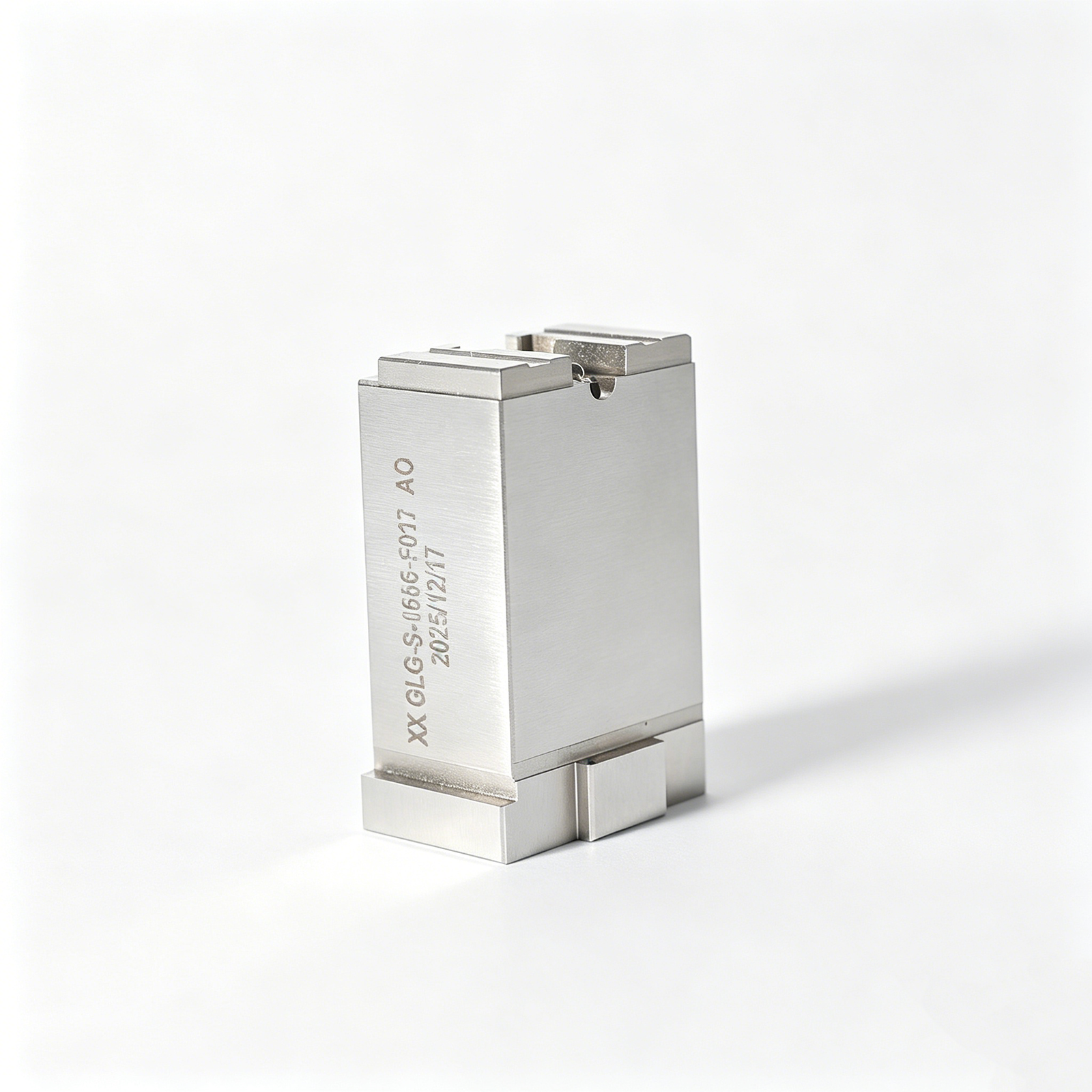
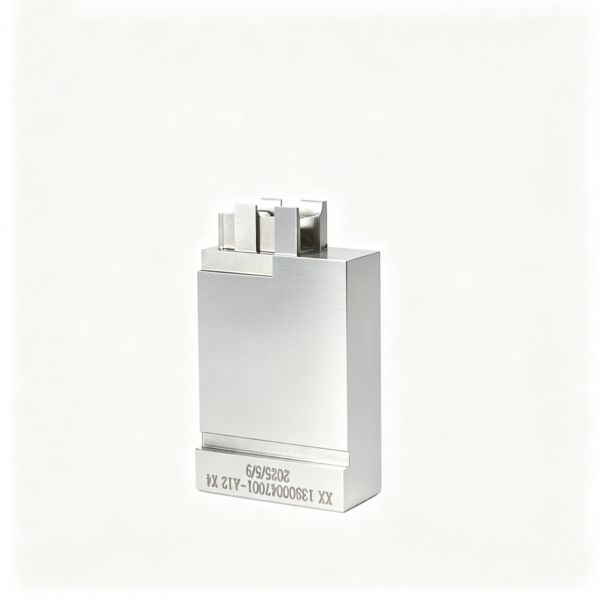
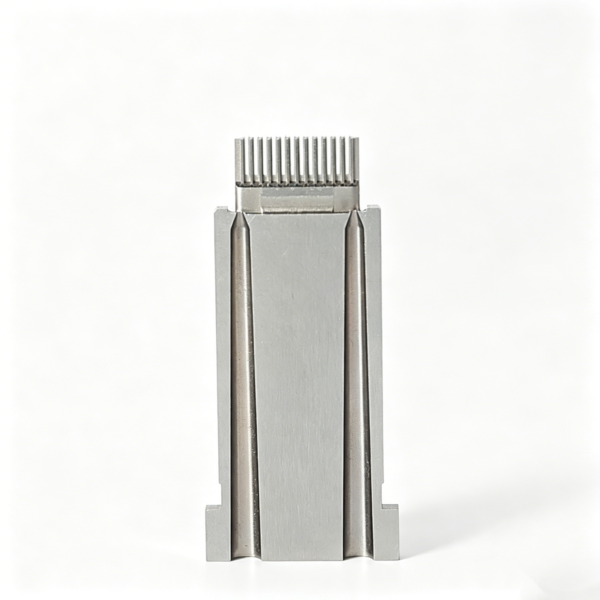
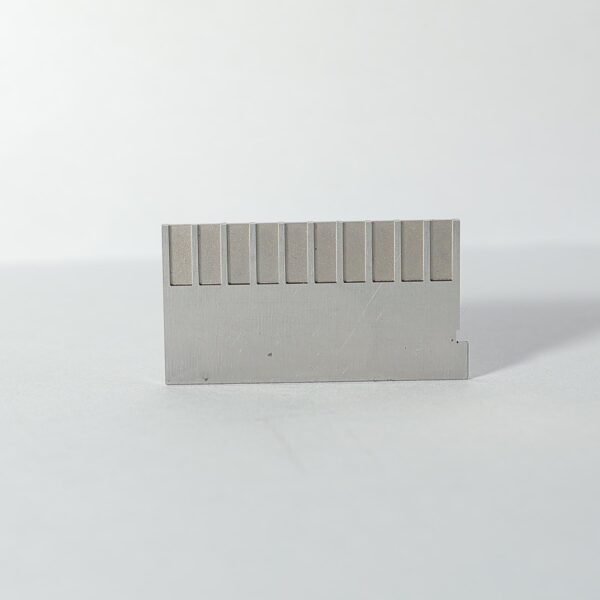
Precision Mold Components for Automotive Connectors – High-Density Cavity & Core Sets
Brand Xuxiang Mold
Availability Made to drawing
RFQ pricing
Quote from STEP / PDF & quantity
Engineer reliable, high-density automotive connectors with precision mold components designed for stable, repeatable production. Each matched core and cavity set supports fine features, thin walls, and complex terminal windows to help you maintain consistent pin pitch and perfect mating geometry. Optimized steel selection and surface finishing minimize wear, reduce flash, and extend tooling life in demanding injection molding environments. From prototype tools to multi-cavity production molds, these components help you shorten setup time and improve first-shot quality. Ideal for OEMs and tier suppliers looking to upgrade connector tooling performance.
(Precision mold components for automotive connectors)
- ISO 9001:2015–oriented process & documented inspection paths
- Zeiss / Nikon class metrology available for critical dimensions
- DFM feedback from 10+ senior tooling engineers
- Dongguan HQ + Quanzhou capacity for volume programs
High-Precision Mold Components Tailored for Automotive Connector Tooling
Automotive electrical connectors demand extremely tight dimensional control, stable insulation performance, and long-term durability in harsh environments. To achieve this, the injection mold behind every connector must use precision mold components for automotive connectors that can reproduce micro features accurately, cycle after cycle.[1][9]
This component set is engineered specifically for OEMs, Tier 1 and Tier 2 suppliers, and specialist tool shops producing plastic housings and inserts for automotive electrical connectors. It focuses on the critical working elements of the mold: cores, cavities, sleeves, ejector pins, and related inserts that define the connector’s locking features, terminal windows, and sealing interfaces.[1][4]
By combining high-quality tool steels, optimized heat treatment, and precision grinding, these components help you maintain strict tolerances on connector dimensions, improve part consistency, and reduce maintenance downtime on your injection tools.[2][6]
Key Features & Benefits
- Connector-specific geometry: Profiles are designed for common automotive connector families, including multi-pin housings, blade-type connectors, and sealed plug bodies, making it easier to integrate into existing mold designs.
- Fine-feature capability: Supports thin walls, narrow slots for terminals, snap-fit latches, and undercut details that are typical in automotive connector housings.[4][7]
- Dimensional stability in production: Tight control of parallelism, concentricity, and surface finish improves filling balance and cooling behavior, reducing warpage and improving mating fit.[4][9]
- Wear-resistant materials: Tool steels and optional surface treatments are selected for resistance to abrasion from glass-filled engineering plastics commonly used in connector bodies.[4]
- Optimized for high-cavitation molds: Consistent dimensions and repeatability across multiple cavities help maintain uniform connector performance across large production batches.[11][15]
- Serviceable construction: Modular inserts and standardized interfaces simplify replacement of high-wear regions without rebuilding the entire mold base.[1][14]
- Support for high-performance plastics: Compatible with typical connector-grade resins used in automotive applications, helping maintain mechanical strength and electrical insulation properties.[7][11]
Specifications & Core Attributes
The following table summarizes typical attributes of these mold components. Exact values and options depend on your mold design, connector series, and production requirements.
| Attribute | Description |
|---|---|
| Main component types | Core pins, cavity inserts, sleeves, ejector pins, lifter inserts, gate inserts designed for automotive connector molds[1][6] |
| Typical application | Plastic housings for automotive electrical connectors, multi-pin blocks, sealed plug bodies, and terminal carriers[1][9] |
| Material options | Mold tool steels and other high-hardness, wear-resistant grades suitable for injection molds operating with engineering plastics[4][13] |
| Surface treatment | Hardened and ground working surfaces, with optional polishing or coating depending on plastic and production volume requirements |
| Tolerance capability | Designed for fine tolerance connector tooling where stable pin pitch, housing thickness, and latch details are required[3][6][8] |
| Connector design compatibility | Suitable for unsealed and sealed connector designs, including parts with complex latching, polarization keys, and cable strain-relief features[4][9] |
| Mold type compatibility | Supports single-cavity, family, and multi-cavity production molds used in automotive plastic injection molding[11][15] |
| Typical molding processes | Conventional injection molding of connector housings, with consideration for balanced filling, cooling, and smooth demolding[4][7] |
| Customization options | Custom dimensions, features, and interfaces based on connector drawings and mold layout from the customer’s tooling team[2][6][12] |
| Quality focus | Emphasis on repeatable production, reduced flash, controlled parting lines, and consistent electrical connector fit[1][9][14] |
Use Cases & Who These Components Are For
These mold components are intended for organizations and teams that manufacture or support automotive connector programs where reliability and dimensional control are critical.
- Automotive connector manufacturers producing high-volume harness connectors, sensor plugs, and module interfaces who need stable, long-life injection molds.[9][11]
- Tier 1 and Tier 2 suppliers integrating custom connectors into modules, lighting systems, power distribution units, or control units.
- Tool and die shops building new connector molds or refurbishing existing tools, looking for high-quality cores, cavities, and inserts tuned to connector applications.[1][14]
- Engineering and R&D teams developing new connector families that require prototype molds capable of fine feature reproduction and quick design iterations.[4][7]
Typical applications include connectors for engine bay environments, in-cabin infotainment systems, lighting harnesses, ADAS sensors, and battery or power electronics interfaces, where dimensional stability and repeatable mating forces are mandatory for safety and performance.[9][11]
Selection, Care & Buying Guidance
Choosing the right mold components for your automotive connector project involves aligning your connector design requirements with the expected production environment and resin selection.[4]
- Define connector performance requirements: Before specifying components, confirm current and future program requirements such as connector geometry, terminal pitch, sealing strategy, and expected lifetime volume.[4][9]
- Coordinate with mold and part design: Ensure core and cavity details match the latest 3D connector models, including draft angles, gate locations, and ejector layouts so that filling and demolding are smooth.[4][7]
- Consider plastic resin and additives: If you are molding with glass-filled or flame-retardant materials, prioritize wear-resistant material and surface options for longer service life.[4][11]
- Plan for maintenance: Implement scheduled inspection and cleaning routines to remove residue, check for wear at high-stress edges, and verify that critical dimensions remain within tolerance.[4]
- Order spare and high-wear inserts: For high-volume production, keep spare cores, gate inserts, and ejector pins available to minimize downtime when wear or accidental damage occurs.[1][14]
With thoughtful selection and proper care, these precision mold components help maintain stable connector quality throughout the full life of your tooling, from start-up to mature series production.
FAQ
Are these mold components compatible with my existing automotive connector molds?
Yes, the components are designed for standard connector mold architectures, but final compatibility depends on your specific mold base and connector design. Provide current drawings or 3D models so dimensions, interfaces, and mounting features can be matched to your existing tooling.[1][4]
What information do I need to provide to specify the correct components?
You should share connector part drawings, 3D CAD data, resin specifications, expected production volume, and any special requirements such as sealing features or high-temperature operation.[4][9]
How are the precision mold components shipped and protected in transit?
Components are typically individually packed or grouped with protective wrapping to avoid impact or surface damage. Corrosion-inhibiting packaging or light rust-preventive coatings are commonly used for tool steel parts during shipping and storage.
Can these components handle high-cavitation, high-speed injection molding?
They are suitable for multi-cavity production tools where balanced filling and robust materials are essential. When used in high-speed molding, appropriate cooling, alignment, and preventive maintenance further enhance durability and dimensional consistency.[4][11]
What types of connector resins are these components designed to work with?
The components are intended for engineering thermoplastics commonly used in automotive connectors, including high-strength and heat-resistant grades. They are compatible with both filled and unfilled materials, provided the proper material and surface treatment options are selected.[7][11]
How should I maintain the mold components to extend their service life?
Regularly clean and inspect working surfaces, check for wear on edges and critical profiles, and ensure proper lubrication of moving elements in the mold. Scheduled maintenance and prompt replacement of worn inserts help preserve part quality and mold uptime.[4]
Do you support custom connector geometries and special features?
Yes. Custom cores, cavities, and inserts can be produced according to your proprietary connector designs, including unique locking systems, polarization keys, and special sealing grooves, based on the geometry provided by your engineering team.[2][6][12]
What is the typical lead time for precision mold components for new connector projects?
Lead time depends on complexity, quantity, and the level of customization required. Prototype-level components can often be produced faster, while multi-cavity production components with complex features will require additional engineering and manufacturing time.
What happens if a mold component wears out or needs replacement?
Worn components such as gate inserts, cores, or ejector pins can be replaced individually without scrapping the entire mold base. It is recommended to keep critical spare components on hand to reduce downtime during connector production.[1][14]
Related products
Same drawing, predictable results—next batch
Share revision, quantity ramp, and inspection level. We quote process route, ship date, and documentation in one structured response.