
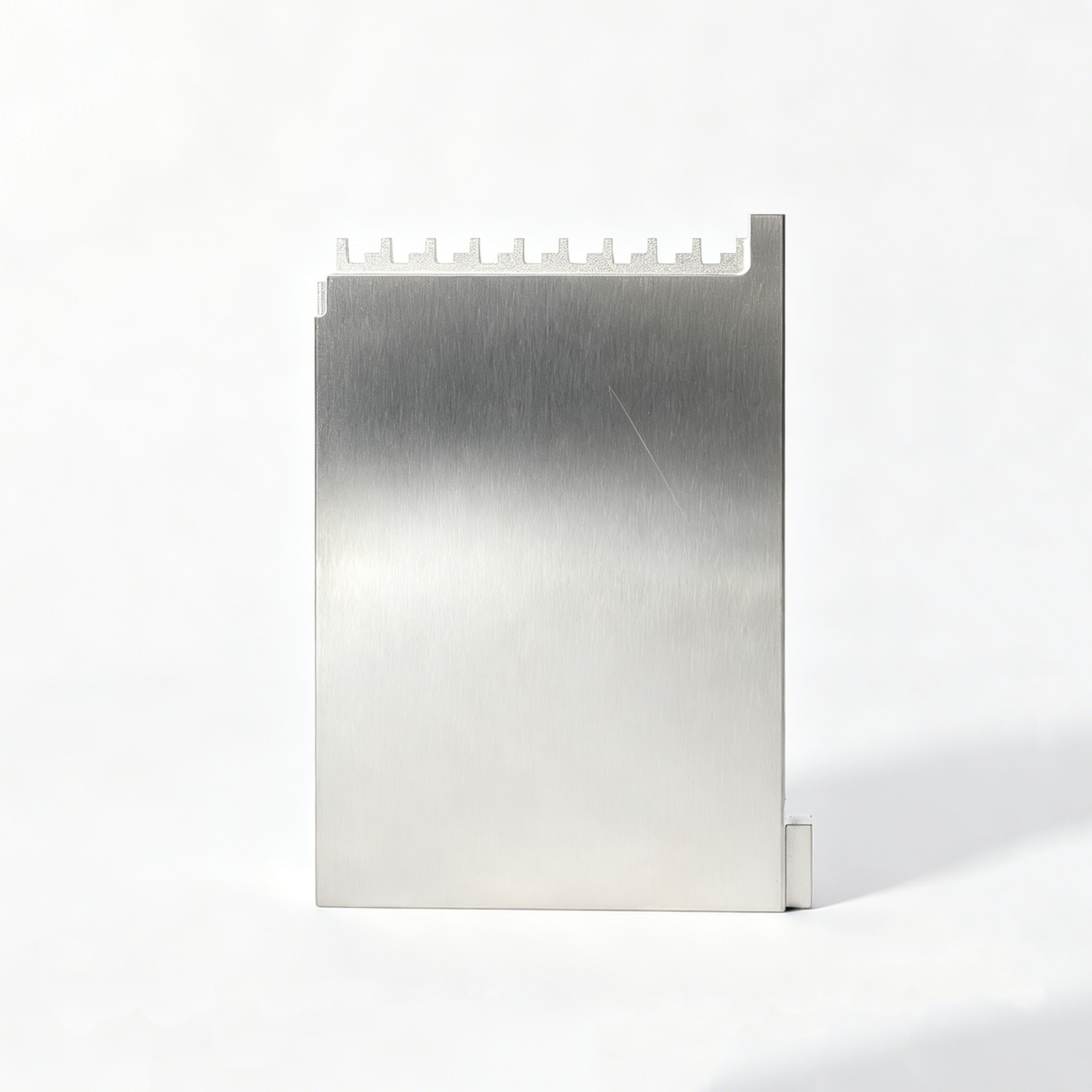
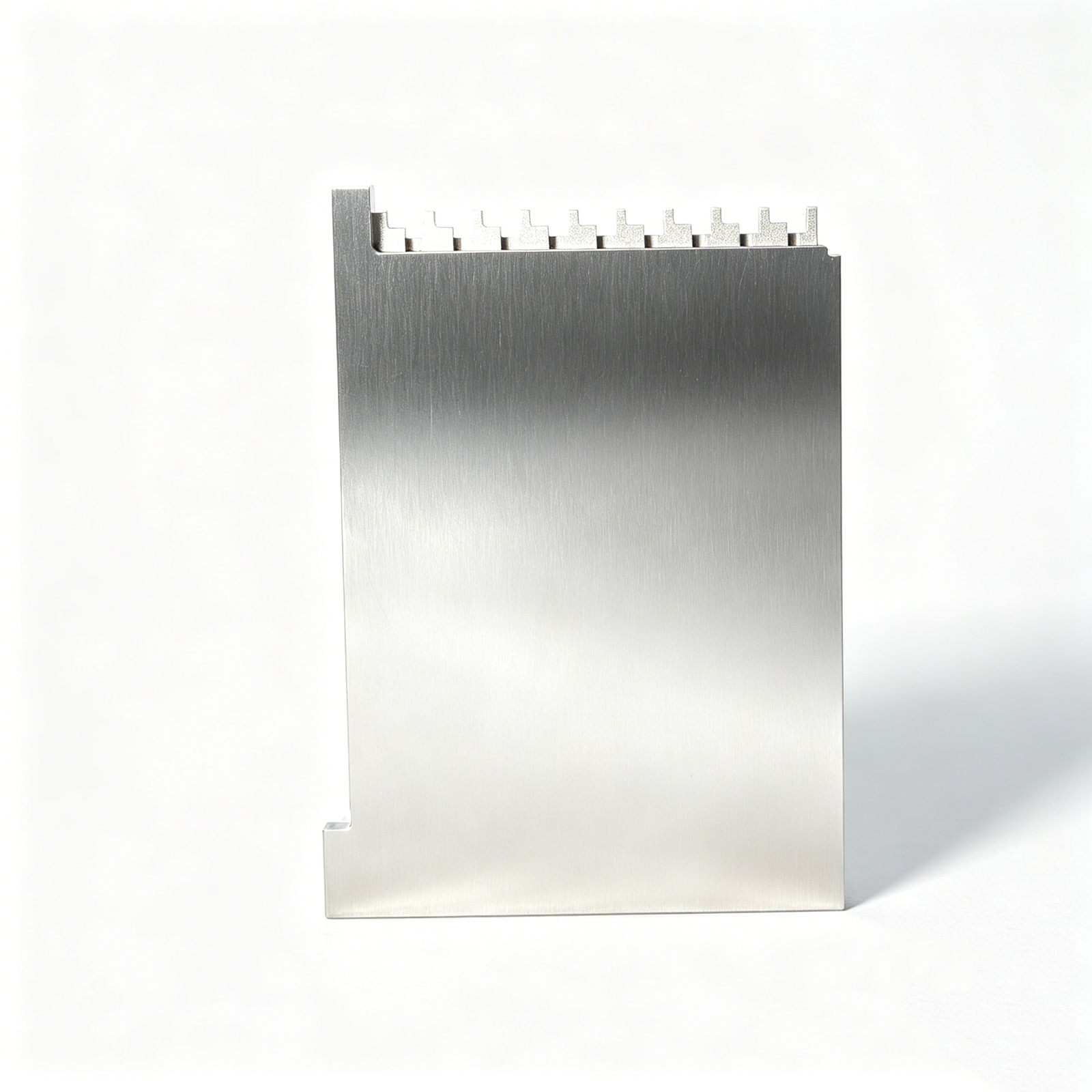
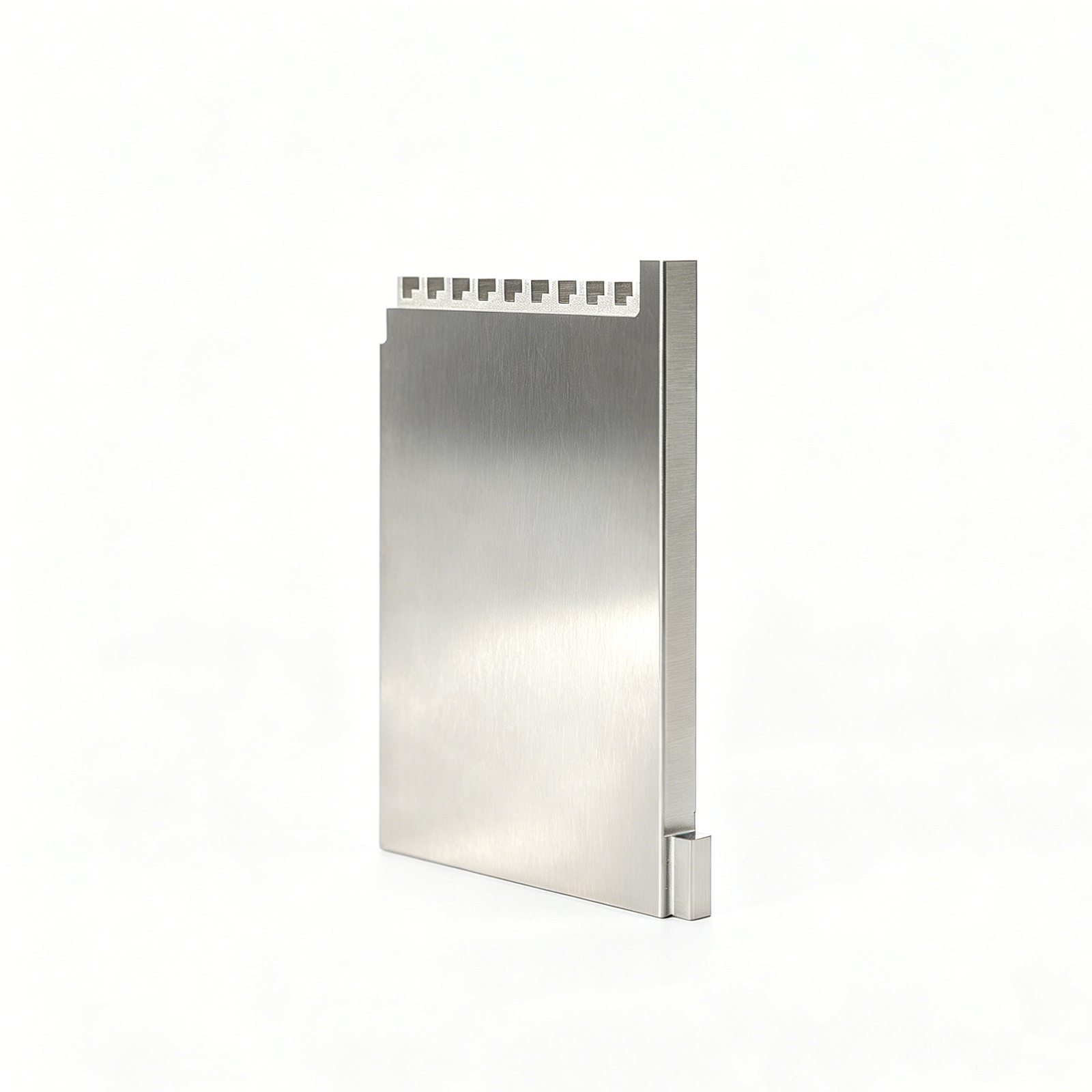
Plastic film parts · Precision mold insert
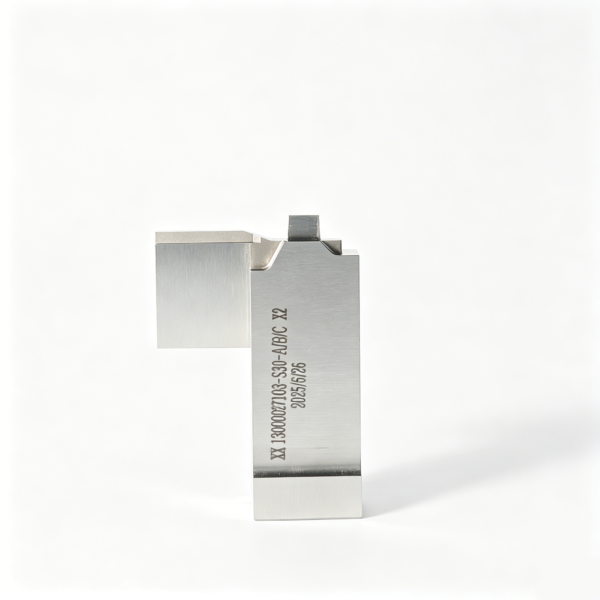
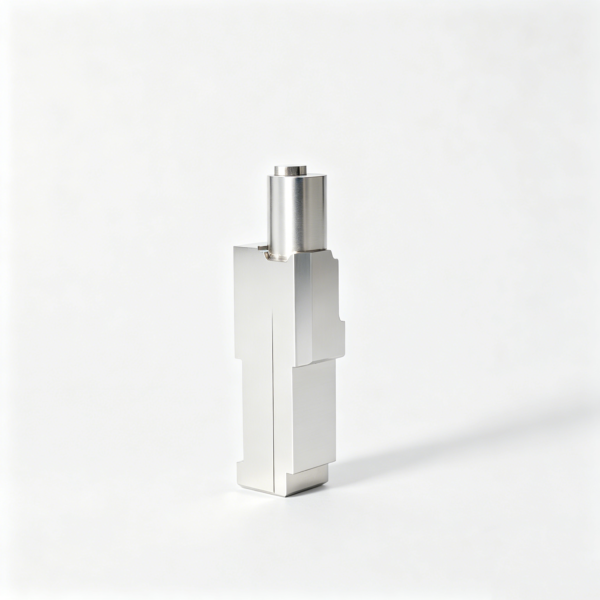
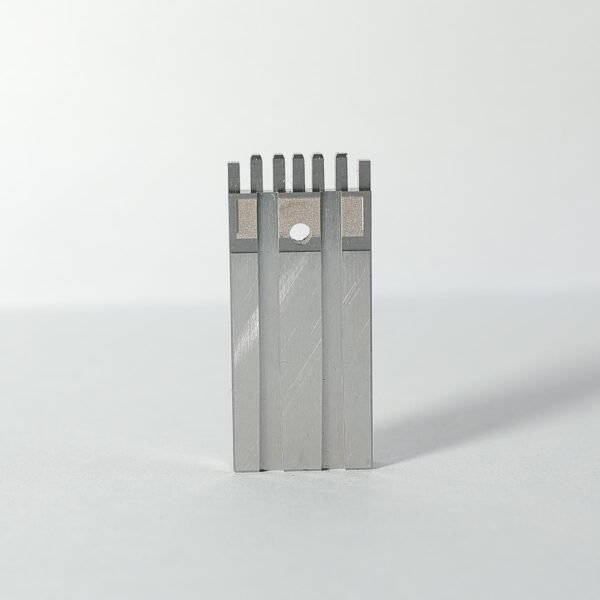
Automotive Connector Precision Tooling Inserts & Core Parts Precision mold components for automotive connectors
Brand Xuxiang Mold
Availability Made to drawing
RFQ pricing
Quote from STEP / PDF & quantity
Build more reliable connector tooling with Precision mold components for automotive connectors engineered for consistent fit and repeatable production. These parts are designed to support demanding automotive connector applications where alignment, wear resistance, and stable molding behavior matter most. Use them to help improve cavity detail, reduce variation, and keep high-volume runs running smoothly. A practical choice for manufacturers who need dependable mold performance without unnecessary complexity.
- ISO 9001:2015–oriented process & documented inspection paths
- Zeiss / Nikon class metrology available for critical dimensions
- DFM feedback from 10+ senior tooling engineers
- Dongguan HQ + Quanzhou capacity for volume programs
Precision components built for automotive connector tooling
Precision mold components for automotive connectors are the working parts inside injection molds that shape electrical connector bodies, internal features, locking details, and mating interfaces. In automotive production, connector geometry must stay consistent because even small deviations can affect assembly, sealing, retention, and electrical performance. That is why mold inserts, cores, cavities, pins, sleeves, and related tooling elements are made with tight attention to detail, surface finish, and durability.
Automotive connector tooling is especially demanding because parts often include thin walls, small clips, undercuts, guide features, and fine electrical-contact geometry. The mold components must support these shapes while also withstanding frequent cycles, heat, and abrasion from production use. In practice, the right precision tooling helps manufacturers maintain part consistency, reduce scrap, and keep production closer to target dimensions over long runs.
These components are commonly used in connector families for wire harnesses, sensor systems, control modules, and other vehicle electrical assemblies. While the exact design depends on the connector platform, the goal is always similar: accurate molding, reliable ejection, and stable repeatability across large volumes.
Why these mold components matter
Connector molds are not just about forming plastic; they are about protecting the integrity of a functional electrical interface. Precision tooling helps control the critical details that affect final performance, including wall uniformity, draft, part release, and dimensional stability. When the mold inserts and cores are well matched to the design, the molding process becomes easier to manage and the finished parts are more likely to assemble correctly downstream.
For automotive programs, that can translate into fewer interruptions during production and a better fit between molded parts and mating components. It also supports more predictable tool life, especially when components are made from wear-resistant tool steels or other suitable engineering materials selected for repeated use. The result is a tooling set that is built for consistency, not just first-shot success.
Key features and production benefits
These mold components are typically developed for close-tolerance machining, reliable surface quality, and compatibility with high-volume injection molding environments. Depending on the application, they may be produced as custom inserts or as matched tooling elements designed to integrate with the larger mold base.
Core advantages include:
- Accurate formation of connector features such as cavities, channels, latching areas, and alignment details.
- Support for stable molding of small, complex automotive plastic parts.
- Improved repeatability across production cycles, helping reduce dimensional drift.
- Better ejection behavior when draft, surface finish, and release design are properly coordinated.
- Tooling flexibility for custom connector geometries, prototype validation, or production-scale programs.
Because automotive connectors often must balance compact size with high functional demand, precision tooling is especially valuable where feature detail is tight and the molded part has to perform reliably after assembly. This makes the tooling itself a critical part of the product quality chain, not just a manufacturing accessory.
Typical attributes and technical considerations
Exact values vary by design, but buyers generally evaluate connector mold parts by dimensional precision, wear resistance, machining quality, and suitability for the intended resin and production volume. A well-planned tool also considers cooling layout, venting, and demolding behavior, since these factors directly influence cycle stability and finished-part quality.
| Attribute | What it means for automotive connector tooling |
|---|---|
| Component type | Core inserts, cavity inserts, pins, sleeves, ejector-related parts, and matched precision elements |
| Application | Injection molds for automotive electrical connectors and related small plastic housings |
| Precision focus | Fine detail control for fit, locking features, mating surfaces, and repeatability |
| Material choice | Commonly selected for wear resistance, stability, and long tool life based on project needs |
| Surface quality | Important for release, appearance, and consistent formation of small connector features |
| Customization | Often made to drawing for specific connector series, mold layouts, and production requirements |
| Production goal | Stable molding, reduced scrap, and dependable long-run performance |
Where they are used
These components are suitable for manufacturers and mold shops producing automotive electrical connectors, terminal housings, sensor connector shells, and other compact plastic parts that require tight interface control. They are also relevant for tooling teams supporting custom connector development, where prototypes and pilot runs must closely reflect final production geometry.
Common buyers include injection mold makers, automotive parts suppliers, contract manufacturers, and tooling engineers who need a dependable way to produce accurate connector components at scale. If your project includes small features, thin structures, or a strict assembly fit, precision insert-based tooling is often the most efficient route to consistent output.
Buying and care guidance
When selecting connector mold components, start with the part drawing, resin type, expected cycle count, and any critical fit or sealing surfaces. These details help determine the right component style, material selection, and machining approach. It is also wise to confirm how the tooling will be maintained, since cleaning, lubrication, and scheduled inspection can significantly extend service life.
For ongoing use, keep components free of buildup, monitor wear on high-contact areas, and inspect alignment surfaces regularly. Early attention to damage or polishing wear can prevent larger issues later in production. If the connector design changes, confirm whether the tooling can be reworked or should be replaced to preserve part accuracy.
FAQ
How are these parts usually shipped?
Shipping methods depend on the supplier and order size, but precision mold parts are typically packed to protect machined surfaces and edges. For custom projects, buyers often confirm packaging, lead time, and inspection documents before dispatch.
Will these components fit any automotive connector mold?
No. Fit depends on the connector design, mold architecture, and drawing requirements. These parts are usually made to match a specific tool or custom specification rather than used as universal replacements.
Can they be used for both prototypes and mass production?
Yes, depending on the design and material selection. Prototype tooling may prioritize fast iteration, while production tooling focuses more on durability, consistency, and long-term wear resistance.
What should I check before ordering?
Confirm the connector drawing, critical dimensions, resin type, cycle requirements, and any surface or release needs. If the part includes fine locking features or tight mating geometry, share those details early to reduce revision risk.
How do I maintain precision mold components?
Clean them regularly, inspect wear-prone areas, and keep moving or contacting surfaces properly maintained. Avoid allowing resin residue or corrosion to build up, as both can affect dimensional accuracy and release quality.
What if the tooling needs adjustments after trial runs?
That depends on the component design and the amount of remaining material for rework. Many connector mold parts can be adjusted, polished, or replaced based on trial results, but the feasibility should be confirmed before production begins.
Are returns or warranty terms standard?
They vary by supplier and whether the part is stock or custom-made. Buyers should ask about inspection approval, remake policy, and warranty coverage before placing an order for precision tooling.
Related products
Same drawing, predictable results—next batch
Share revision, quantity ramp, and inspection level. We quote process route, ship date, and documentation in one structured response.