
Plastic film parts · Precision mold insert
Precision Mold Components for Automotive Connectors – Interchangeable Inserts & Cores
Brand Xuxiang Mold
Availability Made to drawing
RFQ pricing
Quote from STEP / PDF & quantity
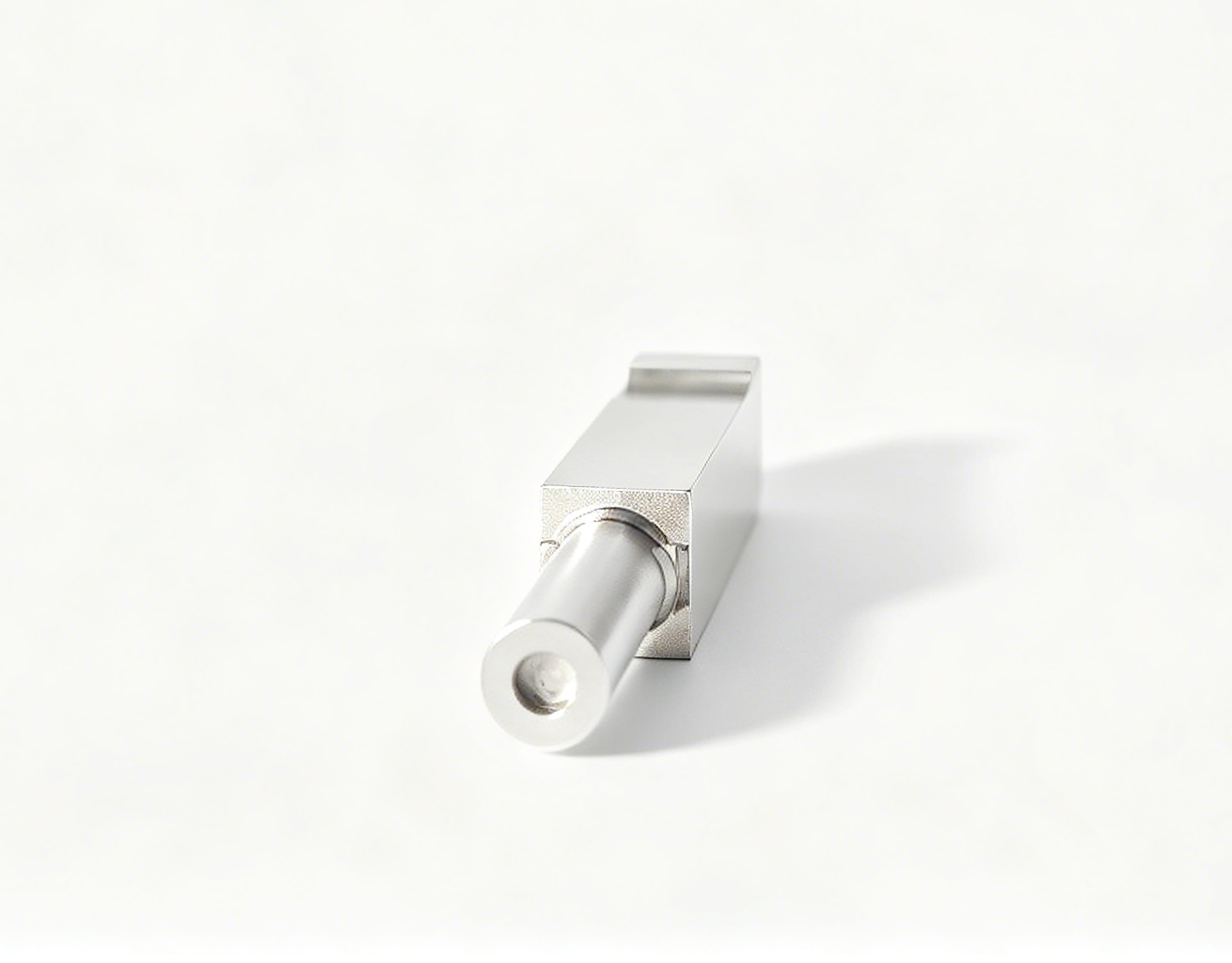
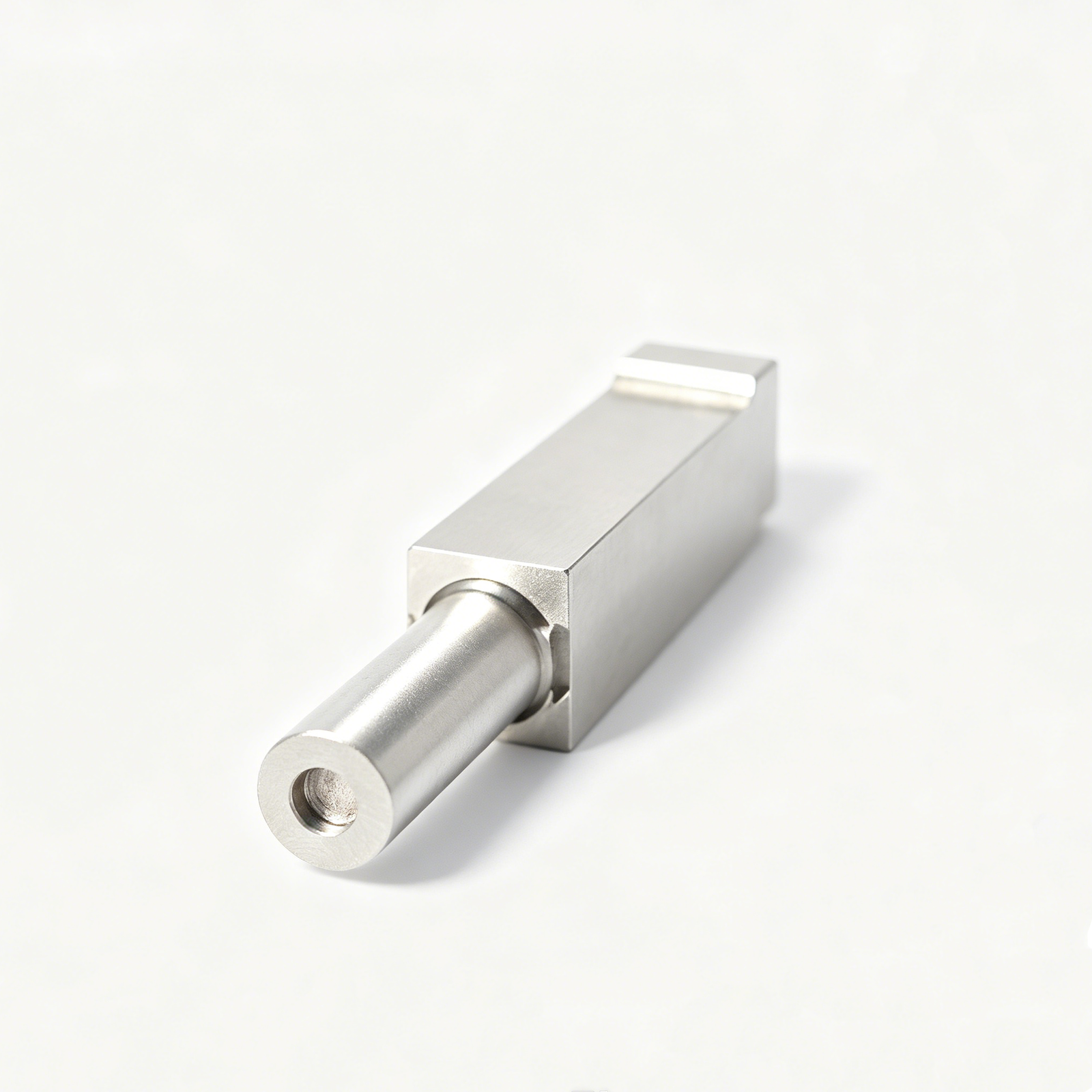
Engineer consistently accurate automotive plugs and terminals with precision mold components designed for complex connector geometries. These interchangeable cores, inserts and sleeves help you maintain tight dimension control across multi-cavity tools while keeping cycle times lean. Optimized materials and surface finishes support stable molding of thin walls, micro-pitch terminals and high-pin-density housings. Ideal for automotive connector programs where repeatability, uptime and long tool life are non‑negotiable. Upgrade existing tools or specify them in new designs to unlock higher yields and smoother production.
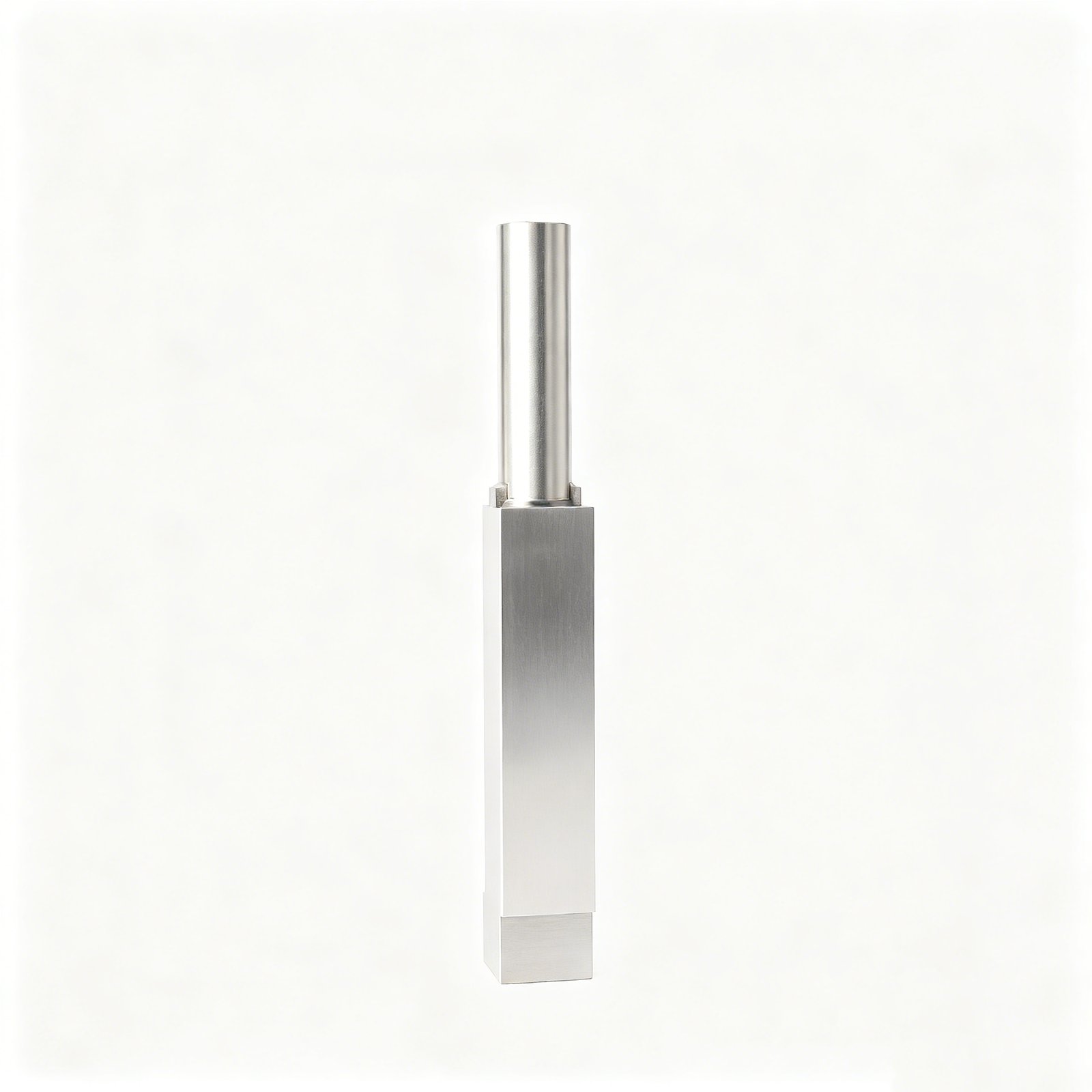
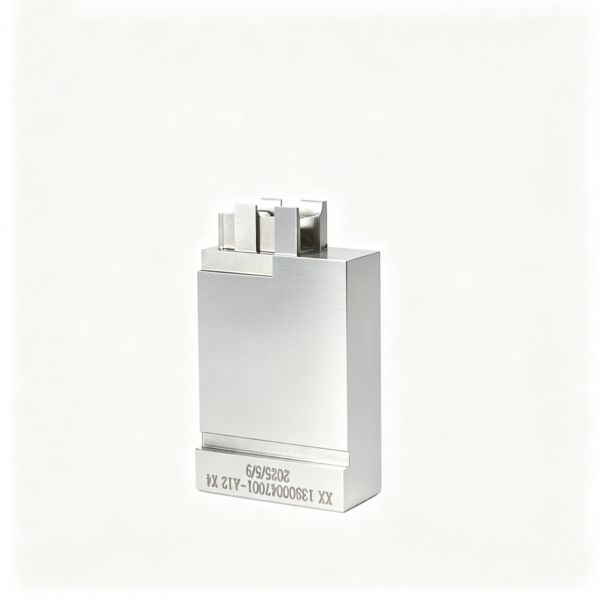
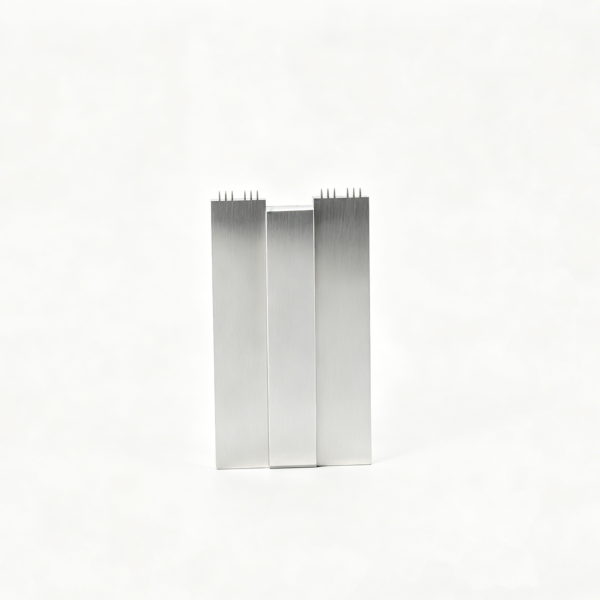
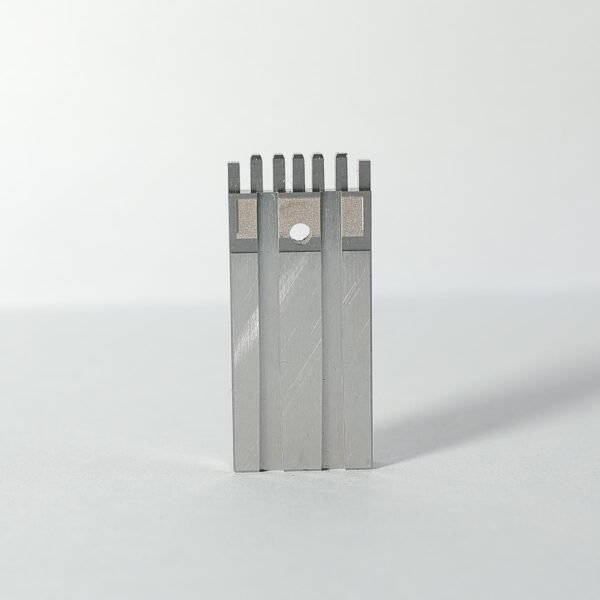
(Precision mold components for automotive connectors)
- ISO 9001:2015–oriented process & documented inspection paths
- Zeiss / Nikon class metrology available for critical dimensions
- DFM feedback from 10+ senior tooling engineers
- Dongguan HQ + Quanzhou capacity for volume programs
Precision Mold Components Tailored for Automotive Connectors
Automotive electrical connectors demand exceptional dimensional accuracy, stable process windows and long-term durability under harsh under-hood and in‑cabin conditions. Our precision mold components for automotive connectors are engineered specifically for connector tools, helping you achieve reliable fit with mating terminals, stable insulation distances and robust latch and keying features across millions of cycles.
Whether you are molding compact in-line connectors, high-pin-count ECU housings or sealed sensor connectors, these components provide the foundation for predictable production. Designed to integrate seamlessly into custom connector molds, they support high-cavitation layouts, fine details and demanding tolerance chains found in modern automotive platforms.
Key Features & Performance Advantages
Every component is developed with the realities of automotive connector projects in mind, from early sampling through SOP and high-volume series production.
- Connector-specific geometry control: Components are optimized for intricate connector features such as terminal pockets, locking windows, sealing ring grooves and polarization ribs, helping you reproduce crisp detail shot after shot.
- Support for tight dimensional tolerances: The design and manufacturing approach supports the stringent dimensional requirements found in many connector housings, where misalignment of even a fraction can impact contact engagement or IP sealing performance.
- Interchangeable inserts and cores: Modular core and cavity inserts allow individual connector cavities or terminal positions to be adjusted or replaced without reworking the entire mold base, reducing downtime and tooling cost when design updates occur.
- Materials chosen for wear and corrosion resistance: Tool steels and surface treatments are selected to handle filled engineering plastics commonly used for automotive connectors, contributing to consistent parting lines and reduced flash formation over time.
- Compatibility with multi-cavity, high-speed tooling: The components are suited for high-cavitation molds operating at short cycles, supporting uniform cooling and ejection to keep cycle consistency tight in serial production.
- Stable ejection and demolding: Carefully designed ejector interfaces and guiding surfaces help release thin-walled connector housings without distortion, supporting better coplanarity and pin alignment during subsequent assembly.
Specifications & Typical Attributes
The table below summarizes common attributes and options for these mold components as used in automotive connector tooling. Exact specifications are customized according to your connector design, selected polymer and press parameters.
| Attribute | Description |
|---|---|
| Component types | Core inserts, cavity inserts, core pins, sleeves, lifter elements, locator blocks for automotive connector molds |
| Typical applications | Plastic housings for ECU connectors, sensor plugs, harness connectors, fuse/relay blocks and terminal carriers |
| Compatible molding processes | Injection molding of engineering plastics used in automotive connector housings |
| Geometry capability | Fine slots for terminals, undercuts for snap latches, sealing features, polarization keys and high-density pitch layouts |
| Surface finish options | Polished, textured or functional finishes selected based on connector requirements and resin choice |
| Cooling considerations | Designed to integrate with mold cooling channels to help maintain uniform cavity temperature across batches |
| Interchangeability | Modular inserts and pins that can be individually replaced or tuned to accommodate design changes |
| Tooling integration | Suitable for new mold builds or retrofitting into existing connector tools during refurbishment |
| Quality documentation | Dimensional inspection reports and traceability available according to project and OEM requirements |
Use Cases & Who This Set Is For
These precision mold components are ideal for teams responsible for delivering reliable automotive connector parts where dimensional stability and electrical integrity are critical.
- Tier 1 and Tier 2 suppliers manufacturing connector housings for OEM wiring harnesses, control units and sensors who need repeatable production over large annual volumes.
- Mold makers and tooling engineers designing new connector molds that must balance high cavitation, compact mold sizes and the need for adjustable insert configurations.
- Process engineers who want to stabilize cycle times, reduce scrap due to flash or short shots and improve first-pass yield without constant manual adjustment or rework.
- Maintenance and tooling service teams upgrading existing connector molds, replacing worn cores or adding additional cavities while maintaining original connector interface dimensions.
Typical deployment scenarios include platform connector families where multiple variants share a common housing architecture. Interchangeable core and cavity inserts make it possible to run different keying options or pin counts on similar tooling, simplifying maintenance and changeover.
Care, Maintenance & Buying Guidance
To achieve long service life and stable output, these mold components should be integrated into a robust maintenance program that reflects the demands of automotive production.
- Routine inspection: Check sealing surfaces, parting lines, terminal-forming areas and pin tips at defined shot intervals. Early detection of wear prevents dimensional drift and flash.
- Cleaning practices: Use appropriate cleaning methods and agents that remove deposits from engineering plastics and additives without damaging surface finishes or coatings.
- Lubrication and protection: Apply compatible mold lubricants sparingly to moving and guiding surfaces, and protect critical features during storage to avoid corrosion or mechanical damage.
- Replacement strategy: Plan for staged replacement of high-wear items such as very fine core pins, ejector pins and small inserts to minimize unscheduled downtime.
When specifying components, consider the connector’s end-use environment, target lifetime and mating cycles, as well as the resin grade chosen. High-temperature or glass-filled materials, for example, will influence the optimal component material and surface treatment. Sharing early connector drawings and tolerance schemes with your tooling partner helps define the most suitable configuration.
By investing in purpose-designed mold components at the outset of a connector program, manufacturers can reduce debug time during PPAP, stabilize process settings, and maintain consistent quality as volumes ramp and new variants are added.
FAQ
Are these precision mold components compatible with my existing connector mold?
In many cases, interchangeable inserts and cores can be adapted to existing automotive connector molds, provided there is sufficient space and alignment features in the current design. Your tooling drawings can be reviewed to determine the best retrofit approach.
What information do I need to provide when ordering for a new connector project?
For new projects, it is helpful to provide connector housing drawings, target resin, expected annual volume, press specifications and any OEM-specific standards. This allows the component configuration to be matched to your performance and durability targets.
How do I know if the components will suit high-pin-density connectors?
These components are designed with fine details and closely spaced terminal cavities in mind. During the quotation stage, pin pitch, wall thickness and required tolerances are reviewed to verify that the proposed design supports your density and layout.
What is the recommended maintenance interval for core and cavity inserts?
Maintenance intervals depend on resin type, cycle time and production volume. As a guideline, regular inspection should be scheduled based on shot counts agreed with your tooling team, with more frequent checks when running abrasive or filled materials.
Can I replace individual core pins or inserts without removing the entire mold?
Yes, the modular design typically allows individual core pins or small inserts to be removed from the parting line side once the mold is safely opened in the press or on a bench, reducing downtime and simplifying targeted repairs.
How are the components packaged and shipped to prevent damage?
Components are usually packed in protective cases or compartments that prevent contact between critical surfaces. Corrosion protection is applied where appropriate, and packaging is selected to withstand typical transportation and handling conditions.
Do these mold components support quick changeovers between connector variants?
Yes, the interchangeable insert concept is particularly useful for connector families with shared housings and differing keying or pin counts. With clear identification and setup procedures, changeovers can be performed efficiently by trained staff.
What is the process if a component shows wear or dimensional drift?
If inspection reveals wear or dimensional change, the affected core, pin or insert can usually be replaced with a new, dimensionally verified component. Keeping spare parts on hand helps maintain production continuity.
Is there any special care required during mold storage?
When molds containing these components are stored, ensure they are clean, dry and protected with appropriate rust inhibitors. Store in a controlled environment where temperature and humidity are managed to maintain surface condition.
Are there options for validating fit and compatibility before full production?
Yes, sample components can be used in prototype or pilot tools, allowing you to validate connector fit, assembly behavior and molding performance before committing to complete serial tooling.
Related products
Same drawing, predictable results—next batch
Share revision, quantity ramp, and inspection level. We quote process route, ship date, and documentation in one structured response.