
Plastic film parts · Precision mold insert
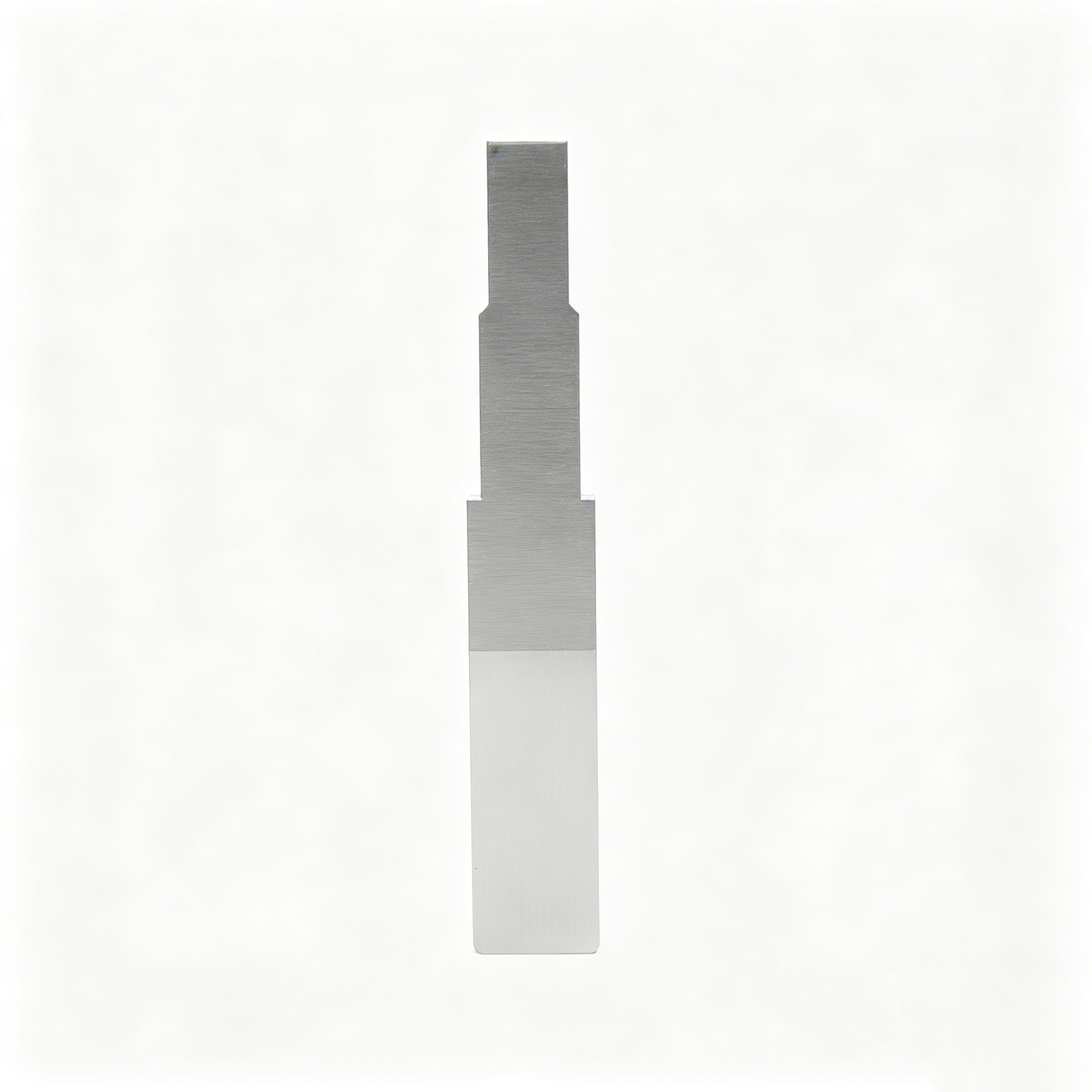
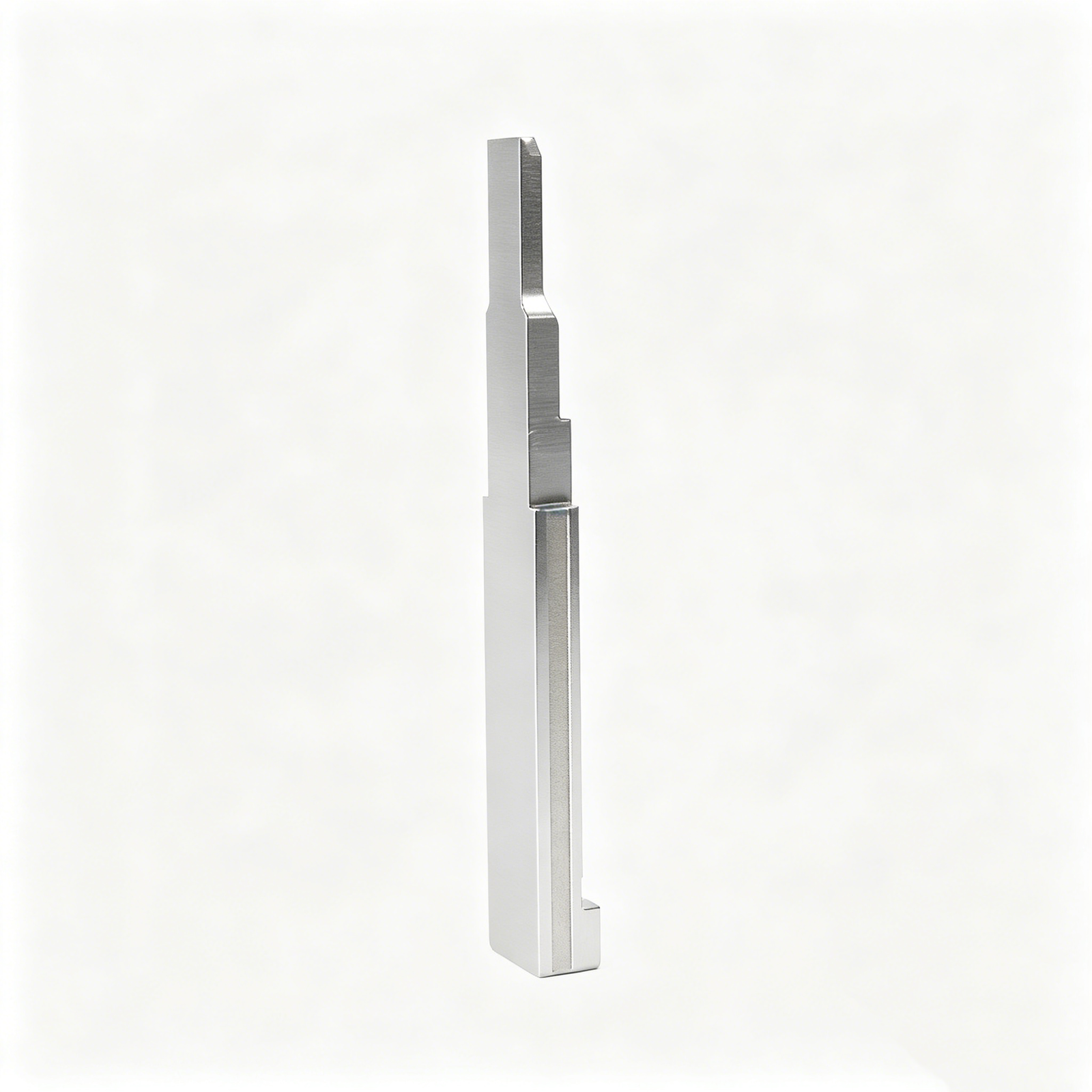
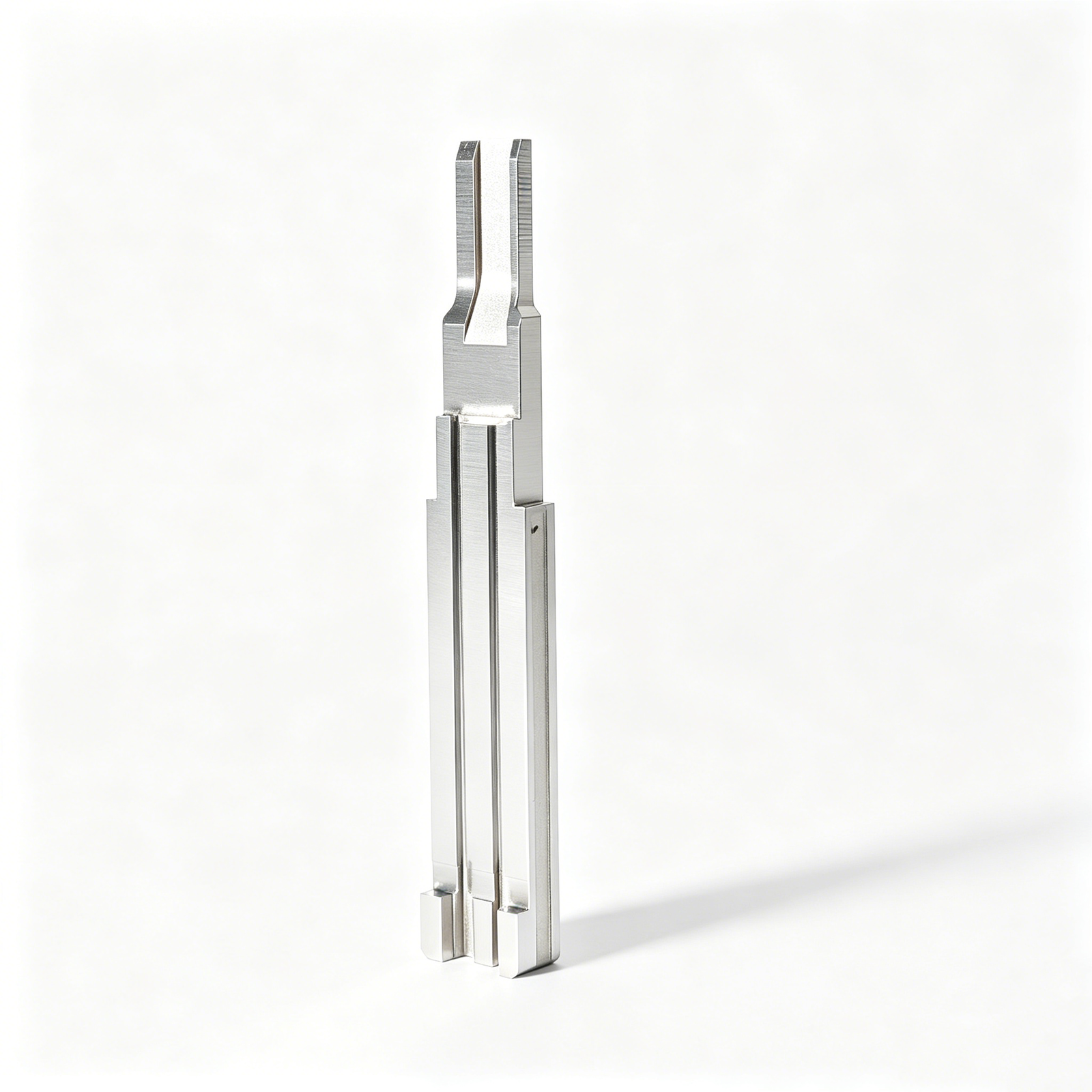
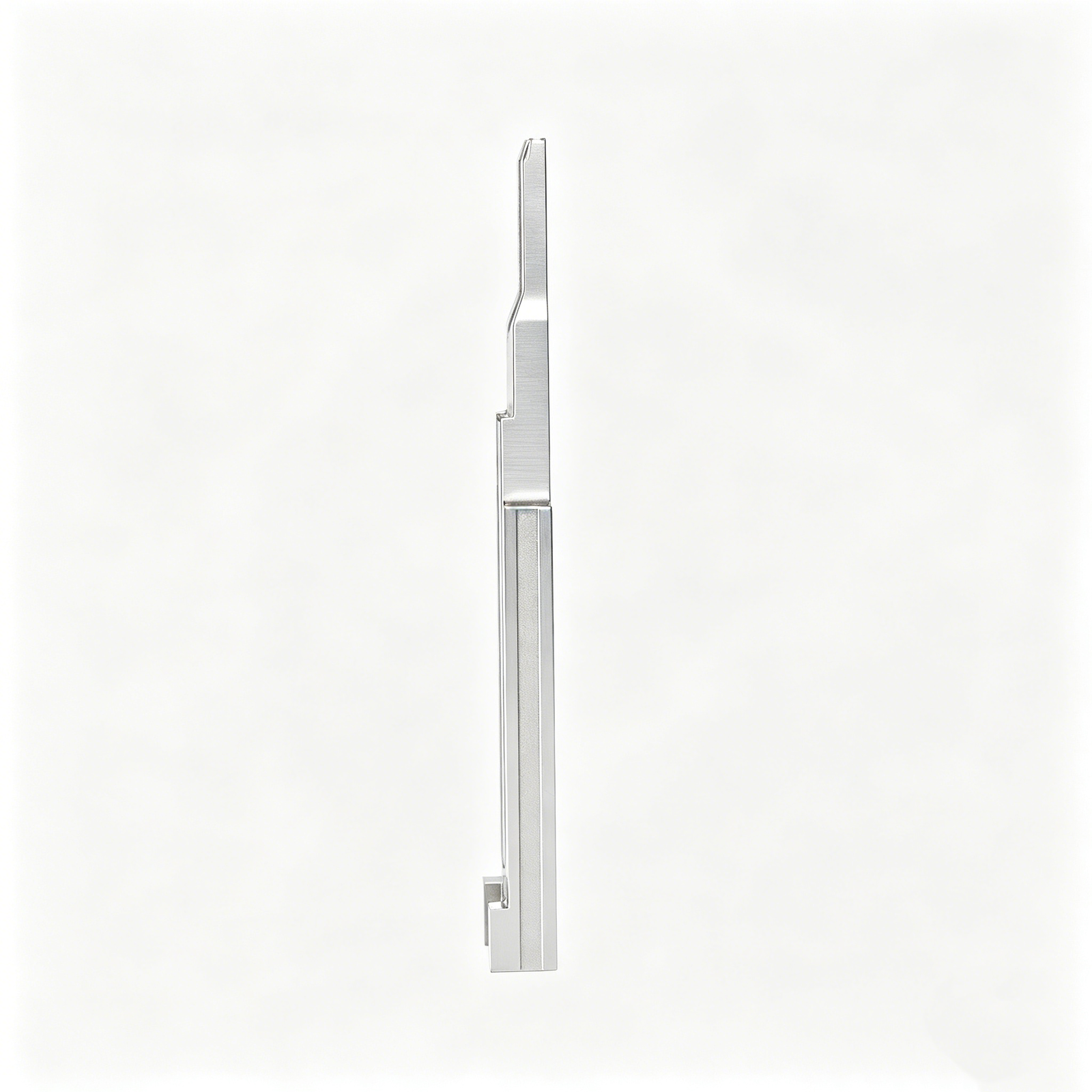
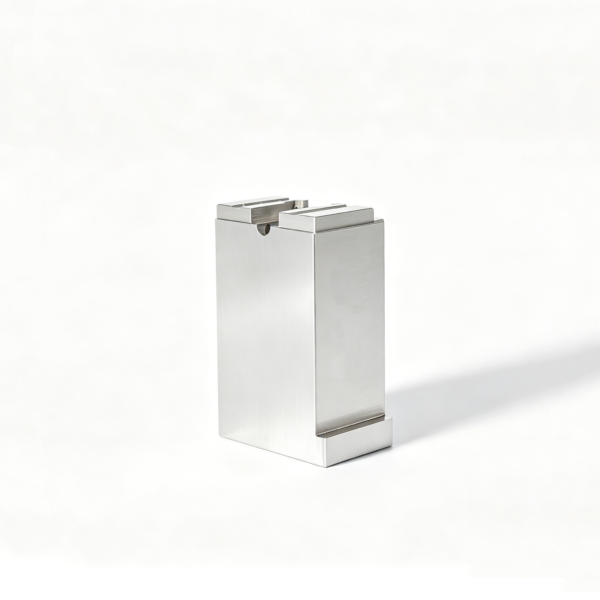
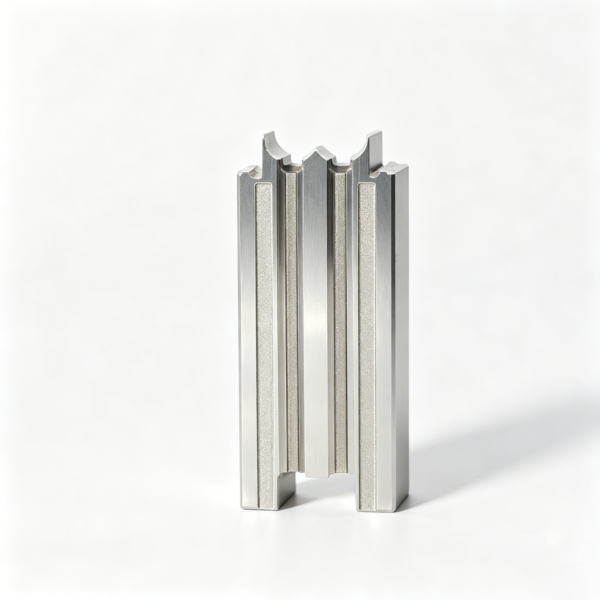
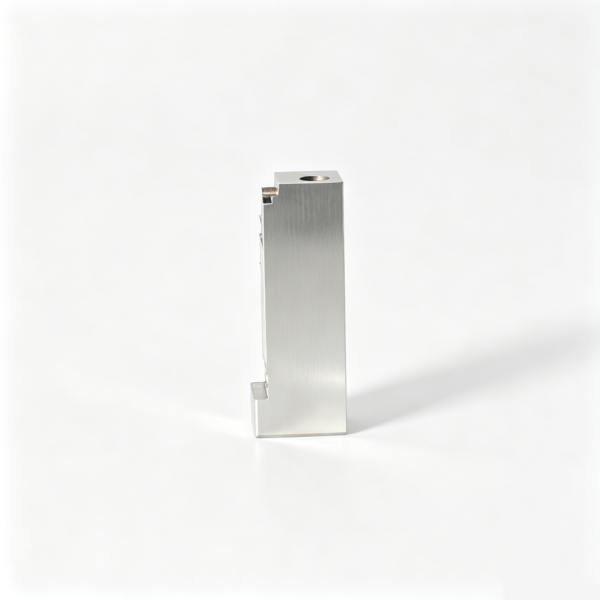
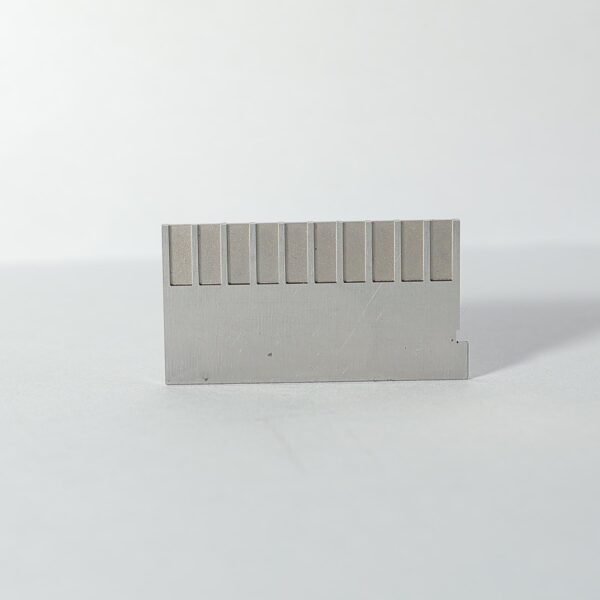
Precision Mold Components for Automotive Connectors – High-Reliability Insert & Core Kit
Brand Xuxiang Mold
Availability Made to drawing
RFQ pricing
Quote from STEP / PDF & quantity
Engineer more consistent connector molding with precision mold components for automotive connectors designed for high reliability in demanding production lines. Each insert, core, and pin is manufactured from wear-resistant tool steel for stable performance across high-cavity, high-cavitation molds. Tight dimensional control helps you maintain secure terminal fit and repeatable shot-to-shot quality. Ideal for OEMs and tier suppliers needing durable tooling for compact, fine-pitch connector designs.
- ISO 9001:2015–oriented process & documented inspection paths
- Zeiss / Nikon class metrology available for critical dimensions
- DFM feedback from 10+ senior tooling engineers
- Dongguan HQ + Quanzhou capacity for volume programs
Precision Mold Components for Automotive Connectors – Built for Reliable, Repeatable Connector Molding
In modern vehicles, electrical connectors must be compact, reliable, and dimensionally consistent to support increasingly dense wiring harnesses and electronic control systems. To achieve this level of precision, the tooling behind each connector housing is critical. This high-reliability insert and core kit is engineered specifically for precision mold components for automotive connectors, helping mold makers, toolrooms, and injection molding plants stabilize quality in demanding production environments.
These components are designed for use in multi-cavity injection molds that produce plastic connector housings, headers, and terminal blocks for passenger cars, commercial vehicles, and EV platforms. By focusing on precision fit, material stability, and robust surface treatments, the kit supports long production runs while maintaining alignment, cavity definition, and consistent part dimensions.
Key Features & Benefits
This kit is tailored for automotive-grade connector molds, where precise alignment and tight tolerances are essential to ensure proper mating with terminals and harness assemblies.
- Automotive-grade precision: Cores, inserts, sleeves, and pins are produced for fine features found in blade, pin, and multi-way connectors, supporting consistent wall thickness and snap-fit details.
- Wear-resistant tool steel construction: Components are typically made from hardened tool steels or stainless tool steels selected for high wear resistance and good dimensional stability under repeated thermal cycling.
- Stable dimensions for fine-pitch designs: Support narrow pin spacing and thin walls so that the molded connector housings align reliably with terminals, seals, and secondary locks.
- Optimized for high-cycle production: Surface treatments and polishing help reduce friction during demolding, minimizing galling and extending maintenance intervals.
- Compatible with common connector resins: Suitable for engineering plastics often used in automotive connectors, such as PA6/PA66, PBT, and other high-performance, glass-filled materials, depending on overall mold design.
- Supports complex connector geometries: Feature definition for latching mechanisms, polarization keys, and strain-relief features, so molded parts fit accurately in vehicle harness assemblies.
Key Attributes & Specification Overview
The following table summarizes typical attributes of this style of mold component kit. Actual dimensions and material details can be adapted to your connector program and mold design requirements.
| Attribute | Detail |
|---|---|
| Product Type | Precision mold components kit for automotive connector molds (cores, inserts, sleeves, pins, related elements) |
| Typical Application | Injection molds for automotive electrical connector housings, headers, terminal blocks, and plug/socket bodies |
| Common Materials | Wear-resistant tool steels or stainless tool steels suitable for high-cycle injection molding |
| Surface Finish | Precision ground and polished functional surfaces to support clean release and dimensional accuracy |
| Tolerance Capability | Fine tolerance capability appropriate for tight-fitting connector features; final values determined by project requirements |
| Connector Types Supported | Automotive signal and power connectors, ECU headers, sensor connectors, and multi-pole harness connectors |
| Mold Compatibility | Customizable for single-cavity to multi-cavity, high-cavitation connector molds with standard or custom bases |
| Processing Environment | Designed for use in automotive-grade plastic injection molding with controlled temperature and process settings |
| Customization Options | Adaptable geometries, lengths, and interfaces to align with your specific connector design and mold layout |
Use Cases & Who This Kit Is For
These precision components are suitable for a wide range of professionals and plants involved in automotive connector production.
- Automotive connector manufacturers: Maintain tight dimensional control across large production batches of housings and headers for vehicle wiring harnesses and power distribution units.
- Tier 1 and Tier 2 automotive suppliers: Support in-house connector molding or localized production runs where downtime and dimensional variation must be minimized.
- Injection mold makers and toolrooms: Use reliable inserts and cores as the foundation for new connector mold projects, validations, and engineering changes.
- EV and electronics module builders: Produce connectors for battery systems, inverters, and electronic control units, where precision mating and insulation integrity are critical.
- Maintenance and retrofit programs: Replace worn core pins, inserts, and sleeves to restore legacy connector tools back to targeted dimensional behavior and surface finish.
Whether the goal is to increase cavitation, extend mold life, or stabilize tolerance performance on thin-wall connectors, this kit gives you a consistent baseline of precision components optimized for automotive connector geometries.
Selection, Care & Buying Guidance
Choosing the right precision mold components for an automotive connector application involves more than matching dimensions. It requires an understanding of materials, expected shot counts, and the connector’s end-use environment.
- Match components to connector design: Review your connector CAD data and mold layout to determine where standard geometries can be used and where highly customized cores or inserts are needed.
- Consider resin and additives: For glass-filled or flame-retardant materials, focus on higher wear resistance and stable surface finishes in high-shear regions such as gate and flow-front zones.
- Plan for maintenance access: When selecting insert styles and interfaces, account for future polish, regrind, or replacement without extensive disassembly of the entire tool.
- Check compatibility with existing molds: Verify shank diameters, seating surfaces, and alignment features so components integrate smoothly into your current mold base and guidance system.
- Implement preventive maintenance: Schedule regular inspection and cleaning of cores, inserts, and pins to remove residue and prevent corrosion, extending tool life and keeping cavity geometry consistent.
By taking a system-level view—combining accurately machined components with good mold design practices, controlled processing, and structured maintenance—you can significantly improve the reliability and yield of automotive connector molding programs.
FAQ
Are these mold components compatible with my existing automotive connector molds?
The components are intended to be integrated into standard and custom connector molds, but exact compatibility depends on your mold base, cavity layout, and guidance system. Reviewing dimensions, seating surfaces, and interfaces against your tool drawings is recommended before ordering or installing.
What types of automotive connectors can these components be used for?
They are suitable for many connector styles used in vehicles, including signal and power connectors, ECU headers, sensor connectors, and multi-pole harness interfaces. The geometry can be customized to match specific OEM connector platforms and pin counts.
How should I choose the right components for glass-filled engineering plastics?
For abrasive, glass-filled resins, prioritize components made from higher wear-resistant tool steels with robust surface finishes. This helps reduce erosion and dimension drift in high-shear regions, especially around gates and thin-wall connector features.
Do these components affect molding cycle time?
While cycle time is primarily driven by part design and cooling efficiency, well-finished cores and inserts can support smoother demolding and more stable process windows. This often allows you to maintain or slightly improve cycle time while achieving more consistent connector dimensions.
How often should the mold components be inspected and serviced?
Inspection frequency depends on production volume, resin type, and part complexity. In high-volume automotive connector programs, a regular schedule that includes cleaning, visual inspection, and verification of critical dimensions helps prevent unexpected wear-related quality issues.
What is the recommended way to clean and maintain the components?
Use non-abrasive cleaning agents and soft brushes or cloths to remove resin buildup and deposits. Avoid aggressive grinding or polishing that could alter critical dimensions, and ensure components are properly dried and protected against corrosion after maintenance.
Can I order customized geometries or special lengths?
Yes, these kits are generally offered with customization options for geometry, length, and interface details. Sharing 2D drawings or 3D models of your connector cavities and mold layout will help configure components to your exact requirements.
What happens if a core pin or insert wears out during production?
When wear is detected, the affected component can typically be replaced individually rather than rebuilding the entire tool. Planning for replaceable inserts and standardized interfaces makes changeover faster and allows production to resume with minimal downtime.
Is there any warranty or return policy on these mold components?
Warranty and returns are typically based on manufacturing quality and conformity to agreed drawings or specifications. It is advisable to confirm terms when ordering, including coverage for dimensional accuracy and material defects.
How are the components packaged and shipped to prevent damage?
Precision components are usually packed in protective trays or individual sleeves to prevent impact damage and surface scratches. Secure outer packaging and appropriate labeling help ensure safe transport and easy identification upon arrival at your toolroom or molding facility.
Related products
Same drawing, predictable results—next batch
Share revision, quantity ramp, and inspection level. We quote process route, ship date, and documentation in one structured response.