
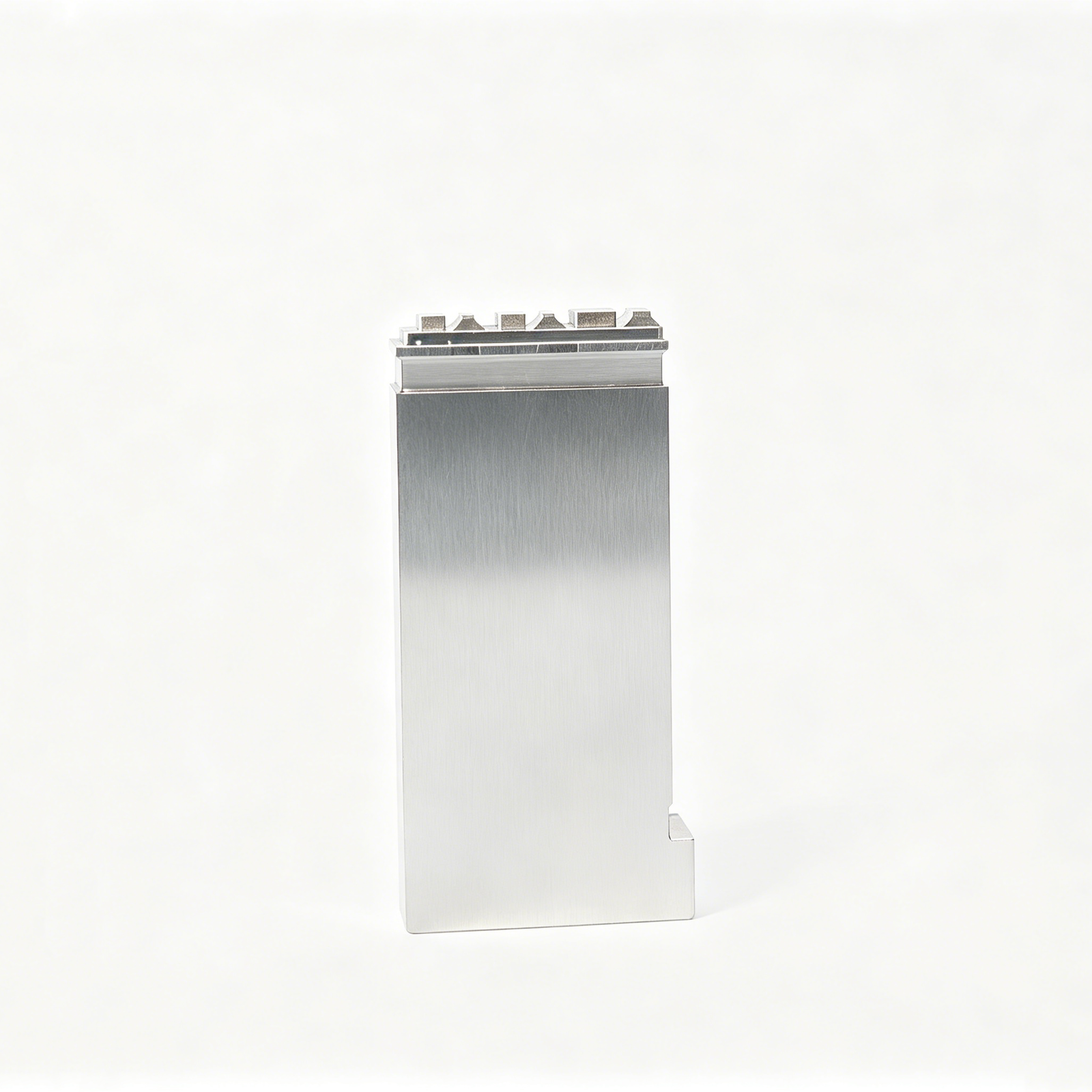
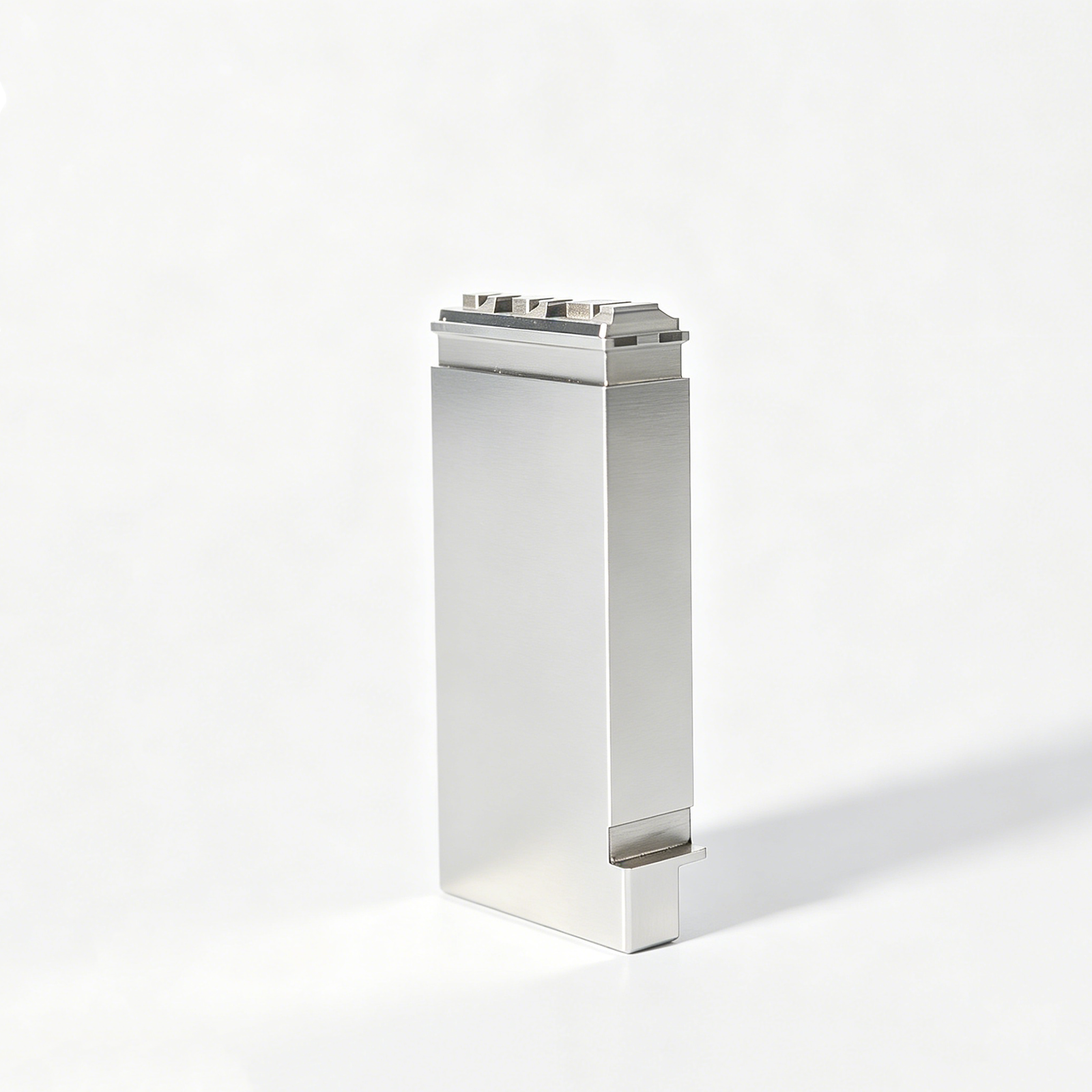
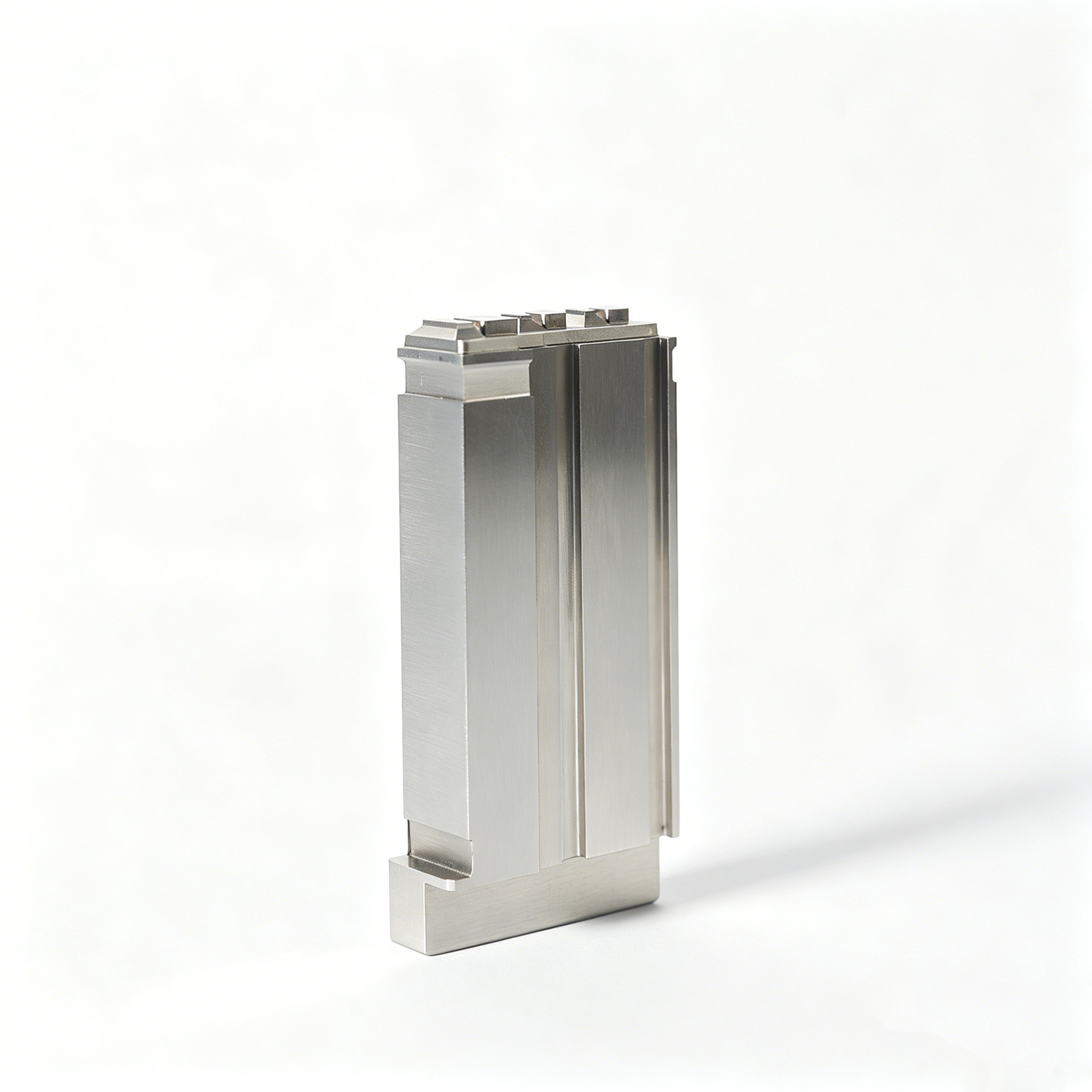
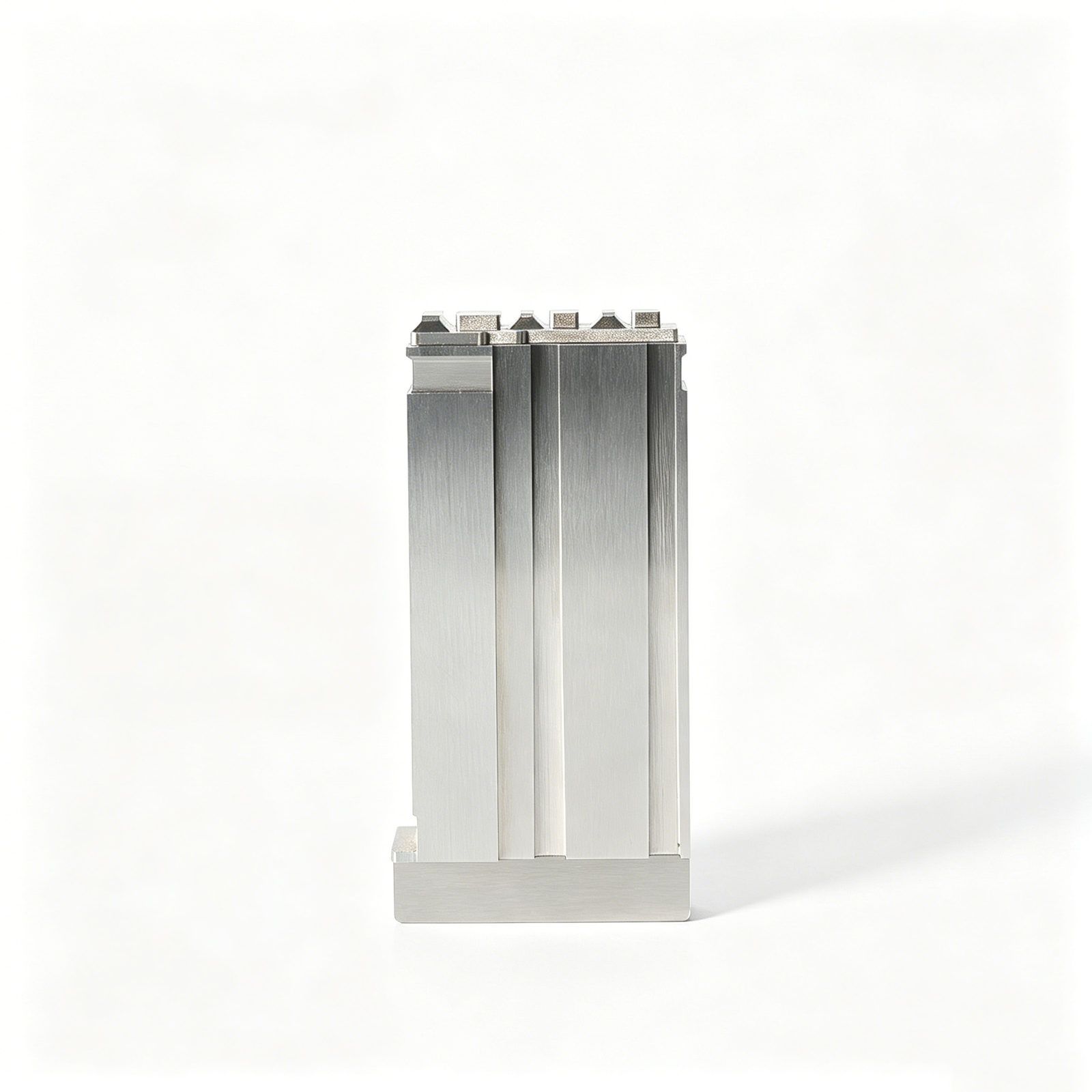
Plastic film parts · Precision mold insert
Precision Mold Components for Automotive Connectors – Fine-Pitch Terminal Cavities & Guide Pins
Brand Xuxiang Mold
Availability Made to drawing
RFQ pricing
Quote from STEP / PDF & quantity
Engineered for modern automotive electrical systems, these precision mold components for automotive connectors deliver consistent, repeatable quality in every shot. Fine-pitch terminal cavities, alignment guide pins and wear-resistant inserts help you maintain tight tolerances on multi-pin connector housings. Optimized steel selection and heat treatment enhance dimensional stability over long production runs. Whether you are building new connector tools or refurbishing existing molds, these components support high-speed, automated molding with minimal downtime.
- ISO 9001:2015–oriented process & documented inspection paths
- Zeiss / Nikon class metrology available for critical dimensions
- DFM feedback from 10+ senior tooling engineers
- Dongguan HQ + Quanzhou capacity for volume programs
Precision Mold Components for Fine-Pitch Automotive Connectors
As automotive electrical architectures evolve toward higher pin counts, compact footprints and harsher under-hood environments, the demands placed on connector tooling are increasing dramatically. Precision mold components for automotive connectors are the critical elements inside your injection mold that form every detail of the plastic housing, from fine-pitch terminal windows to latch features and keying ribs. When these parts are engineered and manufactured correctly, they help you achieve reliable mating performance, consistent sealing, and traceable dimensional quality, even under aggressive production schedules.
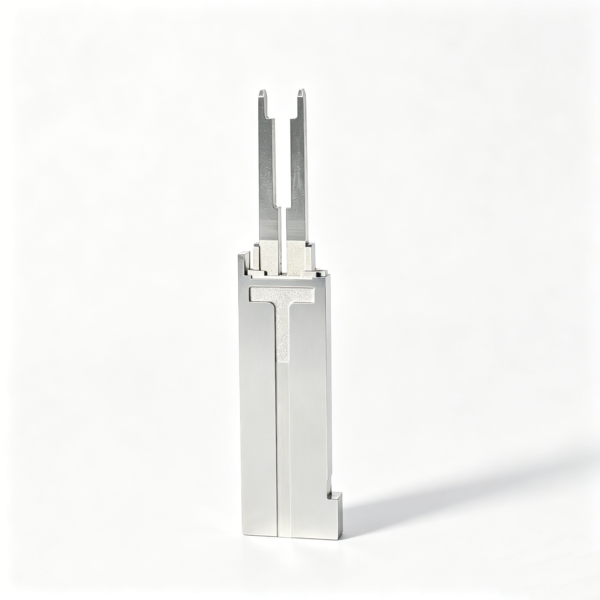
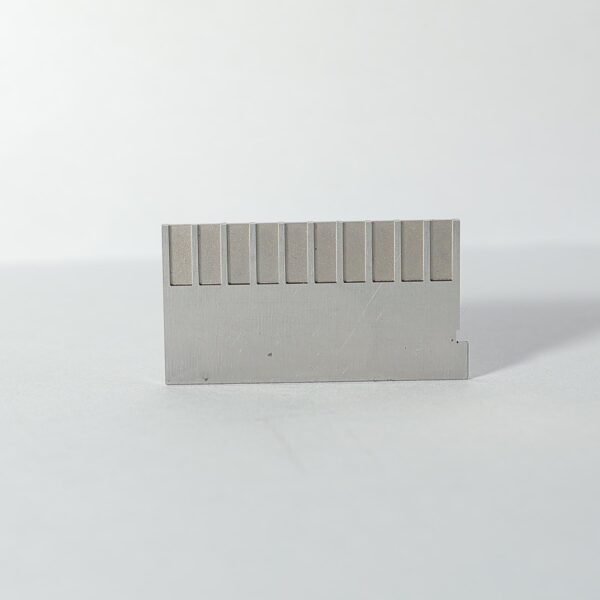
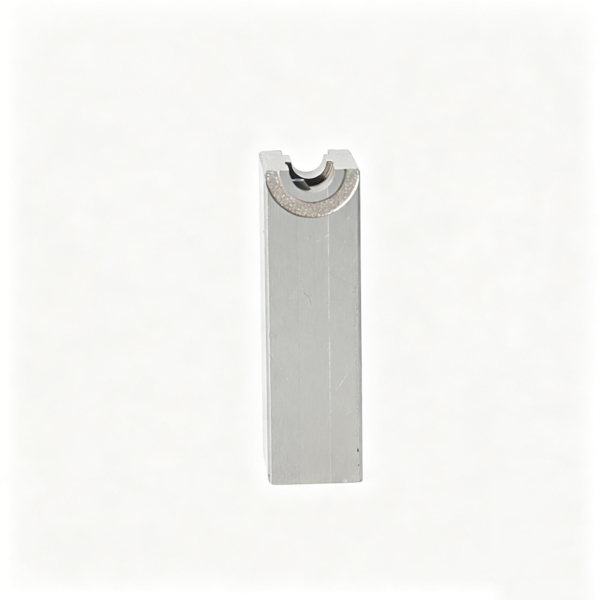
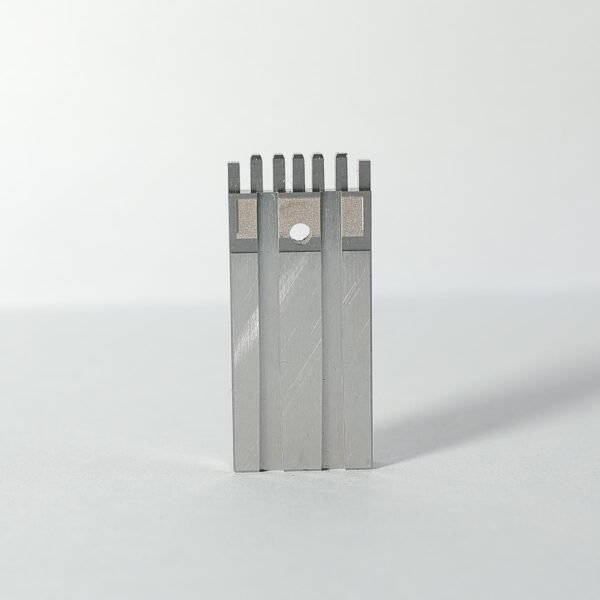
This product set focuses on fine-pitch terminal cavities and guide elements for automotive connector molds. Using wear-resistant tool steels and carefully controlled grinding and EDM processes, these mold parts are designed to support connector programs requiring stable tolerances over long life cycles. They integrate into your existing mold base architecture and can be configured for a wide variety of connector families, including sealed engine-bay interfaces, in-cabin infotainment connectors, and high-density control module housings.
Key Features & Manufacturing Benefits
Every feature of these precision mold components is optimized around the realities of automotive production: high cavitation, demanding OEM standards, and the need for quick, reliable changeovers. By upgrading to fine-pitch terminal cavities and matched guide pins, toolmakers and molders can reduce scrap, simplify maintenance, and improve first-off qualification.
- Fine-pitch cavity geometry – Carefully shaped core and cavity elements form narrow terminal slots, latch arms and polarization features with minimal variation, supporting stable crimp-terminal retention and smooth mating behavior.
- Enhanced wear resistance – Tool steels selected for hardness and toughness, coupled with precision surface finishing, help these components resist abrasion from glass-filled and flame-retardant connector resins, reducing dimensional drift over time.
- Consistent alignment and guiding – Precision guide pins, sleeves and location features maintain accurate registration between core and cavity halves, supporting high-accuracy connector molds where micron-level misalignment can affect contact positioning.
- Optimized for automotive plastics – The components are engineered to work with typical connector materials such as high-performance PA, PBT and other engineering thermoplastics, supporting uniform flow and controlled shrinkage in the cavity region.
- Serviceable and replaceable – The design philosophy favors modular inserts and standardized guide elements, allowing worn sections to be replaced without reworking the entire mold, shortening downtime and reducing maintenance costs.
By combining robust materials with fine-detail machining, these mold parts help you meet OEM and Tier 1 dimensional capability requirements on complex electrical connectors, even in multi-cavity, high-output tools.
Specifications & Core Attributes
The following table summarizes typical characteristics of these precision mold components. Values are expressed descriptively rather than as fixed numerical limits, so they can be tailored to your connector program and internal tooling standards.
| Attribute | Description |
|---|---|
| Product type | Fine-pitch terminal cavity inserts, core pins, guide pins and sleeves for automotive connector molds |
| Typical application | Injection molding of plastic housings for automotive electrical connectors and harness interfaces |
| Material options | High-hardness tool steels and corrosion-resistant grades suitable for filled engineering plastics |
| Manufacturing processes | Precision grinding, CNC machining, EDM and polishing for fine details and smooth surfaces |
| Cavity detail capability | Fine-pitch terminal windows, latch features, sealing ring grooves and keying details for multi-pin connectors |
| Alignment features | Guide pins, sleeves and locating shoulders designed for stable registration between mold halves |
| Compatibility | Suitable for new mold builds or retrofits into existing automotive connector tooling architectures |
| Surface finish | Precision finished to support reliable ejection and clean plastic flow in critical cavity regions |
| Customization | Dimensional and geometric customization available to match OEM drawings and connector standards |
Use Cases & Ideal Users
These precision mold components are designed to support a broad range of automotive connector projects, from prototype validation tools to full-scale series production molds. They offer particular value where high contact density and fine terminal spacing place extra demands on cavity and pin accuracy.
- Automotive connector manufacturers seeking reliable mold internals for sealed engine-bay connectors, transmission control units, sensor housings and power distribution modules.
- Tier 1 and Tier 2 injection molders producing high volumes of plastic connector housings for wiring harness and module suppliers.
- Tool shops and mold designers charged with building or refurbishing connector molds to OEM dimensional capability requirements and PPAP expectations.
- Engineering teams developing new fine-pitch connector families where precise contact positioning and orientation are critical to electrical performance.
In practice, these components help ensure that each molded housing maintains correct pin-to-pin spacing, locking tab engagement and seal retention features, so your connectors mate smoothly and retain their performance throughout the vehicle life.
Selection, Maintenance & Buying Guidance
Choosing the right precision mold components for automotive connectors starts with understanding your connector design requirements and production environment. Consider connector shape, cavity layout, pin count, resin type and the expected annual volume when specifying materials and geometries for cavity inserts and guide elements.
- Define connector requirements – Align mold component design with connector geometry, environmental rating and electrical performance needs, including creepage and clearance distances around terminals.
- Match materials to resin – When molding glass-filled or flame-retardant engineering plastics, favor higher wear-resistance and surface integrity to maintain geometry over long shot counts.
- Allow for serviceability – Select modular inserts and standardized guide pins so you can replace high-wear areas without re-machining the entire mold.
- Plan for quality control – Combine precision mold components with a measurement plan (e.g., regular cavity and part checks) to monitor dimensional stability in fine-pitch regions.
- Schedule preventive maintenance – Implement cleaning, lubrication and inspection routines around planned production stops to detect early wear and avoid unplanned downtime.
When evaluating options, focus on vendors who understand automotive connector mold design and can support you with CAD integration, DFM feedback and responsive after-sales service. That combination of carefully engineered components and strong technical support is essential to achieving long-term tooling performance on demanding connector programs.
FAQ
Are these mold components compatible with my existing automotive connector molds?
Yes. The fine-pitch cavity inserts and guide pins are intended for integration into new and existing connector molds. Final compatibility depends on your mold base and cavity layout, so drawings or 3D models are typically reviewed before production.
What connector types are these components best suited for?
They are particularly well suited for multi-pin automotive connectors with fine terminal spacing, such as ECU, sensor and harness interface connectors used in engine compartments, chassis systems and interior electronics.
How do I specify the correct size and geometry for my project?
You normally provide connector housing drawings or CAD data along with resin and cavitation details. Tooling engineers then match cavity insert and guide pin geometry to your connector design and mold layout, ensuring that the components fit your tool architecture.
What is the typical lead time for custom precision mold components?
Lead time varies with complexity and order volume. As a guideline, standard geometries can often be delivered more quickly, while fully customized fine-pitch cavities and guide elements require additional engineering and manufacturing time. Your supplier will confirm a schedule during quotation.
How should these components be maintained in daily production?
Regularly clean cavity surfaces, apply suitable mold protection agents during longer stops, and inspect fine-pitch regions for early signs of wear or deposit build-up. Preventive maintenance at planned intervals will help maintain dimensional stability and reduce unplanned downtime.
Can the components handle glass-filled engineering plastics?
Yes. When specified with appropriate tool steels and surface finishes, these mold parts are designed to withstand the abrasion of glass-filled and high-performance connector resins, improving lifetime in demanding automotive applications.
What if I need to adjust connector design later?
If connector geometry changes, modular cavity inserts and guide elements can often be reworked or replaced without recreating the entire mold. This modularity helps manage design updates and derivative connector variants more efficiently.
Do you offer support with mold design and DFM for connectors?
Technical support is usually available to review connector CAD, propose cavity and gate layouts, and advise on mold design for fine-pitch components. This collaboration helps ensure that the final mold components align with both production and performance requirements.
What is your policy on returns or warranty for these parts?
Warranty and return terms depend on the supplier, but typically cover workmanship and material quality for a defined period. Any issues are evaluated against agreed specifications, and non-conforming parts are repaired or replaced according to the sales agreement.
Related products
Same drawing, predictable results—next batch
Share revision, quantity ramp, and inspection level. We quote process route, ship date, and documentation in one structured response.