
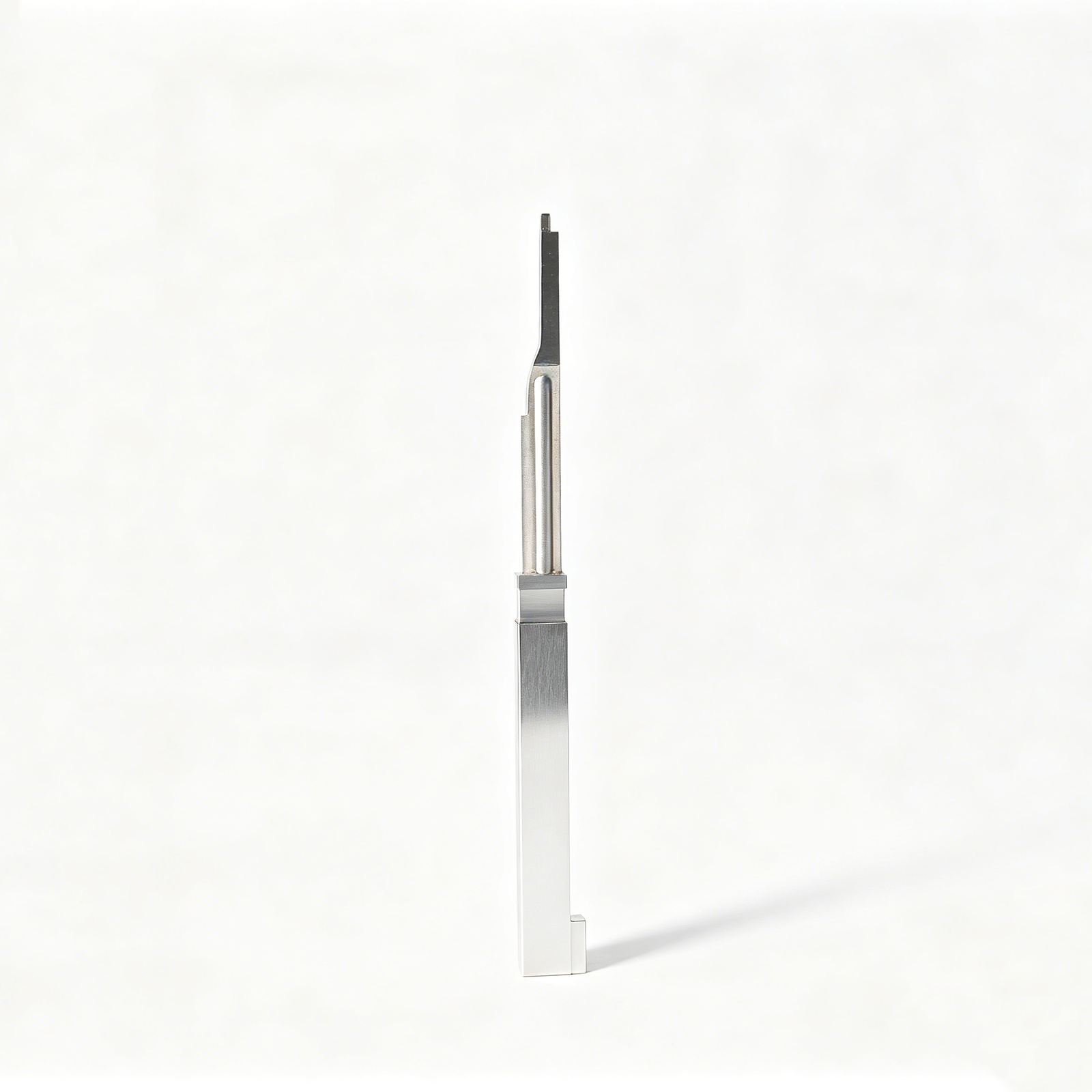
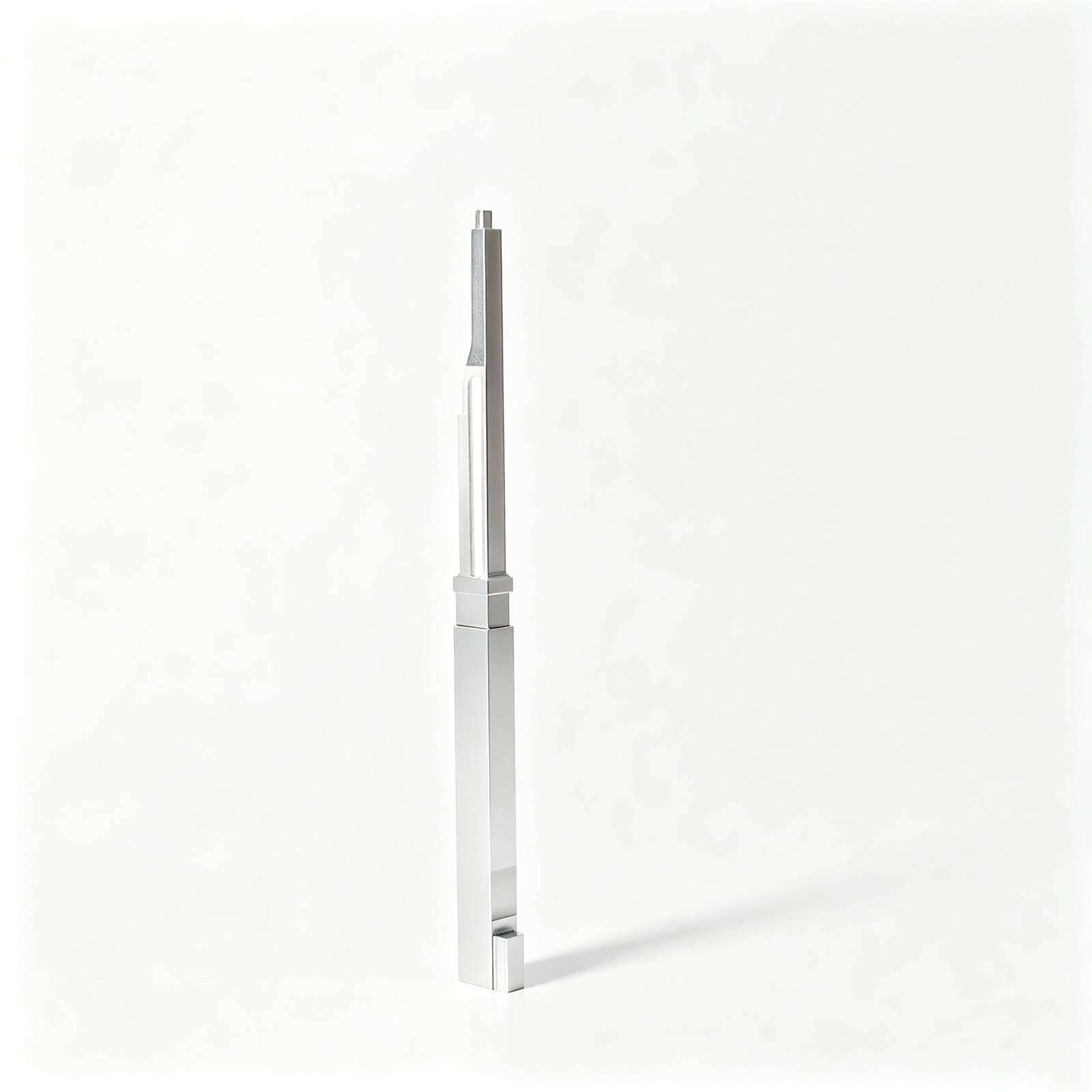
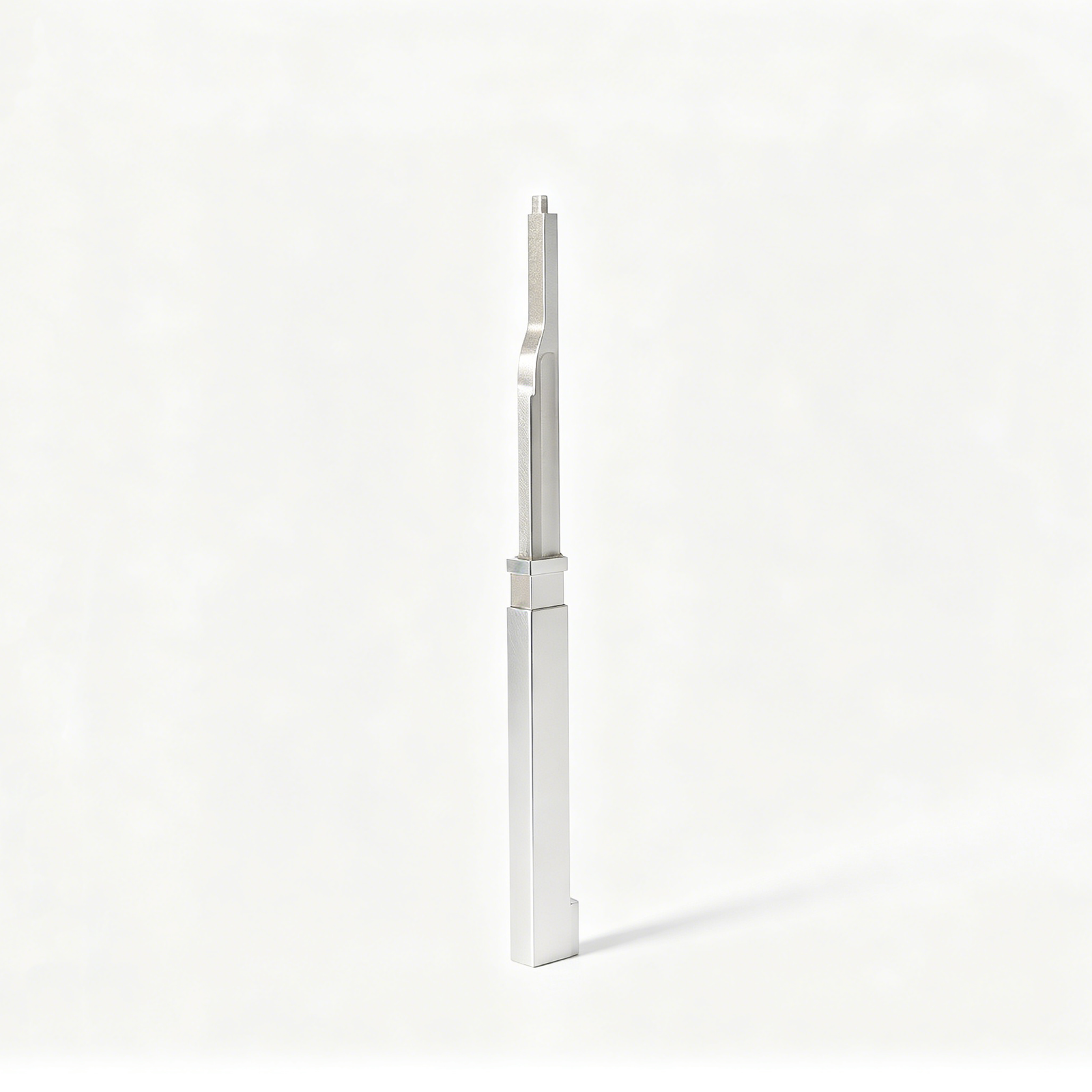
Plastic film parts · Precision mold insert
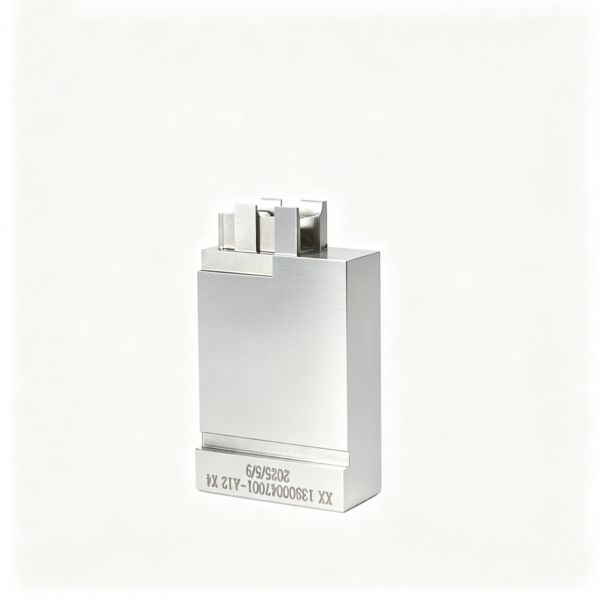
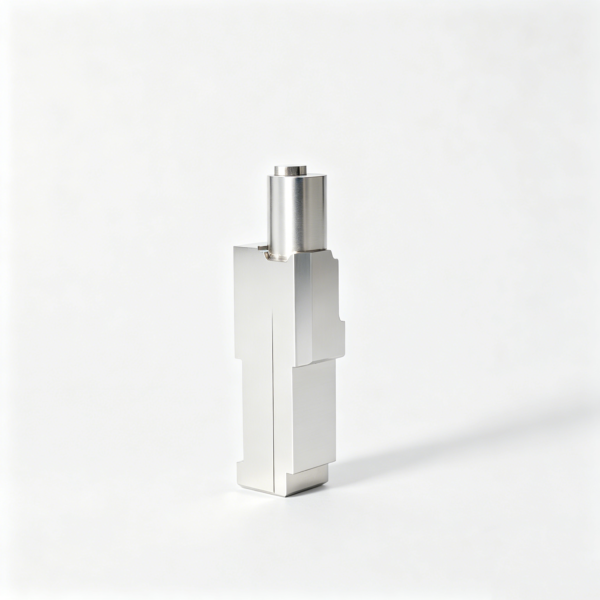
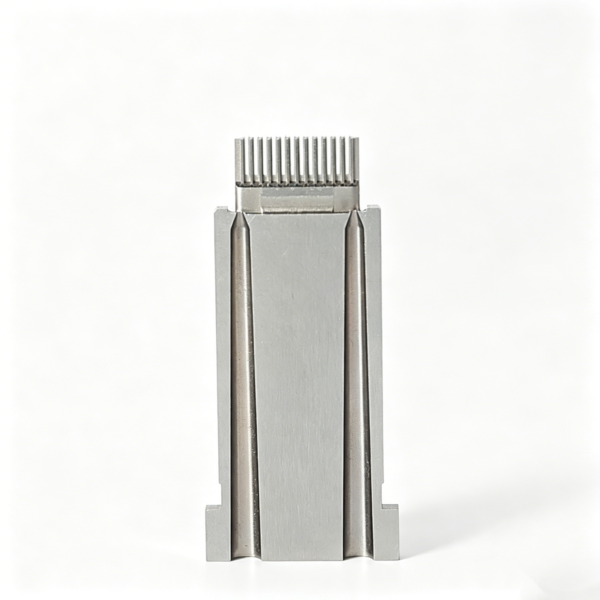
Automotive Connector Precision Mold Inserts & Core Parts Precision mold components for automotive connectors
Brand Xuxiang Mold
Availability Made to drawing
RFQ pricing
Quote from STEP / PDF & quantity
Precision mold components for automotive connectors help manufacturers create stable, repeatable connector parts with the dimensional control modern vehicle programs demand. Designed for demanding tooling environments, these components support cleaner molding, consistent fit, and smoother production runs. They are a strong choice when you need reliable part alignment, better wear life, and fewer interruptions on the line. Ideal for connector housings, terminal interfaces, and other high-accuracy plastic details.
- ISO 9001:2015–oriented process & documented inspection paths
- Zeiss / Nikon class metrology available for critical dimensions
- DFM feedback from 10+ senior tooling engineers
- Dongguan HQ + Quanzhou capacity for volume programs
Precision tooling for automotive connector production
Precision mold components for automotive connectors are the functional building blocks inside the tooling that shapes connector housings, cavity details, latch features, and other small but critical plastic features. In this category, accuracy matters because automotive connectors must fit terminals, seals, clips, and mating assemblies with dependable repeatability. Industry sources describe auto connector mold parts as precision mold components used to manufacture automotive electrical connectors, and connector mold design typically centers on mold cavity, mold core, filling, cooling, and demolding performance.[1][4][9]
For buyers, the value of these components is not just in making a part once, but in making the same part again and again under production pressure. Well-made inserts, cores, and related tooling elements help support stable dimensions, cleaner release, and reduced drift as the mold cycles. That matters in automotive applications where small variations can affect assembly, electrical fit, and downstream quality checks.[4][7][9]
Why these mold components matter
Automotive connector tooling must balance precision with durability. Connector parts often include thin walls, fine ribs, locking details, and compact geometries, so the mold components that form them need careful engineering and dependable wear resistance. Guidance from connector mold design references emphasizes requirements such as dimensional accuracy, material selection, cooling layout, and smooth demolding to protect part quality and production efficiency.[4][7][9]
These components are especially useful when the product must maintain tight fit consistency across high-volume runs. Precision inserts and core parts can also make maintenance easier, since worn details may be serviced or replaced without rebuilding the entire mold assembly. Suppliers in this niche commonly offer custom automotive-grade connector mold parts and high-precision connector mold inserts for industrial production needs.[2][5][12][14]
Key benefits for mold makers and production teams
Accurate connector geometry: Helps maintain the fine detail needed for connector cavities, locking structures, and terminal-related features.[4][9]
Production consistency: Supports repeatable part quality across long molding cycles, which is essential for automotive supply chains.[4][7]
Better wear handling: Precision tooling components made for this application are typically selected for repeated use and stable performance in demanding environments.[4][9]
Maintenance flexibility: Replaceable inserts and modular mold parts can simplify repair planning and reduce downtime compared with larger one-piece tooling sections.[4][12][14]
Application-specific fit: Automotive connector molds must align with the connector shape, size, and environmental demands of the end application, making custom-fit components especially important.[4][9]
Typical attributes and buying considerations
| Attribute | What to look for |
|---|---|
| Component type | Core inserts, cavity inserts, pin features, sleeve elements, or other custom mold parts for connector tooling |
| Application | Automotive electrical connectors, housings, terminal interfaces, and related precision plastic parts |
| Accuracy focus | Fine dimensional control for small connector geometry and reliable part-to-part repeatability |
| Material selection | Tool steel or stainless steel options are commonly used where wear resistance and stability are priorities[4] |
| Design emphasis | Compatibility with cooling, filling, and demolding requirements in connector mold design[4] |
| Maintenance approach | Prefer components that support inspection, polishing, repair, and replacement when needed |
Where they are used
These mold components are suited for manufacturers and toolrooms working on automotive electrical connector projects, including connector housing molds, fine-pitch connector tooling, custom plastic injection molds, and high-volume production programs. They are also relevant for suppliers producing connector mold inserts for the automotive industry and high-precision plastic mould parts for connector applications.[2][3][5][6][12]
They fit best in projects where the tooling must preserve shape accuracy, support dependable demolding, and withstand repeated cycle loads. If your connector design includes compact cavities, delicate retention features, or strict assembly requirements, the mold components should be chosen with those conditions in mind.[4][7][9]
Care, maintenance, and procurement guidance
To keep precision tooling performing well, regular inspection and cleaning are important. Connector mold design guidance highlights maintenance, lubrication, and planned repair as part of extending mold service life and protecting production stability.[4] Buyers should confirm that the supplier can support the required fit, material choice, and replacement strategy before ordering.
When sourcing, it is wise to provide connector drawings, tolerance targets, resin information, expected cycle volume, and any critical cosmetic or functional surfaces. That helps the component maker match the insert or core geometry to the actual molding task rather than offering a generic part. For automotive programs, ask whether the parts are intended for prototype tooling, bridge production, or long-run manufacturing, since the best material and maintenance approach can differ.
FAQ
How are these parts shipped?
Shipping is typically arranged based on order size, customization level, and destination. For precision tooling components, protective packaging is important to prevent edge damage, corrosion, or surface scratches during transit.
Will these components fit my existing connector mold?
Fit depends on your mold design, cavity layout, mounting interface, and target tolerance. Send drawings or samples for verification before ordering so the supplier can confirm compatibility.
What are they used for in production?
They are used to form the detailed features of automotive connector parts, such as cavities, cores, insert areas, and other small precision surfaces that must stay dimensionally stable.
How should I maintain precision mold components?
Clean them regularly, inspect wear points, lubricate moving interfaces where appropriate, and store them in a dry environment. If surface wear affects part quality, plan for polishing or replacement before it impacts production.
Can these be customized for different connector designs?
Yes. Automotive connector tooling is commonly customized to match the connector shape, size, material, and release requirements described in the mold design process.[4][9]
Do you offer warranty or return support?
Warranty and return terms usually depend on the supplier and whether the part is standard or custom-made. Confirm approval criteria, inspection method, and remake policy before placing the order.
What information should I provide before buying?
Provide part drawings, tolerance requirements, resin type, expected annual output, and any critical fit or sealing surfaces. This helps the supplier recommend the right insert, core, or other precision component.
Related products
Same drawing, predictable results—next batch
Share revision, quantity ramp, and inspection level. We quote process route, ship date, and documentation in one structured response.