
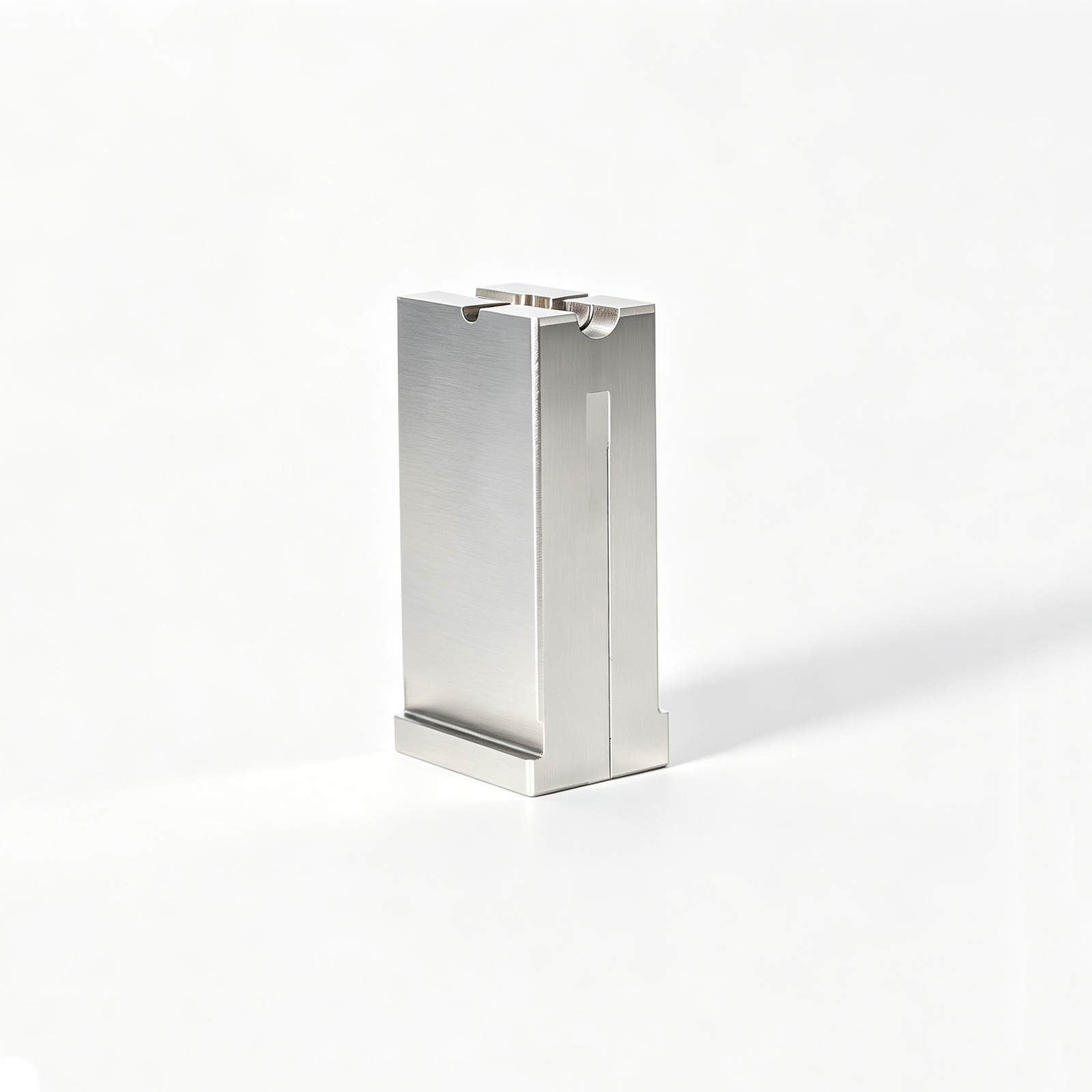
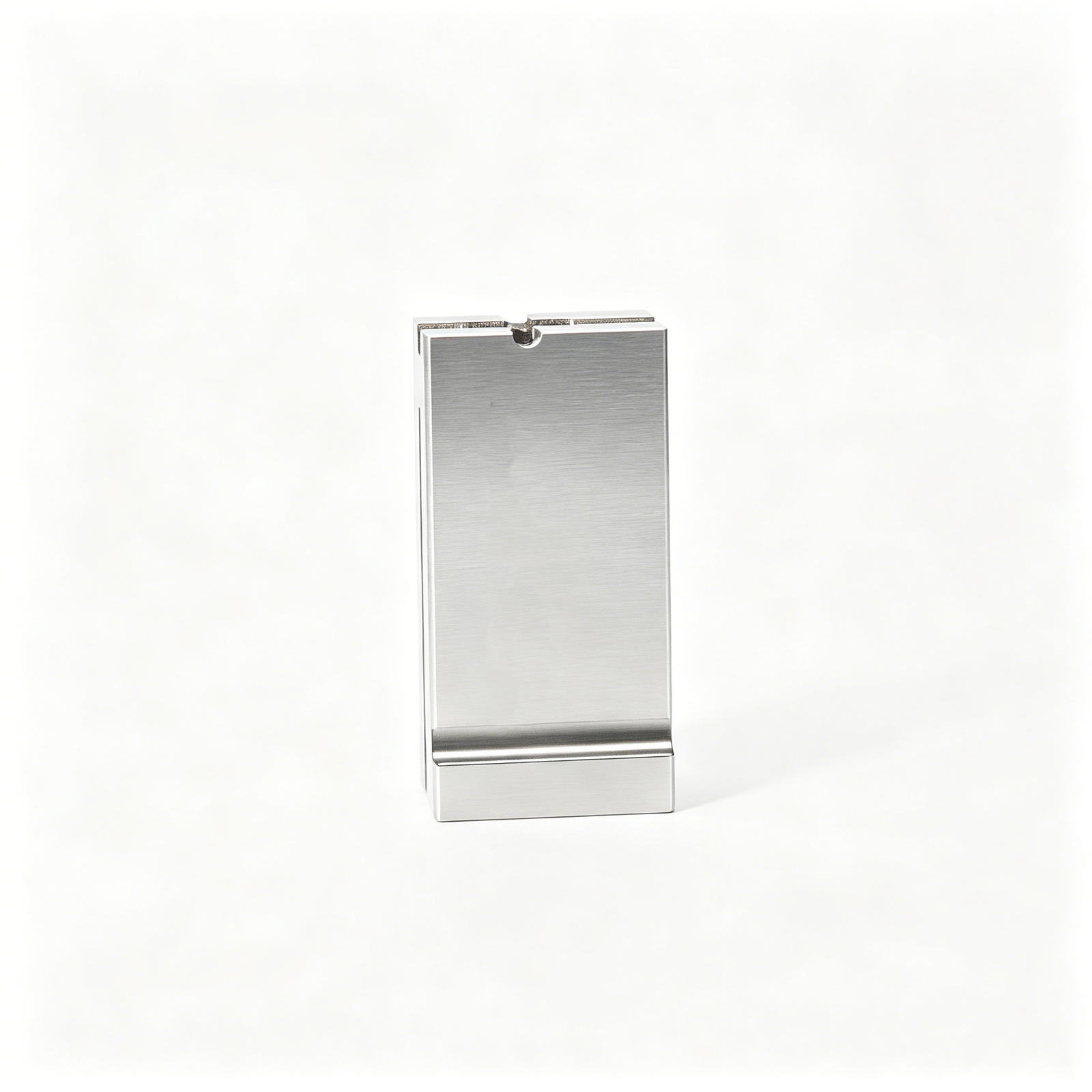
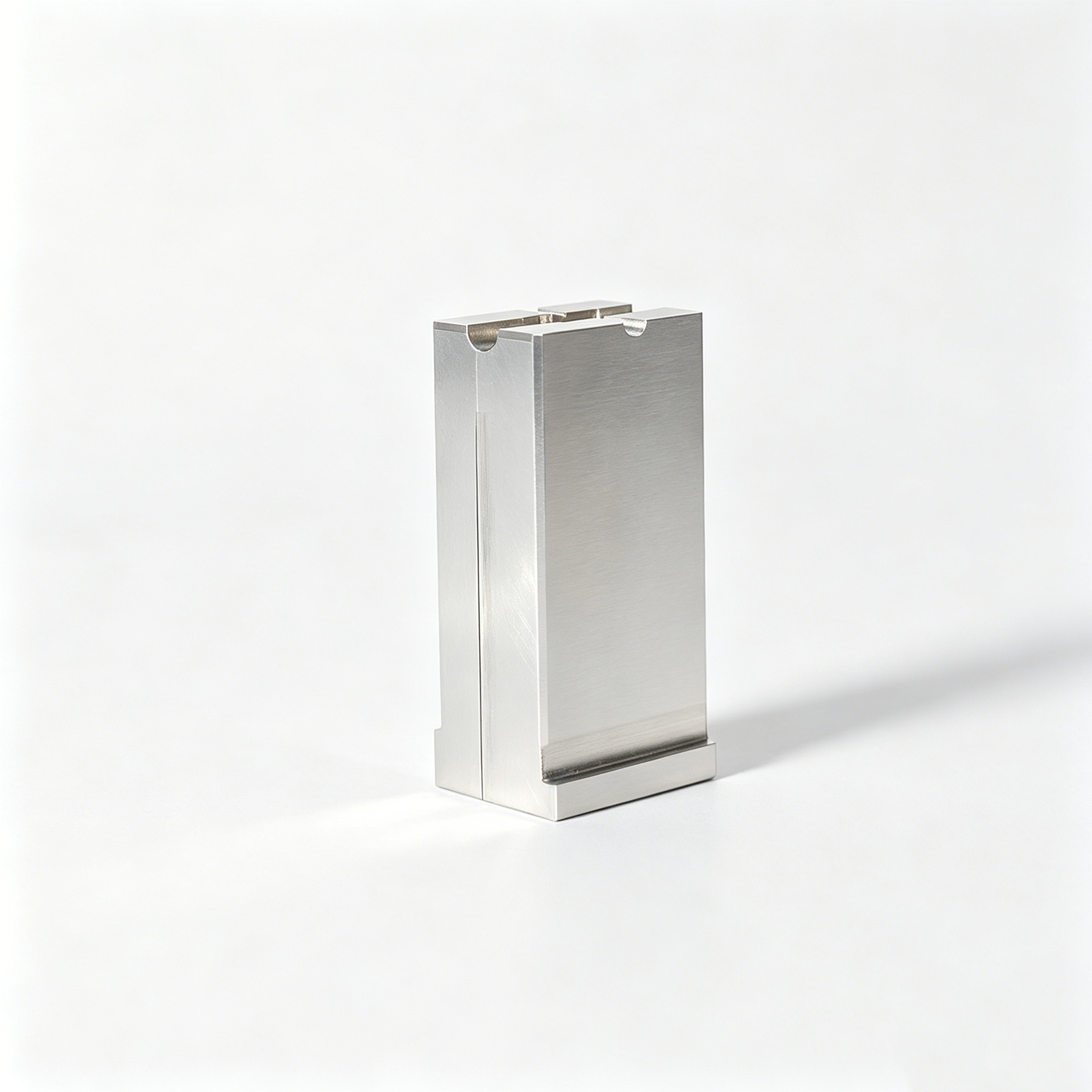
Plastic film parts · Precision mold insert
Precision Mold Components for Automotive Connectors – Insert Blocks, Micro Cores & Ejector Elements
Brand Xuxiang Mold
Availability Made to drawing
RFQ pricing
Quote from STEP / PDF & quantity
Engineer tighter tolerances and more reliable harness connections with precision mold components for automotive connectors designed for demanding connector tooling. This component set supports stable, repeatable injection molding of high‑density plug, header and terminal housings used across modern vehicles. Optimized geometries help reduce flash, warpage and dimensional drift over long production runs. Whether you are updating an existing tool or building a new connector mold family, these components give your tooling engineers a robust foundation for consistent quality and fast changeovers.
- ISO 9001:2015–oriented process & documented inspection paths
- Zeiss / Nikon class metrology available for critical dimensions
- DFM feedback from 10+ senior tooling engineers
- Dongguan HQ + Quanzhou capacity for volume programs
Precision Mold Components for Automotive Connectors – built for stable, repeatable connector tooling
Automotive harness systems depend on compact, high‑density electrical connectors that must lock, seal and align perfectly under heat, vibration and long service life. To achieve this level of reliability at scale, mold makers and Tier‑1 / Tier‑2 suppliers rely on highly accurate precision mold components for automotive connectors inside their injection molds. These are the interchangeable cores, cavity inserts, sleeves, lifters and ejector elements that shape critical features such as terminal pockets, keying ribs, latch windows and seal grooves.
This product offering focuses on connector‑grade mold components engineered for use in multi‑cavity tools producing plastic housings for plugs, receptacles, headers and inline connectors. Typical applications include engine‑bay connectors, in‑cabin infotainment interfaces, sensor plugs, lighting harness connectors and power distribution blocks. By combining fine machining, polished surfaces and robust materials, these components help you maintain dimensional accuracy and surface quality from first article through high‑volume production.
Key features and performance advantages
Every mold for automotive connectors must balance productivity with tight dimensional targets and demanding environmental requirements. These mold components are specified to support that balance through a combination of geometry control, material selection and service‑friendly design.
- Connector‑grade precision – Features such as terminal cavities, locking fingers and CPA (connector position assurance) details require controlled draft and minimal tolerance stack‑up. Carefully ground and lapped components help maintain consistent pin pitch and wall thickness across cavities.
- Material and heat‑treatment tuned for wear – Core pins, sleeves and inserts are typically produced from tool steels suited for glass‑filled and flame‑retardant connector resins, then heat‑treated and surface‑finished to resist abrasion, galling and micro‑chipping at sharp edges.
- Support for complex connector designs – Modern automotive connectors often incorporate undercuts, latch hooks, secondary locks and seal retention features. Configurable inserts, lifters and sliders allow these details to be molded reliably while maintaining smooth demolding.
- Interchangeable elements for family tools – Many connector platforms share similar outer envelopes with varying pin counts or keying codes. Modular core blocks and insert strips make it easier to reconfigure molds for variant parts without rebuilding complete tools.
- Surface preparation for sealing and terminal fit – Critical surfaces around gasket grooves, sealing faces and terminal entry zones are produced to a finish suitable for reliable sealing performance and consistent insertion forces in the finished connector.
- Stability over long production runs – Robust geometry and appropriate cooling channel interfaces help support uniform cooling, reduced warpage and maintained dimensions during extended high‑cycle production in automotive plants.
Specifications and typical configuration
Since automotive connector families are diverse, these components are usually configured to your tooling layout and connector geometry. The table below summarizes common attributes and options to help you evaluate suitability for your project.
| Attribute | Description |
|---|---|
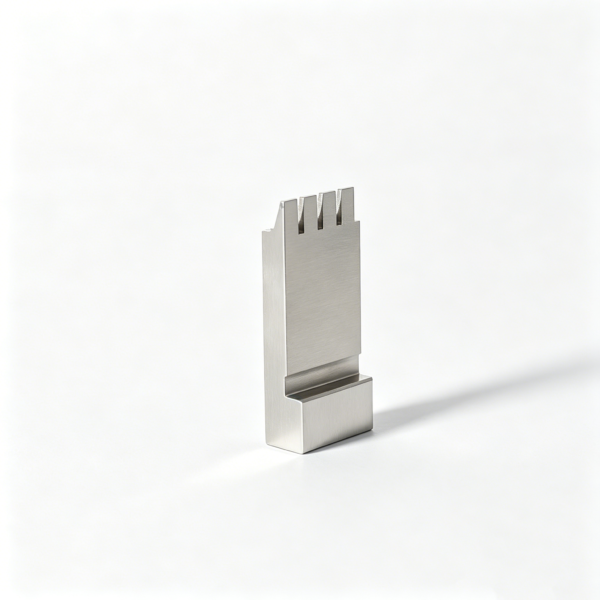
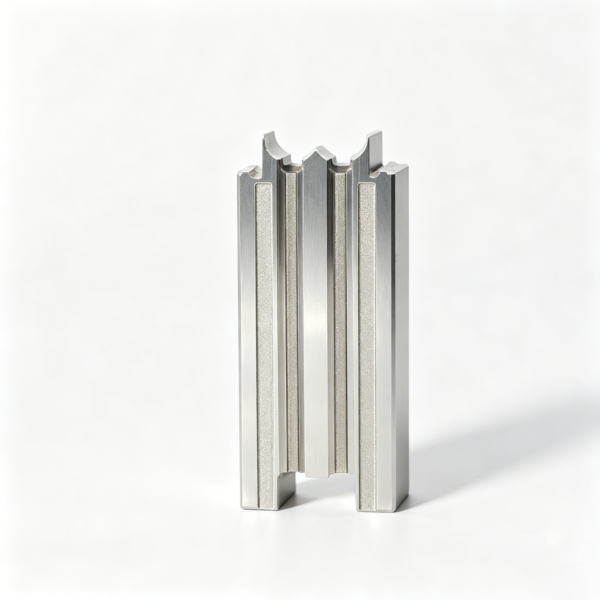
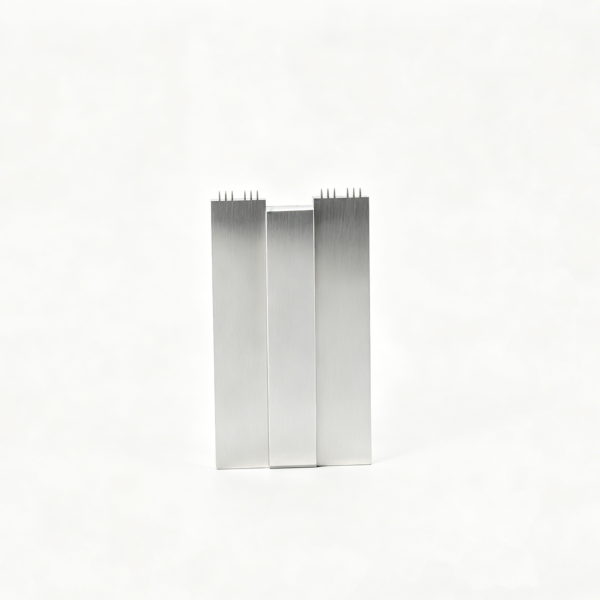
| Component types | Core pins, cavity inserts, insert blocks, sleeves, ejector pins, lifters, sliders and locating elements used in connector molds. |
| Typical applications | Plastic housings for automotive electrical connectors, including plug and receptacle bodies, headers, inline connectors and fuse / relay block interfaces. |
| Compatible materials | Designed for use with common connector‑grade thermoplastics such as high‑temperature nylon, PBT and similar engineering resins, including glass‑reinforced formulations. |
| Tolerance capability | Manufactured for fine connector features and consistent pin spacing; final achievable tolerances are matched to your drawing and process capability requirements. |
| Surface finish | Functional surfaces can be supplied polished or textured according to connector requirements, especially around sealing surfaces and terminal interfaces. |
| Mold integration | Configurable to integrate with new tools or retrofit into existing mold bases used in automotive connector programs. |
| Customization options | Custom geometries for unique keying patterns, pin counts, locking mechanisms and seal designs based on 3D models and production drawings. |
| Maintenance approach | Components designed for disassembly, inspection and replacement from standard parting lines or access plates to minimize downtime. |
Use cases and ideal users
These precision mold components are aimed at professionals responsible for producing reliable automotive connector housings in both high‑volume and specialty programs.
- Mold makers and tool shops building new connector molds or re‑working existing tools for updated connector platforms, pin counts or keying variations.
- Tier‑1 and Tier‑2 suppliers producing connectors for OEM vehicle harnesses, power management modules, ADAS, battery and drivetrain systems.
- In‑house tooling departments in automotive electronics plants seeking repeatable connector quality and faster turnaround on tooling changes.
- Engineering teams introducing new connector designs that require specialized cavity and core features for locking arms, coding keys or sealing geometries.
Typical production environments include multi‑cavity hot‑runner tools, family molds creating left/right or variant connectors in a single cycle, and tools running in cell‑based automated molding and assembly systems.
Care, maintenance and purchasing guidance
Because connector molds operate under high cycle counts and often run filled engineering resins, a structured maintenance plan for these components is essential for long‑term dimensional stability and surface quality.
- Routine cleaning – Remove resin deposits, plate‑out and vent residue from cores, cavities and ejectors during scheduled stops to preserve detail definition and venting performance.
- Lubrication where appropriate – Apply compatible mold lubricants to sliding elements such as lifters and sliders, taking care to avoid areas that may transfer contamination onto sealing surfaces.
- Inspection of wear points – Monitor high‑stress corners, fine core pins and gate‑adjacent surfaces for erosion, micro‑cracks or rounding that could alter terminal fit or latch function.
- Replaceable design – Make use of the modular nature of the components to swap worn elements with minimal impact on the mold base, preserving overall tool value.
When specifying or purchasing, review your connector drawings, molding machine capabilities and resin datasheets to ensure that the selected components match your thermal, mechanical and dimensional requirements. Provide detailed 3D data, key dimensions, draft angles and any special surface finish or texturing instructions around sealing and locking features. Confirm compatibility with any existing mold bases or standardized insert patterns used in your facility to facilitate future interchangeability.
FAQ
Are these mold components compatible with my existing automotive connector molds?
In most cases, the components can be configured to fit existing mold bases, insert pockets and ejector layouts. When you provide current 2D and 3D tool data, the geometry can be adapted to match your existing plate stack, shut‑off concept and cavity spacing, allowing you to upgrade only the working components rather than replacing the entire mold.
What types of automotive connectors are these components suited for?
They are suitable for a wide range of connector housings, including multi‑pin plug and receptacle bodies, header connectors on PCBs, inline and bulkhead connectors, and housings for sensor and lighting harnesses. If your part requires precise pin spacing, locking latches or sealing features, these components are designed for that level of detail.
How do I determine if the components can achieve the tolerances on my drawing?
The achievable tolerance will depend on the connector size, geometry, resin and your press capability. During the quoting stage, submit your drawings and tolerance scheme so the manufacturing team can confirm whether the component design, machining method and finishing approach will support your requirements and propose any adjustments if needed.
What should I consider for resin and material compatibility?
Provide information on the thermoplastic resin, including whether it is glass‑filled or flame‑retardant, so appropriate tool steel and surface treatments can be chosen. This helps prevent premature wear, corrosion or resin sticking and supports stable molding of fine connector details over long runs.
How are these mold components shipped and packaged?
Components are typically cleaned, protected with rust‑preventive coatings where needed and individually packed or tray‑packed to avoid damage to sharp edges and precision surfaces in transit. Custom labeling or cavity identification can be added to support easier installation in your tool room.
Do I need to order a complete set, or can I buy individual components?
You can usually order full sets for new tools or select individual items such as replacement core pins, insert blocks or ejectors for maintenance and repair. This flexibility makes it easier to manage spares and respond quickly to wear or engineering changes.
What maintenance is recommended to extend service life?
Follow a preventive maintenance schedule that includes cleaning cavity and core surfaces, checking vents and gates, lubricating moving elements and inspecting small details for wear or damage. Replacing worn pins or inserts before they fail completely helps protect the rest of the mold and maintains part quality.
Is there a warranty or return policy for custom connector mold components?
Warranty and return terms are typically defined at quotation, covering manufacturing quality and conformance to approved drawings. Because these parts are often made to order, dimensional issues or non‑conformances are resolved through rework or replacement rather than standard returns. Clarify these details before finalizing your purchase order.
How long does it take to receive custom components after design approval?
Lead time depends on design complexity, quantity and machining workload. Once drawings and 3D models are confirmed, you will usually receive an estimated delivery schedule so you can align tool trials and production planning with the arrival of the components.
Related products
Same drawing, predictable results—next batch
Share revision, quantity ramp, and inspection level. We quote process route, ship date, and documentation in one structured response.