
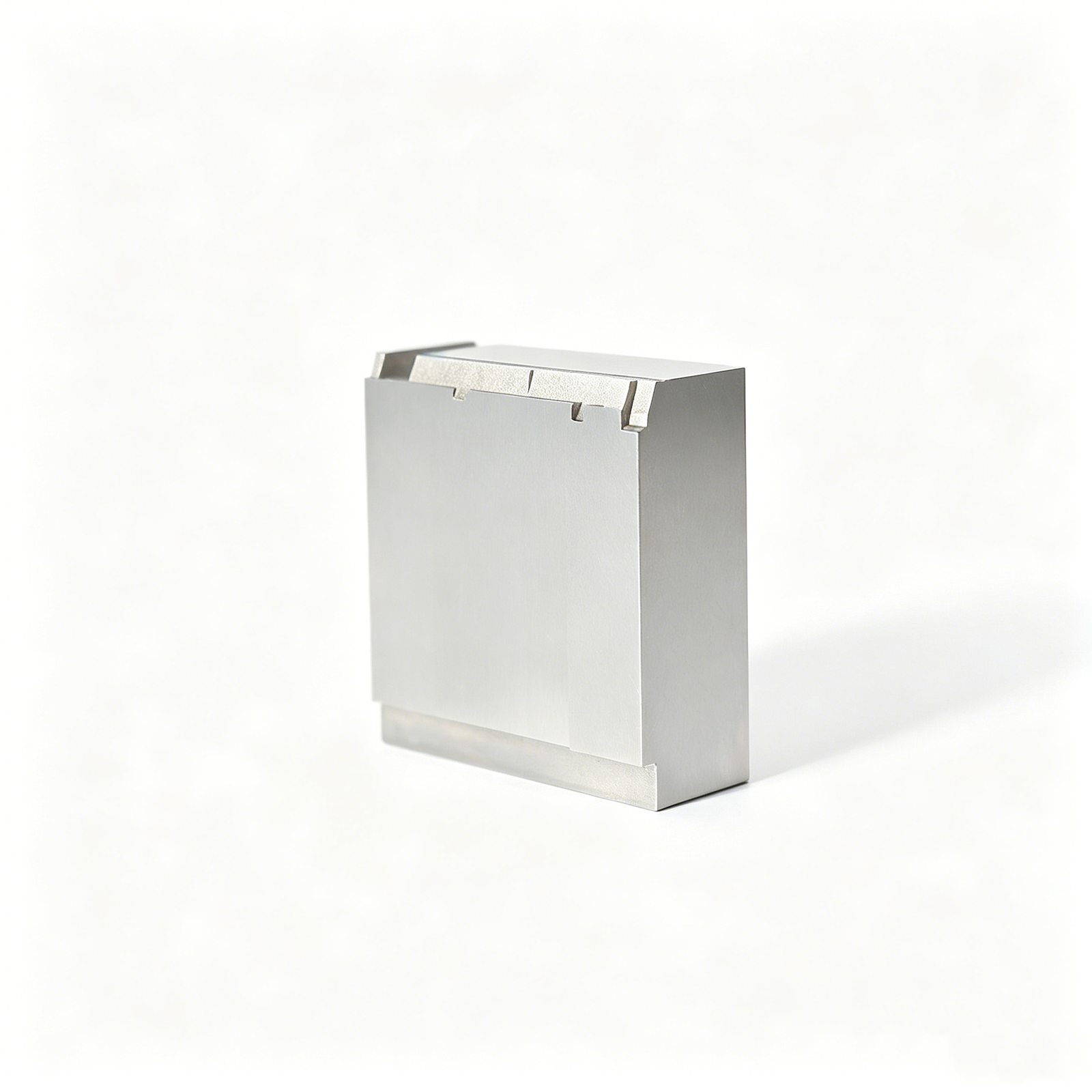
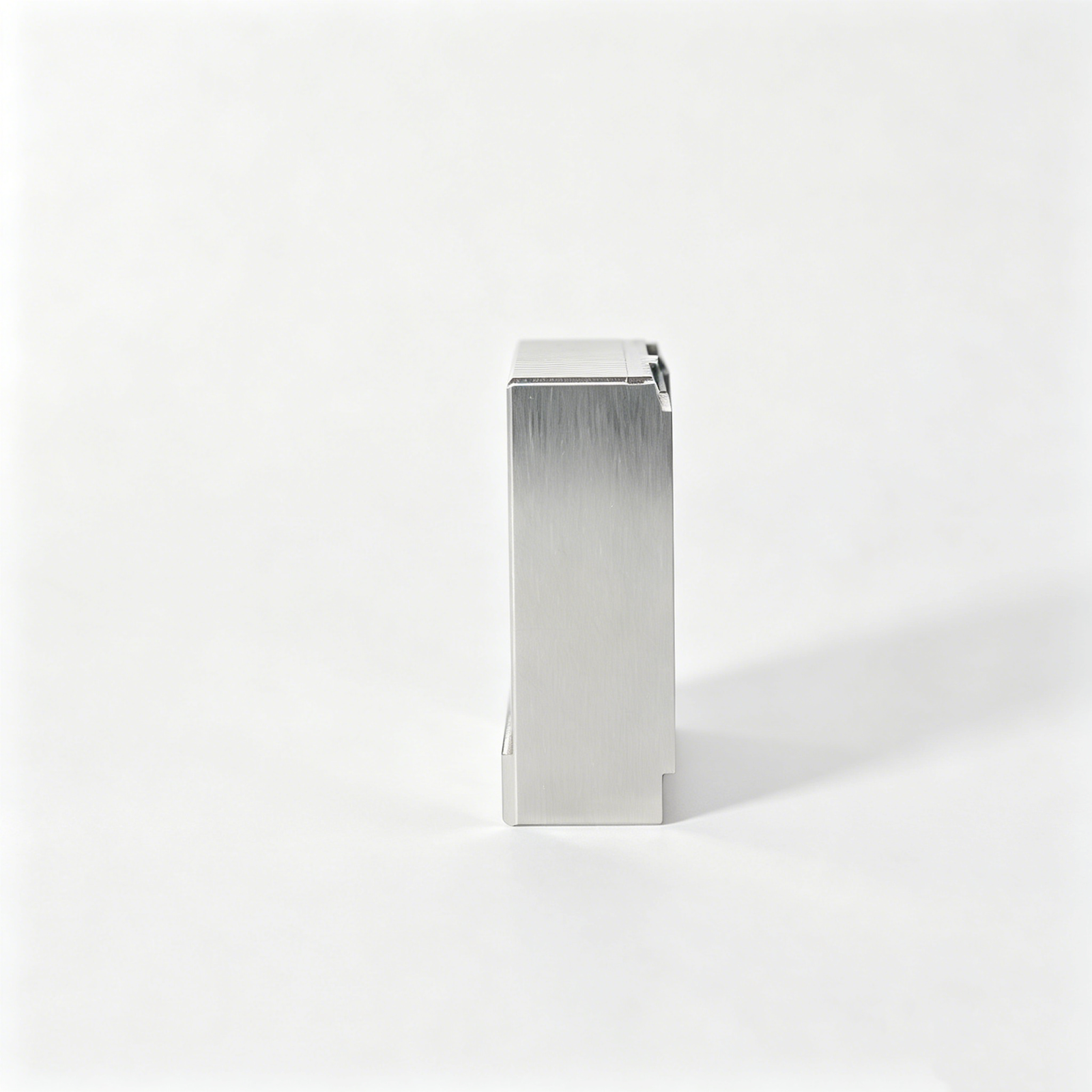
Plastic film parts · Precision mold insert
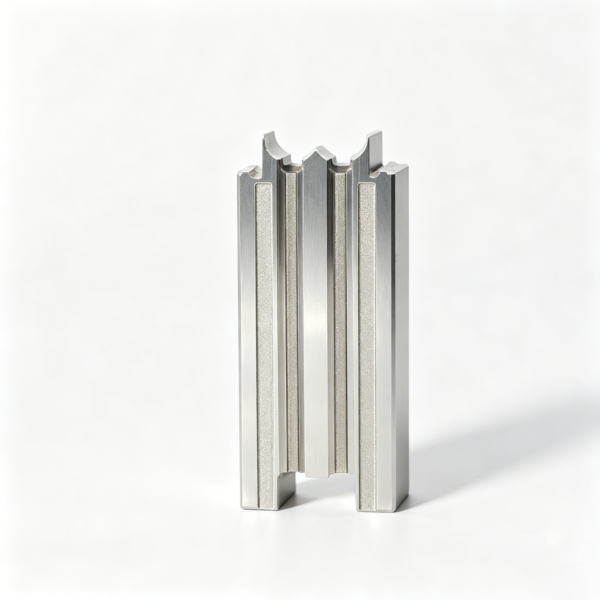
Precision Mold Components for Automotive Connectors – Insert, Core Pin & Sleeve Kit
Brand Xuxiang Mold
Availability Made to drawing
RFQ pricing
Quote from STEP / PDF & quantity
Upgrade your connector tooling with precision mold components engineered specifically for demanding automotive connector projects. Each insert, core pin and sleeve is manufactured for stable dimensions and repeatable performance, helping you maintain tight cavity pitch and consistent contact alignment. Designed for modern high-cavity connector molds, these components support clean parting lines, smooth demolding and minimal flash. Use them to refurbish existing tools or build new connector molds that deliver high yields and long service life. The result is more reliable production of automotive electrical connectors and fewer interruptions on the molding floor.
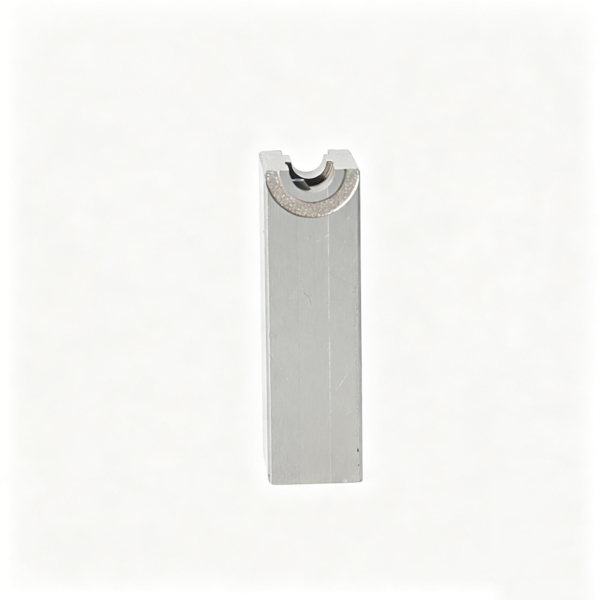
(Precision mold components for automotive connectors)
- ISO 9001:2015–oriented process & documented inspection paths
- Zeiss / Nikon class metrology available for critical dimensions
- DFM feedback from 10+ senior tooling engineers
- Dongguan HQ + Quanzhou capacity for volume programs
High-Precision Mold Components for Reliable Automotive Connectors
Automotive electrical connectors demand extreme dimensional accuracy, stable insulating walls and repeatable pin positions to ensure safe power and signal transmission in harsh environments. Precision mold components for automotive connectors are the critical tooling elements that make this possible. They form the complex cavities, pins and features required for multi-pin housings, terminal locking structures, polarization keys and sealing details used throughout vehicles.
This insert, core pin and sleeve kit is designed for manufacturers and toolmakers who build or maintain injection molds for automotive-grade connectors. By combining accurate machining, robust materials and automotive-focused design, these components help you achieve tight tolerances, smooth ejection and long mold life in both prototype and high-volume production tools.
Key Features & Benefits
- Optimized for automotive connector geometry – Supports fine-pitch cavities, slender walls, latch details and terminal windows commonly found in modern automotive plug and socket housings.
- Tight dimensional control – Precision-ground working surfaces promote accurate terminal spacing, consistent wall thickness and reliable mating between connector halves over long production runs.
- Stable, wear-resistant materials – Components are typically manufactured from quality tool steels or equivalent high-hardness alloys selected for wear resistance and dimensional stability in repeated injection cycles.
- Smooth demolding and reduced damage – Carefully finished core pins and sleeves support clean ejection of delicate connector parts, helping to reduce cracking, scuffing and deformation around terminal openings and latch arms.
- Support for complex mold layouts – Suitable for single- and multi-cavity connector molds, including high-cavity tools where consistent performance across every cavity is critical to output and yield.
- Refurbishment and upgrade-friendly – Use the components to replace worn pins and inserts, adjust connector design revisions or extend the effective life of existing automotive connector tools.
Specifications & Core Attributes
The table below summarizes typical attributes of these precision mold components. Values are expressed descriptively so you can evaluate suitability for your specific connector tooling project.
| Attribute | Description |
|---|---|
| Product type | Precision mold components set (inserts, core pins, sleeves) for automotive connector molds |
| Typical application | Injection molds for automotive electrical connectors, housings and plug/socket systems |
| Material category | Tool steel or equivalent high-strength, wear-resistant alloys suitable for injection molding temperatures |
| Manufacturing method | Precision machining and grinding with fine surface finishing on working areas |
| Tolerance capability | Designed for fine tolerance connector tooling; appropriate for tight pin pitch and small features |
| Component types included | Core inserts, cavity inserts, core pins, sleeves or related precision elements (exact contents per configuration) |
| Connector styles supported | Automotive plug and receptacle housings, multi-pin blocks, sensor connectors and similar designs |
| Molding process | Plastic injection molding of engineering thermoplastics used for automotive connectors |
| Compatibility | For integration into custom-built connector molds; dimensions tailored during tool design |
| Maintenance approach | Designed for re-polishing, controlled regrinding and replaceability during mold service life |
Typical Use Cases & Who This Kit Is For
These precision mold components are suitable for a wide range of professionals across the automotive connector supply chain. They are especially valuable wherever high-density connector configurations and long-term dimensional stability are required.
- Mold makers for automotive connectors – Ideal for tool shops that design and build new connector molds, where reliable pins, sleeves and inserts help improve first-shot success and reduce tuning time.
- Tier-1 and Tier-2 injection molders – Support high-volume production of connector housings for wiring harnesses, control units, sensors, lighting modules and infotainment systems.
- Engineering teams updating connector designs – When connector geometry changes, replacing insert sets and critical pins is often more cost-effective than building a completely new tool.
- Maintenance departments – Use component kits to restore worn tooling, stabilize dimensions and improve yields on legacy connector programs without extended downtime.
- Prototype and pre-production tooling – Enable quick iterations of connector layouts and pin counts by swapping inserts and pins while preserving the base mold structure.
Care, Handling & Buying Guidance
Because these mold components are responsible for critical connector surfaces and pin locations, proper handling and maintenance are essential. A careful approach protects your investment and supports stable production quality over the life of the tool.
- Handling and storage – Keep machined surfaces clean, protected and free from impacts. Store spare pins and inserts in labeled trays or sleeves to prevent mix-ups between connector variants.
- Assembly into the mold – During installation, ensure correct seating, alignment and clamping of inserts. Check clearances between core pins, sleeves and surrounding steel to avoid interference and premature wear.
- Preventive maintenance – Implement routine inspection intervals to look for wear, rounding of edges or surface damage in high-stress areas like terminal windows and latching features. Address early signs of wear before molding defects become visible.
- Surface care – Clean components using suitable solvents and non-abrasive methods. If polishing is required to remove minor build-up, follow a controlled sequence to maintain dimensional accuracy and surface geometry.
- Replacement strategy – Plan for spare sets of the most critical pins and inserts, especially in high-cavity tools. Keeping ready-to-install replacements minimizes downtime if any component reaches its wear limit.
- Selection tips – When specifying components for a new connector program, align material selection and surface finish with the resin type, shot size, and projected cycle count, and ensure that the design supports adequate cooling and robust ejection around the connector features.
FAQ
Are these mold components compatible with my existing automotive connector mold?
The components are intended for integration into custom connector molds, so compatibility depends on your tool design. In most cases, dimensions and seating details are defined during mold engineering so inserts, pins and sleeves fit your specific mold base and connector geometry.
Can I use this kit for both prototype and mass-production tools?
Yes. The same style of precision mold components can be used in prototype, pre-series and mass-production connector molds. For high-volume tools, you may choose more wear-resistant materials and plan for spare components to support long-term production.
What connector resins are these components suitable for?
The components are designed for common automotive connector materials such as engineering thermoplastics used in electrical housings. When you define your mold, you can tailor material selection and heat treatment of the components to match the specific resin and processing conditions.
How should I maintain the core pins and sleeves to extend their service life?
Follow a routine schedule of cleaning, inspection and light lubrication of moving areas. Remove deposits or burn marks with appropriate solvents and gentle polishing, and replace any pins or inserts that show visible rounding, cracks or deformation at critical connector features.
Do these precision components help reduce connector flash and warpage?
Accurate inserts and core pins support correct cavity alignment and consistent clamp-up, which can help reduce flash at parting lines. In combination with proper process settings and cooling design, they also contribute to stable dimensions and reduced warpage of connector housings.
Can I order only specific component types, such as core pins, instead of a full kit?
In many projects, component types are selected individually based on the connector design and mold layout. You can typically specify only the pins, inserts or sleeves you require when working with your tooling supplier or manufacturer.
What information should I provide when sourcing these mold components?
Prepare connector drawings, 3D models, material specifications and expected production volumes. This information allows the tooling supplier to recommend appropriate component materials, surface finishes and fits to suit your project.
How are the components packaged for shipping and handling?
Precision mold components are usually packed in protective trays, tubes or individual sleeves to prevent damage to critical surfaces during transportation. On receipt, store them in a clean, dry area until installation.
What happens if a component wears out during production?
If you notice quality issues traced to wear on a pin or insert, the affected component can be removed, inspected and replaced with a prepared spare. This minimizes downtime and helps maintain dimensional consistency across production lots.
Is there any warranty or return policy on these mold components?
Warranty and return terms depend on the supplier or manufacturer. Typically, they cover manufacturing defects or non-conformance to the agreed specifications, while normal wear from production use is managed through planned maintenance and replacement.
Related products
Same drawing, predictable results—next batch
Share revision, quantity ramp, and inspection level. We quote process route, ship date, and documentation in one structured response.