
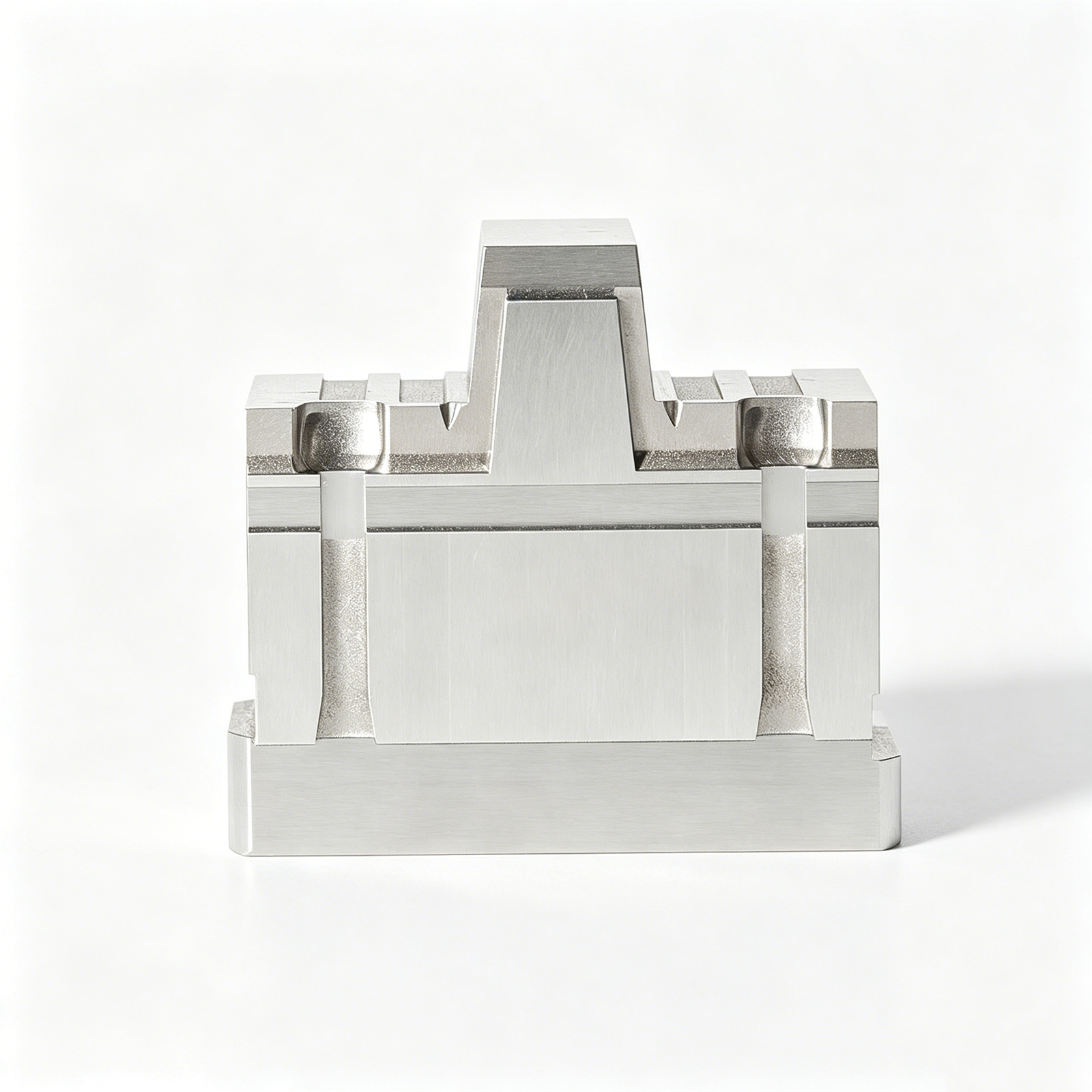
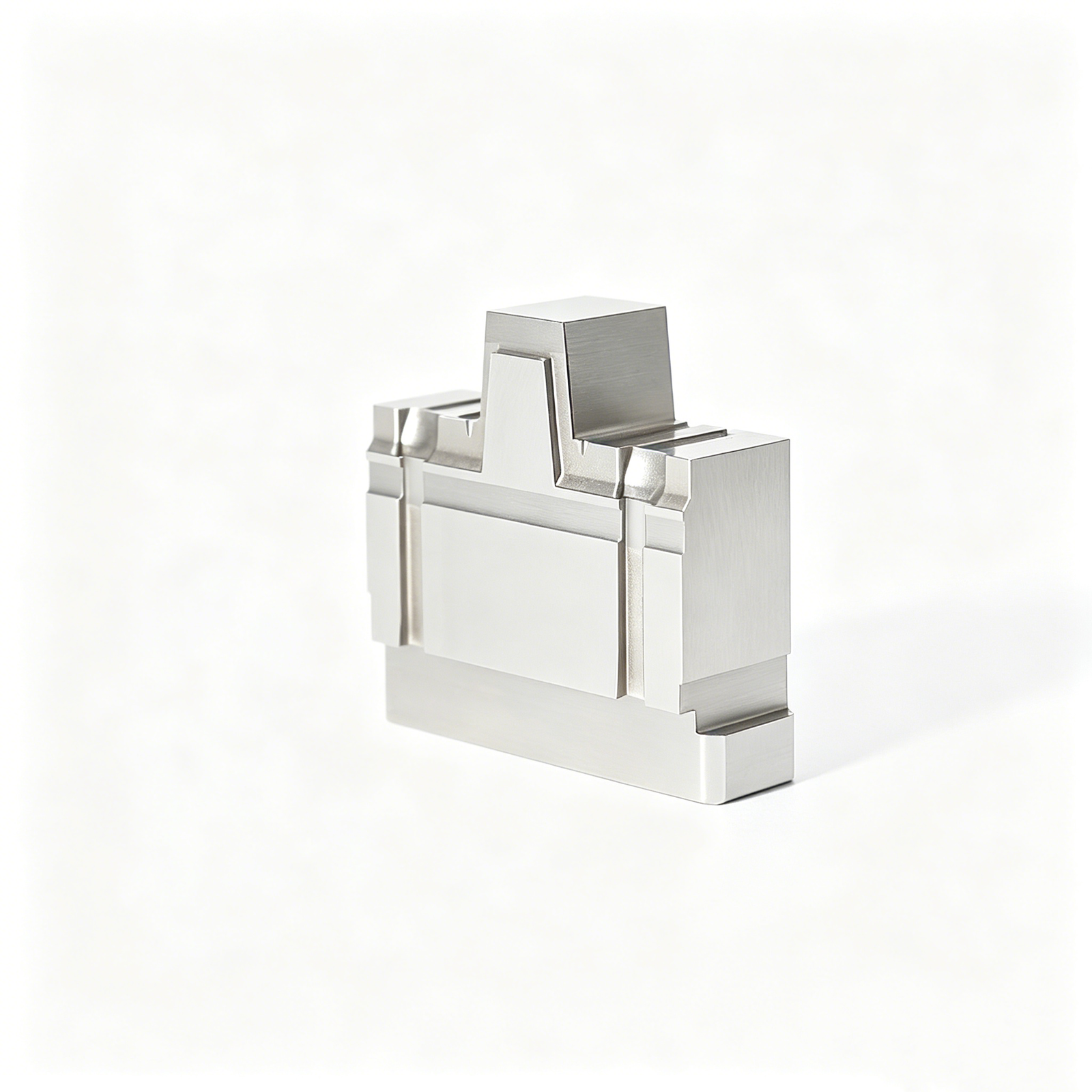
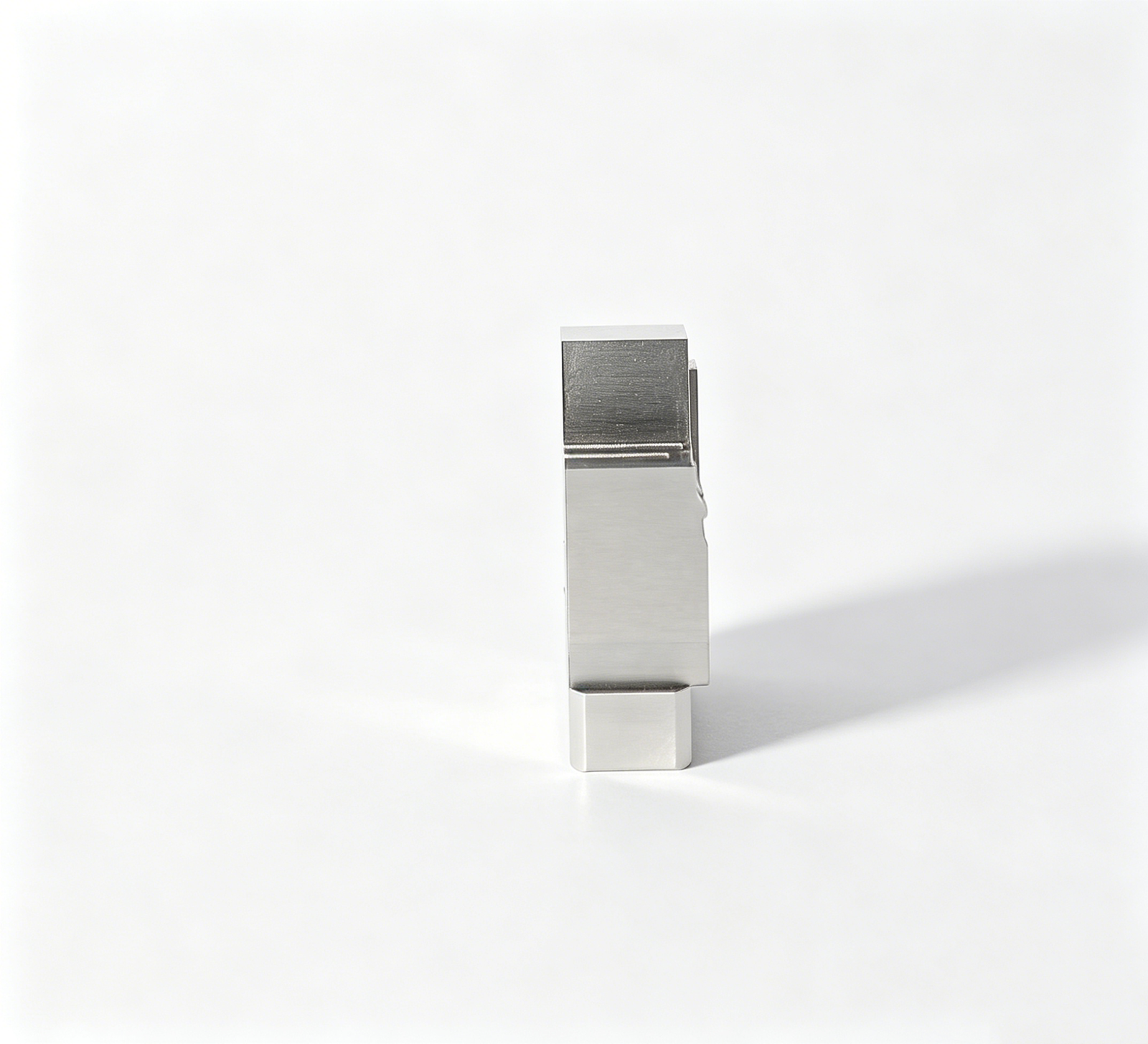
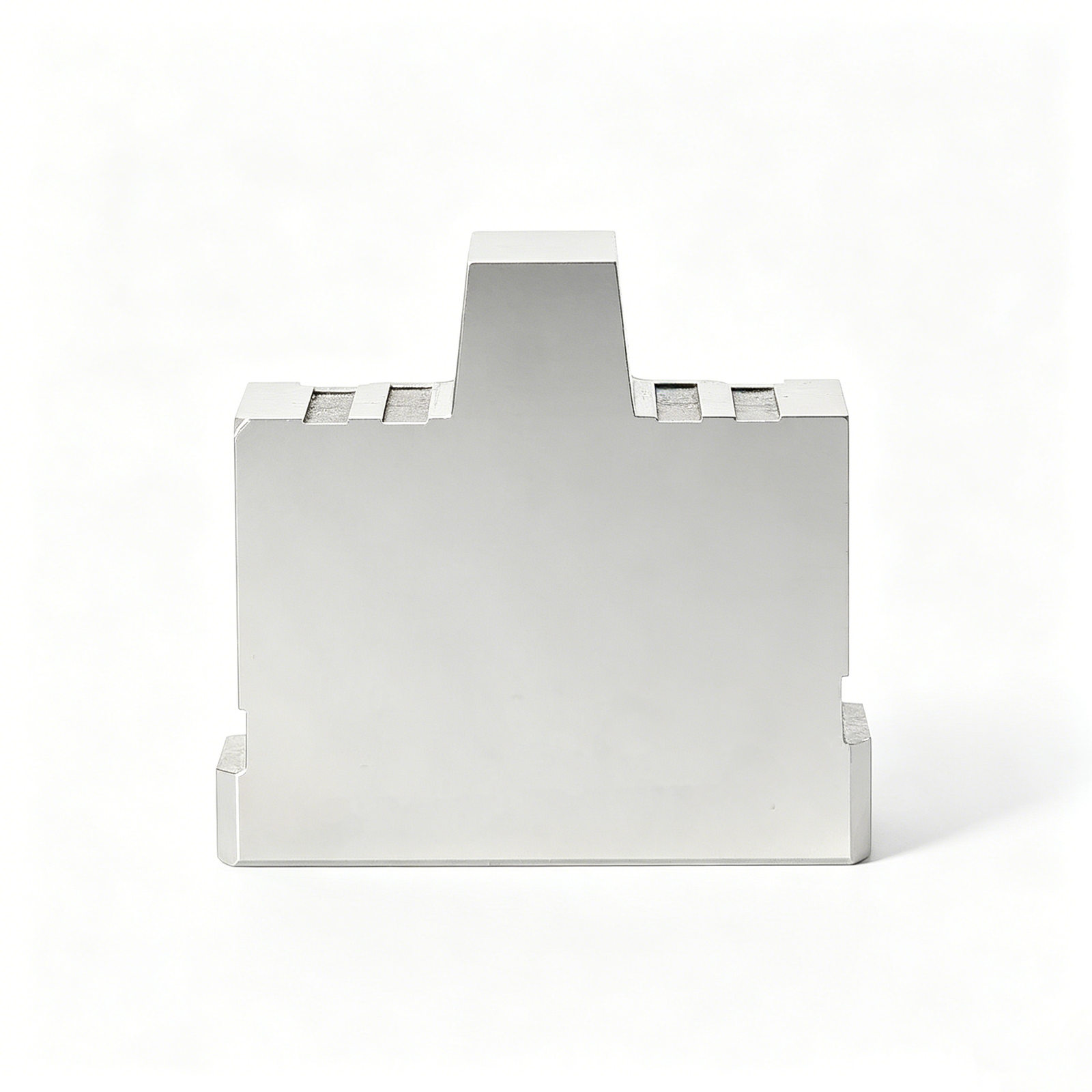
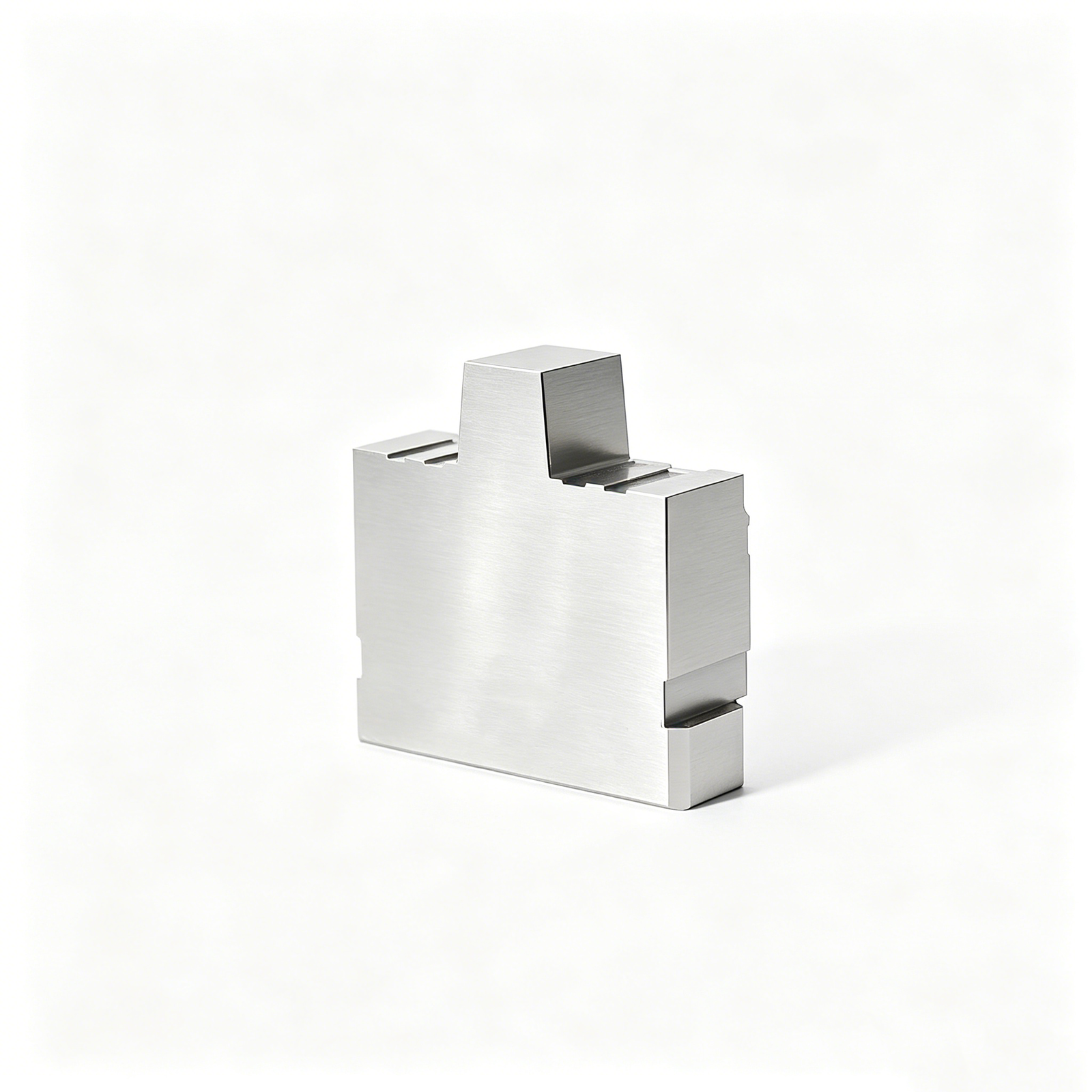
Plastic film parts · Precision mold insert
Precision Mold Components for Automotive Connectors – Fine-Pitch Cavities, Cores & Ejector Pins
Brand Xuxiang Mold
Availability Made to drawing
RFQ pricing
Quote from STEP / PDF & quantity
Engineer stable, repeatable connector production with precision mold components for automotive connectors designed around fine-pitch, multi-cavity tools. Each core, cavity, sleeve and ejector pin is manufactured for accurate alignment, clean parting lines and consistent dimensional control in demanding connector geometries. These components help you minimize flash, warpage and mismatch on complex terminal arrays, even at high cavitation and short cycle times. Use them to upgrade existing connector molds or specify them in new tools for better uptime and longer mold life. Ideal for Tier 1 and Tier 2 suppliers who need dependable tooling performance in automotive electrical connector projects.
- ISO 9001:2015–oriented process & documented inspection paths
- Zeiss / Nikon class metrology available for critical dimensions
- DFM feedback from 10+ senior tooling engineers
- Dongguan HQ + Quanzhou capacity for volume programs
High-Precision Mold Components for Modern Automotive Connectors
Automotive electrical connectors demand extremely tight dimensional control to ensure secure mating, reliable electrical contact and long-term performance in harsh environments such as under-hood, battery, ADAS and interior electronics systems.[1][9] To achieve this, the injection mold itself must be built around high-precision components, including cores, cavities, sleeves, gate inserts, ejector pins and alignment elements specifically optimized for connector tooling.[1][4][14] This precision mold components for automotive connectors set is designed to support fine-pitch connector housings, multi-row terminal interfaces and complex latch and key features, helping mold makers and OEMs reach the accuracy and cycle-time targets required in the automotive sector.
By using carefully machined, hardened and polished mold inserts, shops can control critical dimensions on terminal pockets, sealing grooves, ribs and thin walls, while managing plastic flow to reduce warpage and voids in the finished connector.[4][7][11] These components are suitable for new tooling builds and for refurbishing existing connector molds to restore dimensional stability and extend service life.
Key Features & Performance Benefits
The components in this range are tailored for the manufacturing of automotive-grade plastic connector housings used in wiring harnesses, modules and sensor interfaces.[1][2][5] They are engineered to help mold designers and processors overcome the typical challenges of injection molded connectors, such as maintaining wall thickness uniformity, ensuring proper draft for ejection, and achieving clean, repeatable parting lines.[4][7]
- Fine-pitch geometry control: Core and cavity inserts are shaped to define precise terminal windows, keying features and latch details required for modern high-density connector systems.[3][6][12]
- Stable alignment for multi-cavity tools: Guided components and accurately machined reference surfaces help keep alignment between cores, cavities and sleeves, reducing flash and dimensional mismatch across cavities.[1][4]
- Surface finish optimized for connector plastics: Polished and/or textured working surfaces are tuned to the flow and release characteristics of typical connector polymers, including high-temperature, glass-filled engineering resins.[4][7][11]
- Wear and corrosion resistance: Mold steels and treatments commonly used in connector molds provide resistance to abrasion, high injection pressures and potential corrosive effects of certain flame-retardant materials.[4][9][14]
- Designed for consistent ejection: Ejector pins and sleeves are arranged so that delicate snap-fits and thin partitions are protected as the part is released from the mold, reducing scrap and deformation.[4][7]
- Support for optimized cooling: Component geometries take into account typical cooling layouts, enabling good thermal balance for shorter cycles without compromising dimensional stability.[4][11]
Together, these attributes help toolmakers deliver connectors that mate reliably, maintain tight positional tolerance on terminals and resist cracking or distortion during assembly and vehicle operation.[9][11]
Specifications & Core Attributes
The exact size and configuration of precision connector mold components will vary according to the connector family, cavity count and molding machine parameters. Instead of fixed numerical values, the table below outlines the key attribute categories typically considered when specifying these components for automotive applications.[1][2][3][6][12][14]
| Attribute | Description |
|---|---|
| Application | Mold components for automotive electrical connector housings used in wiring harnesses, control modules and sensor systems |
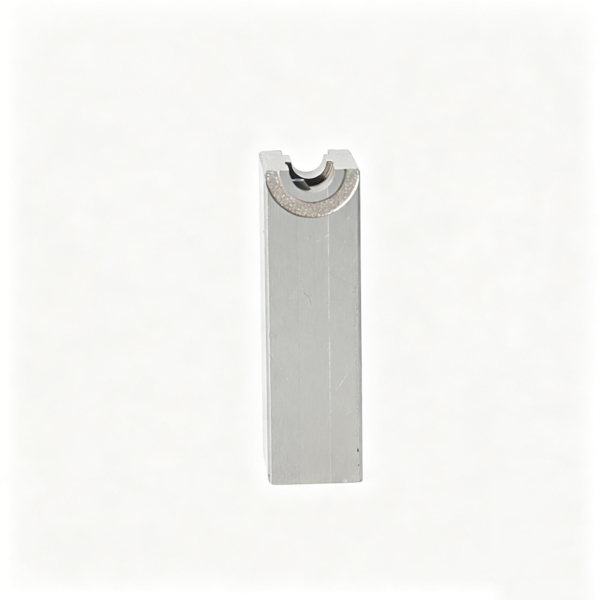
| Main component types | Cavity inserts, core pins, sleeves, gate inserts, ejector pins, alignment elements and related precision mold parts |
| Typical connector styles supported | Single-row and multi-row plug and receptacle connectors, header housings, sealed and unsealed connectors |
| Geometry focus | Fine-pitch terminal pockets, alignment ribs, latch arms, keying features and sealing groove details for automotive connectors |
| Compatible molding materials | Automotive-grade thermoplastics commonly used for connectors, including high-performance, heat-resistant and glass-filled compounds |
| Dimensional accuracy target | Engineered to support tight tolerances required for consistent connector mating and terminal positioning, in line with automotive connector standards |
| Surface treatment | Precision grinding and polishing; additional coatings or treatments can be selected to enhance wear and corrosion resistance where required |
| Mold configurations | Suitable for single- and multi-cavity tools, family molds and high-cavitation designs for high-volume automotive production |
| Integration with mold systems | Designed to work with standard mold bases, hot runner or cold runner systems, and typical automotive connector mold layouts |
| Target production environment | High-volume, automotive-grade injection molding with focus on process stability, low scrap and long tool life |
Use Cases & Ideal Users
These precision mold components are relevant anywhere automotive connectors are molded, from high-volume harness connectors to specialized interfaces in EV power electronics and driver-assistance systems.[9][11][15] By configuring the correct combination of core pins, cavities and auxiliary inserts, engineers can tailor the mold to the exact connector design and production goals.
- Automotive connector mold manufacturers who need reliable inserts and pins for new mold builds focused on accuracy, repeatability and fast cycle times.[1][2][14]
- Tier 1 and Tier 2 automotive suppliers producing connector housings for wiring harness assemblies, body control modules, lighting systems, infotainment units and more.[11][15]
- Tooling engineers and mold designers optimizing existing connector molds to minimize flash, improve filling balance and enhance part ejection.[4][7]
- Maintenance and repair departments looking to replace worn cores, cavities and ejectors to restore mold capability without a complete tool rebuild.[4][9]
- Development teams building prototype and pre-production connector tooling where rapid iteration and stable dimensional control are crucial.[7][10]
Because automotive connectors must mate with precise terminal and sealing systems, small dimensional variations can cause assembly issues, poor contact retention or leaks in sealed connectors. Using dedicated precision components for the mold gives engineers a practical way to manage these tolerances at scale.[1][9][11]
Care, Maintenance & Buying Guidance
To maximize the value and lifespan of precision mold components for automotive connectors, it is important to follow sound tooling maintenance practices. Regular cleaning, inspection and controlled storage play a major role in maintaining accuracy over high production volumes.[4][9]
- Routine inspection: Check working surfaces of cores, cavities and sleeves for wear, corrosion or damage, especially around fine features such as terminal pockets and latch areas.[4]
- Cleaning and lubrication: Clean off resin deposits and vent residue using appropriate solvents and tools; apply rust preventive or light lubrication to non-forming surfaces during storage.[4][9]
- Monitoring ejection systems: Inspect ejector pins and sleeves for galling or bending that might affect part release or mark the connector housings.[4][7]
- Controlled handling: Handle inserts and pins carefully during installation or changeover to avoid nicking critical surfaces or edges.
When specifying or purchasing components, it is helpful to share detailed connector drawings, resin data, expected annual volumes and mold layout information with the supplier so that the chosen materials, surface finishes and component geometry match the application.[2][3][6][12][14] Close collaboration between the connector designer, mold designer and component supplier supports better mold performance and more consistent molded parts.[4][7]
FAQ
Are these precision mold components compatible with my existing connector mold base?
Most precision components for automotive connectors are designed to integrate with standard mold bases and common connector mold layouts. To confirm compatibility, share your current mold drawings and connector specifications so that core, cavity and ejector elements can be matched or adapted to your existing design.[1][4][14]
What information do I need to provide when ordering components for a new connector project?
You should provide connector 3D models or drawings, target resin data, expected annual volume, cavitation, gating concept and any special performance requirements such as sealing or high-temperature operation. This allows the supplier to recommend appropriate component geometries, materials and finishes.[2][3][6][12]
How do I know if these components will meet my accuracy requirements?
Automotive connector mold components are engineered to support tight tolerances for features like terminal pockets, wall thickness and keying details. You can align on tolerancing by reviewing sample drawings, material capability and any available inspection reports or trial data with the supplier.[1][3][6][9]
What kind of maintenance schedule is recommended for connector molds using these components?
A maintenance plan typically includes frequent cleaning of vents and parting lines, inspection of fine features at defined shot intervals, and planned replacement of heavily loaded cores or pins. The exact schedule depends on resin type, cycle time and production volume, but regular maintenance significantly extends tool life.[4][9]
Can I use these mold components with high-temperature, glass-filled connector materials?
Yes, connector molds commonly process heat-resistant, glass-filled engineering plastics. Components are typically produced from suitable tool steels and treatments to handle abrasion and temperature, but you should confirm resin details so that materials and surface treatments can be selected appropriately.[4][7][11]
What is the typical lead time for custom core and cavity inserts?
Lead time varies with design complexity and order quantity, but custom connector cores and cavities generally require design review, machining, heat treatment and finishing steps. Providing complete data early and approving drawings quickly helps keep lead times as short as possible.
Do these components support high-cavitation automotive connector molds?
Yes, they are suitable for high-cavitation and multi-row connector molds used in automotive harness and module production. Accurate machining and consistent alignment are especially important in such tools, and the components are designed with this in mind.[1][2][11]
How are returns or adjustments handled if a component does not match the drawing?
If a delivered component does not conform to the approved drawing or agreed specification, suppliers typically review inspection results, verify the deviation and then arrange for rework, replacement or another agreed corrective action according to their warranty and returns policy.
What shipping options are available for these precision mold components?
Shipments are usually packaged to protect ground and polished surfaces and can be sent via standard courier or freight services depending on weight and urgency. You can choose cost-optimized or expedited shipping during ordering based on your project schedule.
Can I order small quantities for prototype connector tooling?
Yes, many suppliers can support low-volume or prototype orders for connector mold cores, cavities and inserts. This is useful for development tools where connector designs may change before finalizing high-volume production molds.[7][10]
Related products
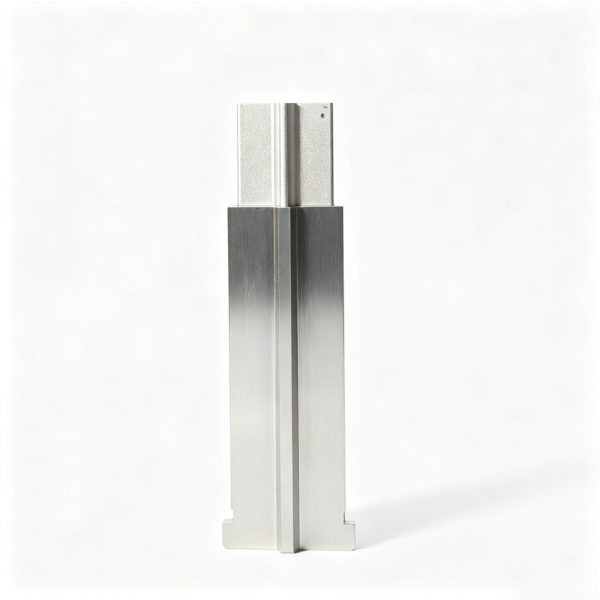
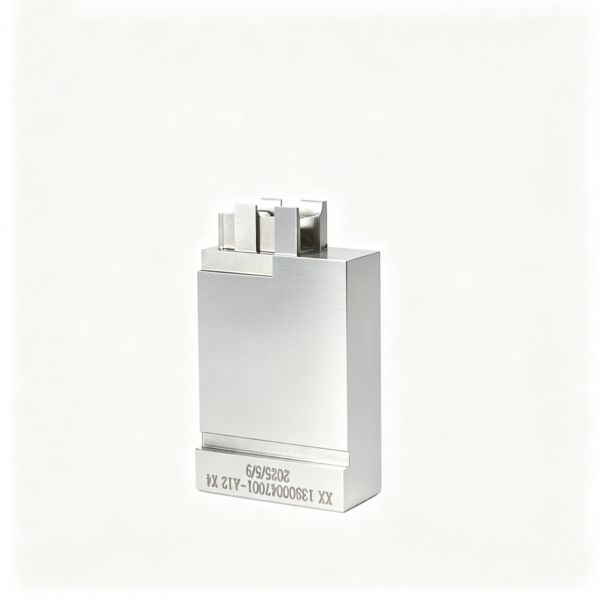
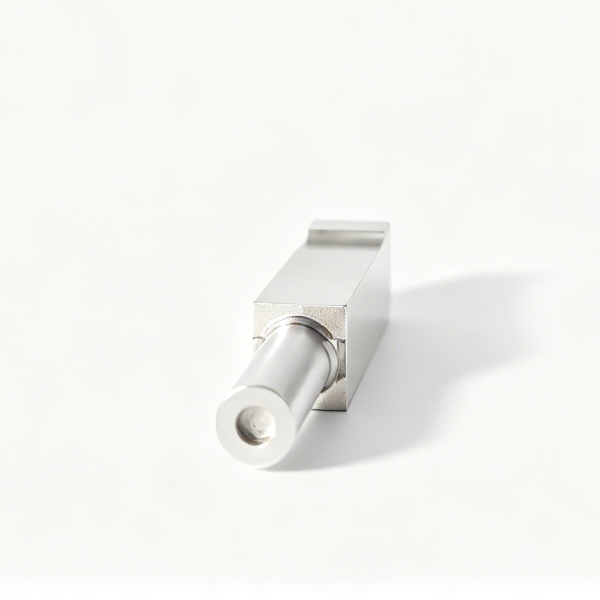
Same drawing, predictable results—next batch
Share revision, quantity ramp, and inspection level. We quote process route, ship date, and documentation in one structured response.