
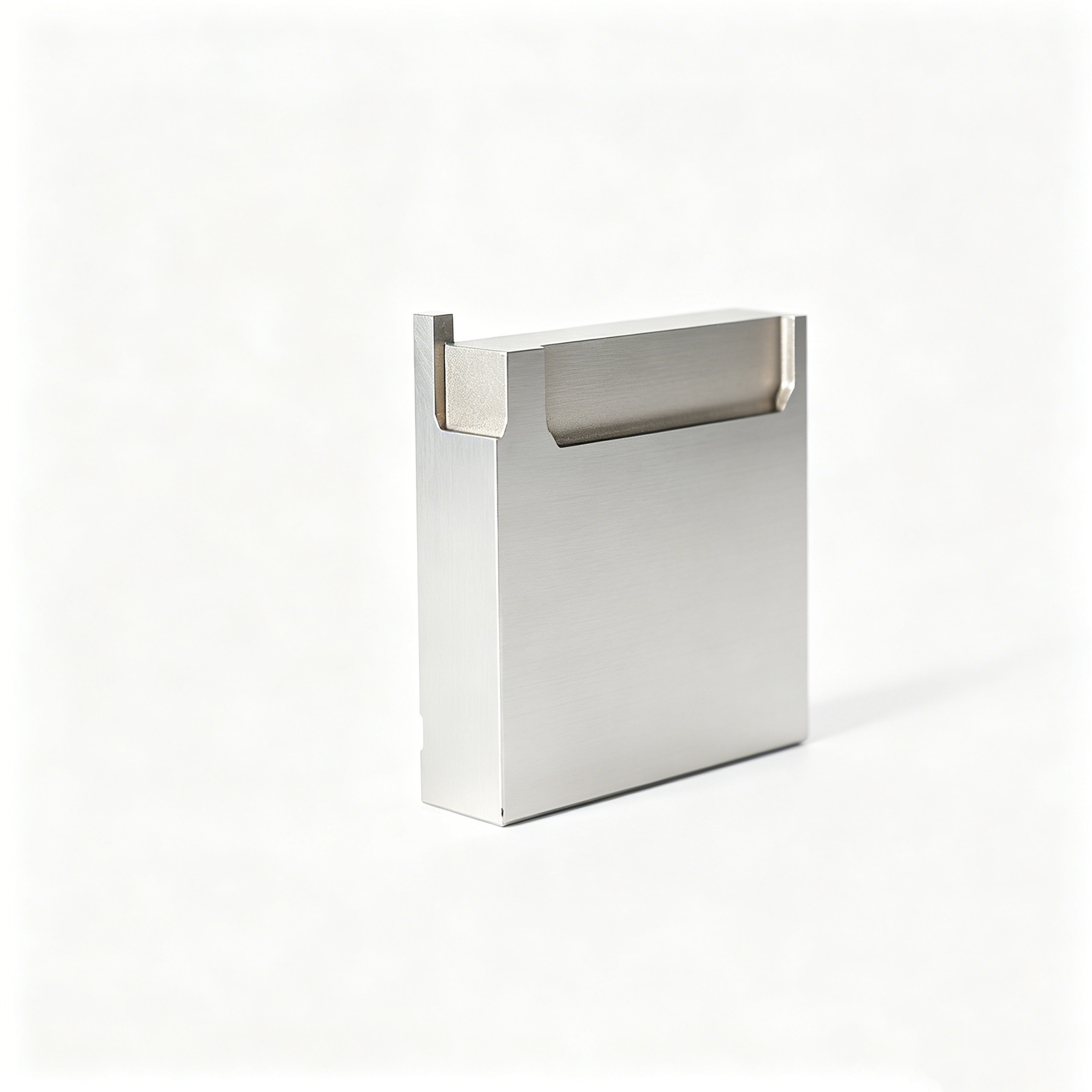
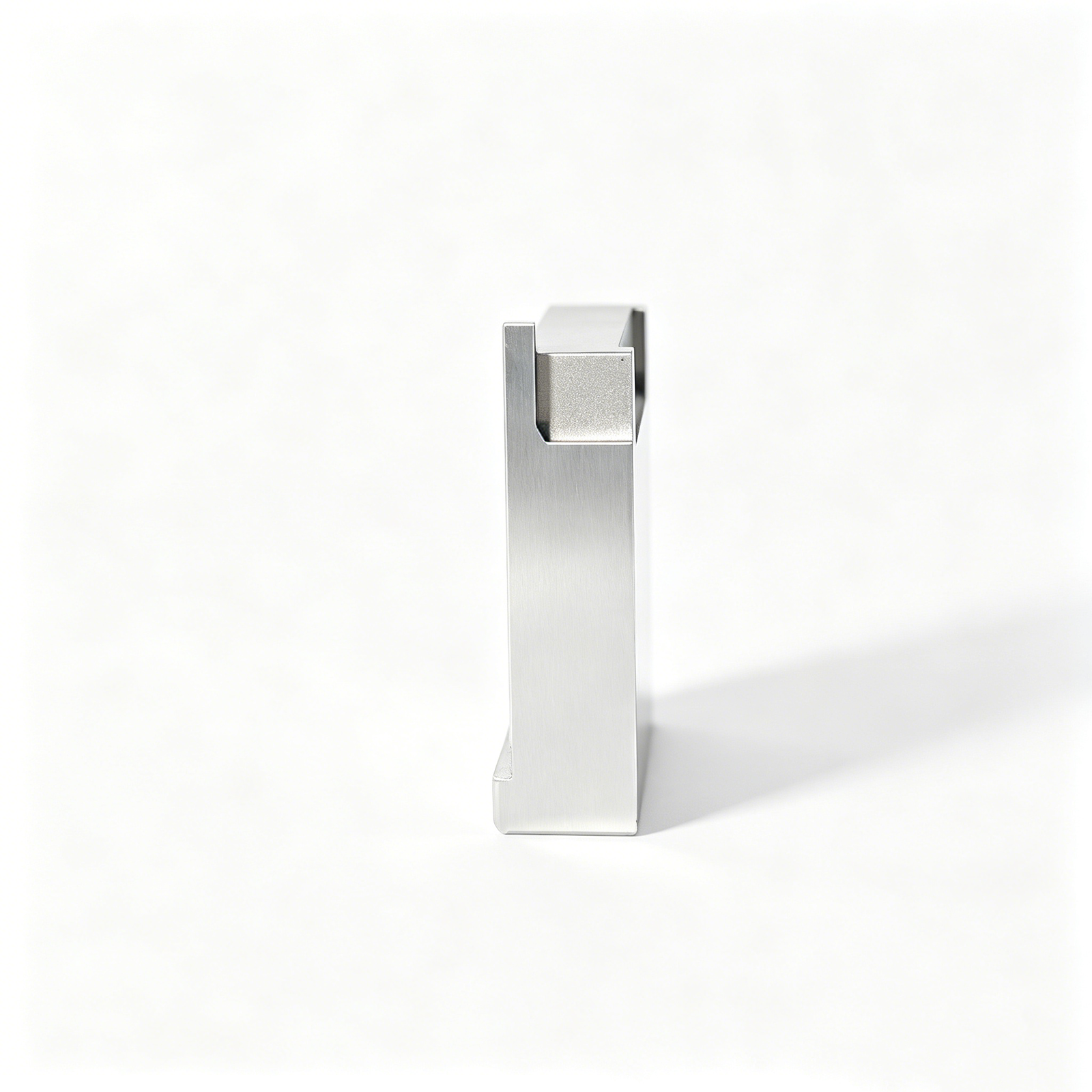
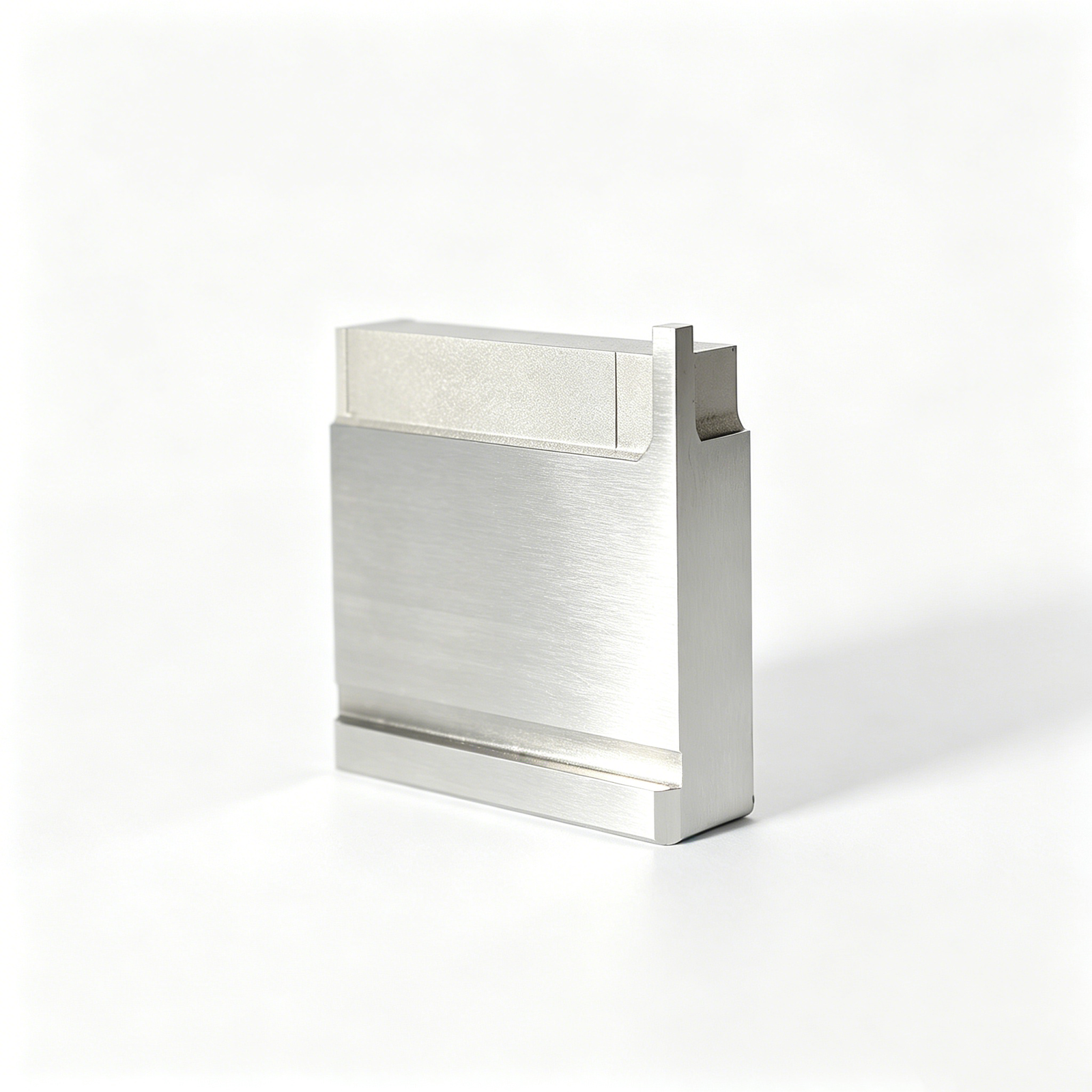
Plastic film parts · Precision mold insert
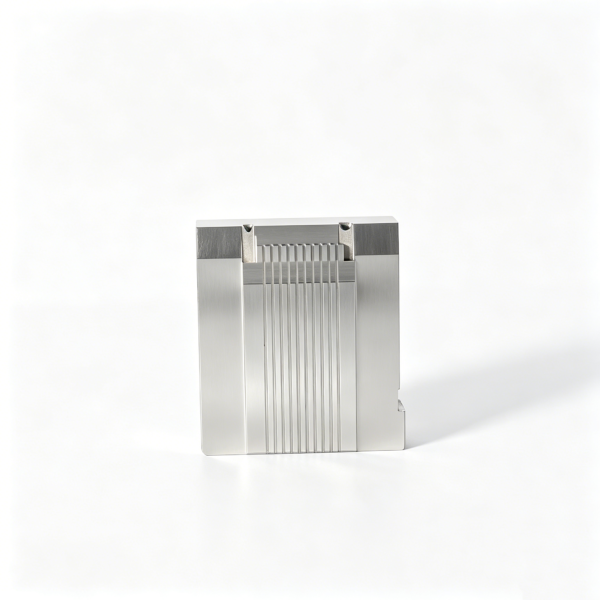
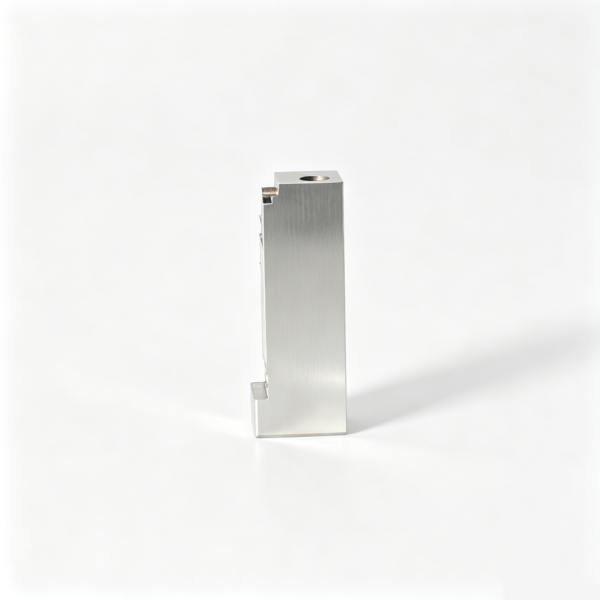
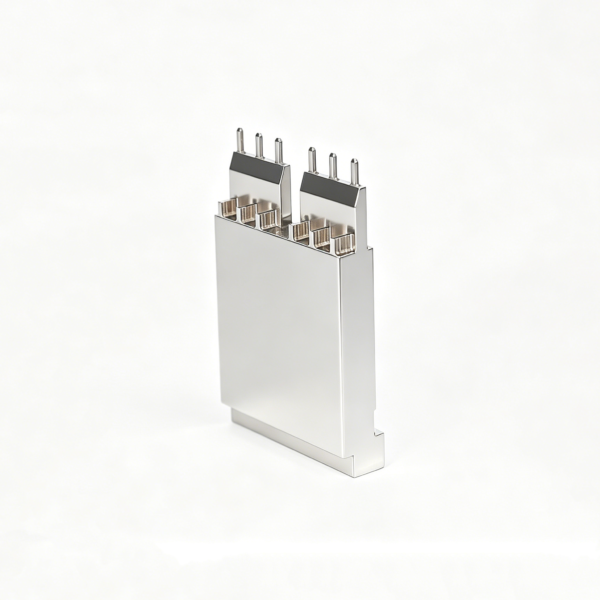
Precision Mold Components for Automotive Connectors – Fine-Detail Core Pins & Insert Parts
Brand Xuxiang Mold
Availability Made to drawing
RFQ pricing
Quote from STEP / PDF & quantity
Engineer reliable connector tooling with these precision mold components for automotive connectors designed for fine-detail plastic parts. Each core pin, sleeve and insert is manufactured for stable dimensions and repeatable molding of multi-cavity tools. Use them to maintain tight pitch, consistent terminal spacing and clean shut-offs, even in high-cavitation connector molds. Ideal for OEM and Tier 1 suppliers seeking smooth production start-up and reduced maintenance downtime.
- ISO 9001:2015–oriented process & documented inspection paths
- Zeiss / Nikon class metrology available for critical dimensions
- DFM feedback from 10+ senior tooling engineers
- Dongguan HQ + Quanzhou capacity for volume programs
Precision Mold Components for Fine-Detail Automotive Connectors
Automotive electrical connectors demand extremely accurate plastic geometry to ensure secure mating, stable electrical performance and long service life in harsh under‑hood and in‑cabin environments. Precision mold components for automotive connectors provide the critical core pins, sleeves, inserts and related tooling elements that shape these intricate housings, seals and terminals in high-speed injection molding lines.
These components are engineered for fine-detail connector features such as thin walls, narrow slots, terminal windows and latch mechanisms, where dimensional drift or wear can quickly cause flash, short shots, poor fit or electrical malfunctions. By choosing well‑designed, high-quality mold inserts and pins, toolmakers and molders improve process stability, minimize downtime and extend the service life of complex connector molds used in large-volume automotive production.[1][4][6]
Whether you are building a new high-cavitation connector mold or refurbishing existing tools, these mold components support consistent connector housing quality across long production runs. They are suitable for a wide range of automotive connector families, including power distribution, sensor, ECU, lighting and infotainment connectors where tight tolerances and repeatability are non‑negotiable.[1][4][10]
Key Features & Benefits
- Fine-detail geometry capability – Designed to reproduce narrow slots, small chambers and detailed locking features found in modern automotive connector designs without compromising mold strength.
- Stable dimensional performance – Precision machining and controlled surface finishing help maintain cavity alignment and critical dimensions through repeated thermal cycling and high clamp forces.[1][6]
- Reduced wear in high-cavity tools – Wear-resistant materials and optimized geometry mitigate abrasion from glass-fiber-filled engineering plastics commonly used in automotive connectors.[4][10]
- Improved part consistency – Consistent core and cavity details support uniform filling, shrinkage control and minimal warpage for better connector fit with mating components and terminals.[4][7][10]
- Serviceable and replaceable – Insert-style construction allows individual worn components to be replaced without reworking the entire mold base, helping to manage life‑cycle costs and reduce downtime.
- Compatible with automotive-grade resins – Configured for materials such as PA, PBT and other engineering plastics used in high-temperature, electrically insulating connector applications.[4][10]
Specifications & Technical Overview
The following table summarizes the typical characteristics of these precision mold components for automotive connectors. Values are presented descriptively rather than numerically so you can align them with your specific tooling standards and internal specifications.
| Attribute | Description |
|---|---|
| Product type | Precision mold components for automotive connector molds, including core pins, sleeves, inserts and related tooling parts[1][3][6] |
| Typical application | Injection molding of automotive electrical connectors, housings, plug bodies, terminal carriers and related plastic parts[1][4][10] |
| Material options | Tool steels and similar high-strength, wear-resistant grades suitable for repeated injection molding with automotive engineering plastics[4][6] |
| Manufacturing process | Precision machining and grinding of mold cores and inserts, often followed by heat treatment and fine polishing of functional surfaces[3][6][8] |
| Tolerance capability | Fine tolerance levels appropriate for connector features such as terminal windows and pitch control, helping to ensure correct mating and sealing[3][6][8] |
| Surface finish | Controlled surface finish on cavity and core areas to support clean ejection, reduce sticking and achieve the required cosmetic level for visible connectors[3][6] |
| Connector styles supported | Suitable for multi-pin, fine-pitch, sealed and unsealed automotive connectors used in power, signal and data applications[1][4][10] |
| Mold compatibility | Can be integrated into new or existing connector molds with appropriate seating, cooling and alignment provisions specified by the mold designer[4][9] |
| Target users | Automotive mold makers, injection molders, OEM and Tier suppliers manufacturing plastic connector components[9][10][14] |
| Maintenance approach | Regular cleaning, inspection and scheduled replacement of high-wear components to sustain connector quality over long production runs[4] |
Typical Use Cases & Applications
Precision mold components for automotive connectors are used wherever high-density plastic connectors must be molded with minimal dimensional variation and long mold life. Their main application areas include:
- Powertrain and under‑hood connectors – For sensor, actuator and engine management connectors that must withstand elevated temperatures, vibration and exposure to fluids.[10][14]
- Body and lighting systems – Connector housings for headlights, taillights, body control modules and exterior accessories where sealing and corrosion resistance are critical.[10][14]
- Safety and ADAS components – Connectors for airbag systems, cameras, radar and driver-assistance modules that require precise positioning and secure latching.[10]
- Infotainment and interior electronics – Multi‑pin connectors for displays, audio systems and communication modules that must achieve reliable mating over repeated use.[10]
- High-cavitation and multi-row connectors – Tooling for multi-row terminal arrangements and fine-pitch designs where many small cores, sleeves and pins work together to produce complex connector geometries.[1][4]
These components are particularly valuable to mold makers and injection molders working on new platform launches, global vehicle programs and modular connector families, where common tooling concepts must perform reliably across different cavity layouts and resin variants.
Selection, Care & Buying Guidance
Choosing the right precision mold components for automotive connectors begins with a clear understanding of the connector design, the selected plastic material and the expected production volume.[4][7] When specifying components, consider the following guidelines:
- Match component design to connector geometry – Work closely with your mold designer to ensure core pins, sleeves and inserts are sized and located to maintain uniform wall thickness and proper draft angles for the connector housing.[4][7]
- Account for resin behavior – For glass-fiber-filled or high-temperature resins, prioritize wear-resistant materials and surface treatments on high-stress regions to reduce abrasion and maintain dimensional stability over time.[4][10]
- Plan for maintainability – Favor modular insert designs that allow individual components to be removed from the parting line for polishing or replacement without major disassembly of the mold.[4]
- Establish a maintenance schedule – Implement routine cleaning and inspection of gate areas, vents and fine detail cores to prevent buildup and early wear, especially in high-cavity production molds.[4]
- Validate with trial runs – After installation, use trial shots to verify connector fit, latch performance and terminal insertion behavior, then adjust process parameters in conjunction with tooling if necessary.[7][10]
When purchasing, share your connector drawings, resin information and target annual volume with the supplier so they can recommend the most suitable component configuration and material grade. This collaborative approach helps ensure your connector tooling performs consistently from first shots through long-term serial production.
FAQ
Are these mold components compatible with my existing automotive connector mold?
In many cases, precision mold components can be adapted to existing connector molds provided there is adequate space, seating and alignment features in the tool. Your mold designer or toolmaker should review the current mold layout and connector drawings to confirm fit and determine any modifications required.[4][9]
What connector types can I produce with these components?
These components are suitable for a range of automotive connector families, including power, signal and data connectors used in powertrain, body, lighting, safety and infotainment systems. As long as the connector geometry and plastic material are defined, the mold components can be configured to support that design.[1][4][10]
How do I ensure compatibility with my chosen plastic resin?
Inform your supplier whether you are using PA, PBT or other automotive-grade resins, and if they are filled or unfilled. Material and coating recommendations for the mold components can then be tailored to manage wear, corrosion and thermal cycling associated with that specific resin and processing window.[4][10]
What kind of maintenance do these precision mold components require?
Regular cleaning, lubrication where appropriate and visual inspection for wear or damage are recommended. Focus on fine cores, pins and gating regions that see higher stress and resin flow. Establishing a preventive maintenance schedule based on your production volume helps keep connector quality stable over time.[4]
How are the components shipped and protected during transit?
Components are typically packaged with protective wrapping or individual cases to prevent nicks and corrosion in transit. For long-distance shipments, rust-preventive measures and secure packing help ensure that precision surfaces and edges arrive in ready‑to‑install condition.
Can I replace only one worn core pin or insert in a multi-cavity connector mold?
Yes, one advantage of using individual precision mold components is that a single worn or damaged part can be exchanged without rebuilding the entire mold. After replacement, a short validation run is recommended to confirm that the cavity matches the performance of the others.
What should I check if my molded connectors show flash or dimensional drift?
Inspect the corresponding mold components for wear, contamination, venting issues or misalignment. Check clamp tonnage, injection pressure and temperature settings, and verify that all cores and inserts are fully seated. Addressing both tooling and processing factors usually resolves connector flash or dimensional changes.[4][7]
Is there any warranty or support for these mold components?
Warranty terms vary by supplier but often cover manufacturing defects within a defined period. Technical support typically includes assistance with selection, integration guidance and troubleshooting during mold trials and early production.
How long do these components typically last in production?
Service life depends on factors such as resin type, cycle time, cavitation, maintenance practices and the specific connector design. With proper material selection and regular care, precision components in automotive connector molds can support extended production runs before needing replacement.[4][10]
Related products
Same drawing, predictable results—next batch
Share revision, quantity ramp, and inspection level. We quote process route, ship date, and documentation in one structured response.