
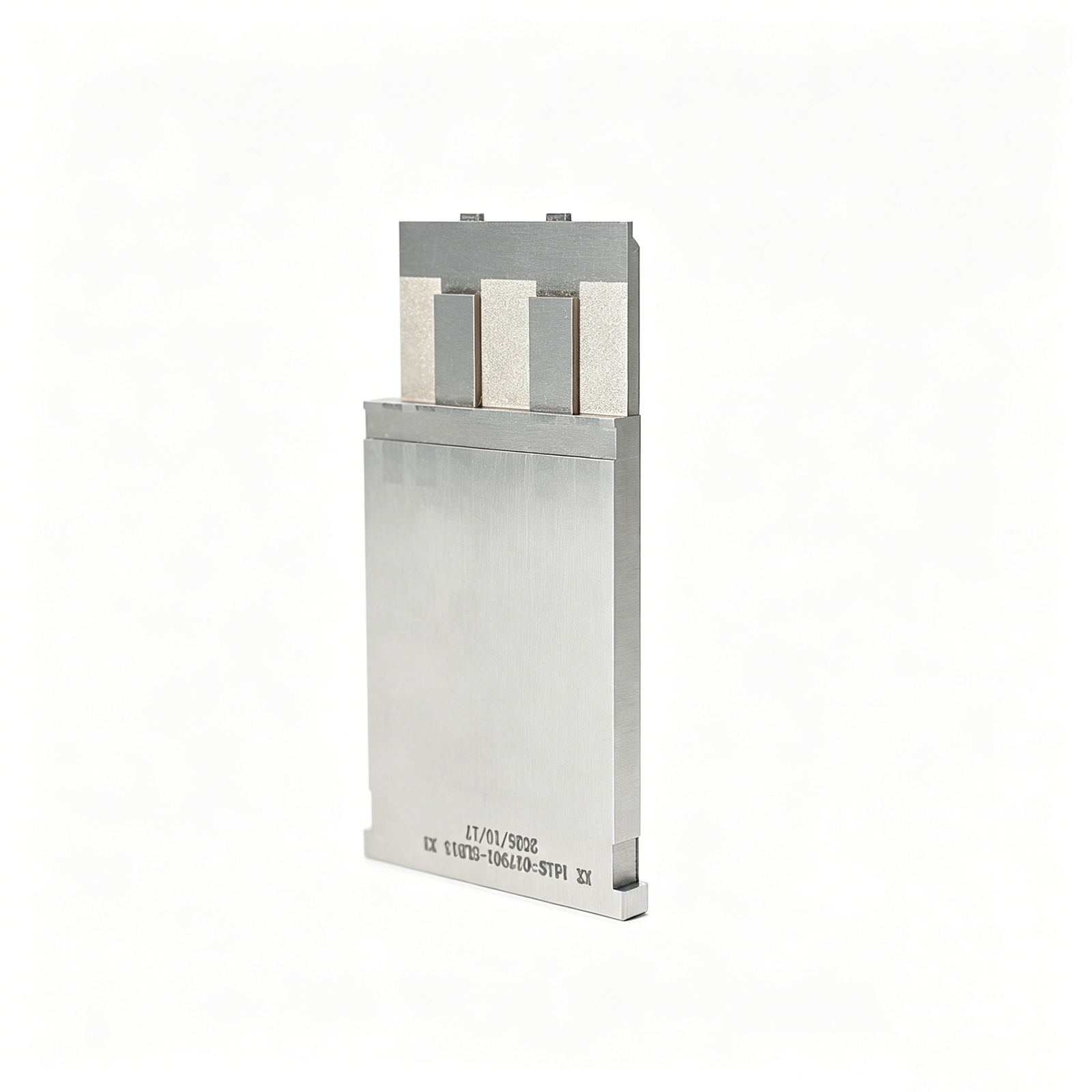
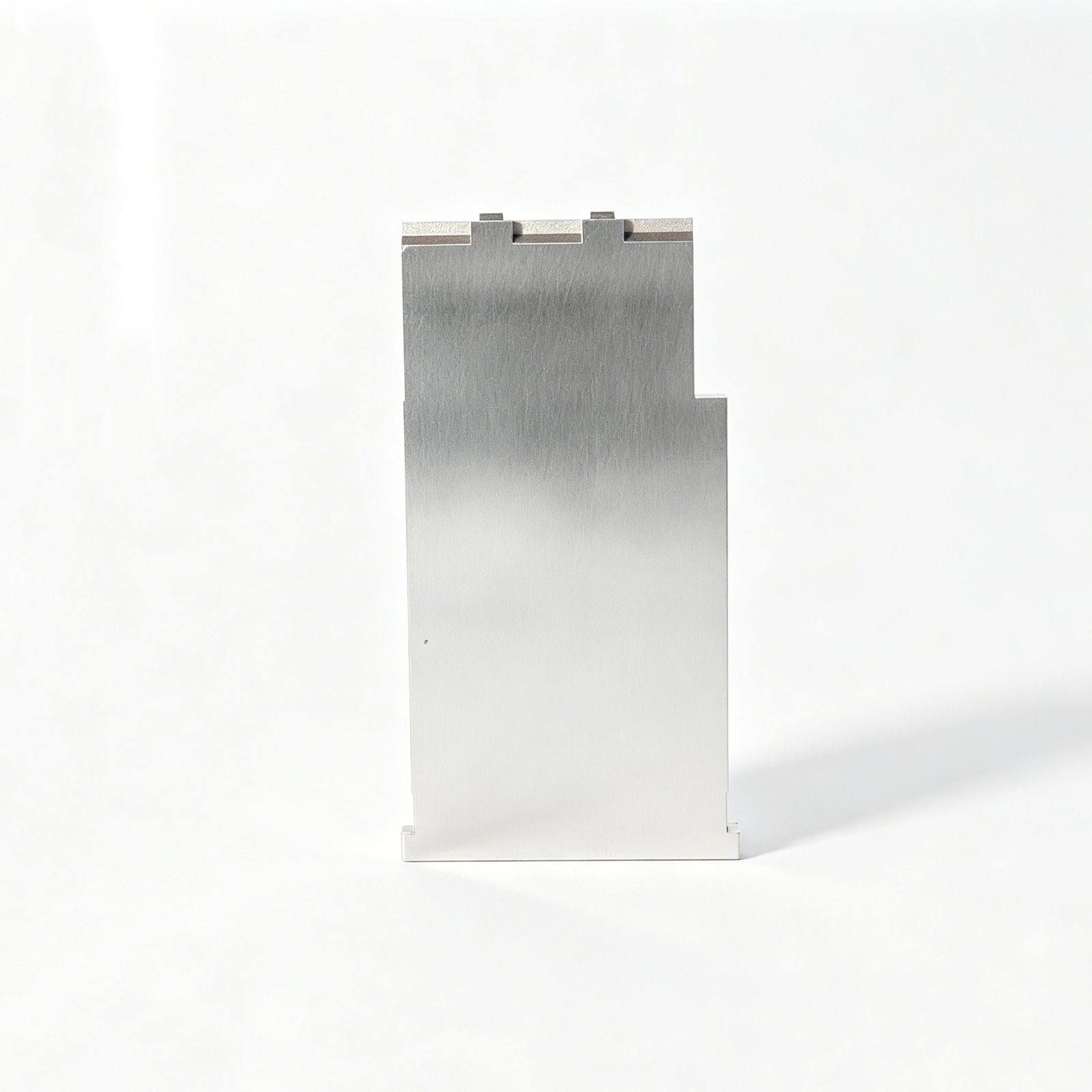
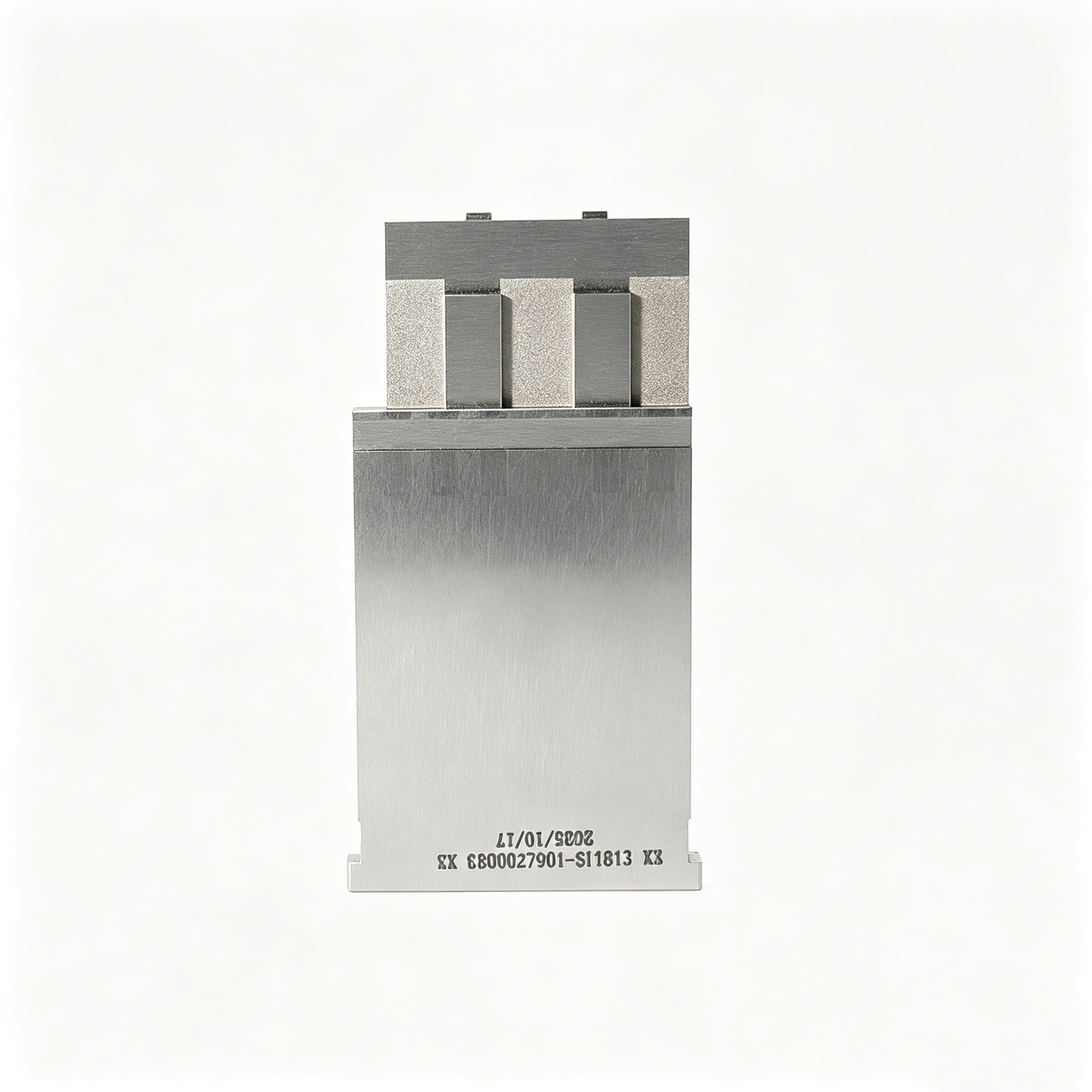
Plastic film parts · Precision mold insert
Precision Mold Components for Automotive Connectors – Tooling Upgrades for Stable High-Cavity Molds
Brand Xuxiang Mold
Availability Made to drawing
RFQ pricing
Quote from STEP / PDF & quantity
Upgrade your connector tooling with precision mold components for automotive connectors engineered for stable, repeatable production. Each core, cavity insert and pin is manufactured to exacting tolerances to help you maintain tight pitch spacing and consistent terminal alignment. These components support high-cavity, high-speed injection molding while reducing flash, deformation and dimensional drift over long runs. Ideal for OEMs and Tier 1 suppliers looking to extend mold life, improve first-pass yield and reduce downtime. Build more reliable harness connectors, sensor plugs and control-module housings with confidence.
- ISO 9001:2015–oriented process & documented inspection paths
- Zeiss / Nikon class metrology available for critical dimensions
- DFM feedback from 10+ senior tooling engineers
- Dongguan HQ + Quanzhou capacity for volume programs
Precision Mold Components for Automotive Connectors – What They Are & Why They Matter
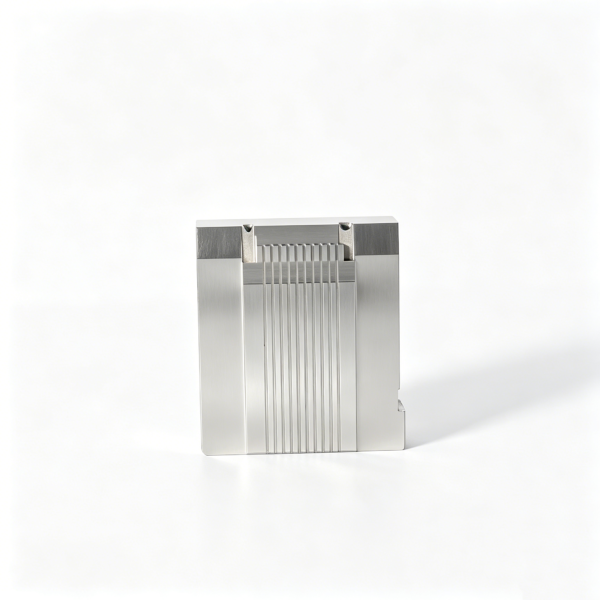
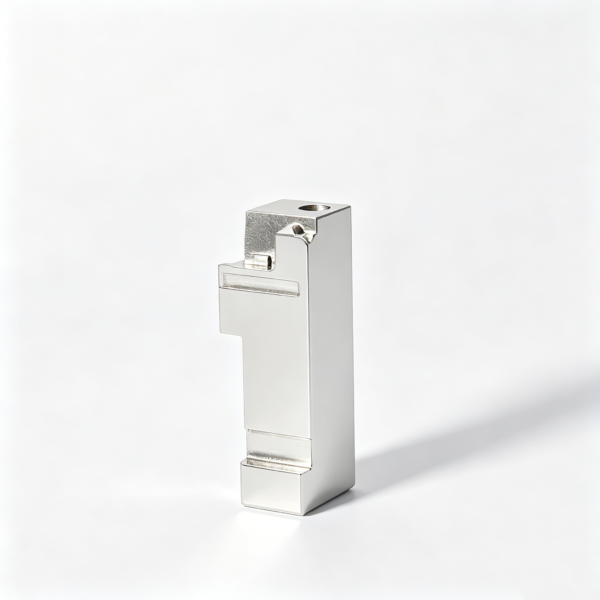
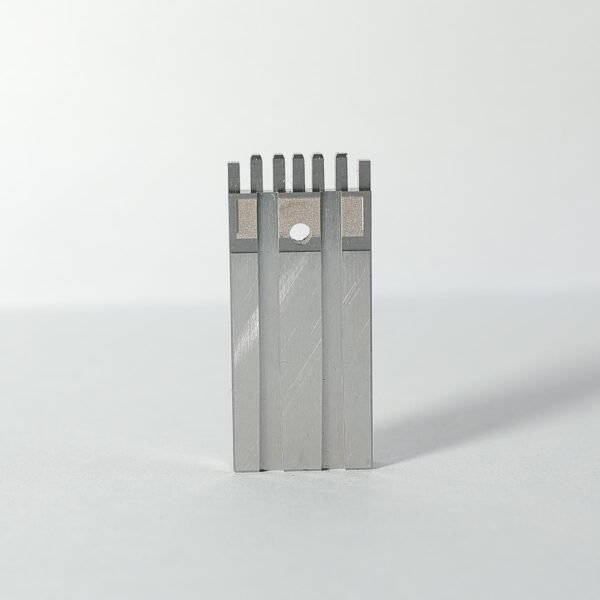
Automotive connector systems demand extreme reliability: every plastic housing must mate perfectly with terminals, seals and locking features in harsh under-hood, chassis and in-cabin environments. To achieve this, the tooling behind the parts must be just as precise. Precision mold components for automotive connectors are the critical inserts, cores, pins, sleeves, sliders and ejectors that define the geometry of each connector cavity and ensure consistent molding shot after shot.
These components are typically machined from high-grade tool steels and are heat-treated and surface finished to withstand abrasive glass-filled engineering plastics, rapid cycling and demanding automotive quality standards. By upgrading or specifying premium mold components in your connector tools, you can dramatically improve dimensional stability, reduce scrap rates and achieve the fine details needed for modern multi-pin, fine-pitch connectors.
Whether you are launching a new platform-specific connector family or refurbishing an existing mold for longer service life, carefully chosen precision parts help maintain alignment, control flash, and keep pin-to-pin spacing within specification. This is especially important where connectors interface with high-density ECU boards, sensor assemblies and complex wiring harnesses.
Key Features & Performance Benefits
These precision mold components are tailored to the demanding requirements of automotive connector tooling, with an emphasis on accuracy, stability and maintainability across high-volume production.
- Connector-specific geometry – Components are designed around the exact outline, locking details and terminal windows of automotive connectors, supporting fine-pitch layouts and complex multi-level cavities.
- Tight dimensional control – Fine machining and grinding deliver accurate profiles that help keep critical connector dimensions inside tolerance, promoting reliable mating and sealing performance.
- High wear resistance – Tool steels and optimized heat treatment help components resist abrasion from glass-filled and flame-retardant polymers commonly used in automotive electrical connectors.
- Stable performance over long runs – Robust designs support high-cavity molds and high injection speeds, helping maintain part consistency through extended production campaigns.
- Service-friendly construction – Inserts, cores and pins are typically designed for straightforward replacement and adjustment, making mold maintenance faster and reducing line downtime.
- Support for complex mold layouts – Compatible with multi-cavity, multi-row connector molds, including those with intricate gating, cooling and demolding systems.
When combined, these attributes contribute to lower total cost per part. Stable tooling reduces the time and labor spent on setup, troubleshooting and rework, while better connector quality reduces warranty risks and assembly-line disruptions in downstream harness manufacturing.
Specifications & Typical Component Types
The exact configuration of precision mold components for automotive connectors varies by connector family and mold design. Below is a representative view of the types of elements and characteristics you can expect. Use this as guidance when discussing requirements with your tooling or component supplier.
| Attribute | Description |
|---|---|
| Component scope | Cores, cavity inserts, core pins, sleeves, lifters, sliders, ejector pins and related precision inserts for automotive connector molds |
| Typical applications | Harness connectors, ECU housings, sensor connectors, power distribution plugs, in-cabin and under-hood electrical connectors |
| Material options | High-grade tool steels and comparable wear-resistant alloys suitable for injection molding of engineering plastics |
| Surface finishing | Precision grinding and polishing on functional surfaces; optional surface treatments or coatings according to project needs |
| Connector compatibility | Custom-tailored to customer connector drawings, including fine-pitch, multi-row and sealed connector designs |
| Mold type support | Single-cavity and high-cavity injection molds, hot-runner and cold-runner systems for automotive connector production |
| Tolerance philosophy | Engineered for consistent, repeatable cavity geometry to support demanding connector dimensional requirements |
| Maintenance approach | Components configured for periodic inspection, refurbishment or replacement within standard mold maintenance practices |
| Design services | Usually supported by collaborative engineering, including DFM review and connector mold optimization based on your CAD data |
Typical Use Cases & Who This Is For
Precision mold components for automotive connectors are a strategic choice for organizations that depend on stable, high-yield connector production. They are particularly relevant in the following contexts:
- New connector platform launches – When you are bringing a new connector family to market, especially for EV, ADAS, infotainment or powertrain applications, investing in high-quality tooling components from the outset helps avoid costly tooling changes later.
- Mold refurbishment or life extension – Existing connector molds may suffer from wear in critical areas such as terminal windows, latch details and sealing surfaces. Replacing worn inserts and pins with upgraded components can restore dimensional capability and extend mold life.
- Capacity expansions – Adding new high-cavity tools to support increased vehicle production volumes requires components that maintain consistency across multiple molds and manufacturing sites.
- Quality improvement initiatives – If your current tooling struggles with flash, warpage or connector misalignment, upgrading specific cores, inserts or pins can address root causes and improve first-pass yield.
- Tier 1 and Tier 2 suppliers – Wire harness manufacturers, connector specialists and plastic injection molders supplying OEM and aftermarket automotive connectors can all benefit from this level of precision.
In every case, the aim is to bring connector tooling closer to a “set and run” condition, with fewer interruptions for adjustment and less variability between cavities or production batches.
Selection, Care & Buying Guidance
Choosing the right set of precision mold components starts with a clear understanding of your connector design and your production environment. Here are key points to consider when specifying or purchasing components:
- Review connector drawings and tolerances – Align component requirements with the most critical connector dimensions and functional features, such as terminal alignment, latch function and seal compression areas.
- Consider material and resin choices – Glass-filled, high-temperature or flame-retardant materials require more robust, wear-resistant components than standard engineering plastics. Make sure your supplier understands the resin set you plan to run.
- Match components to mold layout – For high-cavity tools, discuss cavity balance, cooling layout and demolding strategy with your supplier to ensure inserts and pins support uniform quality across all cavities.
- Plan for maintenance – Select designs that allow for reasonable access to components that are most subject to wear, such as core pins and small inserts around locking features.
- Work closely with engineering support – Sharing 3D CAD, connector samples and historical production issues with your component supplier can help them propose targeted improvements.
For long-term performance, incorporate mold component care into your regular maintenance schedule. Cleaning residues from vents and fine details, checking for edge rounding or micro-cracks, and replacing worn pins or inserts before they fail outright can prevent unplanned downtime and quality spills.
FAQ
Are these precision mold components compatible with my existing automotive connector mold?
In most cases, components are customized according to your current mold design, connector drawings and cavity layout. Your tooling or component supplier will typically review CAD data and samples to ensure fit, then tailor cores, inserts and pins to match your existing mold base.
What information do I need to provide when ordering mold components for automotive connectors?
To receive accurate components, you should share the connector 2D/3D drawings, target resin information, mold layout, cavity count and any known quality issues you want to address. This allows engineering teams to recommend suitable materials, geometries and surface finishes.
How do I know if I should replace or refurbish existing cores and inserts?
Signs such as increased flash, dimensional drift, difficulty in de-molding or frequent part rework indicate that cavities, cores or pins may be worn. During scheduled mold maintenance, inspect high-wear areas; your supplier can advise if polishing is sufficient or a full replacement is recommended.
Can these mold components handle glass-filled or high-temperature connector resins?
Yes, when specified correctly. By selecting appropriate tool steels, heat treatment and surface finishes, precision components can be configured to withstand abrasive glass fibers and elevated processing temperatures commonly used in automotive connector applications.
What impact will upgraded mold components have on production output?
Well-designed precision components can reduce scrap, minimize mold adjustments and improve cavity-to-cavity consistency. Over time this typically leads to higher effective output, more stable cycle times and reduced downtime for troubleshooting or rework.
How should I maintain precision mold components to extend their service life?
Integrate regular cleaning, lubrication where appropriate and detailed visual inspection into your mold maintenance routine. Pay particular attention to small features, venting areas and core pins. Address early signs of wear or damage before they affect connector quality.
Do you support small engineering changes to improve connector mold performance?
Most specialized suppliers can help with incremental design adjustments, such as modifying draft angles, venting details or radii on critical features. By combining new components with minor design updates, you can improve molding window and reduce defect rates.
What is the typical lead time for custom automotive connector mold components?
Lead time depends on component complexity and order volume, but generally includes engineering review, machining, heat treatment and inspection steps. Discuss your project schedule in advance so that component delivery can be aligned with mold build or refurbishment plans.
How are the components packaged and shipped to protect precision surfaces?
Components are usually individually protected with corrosion-inhibiting packaging and cushioning materials to safeguard edges and fine features. Shipments are prepared to minimize impact, vibration and moisture exposure during transit.
What happens if a delivered component does not match the agreed specification?
If there is a discrepancy between the supplied part and the approved design, reputable suppliers will support inspection, correction or replacement. Clarify quality, inspection and return procedures before ordering to ensure issues can be resolved quickly if they arise.
Related products
Same drawing, predictable results—next batch
Share revision, quantity ramp, and inspection level. We quote process route, ship date, and documentation in one structured response.