
Plastic film parts · Precision mold insert
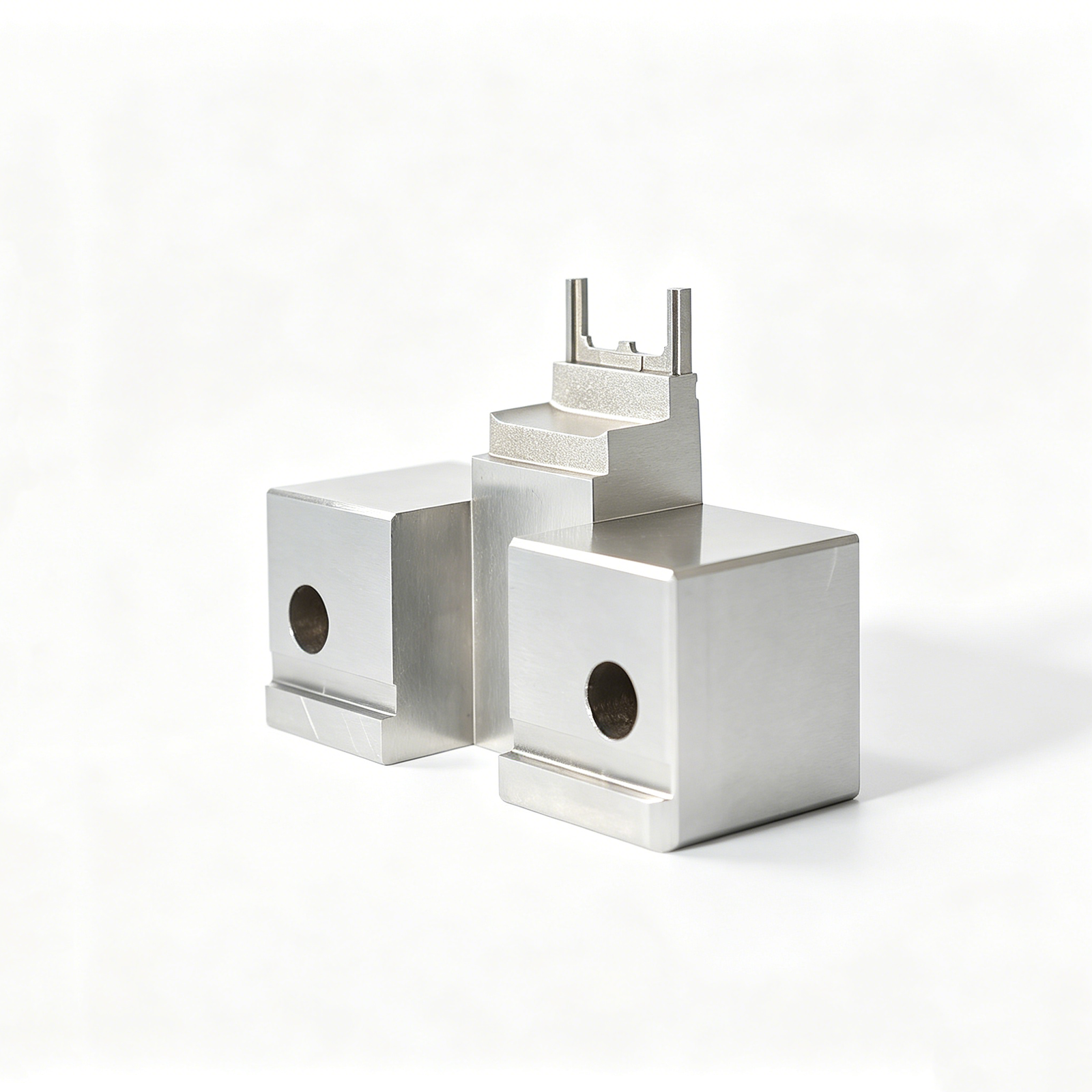
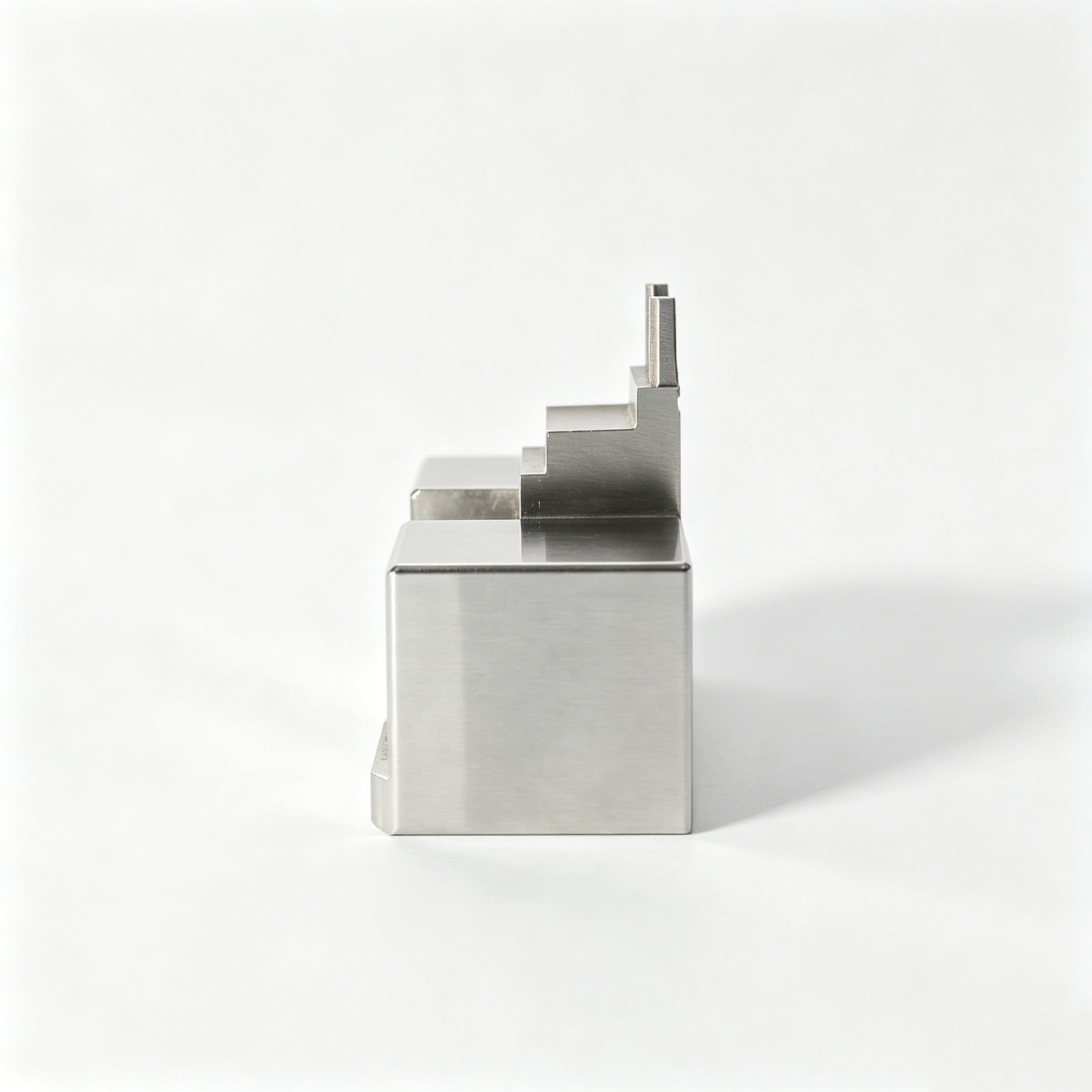
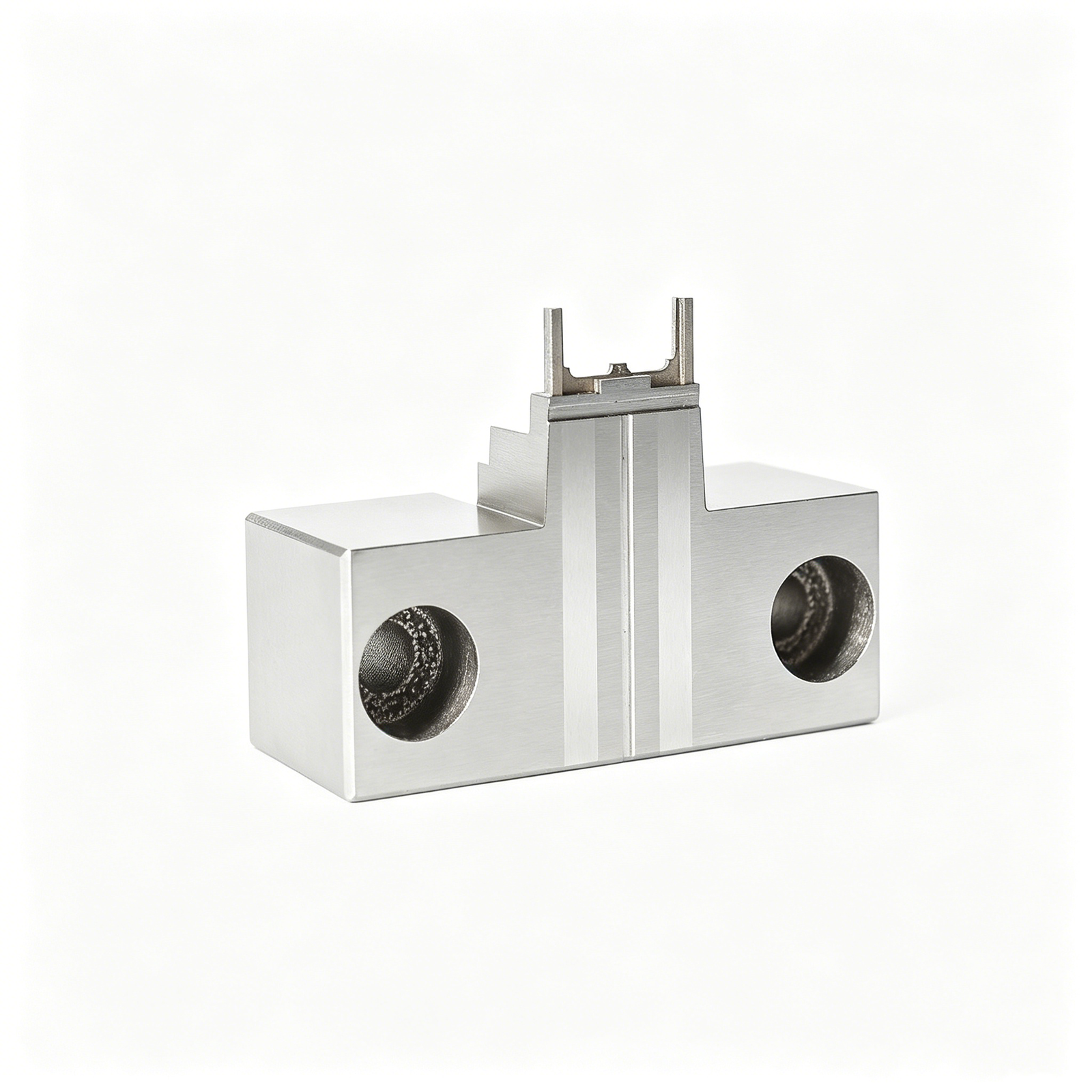
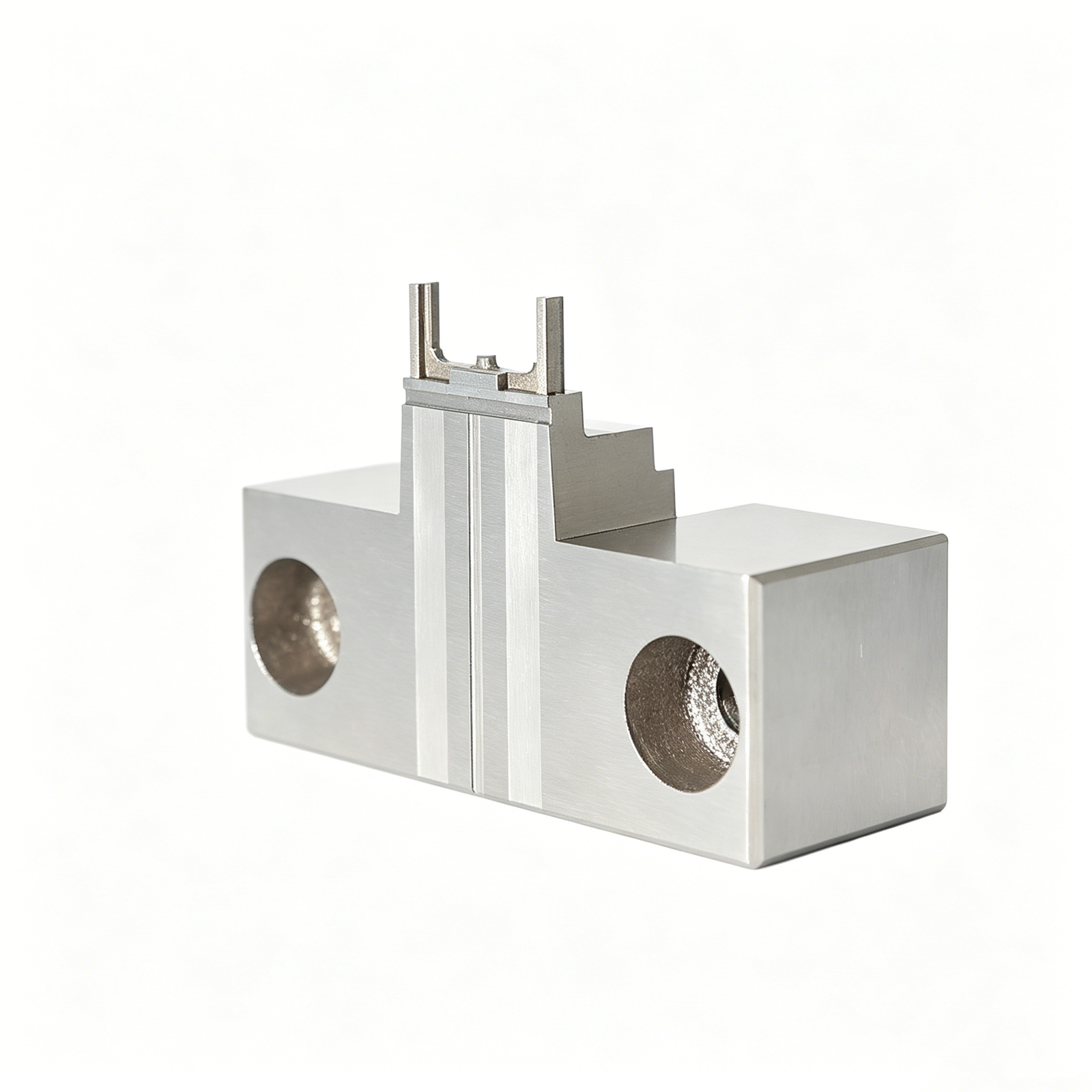
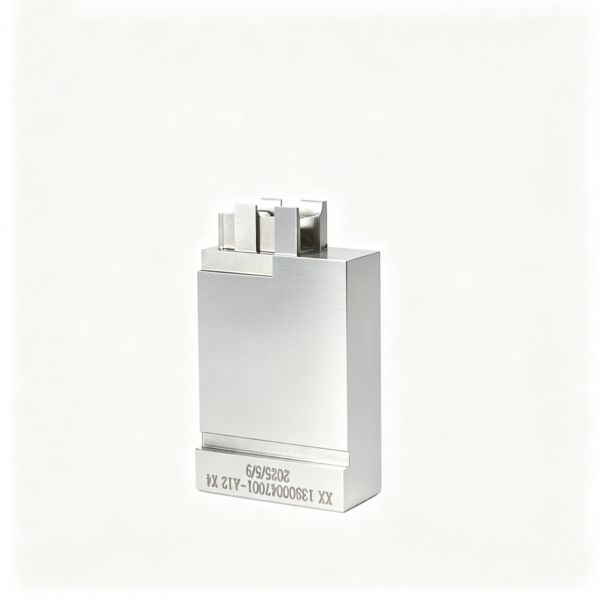
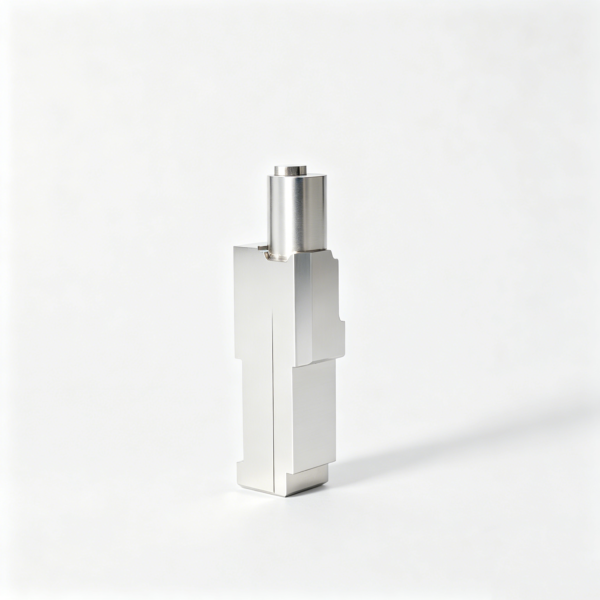
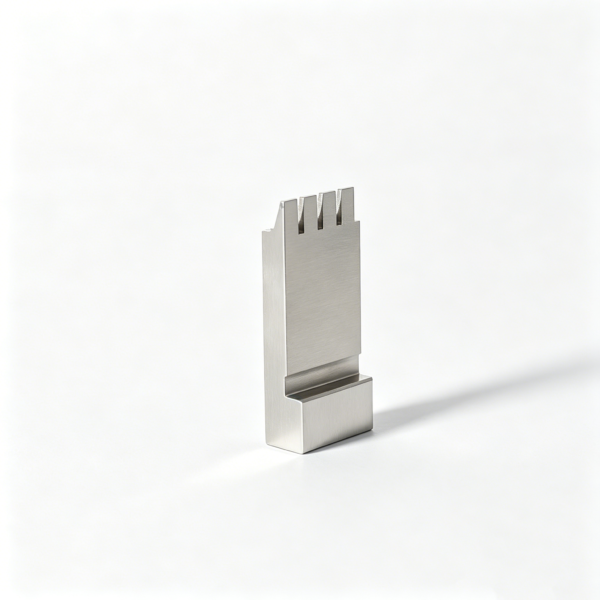
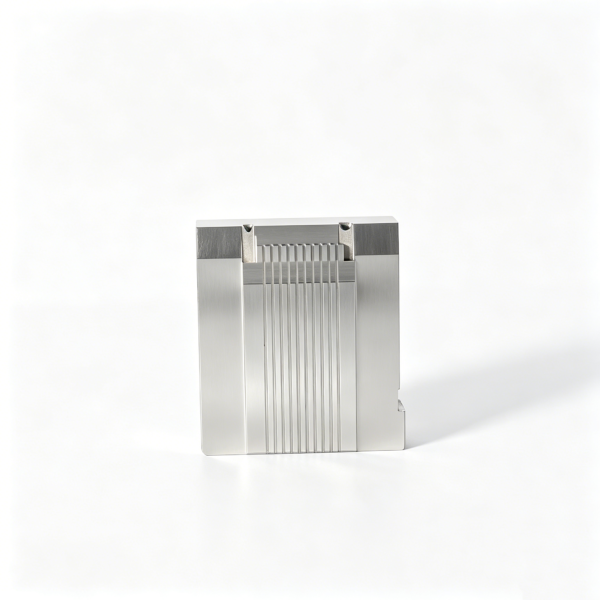
Precision Mold Components for Automotive Connectors – Fine-Detail Tooling Inserts & Pins
Brand Xuxiang Mold
Availability Made to drawing
RFQ pricing
Quote from STEP / PDF & quantity
Engineer reliable electrical interfaces with precision mold components for automotive connectors designed for fine-detail, high-cavity tooling. Each insert, core pin, and sleeve is machined to tight tolerances to support stable dimensions on even the smallest terminals and housings. Robust tool steels and optimized surface finishes help extend mold life under high-cavitation, high-cavity production. These components are ideal for Tier 1 and Tier 2 suppliers seeking consistent shot-to-shot accuracy. Upgrade existing connector molds or specify them for new programs to reduce scrap, improve fit, and keep your lines running smoothly.
- ISO 9001:2015–oriented process & documented inspection paths
- Zeiss / Nikon class metrology available for critical dimensions
- DFM feedback from 10+ senior tooling engineers
- Dongguan HQ + Quanzhou capacity for volume programs
Precision Mold Components Tailored for Modern Automotive Connectors
Automotive wire harnesses, control modules, and sensor systems all rely on plastic connector housings that must mate flawlessly with terminals and companion connectors. To achieve this, toolmakers and injection molders depend on precision mold components for automotive connectors that can reproduce ultra-fine geometries, stable wall thicknesses, and consistent pitch across every cavity in the mold.
This product range covers the critical wear and precision elements in connector molds, including core pins, cavities, sleeves, inserts, ejector elements, and related tooling parts used to form latch details, seal grooves, keying features, and terminal pockets. Designed specifically for automotive-grade connectors, these components support high-volume injection molding with strict dimensional and cosmetic requirements.
Whether you are building a new mold for multi-row ECU connectors or upgrading existing tooling for high-density pin housings, these components help you achieve better part repeatability, smoother demolding, and longer maintenance intervals.
Key Features & Benefits
- Automotive-connector-specific geometry control – Optimized to form thin walls, terminal cavities, and locking lances without flash or deformation, even in small-pitch connectors used in modern electronics.[1][9]
- Tight dimensional stability – Precision machining and grinding help keep critical dimensions such as pitch, cavity alignment, and coaxiality within demanding tolerances, supporting reliable mating with terminals and counterpart connectors.[3][6][8]
- Durable tool steel construction – Components are typically produced from high-quality tool steels selected for wear resistance, hardness, and polishability, giving long service life in high-cavity automotive tools.[4][9]
- Surface finishes tuned for plastic flow – Carefully prepared surfaces in the cavity regions encourage uniform material flow, helping to minimize weld lines, sink marks, and short shots in thin sections.[7][11]
- Support for complex mold architectures – Suitable for multi-cavity, family, and high-cavitation molds with intricate gating and cooling layouts required by automotive connectors.[4][9]
- Compatibility with common connector resins – Designed for use with engineering plastics frequently specified for automotive electrical connectors, such as high-temperature, glass-filled formulations and flame-retardant materials.[7][11]
Specifications & Attribute Overview
The following table summarizes typical characteristics and options available for these mold components. Exact configurations can be tailored to your connector design, mold base, and molding process.
| Attribute | Description |
|---|---|
| Product type | Precision mold components for automotive connector injection tooling (cores, cavities, inserts, sleeves, pins, ejector elements) |
| Primary application | Plastic housings for automotive electrical connectors, plug and receptacle bodies, terminal blocks, multi-pin modules |
| Typical materials | High-grade tool steels and stainless tool steels chosen for wear resistance, polishability, and thermal stability |
| Tolerance capability | Fine machining and grinding suitable for tight connector features and small-pitch terminal cavities |
| Surface finish options | Polished, micro-textured, or application-specific finishes to balance part appearance and demolding performance |
| Mold configuration support | Single-cavity, multi-cavity, high-cavitation, and family molds for a wide range of connector sizes |
| Connector styles supported | Power and signal connectors, sealed and unsealed types, header connectors, sensor connectors, board-to-wire and in-line housings |
| Design customization | Custom dimensions and features aligned with OEM connector drawings, mold-base standards, and customer-specific specifications |
| Production environment | Optimized for high-volume, automated molding cells used by Tier 1 and Tier 2 automotive suppliers |
| Quality considerations | Supports dimensional accuracy, consistent wall thickness, and minimal warpage for reliable connector mating and sealing performance |
Typical Applications & Users
These mold components are designed specifically for professionals involved in automotive connector manufacturing and mold building. They are widely used in:
- Tier 1 connector producers – Companies supplying OEMs with connector families for wiring harnesses, infotainment, and power distribution modules rely on precision tooling to meet global standards.[11][15]
- Tier 2 and custom molders – Injection molders producing specialized connector designs or short-run programs use precision inserts and pins to reduce setup and tuning time during new tool launches.[5][6]
- Specialized mold makers – Tool shops building connector molds with complex ejector systems, hot runner layouts, and intricate cores use these components as the precision heart of the tool.[1][4]
- Engineering change and refurbishment projects – When connector designs are updated or molds reach wear limits, new core pins, sleeves, and inserts allow targeted replacement instead of commissioning entirely new tooling.[9][14]
Typical connector applications include engine bay sensor connectors, interior harness connectors, high-pin-count ECU housings, battery management connectors, lighting connectors, and many other interfaces where compact size and reliable locking features are critical.
Selection, Care & Buying Guidance
Selecting the right mold components begins with a clear understanding of your connector design, molding process, and production volume. Consider the following points when specifying or purchasing components:
- Match geometry to the connector drawing – Work from finalized 3D models and OEM specifications so that critical areas such as terminal pockets, seal areas, keying ribs, and latch arms are accurately replicated in the mold.[4][9]
- Align material with resin choice – For connectors molded in high-temperature or glass-filled resins, prioritize components with strong wear resistance and suitable hardness to withstand abrasion and repeated cycling.[7][11]
- Plan for maintenance and interchangeability – Designing cores and inserts for easy removal allows quick replacement of high-wear areas and supports efficient engineering changes during the life of the program.[4][14]
- Consider cooling and demolding – Coordinate component selection with your cooling layout and ejection system so that thin walls release smoothly and cycle times remain competitive.[4][7]
- Evaluate total cost of ownership – While premium precision components may carry a higher initial cost, they often reduce scrap, downtime, and tuning time, resulting in lower cost per part over the life of the mold.[9][11]
Routine care includes careful cleaning during mold maintenance, inspection of edges and corners that form fine connector features, and timely replacement of worn pins or inserts to avoid dimensional drift and cosmetic defects. Proper storage and handling also help maintain surface finishes and critical geometry between production runs.
FAQ
Are these mold components compatible with my existing automotive connector molds?
In most cases, components can be matched to existing mold designs if you provide detailed drawings, 3D models, or specifications. Custom sizing and geometry allow the inserts and pins to be adapted to many common mold-base standards used in connector tooling.
Which connector types are best suited for these precision components?
They are suitable for a wide variety of automotive connectors, including sealed and unsealed housings, multi-pin ECU connectors, sensor connectors, header connectors, and compact in-line plugs where precise terminal positioning and latch function are critical.
How do I determine the correct dimensions and tolerances for my project?
Start from your connector OEM drawing or internal design specification, then define the critical-to-function dimensions such as terminal pitch, cavity size, and latch features. Your mold designer or tooling engineer can translate these into final component dimensions and tolerance bands for the mold parts.
What maintenance do these mold components require in production?
Regular mold maintenance should include cleaning residues from the cavity areas, checking edges and corners for wear or chipping, verifying critical dimensions, and lightly lubricating moving elements where appropriate. Any damaged or worn core pins or inserts should be replaced promptly to maintain dimensional stability.
Can these components handle high-volume, automated production lines?
Yes, they are designed for high-throughput environments where molds run long production campaigns with automated part handling. Material selection and precision machining support consistent performance under continuous cycling in automotive plants.
What information do I need to provide when ordering?
To ensure proper fit and function, you should provide connector part numbers or drawings, mold layout data, 3D models if available, resin information, and any special requirements such as specific surface finishes, venting strategies, or compatibility with hot runner systems.
How does shipping and lead time typically work for these components?
Lead times depend on the level of customization and order quantity. Standard geometries may be available faster, while fully custom pins and inserts require additional engineering and machining time. Shipping options usually include express services for urgent tooling projects and standard freight for scheduled mold builds.
Is there any warranty or return policy on custom mold components?
Warranty terms vary by supplier, but many offer coverage against manufacturing defects within a defined period. Because components are often made to order, returns are typically limited to cases where the supplied parts do not match the approved drawings or agreed specifications.
Can I use these components for non-automotive connectors?
Yes, many of the same precision and durability characteristics that benefit automotive connectors also suit industrial, power tool, or electronic connectors. However, automotive-focused design ensures they meet the stringent requirements of vehicle environments first.
Related products
Same drawing, predictable results—next batch
Share revision, quantity ramp, and inspection level. We quote process route, ship date, and documentation in one structured response.