
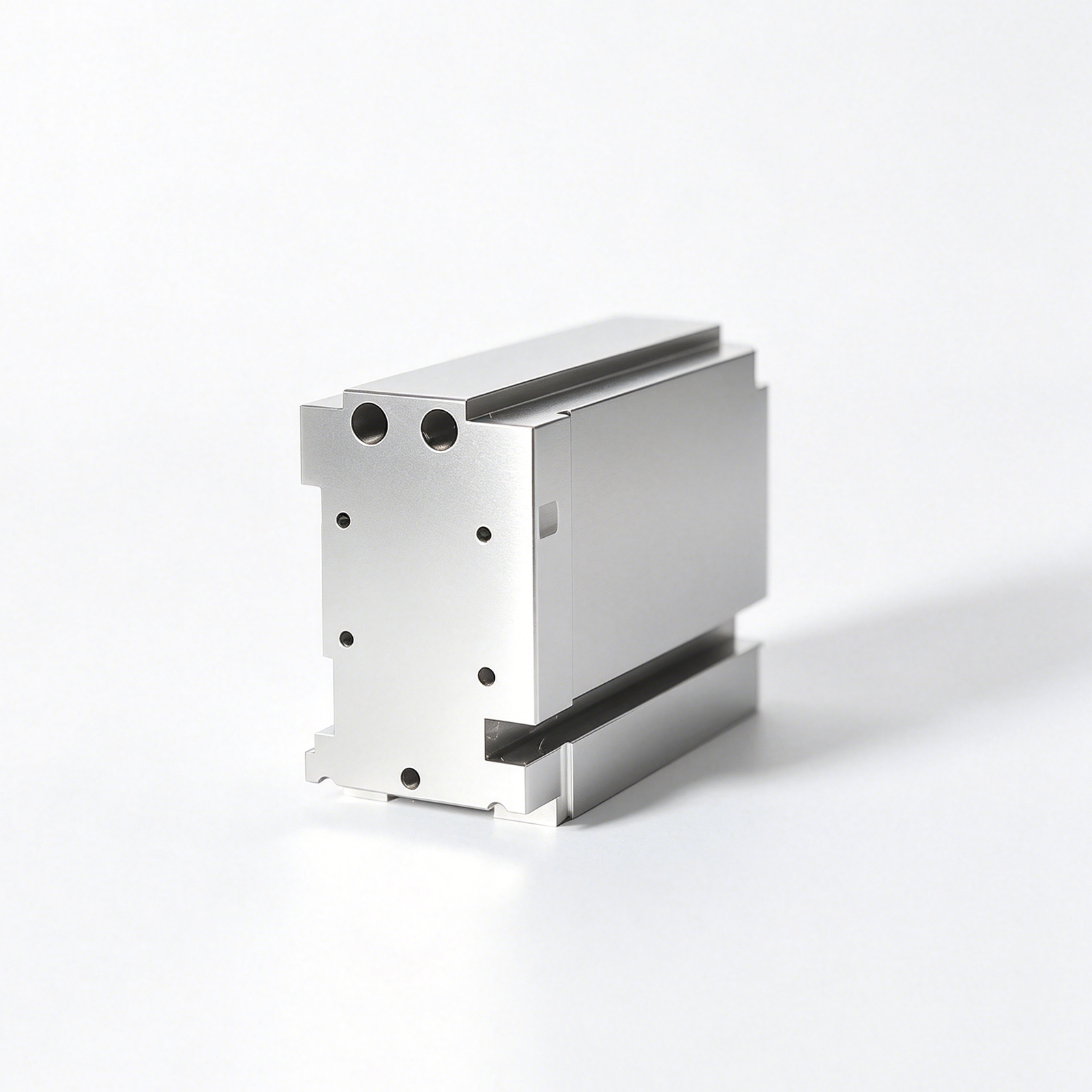
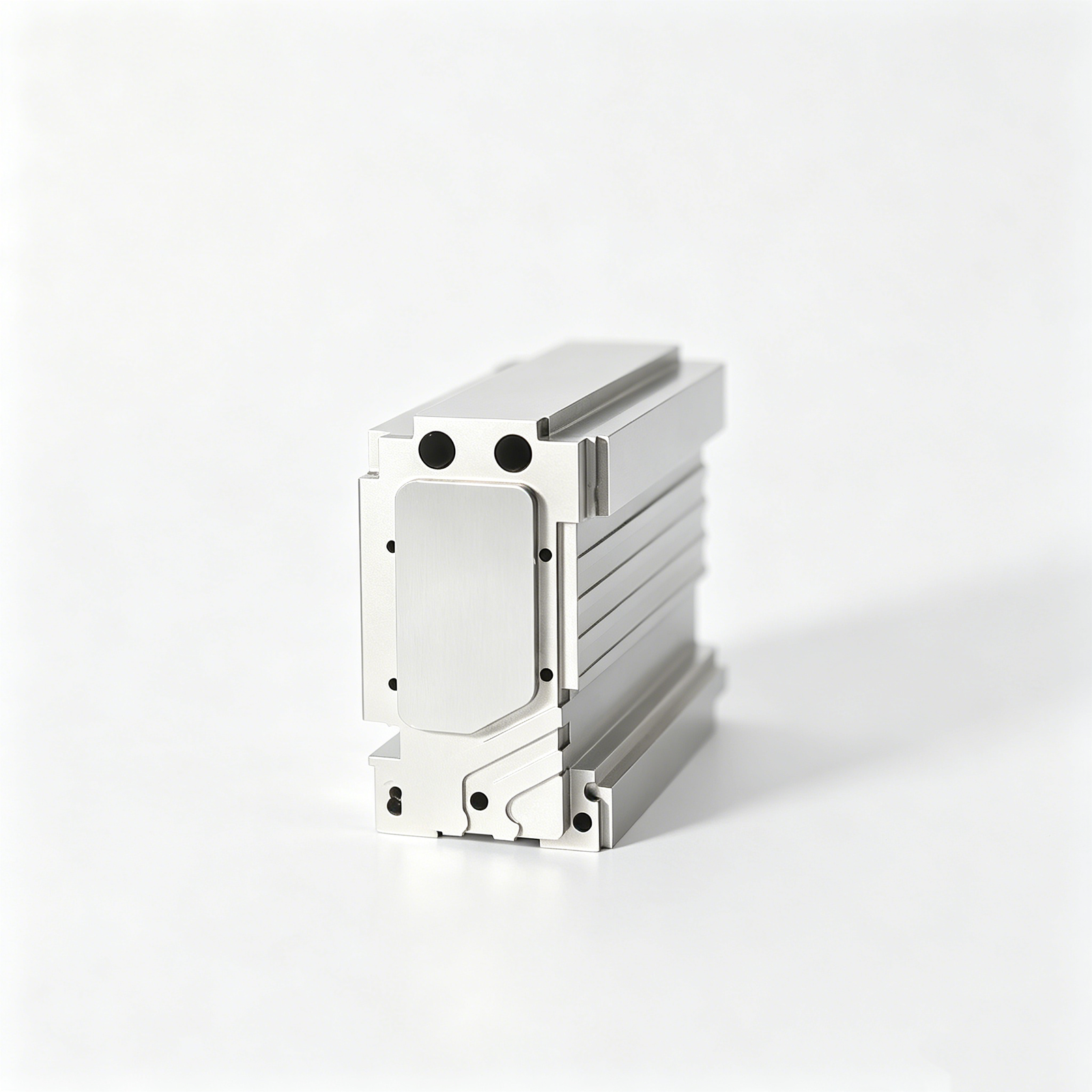
Plastic film parts · Precision mold insert
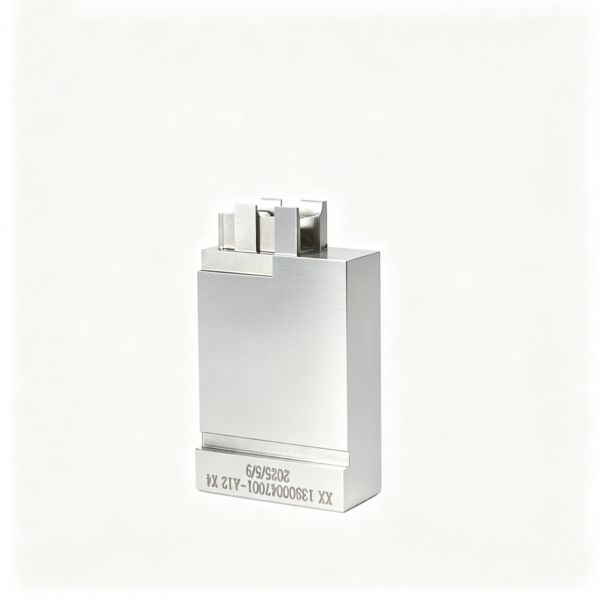
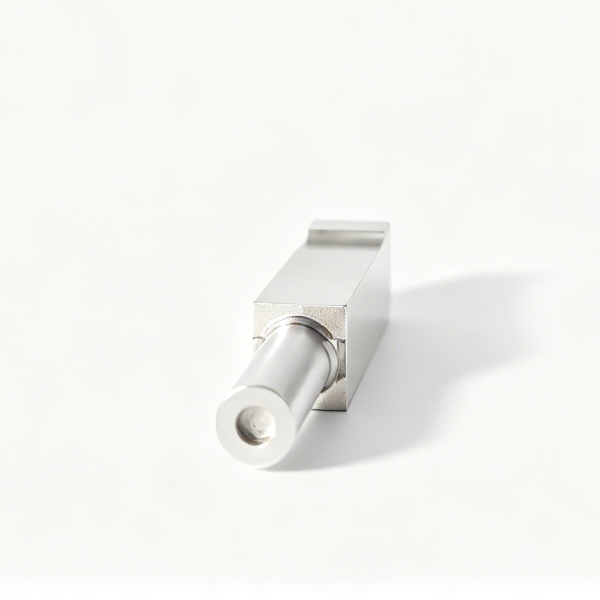
Precision Mold Components for Automotive Connectors – Fine-Detail Tooling Parts Set
Brand Xuxiang Mold
Availability Made to drawing
RFQ pricing
Quote from STEP / PDF & quantity
Engineer reliable, high-density plug and socket housings with precision mold components for automotive connectors tailored to demanding OEM programs. This fine-detail tooling parts set supports thin-wall geometries, micro terminal windows and consistent latch features, helping you reduce flash and dimensional drift over long runs. Stable, repeatable steel quality and carefully finished working surfaces deliver clean parting lines and crisp edges. Integrate these components into new connector tools or retrofit existing molds to boost uptime and simplify maintenance. Ideal for mold makers and Tier 1 suppliers seeking predictable performance in automotive electrical connector production.
- ISO 9001:2015–oriented process & documented inspection paths
- Zeiss / Nikon class metrology available for critical dimensions
- DFM feedback from 10+ senior tooling engineers
- Dongguan HQ + Quanzhou capacity for volume programs
Fine-Detail Precision Mold Components for Automotive Connectors
Automotive connectors are becoming smaller, more complex and more densely packed, which puts intense pressure on the quality of the tooling that produces them. Precision mold components for automotive connectors are the core pins, cavities, inserts, sleeves, ejector elements and related parts that shape every critical feature of your plug and socket housings. By upgrading to a dedicated fine-detail tooling parts set, you can achieve stable dimensions, clean terminal windows and reliable latch geometry across high-volume production.
This product set is designed for manufacturers and mold builders involved in automotive electrical connector injection molding. It focuses on accurate fit between mating components, tight control of flash and warpage, and long service life under repetitive cycles typical of connector programs. Whether you are building a new multi-cavity mold or revamping an existing tool, these components help you achieve the consistency and robustness that OEM and Tier 1 projects demand.
Key Features & Benefits
Every element in this precision mold component set is engineered to support the challenges of modern automotive connector tooling, including thin-wall sections, multi-row terminal layouts and strict dimensional tolerances around sealing areas and latch points.
- Fine-detail forming surfaces for terminal slots, locking lances and keying features, helping reduce rework and manual finishing of molded connectors.
- Stable, wear-resistant materials (commonly used tool steels or stainless grades selected for connector molds) to withstand abrasive engineering plastics and glass-filled compounds.
- Consistent dimensional accuracy in cores, cavities and sleeves to support precise pin pitch, housing envelopes and alignment of multi-row connectors.
- Smooth surface finish in critical areas to enhance part appearance, reduce friction during ejection and support low-flash molding.
- Interchangeable insert philosophy where applicable, allowing faster maintenance and targeted replacement of high-wear sections without removing the entire mold from service.
- Support for high-cavity tools with repeatable dimensions cavity-to-cavity, enabling stable process windows and easier validation.
By using high-quality precision components within the connector mold, you can shorten sampling time, improve first-shot capability and reduce long-term corrective maintenance. This is especially important when molding connectors that must mate reliably with complementary components and pass stringent electrical and mechanical tests.
Specifications & Core Attributes
The following table outlines typical characteristics and configurable options associated with this category of mold components. Values are shown descriptively rather than as fixed figures, so they can be matched to your specific project requirements.
| Attribute | Description |
|---|---|
| Component types | Core pins, cavity inserts, sleeves, lifter elements, ejector pins, blocks and related connector mold parts |
| Typical applications | Automotive plug and socket housings, terminal blocks, multi-pin connectors, sensor and ECU connectors |
| Material options | Tool steels and stainless grades commonly used in connector molds, selected for wear and corrosion resistance |
| Surface condition | Precision ground and polished forming surfaces; texture or EDM finish supplied according to drawing |
| Tolerance capability | Fine tolerance manufacturing suited to connector pitch, terminal slots and sealing interfaces (based on customer specs) |
| Connector styles supported | Blade and pin connectors, micro-pitch signal connectors, power connectors, sealed and unsealed housings |
| Mold compatibility | Custom-tailored to new tools or built to print for existing connector mold designs |
| Production environment | Suitable for continuous, high-cavity automotive injection molding lines |
| Customization | Dimensions, profiles, venting details and gate areas manufactured according to customer drawings or 3D models |
Typical Use Cases & Ideal Users
These precision mold components are intended for organizations that need to align tooling performance with high expectations for electrical connector reliability. They support a range of applications throughout the automotive sector, from powertrain harnesses to on-board electronics.
- Automotive connector mold builders who require stable, repeatable core and cavity parts for new connector projects.
- Tier 1 and Tier 2 suppliers producing large volumes of connector housings for wiring harnesses, control units and sensor modules.
- OEM in-house toolrooms looking to standardize on reliable connector mold components to streamline maintenance and spare-part management.
- Engineering teams upgrading existing tools to handle new resin grades, finer pitch or additional rows of terminals.
Beyond the automotive market, these components can also be suitable for other industries that use similar plastic connectors, such as industrial automation or off-highway equipment, provided the mold design and resin selection are compatible.
Care, Maintenance & Buying Guidance
To get the best performance and long service life from your precision mold components, it is important to combine proper selection with disciplined maintenance practices. Injection molds for connectors often run around the clock with demanding engineering resins, so proactive care pays for itself in reduced downtime.
- Material alignment: When specifying components, ensure the material and hardness are appropriate for the plastics you plan to run, especially if using glass-filled or high-temperature resins.
- Regular inspection: Periodically check core pins, cavity details and sliding elements for wear at sharp corners, terminal slots and latch features where stress and abrasion are concentrated.
- Cleaning practices: Use suitable mold cleaners and non-abrasive methods to remove buildup from vent lines, terminal windows and sealing surfaces without damaging finishes.
- Replacement planning: Take advantage of interchangeable inserts where available to swap high-wear sections quickly, minimizing downtime and protecting surrounding mold steel.
- Documentation: Maintain accurate drawings, 3D models and part lists for your connector tools so that reordering components or introducing design tweaks is straightforward.
When purchasing, share detailed connector drawings, resin information and production expectations so that component geometry and steel selection can be tailored to your needs. Discuss gate positions, venting strategies and cooling layouts with your tooling partner to ensure that the mold components support both dimensional accuracy and efficient cycle times.
FAQ
Are these mold components compatible with my existing automotive connector molds?
Yes, components can be manufactured to your drawings or 3D data so they drop into existing connector tools. Providing detailed dimensions, resin information and photos of your current inserts helps ensure accurate fit and function.
How do I choose the right material for connector mold components?
Select steel grades based on the resin type, presence of fillers, required surface finish and production volume. For abrasive or high-temperature plastics, discuss higher wear and heat resistance with your tooling supplier to balance durability with machinability.
What information should I provide when requesting a quote?
Include connector drawings, 3D models where available, the number of cavities, resin specifications, any target tolerances for critical features and your expected annual shot volume. This allows a more accurate recommendation on component design and steel selection.
How are the components shipped and protected during transport?
Mold components are typically packed in protective cases or foam-lined boxes, with individual parts wrapped or capped to protect edges and surfaces. Rust-preventive oil or packaging is commonly used to safeguard critical areas while in transit and storage.
What is the typical lead time for custom automotive connector mold parts?
Lead time depends on design complexity and order quantity. Simple replacement pins and inserts are often faster to produce than highly contoured multi-cavity blocks. Discuss your project schedule so production and shipping can be coordinated with your toolroom plan.
How do I maintain precision over long production runs?
Implement regular mold checks, monitor key dimensions of molded connectors and schedule preventive maintenance. Replacing high-wear components before they reach critical wear limits helps maintain part quality and avoid unscheduled downtime.
Can these components support fine-pitch and micro connector designs?
Yes, fine-detail manufacturing techniques are well suited to micro-pitch and multi-row connector layouts. Close collaboration on design, tolerance schemes and venting is important to ensure stable molding of very small features.
What is the recommended way to store spare mold components?
Store spares in a clean, dry environment, ideally in labeled cases with protective coating or rust inhibitor on finished surfaces. Keeping components organized by mold and cavity position simplifies installation when a replacement is needed.
How do returns or adjustments work if a component does not fit correctly?
If a part does not match the approved drawing or model, contact your supplier with photos and measurement data. Most suppliers will analyze the issue and offer rework, replacement or a corrective action plan based on their quality procedures.
Related products
Same drawing, predictable results—next batch
Share revision, quantity ramp, and inspection level. We quote process route, ship date, and documentation in one structured response.