
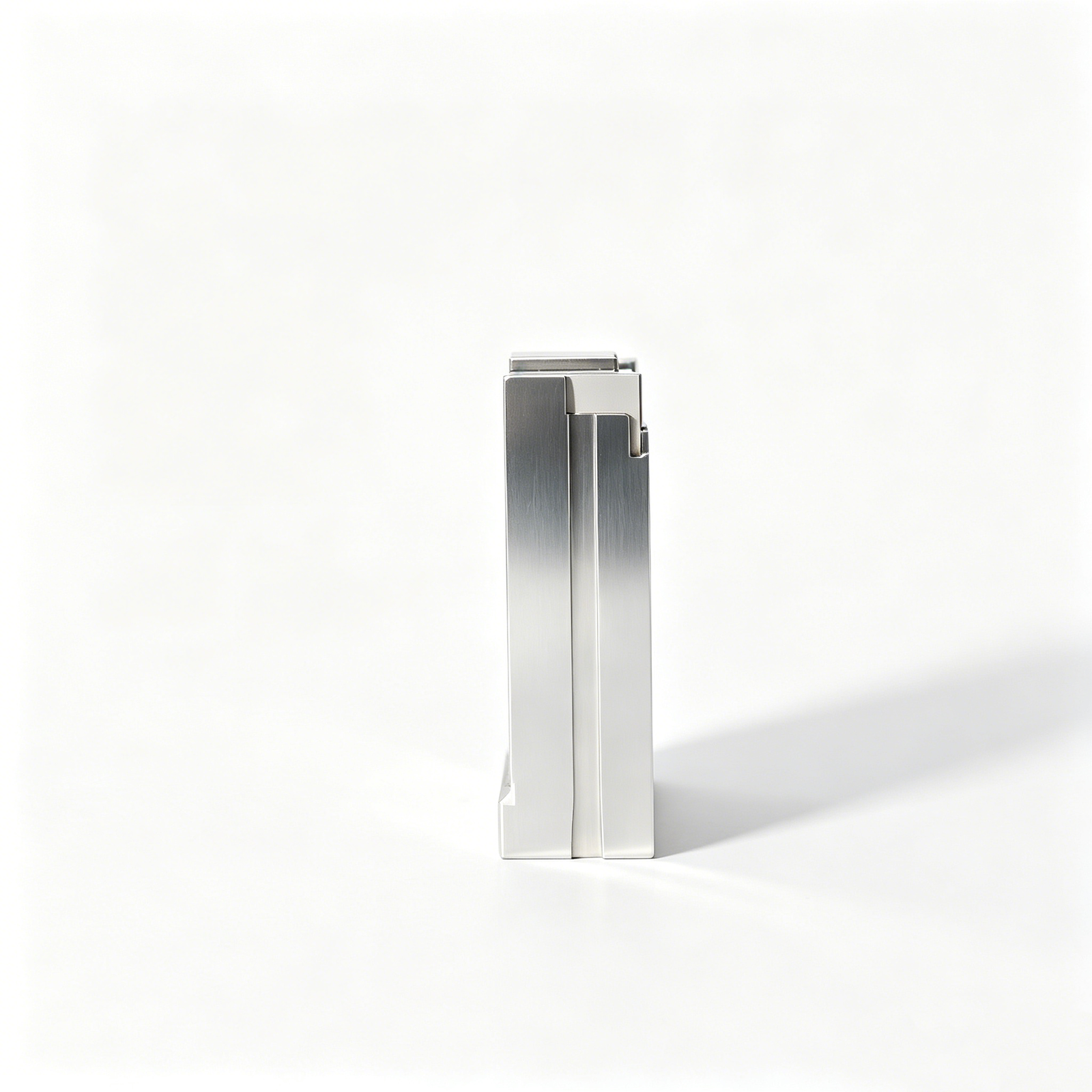
Plastic film parts · Precision mold insert
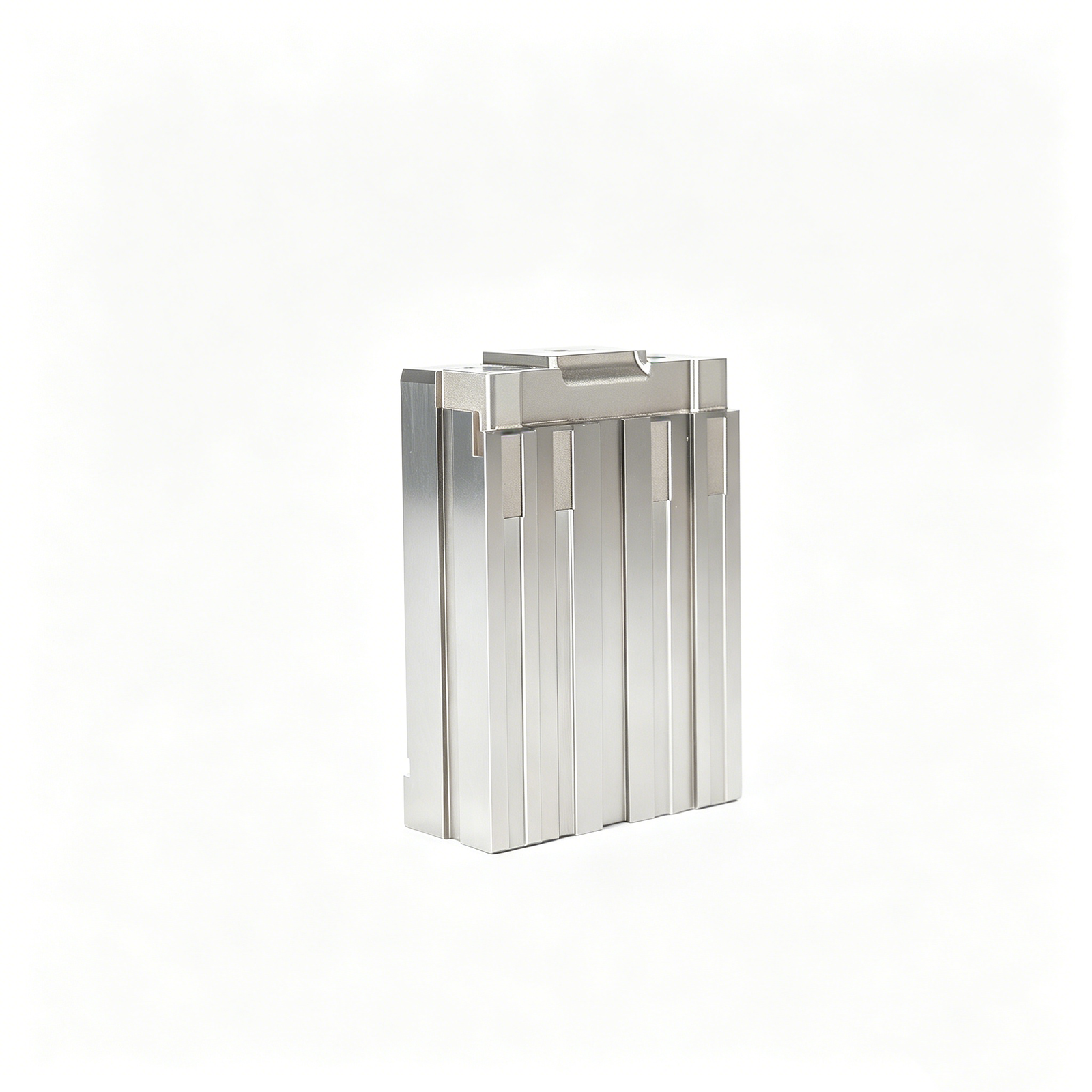
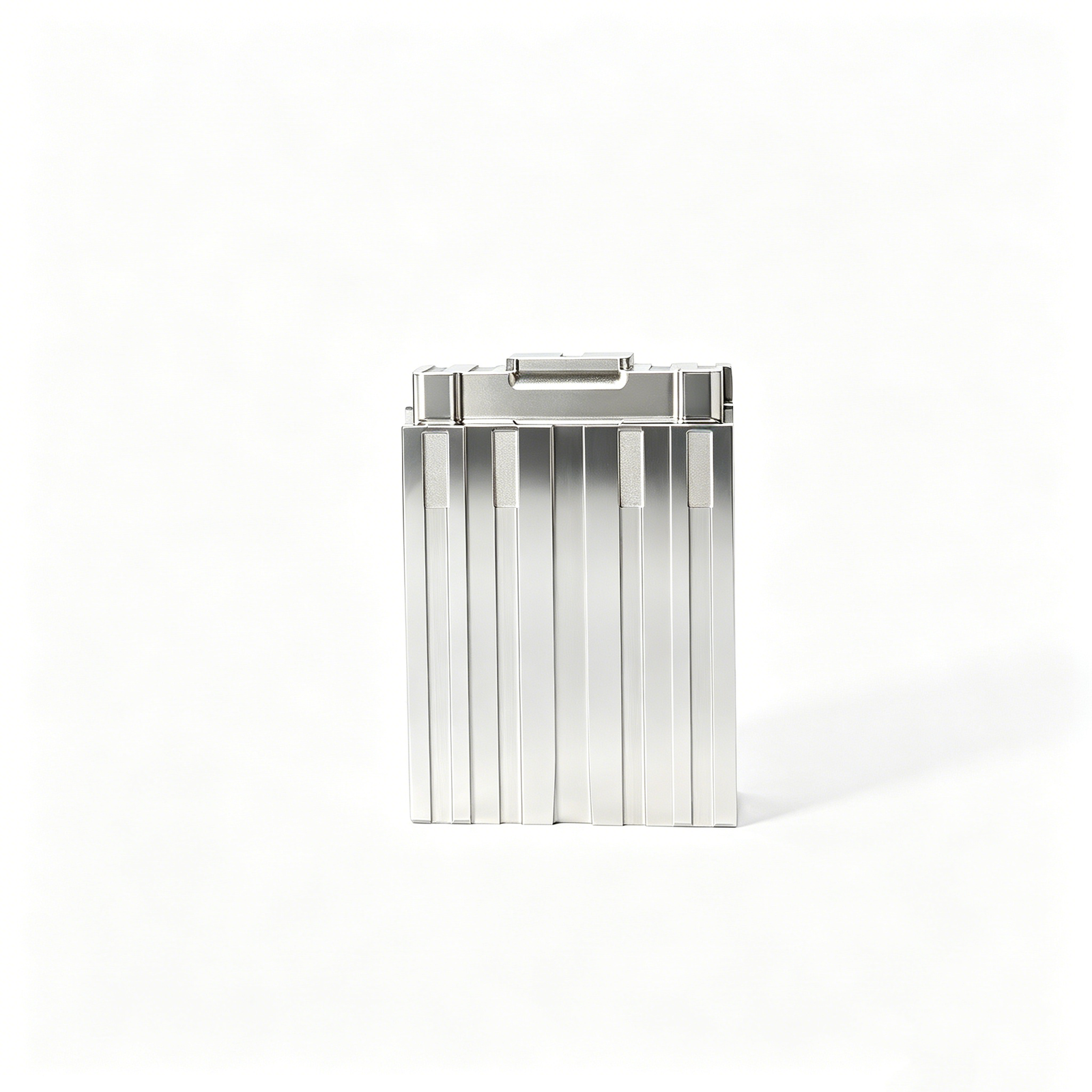
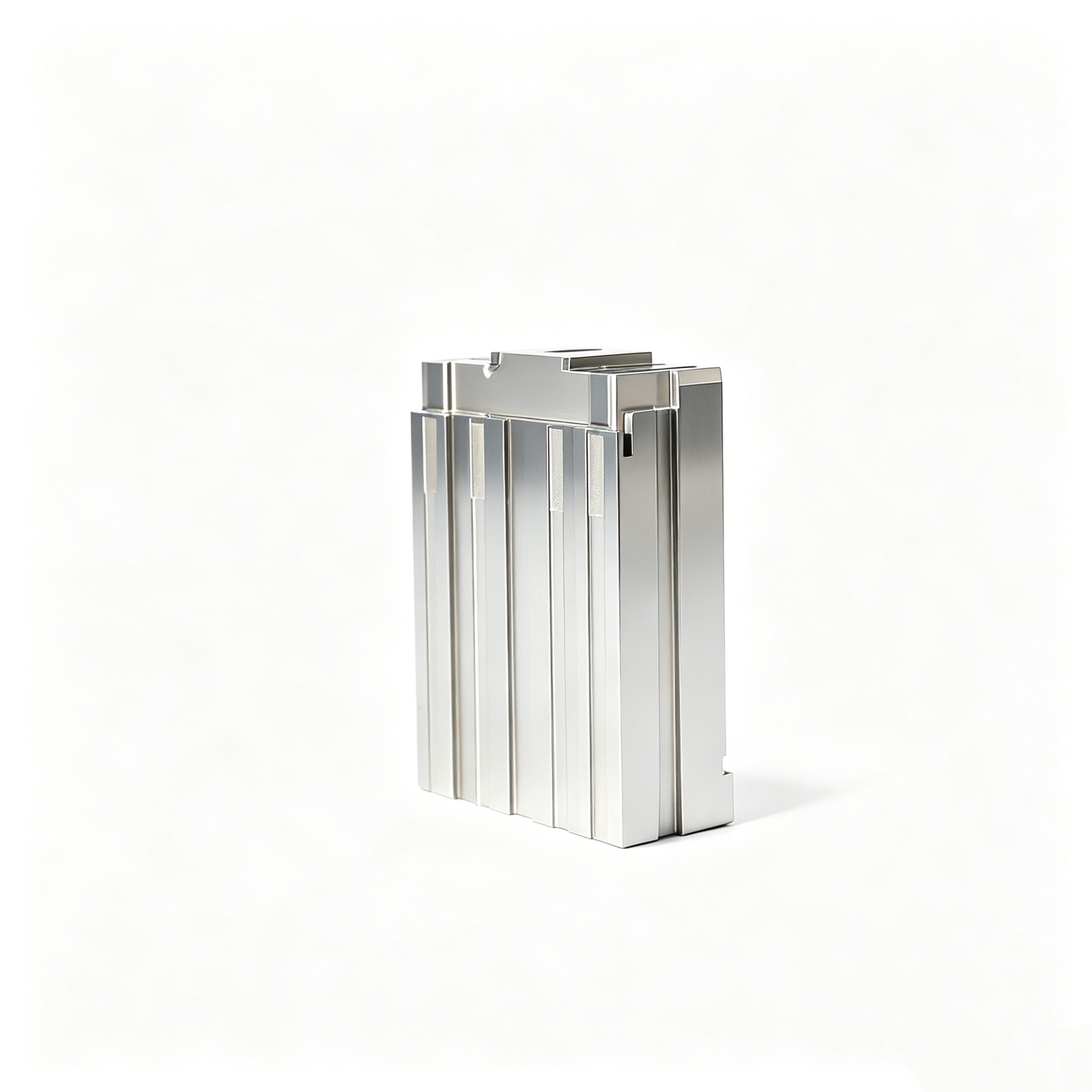
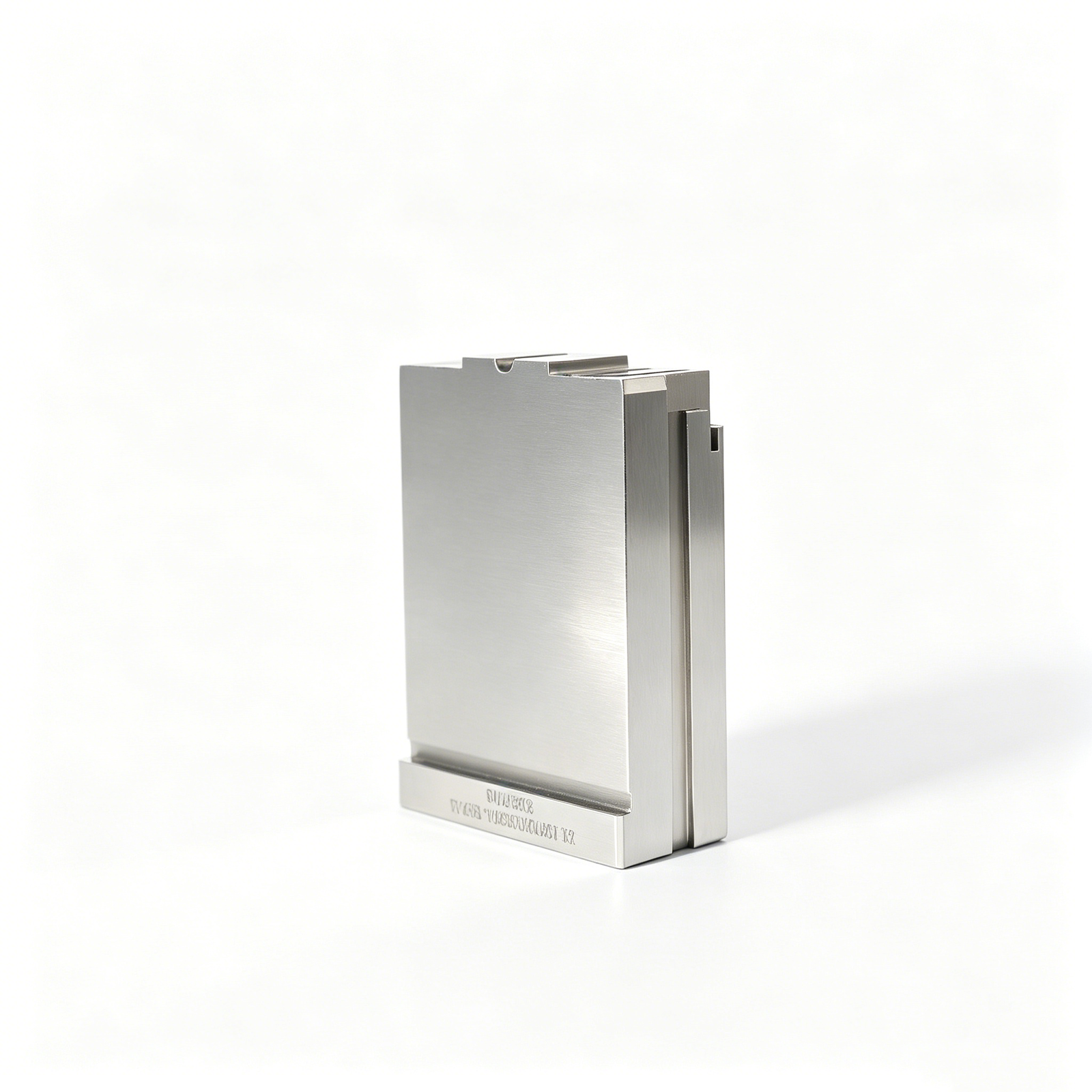
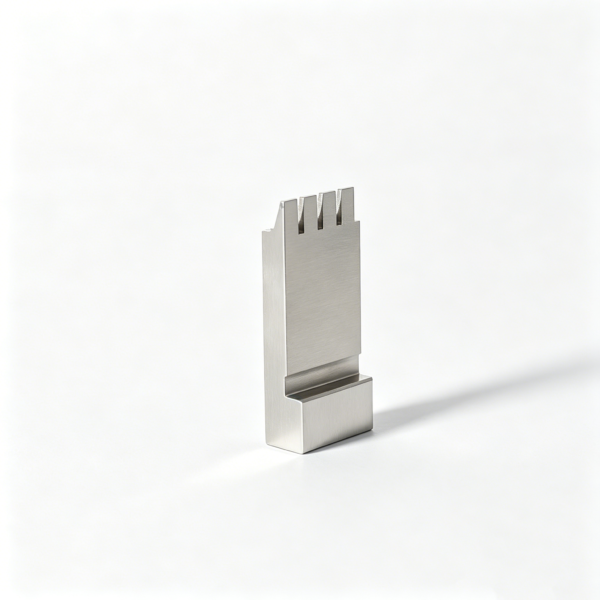
Precision Mold Components for Automotive Connectors – Fine-Pitch Terminal Cavities & Core Pins Set
Brand Xuxiang Mold
Availability Made to drawing
RFQ pricing
Quote from STEP / PDF & quantity
Engineer more reliable automotive harnesses with precision mold components for automotive connectors designed specifically for fine-pitch terminals. This matched set of cores, cavities, sleeves and ejector pins supports repeatable, high-yield molding of complex connector geometries. Tight dimensional control helps ensure consistent pin alignment, sealing surfaces and locking features part after part. Robust tool steels and optimized surface finishes are selected for long service life in high-cavitation, high-cycle production environments. Ideal for OEMs and tier suppliers upgrading connector tooling for next-generation vehicles.
- ISO 9001:2015–oriented process & documented inspection paths
- Zeiss / Nikon class metrology available for critical dimensions
- DFM feedback from 10+ senior tooling engineers
- Dongguan HQ + Quanzhou capacity for volume programs
Fine-Pitch Precision Mold Components for Automotive Connectors
These precision mold components for automotive connectors are engineered for manufacturers who need stable, repeatable tooling performance on fine-pitch, multi-cavity connector programs. Based on the demanding requirements of automotive electrical connectors, the components are designed to control flash, maintain terminal position and deliver consistent dimensions across long production runs.[1][4][10]
Typical automotive connector tooling must handle complex plastic geometries, thin walls and tightly packed terminal windows while still meeting strict OEM electrical and sealing requirements.[4][10] To achieve this, the mold base, cores, cavities, sleeves and ejector systems must be manufactured with high precision and carefully matched fits. These components are optimized for that environment, helping you minimize tuning time, reduce scrap and stabilize cycle times.
Key Features & Benefits
Connector molds for the automotive industry have to meet stringent demands for accuracy, durability and process robustness.[1][4][10] This set of precision components is configured to support those needs from prototype through to full-volume production.
- Fine-pitch cavity and core design – Supports tight connector spacing and small terminal windows, helping maintain dimensional accuracy where pin-to-pin distances are critical.[3][6][11]
- High-precision machining – Components are produced with advanced CNC and grinding processes, enabling close tolerances and excellent surface quality on sealing and mating areas.[6][8][11]
- Optimized for automotive-grade polymers – Suitable for common connector plastics such as high-temperature engineering resins used in underhood and interior applications.[4][9][10]
- Improved mold longevity – Use of wear-resistant tool steels and stable heat treatment helps reduce wear on fine features like locking lances and ribs during high-cycle production.[4][6][13]
- Consistent ejection and demolding – Ejector pins and sleeves are arranged to support smooth demolding of parts with undercuts, snap fits and latch details, helping reduce deformation on delicate features.[4][7]
- Support for high-cavitation tools – Component sets can be configured for multi-cavity, family and high-cavitation molds to support large-volume automotive connector programs.[1][10][14]
The result is a tooling package that helps maintain connector dimensional stability, improves first-shot capability during tool trials and reduces the need for repeated polishing or rework as production ramps up.
Specifications & Construction
Automotive connector mold components must be tailored to each connector series and the target molding process.[4][9] The following specification overview describes typical characteristics and configurable options for this type of component set.
| Attribute | Description |
|---|---|
| Product type | Precision mold components set for automotive electrical connectors (cores, cavities, sleeves, ejectors) |
| Typical application | Injection molding of automotive plug, socket, header and ECU connector housings |
| Compatible materials | Engineering thermoplastics commonly used in automotive connector housings, including high-temperature grades as specified by OEMs[4][9][10] |
| Core & cavity design | Fine-pitch geometry suitable for dense terminal layouts, thin walls and integrated locking features[3][6][11] |
| Material of construction | High-quality tool steels or stainless tool steels selected for wear and corrosion resistance in connector molds[4][6][13] |
| Surface finish | Polished and textured surfaces on functional areas according to connector sealing and cosmetic requirements[3][6] |
| Tolerance capability | Fine grinding and precision machining processes used to support the tight tolerances demanded by automotive connectors[6][8][11] |
| Demolding system support | Interfaces with ejector pins, lifters and sleeves designed for stable demolding of undercuts and snap features[4][7] |
| Mold type compatibility | Suitable for single-cavity, multi-cavity, family and high-cavitation injection molds used in automotive harness production[1][10][14] |
| Customization options | Geometry, steel grade and surface treatment can be specified to match customer connector drawings and OEM standards[2][6][13] |
Because every connector family has its own dimensional and environmental requirements, these components are typically produced to drawing or based on 3D CAD data supplied by the customer, following recognized automotive tooling practices.[4][9][10]
Use Cases & Ideal Users
Fine-pitch precision mold components are relevant wherever automotive connectors must meet demanding mechanical and electrical performance requirements.[4][10] They are particularly valuable in the following scenarios:
- OEM and Tier 1 connector manufacturers who need consistent, high-volume production of critical connectors for powertrain, ADAS, body electronics and infotainment systems.[10][14]
- Toolmakers building new connector molds requiring reliable cores, cavities and inserts for fine terminal spacing, multiple keying options and integrated seals.[3][6][11]
- Retooling or capacity expansion where legacy molds are being upgraded to higher cavitation or improved cycle times while maintaining or tightening dimensional tolerances.[1][10][14]
- Engineering change programs that introduce new pin counts, locking features or polarization keys, requiring interchangeable insert solutions.[4][9]
- High-reliability applications such as underhood connectors, battery interfaces and safety-critical electronics where connector failure is unacceptable and tooling precision is essential.[10][14]
Manufacturers working with complex connectors—such as mixed-signal, multi-row or sealed variants—can especially benefit from stable, fine-pitch mold components that reduce process variation and simplify maintenance.[4][9][10]
Care, Maintenance & Purchasing Guidance
To maximize tool life and part quality, automotive connector mold components should be maintained according to industry-standard mold care practices.[4] Proper handling and service routines help avoid unplanned downtime and protect critical sealing and mating surfaces.
- Routine cleaning – Clean cavity and core surfaces regularly to remove deposits from engineering resins and any mold release agents, following resin supplier guidelines.[4][9]
- Lubrication and protection – Apply appropriate mold lubricants and corrosion protectants during scheduled maintenance or storage, paying special attention to moving components like ejector pins and sleeves.[4]
- Inspection of fine features – Periodically inspect terminal windows, latch areas and sealing surfaces for wear or micro-chipping that could impact connector fit or sealing performance.[3][6][11]
- Control of process parameters – Maintain stable injection speeds, pressures and cooling conditions to minimize wear and avoid over-stressing delicate features in the tool.[4][7][10]
- Documentation – Keep clear records of maintenance, polishing and any component replacements to support consistent production quality and facilitate troubleshooting.[4][9]
When purchasing, provide detailed connector drawings, 3D data, resin specifications and target production volumes so that the component selection and steel grades can be matched to your application and OEM standards.[2][4][6] Collaboration between connector designers, mold designers and component suppliers supports optimal tool design, efficient filling and robust demolding of these fine-pitch automotive connector parts.[4][7][9]
FAQ
Are these mold components compatible with my existing automotive connector molds?
The components are designed for integration into standard automotive connector mold architectures, including multi-cavity and high-cavitation tools. To confirm compatibility, you should provide current mold drawings or 3D models so that sizes, fits and interfaces can be matched to your existing tooling design.[1][4][9]
What information do I need to provide when ordering precision mold components for automotive connectors?
For accurate configuration, it is helpful to share connector part drawings, 3D CAD data, resin specifications, required cavity count, target annual volumes and any applicable OEM or customer standards. This allows the tooling engineer to recommend suitable steels, surface finishes and demolding concepts for your connector program.[2][4][6]
Can these components handle high-temperature automotive connector materials?
Automotive connector molds often run high-temperature engineering plastics, and tool steels are selected accordingly.[4][9][10] When you specify the resin type and processing conditions, components can be configured with appropriate steel and heat treatment to support thermal demands and reduce wear.
How do I maintain the fine-pitch core and cavity details over long production runs?
Regular cleaning, careful handling and scheduled inspections of the fine features are important. Use non-abrasive cleaning methods on sealing and mating surfaces, ensure proper mold lubrication where required, and plan periodic dimensional checks to identify wear before it affects connector fit or sealing performance.[3][4][6]
What is the typical lead time for customized automotive connector mold components?
Lead time depends on complexity, customization level and order quantity. In general, connector mold inserts and cores require time for detailed design review, precision machining and validation. Discuss your project schedule with the supplier early so design, manufacturing and sampling can be coordinated around your SOP or launch milestones.[2][6][13]
Can I use these components for both prototype and mass-production tools?
Yes, the same design principles apply to prototype and mass-production connector molds.[4][9] For prototypes, component layouts may be simplified, while high-volume tools may require more robust steels and additional cavitation. Indicating your project phase helps ensure the right balance of cost, durability and flexibility.
How should I store spare cores and cavities for automotive connector molds?
Store spare components in a clean, dry environment with corrosion protection applied to critical surfaces. Keep each component clearly labeled and packaged to prevent damage to fine details, and maintain documentation so spares can quickly be matched to the correct mold and cavity position when needed.[4][6]
What happens if I change the connector design after components are produced?
Minor design changes may be accommodated through controlled rework or replacement of interchangeable inserts, depending on the mold concept.[4][9] For more significant modifications, new cores or cavities may be required. Early communication of potential design updates helps minimize cost and downtime.
Do these components come with any support for process optimization?
Many suppliers of connector mold parts provide technical support for mold design, gating strategy and cooling layouts as part of the project.[4][7][9] Sharing trial data and sample parts can help jointly optimize the tooling and molding parameters for stable, high-yield production.
Related products
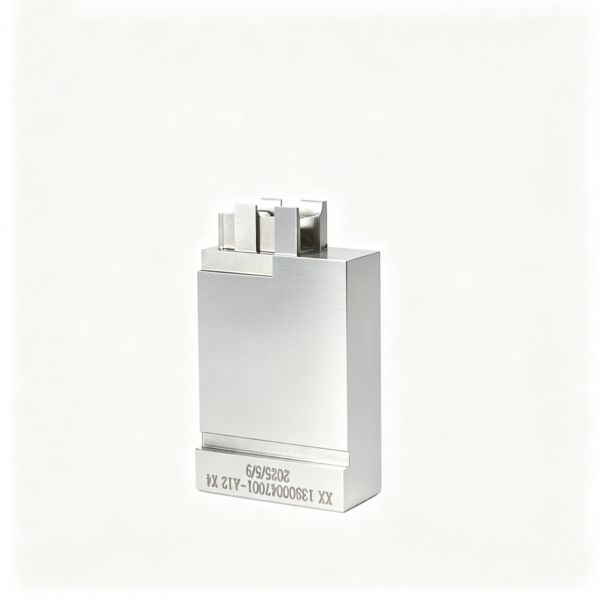
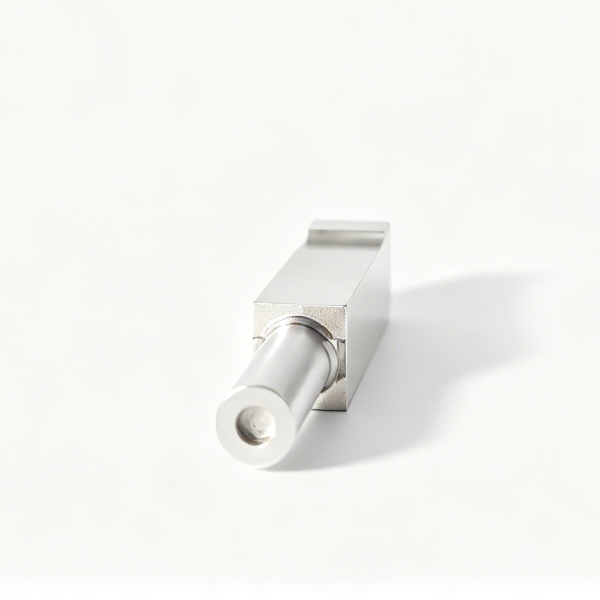
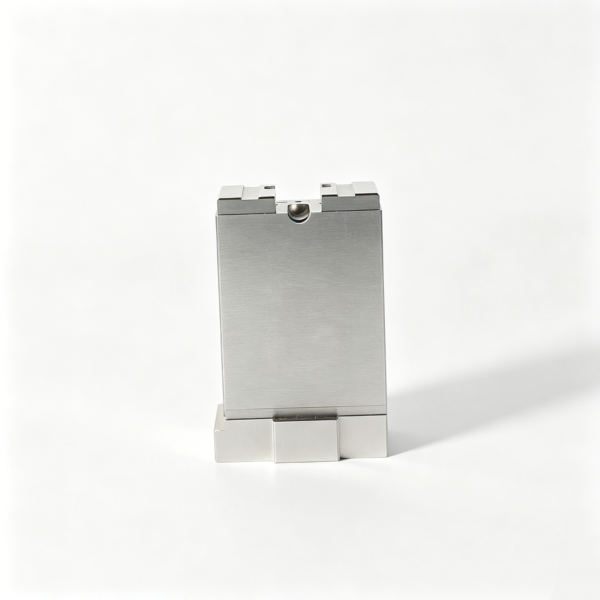
Same drawing, predictable results—next batch
Share revision, quantity ramp, and inspection level. We quote process route, ship date, and documentation in one structured response.