
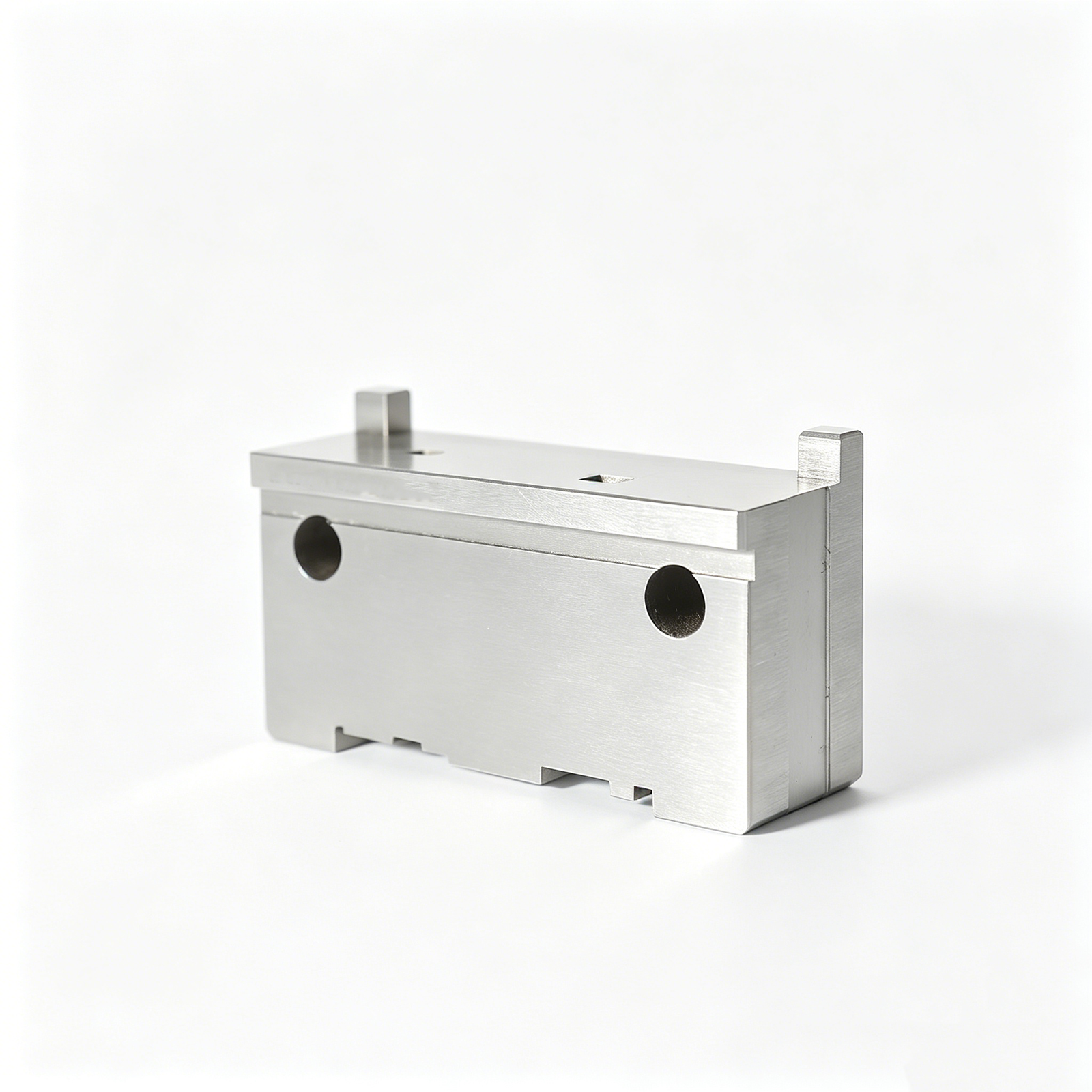
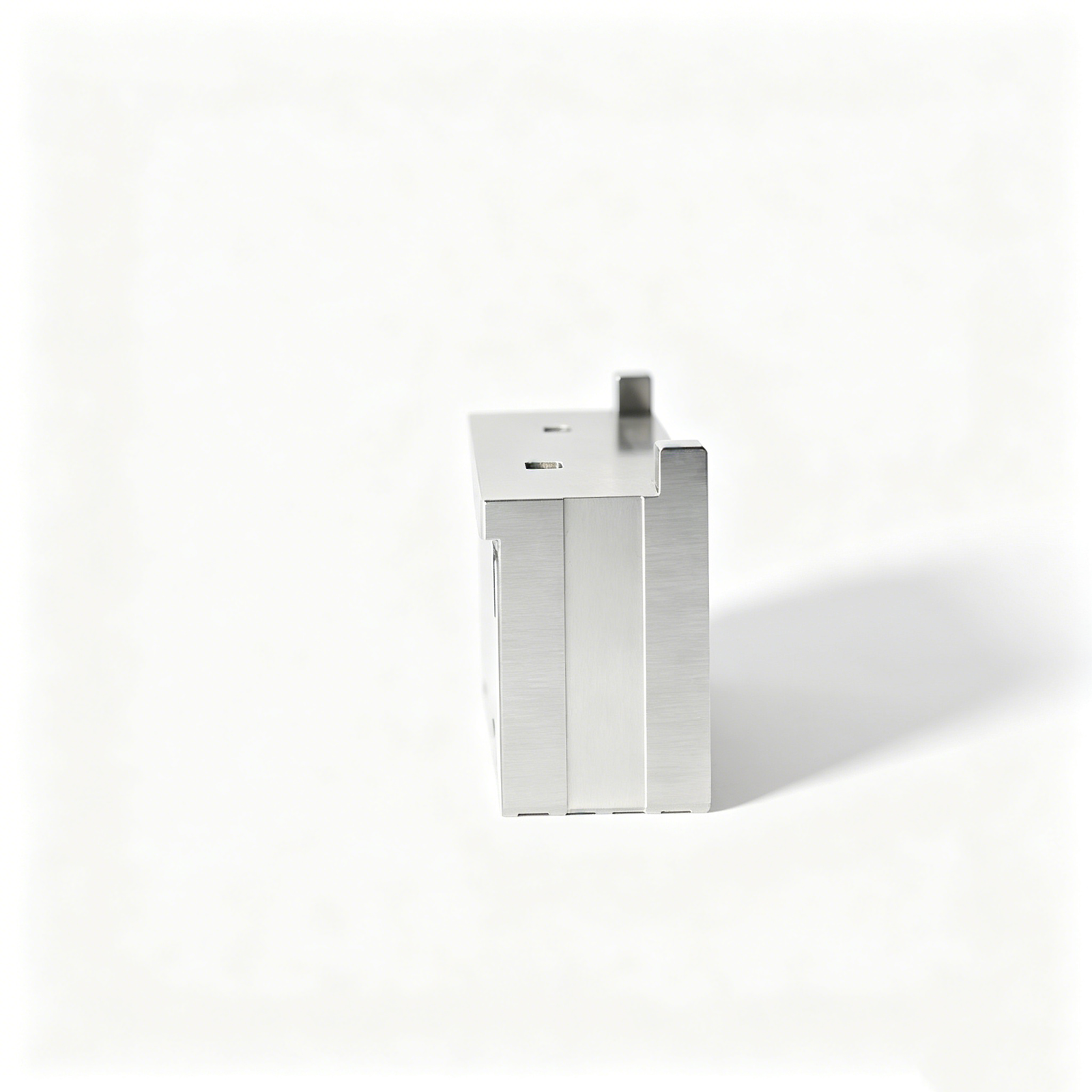
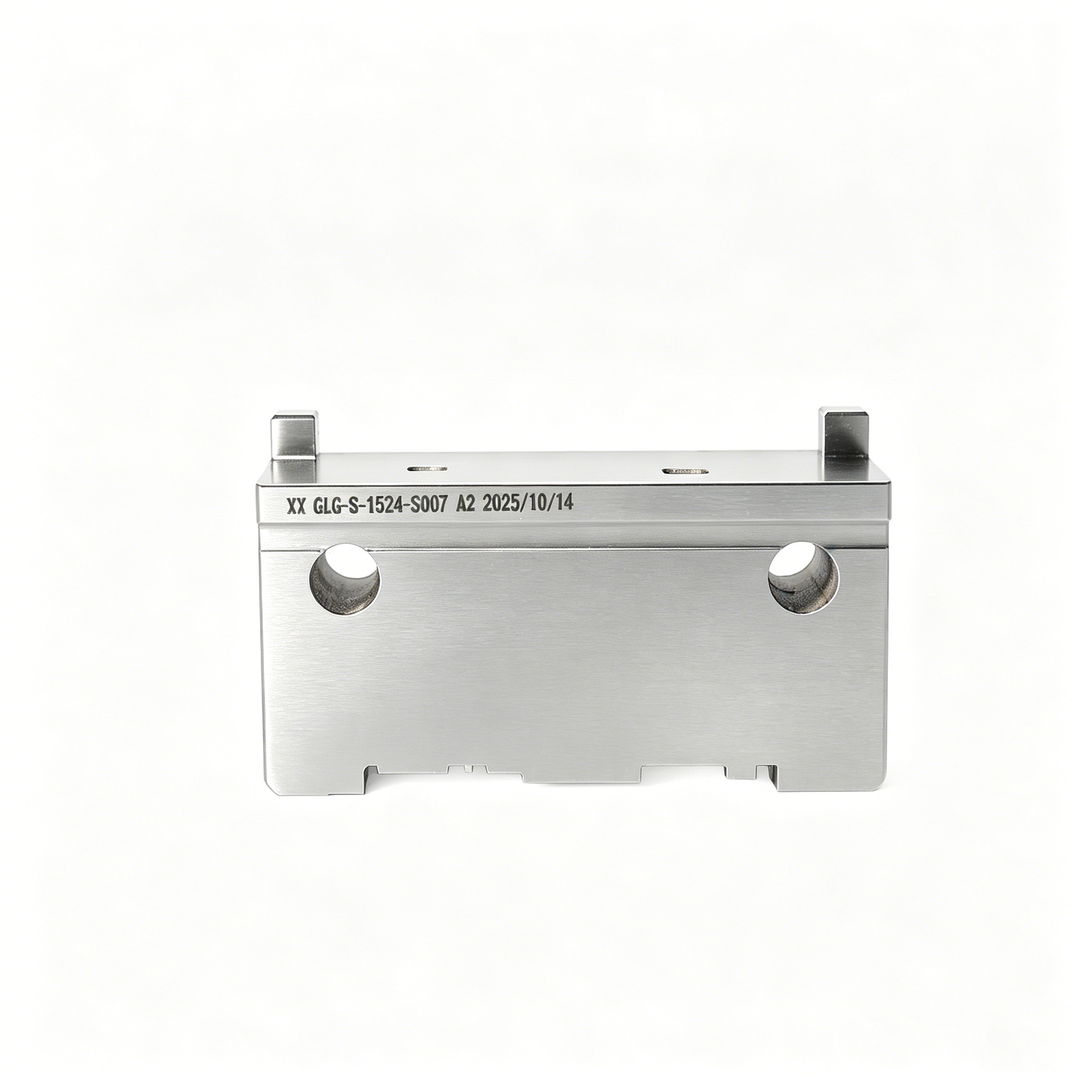
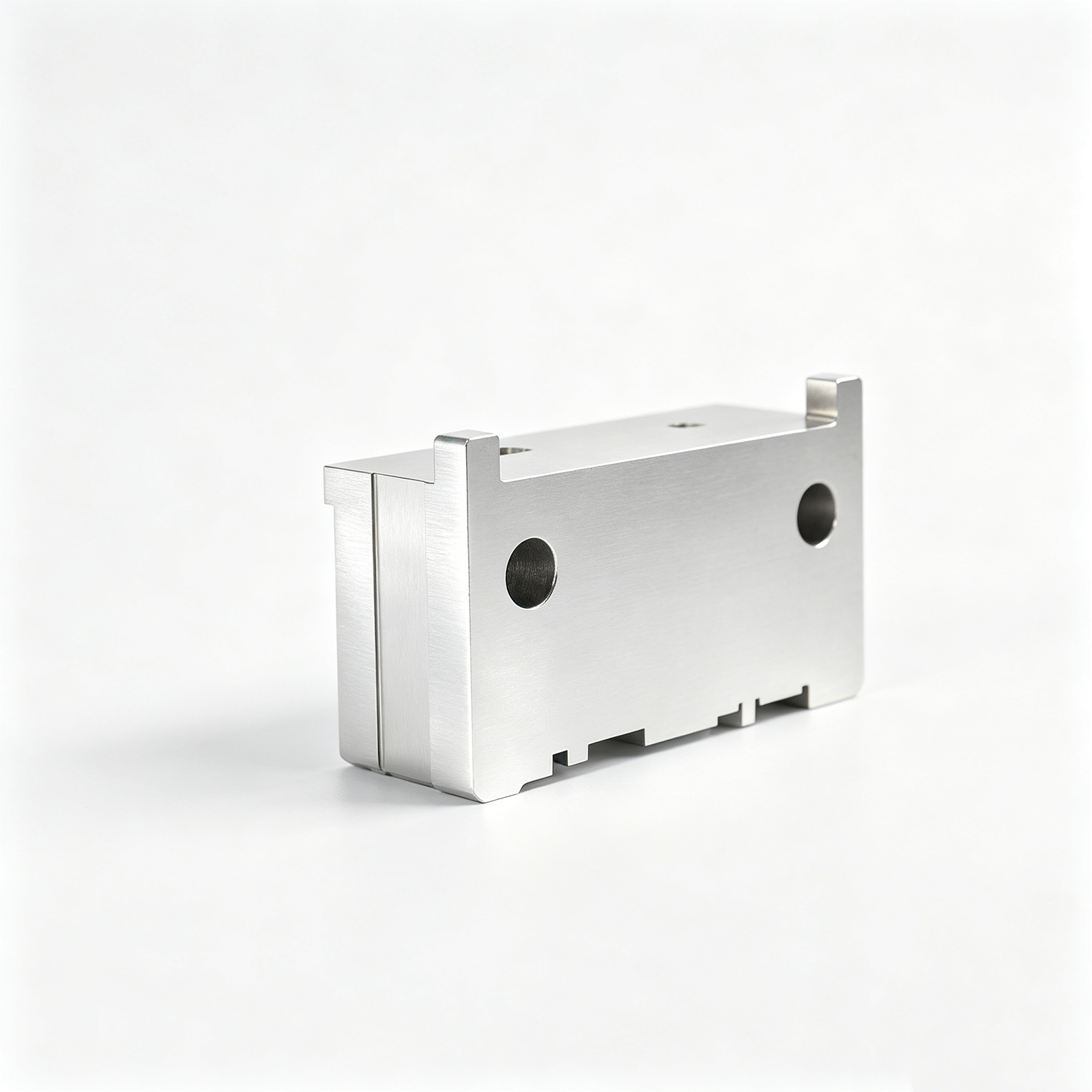
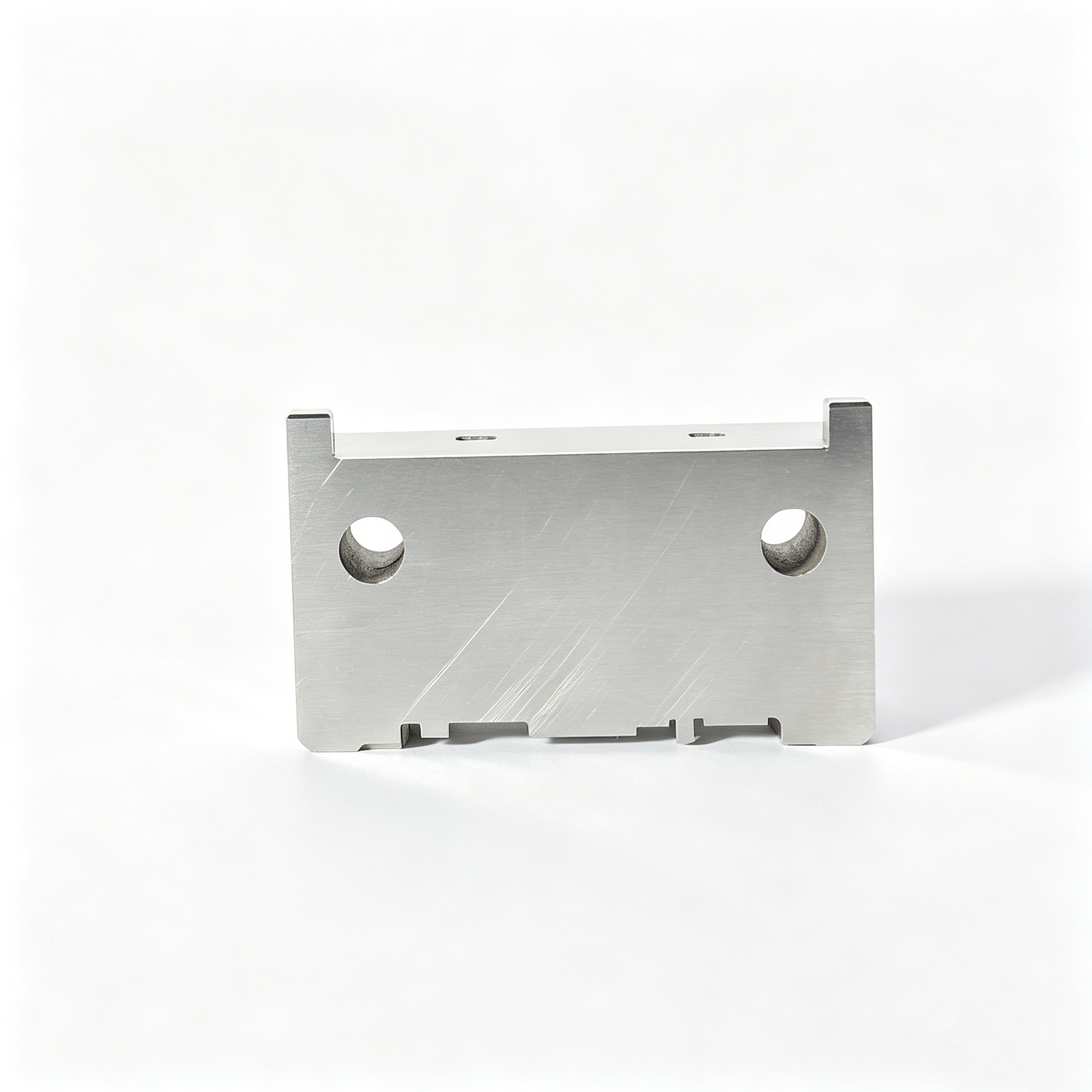
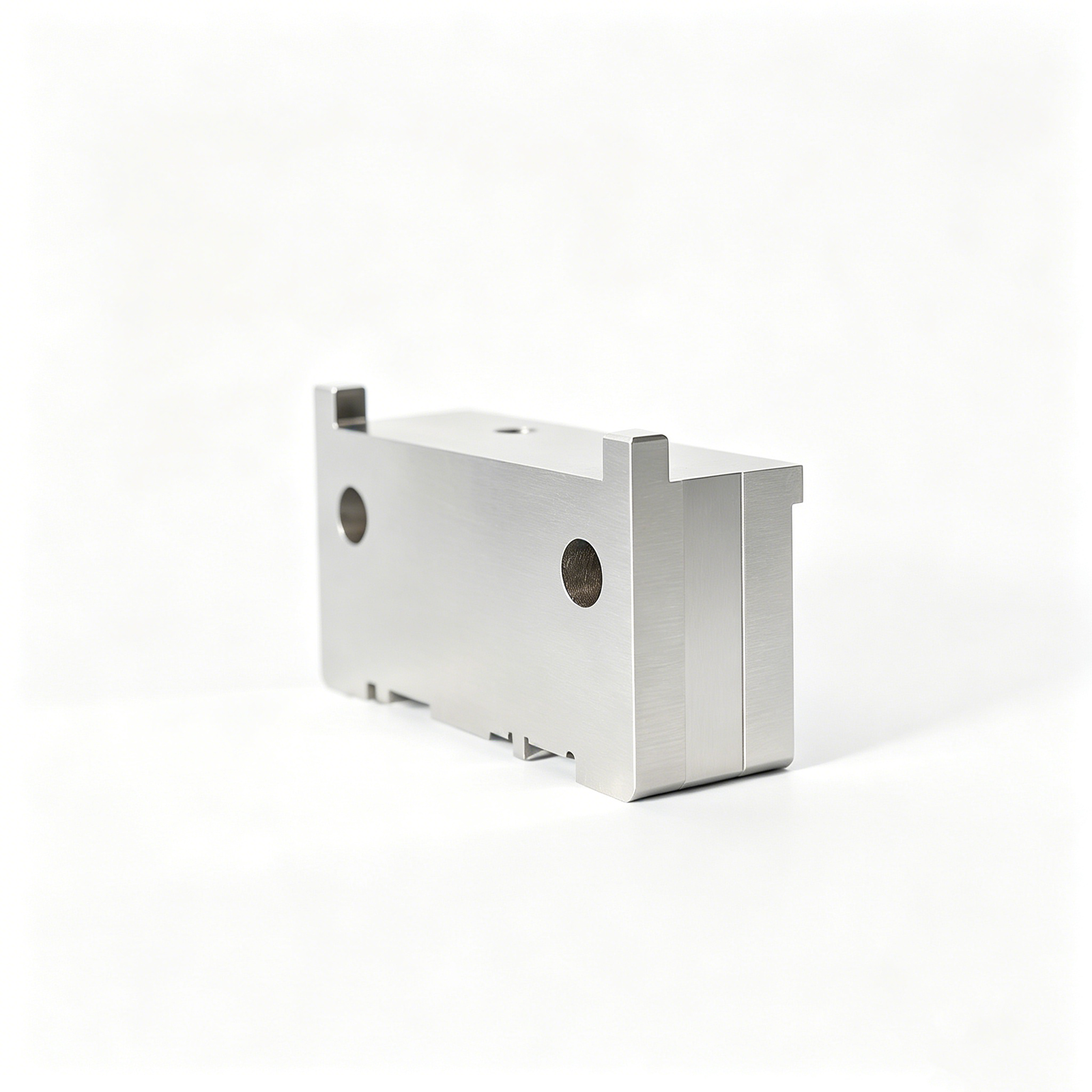
Plastic film parts · Precision mold insert
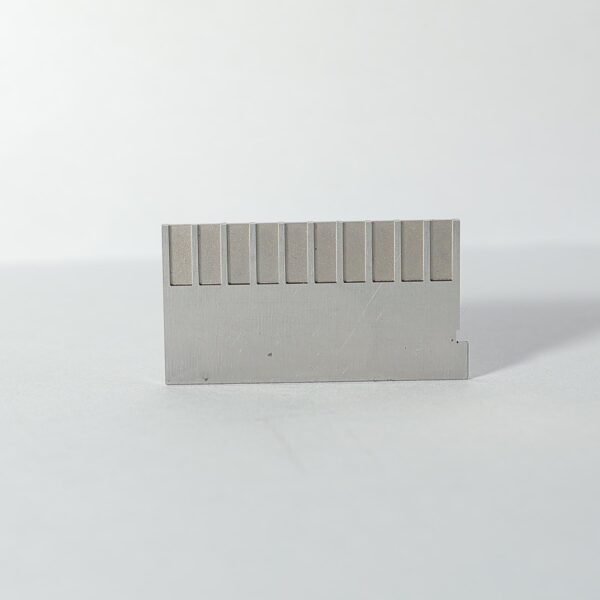
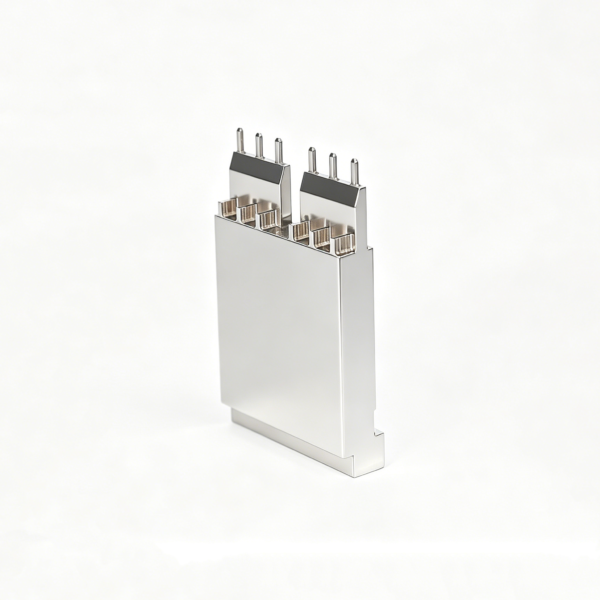
Automotive Connector Precision Mold Inserts and Core Parts Precision mold components for automotive connectors
Brand Xuxiang Mold
Availability Made to drawing
RFQ pricing
Quote from STEP / PDF & quantity
Built for connector tooling that demands repeatable fit, clean release, and stable production, this component set helps keep every cavity aligned from shot to shot. The Precision mold components for automotive connectors are designed to support accurate molding of housings, terminals, and locking features in demanding automotive applications. By focusing on dimensional consistency and wear resistance, they help reduce downtime, improve part uniformity, and support smoother assembly downstream. Ideal for teams that need dependable tooling performance without sacrificing speed on the line.
- ISO 9001:2015–oriented process & documented inspection paths
- Zeiss / Nikon class metrology available for critical dimensions
- DFM feedback from 10+ senior tooling engineers
- Dongguan HQ + Quanzhou capacity for volume programs
Purpose-Built Precision for Automotive Connector Tooling
When connector parts must fit securely, seat reliably, and maintain consistent geometry across long production runs, the mold components inside the tool matter as much as the mold design itself. These Precision mold components for automotive connectors are intended for the critical insert, core, cavity, and related tooling positions that shape high-detail connector parts. In automotive connector production, even small variations can affect mating performance, retention strength, and assembly efficiency, so the tooling must support accurate, stable, and repeatable molding.
This product category is commonly used in injection molds for electrical connector housings and related miniature features. Based on industry references, automotive connector mold parts are specifically the precision mold components used to manufacture automotive electrical connectors, and successful mold design depends on accurate core/cavity structure, filling control, cooling, and demolding performance.[1][4][9] That makes the component choice especially important for manufacturers working with tight tolerances, fine pitch geometries, and high-volume output.
Key Features and Production Benefits
These mold components are suited to demanding tooling environments where durability and accuracy must work together. Connector molds typically require careful attention to dimensional accuracy so the finished parts fit terminals and wiring systems correctly, and they also benefit from well-planned demolding and cooling to reduce warpage and support dimensional stability.[4][7][9]
Why buyers choose this component class:
- Supports precise cavity definition for small connector features and detailed surfaces.
- Helps maintain consistent fit and repeatability across repeated molding cycles.
- Can be matched to production needs that emphasize wear resistance and stable performance.
- Supports smoother ejection and lower risk of cosmetic or dimensional defects when the mold is properly engineered.
- Useful for tooling programs where interchangeable inserts may simplify maintenance or future revisions.
Automotive connector molds are often built for demanding electrical and environmental performance requirements, so the tooling parts must work in harmony with the design intent of the connector itself.[4][9] Precision insert and core components help manufacturers protect that intent by improving control at the mold level rather than relying on post-processing.
Typical Specifications and Ordering Considerations
Because connector programs vary widely, precise dimensions and material grades are usually defined by the mold drawing, application requirements, and production target. Buyers commonly request custom fitment based on cavity layout, connector family, parting line strategy, and expected wear conditions. The table below summarizes the most important buying factors without inventing fixed values that may vary by project.
| Attribute | Typical Buyer Focus |
|---|---|
| Component type | Core inserts, cavity inserts, pin-style tooling parts, sleeve-style parts, and related precision mold elements |
| Application | Automotive electrical connector molds, housings, and fine-detail plastic parts |
| Accuracy target | Project-specific tolerance control for tight-fit connector features and repeatable part geometry |
| Material selection | Tool steel or stainless steel options depending on wear, corrosion, and maintenance requirements |
| Surface and finish | Selected to support release, polish quality, and part appearance as required by the mold design |
| Maintenance approach | Replaceable or serviceable insert strategy may be preferred for high-cycle tooling |
| Compatibility | Must match connector geometry, mold base layout, and production process parameters |
Automotive precision connector mold design typically considers the mold base plate, mold cavity, mold core, filling system, cooling system, and demolding system together, rather than as isolated parts.[4] That means the best component choice is the one that integrates cleanly with the overall tool architecture and the target resin behavior.
Who This Is For
This category is a strong fit for moldmakers, injection molding suppliers, and automotive component manufacturers producing electrical connectors, terminal housings, sensor-related plastic parts, and compact assemblies with demanding fit requirements. It is especially relevant for buyers who need tooling support for high-volume runs, stable part quality, and reduced maintenance interruptions. It also suits projects where precise insert replacement is preferable to rebuilding a full tool section.
Manufacturers searching for automotive-grade connector mold parts often need custom-made components from specialized suppliers, reflecting the fact that connector tooling is rarely one-size-fits-all.[2][12][14] If your production line handles frequent changeovers or multiple connector variants, configurable precision inserts can help simplify upkeep and reduce downtime.
Care, Fit, and Buying Guidance
For best results, align the component design with the connector’s functional requirements, including locking features, mating interface, draft angles, and cooling behavior. Connector molding guidance emphasizes wall thickness consistency, proper draft, undercut management, gate flow, and shrinkage control to reduce defects and improve assembly fit.[7] The mold component itself cannot solve a poor part design, but it can greatly improve how well the design is executed.
Before ordering, confirm the following:
- Connector family or part number compatibility.
- Target resin and expected molding temperature conditions.
- Preferred steel or corrosion-resistant material choice.
- Whether the insert should be replaceable for maintenance.
- Required surface finish, polishing level, or texture needs.
For maintenance, keep precision surfaces clean, inspect wear-prone areas regularly, and track dimensional changes over time. Connector mold parts are typically maintained with cleaning, lubrication, and periodic repair planning to extend service life and protect output consistency.[4]
FAQ
How fast is shipping for precision mold components?
Shipping time depends on whether the component is standard or made to drawing. Custom automotive connector tooling parts usually require engineering review and production time before dispatch.
Will these parts fit my existing connector mold?
Fit depends on cavity layout, insert geometry, and mold base compatibility. Share drawings, samples, or current part dimensions so the component can be matched to your tool.
Can these be used for different connector sizes?
They can be adapted to different connector programs, but each size and family usually needs its own matched tooling dimensions. Compatibility should be confirmed before purchase.
What maintenance do these mold parts need?
Regular cleaning, lubrication where appropriate, and inspection for wear or buildup help maintain performance. High-cycle tools benefit from scheduled checks on critical surfaces and ejector-related areas.
Are custom dimensions available?
Yes, custom dimensions are commonly used for automotive connector mold parts because connector geometries and tolerances vary widely. Project drawings are the best starting point for customization.
What if the part wears out during production?
Many buyers choose replaceable insert-based tooling so worn sections can be serviced without replacing the full mold. This can help reduce downtime and control maintenance cost.
Do you offer returns or warranty coverage?
Warranty and return terms depend on the supplier and order type. For custom precision parts, approval conditions are often based on drawing compliance and agreed inspection requirements.
Related products
Same drawing, predictable results—next batch
Share revision, quantity ramp, and inspection level. We quote process route, ship date, and documentation in one structured response.