
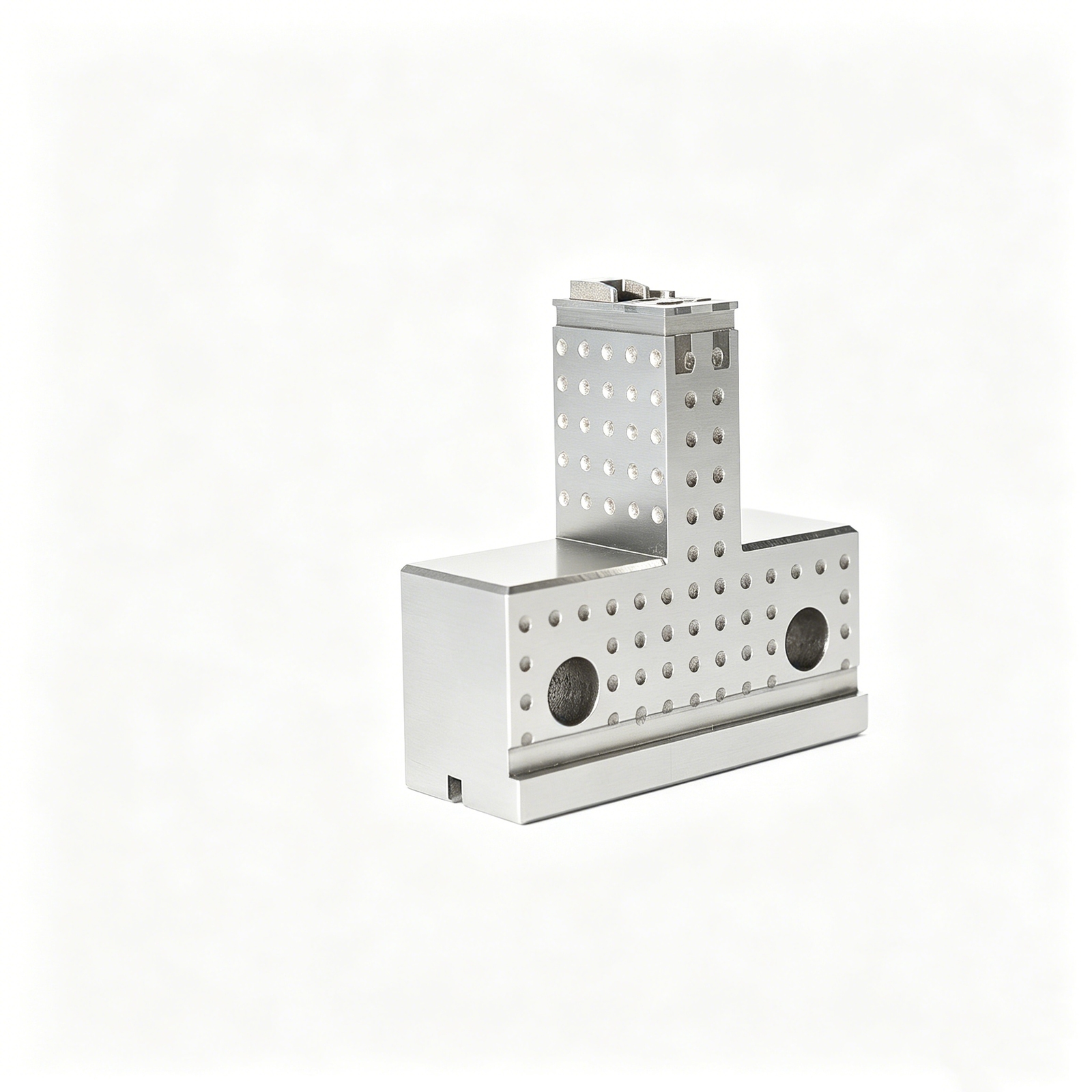
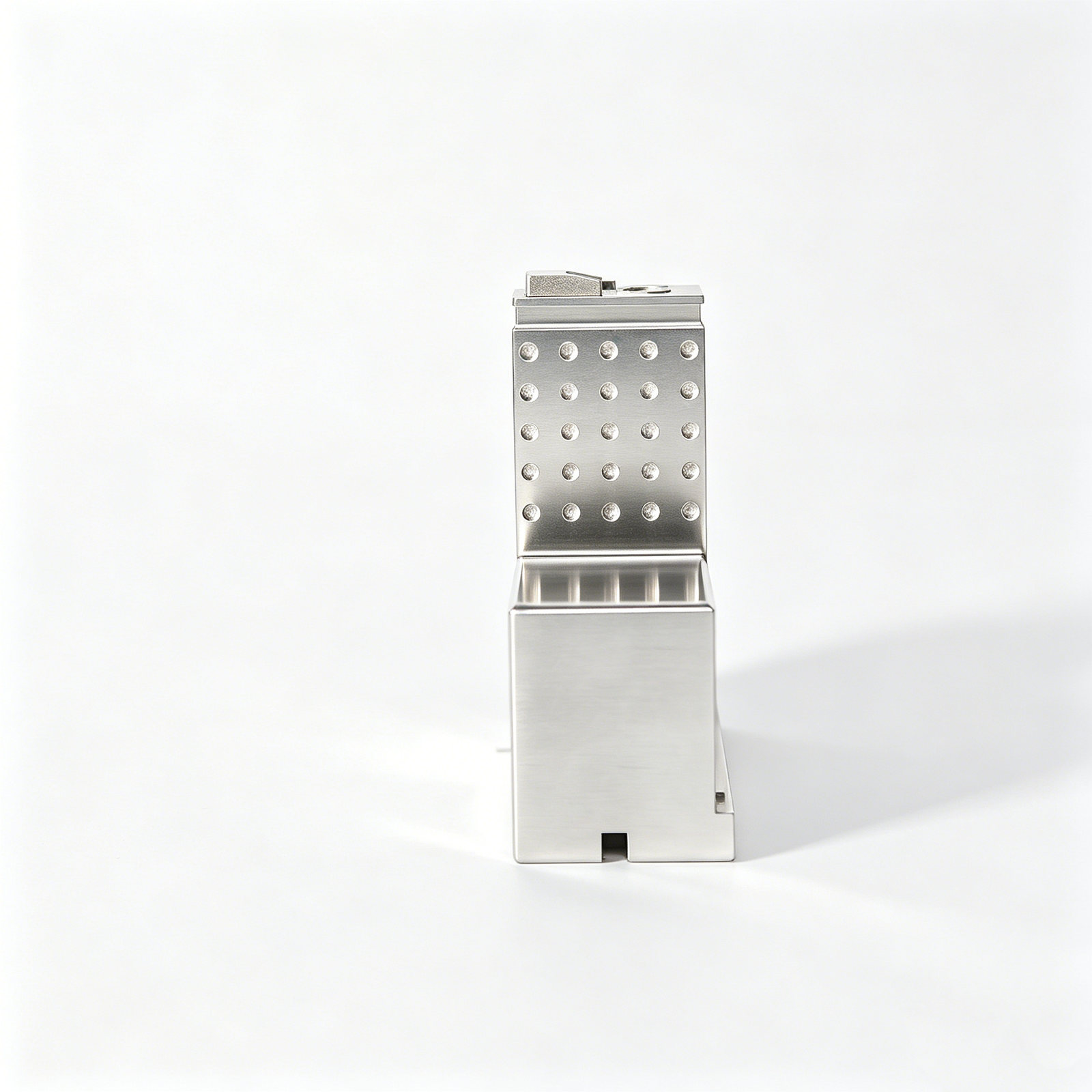
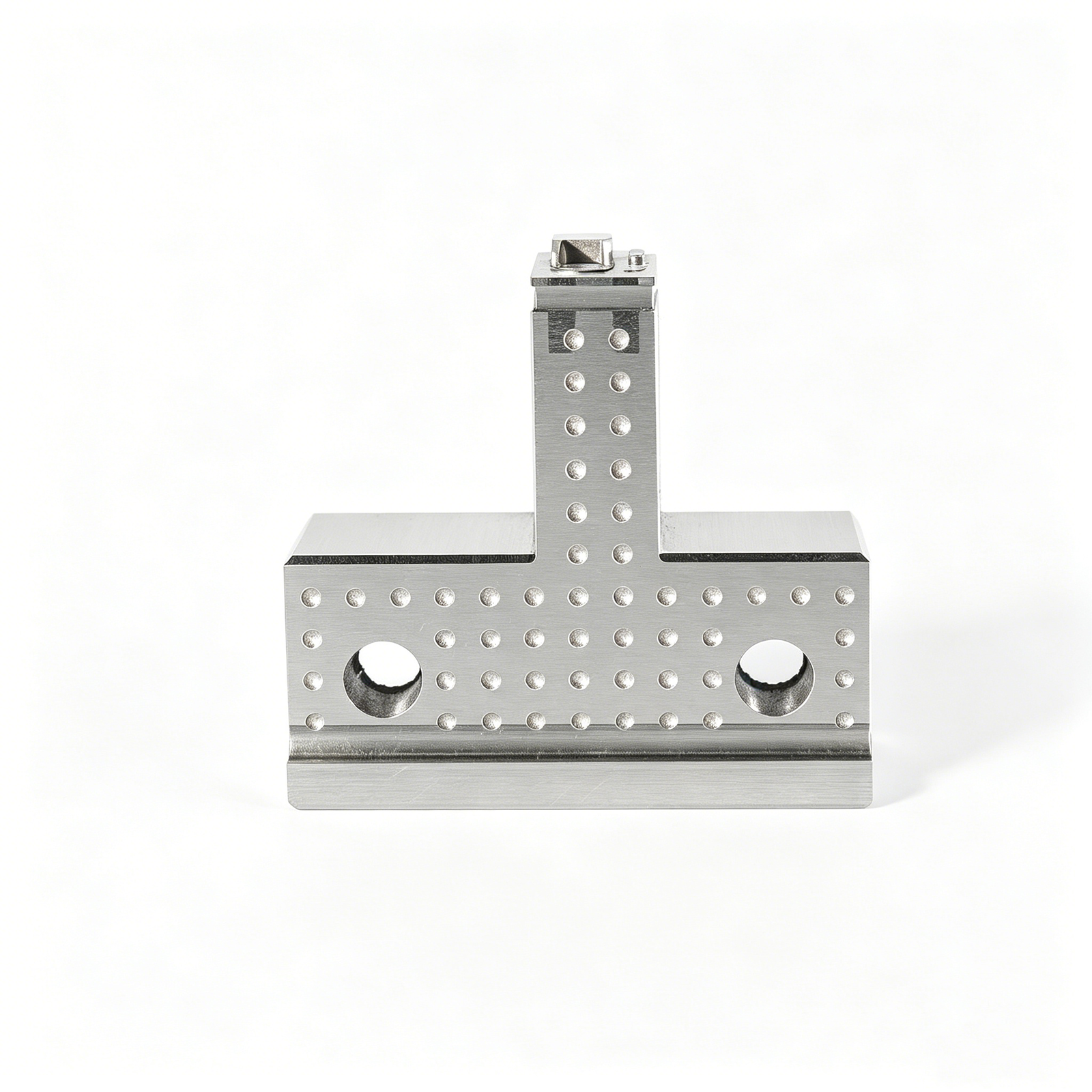
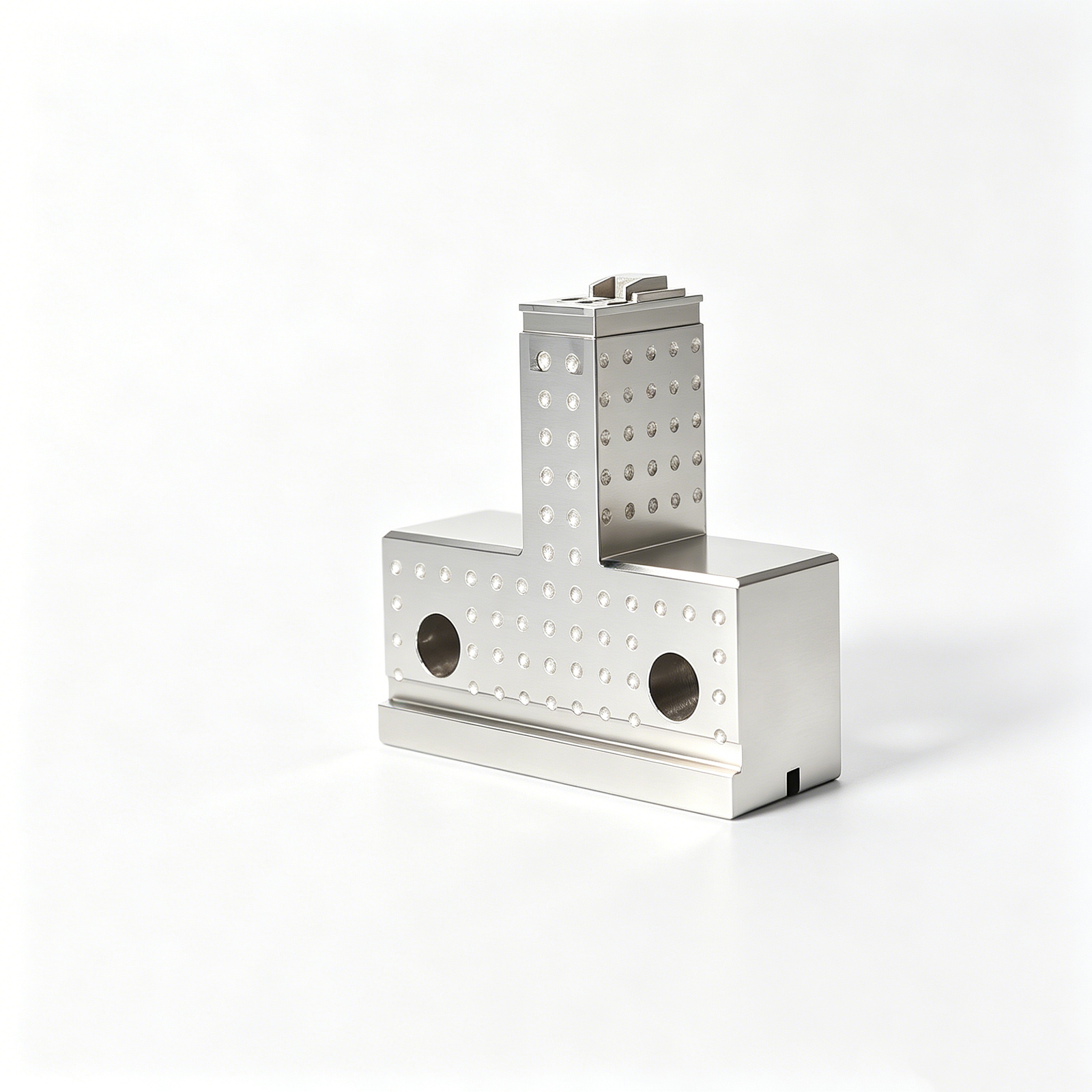
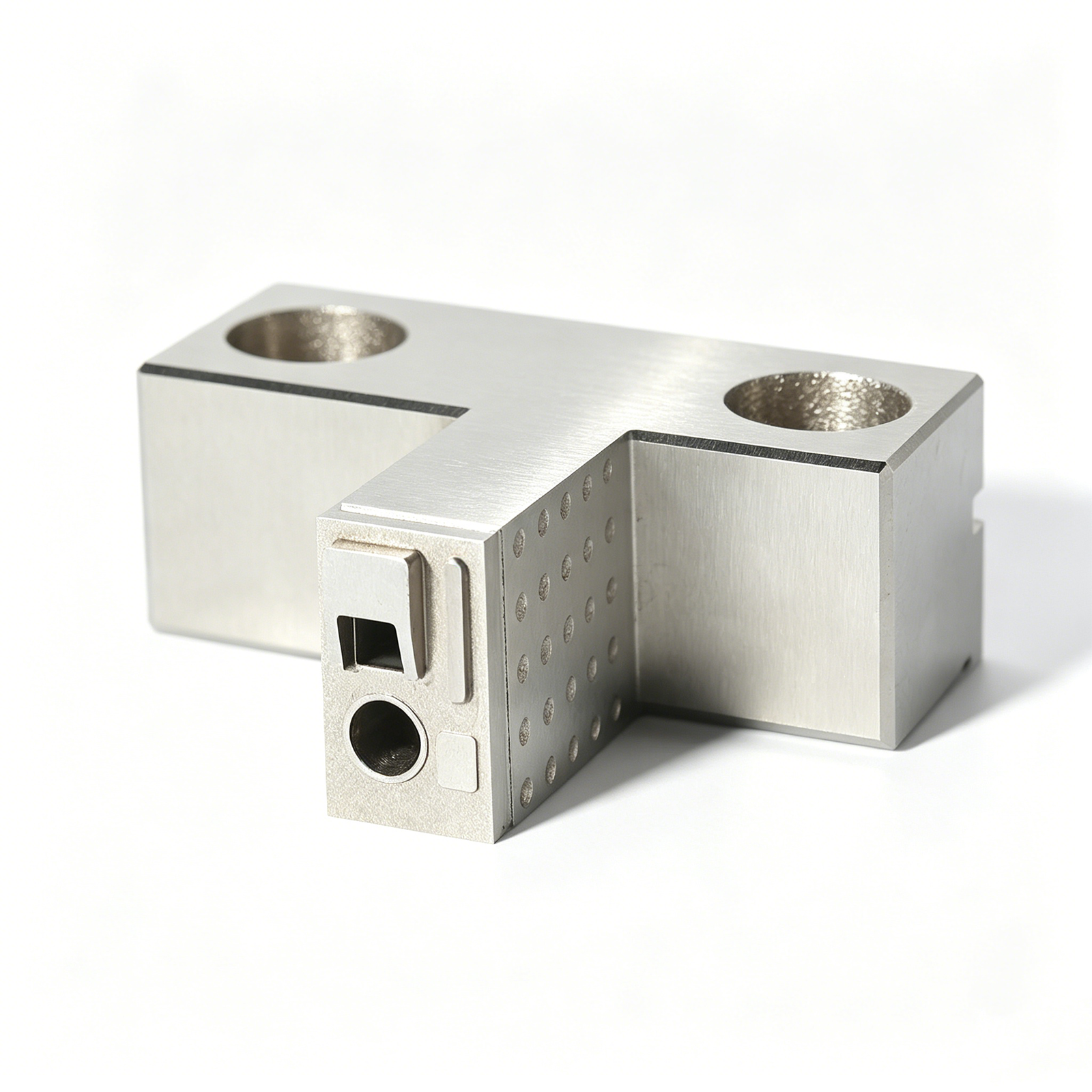
Plastic film parts · Precision mold insert
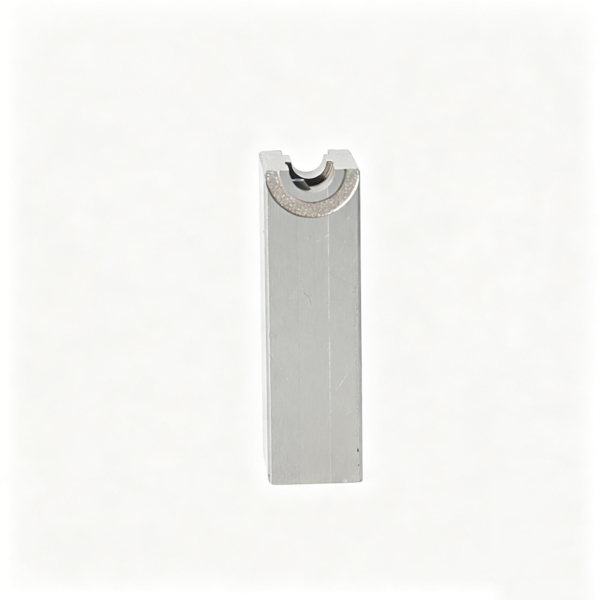
Precision Mold Components for Automotive Connectors – Fine-Pitch Tooling Inserts & Pins
Brand Xuxiang Mold
Availability Made to drawing
RFQ pricing
Quote from STEP / PDF & quantity
Engineer every terminal block and plug housing to exact standards with these precision mold components for automotive connectors. Designed for fine-pitch cavities and multi-pin layouts, they support stable, repeatable production of complex connector geometries. High-grade tool steels, optimized heat treatment, and refined surface finishing help you maintain tight dimensional control and reliable demolding. Whether you run high-volume injection molding or pilot tooling, this component set keeps your connector molds running consistently in demanding automotive environments.
- ISO 9001:2015–oriented process & documented inspection paths
- Zeiss / Nikon class metrology available for critical dimensions
- DFM feedback from 10+ senior tooling engineers
- Dongguan HQ + Quanzhou capacity for volume programs
Precision Mold Components for Automotive Connectors – Built for Fine-Pitch, High-Density Tooling
Automotive electrical connectors demand exceptional dimensional accuracy, stable quality over long runs, and reliable mating performance in harsh vehicle environments. To achieve that level of repeatability, the mold tooling behind each connector must be built from robust, precisely machined components. These precision mold components for automotive connectors are engineered specifically for connector molds, supporting tight-tolerance production of housings, terminals carriers, and multi-pin plug bodies.
The component range typically includes core inserts, cavity inserts, fine-diameter core pins, sleeves, ejector pins, and related precision elements used in connector injection molds. By combining high-stability tooling steels with fine grinding and polishing, these parts help maintain consistent dimensions, clean parting lines, and stable gate and sealing surfaces across high-volume molding cycles.
Key Features & Benefits
Every detail of these precision mold parts is oriented toward the realities of automotive connector production, where dimensional drift or wear quickly translate into assembly and electrical issues.
- Fine-pitch capability: Optimized for tight pin spacing and miniaturized connector designs, supporting accurate formation of slim walls, narrow slots, and micro-sized terminal pockets.
- Tight dimensional control: Precision grinding and EDM processes help maintain extremely consistent diameters and lengths, supporting connector molds that need very small clearance and uniform wall thickness to avoid warpage and fit issues.
- High wear resistance: Use of premium tool steels and appropriate heat treatment provides a hard, stable working surface to withstand glass-filled and high-performance engineering resins commonly used in automotive applications.
- Stable mold performance: Accurate alignment surfaces and well-finished seating areas support smooth assembly into the mold base, reducing misalignment, flash, and premature edge wear.
- Improved part quality: Fine surface finishes at cavity and core interfaces contribute to better cosmetic surfaces on connector housings and cleaner edges where terminals and seals must seat reliably.
- Support for high-volume production: Designed with durability for long mold life and reduced downtime due to component replacement or rework, which is crucial for high-volume automotive connector programs.
Specifications & Technical Highlights
The exact specification of each component depends on your connector design, mold layout, and resin selection. Instead of fixed values, the focus is on controlled processes and adaptable designs that can be tailored to your project.
| Attribute | Description |
|---|---|
| Component types | Core inserts, cavity inserts, fine-diameter core pins, sleeves, ejector pins, lifter details, and other precision mold parts for connector tooling |
| Typical applications | Automotive plastic connector housings, terminal carriers, multi-pin blocks, plugs, sockets, and sensor connector bodies |
| Material options | High-quality tool steels and stainless steels selected for wear resistance, toughness, and dimensional stability under injection molding conditions |
| Surface treatment | Polishing and finishing options to support low friction, good release, and enhanced wear resistance in high-cavity connector molds |
| Tolerance capability | Engineered for very tight dimensional tolerances appropriate for fine-pitch automotive connector tooling, subject to design and manufacturing review |
| Connector mold design compatibility | Suitable for multi-cavity, high-density molds with complex gate, cooling, and demolding systems used in automotive electrical connector production |
| Resin compatibility | Designed for use with common automotive connector resins such as engineering plastics and reinforced materials, depending on user specification |
| Customization | Dimensions, shapes, and special features can be adapted to existing or new connector mold designs, based on drawings or 3D models |
| Quality focus | Precise machining, controlled heat treatment, and inspection routines to maintain consistency over repeat orders and replacement parts |
Use Cases & Ideal Users
These mold components are particularly suitable for teams working on high-reliability automotive electronics and electrification projects, where connector performance is integral to system safety and durability.
- Tier 1 and Tier 2 automotive suppliers producing high-volume electrical connectors for engine compartments, body electronics, and EV systems.
- Injection molding companies that specialize in precision connectors and require stable, interchangeable tooling components to support frequent mold changes and maintenance.
- Tooling and mold manufacturers designing new connector molds who want to integrate reliable standard or custom mold components to reduce development risk.
- Engineering teams responsible for miniaturized or fine-pitch connector programs where very small deviations can cause assembly or electrical connection issues.
- Maintenance departments needing replacement pins, inserts, or sleeves to restore worn molds and extend the life of existing connector tooling.
Typical applications include plug-and-socket connectors for control units, sensor connectors exposed to under-hood temperatures, compact connectors for in-cabin infotainment and ADAS modules, and robust interfaces used in battery and high-voltage systems.
Care, Maintenance & Buying Guidance
To ensure the best performance and longest service life from your precision mold components, correct handling and maintenance are essential.
- Installation and handling: Protect critical edges and polished surfaces during assembly; avoid impact and use appropriate torque when securing components into the mold base.
- Mold cleaning practice: Use suitable, non-abrasive cleaning agents to prevent erosion of finely finished surfaces and to avoid chemical attack that could reduce corrosion resistance.
- Preventive maintenance: Schedule inspection of core pins, inserts, and ejectors during mold maintenance intervals to identify early wear in high-stress regions such as thin walls, sharp corners, and gating areas.
- Resin and process matching: When purchasing, share details of your resin (including fillers), injection conditions, and connector geometry so that material and treatment choices can be aligned with real process demands.
- Replacement strategy: Keep spare critical components, such as fine-diameter core pins and high-wear inserts, in stock to minimize downtime if damage or wear is detected during production.
When selecting these components, review your connector drawings, required tolerances, and mold design information. The more complete your data, the better the components can be matched to your tooling concept and the expected production volume.
FAQ
Are these mold components compatible with my existing automotive connector molds?
In most cases, components can be sized or customized to match existing mold pockets, guide features, and mounting interfaces. Providing detailed drawings or 3D data of your current tooling helps ensure a precise fit and reduces modification work during installation.
What information do I need to provide to order custom inserts or pins?
You should share connector part drawings, mold layout or 3D models, resin information, and any special requirements such as fine-pitch layouts, undercut features, or critical dimensions. This allows the components to be engineered for your specific application and process conditions.
How do I know if these components can handle filled engineering plastics?
Material selection and heat treatment can be adapted to suit filled and high-performance resins. When you specify that you will be molding glass-filled or high-temperature materials, the tooling material and finishing options can be chosen to improve wear resistance and service life.
What is the typical lead time for precision mold components?
Lead time depends on complexity, quantity, and the level of customization required. Standard-style items are usually faster, while highly customized fine-pitch inserts and cores require more engineering and machining time. Your quotation will normally indicate an estimated delivery window.
How should I maintain these components to extend tool life?
Regular mold maintenance, including cleaning, lubrication of moving elements, and inspection of high-wear zones, is important. Avoid abrasive cleaning methods on polished surfaces and ensure that the mold is stored in a dry, protected environment when not in use.
Can I replace only worn core pins without changing the entire insert?
Yes, many connector molds are designed with replaceable pins that can be swapped individually when wear or damage occurs. This reduces costs and downtime compared with replacing larger inserts, as long as the replacement pins are manufactured to the same tight tolerances.
Do these components come with any quality assurance or inspection reports?
Precision mold components are typically supplied with inspection or measurement data according to the agreed specification. You can request specific documentation, such as dimensional reports on critical features, as part of your order.
What happens if the parts do not match my mold during trial?
If deviations from the agreed drawings or specifications are found, adjustments or remanufacture can usually be arranged. It is important to validate dimensions against the supplied documentation and share trial results, so any issues can be resolved quickly.
Are there special storage requirements for spare inserts and pins?
Store components in clean, dry conditions and keep them in protective packaging to avoid corrosion and mechanical damage. Labeling each part with its mold position or connector project can help maintenance teams quickly identify the correct spares.
Can these mold components be used for non-automotive connectors?
Yes, although they are optimized for automotive applications, the same precision and durability are beneficial for connectors in industrial, telecom, or consumer electronics when similar fine-pitch and reliability requirements apply.
Related products
Same drawing, predictable results—next batch
Share revision, quantity ramp, and inspection level. We quote process route, ship date, and documentation in one structured response.