
Plastic film parts · Precision mold insert
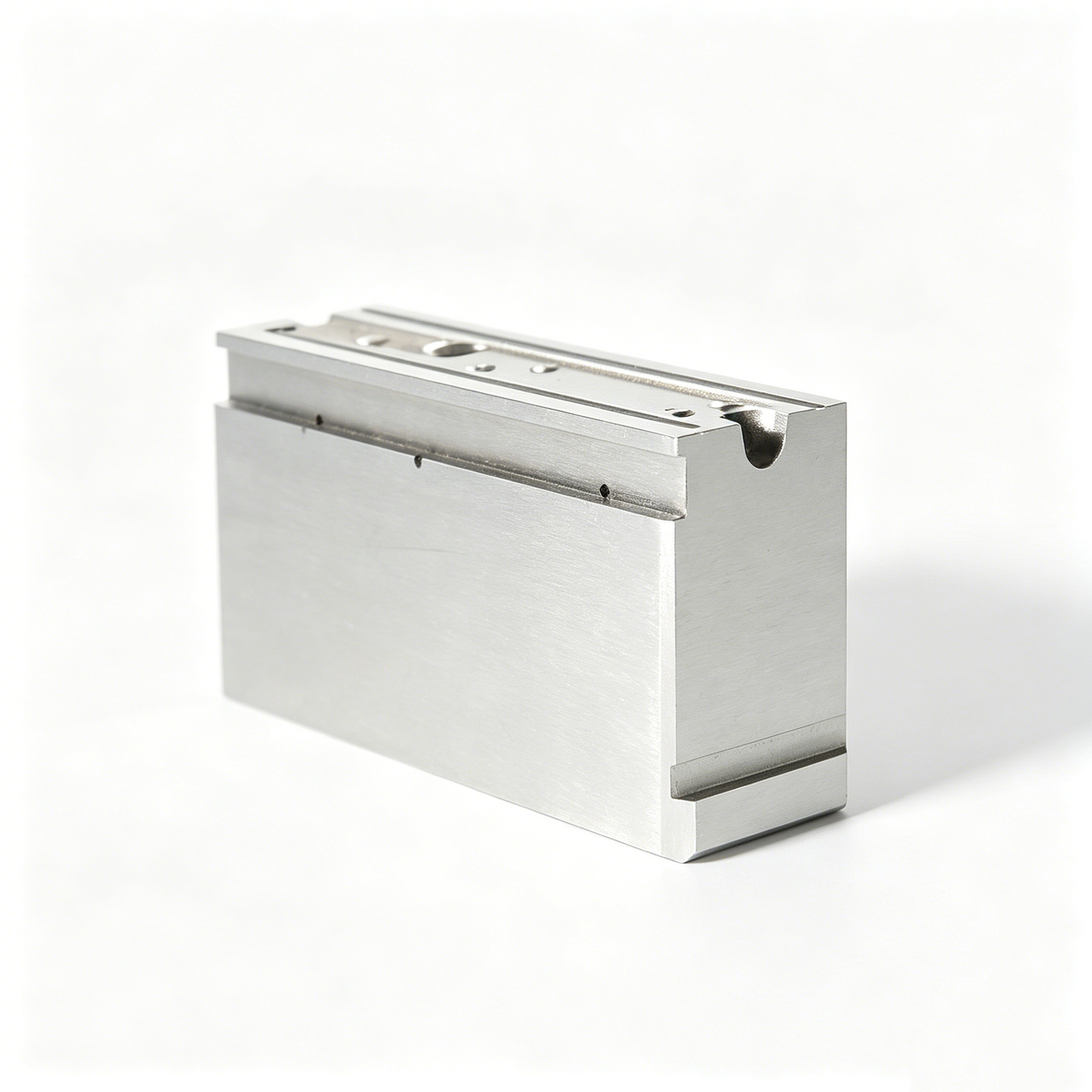
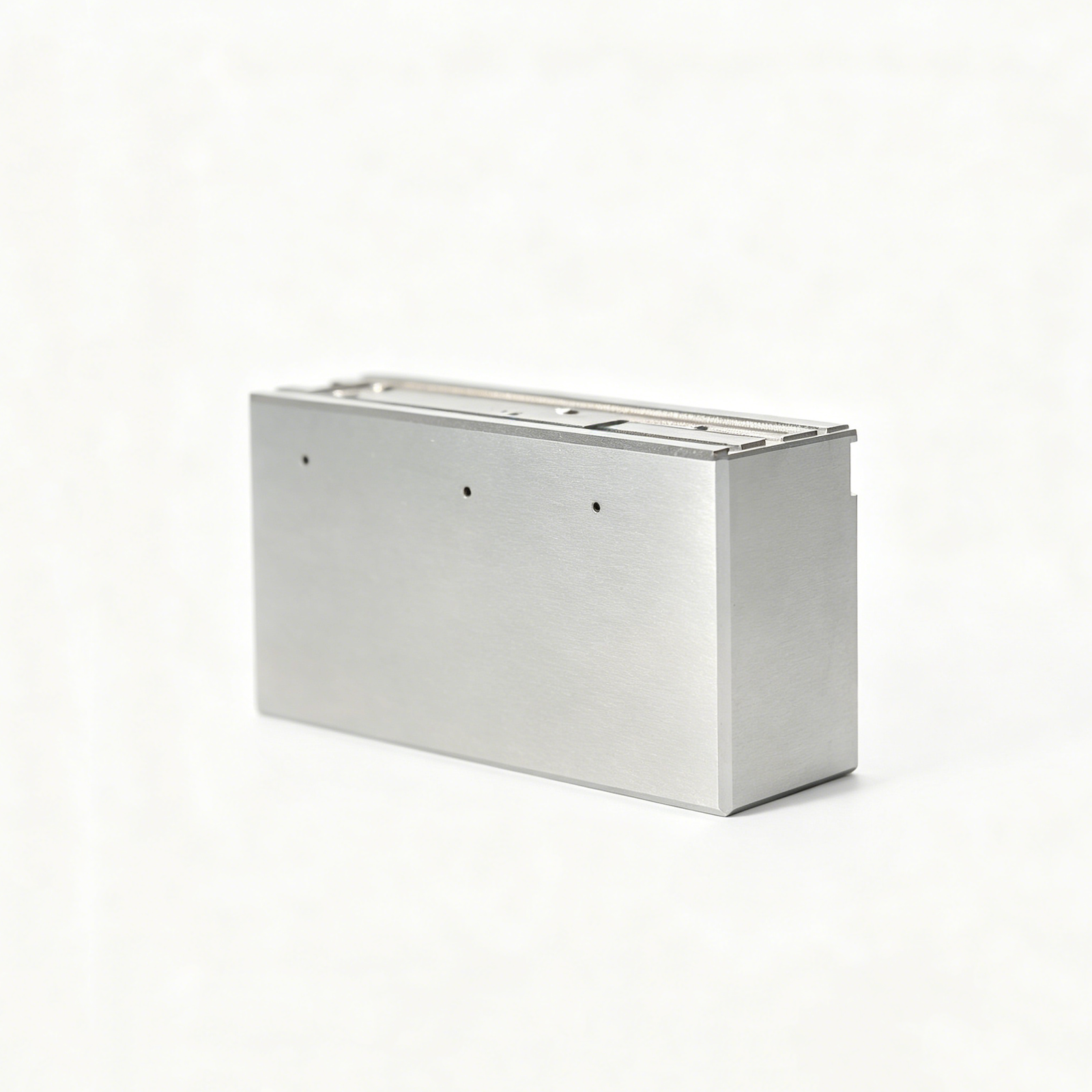
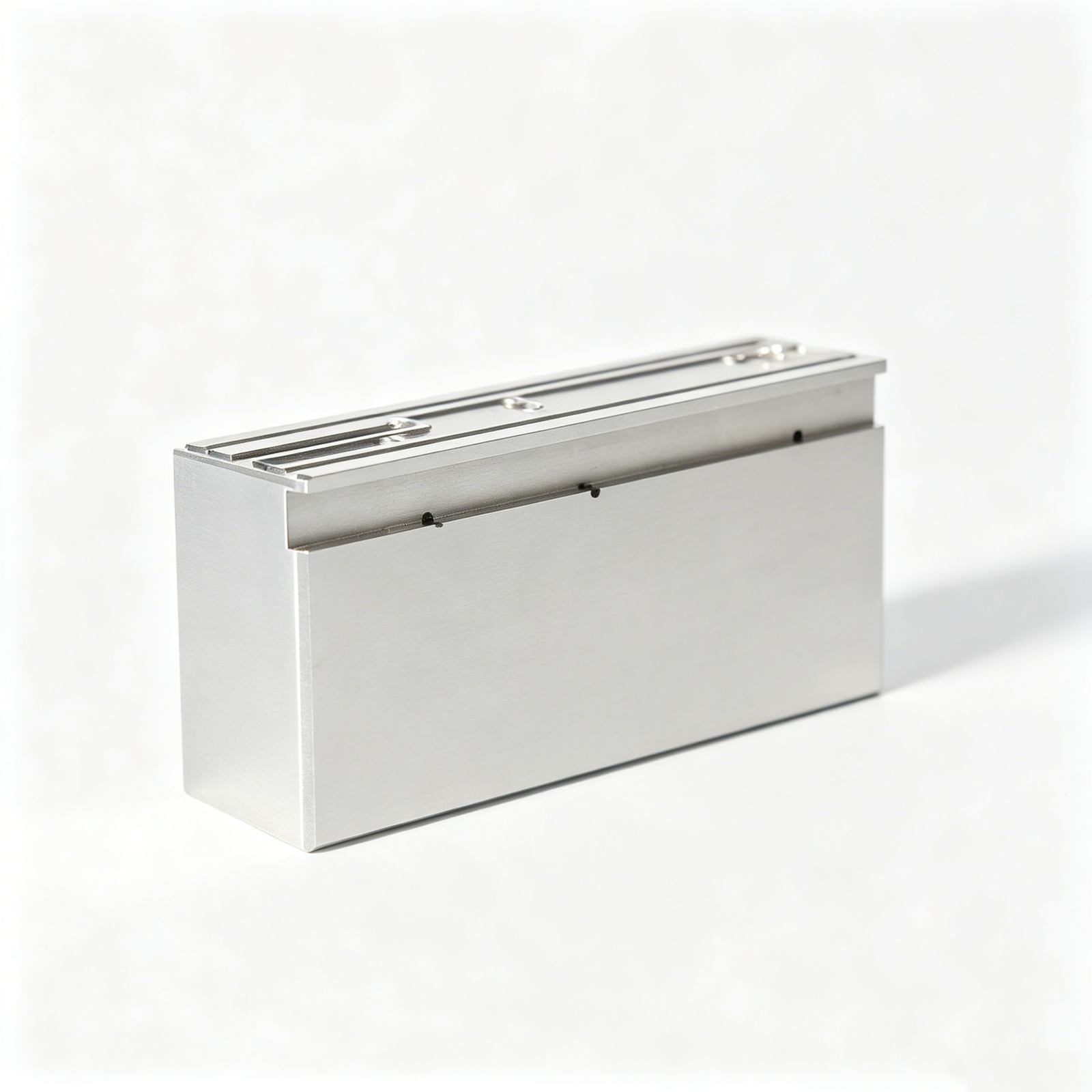
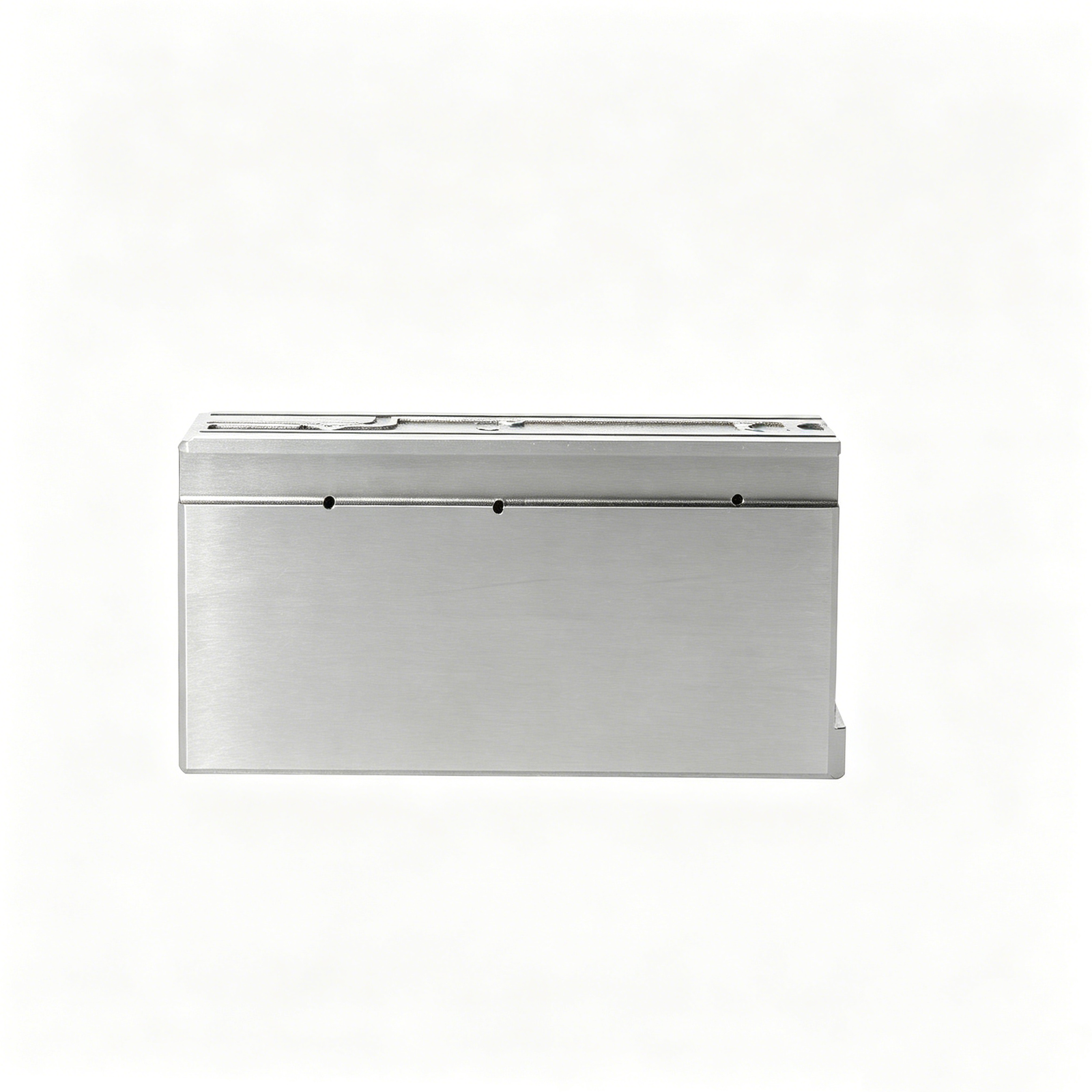
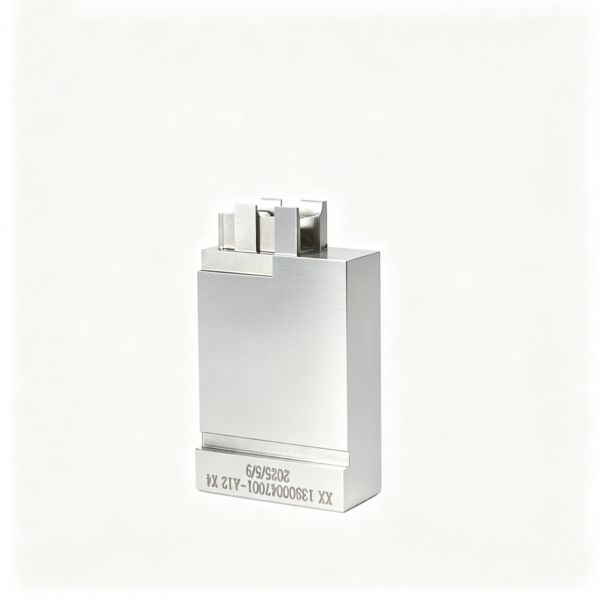
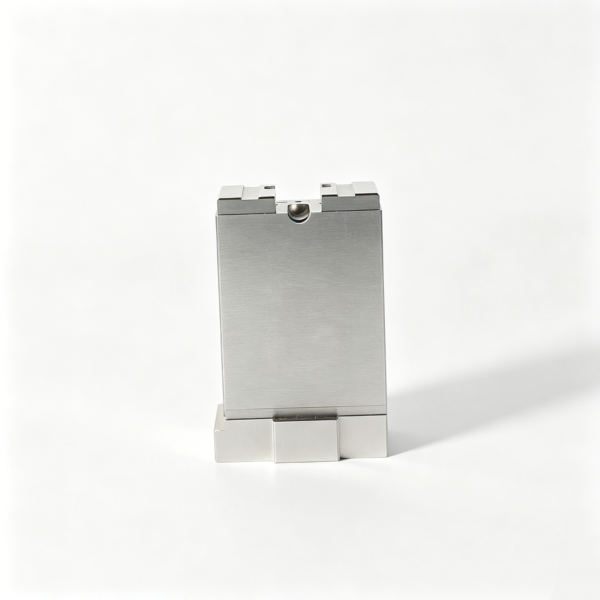
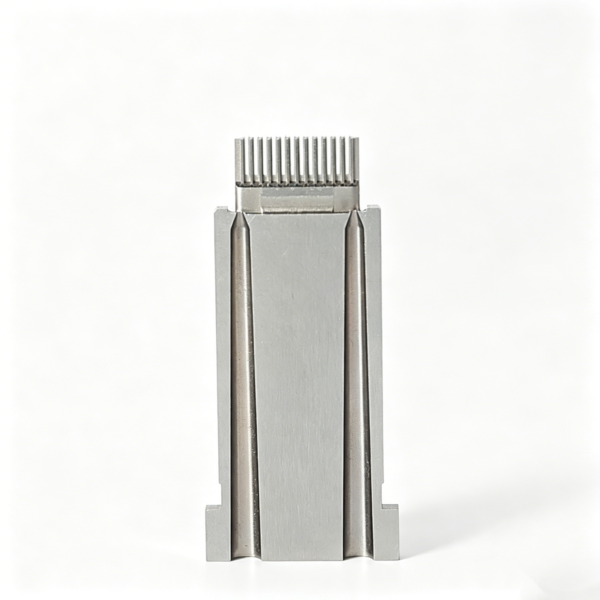
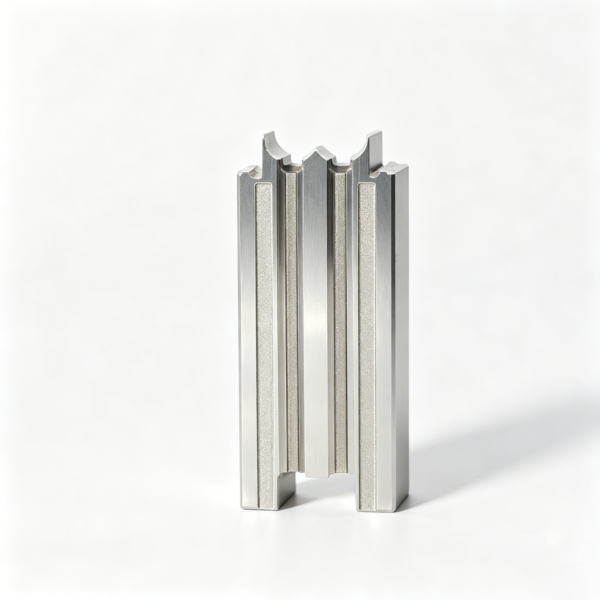
Precision Mold Components for Automotive Connectors – Fine-Detail Terminal & Housing Tooling Parts
Brand Xuxiang Mold
Availability Made to drawing
RFQ pricing
Quote from STEP / PDF & quantity
Engineer reliable connector molds with precision mold components for automotive connectors designed for fine-pitch terminals and compact housings. Each core pin, insert and sleeve is produced from high-stability tool steel to withstand long production runs and aggressive engineering plastics. Consistent dimensional accuracy helps you maintain tight tolerances on critical contact areas and sealing features. Optimized surface finish reduces sticking, improves demolding and keeps cycle times stable. Ideal for OEMs, Tier 1 suppliers and tool shops building next-generation automotive electrical connector platforms.
- ISO 9001:2015–oriented process & documented inspection paths
- Zeiss / Nikon class metrology available for critical dimensions
- DFM feedback from 10+ senior tooling engineers
- Dongguan HQ + Quanzhou capacity for volume programs
Precision Mold Components for Automotive Connectors – Built for Fine-Detail Connector Tooling
These precision mold components for automotive connectors are engineered to help mold makers and production engineers achieve repeatable quality on complex electrical connector housings, terminals and seals. Designed for high-performance automotive plastics and multi-cavity connector molds, the components support the demanding dimensional accuracy and durability requirements of modern automotive platforms, including EV, ADAS and high-speed data connectors.[1][9][11]
Automotive connector molds must produce parts that mate perfectly with terminals, wiring harnesses and sealing systems, often with extremely fine wall sections and intricate locking features.[4][9] This component set is developed specifically for that challenge, including core pins, cavity inserts, sleeves and ejector elements that maintain accurate geometry over long production runs. By using suitable tool steels and optimized heat treatment, the parts offer excellent wear resistance, corrosion resistance and dimensional stability under high injection pressures and elevated mold temperatures.[4]
Whether you are building a new connector family or refurbishing existing tooling, these components give your mold base a robust foundation. Their consistent quality supports stable filling, reliable demolding and minimized scrap rates, helping you keep production costs under control while meeting strict automotive quality standards.[4][9][11]
Key Features & Performance Benefits
- Connector-specific geometry: Tailored for automotive connector housings, pin headers, plug shells and multi-way blocks, with slim cores and fine details suitable for small pitches and narrow slots.[1][3][6][12]
- High-precision manufacturing: Machined and ground to tight tolerances to support the micron-level dimensional control required for dependable connector mating and sealing performance.[3][6][8][12]
- Durable tool steels: Produced from suitable tool steel grades for injection molds, providing strong wear resistance and dimensional stability under repeated thermal cycling and high clamping forces.[4][9]
- Optimized for injection molding: Designed with proper draft and polished surfaces to promote smooth plastic flow and reliable demolding, reducing risk of flash, warpage and sticking.[4][7][9]
- Support for multi-cavity production: Components can be applied to high-cavity connector molds, helping maintain cavity-to-cavity consistency in large-scale automotive manufacturing.[3][6][11]
- Flexible configuration: Suitable for new mold builds, engineering changes and localized repairs, allowing you to swap, rework or upgrade individual pins and inserts instead of replacing entire plates.[1][2][14]
By combining precise machining with robust materials, these mold components help you achieve stable connector quality over long tool life, even when molding glass-filled, high-temperature engineering resins commonly used in automotive electrical connectors.[4][11]
Specifications & Typical Attributes
The following table summarizes typical attributes and configuration options for precision mold components used in automotive connector tooling. Actual values depend on your specific connector design and project requirements.
| Attribute | Description |
|---|---|
| Component types | Core pins, cavity inserts, sleeves, lifter inserts, ejector pins and custom-form blocks for automotive connectors[1][3][6][12] |
| Typical applications | Plastic housings, plug shells, terminal blocks, high-density multipole connectors and sealing grooves for automotive wiring systems[1][9][11] |
| Material options | Tool steels commonly used for precision connector molds, selected for wear resistance, hardness and corrosion resistance in injection molding environments[4][9] |
| Precision & tolerances | Fine machining and grinding suitable for the tight dimensional tolerances required for high-precision connector parts, including small features and fine pitches[3][6][8][12] |
| Surface finish | Polished, ground or textured surfaces as required to control flow, demolding and part aesthetics for connector housings and terminals[3][6][10] |
| Connector mold compatibility | Designed for use in custom automotive connector molds, single- and multi-cavity tools and high-cavitation production blocks[1][9][11] |
| Process compatibility | Suitable for standard injection molding of engineering plastics used in automotive electrical connectors, including high-temperature and reinforced materials[4][7][11] |
| Customization | Dimensions and profiles can be customized to match your connector drawing, mold layout and gating/cooling strategy[2][6][12][14] |
| Typical users | Automotive connector manufacturers, Tier 1/Tier 2 suppliers, precision mold shops and tooling maintenance teams[1][2][11][14] |
Use Cases & Who These Components Are For
These precision mold components for automotive connectors are suitable for a wide range of applications in the automotive electrical domain.[1][9][11]
- High-density ECU and sensor connectors: Build reliable molds for compact connectors serving ECUs, ADAS modules, sensors and control units where tight packaging and fine pitches are critical.[9][11]
- Under-hood and powertrain connectors: Use wear-resistant cores and inserts to withstand demanding ambient conditions and high-temperature materials for engine compartment connectors.[4][9][11]
- Charging and EV connectors: Support tooling for high-current and communication connectors in hybrid and electric vehicles, where dimensional accuracy is important for safety and signal integrity.[9][11]
- Interior and infotainment connectors: Produce aesthetically precise housings for dashboard electronics, infotainment systems and comfort modules using stable, high-finish cavity surfaces.[10][11]
- Toolroom repairs and upgrades: Replace worn segments, update geometries or add new cavity variants without redesigning the entire mold base by swapping individual inserts and core pins.[1][2][14]
Typical users include connector OEMs, automotive system suppliers, contract mold manufacturers and in-house maintenance shops responsible for keeping high-output connector tools running at target cycle times.[1][2][11]
Selection, Care & Buying Guidance
Choosing the right precision mold components for your connector project starts with a clear understanding of the connector’s function and operating environment. Connector designs for under-hood, chassis or engine applications often require more heat-resistant materials and robust wear performance, which should be reflected in the mold component material and surface treatment.[4][9][11]
When specifying components, review your connector drawings and mold design to define the exact geometry, including pin diameters, cavity profiles, gate locations and any undercuts or locking features. Coordinating early with your component supplier allows you to align machining tolerances, surface treatments and fit with the rest of the mold base, including cooling channels and demolding systems.[4][11]
Proper care and maintenance extend mold life. Regular cleaning of cavity inserts and core pins, inspection for wear at high-pressure contact zones and timely replacement of damaged elements can prevent flash, dimensional drift or part sticking.[4] Lubrication and corrosion protection during storage help maintain surface quality, especially for tools that are cycled in and out of production.
When purchasing, consider whether you need standard-size elements for faster delivery or fully custom shapes for specialized connector geometries. Communicate key details such as plastic material, expected annual shot volume and required dimensional control so the component specification can be matched to your production profile.[2][6][14]
FAQ
Are these precision mold components compatible with my existing connector mold base?
The components are intended for integration into custom automotive connector molds, so compatibility depends on your current mold layout and cavity design. In most cases, core pins, inserts and sleeves can be adapted or customized to match your existing base and plate stack, provided you share detailed drawings and dimensions.[1][2][14]
What information do I need to provide when ordering components for a new connector project?
To ensure a good fit, provide connector part drawings, mold layout information and material details. Key data typically includes cavity arrangement, pin diameters, critical tolerances, gate position, plastic grade and any special surface or coating requirements.[2][4][6][12]
How do I know if these mold components will suit high-temperature automotive connector materials?
The components are designed around tool steels commonly used for high-temperature and reinforced engineering plastics in connector applications.[4][9][11] When ordering, indicate your resin type so material selection and heat treatment can be aligned with your process conditions.
What is the typical lead time and shipping method for these components?
Lead time varies with the level of customization and order volume. Standard geometries may ship faster, while complex custom inserts require additional machining time. Components are usually shipped via common industrial logistics services with protective packaging to preserve precision surfaces.
Can I replace only worn core pins or inserts instead of rebuilding the whole connector mold?
Yes. One of the main advantages of using discrete precision components is the ability to change individual pins, sleeves or cavity inserts when wear or damage occurs. This approach helps reduce downtime and cost compared to rebuilding an entire mold assembly.[1][2][14]
How should I maintain the mold components to maximize tool life?
Implement regular cleaning to remove residue, inspect wear-prone areas under magnification and replace components that show scoring or dimensional change.[4] During storage, apply appropriate anti-corrosion protection and keep components dry to protect precision surfaces.
Do you support trial runs or sample quantities for new connector designs?
For new tooling projects, many suppliers can provide small batches or prototype components so you can validate connector design, mold performance and assembly fit before full-scale production. Discuss trial-run needs when submitting your drawings.[2][6]
What is the policy for returns or adjustments if a component does not match my specification?
Return and adjustment policies depend on the specific commercial agreement. In general, if components deviate from agreed drawings or specifications, suppliers will evaluate replacement, rework or credit options. Clear documentation of requirements at ordering time helps avoid discrepancies.
Are there special handling instructions during installation into the mold?
Precision components should be handled with care to avoid nicks or scratches. Use clean work surfaces, appropriate tools and avoid excessive force when pressing components into place. Always confirm fits against the mold drawing and check alignment before closing the mold for production.
Related products
Same drawing, predictable results—next batch
Share revision, quantity ramp, and inspection level. We quote process route, ship date, and documentation in one structured response.