
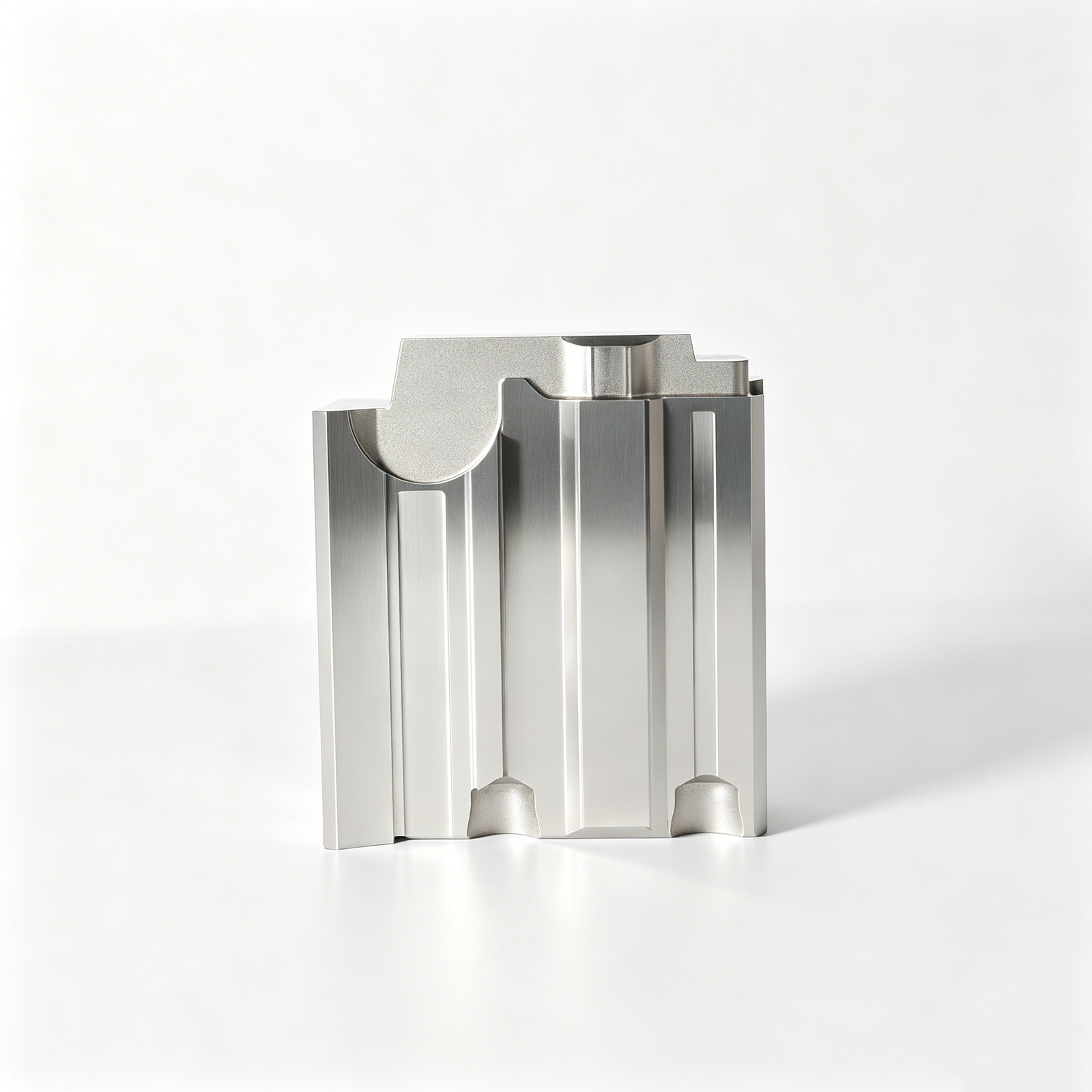
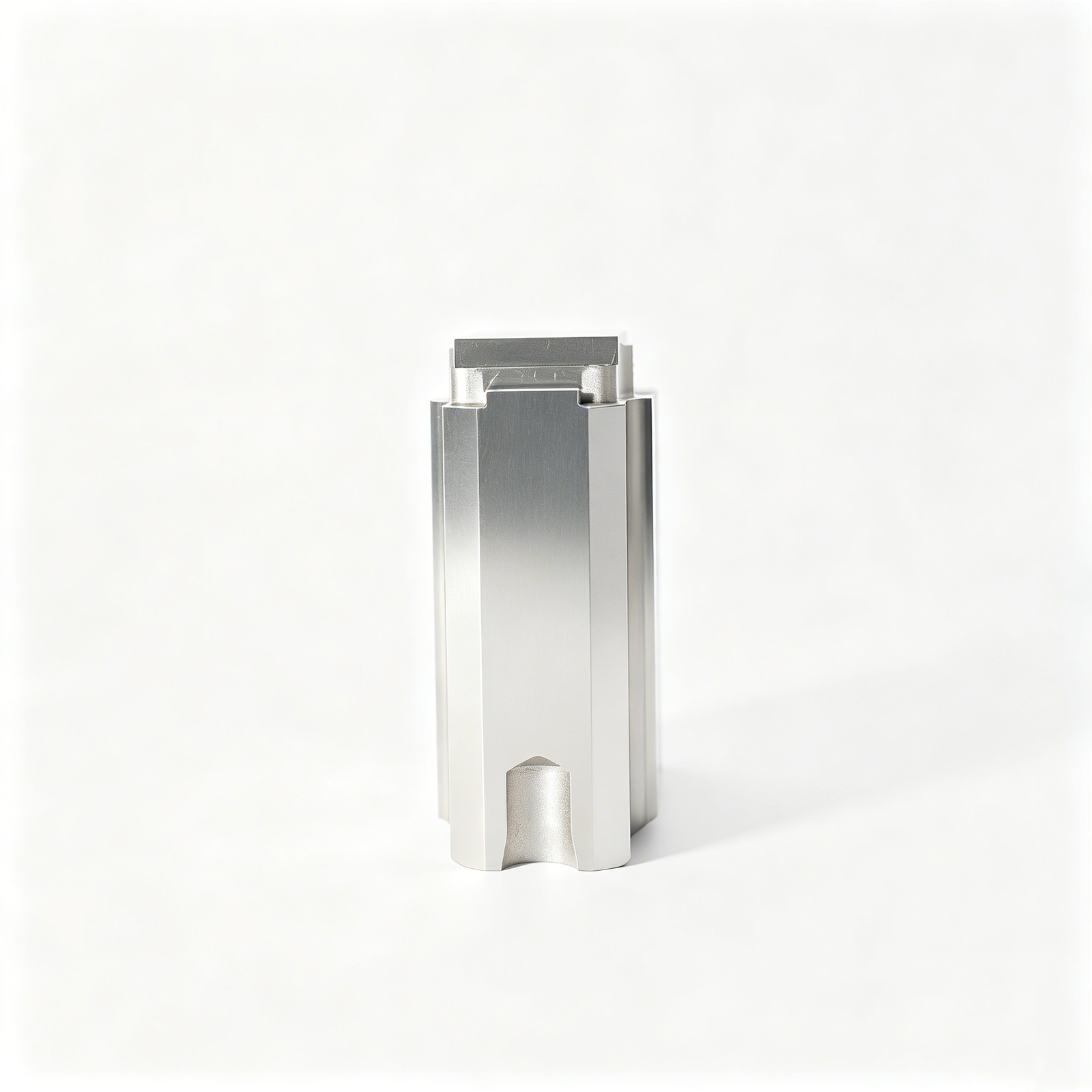
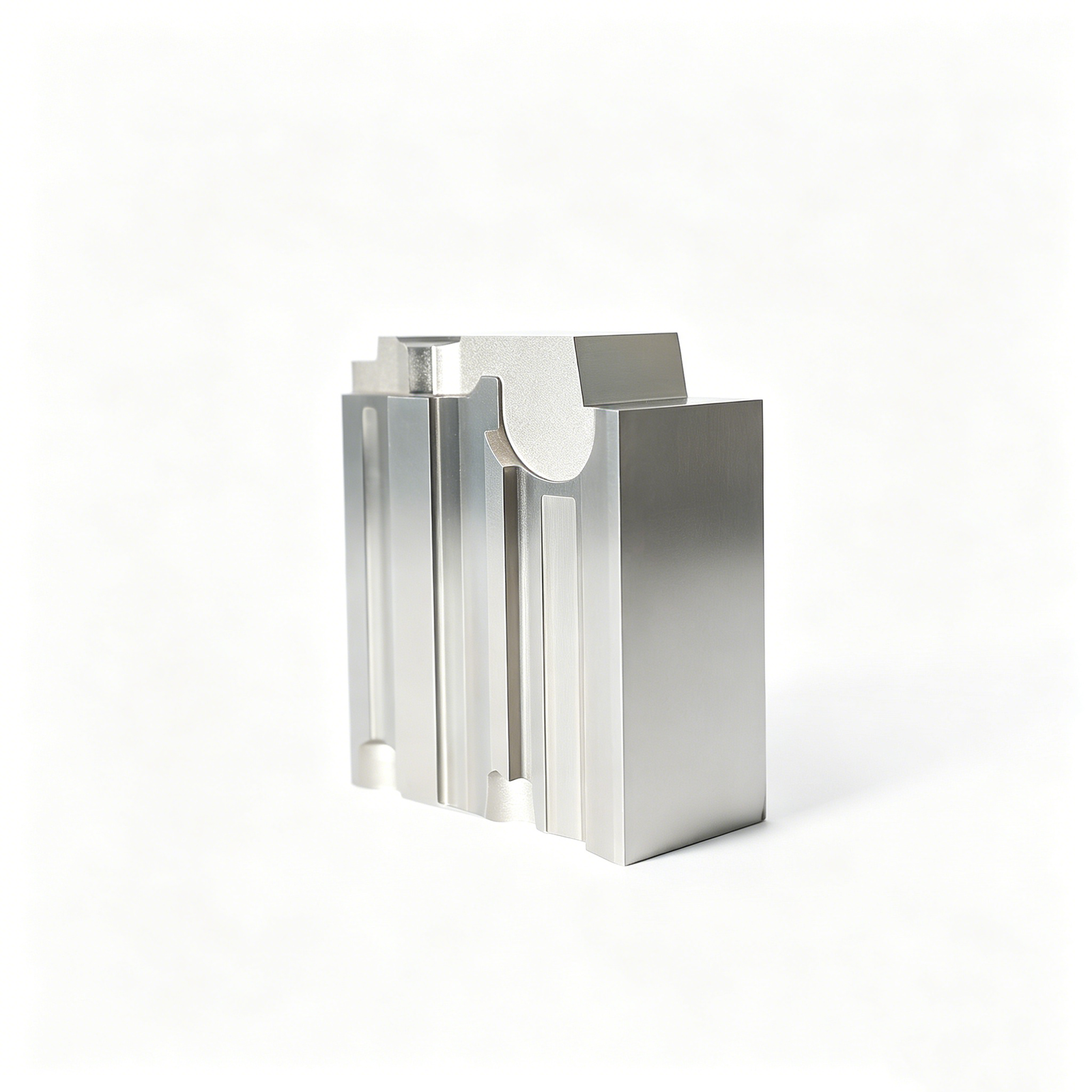
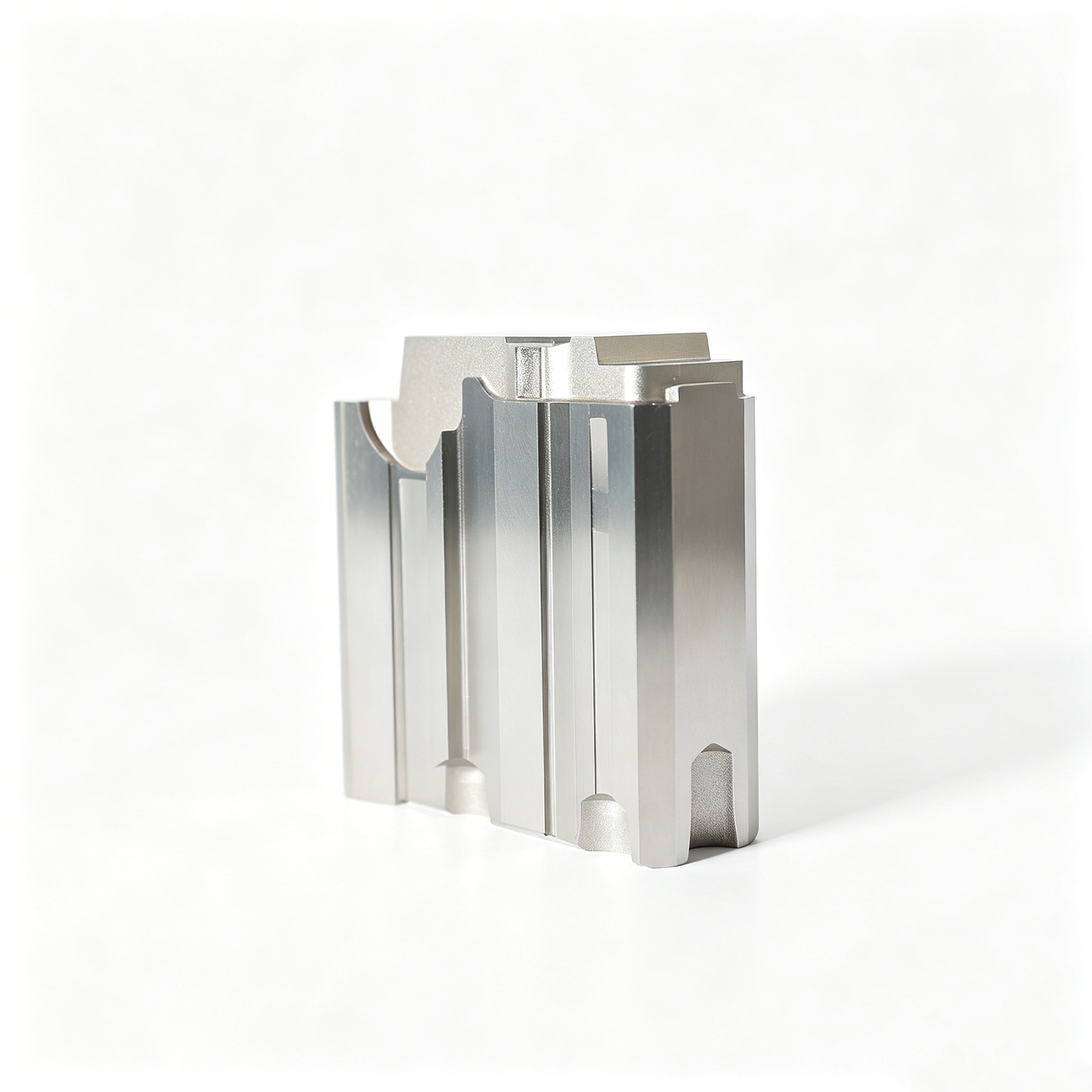
Plastic film parts · Precision mold insert
Precision Mold Components for Automotive Connectors – Fine-Pitch Cavities, Core Pins & Sleeves
Brand Xuxiang Mold
Availability Made to drawing
RFQ pricing
Quote from STEP / PDF & quantity
Engineered for demanding connector tooling, these precision mold components for automotive connectors help you achieve clean parting lines, stable dimensions and long mold life in high-cavity tools. Each cavity, core pin and sleeve is manufactured with tight tolerances and carefully finished surfaces to minimize flash and deformation in thin-wall connector housings. Optimized steel selection and heat treatment deliver high wear resistance under abrasive glass-filled resins and high-cycle production. Whether you are building a new mold or refurbishing an existing connector family, these components support consistent shot-to-shot performance and reduced downtime on your molding presses.
- ISO 9001:2015–oriented process & documented inspection paths
- Zeiss / Nikon class metrology available for critical dimensions
- DFM feedback from 10+ senior tooling engineers
- Dongguan HQ + Quanzhou capacity for volume programs
Precision Mold Components for High-Performance Automotive Connector Tooling
Automotive electrical connectors demand reliable sealing, exact mating geometry and stable performance over millions of cycles in aggressive environments. To achieve this, the injection molds that form connector housings and inserts must rely on exceptionally precise and durable components. These precision mold components for automotive connectors are designed specifically for fine-pitch, multi-cavity tools used in harness connectors, ECU plugs, sensor interfaces and other critical electrical systems.
By combining tight dimensional control, carefully selected tool steels and optimized surface finishes, these components help mold makers and injection molders maintain consistent part dimensions, smooth demolding and high productivity, even when processing glass-fiber-reinforced engineering plastics commonly used in automotive connector applications.[1][4][9]
What These Precision Mold Components Include
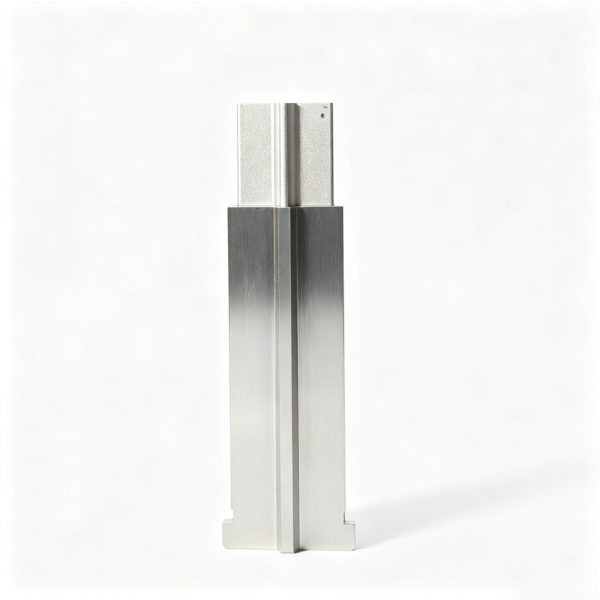
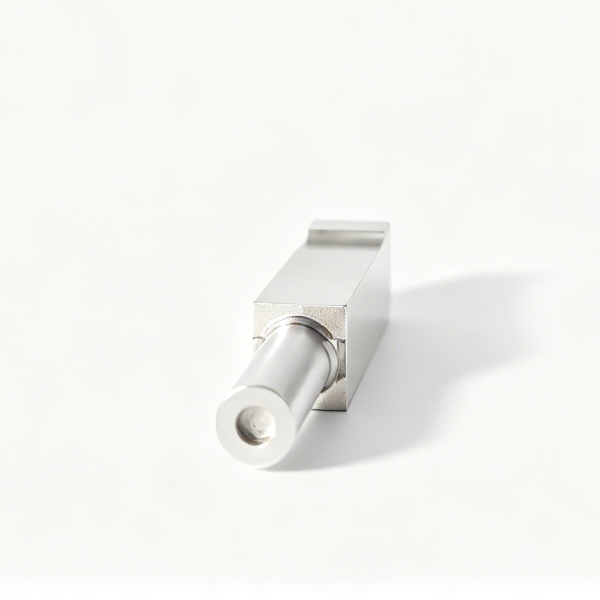
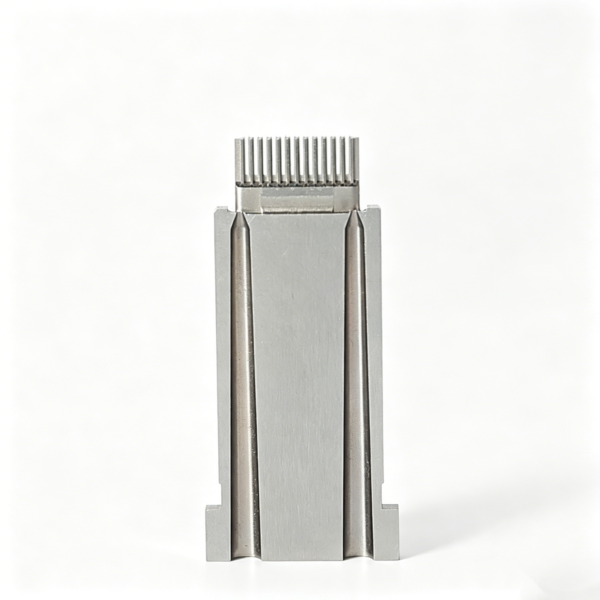
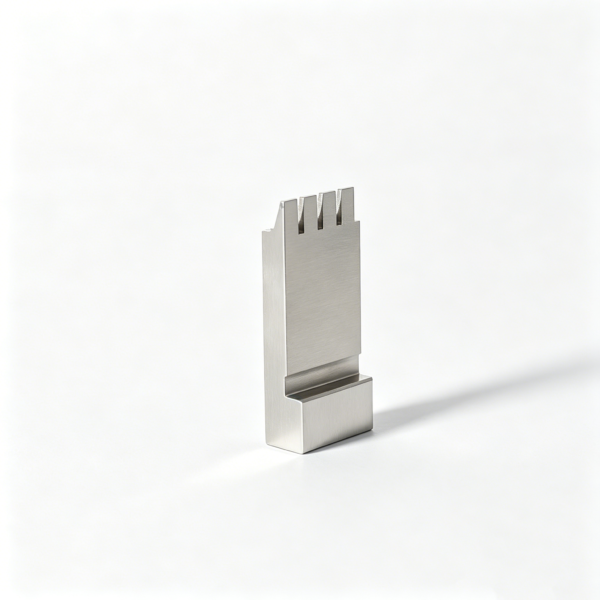
This product offering focuses on the core elements that define cavity geometry and demolding performance in connector tooling. Typical component types for automotive connector molds include:[1][4][6]
- Core pins and core blocks that form terminal pockets, locking features and thin walls in connector housings.
- Cavity inserts defining the external envelope, latch arms and sealing surfaces of the connector.
- Guide sleeves and locating elements to maintain alignment between core and cavity halves and ensure stable shut-offs.
- Ejector pins and lifter elements used within the demolding system to release delicate parts without stress marks or deformation.[4]
- Gate and runner inserts around the filling system to control flow and simplify maintenance.[4][7]
These parts are typically machined and ground from high-grade tool steel, such as hardened mold steels or stainless steels, chosen for their balance of toughness, wear resistance and polishability.[4][1] Surface treatments may be selected by the customer to address specific resin abrasiveness or corrosion concerns.
Key Features & Benefits
The design and manufacture of connector mold components are driven by the need for fine detail, repeatability and ease of maintenance. Core features and benefits include:
- Tight tolerances for fine-pitch connectors – Micron-level grinding and precise EDM machining help ensure that pin spacing, slot widths and sealing features meet the strict dimensional requirements of modern automotive connector standards, improving mating reliability and reducing scrap.[1][6][8]
- Optimized steel selection – Tool steels with high hardness and toughness are chosen to withstand the repeated clamping forces and abrasive fillers in engineering plastics. This supports high-cavity tools that run continuously for extended production campaigns.[4][1]
- Control of flash and burrs – Accurate shut-offs and smooth parting surfaces help prevent flash in critical regions like terminal windows and latch interfaces, reducing secondary trimming and ensuring consistent electrical performance.[9][11]
- Smooth demolding – Proper draft angles, polished surfaces and well-integrated ejector systems minimize sticking and stress whitening, even on parts with deep ribs and undercuts, as recommended for connector mold design.[4][7]
- Serviceable, modular construction – Using replaceable inserts for high-wear features allows mold repair or design changes without reworking the entire mold base, shortening downtime and optimizing cost over the mold’s life.[2][5][12]
- Compatibility with high-temperature engineering plastics – Components can be prepared for materials commonly used in automotive connectors, such as glass-filled nylons and high-temperature thermoplastics, supporting the required heat and chemical resistance in vehicle environments.[11][10]
Specifications & Typical Attributes
The table below summarizes key attributes commonly considered when selecting precision mold components for automotive connector tooling. Where application-specific numerical values differ by project, descriptive information is provided to guide your selection.
| Attribute | Description |
|---|---|
| Component types | Core pins, core blocks, cavity inserts, sleeves, ejector pins, gate inserts, locating elements |
| Primary application | Injection molds for automotive electrical connectors, housings, terminal blocks and plug bodies[1][9] |
| Material options | Hardened tool steel or stainless mold steels chosen for wear resistance, toughness and corrosion resistance[4][1] |
| Manufacturing processes | Precision grinding, CNC machining, EDM and polishing for fine details and smooth surfaces[6][8][12] |
| Tolerance capability | Fine tolerance capability suitable for narrow terminal spacing and thin-wall connector features; specific limits per project[6][8] |
| Surface finish | Polished or textured according to connector design needs, focusing on sealing surfaces and sliding areas |
| Mold type compatibility | Suitable for multi-cavity, high-cavitation and family molds for automotive connectors |
| Supported resins | Designed for engineering thermoplastics used in automotive connectors, including glass-filled and heat-resistant grades[11] |
| Maintenance approach | Modular inserts enable targeted replacement of high-wear features to extend overall mold life[2][5] |
| Typical industries | Automotive OEMs and Tier 1/Tier 2 suppliers producing wiring harness connectors, ECU connectors and sensor interfaces[11][15] |
Use Cases & Who These Components Are For
These precision mold components are tailored for organizations involved in the design, build and operation of injection molds for automotive electrical connectors. Common use cases include:
- Mold makers building new connector tools – Ideal for new mold projects where fine-pitch connectors with complex locking features require high-dimensional accuracy and consistent alignment between core and cavity.
- Refurbishment of existing molds – When mold wear leads to flash, dimensional drift or surface defects, replacing core pins, cavity inserts or sleeves can restore production quality without re-manufacturing entire mold plates.[2][5]
- Design iterations and connector family expansion – Modular components make it easier to adapt tools for different pin counts, keying features or housing shapes within a connector family, supporting faster engineering changes.[4][9]
- High-volume automotive production – For Tier 1 and Tier 2 suppliers running long campaigns, durable precision components reduce unplanned maintenance and help maintain stable cycle times, especially on multi-cavity molds.[11][15]
- Advanced connector applications – Components can support designs with integrated seals, complex shrouds or hybrid overmolding where consistent part geometry is critical for sealing and electrical performance.[9][10]
Selection, Care & Buying Guidance
Choosing the right set of precision mold components for your automotive connector tooling involves balancing material, geometry and maintenance considerations. When specifying or purchasing components:
- Define connector geometry and tolerances clearly – Provide detailed 3D models and drawings that capture all critical features, including terminal windows, latch arms and sealing surfaces, in line with automotive connector design requirements.[4][9]
- Match steel grade to resin and volume – For abrasive, glass-filled resins or very high production volumes, prioritize higher wear resistance and consider surface treatments; for lower volumes, toughness and ease of machining may be more important.[4][11]
- Plan for maintenance and interchangeability – Use standardized component sizes where possible so replacements can be installed quickly, and ensure ejector and guide elements are accessible for routine cleaning and inspection.[4][2]
- Follow recommended mold maintenance practices – Regular cleaning, lubrication and inspection of cores, cavities and moving components helps extend mold life and preserve dimensional stability over time.[4][1]
- Collaborate with your molder – Work closely with production teams to monitor wear patterns, part quality and demolding behavior. Their feedback helps determine which components to upgrade or modify in future tool revisions.[7][11]
By investing in high-quality precision mold components and maintaining them properly, automotive connector manufacturers can support stable molding conditions, reduce downtime and uphold stringent performance requirements in modern vehicle electrical systems.
FAQ
Are these precision mold components compatible with my existing connector mold?
Most components can be adapted to existing molds if you match dimensions, seating surfaces and mounting features. Provide drawings or 3D models of your current cores and cavities so compatibility can be checked and replacement parts tailored as needed.
Which automotive connector types are best suited for these components?
They are suited for a wide range of automotive connectors, including wiring harness plugs, ECU connectors, sensor housings and power distribution connectors where fine-pitch terminals and consistent sealing features are critical.
Can these components handle glass-filled and high-temperature resins?
Yes. Tool steels and finishes are selected to operate with engineering plastics commonly used in automotive connectors, including glass-filled and heat-resistant grades. For very abrasive materials, additional surface treatments can be considered.
How do I determine the correct sizing and tolerances for core pins and cavities?
Use your connector CAD models and tolerance stack-up as the starting point, and coordinate with your mold designer. Critical dimensions should account for material shrinkage, draft and expected wear so that finished molded parts meet connector specifications.
What maintenance is required to keep these components performing well?
Regularly clean venting and sealing areas, inspect core pins and cavities for wear or galling, and lubricate moving components according to your plant’s mold maintenance schedule. Replace high-wear inserts before they cause flash or dimensional drift.
Do you offer customization for special connector geometries?
Yes. Components can be custom machined and finished to match unique connector profiles, including special keying features, non-standard terminal layouts or integrated sealing structures.
What is the typical lead time for a set of precision mold components?
Lead time depends on component complexity, customization level and order quantity. Standardized parts can often be supplied faster, while highly specialized cores and cavities will require additional engineering and machining time.
How are the components packaged and shipped to protect precision surfaces?
Components are usually cleaned, oiled for corrosion protection and individually packed or separated with protective material to prevent damage during transport. Robust outer packaging helps maintain alignment and surface quality on arrival.
What happens if a component does not fit or perform as expected?
If there is a dimensional or performance mismatch relative to the agreed specification, work with the supplier to review drawings, measurements and trial data. Many suppliers offer adjustment, rework or replacement options within their warranty or quality policy.
Can I order single replacement inserts, or only complete sets?
You can typically order individual replacement inserts, pins or sleeves for maintenance purposes as well as complete matched sets for new molds. This flexibility helps you manage inventory and maintenance budgets more effectively.
Related products
Same drawing, predictable results—next batch
Share revision, quantity ramp, and inspection level. We quote process route, ship date, and documentation in one structured response.