
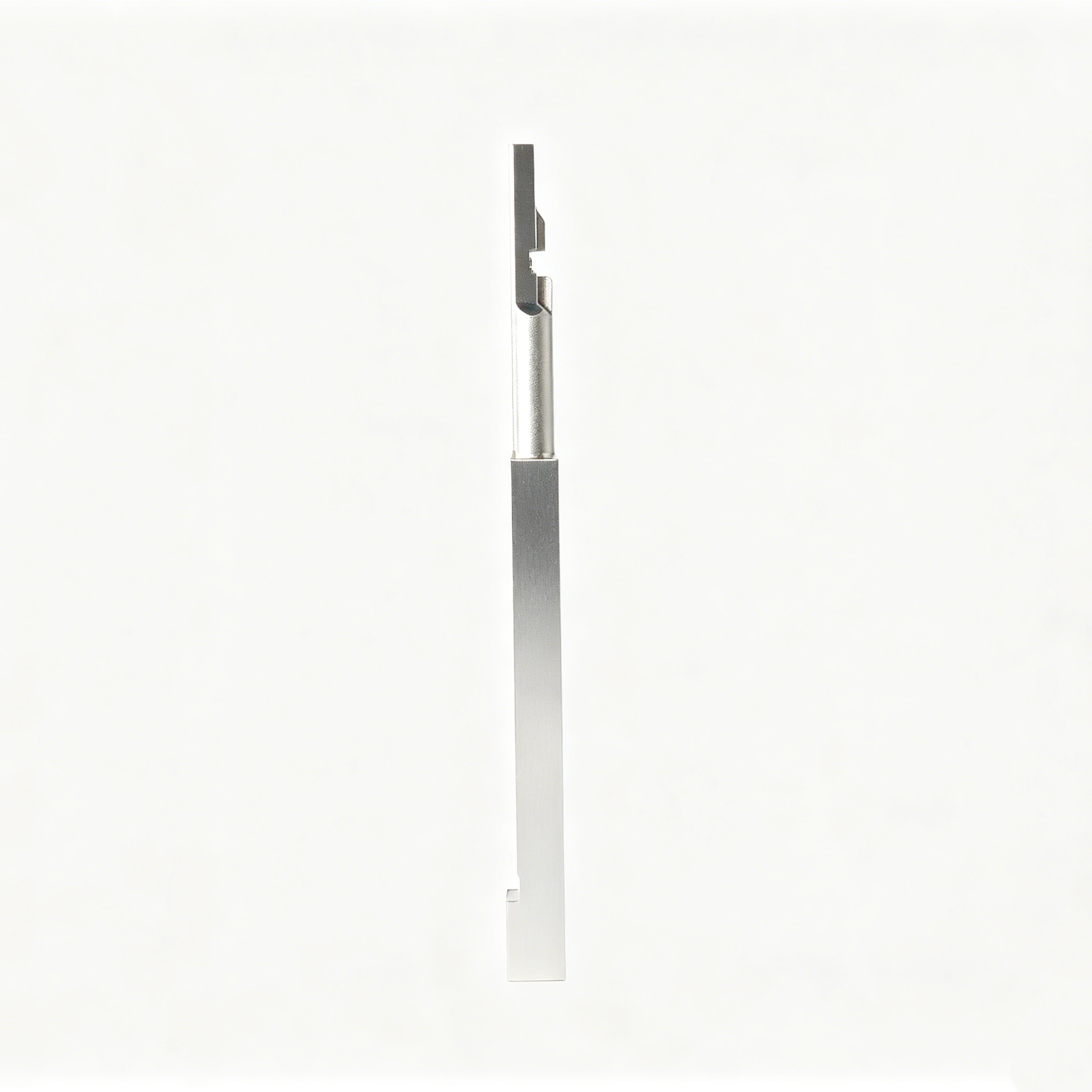
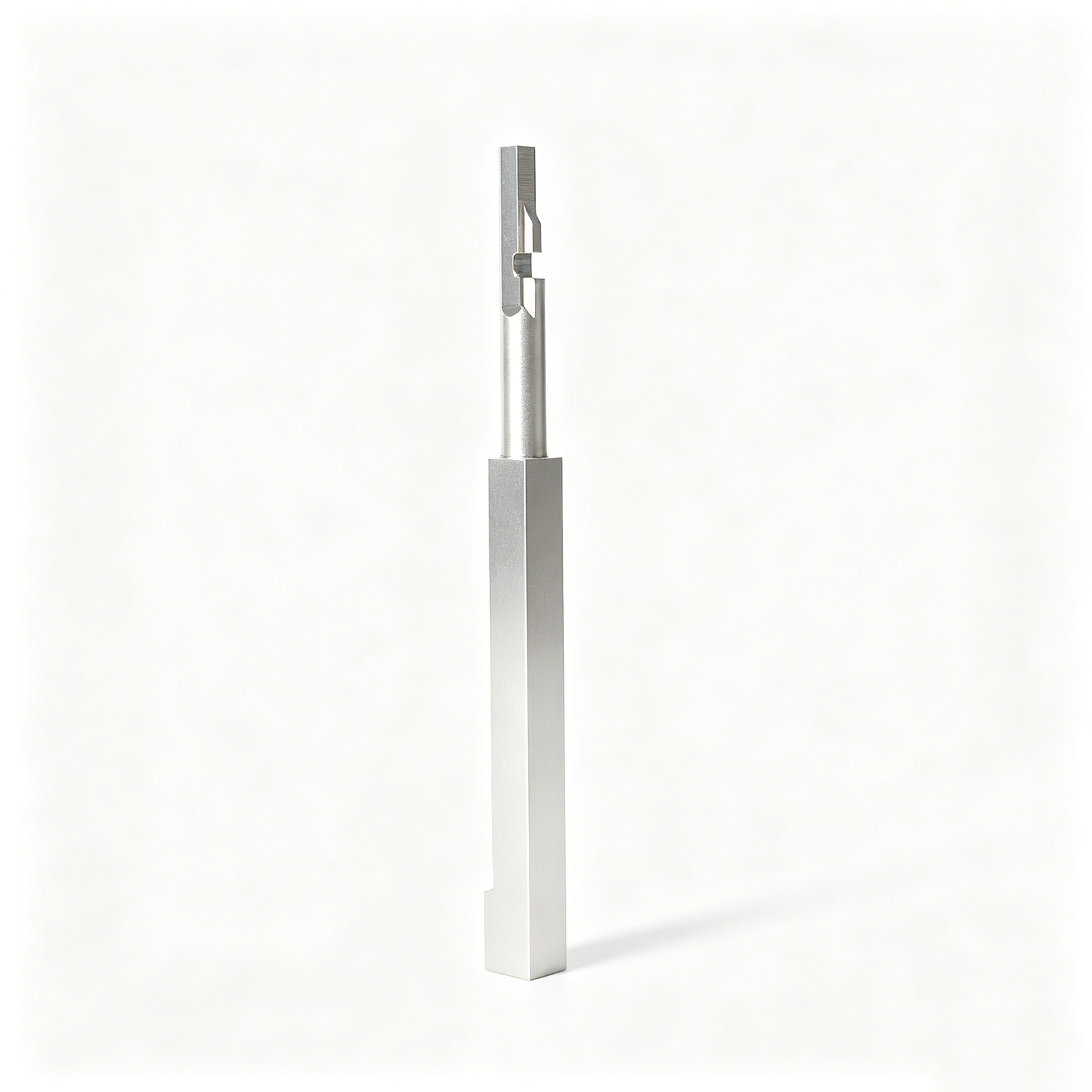
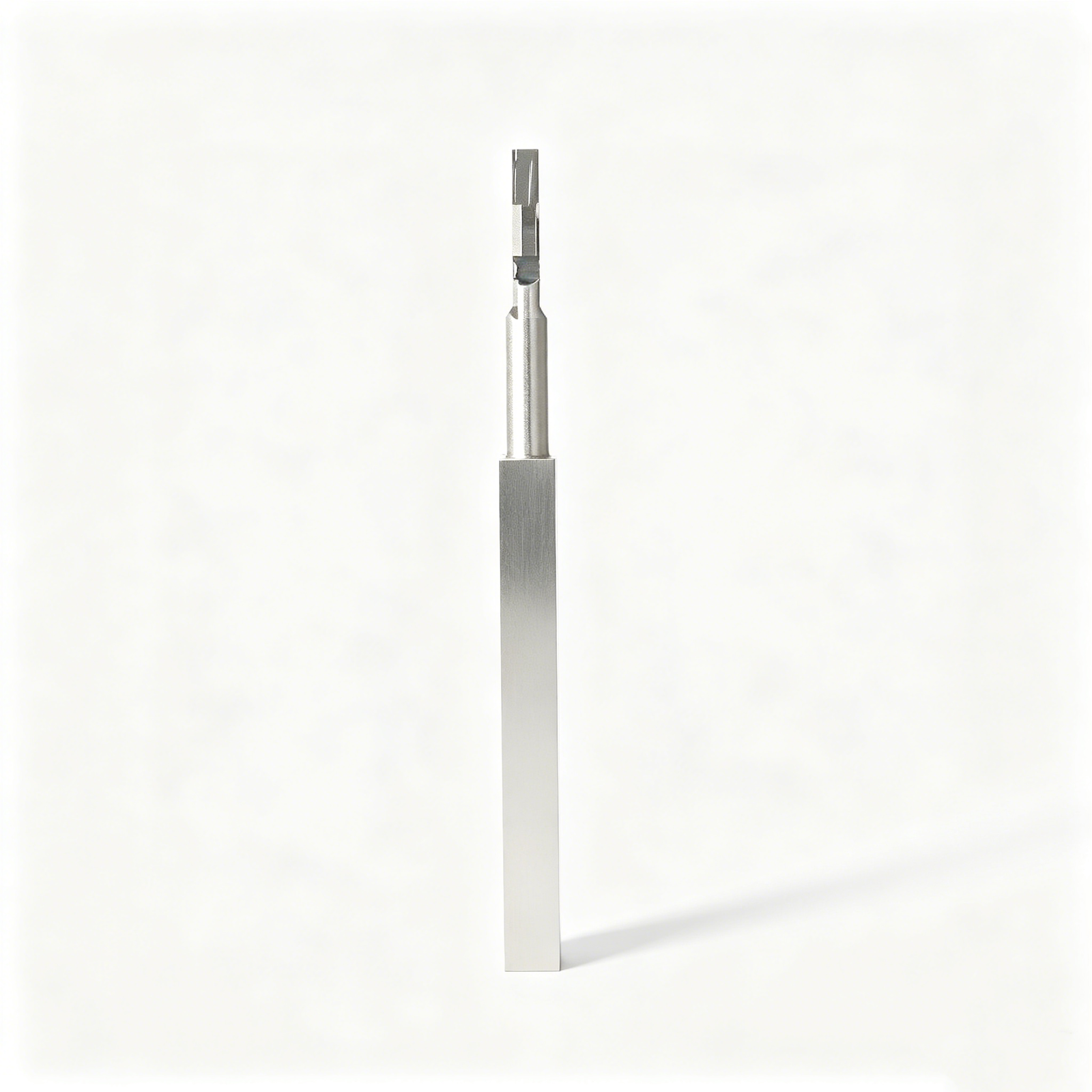
Plastic film parts · Precision mold insert
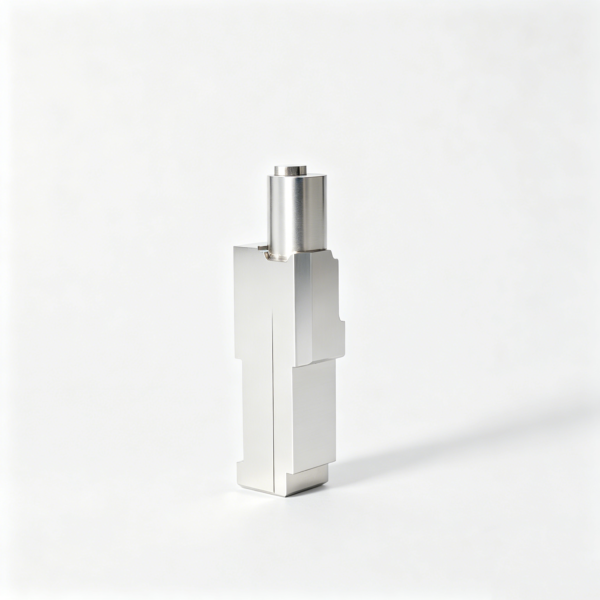
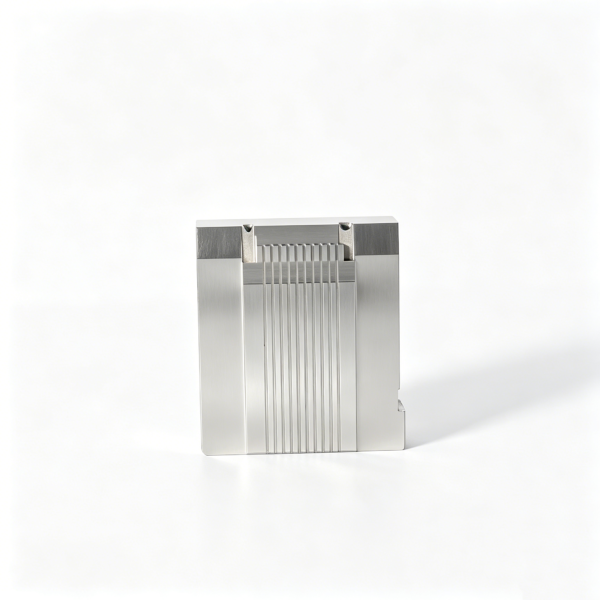
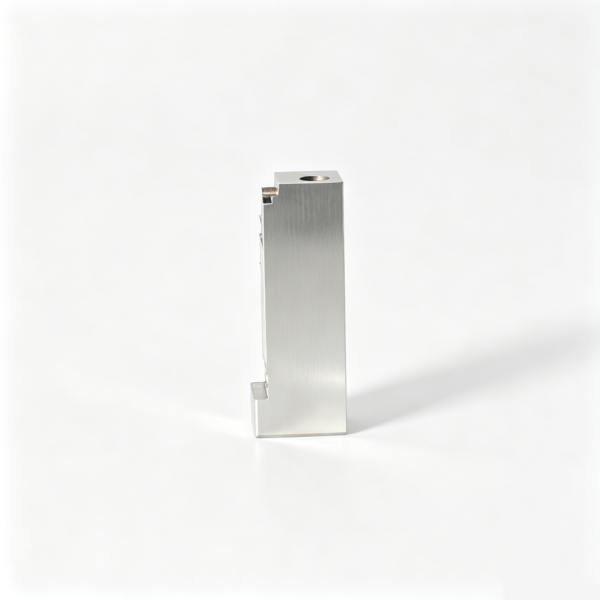
Automotive Connector Precision Mold Inserts for High-Accuracy Tooling Precision mold components for automotive connectors
Brand Xuxiang Mold
Availability Made to drawing
RFQ pricing
Quote from STEP / PDF & quantity
Built for demanding connector tooling, Precision mold components for automotive connectors help support stable molding, cleaner release, and repeatable part geometry across long production runs. These components are suited to applications where fit, alignment, and surface quality matter in every cycle.
Choose them when your automotive connector program needs dependable dimensional control and tooling consistency without sacrificing productivity. They are a practical fit for high-volume injection molding environments that value accuracy and durable performance.
- ISO 9001:2015–oriented process & documented inspection paths
- Zeiss / Nikon class metrology available for critical dimensions
- DFM feedback from 10+ senior tooling engineers
- Dongguan HQ + Quanzhou capacity for volume programs
Precision tooling parts for automotive connector production
Precision mold components for automotive connectors are specialized tooling elements used inside injection molds that produce plastic housings and related connector parts for the automotive industry. Sources describing connector mold parts note that these components are precision mold parts designed specifically for manufacturing automotive electrical connectors, where dimensional accuracy and repeatable mold behavior are critical.[1][9] In practice, these components are selected to help the mold cavity fill consistently, release cleanly, and maintain stable geometry over repeated cycles.[4][7]
For buyers, the value is not only in accuracy but also in production confidence. Automotive connectors must fit terminals, housings, and mating assemblies reliably, so mold components need to support tight part relationships, predictable cooling, and smooth ejection. That is why connector mold design typically considers mold structure, cavity and core layout, filling systems, cooling systems, and demolding systems together rather than as isolated pieces.[4][7]
Why these components matter in connector tooling
Automotive connector molds are expected to deliver high dimensional accuracy because connector parts must fit precisely with terminals and wiring systems.[9] Precision mold components help support that requirement by shaping the product, guiding melt flow, and maintaining alignment under repeated use. Depending on the tool design, these parts may include inserts, cores, cavity blocks, sleeves, and ejection-related elements that work together to form the connector accurately.[4]
Because connectors are often produced in high-volume environments, wear resistance and stability are important selection factors. Industry sources on automotive-grade connector mold parts and precision connector mold parts emphasize custom manufacturing and high precision as key expectations for this category.[2][5] For buyers comparing options, the most useful question is often not just “Will it fit?” but “Will it keep fitting after thousands of cycles?”
Key benefits
- Improved dimensional control for connector features that must match mating parts and terminals.
- Stable repeatability across production runs, helping reduce variation from cavity to cavity.
- Smoother demolding when the mold design incorporates proper release and ejection support.[4][7]
- Tooling flexibility for custom connector families, inserts, and maintenance-friendly replacement strategies.[2][12]
- Production efficiency by supporting proper filling, cooling, and cycle consistency in the mold design.[4]
Specifications and selection guide
| Attribute | Typical buyer expectation | Why it matters |
|---|---|---|
| Application | Automotive electrical connector molds | Designed for connector housings, inserts, and related precision features.[1][9] |
| Component type | Cores, cavities, inserts, sleeves, ejection-related parts | Supports the forming and release stages of the mold cycle.[4] |
| Accuracy focus | Fine dimensional control | Important for fit, mating performance, and part consistency.[6][9] |
| Material consideration | Wear-resistant tool steel or comparable mold material | Helps support service life and stability under repeated use.[4] |
| Customization | Application-specific geometry and interfaces | Useful for connector families with unique shapes, sizes, or features.[2][4] |
| Maintenance priority | Serviceable, inspectable, replaceable where practical | Helps minimize downtime and preserve tool accuracy over time.[4] |
Typical use cases and target buyers
This product category is a strong fit for mold makers, injection molding plants, automotive parts suppliers, and tooling engineers working on connector programs. It is especially relevant when the project involves plastic connector housings, high-precision cavity work, or custom tooling that must support strict fit requirements.[1][3][12] Buyers often look for these components when they need a reliable insert or core solution for production molds rather than a generic mold part.
It is also useful for teams optimizing a mold already in production. If a connector tool shows wear, dimensional drift, or release issues, replacing or upgrading selected precision components can be a practical way to restore performance without rebuilding the entire mold. That approach aligns with the maintenance-and-upkeep emphasis commonly recommended for mold service life.[4]
Buying and care guidance
When evaluating precision mold components for automotive connectors, start with the connector drawing, the required tolerance window, the resin being processed, and the expected production volume. Connector design guidance highlights wall thickness, draft angles, undercuts, gate and flow behavior, and shrinkage control as key factors that affect the final molded part.[7] Those same factors should guide the tooling component you choose.
For maintenance, keep components clean, check for wear at high-contact zones, and inspect alignment surfaces regularly. Regular cleaning and lubrication are commonly recommended to extend mold life and maintain stable performance.[4] If your production changes resin grade or connector geometry, re-check fit and thermal behavior before scaling up.
FAQ
How is this product typically shipped?
Shipping is usually arranged as a precision tooling part order with secure packaging to help protect critical surfaces during transit. For larger or custom-made components, the final shipping method depends on order size, destination, and production schedule.
Will these components fit my existing automotive connector mold?
Fit depends on your mold design, connector geometry, and interface dimensions. It is best to compare drawings, critical tolerances, and mounting details before ordering so the component matches your tool layout.
Can these be used for different connector families?
Yes, if the geometry and function requirements are compatible. Many buyers choose custom insert-style components for specific connector sizes, terminal layouts, or cavity features.
What should I check before using them in production?
Confirm dimensional accuracy, surface condition, alignment, and ejection behavior. You should also verify that the component works with your resin, cooling layout, and cycle targets.
How should I maintain precision mold components?
Clean them regularly, lubricate moving or contact areas where appropriate, and inspect for wear or buildup. Routine maintenance helps preserve accuracy and reduce downtime.[4]
Are replacement parts available for worn tool sections?
In many connector-tooling setups, yes. Replaceable inserts and related components are commonly used so production teams can restore performance without replacing the full mold.
What if I need a custom size or special tolerance?
Custom manufacturing is common in this category, especially for automotive-grade connector mold parts.[2][5] Share your drawing, tolerance targets, and application requirements so the part can be matched to your tooling.
What is your return or warranty approach?
Warranty and returns generally depend on whether the part is standard or custom-made. For precision tooling, buyers usually review approval drawings and order details carefully before production begins.
Related products
Same drawing, predictable results—next batch
Share revision, quantity ramp, and inspection level. We quote process route, ship date, and documentation in one structured response.