
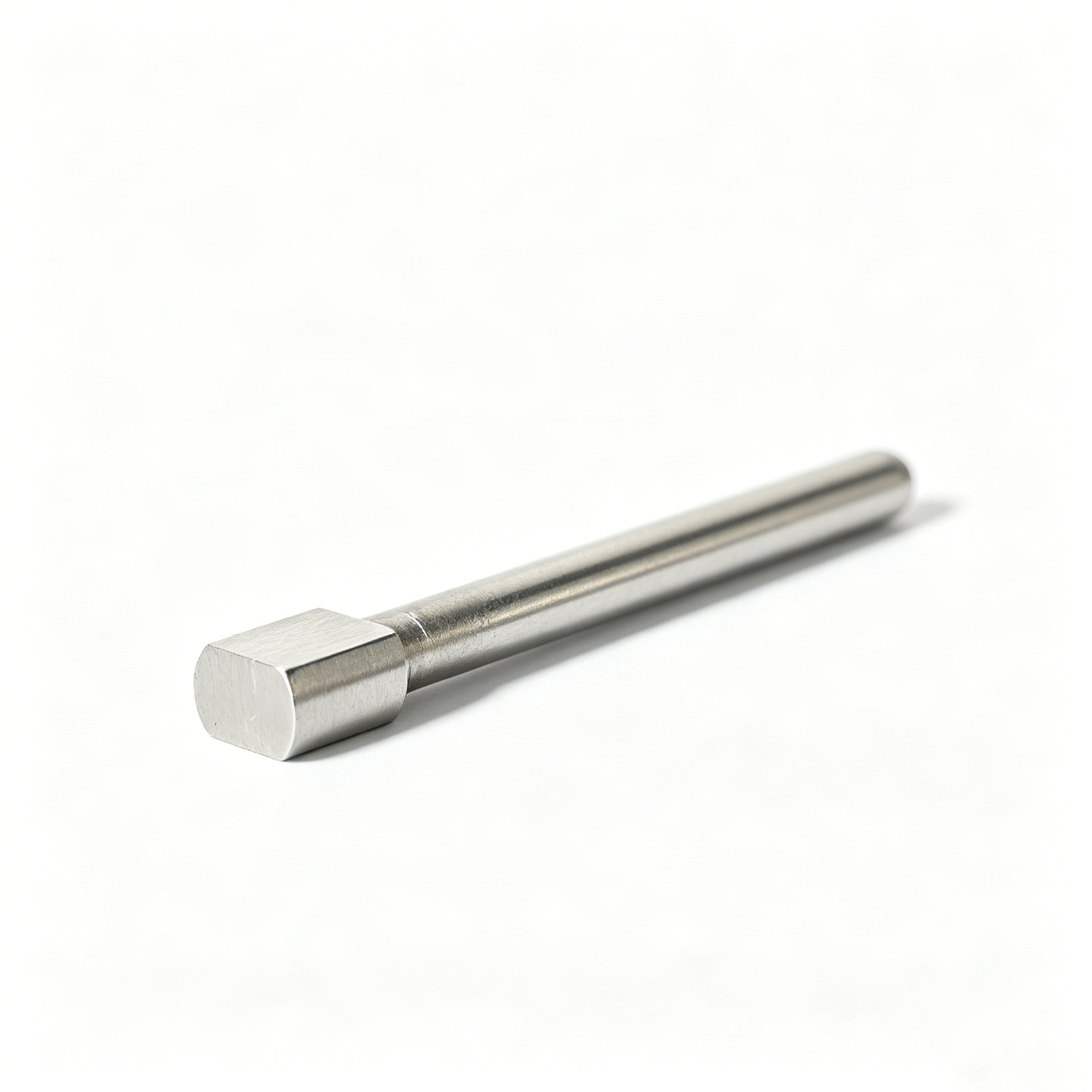
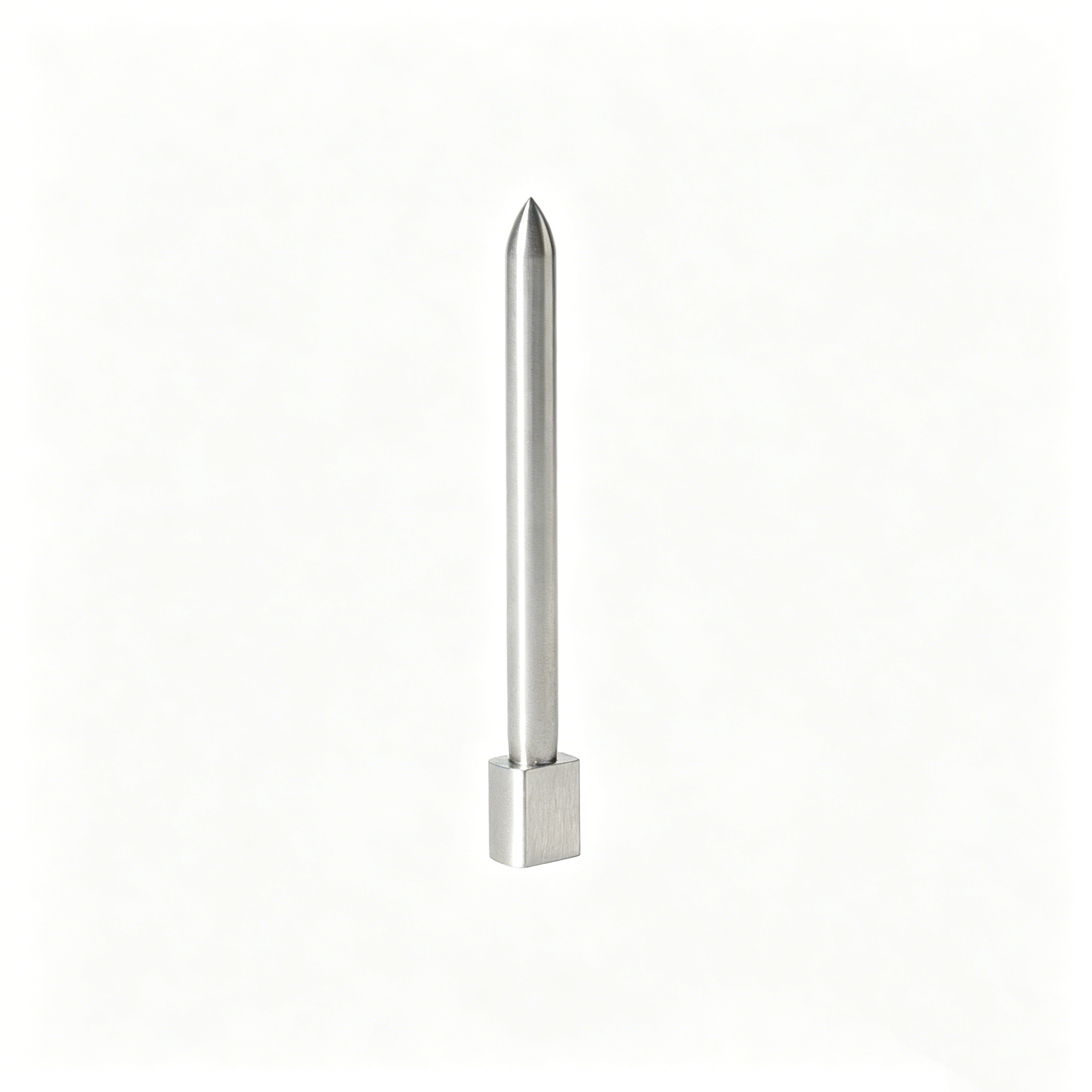
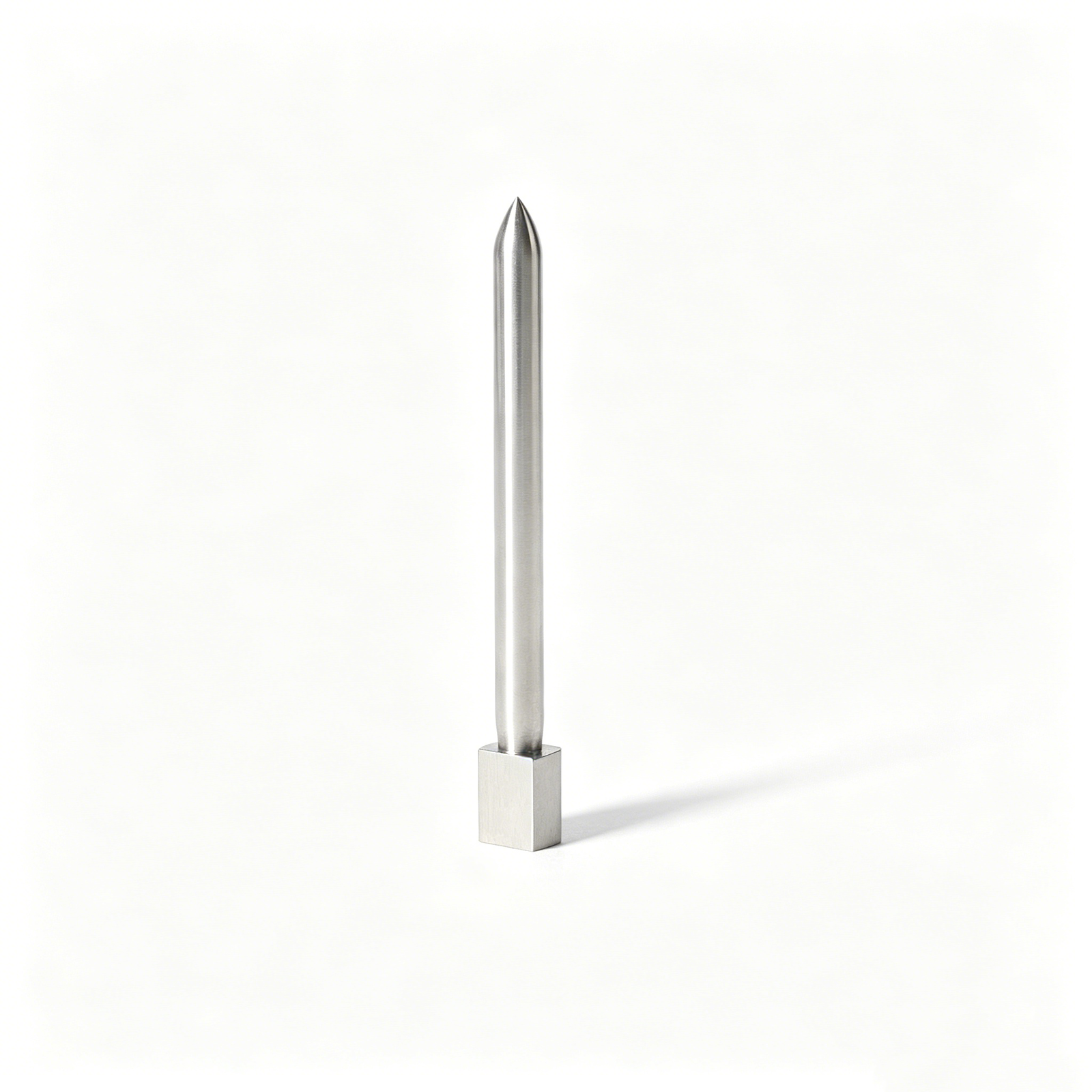
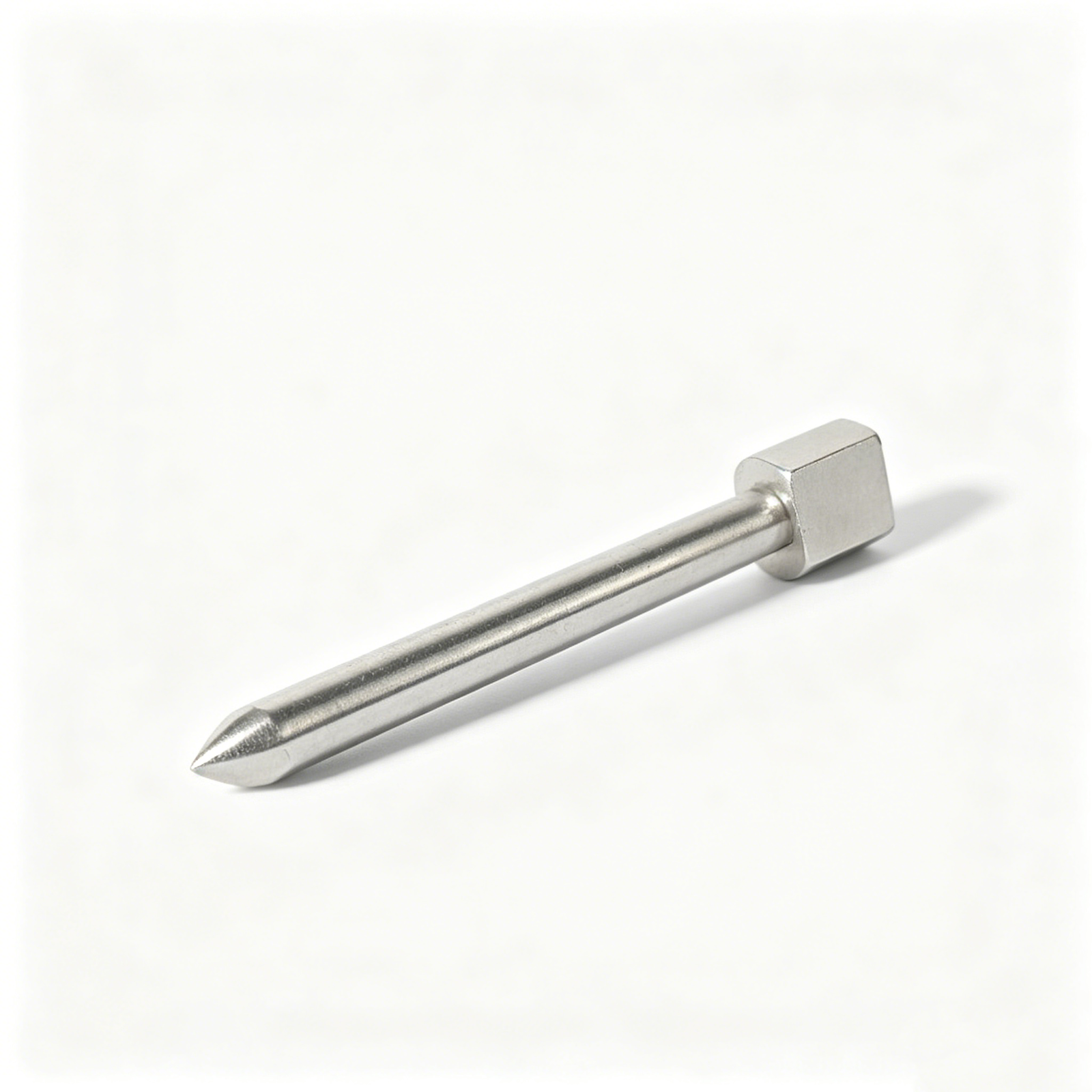
Plastic film parts · Precision mold insert
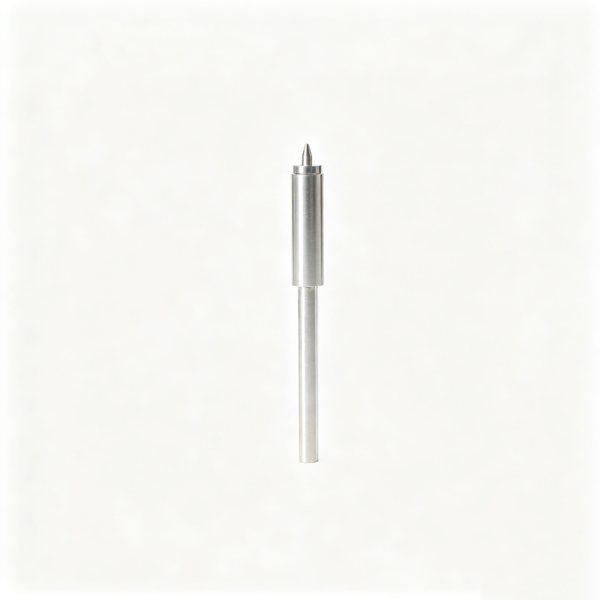
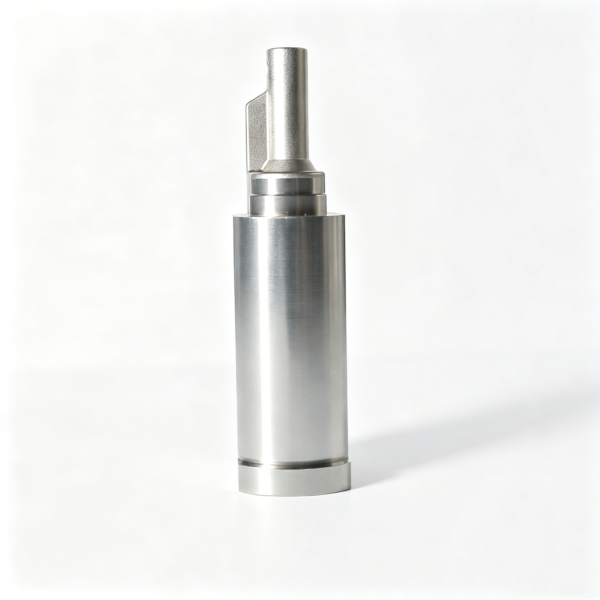
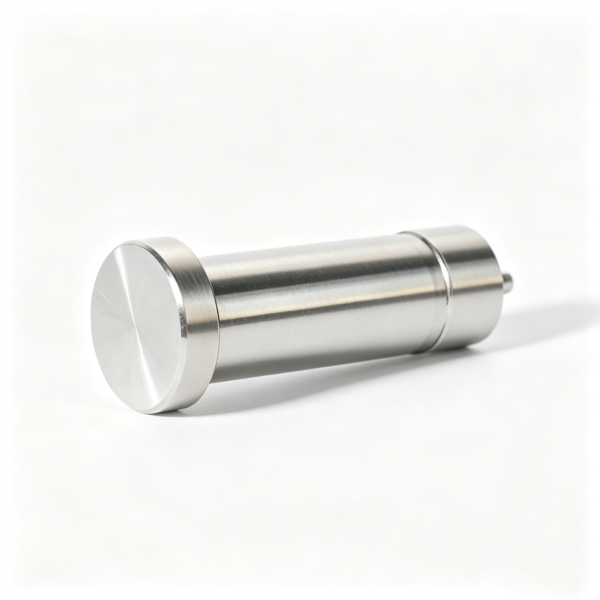
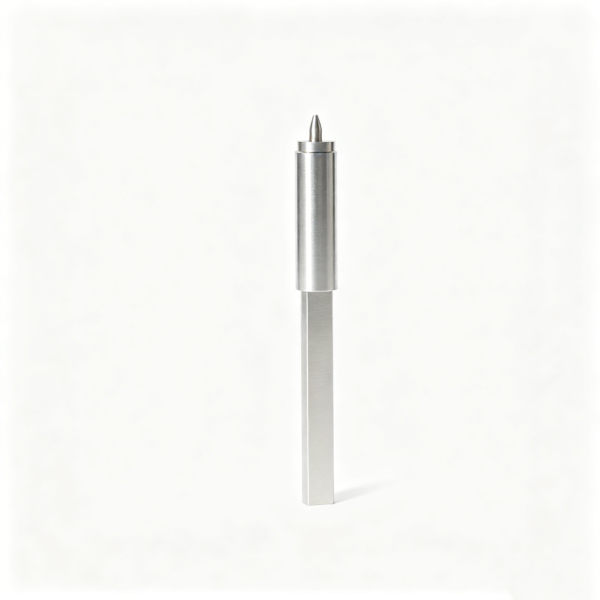
Custom Precision Round Parts for CNC Turning & Milling Projects
Brand Xuxiang Mold
Availability Made to drawing
RFQ pricing
Quote from STEP / PDF & quantity
Bring your most demanding designs to life with Custom Precision Round Parts engineered for tight-tolerance CNC turning and milling projects. Each component is produced to your drawing for optimal concentricity, surface finish, and repeatable accuracy from prototype through full-scale production. Choose from a wide range of metals and engineering plastics to match strength, weight, and corrosion-resistance requirements. Whether you are building motion assemblies, tooling, or specialized fixtures, these parts integrate cleanly with shafts, housings, and bearings. Partner with our engineering team to fine-tune manufacturability and cost without compromising performance.
- ISO 9001:2015–oriented process & documented inspection paths
- Zeiss / Nikon class metrology available for critical dimensions
- DFM feedback from 10+ senior tooling engineers
- Dongguan HQ + Quanzhou capacity for volume programs
What Are Custom Precision Round Parts?
Custom precision round parts are highly accurate, rotationally symmetrical components produced to your exact drawings or 3D models using CNC turning, Swiss machining, and complementary milling operations. They are commonly used as shafts, pins, bushings, sleeves, dowels, spacers, and guide elements in assemblies where concentricity, smooth rotation, and consistent fit are critical.
Unlike off-the-shelf hardware, these components are manufactured specifically for your project, allowing you to define the diameter, length, geometry, surface finish, and material properties required for reliable operation. From miniature, high-precision pins in medical devices to robust round parts in automation, robotics, and industrial machinery, the goal is to deliver repeatable quality at the tolerance level your application demands.
Because the parts are produced on modern CNC lathes and turning centers, you can combine multiple features into a single component: shoulders, grooves, undercuts, threads, cross-holes, chamfers, and keyways can all be integrated to simplify assembly and reduce part counts.
Key Features & Benefits
When you choose custom precision round components for your assemblies, you gain more than just a machined part. You gain design flexibility, manufacturing consistency, and long-term reliability.
- Tight dimensional control – Critical diameters, lengths, and shoulders can be held to precise tolerances appropriate for press fits, slip fits, and bearing interfaces.
- Excellent concentricity and runout – CNC turning centers are optimized for round workpieces, helping ensure stable rotation and uniform loading in dynamic assemblies.
- High-quality surface finishes – Polishing, grinding, or fine turning options provide smooth surfaces for improved wear behavior, sealing performance, and aesthetics.
- Material flexibility – Choose from carbon steel, alloy steel, stainless steel, aluminum, brass, and engineering plastics based on the environment and mechanical loads.
- Integrated features – Threads, grooves, cross-holes, and drive features can be added in the same setup to reduce secondary operations and simplify your bill of materials.
- Scalable production – Efficient setups support everything from low-volume prototypes to high-volume OEM production runs with consistent quality.
Whether you are replacing existing components or designing a new system, precision round parts give you the control and repeatability required for high-performance assemblies.
Core Specifications & Options
The following table summarizes typical options and attributes available for these custom precision round components. Exact values are defined by your drawing, but the table can be used as a practical selection guide during design or RFQ preparation.
| Attribute | Typical Options / Description |
|---|---|
| Part type | Shafts, pins, bushings, sleeves, spacers, dowels, custom round forms |
| Manufacturing process | CNC turning, Swiss machining, secondary milling, drilling, and tapping as required |
| Material families | Carbon and alloy steels, stainless steels, aluminum, brass, copper alloys, selected engineering plastics |
| Surface finish options | Turned, ground, polished, bead-blasted, anodized, plated or coated, depending on material |
| Feature options | External and internal threads, grooves, chamfers, radii, cross-holes, flats, keyways, undercuts |
| Tolerance capability | Dimensional and geometric tolerances defined per drawing; suitable for press-fit and precision-fit interfaces |
| Heat treatment | Case hardening, through hardening, stress relief, or tempering where required by design |
| Typical applications | Automation equipment, robotics, fixtures, jigs, fluid and pneumatic systems, tooling, medical and electronics hardware |
| Documentation | Manufacturing drawings, material identification, and inspection records available upon request |
Common Use Cases & Who These Parts Are For
Precision round components are critical in many industries because they enable controlled motion, alignment, and load transfer. The same basic geometry can serve very different functions depending on the material, surface treatment, and tolerances specified.
- Automation and industrial machinery – Use round shafts and bushings as guiding elements in linear slides, pick-and-place systems, conveyors, and custom machinery where smooth travel and accurate positioning matter.
- Robotics and motion systems – Lightweight, rigid components in aluminum or alloy steel serve as structural elements, pivot points, and axle components in robotic arms and drive systems.
- Tooling, fixtures, and jigs – Dowel pins, locating sleeves, and ground round elements maintain repeatable part location and clamping during machining, assembly, or inspection setups.
- Fluid, pneumatic, and valve assemblies – Precision round parts are used as spools, plungers, and guides, where fine clearances are required for sealing and controlled flow.
- Electronics and medical devices – Small-diameter pins, micro-shafts, and miniature bushings in stainless steel or special alloys support compact, high-precision mechanisms.
These components are well suited to design engineers, buyers, and project managers responsible for OEM equipment, custom machinery, or long-term production programs. They are also ideal for contract manufacturers seeking reliable, repeatable components that integrate easily into complex subassemblies.
Design & Buying Guidance
To get the most value from custom precision round components, consider design-for-manufacturing principles early in your project. Thoughtful choices around dimensions, tolerances, and features can dramatically influence lead time and cost without sacrificing performance.
- Define critical versus non-critical dimensions – Tighten tolerances only where they impact function or assembly to avoid unnecessary machining time.
- Coordinate diameters with standard tooling – Aligning major diameters with standard bar and drill sizes can improve material utilization and reduce setup complexity.
- Select materials based on environment – For corrosive or washdown environments, stainless steel or coated parts may outlast untreated carbon steel. For weight-sensitive systems, aluminum or thin-walled designs can be considered.
- Consolidate features – Whenever possible, integrate shoulders, grooves, or threads into a single component to eliminate extra parts and simplify assembly.
- Share your target quantities and lifecycle – Knowing whether a part is for a short-run build or a long-term production line helps optimize process selection and pricing.
When preparing an RFQ, provide detailed drawings, 3D files where available, material requirements, surface finish expectations, and any specific inspection or certification needs. If you are unsure of the most economical approach, collaborative design reviews can help align your requirements with a manufacturing strategy that supports both performance and budget.
FAQ
What information do I need to request a quote for precision round parts?
For an accurate quotation, share a detailed drawing or 3D model, required material, quantities, target tolerances, and any surface treatments or heat treatments you need. Mention if the order is for prototypes, short runs, or ongoing production so that the manufacturing route can be planned accordingly.
Are these parts compatible with standard bearings, bushings, and hardware?
Yes, the components can be machined to match standard bearing bores, shaft diameters, and hardware sizes. When you specify the mating components on your drawing, the machining team can align fits and tolerances to ensure proper installation and service life.
What is the typical lead time for custom precision round components?
Lead time depends on material availability, complexity, and lot size. Simple geometries in common materials can often be produced more quickly, while complex, tightly toleranced parts or specialty alloys may require additional time for tooling and processing. Estimated schedules are usually provided with your quote.
How should I handle installation and assembly of these parts?
Follow your assembly prints and any recommended fits defined by your design team. For press-fit and interference-fit components, use proper fixturing and controlled force to avoid damaging surfaces. Lubrication, alignment tools, and clean mounting surfaces all contribute to smooth installation.
What care or maintenance do precision round parts require in service?
Maintenance depends on the application. In moving assemblies, periodic lubrication and routine inspection for wear or corrosion are recommended. In corrosive or washdown environments, selecting appropriate materials and protective finishes at the design stage reduces maintenance demands over the product’s lifetime.
Can I order small prototype quantities before committing to production?
Yes, many buyers start with low-volume prototype runs to validate fit, function, and manufacturability before scaling up. This approach allows you to refine the design based on real-world testing, then transition to repeat production with confidence.
What options are available for surface treatments and coatings?
Depending on the base material and intended use, options may include polishing, grinding, anodizing, plating, or other protective coatings. These treatments can improve wear resistance, corrosion resistance, or appearance, and can be specified directly on your drawing.
What is your policy on quality control, inspection, and returns?
Parts are typically inspected to the requirements listed on your drawing, with sampling plans or 100% inspection applied where needed. If you discover a nonconformance after delivery, contact the supplier with documentation and photos; they can review the issue, arrange for investigation, and discuss repair, replacement, or credit as appropriate.
Do you offer assistance with material selection for my application?
Yes, engineering support is often available to help match material properties to your operating environment and performance requirements. Sharing details such as load, temperature, corrosion exposure, and expected lifecycle helps guide material and surface treatment recommendations.
Same drawing, predictable results—next batch
Share revision, quantity ramp, and inspection level. We quote process route, ship date, and documentation in one structured response.