
Plastic film parts · Precision mold insert
Custom Precision Round Parts for Fluid & Pneumatic Systems
Brand Xuxiang Mold
Availability Made to drawing
RFQ pricing
Quote from STEP / PDF & quantity
Engineered for leak-tight performance and repeatable assembly, our custom Precision Round Parts for fluid and pneumatic systems help you build reliable, high-pressure circuits. Each component is CNC-turned for concentricity, smooth sealing surfaces and consistent diameters batch after batch. From ferrules and ports to valve spools and adapters, we tailor materials and finishes to your media and environment. Partner with our engineering team to optimize manufacturability, tolerance stacks and cost without sacrificing performance.
- ISO 9001:2015–oriented process & documented inspection paths
- Zeiss / Nikon class metrology available for critical dimensions
- DFM feedback from 10+ senior tooling engineers
- Dongguan HQ + Quanzhou capacity for volume programs
Custom Precision Round Parts Optimized for Fluid & Pneumatic Systems
In demanding hydraulic, pneumatic and general fluid-handling systems, the smallest sealing surface or misaligned bore can be the source of leaks, chatter, premature wear or catastrophic failure. Our custom precision round parts are engineered and CNC-turned specifically for components that manage liquids and gases under pressure, where concentricity, surface finish and dimensional consistency are critical.
Using modern CNC turning centers and Swiss-type lathes, we machine cylindrical and rotational components such as ferrules, valve spools, couplings, bushings, ports, stems and adapters with tight process control and repeatable accuracy.[2][3] CNC turning is ideal for these round, axis-symmetric shapes because the material rotates in the chuck while stationary cutting tools create precise diameters, grooves, threads and bores around a central axis.[2][4] The result is a part that seats and seals reliably in your fluid power assembly.
Whether you are building compact pneumatic manifolds, high-pressure hydraulic actuators or custom instrumentation, we can configure the geometry, material and finish of each precision round part to match your media, pressure range and assembly method. From prototype quantities to recurring production, you get consistent, inspection-ready components that integrate smoothly into your manufacturing flow.
Key Features & Performance Benefits
Our focus is not only on cutting metal or plastic accurately, but on designing precision round parts that behave predictably once installed in real-world fluid systems. The following advantages are built into every project:
- True cylindrical accuracy for sealing – CNC turning naturally produces round, concentric features, making it the preferred process for sealing lands, O-ring grooves, tapered seats and precision bores.[2][4] This helps minimize leakage paths and improves long-term seal life.
- Stable fit and alignment – Tight control of diameters, roundness and coaxiality supports sliding fits, spool alignment, and accurate port positioning within valves and actuators.[6][10] Your spools move smoothly and your ports line up as intended.
- Surface finishes suited to media and motion – Turned surfaces can be finished from functional roughness to fine, low-Ra finishes depending on your application, whether you need a controlled oil film on a hydraulic piston or a mirror-smooth seat for instrumentation.[1][8]
- Material flexibility – We can machine precision round parts from stainless steel, carbon and alloy steels, aluminum, brass and suitable engineering plastics, supporting water, air, hydraulic oil, inert gases and more.[8]
- Integrated features in a single setup – With live tooling and advanced CNC turning centers, we can add flats, cross-holes, wrench hexes and light milling details to round parts in one operation, reducing stack-up and improving consistency.[4][8]
- Design-for-manufacture guidance – Upfront review of groove profiles, wall thicknesses, thread callouts and tolerance schemes helps avoid unnecessary complexity that can drive cost without adding performance.[2][10]
Specifications & Customization Options
Because these precision round parts are made-to-order, we configure each project to your requirements instead of forcing you into a fixed catalog size. Below is a summary of typical capabilities and options. Where specific numbers depend on your design and material choice, we describe the capability rather than quoting arbitrary figures.
| Attribute | Typical Options / Description |
|---|---|
| Manufacturing process | CNC turning and Swiss-type turning for round, cylindrical and rotational components; optional live-tool milling for flats, slots and cross-holes.[2][4][7] |
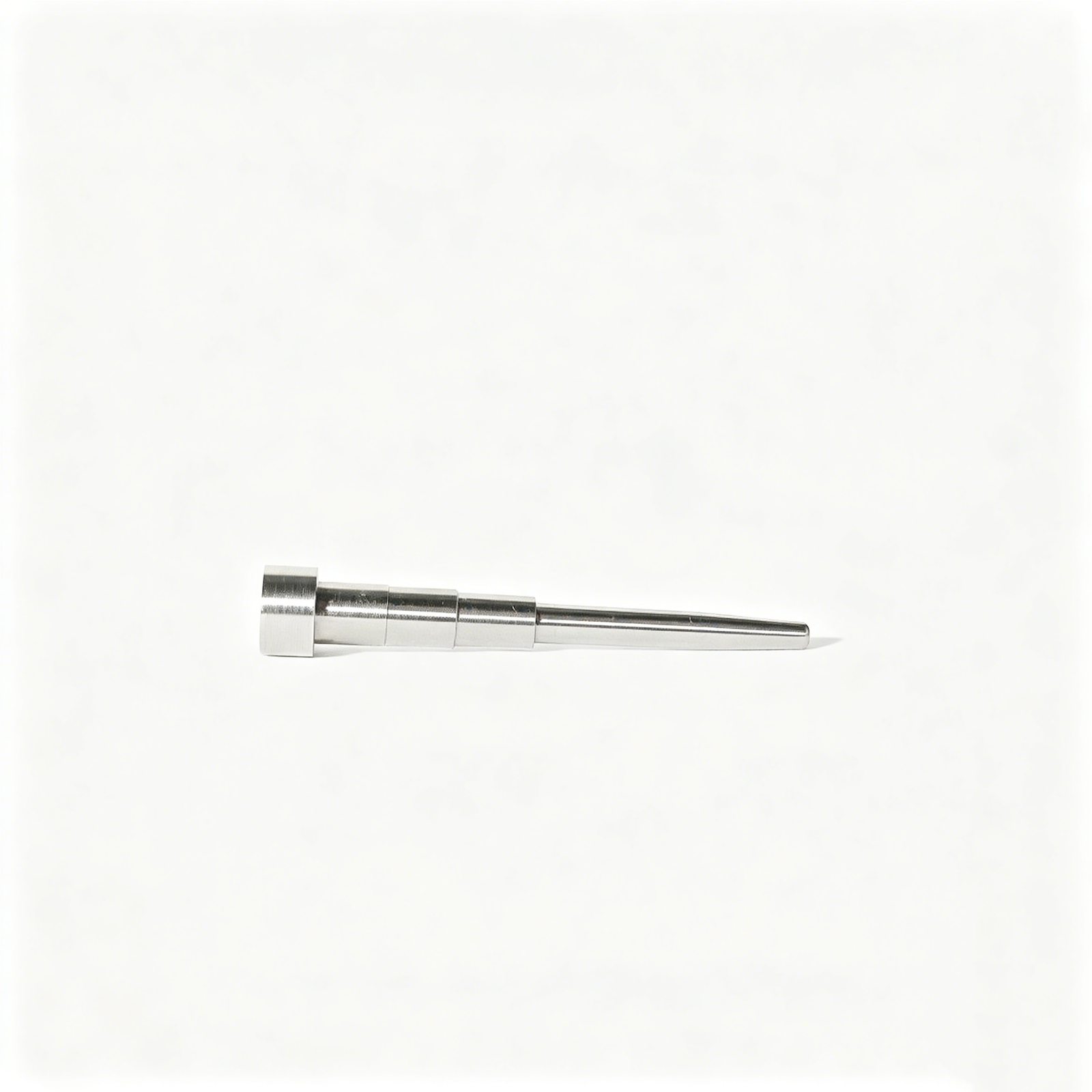
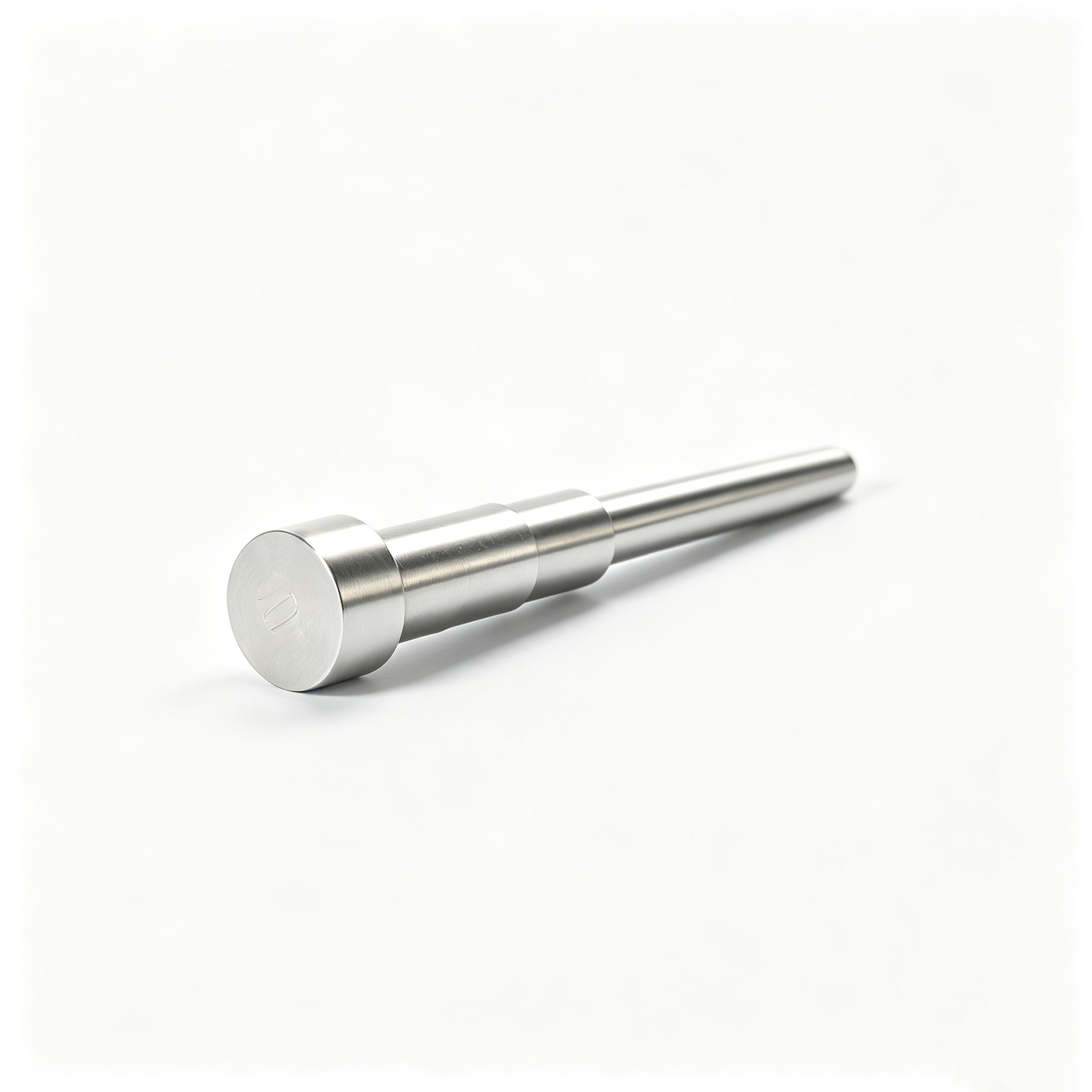
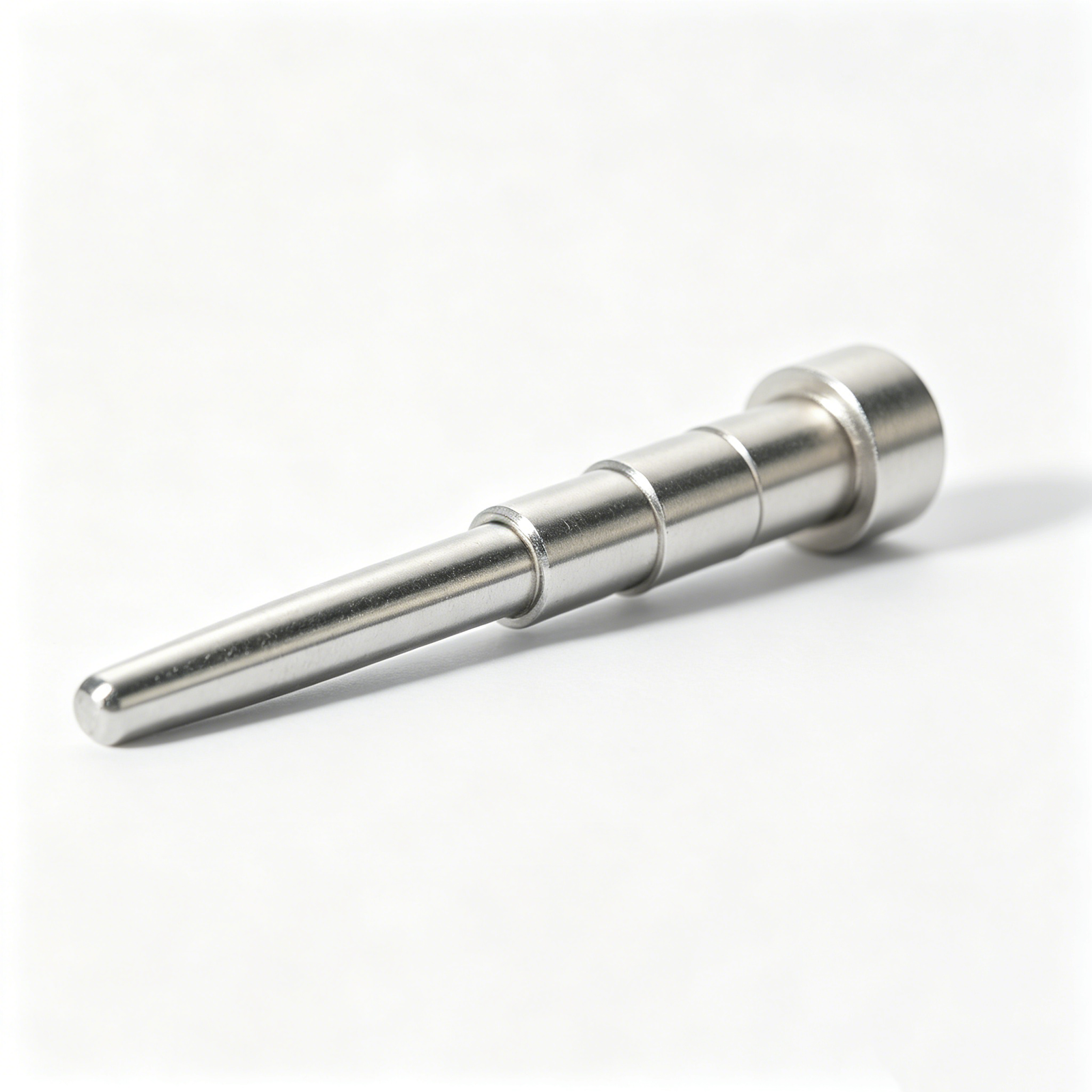
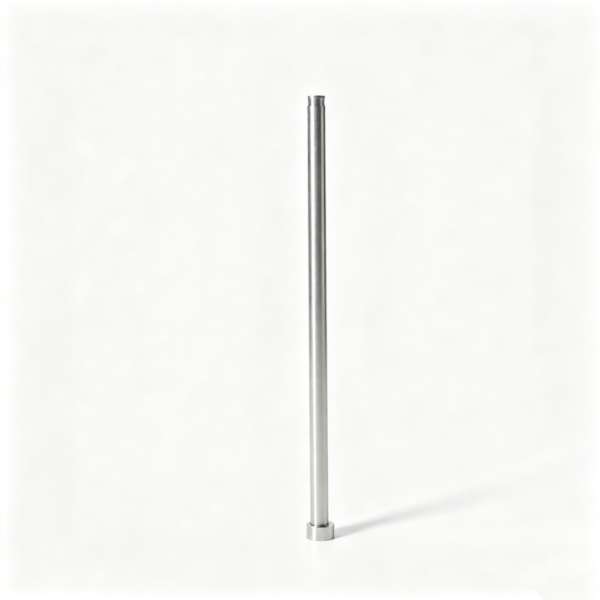
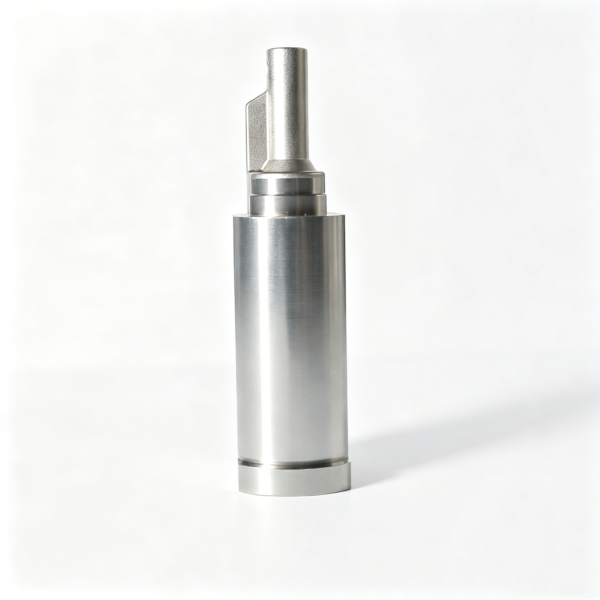
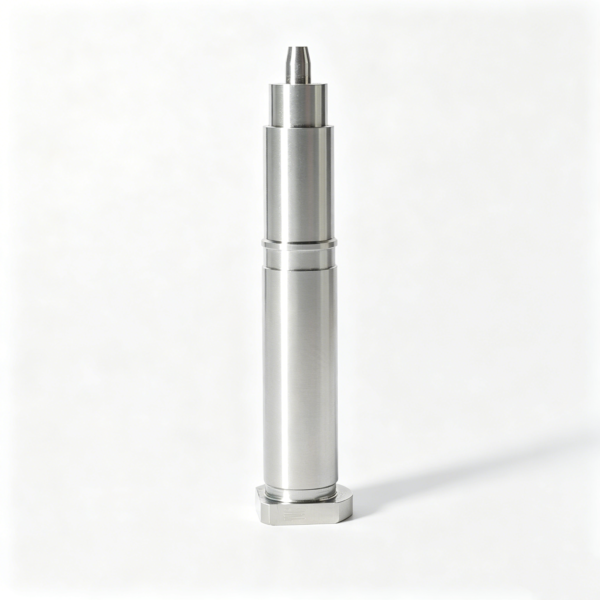
| Common part types | Valve spools, ferrules, couplings, bushings, sleeves, ports, stems, spacers, alignment pins, threaded adapters for fluid and pneumatic circuits.[2][3] |
| Materials | Stainless steels for corrosion resistance, carbon and alloy steels, aluminum, brass, and selected engineering plastics appropriate for fluids and gases.[8] |
| Geometry focus | Round and concentric features: outside diameters, internal bores, grooves, chamfers, tapers, threads, shoulders and precision faces.[2][4] |
| Tolerance capability | Tight dimensional and geometric tolerances achievable on critical diameters, bores and sealing features, defined case-by-case for each design.[1][6][10] |
| Surface finish range | Functional turned finishes through fine, low-roughness surfaces for sealing and sliding applications, with additional finishing available as needed.[1] |
| Secondary operations | Anodizing, plating, passivation, bead blasting, polishing and cleaning, plus laser marking or engraving when required for identification.[2][8] |
| Batch size | Supports prototypes, pilot runs and full production batches with consistent repeatability between runs.[9] |
| Quality & inspection | Dimensional inspection to drawing requirements, including key diameters, threads, and sealing features; additional reports available on request.[2][10] |
Typical Use Cases & Industries
Because they combine precise round geometry with robust materials and clean surfaces, these custom precision round parts are widely used wherever fluids and gases must be controlled accurately and safely.
- Hydraulic power units and manifolds – Spools, sleeves and ports that manage high-pressure oil flow between pumps, valves and actuators, where tight fits and controlled clearances reduce leakage and improve response.
- Pneumatic automation – Valve components, pistons, bushings and couplers in air-driven cylinders and manifolds, where smooth motion and consistent sealing keep cycles repeatable and energy use low.
- Process and instrumentation – Precision ferrules, connectors and fittings for instrumentation lines, laboratory equipment and process skids that require leak-tight joints and corrosion resistance.
- Mobile and off-highway equipment – Hydraulic control parts and couplings in agricultural machinery, construction equipment and lifting systems, designed to cope with vibration and contamination.
- Industrial machinery – General-purpose fluid connectors, bushings, spacers and alignment components that support lubrication circuits, cooling loops and pneumatic controls in production equipment.
Designers, manufacturing engineers and maintenance teams who are consolidating suppliers or improving system reliability will especially benefit from having custom precision round parts tailored to their pressure ratings, media compatibility and assembly methods rather than relying on a patchwork of modified catalog fittings.
Ordering Guidance & Design Considerations
To get the most value from custom precision round parts for fluid and pneumatic systems, consider the following points when preparing your inquiry or drawings:
- Clarify the function of each feature – Identify which diameters, grooves or bores are sealing-critical, which are for guidance only, and which are cosmetic. This allows us to prioritize tolerances where they matter most while keeping cost-effective tolerances elsewhere.[2][10]
- Specify media and environment – Knowing whether your parts will see water, oil, compressed air, inert gas or aggressive chemicals informs material and finish recommendations for long service life.
- Think about assembly and service – Consider wrench flats, chamfers, lead-in tapers and identification markings that make assembly easier and reduce the chance of damage or misconnection.
- Use standard thread and groove standards – Where possible, use standard thread forms and seal groove profiles so that tooling and gauges are straightforward, improving lead times and consistency.
- Engage early for manufacturability feedback – Sharing models and drawings early in your design cycle lets us suggest small tweaks that may simplify tooling, reduce cycle time or improve stability on the lathe, without compromising your functional intent.[2]
Once we review your requirements, we will propose a manufacturing approach, materials and finishing plan along with lead times that align with your production schedule.
FAQ
What information do I need to request a quote for precision round parts?
For an accurate quote, provide a drawing or 3D model, the required material, any critical tolerances or surface finish requirements, estimated quantities and your desired delivery timeframe. If your parts are used in fluid or pneumatic systems, also share the media type and pressure range so we can recommend suitable options.
Are these precision round parts compatible with my existing fluid fittings and valves?
Yes, we can manufacture to your existing dimensions, thread specifications and seal standards so the new round parts integrate with your current valves, manifolds and fittings. If you are replacing legacy components, we can also work from samples to match critical interfaces.
What is the typical lead time for custom fluid-system round parts?
Lead time depends on part complexity, material availability and batch size. Simple turned components in common materials are usually faster to produce than complex valve spools with multiple operations. Share your schedule requirements and we will align the production plan or suggest design adjustments to help meet your timing.
Can you support both prototype and production volumes?
We support the full lifecycle of your project, from small prototype batches for design validation through to recurring production orders. CNC turning is well suited to both low and high volumes, providing consistent geometry and finish from run to run.
How should I maintain and store precision round parts before assembly?
Store components in a clean, dry environment and keep them in their original packaging until needed to prevent contamination or damage to sealing surfaces. Avoid dropping or scratching turned diameters and bores, and handle stainless or plated parts with gloves in corrosive environments to preserve their finish.
Do you offer any protective finishes or coatings for hydraulic and pneumatic environments?
Yes, we can provide corrosion-resistant treatments such as passivation for stainless steel, plating for carbon steels, and anodizing for aluminum, along with other finishes suited to your fluid media and environmental conditions. These finishes help extend service life and maintain appearance.
What are my options if I need design changes after the first batch?
If you discover that clearances, grooves or threads need adjustment after initial testing, we can revise the CNC program and process for subsequent batches. Early communication of any functional issues helps us refine the design and keep your system performance on target.
How are the parts packaged for shipment to prevent damage?
Parts are typically packed in protective trays, bags or compartmented boxes that prevent metal-to-metal contact and protect critical surfaces. For high-precision sealing components, we can add extra protection or individual wraps upon request to maintain cleanliness and surface integrity during shipping.
What is your policy on nonconforming precision round parts?
If any parts do not meet the agreed drawing or specification, we work with you to assess the issue and arrange replacement or corrective action. Clear documentation and inspection criteria at the quoting stage help ensure that incoming inspection and our quality checks align.
Same drawing, predictable results—next batch
Share revision, quantity ramp, and inspection level. We quote process route, ship date, and documentation in one structured response.