
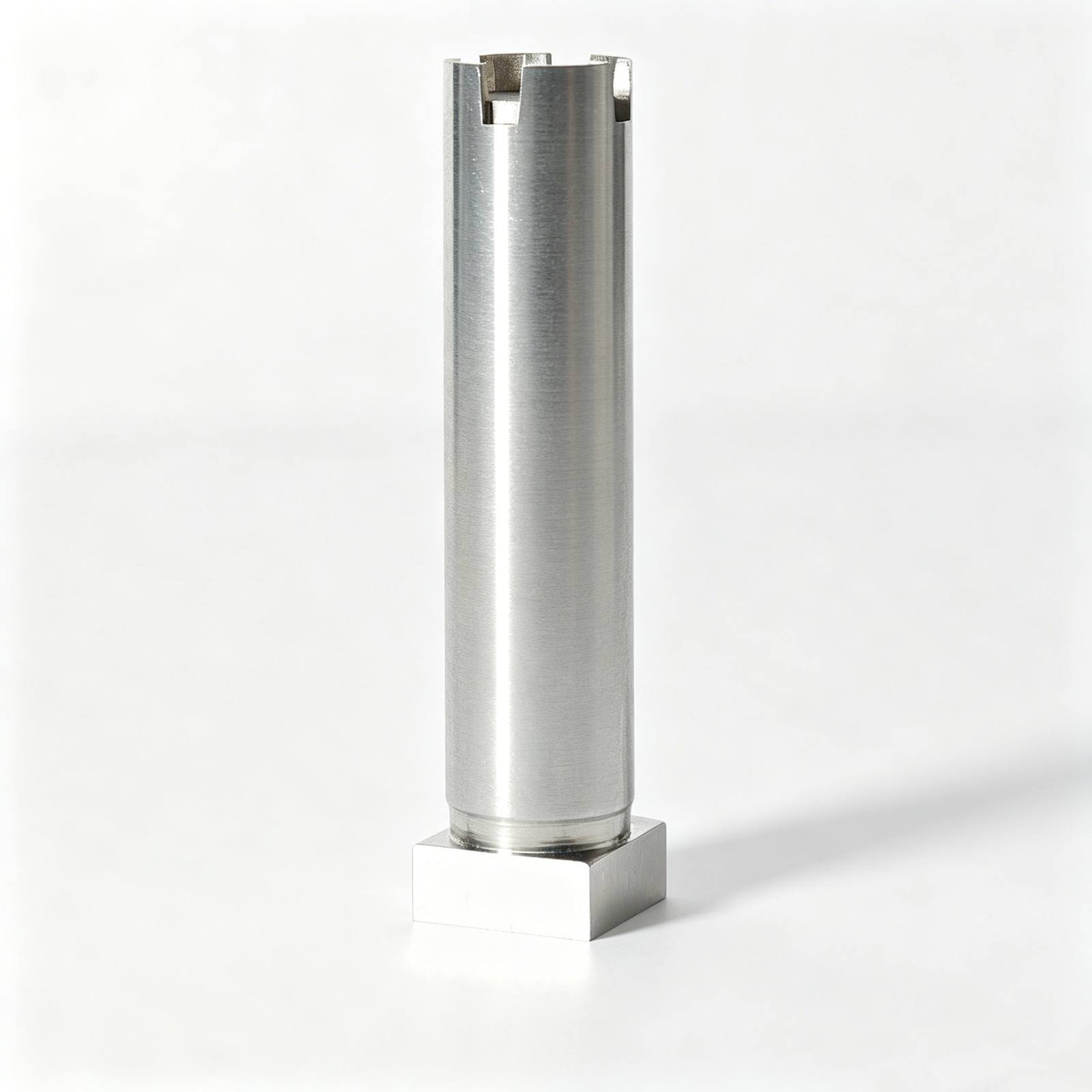
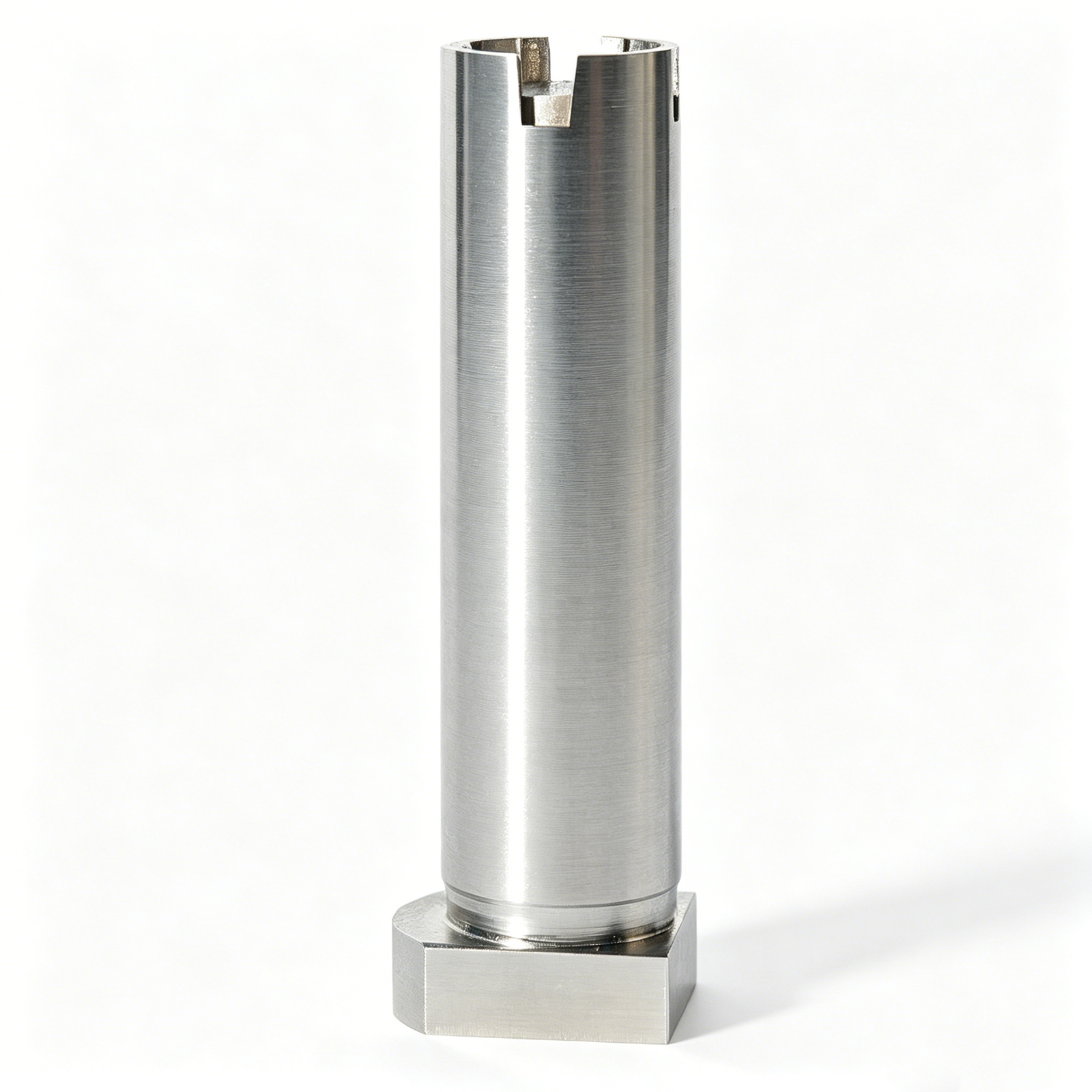
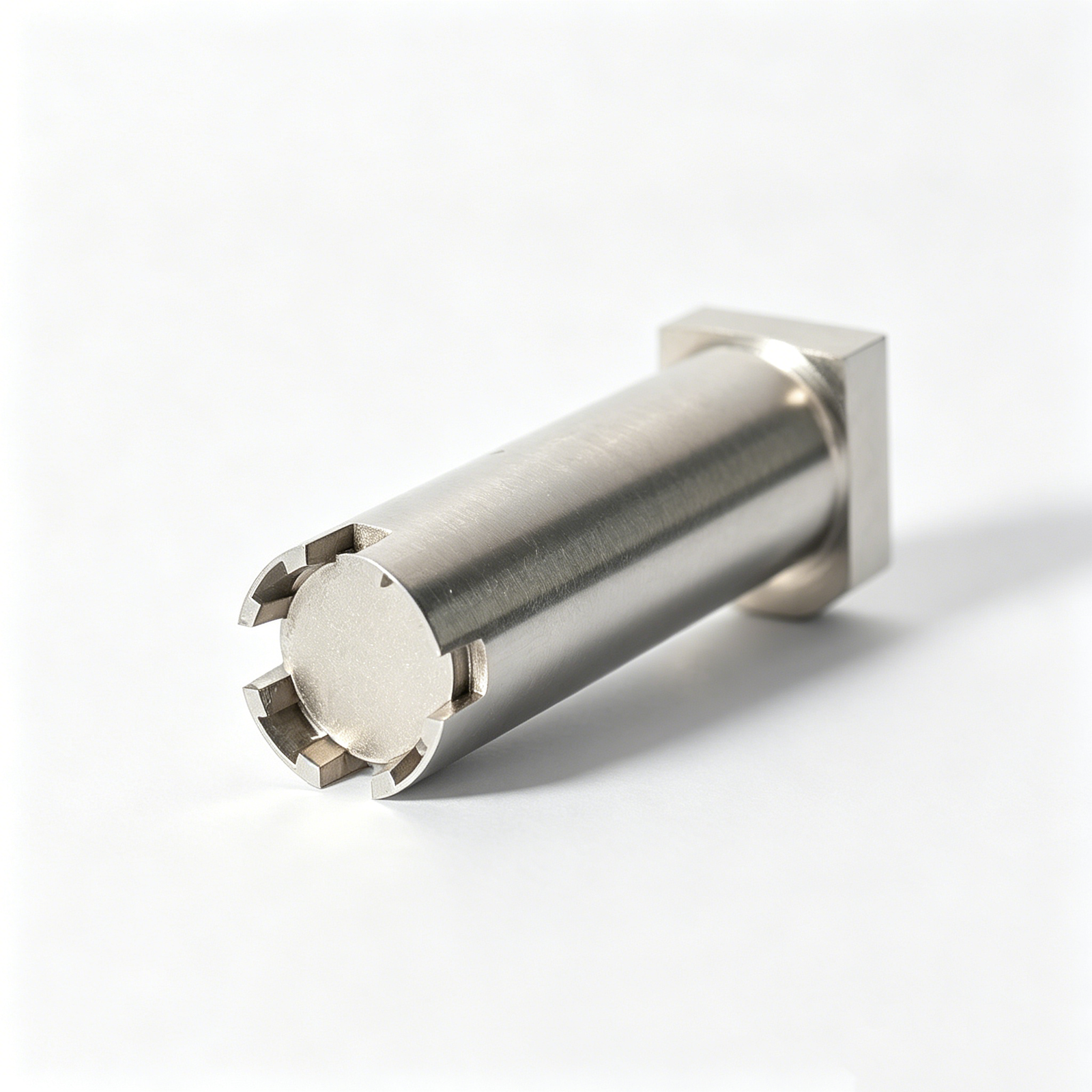
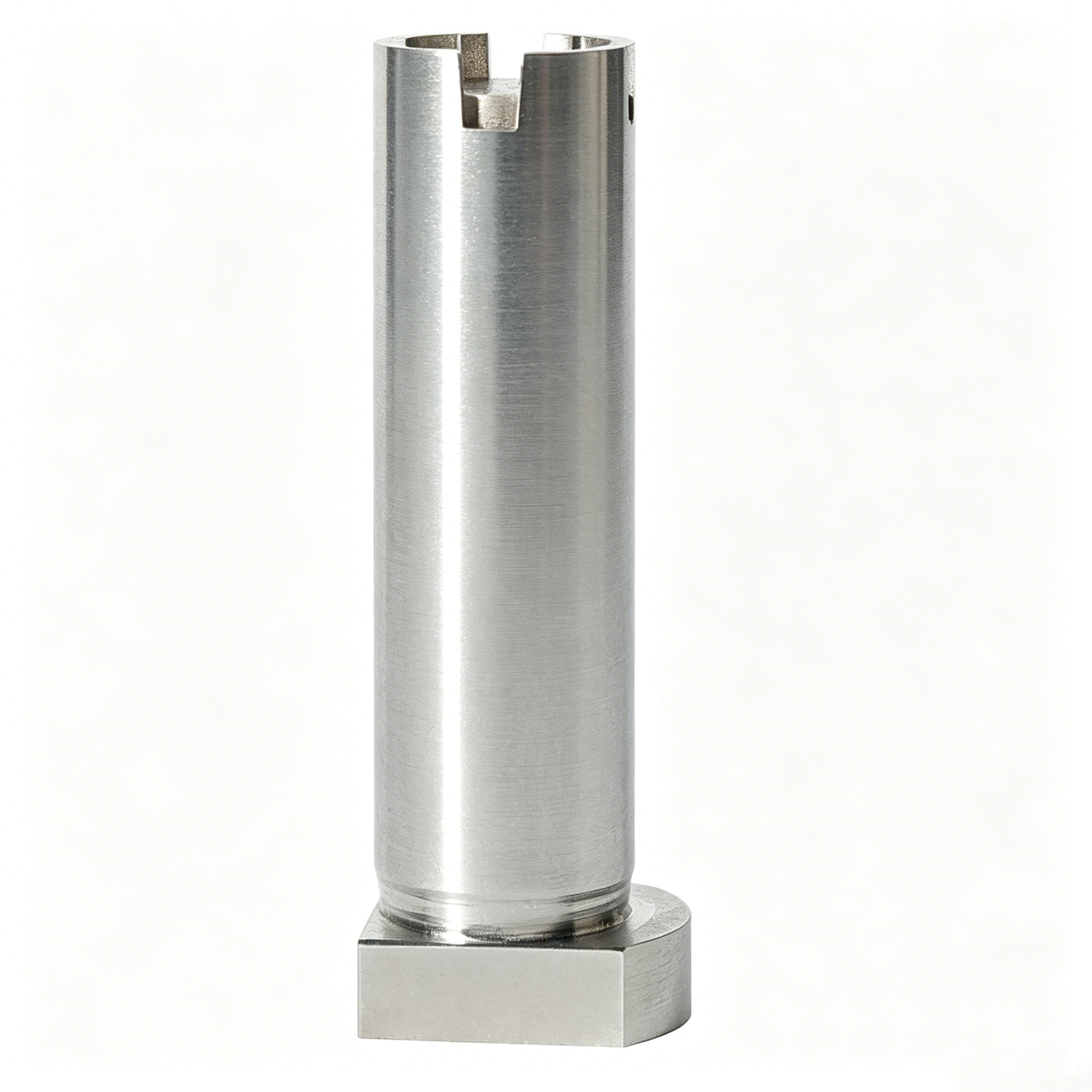
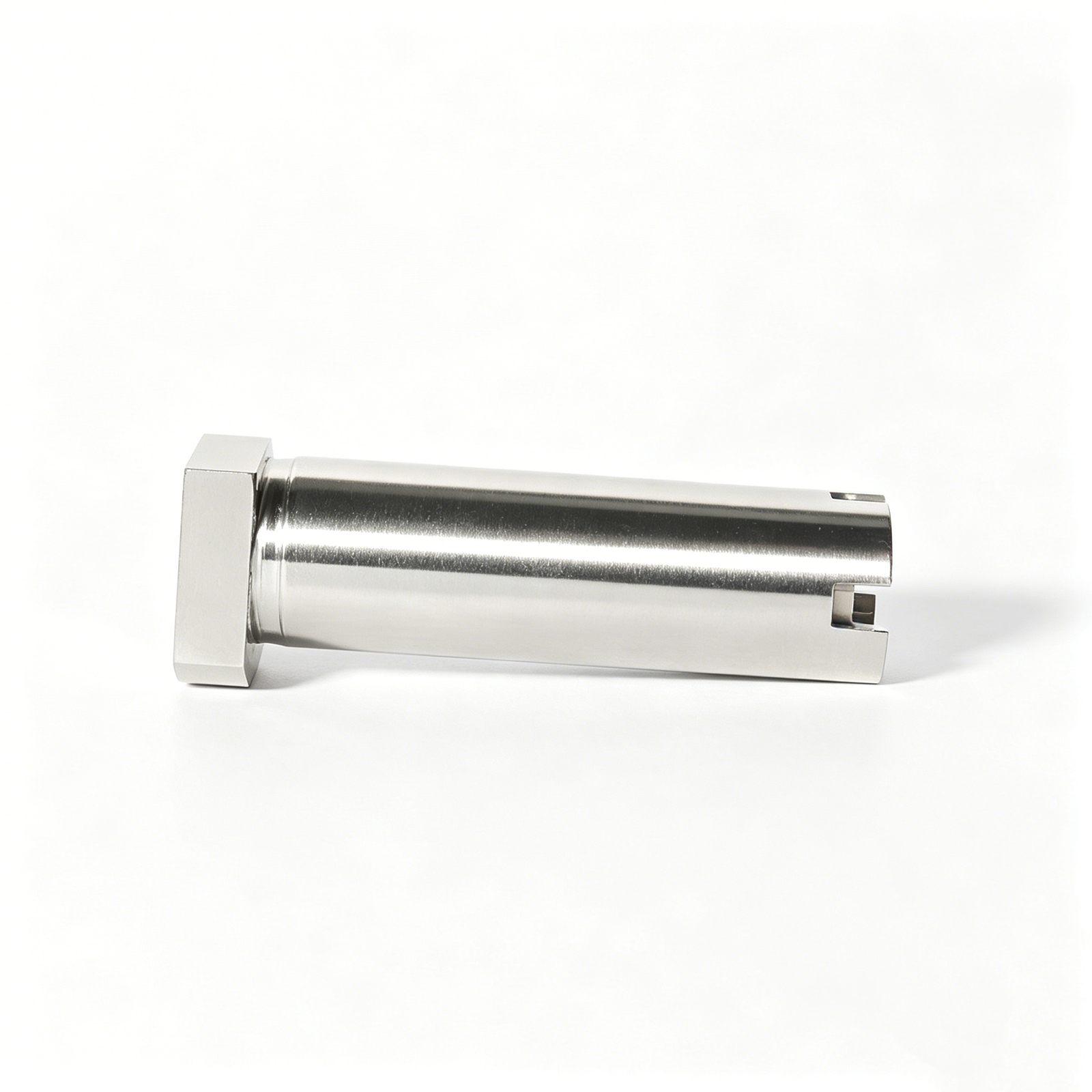
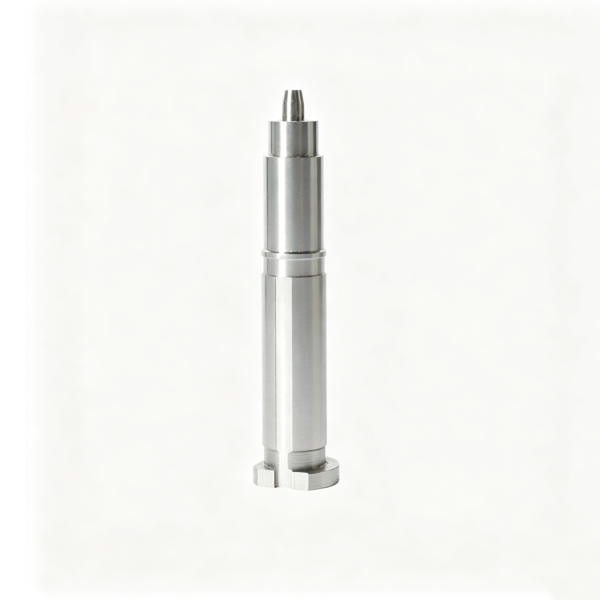
Plastic film parts · Precision mold insert
Custom Precision Round Parts for Fluid Power & Hydraulic Systems
Brand Xuxiang Mold
Availability Made to drawing
RFQ pricing
Quote from STEP / PDF & quantity
Engineer reliable motion control with custom Precision Round Parts tailored for fluid power and hydraulic system demands. From piston rods and valve spools to sleeves and dowel pins, each component is machined for repeatable concentricity and smooth sealing surfaces. Tight tolerance diameters support consistent pressure control, while fine surface finishes help reduce wear, leakage, and downtime. Ideal for OEMs and maintenance teams who need consistent quality across low- or high-volume runs. Collaborate with our engineering team to optimize geometry, materials, and finishes for your exact operating conditions.
- ISO 9001:2015–oriented process & documented inspection paths
- Zeiss / Nikon class metrology available for critical dimensions
- DFM feedback from 10+ senior tooling engineers
- Dongguan HQ + Quanzhou capacity for volume programs
Custom Precision Round Parts for Fluid Power & Hydraulic Applications
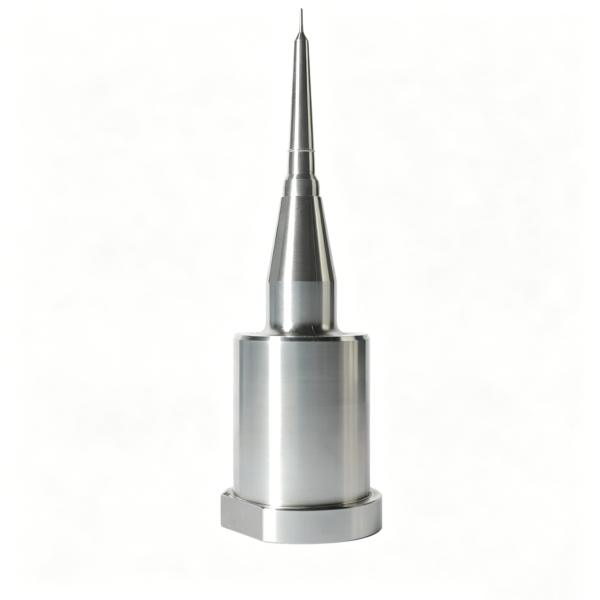
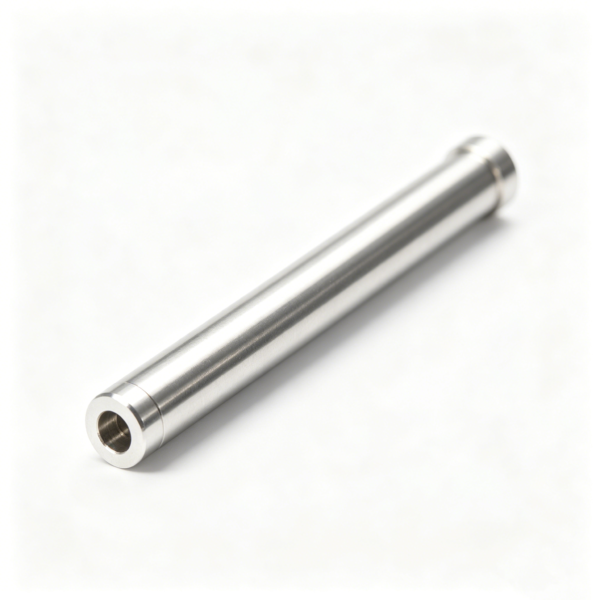
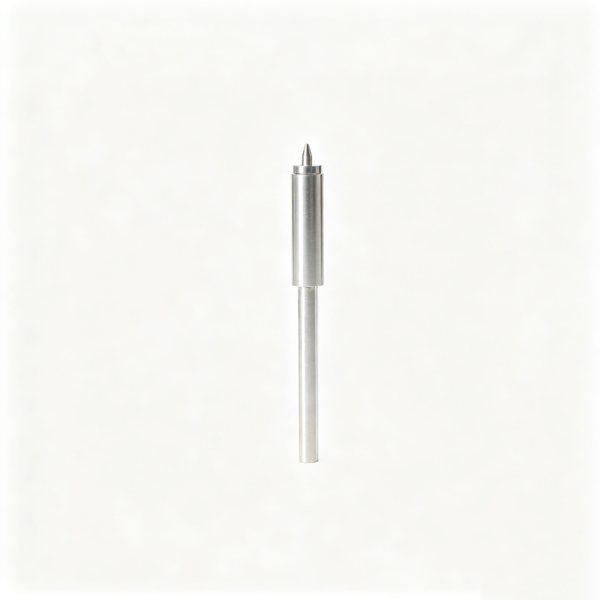
These custom Precision Round Parts are engineered specifically for the demanding requirements of modern fluid power and hydraulic systems. Using advanced CNC turning centers and Swiss-type lathes, we manufacture round, cylindrical, and rotational components that deliver reliable performance under pressure-intensive, abrasive, or high-cycle operating conditions.[2][3] From compact valve spools used in mobile equipment to long piston rods for industrial cylinders, every part is produced with close control of diameter, roundness, and concentricity to support predictable sealing, smooth motion, and long service life.[2][6]
In hydraulic and pneumatic circuits, small dimensional deviations in round parts can dramatically impact efficiency and reliability. A slightly oversized spool may cause sticking, while a subtle step in a piston rod can accelerate seal wear. Our process-oriented approach to CNC turning ensures that critical features such as bearing diameters, sealing lands, grooves, and threads are machined and verified in a single, stable setup wherever possible. This helps maintain true concentricity and alignment between functional surfaces, supporting better system performance in the field.[2][10]
Key Features & Benefits for Fluid Power Designers
We combine precision CNC turning capabilities with application-focused engineering support to produce round parts that integrate cleanly into hydraulic and pneumatic assemblies.
- Application-driven geometries — Ideal for pistons, rods, sleeves, valve spools, couplings, and guide pins where circularity and surface finish directly impact sealing and flow characteristics.[2][3]
- Tight control of critical diameters — Modern CNC lathes routinely achieve close tolerances on key diameters and fits, supporting consistent clearances in sliding and rotating interfaces.[1][6]
- Excellent surface finishes — Turning operations provide smooth finishes on sealing lands and bearing surfaces, with finer finishing passes available to reduce friction and extend seal life.[1][7]
- Concentricity and roundness — Controlled turning setups and process inspection help maintain coaxiality between piston rods, spools, and threaded ends, reducing side loading on seals and bushings.[6][10]
- Material flexibility — Work comfortably with common fluid power materials such as carbon steel, alloy steel, stainless steel, aluminum, brass, and selected engineering plastics that are suitable for turning.[7][8]
- Scalable production — From short-run prototypes for new valve designs to recurring production for OEM cylinder programs, CNC programming and automated bar feeding enable efficient scaling.[2][9]
- Secondary operations as needed — Parts may be supplied as-machined or prepared for downstream processes such as heat treatment, plating, anodizing, or grinding when additional hardness or finish is required.[2][8]
Specifications & Customization Options
Instead of fixed catalog sizes, these precision round components are produced to your drawing or 3D model. Design details and tolerances are validated during the quotation and process planning stages to balance performance, manufacturability, and cost.[2][10]
| Attribute | Typical Options / Description |
|---|---|
| Part types | Piston rods, valve spools, sleeves, spacers, guide pins, bushings, couplings, threaded connectors |
| Manufacturing process | CNC turning, Swiss-type turning, turn-mill for cross-holes, flats, and complex features[2][4] |
| Typical materials | Carbon and alloy steels, stainless steels, aluminum alloys, brass, copper alloys, selected engineering plastics[7][8] |
| Geometry focus | Round, cylindrical, and rotationally symmetric parts with features concentric to a central axis[2] |
| Functional features | Sealing lands, bearing diameters, grooves, threads, chamfers, radii, bores, and counterbores[2][3] |
| Tolerance capability | Tight dimensional control on critical diameters and fits, specified per drawing and application requirements[1][6] |
| Surface finish | As-turned finishes suitable for many hydraulic interfaces; finer finishing passes or post-processes available when required[1] |
| Batch sizes | Prototype quantities to recurring OEM production runs, supported through flexible CNC setup and bar-feeding[2][8] |
| Quality documentation | Dimensional inspection reports, material traceability, and additional verification available on request[2][9] |
| Compatible systems | Hydraulic cylinders, directional valves, proportional valves, pneumatic actuators, manifolds, and custom motion control assemblies |
Typical Use Cases & Industries
Precision round components are central to the operation of hydraulic and pneumatic systems in multiple sectors. CNC turning is particularly effective whenever a part has a round central form or multiple features that must remain concentric to a common axis.[2][3]
- Hydraulic cylinders — Piston rods, gland bushings, and internal spacers for industrial presses, mobile equipment, material handling, and construction machinery.
- Directional and proportional valves — Valve spools, sleeves, and plungers where tight clearance and consistent roundness influence flow modulation and leakage rates.[2]
- Pneumatic actuators and air preparation — Pistons, rods, spacers, and guides for compact cylinders, rotary actuators, and valve bodies.
- Manifolds and power units — Round plugs, alignment pins, and threaded connectors for high-pressure manifolds and power packs.
- Off-highway and mobile hydraulics — Corrosion-resistant rods, sleeves, and pins that must withstand dirty environments and high shock loads.
- Industrial automation — Short-stroke cylinder elements, end-of-arm tooling shafts, and precision locating pins used across robotic and assembly systems.[8]
Whether you are developing a new fluid control concept or updating an existing valve or cylinder family, our custom approach enables quick iteration on geometries and tolerances. CNC programming allows multiple variants of the same part to be produced in a controlled series, helping you test different clearances or seal interfaces without fully retooling your production setup.[2][9]
Design, Care & Purchasing Guidance
When sourcing custom precision round parts for fluid power systems, early collaboration on design and tolerances is crucial. CNC turning is exceptionally efficient for round forms, but extreme tolerances on non-critical features can raise costs without improving performance.[1][2]
- Prioritize functional surfaces — Specify tighter tolerances only where they impact sealing, bearing, or alignment. Leave generous limits on non-critical lengths, chamfers, and decorative transitions.[1][2]
- Match materials to environment — Consider corrosion resistance, fatigue strength, and compatibility with hydraulic fluids or compressed air. Stainless steel or plated carbon steel may be appropriate where moisture and contaminants are present.[7][8]
- Plan for finishing — If you require hard chrome, nitriding, or other surface treatments on piston rods and spools, incorporate allowance for post-processing into your design and tolerance scheme.
- Coordinate sealing components — Work with your seal supplier to align rod, bore, and groove dimensions with standard seal profiles, helping to reduce both component and machining complexity.
- Storage and handling — To protect the functionality of sealing lands and bearing diameters, store finished parts in clean, dry packaging and avoid impact or abrasion that could raise burrs or dents on critical surfaces.
Our team can review your CAD models and drawings, provide manufacturability feedback, and suggest minor design adjustments that maintain functional intent while improving machining efficiency. This can be particularly valuable for long, slender rods or very small diameter spools where deflection and chatter must be managed carefully during turning.[2]
FAQ
Can these precision round parts be customized for my specific hydraulic design?
Yes. All parts are produced to your drawings or CAD models, so you can define diameters, lengths, grooves, threads, and tolerances that match your cylinder or valve design. Early engineering discussion helps confirm which features are best suited to CNC turning and where tolerances can be optimized.[2]
What information do I need to provide to receive a quote?
For a fast and accurate quote, share your 2D drawing or 3D model along with material specifications, estimated quantities, special finishing requirements, and any critical tolerances. If the part is part of a fluid power system, noting the operating pressure and environment helps ensure appropriate material and finish recommendations.[2][8]
Are these round parts compatible with standard seals and fittings?
Most designs can be aligned with standard seal and fitting dimensions. If you are using commonly available U-cups, O-rings, or wipers, we can help ensure rod and groove sizes match typical seal manufacturers’ guidelines, improving interchangeability and simplifying future maintenance.
How are the parts protected during shipping to prevent damage to sealing surfaces?
Parts are typically individually wrapped or separated, with critical diameters protected by sleeves, caps, or partitioned packaging. This reduces the risk of transit damage such as dents or scratches on sealing lands and bearing areas, which is especially important for long piston rods and precision spools.
What is the typical lead time for custom hydraulic round parts?
Lead time depends on complexity, material availability, and order volume. Simple turned components can often be produced relatively quickly once the program and tooling are set, while more complex multi-operation parts may require additional scheduling. Estimated lead times are provided with each quotation.
How should I maintain and store spare piston rods and valve spools?
Store components in a dry, clean area in their original packaging or in protective sleeves to prevent corrosion and mechanical damage. Avoid stacking unprotected rods or spools directly on metal surfaces, as nicks on critical diameters can compromise sealing performance when the part is eventually installed.
Can you handle both prototype and production quantities?
Yes. CNC turning is well suited to both low-volume prototypes and higher-volume production. We can start with a small batch for design validation, then reuse proven programs and setups to scale into recurring production as your hydraulic system enters full deployment.[2][8]
What happens if a part does not meet the specified tolerances?
Parts are inspected against your drawing, and any components found out of tolerance are segregated and not shipped. Depending on the nature of the deviation, parts may be reworked, remade, or scrapped, with root causes addressed through process adjustments to prevent recurrence.[2][10]
Do you offer any warranty or return policy on custom precision parts?
Custom-ordered components are typically covered by a workmanship and conformity warranty to the agreed drawing and specifications. If you identify a dimensional or workmanship issue on receipt, contact us promptly so we can review inspection data and arrange rework, replacement, or credit according to the agreed terms.
Same drawing, predictable results—next batch
Share revision, quantity ramp, and inspection level. We quote process route, ship date, and documentation in one structured response.