
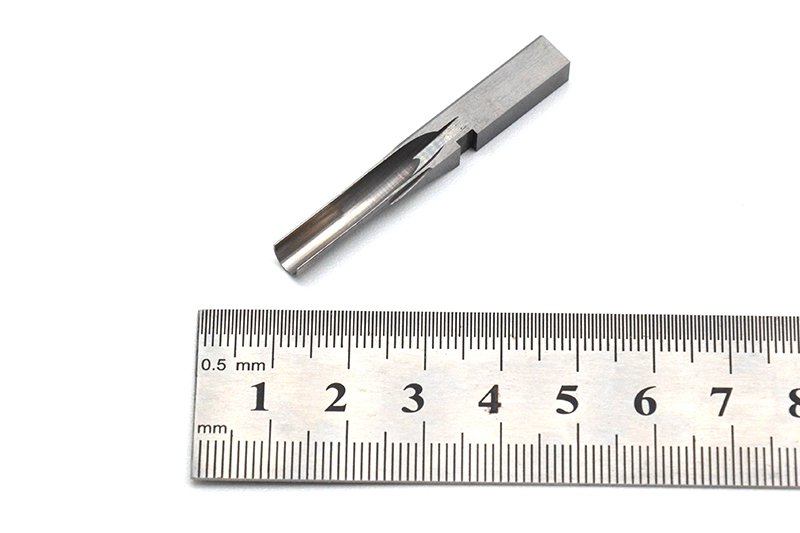
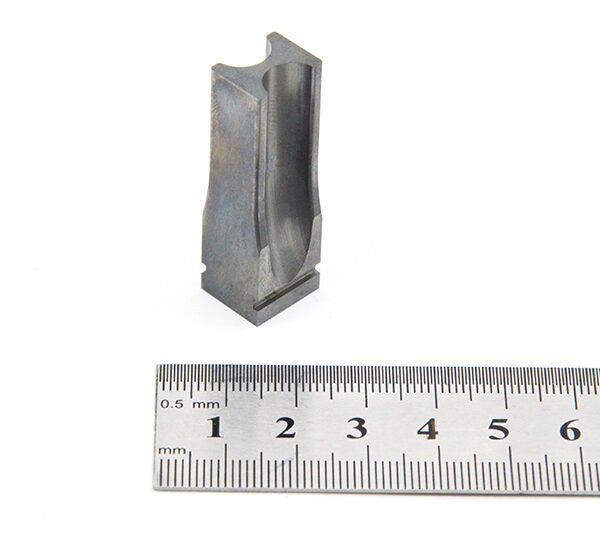
Plastic film parts · Precision mold insert
Precision Die Parts for Industrial Stamping and Forming Applications
Brand Xuxiang Mold
Availability Made to drawing
RFQ pricing
Quote from STEP / PDF & quantity
Upgrade your tooling performance with precision-engineered die parts designed for demanding stamping, forming, and cutting operations. Each component is manufactured from high-quality tool steels and alloys to deliver consistent accuracy, long service life, and reduced downtime in production. From punches and die buttons to guide posts, bushings, plates, and springs, you can configure and maintain your dies with confidence. Ideal for maintenance teams, toolmakers, and OEMs looking to improve part quality and process reliability. Build tougher tools, extend maintenance intervals, and keep your press lines running at peak productivity.
- ISO 9001:2015–oriented process & documented inspection paths
- Zeiss / Nikon class metrology available for critical dimensions
- DFM feedback from 10+ senior tooling engineers
- Dongguan HQ + Quanzhou capacity for volume programs
What Are Industrial Die Parts?
Die parts are the individual components that come together to form a complete die set used in metal stamping, forming, cutting, and other press tool operations. In a typical stamping die assembly, you will find items such as die plates, upper and lower shoes, guide pins, bushings, punches, die buttons, stripper plates, retainers, springs, and fasteners working together to cut or shape sheet metal and other materials into precise finished parts.
Rather than replacing an entire die when wear occurs, maintenance teams can swap out specific die parts such as punches, inserts, or guide components. This modular approach not only lowers tooling costs but also minimizes downtime and helps maintain tight tolerances over long production runs. Whether you are building new tools or refurbishing existing ones, high-quality die parts are essential for safe, repeatable, and efficient manufacturing.
Our range of precision die parts is designed for use in stamping dies, forming dies, progressive dies, transfer dies, and numerous custom press tools. Carefully selected materials and surface treatments help these components withstand the high pressures, sliding contact, and abrasive conditions typical of pressroom environments.
Key Features & Benefits
Every die component in this range is engineered to support productivity, accuracy, and durability in your tooling system. Here are the key advantages you can expect:
- High-precision manufacturing: Critical components such as guide posts, bushings, and punches are manufactured to tight dimensional tolerances and fine surface finishes to support accurate part location and smooth press operation.
- Durable tool steels and alloys: Wear surfaces use proven tool steels and alloy materials suitable for punching, blanking, forming, and drawing operations, helping extend tool life and reduce unexpected failures.
- Modular, replaceable design: Use standardized and compatible die parts, such as punch retainers and inserts, to simplify replacement and reduce downtime during maintenance or product changeovers.
- Improved part quality: Consistent die alignment and stable cutting edges help you achieve clean sheared edges, stable forming radii, and reduced burrs or deformation, lowering rework and scrap.
- Support for various die types: Suitable for simple single-hit tools, compound dies, progressive dies, and transfer dies across automotive, appliance, electronics, and general metalworking industries.
- Flexible configuration: A wide combination of sizes, shapes, and styles allows tool designers to tailor die layouts to specific parts, materials, and press capacity requirements.
Specifications & Component Overview
The die parts offered cover the most common elements required in modern press tooling. Exact dimensions, materials, and surface treatments vary by specific item and application. The following table summarizes the typical attributes you can expect:
| Component Type | Typical Function | Common Material / Finish | Notes on Selection |
|---|---|---|---|
| Upper & Lower Die Plates / Shoes | Support and locate all working die elements; mount to press ram and bolster. | Tool steel or robust alloy plate with ground or milled surfaces. | Choose based on press capacity, die size, and required rigidity. |
| Punches & Punch Inserts | Perform punching, blanking, piercing, and forming operations on the workpiece. | Hardened tool steel; optional surface treatments for wear resistance. | Specify shape, tip geometry, and shank style to match your die design. |
| Die Buttons & Cutting Inserts | Provide cutting edges and support for material around the punched feature. | Hardened tool steel or insert-grade materials. | Match clearance to material thickness and type for optimal edge quality. |
| Guide Posts & Bushings | Align upper and lower die assemblies to ensure precise closing. | Precision-ground shafts and bushings, often with hardened surfaces. | Select length, diameter, and mounting style based on die height and layout. |
| Stripper Plates & Pressure Pads | Strip material off punches and control material flow during forming. | Tool steel plate, sometimes with wear inserts or coatings. | Consider spring force and pad size for stable part retention and stripping. |
| Springs (Gas, Coil, Urethane) | Provide controlled force for stripping, holding, or drawing operations. | High-strength spring steel or polyurethane elastomers. | Select by required load, stroke, and available space within the die. |
| Retainers, Spools & Fasteners | Secure punches, inserts, and pads in position within the die. | Alloy steel components with high-strength fasteners. | Choose styles that support quick replacement and secure locking. |
| Heel Blocks & Heel Plates | Resist side thrust and maintain alignment in cam and forming areas. | High-strength, wear-resistant steel blocks. | Important in dies with off-center or cam-driven operations. |
Typical Use Cases & Who These Die Parts Are For
These die parts are suitable for a wide range of production environments and industries that rely on press tools and metal forming operations. Whether you are producing small electronic brackets or large automotive panels, the right components can significantly affect tool life and part quality.
- Tool and die shops: Build new progressive or transfer dies, refurbish worn tooling, and standardize on proven components to simplify design and inventory.
- Automotive and transportation manufacturers: Maintain high-volume stamping dies used for body panels, structural components, brackets, and subassemblies.
- Appliance and consumer goods producers: Use robust die parts to ensure consistent quality in housings, enclosures, brackets, and decorative trim.
- Electronics and precision metal parts: Rely on accurate alignment and fine cutting edges to produce intricate small parts with tight tolerances.
- General metal fabrication shops: Improve flexibility with modular dies that can be quickly adjusted or repaired with off-the-shelf die components.
In all of these applications, die parts need to work together as a system. Carefully chosen combinations of guide components, cutting elements, and support hardware ensure that the die closes squarely, strips material cleanly, and produces consistent parts over thousands or millions of cycles.
Care, Maintenance & Buying Guidance
Investing in quality die parts is only the first step; proper handling, installation, and maintenance are crucial to get the maximum performance and service life from your tooling system.
- Inspection and replacement: Regularly inspect punches, die buttons, and guide components for wear, chipping, or scoring. Replace worn items early to protect more expensive plates and to maintain quality.
- Correct lubrication: Use appropriate lubricants on guide posts, bushings, and sliding surfaces to minimize friction and wear. Apply pressroom-approved lubricants in the frequency recommended by your tooling engineer.
- Cleanliness: Keep die cavities, guideways, and seating surfaces clean and free from slugs, chips, and contamination that can cause misalignment or damage.
- Proper storage: Store spare die parts in clean, dry conditions, ideally in labeled trays or racks. Lightly oil exposed steel surfaces to help prevent corrosion.
- Compatibility checks: When ordering replacement die parts, confirm dimensions, mounting styles, and tolerances against your die drawings to ensure a proper fit and safe operation.
- Consult tooling experts: For challenging materials, high-strength steels, or new part designs, consult a tooling engineer to select the correct combination of materials, clearances, and component styles.
By combining the right selection of die parts with disciplined maintenance practices, you can reduce unscheduled downtime, prolong tool life, and achieve more consistent part quality from your presses.
FAQ
Which industries commonly use these die parts?
These die parts are widely used in automotive, appliance, electronics, metal furniture, and general fabrication industries where stamping, piercing, or forming operations are performed on sheet metal and similar materials.
How do I know if a die part is compatible with my existing tool?
Check your die drawings or maintenance records for dimensions, mounting styles, and material specifications, then match those details to the replacement component. If you are unsure, share your drawings or part numbers with a tooling specialist to confirm compatibility before ordering.
Can these die parts be used in progressive and transfer dies?
Yes. The components are suitable for single-station tools as well as complex progressive and transfer dies, provided that you select the correct sizes, load ratings, and styles for your specific tool design and press capacity.
What maintenance is required to extend the life of my die parts?
Regularly clean the die, lubricate guide posts and bushings, and inspect cutting edges and springs for wear or damage. Replacing worn punches, buttons, and guides before they fail helps protect more expensive components and maintain part quality.
Do these die parts require any special installation tools?
Most components can be installed with standard shop tools such as torque wrenches, press-fit equipment, and alignment fixtures. Some elements, like gas springs, may require following specific handling and safety instructions provided by the manufacturer.
How are die parts packaged and shipped?
Die parts are typically packed in protective material to prevent damage to precision surfaces and are boxed for safe transport. Orders are shipped via standard carriers, with tracking information provided so you can monitor delivery times and plan maintenance accordingly.
What is the typical lead time for ordering die parts?
Lead times vary depending on whether the parts are standard catalog items or custom-built components. Common standard sizes are often available from stock for quick dispatch, while custom or highly specialized items may require additional manufacturing time.
Can I return or exchange die parts if they do not fit?
Returns or exchanges are generally possible for unused standard components, subject to the supplier’s return policy. Custom or made-to-order items may have more restrictive terms, so confirm fit and specifications carefully before placing your order.
How should I store spare die parts in my toolroom?
Store components in a clean, dry environment, labeled by size and type. Use bins, racks, or dedicated cabinets, and apply light corrosion protection on steel surfaces to keep them ready for installation when needed.
Are there different options for high-wear or high-strength applications?
Yes. For demanding applications, you can often choose upgraded materials, coatings, or insert-style components that offer enhanced wear resistance and longer life. Consult with your tooling supplier or engineer to select the best option for your material and production volume.
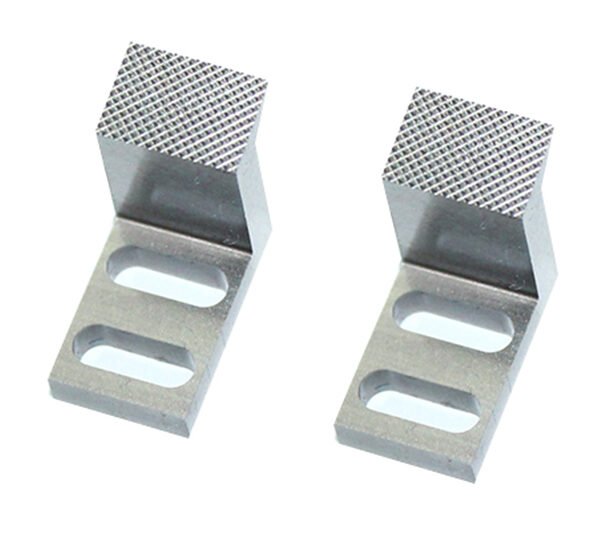
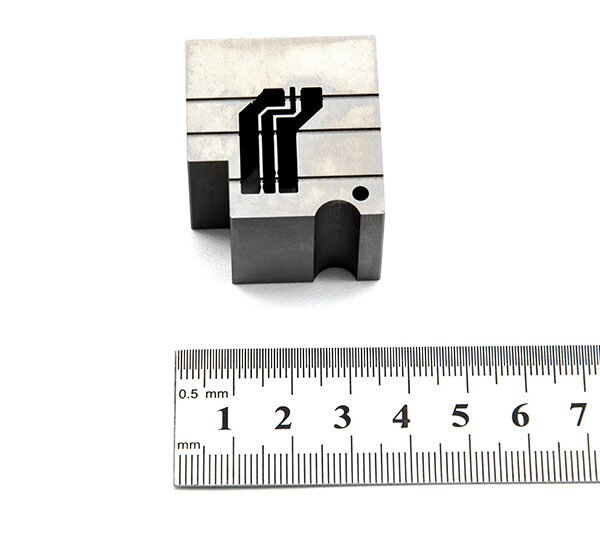
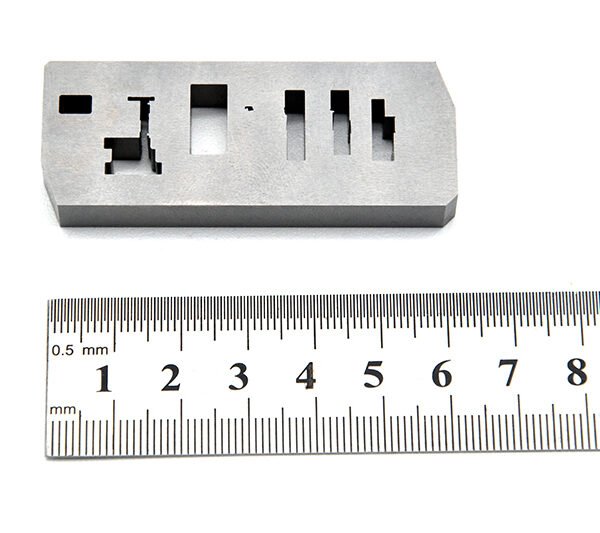
Same drawing, predictable results—next batch
Share revision, quantity ramp, and inspection level. We quote process route, ship date, and documentation in one structured response.