
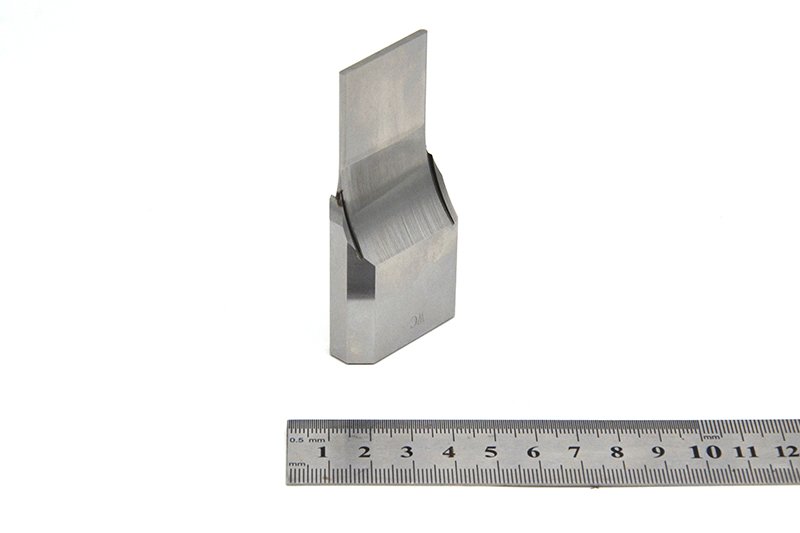
Plastic film parts · Precision mold insert
Die Parts for Precision Stamping and Metal Forming Tooling
Brand Xuxiang Mold
Availability Made to drawing
RFQ pricing
Quote from STEP / PDF & quantity
Keep your press tools running at peak efficiency with high-quality die parts engineered for modern stamping and metal forming operations. Each component is designed for tight tolerances, repeatable accuracy, and long service life in demanding production environments. From punches and die buttons to guide pins and plates, you can configure or maintain virtually any tool layout. Reduce unplanned downtime, improve part quality, and extend the life of your tooling investment. Choose robust die parts that help your shop meet deadlines with confidence.
- ISO 9001:2015–oriented process & documented inspection paths
- Zeiss / Nikon class metrology available for critical dimensions
- DFM feedback from 10+ senior tooling engineers
- Dongguan HQ + Quanzhou capacity for volume programs
What Are Die Parts and Why They Matter
In metal stamping and forming, die parts are the individual components that together make up a complete die set. These parts work as an integrated system to cut, pierce, bend, form, or draw sheet metal and other materials to a precise shape. A typical stamping die may include upper and lower plates, die shoes, guide posts and bushings, punches, die buttons, stripper systems, pressure pads, springs, and multiple fastening elements.
Because every stroke of the press puts mechanical stress on the tooling, the quality and suitability of each die part directly influences part accuracy, tool life, scrap rate, and machine uptime. Selecting the right components and replacing worn items before failure is essential for any shop that depends on reliable, repeatable production.
Whether you are building a new die from scratch, retrofitting an existing tool, or stocking spares for preventive maintenance, a well-chosen range of die parts gives you the flexibility to support your entire pressroom.
Key Features & Benefits
Our range of die parts is designed to support a wide variety of stamping, forming, and fabrication applications, from prototype tools to high-volume progressive dies.
- Precision-machined components: Critical parts such as punches, die buttons, guide pins, and bushings are manufactured to tight dimensional tolerances to ensure accurate alignment and clean, consistent cuts.
- Durable tool steels and wear-resistant materials: Components are typically produced from hardened tool steels or equivalent wear alloys, helping resist chipping, galling, and premature wear under repetitive impact and sliding contact.
- Modular and interchangeable: Standardized sizes and mounting interfaces make it easier to configure new dies, swap out worn parts, or adjust a tool layout as requirements change.
- Support for complex operations: Using combinations of punches, forms, pads, cams, and springs, dies can be configured for simple blanking or for multi-stage progressive operations including drawing, flanging, trimming, and coining.
- Improved part quality: Correctly specified die parts help maintain punch-to-die clearances, minimize burrs, and control part dimensions, contributing to lower scrap and rework rates.
- Reduced downtime: Having appropriate spares on hand—such as extra punches, springs, and fasteners—means you can respond quickly to wear or unexpected damage and keep presses running.
Typical Die Components
While each tool is unique, most stamping dies share a set of core elements. Common die parts include:
- Upper and lower plates / die shoes: Structural base plates that support the tooling and connect to the press ram and bolster.
- Punches and punch inserts: Cutting or forming tools that penetrate or shape the workpiece; may be straight, shaped, or formed.
- Die buttons and die inserts: Mating components to the punches that provide cutting edges and clearance for material.
- Guide posts and bushings: Precision alignment elements that keep upper and lower halves of the die on location throughout the press stroke.
- Strippers and pressure pads: Devices that hold the sheet in place during cutting or forming and strip material off the punches on the return stroke.
- Springs, gas cylinders, or urethane pads: Provide controlled force for pads and strippers across the stroke.
- Fasteners, dowels, and keys: Secure die parts and maintain their positional accuracy over time.
Specifications & Key Attributes
The table below summarizes typical attributes for a range of die parts. Exact details will vary by series, supplier, and application, so use these rows as a guide when selecting components for your tooling projects.
| Attribute | Description |
|---|---|
| Product type | Selection of individual die parts and components for stamping and forming dies |
| Typical components | Punches, die buttons, inserts, guide posts, bushings, plates, shoes, strippers, pads, springs, fasteners |
| Common materials | Tool steels and wear-resistant alloys suitable for cutting and forming applications |
| Surface condition | Machined and ready-to-fit; some items may include heat treatment or surface hardening where applicable |
| Size range | Available in various standard diameters, lengths, and plate sizes for light to heavy-duty dies |
| Application compatibility | Suitable for use in single-station, progressive, transfer, and compound dies, depending on component selection |
| Industry use | Automotive, appliance, electronics, general fabrication, metal furniture, and other sheet metal manufacturing |
| Replacement strategy | Individual parts can be replaced as they wear or are damaged, without rebuilding the entire die set |
| Installation | Designed for professional tool and die makers; requires correct alignment, torqueing, and safety practices |
| Maintenance | Regular inspection, cleaning, and lubrication recommended to maximize precision and service life |
Use Cases & Who These Die Parts Are For
Die parts are essential wherever sheet metal or similar materials need to be processed at scale with repeatable accuracy. They form the backbone of tooling used in presses across many sectors.
Typical users include:
- Tool and die shops building new stamping tools for automotive, appliance, or industrial customers.
- Metal stamping companies that need spare parts to support high-volume progressive dies or transfer tools.
- In-house maintenance teams at manufacturers who manage their own tooling and require reliable replacement components.
- Prototype and low-volume fabricators assembling flexible tooling to support short production runs and quick changeovers.
- Technical schools and training centers that teach tooling design, press setup, and maintenance using real-world components.
Common applications range from blanking and piercing flat parts to more advanced forming operations such as embossing, coining, flanging, and shallow drawing. By combining the right die parts, you can create tools tailored to specific geometry, material grade, and production volume requirements.
Care, Maintenance & Buying Guidance
Selecting the correct die parts begins with understanding the requirements of your press and your part. Consider press tonnage and stroke, shut height, material thickness and strength, desired production rate, and allowable tool changes. Matching component sizes and materials to these factors ensures a safe, efficient, and long-lasting setup.
When buying die parts, pay particular attention to:
- Compatibility with existing die standards, mounting patterns, and guide systems.
- Material and hardness of punches and die buttons, to suit the material and coating of the workpiece.
- Alignment requirements, ensuring guide posts and bushings provide the precision needed for your clearance and part tolerances.
- Spare strategy, keeping extra high-wear components on hand to minimize press downtime.
To extend the life of your die parts:
- Inspect punches, buttons, and cutting edges regularly for wear, chipping, or galling.
- Clean components and remove debris or slug build-up before it can damage surfaces.
- Lubricate moving parts such as guide posts and bushings as recommended by your shop standards.
- Verify torque on critical fasteners and check for any movement or misalignment after maintenance or crashes.
With thoughtful selection and proper care, a well-chosen set of die parts will deliver stable, repeatable performance across long production runs and multiple tooling programs.
FAQ
Which die parts should I keep in stock as spares?
Most shops prioritize high-wear items such as punches, die buttons, springs, and fasteners. Keeping extras of any custom or long-lead components is also recommended so you can respond quickly to wear or unexpected damage.
Are these die parts compatible with my existing die sets?
Many components follow common industry standards for diameters, lengths, and mounting patterns. Before ordering, compare dimensions and style to your existing tooling or consult your tooling drawings to confirm compatibility.
How do I choose the right punch and die button for my material?
Consider the type and thickness of the material, the operation (blanking, piercing, forming), and the required edge quality. In general, harder materials and thicker gauges demand more robust tool steels and carefully controlled clearances to maintain tool life.
What maintenance do guide posts and bushings require?
Guide posts and bushings should be kept clean and lightly lubricated according to your plant standards. Regular inspection for scoring or looseness helps prevent misalignment that could damage punches, buttons, or parts.
How are die parts shipped and packaged?
Components are typically packed in protective materials or trays to prevent damage to precision surfaces. Orders with multiple parts may be grouped by type and labeled for easy identification when they arrive at your toolroom.
Can I return die parts if they do not fit my application?
Return and exchange options depend on the condition of the parts and whether they are standard or custom items. As a general rule, unused standard components are more easily returned than custom-modified pieces; review the store’s return policy before purchase.
Do these die parts come with any warranty?
Most manufacturers or distributors provide a limited warranty covering defects in materials and workmanship. Wear from normal use, misuse, or improper installation is typically excluded, so correct setup and handling remain important.
How do I determine the correct size of springs or gas cylinders for pads?
Start with the required pad force, available space inside the die, and press stroke. Spring catalogs and design guides can help you match force and deflection. If you are unsure, work with a tooling engineer to verify calculations before finalizing your selection.
Are these die parts suitable for both small and high-volume production?
Yes, the same fundamental components are used in tools for prototype work, short runs, and high-volume production. For demanding, continuous operations, choose higher-grade materials or heavy-duty designs to maximize life between rebuilds.
Can I use these die parts in non-metal applications?
Some users adapt standard die components for processing plastics, composites, or soft materials. This may be possible, but you should verify compatibility of clearances, materials, and lubrication with the specific non-metal material you plan to process.
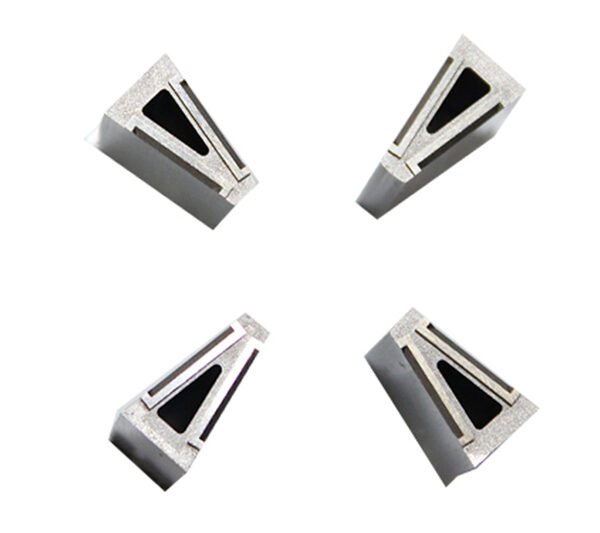
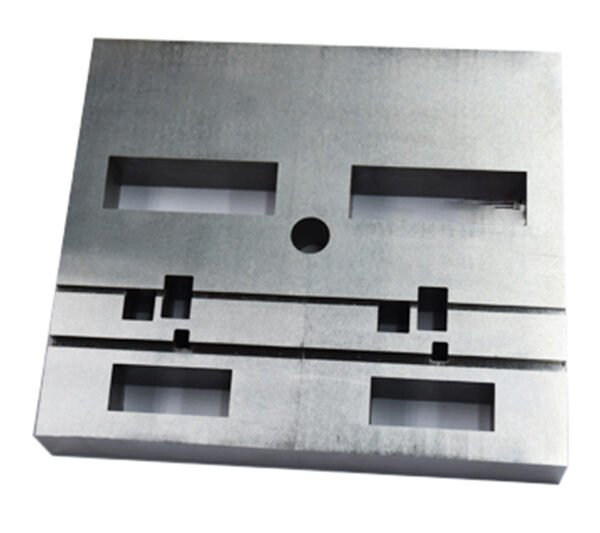
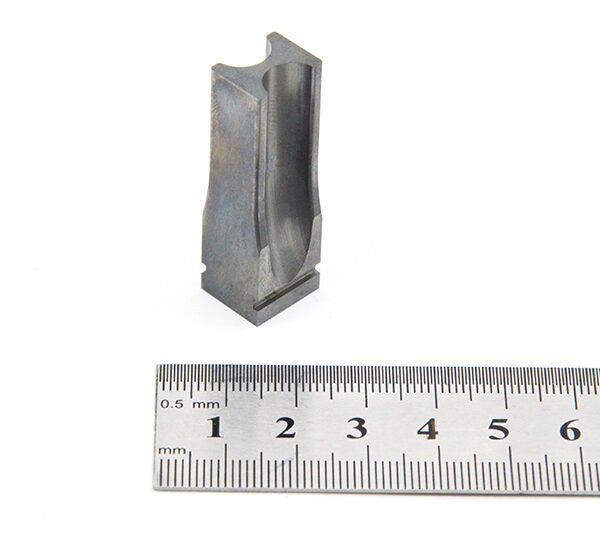
Same drawing, predictable results—next batch
Share revision, quantity ramp, and inspection level. We quote process route, ship date, and documentation in one structured response.