
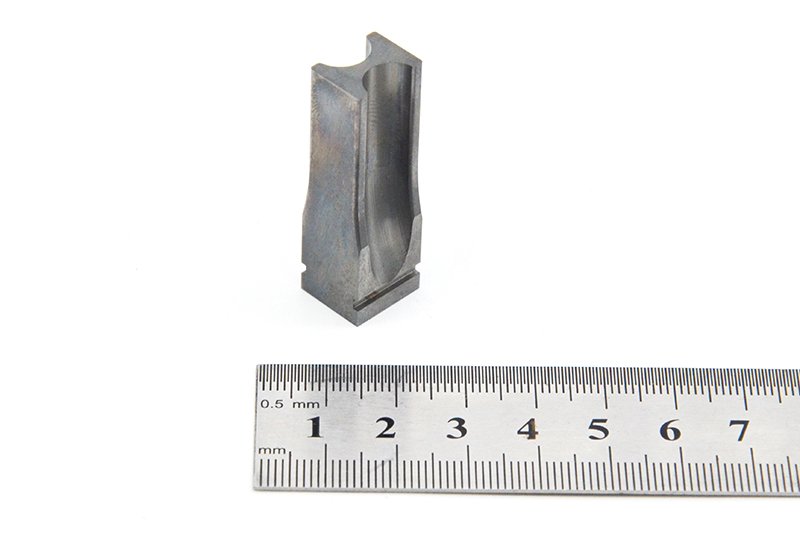
Plastic film parts · Precision mold insert
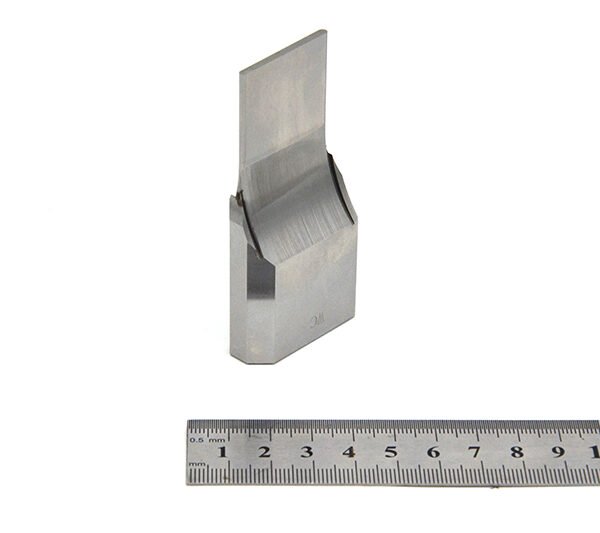
Die Parts for Stamping and Press Tool Applications
Brand Xuxiang Mold
Availability Made to drawing
RFQ pricing
Quote from STEP / PDF & quantity
Build, repair, or upgrade your press tooling with dependable Die parts designed for stamping and sheet-metal operations. These components help support accurate forming, consistent alignment, and smoother production across routine manufacturing tasks. Ideal for workshops that need practical replacement parts or a reliable foundation for custom die assemblies. Choose parts that fit your process, reduce downtime, and keep your tooling moving efficiently.
- ISO 9001:2015–oriented process & documented inspection paths
- Zeiss / Nikon class metrology available for critical dimensions
- DFM feedback from 10+ senior tooling engineers
- Dongguan HQ + Quanzhou capacity for volume programs
What Are Die Parts?
Die parts are the working and structural components used in manufacturing dies and press tools to cut, form, punch, trim, draw, or guide material into a target shape. In stamping and sheet-metal work, a die is not a single block of metal; it is an assembly of parts that work together under pressure. Common die assemblies may include die plates, shoes, guide pins, bushings, punches, buttons, stripper elements, pads, holders, and fastening hardware. Industry references describe these as the basic building blocks of many stamping dies, with additional devices used to control pressure, alignment, and material release.[1][5]
Because die systems are built for precision, the quality and condition of each part matters. A worn guide pin, misaligned bushing, or damaged punch can affect part quality, increase scrap, and slow production. For that reason, buyers often search for replacement die parts that match an existing tool design, support a new build, or restore performance in a busy shop.
Key Features and Benefits
Built for alignment and repeatability
Die assemblies rely on guide components to keep the upper and lower sections aligned during each press cycle. This helps the tooling perform consistently and reduces the chance of uneven wear. In practical terms, good alignment supports cleaner cuts, more stable forming, and better repeatability from one part to the next.[1][5]
Supports a range of operations
Die parts can be used in tooling designed for punching, trimming, blanking, bending, forming, and drawing. Some parts are dedicated to holding the workpiece in place, while others control release, pressure, or clearance during the operation. That flexibility makes die components useful across many manufacturing environments, from small tool rooms to high-volume stamping lines.[2][4][5]
Helps reduce downtime
When a die is built from serviceable components, maintenance becomes more manageable. Instead of replacing an entire assembly, shops can often swap only the worn element. That can shorten repair time, improve uptime, and make inventory planning easier for maintenance teams and toolmakers.
Useful for custom builds and repairs
Not every production job uses the same geometry, load, or material thickness. Die parts make it possible to configure tooling around the specific task instead of forcing every job into a one-size-fits-all setup. This is especially valuable when creating custom tooling or refurbishing an older press tool that still has value.
Key Attributes
| Attribute | What to Look For |
|---|---|
| Primary function | Cutting, forming, guiding, holding, stripping, or supporting press-tool operations |
| Common components | Die plates, shoes, guide pins, bushings, punches, buttons, pads, holders, springs, and fasteners |
| Typical use | Stamping dies, press tools, sheet-metal tooling, and related manufacturing assemblies |
| Compatibility | Must match the die design, press setup, material flow, and required clearances |
| Selection focus | Accuracy, wear resistance, fit, maintainability, and application suitability |
| Maintenance need | Inspection, cleaning, lubrication where appropriate, and timely replacement of worn parts |
Who Uses Die Parts?
Die parts are used by tool-and-die makers, stamping shops, metal fabricators, maintenance departments, and manufacturers that depend on press tooling. They are especially relevant in operations that need consistent output and controlled shaping of sheet metal or other formable materials. In many setups, the die assembly includes both structural and consumable elements, so buyers may need a mix of permanent components and wear parts depending on the job.
These parts are also relevant for teams sourcing spares for preventive maintenance. In a production setting, keeping critical die components on hand can help avoid long interruptions when a tool shows early signs of wear or damage. If your process depends on uninterrupted press performance, having the right replacement parts ready is often as important as the original die design itself.
Buying and Care Guidance
When selecting die parts, start by confirming the exact application. A part intended for a blanking die may not suit a drawing die, and components must match the geometry, load path, and press setup. Compatibility matters most for guide elements, punches, buttons, and holding components, because even small mismatches can affect tool life and finished-part quality.[1][4][5]
Also consider whether you need a complete assembly or only specific wear items. Some buyers only need a replacement punch, bushing, or spring; others need a broader set of die components for a rebuild. If the existing tool is still serviceable, replacing the most worn parts can be a cost-effective way to restore performance.
For care, keep parts clean and inspect them regularly for scoring, chipping, looseness, and abnormal wear. Proper storage is also important: keep precision components organized, protected from corrosion, and separated by size or tool number. If your operation uses threaded or guided elements, follow the manufacturer’s assembly and lubrication recommendations where applicable to preserve fit and function.
FAQ
How are die parts shipped?
Shipping usually depends on the size, weight, and fragility of the component. Smaller precision parts are often packed for protection against impact and corrosion, while larger die elements may require heavier packaging or palletized freight. Check the seller’s handling method before ordering.
How do I know if a die part will fit my tool?
Match the part to your existing die design, including dimensions, mounting style, working load, and application type. If you are replacing a wear item, compare the old part to the new one and verify the tool drawing or sample before installation.
Can die parts be used for both new builds and repairs?
Yes. Buyers use die parts for custom tooling builds, refurbishments, and maintenance replacements. The same component may serve as part of a new press tool or as a direct replacement in an existing assembly.
What maintenance do die parts need?
Regular cleaning, visual inspection, and careful storage are the basics. In production environments, check for wear, misalignment, looseness, scoring, and buildup that could affect tool performance. Replace damaged components promptly to avoid further tooling issues.
Are die parts covered by warranty or returns?
Coverage depends on the seller and the product condition. Before buying, review the return window, fitment policy, and any warranty terms for precision or custom-made parts. Keep documentation and packaging until you confirm the part is correct.
What types of operations use die parts most often?
Die parts are commonly used in stamping, blanking, punching, bending, trimming, forming, and drawing operations. The exact set of components varies by process and by how the die is engineered.
Same drawing, predictable results—next batch
Share revision, quantity ramp, and inspection level. We quote process route, ship date, and documentation in one structured response.