
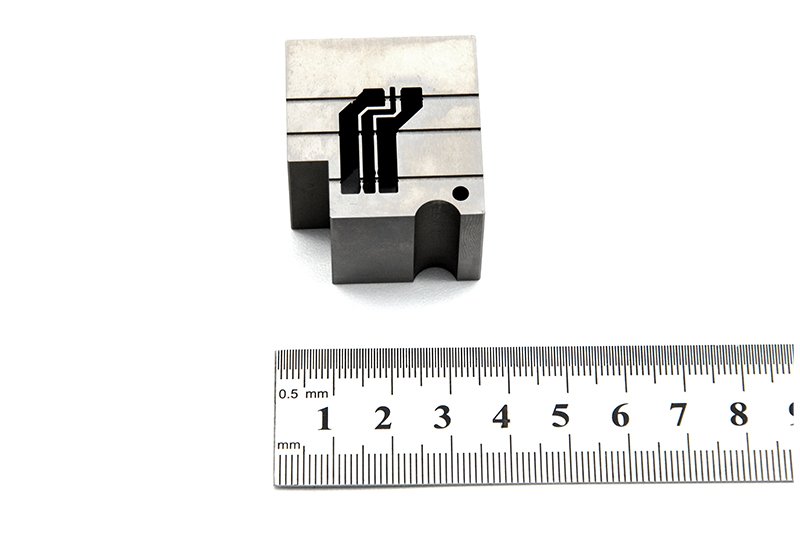
Plastic film parts · Precision mold insert
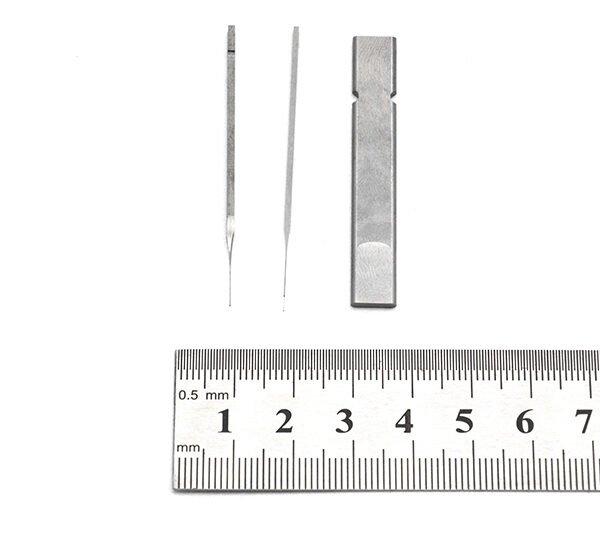
Precision Die Parts for Stamping & Forming Tooling
Brand Xuxiang Mold
Availability Made to drawing
RFQ pricing
Quote from STEP / PDF & quantity
Keep your presses running at peak productivity with precision die parts engineered for demanding stamping and forming applications. Each component is manufactured for accurate alignment, repeatable performance, and long service life, helping reduce unplanned downtime and scrap. Upgrade or rebuild your tooling with compatible parts that fit common die sets and press tools. From punches and buttons to guide pins and bushings, you can tailor your die stack to your exact production needs. Choose durable die parts to support consistent quality on every stroke.
- ISO 9001:2015–oriented process & documented inspection paths
- Zeiss / Nikon class metrology available for critical dimensions
- DFM feedback from 10+ senior tooling engineers
- Dongguan HQ + Quanzhou capacity for volume programs
What Are Precision Die Parts?
In metal stamping and forming, die parts are the individual components that come together to create a complete die set. A die is a specialized tool used in manufacturing to cut, form, or shape material into a precise profile when used with a press. It typically consists of an upper and lower section along with a variety of supporting and wear components that guide, locate, and support the workpiece during each press stroke.
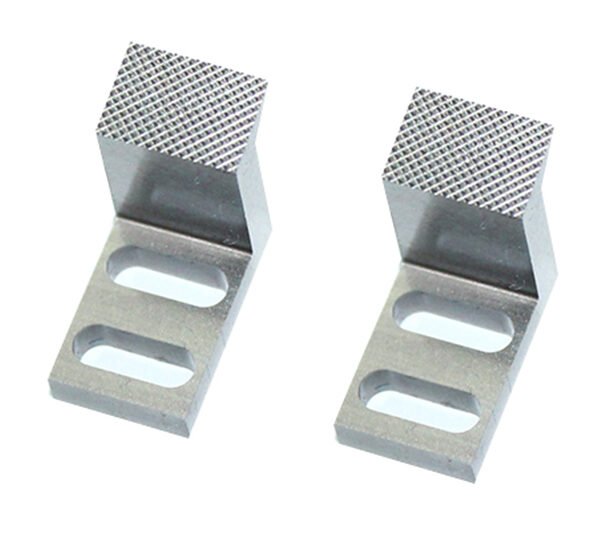
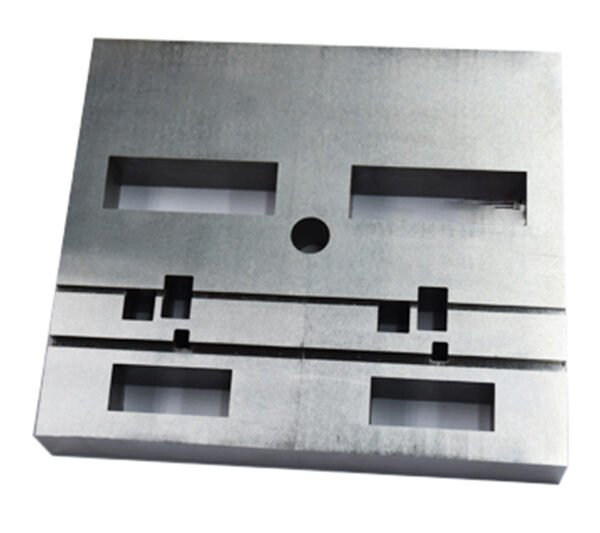
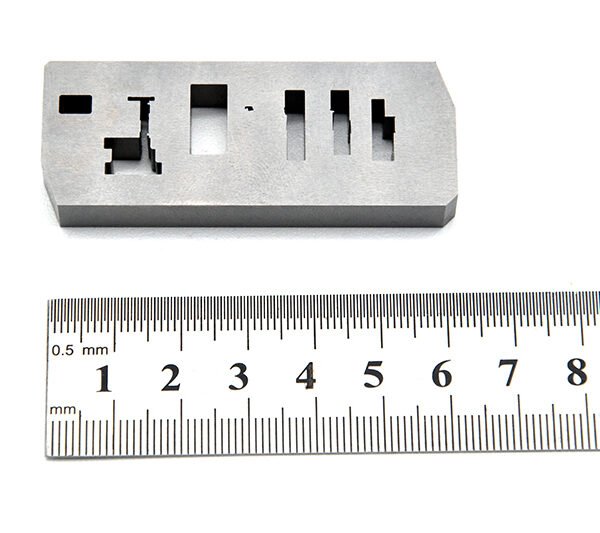
Typical die assemblies include plates, shoes, guide pins, bushings, punches, die buttons, springs, retainers, pads, and other precision elements that ensure accurate and repeatable operation. Selecting the right die parts is critical for achieving tight tolerances, clean edges, and long tool life in stamping, blanking, piercing, bending, and forming operations.
Key Features & Benefits
High-quality die parts are designed to withstand the repetitive impact and friction of production environments while maintaining accuracy. The right choice of materials, surface finishes, and tolerances can significantly reduce downtime and improve part quality.
- Precision manufacturing: Critical surfaces and diameters are machined and ground to tight tolerances to maintain consistent clearance between punches and die bushings or buttons.
- Durable materials: Tool steels and wear-resistant alloys are commonly used for punches, buttons, and inserts, supporting longer intervals between regrinds and replacements.
- Consistent alignment: Guide pins and bushings help maintain alignment between the upper and lower die assemblies, reducing mis-hits and uneven wear.
- Modular design: Many die parts are designed as replaceable components (such as inserts or standard punches), making it easier and more economical to service the die.
- Improved productivity: Reliable die parts support higher press speeds, lower scrap rates, and fewer unscheduled stoppages due to tool failure.
- Flexible configuration: A wide range of geometries, lengths, and mounting options allow you to tailor the die layout to specific parts and operations.
Typical Die Parts & Functions
While every tool design is unique, most metal stamping dies use a common set of components. Understanding their roles helps you specify replacements and upgrades more effectively.
- Die plates and shoes: These serve as the structural base for the upper and lower portions of the die, supporting other components and absorbing press forces.
- Guide pins and bushings: Precision-ground pins sliding in hardened bushings keep the upper and lower die sections in alignment during the press stroke.
- Punches: These are the working elements that penetrate the material to perform operations such as piercing holes, blanking shapes, or forming features.
- Die buttons or inserts: Hardened rings or cavities that mate with the punches, providing the cutting or forming opening and maintaining clearance.
- Strippers and pressure pads: These components hold the sheet or strip in place and strip the material off the punches after the press stroke, preventing double hits and material pull-up.
- Springs or gas cylinders: Provide controlled force for pressure pads, strippers, or lifters, ensuring consistent clamping and part ejection.
- Fasteners, retainers, and keepers: Secure punches, buttons, and inserts in place while still allowing straightforward removal for service.
Specifications & Key Attributes
The exact specifications of die parts depend on your press, die design, material thickness, and production volume. The table below outlines common attributes you should review when selecting components for new builds or replacements.
| Attribute | Description |
|---|---|
| Product type | Individual precision die parts for stamping and forming tooling |
| Typical components | Punches, die buttons/inserts, guide pins, bushings, plates/shoes, strippers, pads, retainers |
| Material options | Tool steels and wear-resistant alloys chosen according to application and production volume |
| Surface finish | Precision-machined and ground functional surfaces for smooth motion and accurate cutting |
| Compatibility | Designed for integration into standard and custom die sets used in mechanical or hydraulic presses |
| Applications | Blanking, piercing, forming, bending, embossing, and related sheet metal operations |
| Customization | Available in various diameters, lengths, geometries, and mounting styles based on die layout |
| Maintenance approach | Designed for regrinding, replacement, and modular servicing to extend overall die life |
| Industry use | Automotive, appliance, electronics, general fabrication, and other metalworking sectors |
Use Cases & Who These Die Parts Are For
Precision die parts are essential for any manufacturer relying on press tooling to produce consistent, high-volume parts. Whether you are building new tooling or maintaining existing dies, having a reliable source of components is critical.
- Tool and die shops: Ideal for die makers designing new progressive, transfer, or single-hit dies and requiring standard and special components.
- Stamping manufacturers: Production facilities that need dependable replacements to minimize downtime and maintain part quality.
- Maintenance and repair teams: Keeps spare punches, buttons, and guide components on hand for quick changeovers and preventative maintenance.
- OEMs and custom fabricators: Companies that produce proprietary tooling and want consistent component quality across multiple dies.
Typical applications include automotive brackets, appliance panels, small electronic enclosures, connector components, and a wide range of metal parts that require precise holes, cutouts, or formed features. The right configuration of die parts supports efficient strip layouts and precision forming sequences.
Care, Maintenance & Buying Guidance
To get the longest life and best performance from your die parts, both proper selection and routine maintenance are important.
- Match components to material: Choose punch and die insert materials suitable for the type of stock you are processing, whether mild steel, high-strength alloys, or nonferrous metals.
- Monitor clearances: Regularly verify punch-to-die clearances to avoid burrs, edge rollover, or excessive wear.
- Inspect for wear and damage: Look for chipping, galling, or scoring on punches and die openings, and replace components before failure can damage the die.
- Use proper lubrication: Where applicable, use suitable lubricants to reduce friction and heat, especially in high-speed or high-strength material applications.
- Plan for spares: Maintain an inventory of commonly used punches, buttons, springs, and guide elements to reduce lead time when service is required.
When purchasing die parts, review your die drawings, press capacity, and production goals. Confirm dimensional compatibility, mounting style, and expected tool life. For specialized operations, custom geometries or coatings may be appropriate to handle unique form features or aggressive materials.
FAQ
Are these die parts compatible with my existing die set?
Most standard die parts are designed to integrate with common die set configurations. To confirm compatibility, compare the dimensions, mounting style, and tolerances with your die drawings or existing components. If needed, consult your toolroom or designer to verify fit before ordering.
How do I choose the right punch and die button combination?
Select punches and die buttons based on the material thickness, type of operation, and required hole or profile size. Ensure the recommended clearance between punch and die opening is maintained for clean cutting and reduced burrs. When in doubt, refer to your tooling standards or seek engineering guidance.
What maintenance do die parts require?
Die parts should be kept clean, properly lubricated where appropriate, and inspected on a regular schedule. Regrind or replace punches and inserts when wear or damage is observed, and check guide pins and bushings for play or scoring to maintain alignment.
How are the die parts shipped and protected?
Components are typically packaged to protect precision surfaces from corrosion and impact during transit. Smaller items may be individually wrapped or compartmentalized, while larger plates or shoes are secured with protective coverings or crates, depending on size and weight.
Can I order custom sizes or special geometries?
Yes, many die components can be supplied in custom lengths, diameters, or tip profiles to match your specific tool design. Provide detailed dimensional information or drawings so the parts can be manufactured to your requirements.
What is the typical lead time for replacement die parts?
Lead time varies by component type and level of customization. Standard catalog punches, buttons, and guide elements are often available on short lead times, while custom or large structural parts may require additional manufacturing time.
How should I store spare die parts?
Store components in a clean, dry environment, ideally in labeled containers or drawers that protect edges and precision surfaces. Applying a light protective oil film to tool steel parts can help prevent corrosion during long-term storage.
What is the returns or warranty policy on die parts?
Warranty and returns typically cover defects in materials or workmanship within a specified period, provided parts are used as intended. Check the supplier’s specific terms regarding inspection on receipt, allowable return conditions, and any restocking requirements.
Can these die parts be used in both mechanical and hydraulic presses?
Yes, die parts can generally be used in either mechanical or hydraulic presses as long as the overall die design and press capacity are suitable for the intended operation. Ensure that the press tonnage and stroke characteristics match the die’s design limits.
Same drawing, predictable results—next batch
Share revision, quantity ramp, and inspection level. We quote process route, ship date, and documentation in one structured response.