
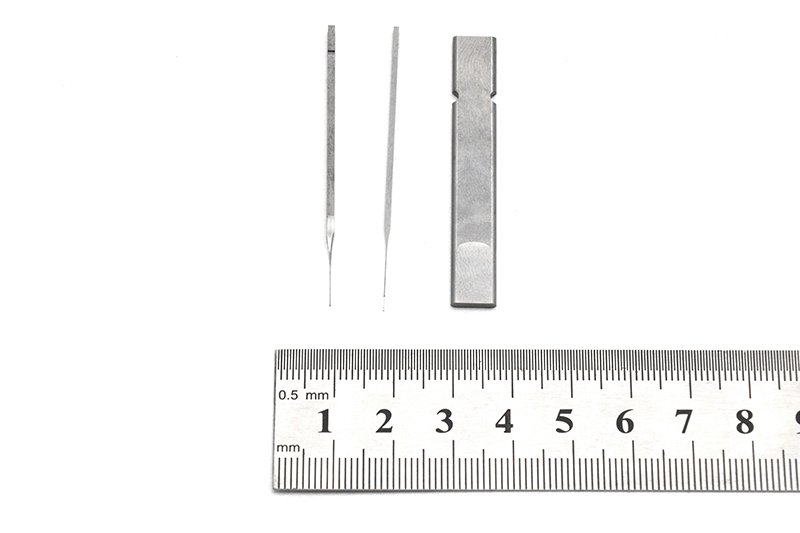
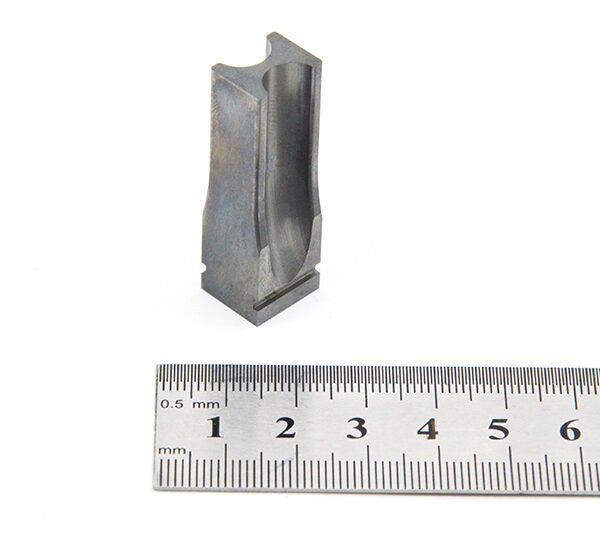
Plastic film parts · Precision mold insert
Die parts for Stamping & Press Tool Applications
Brand Xuxiang Mold
Availability Made to drawing
RFQ pricing
Quote from STEP / PDF & quantity
Build, maintain, or upgrade your press tooling with dependable Die parts designed for demanding metalworking environments. These components help support accurate shaping, punching, trimming, and forming so your tooling can run more smoothly and consistently.
Whether you are replacing worn elements or sourcing parts for a new tool build, this category is ideal for shops that value reliable fit, stable operation, and easier maintenance. It is a practical choice for production teams, toolrooms, and manufacturers looking to keep presses productive.
Choose the right die components to improve alignment, reduce downtime, and support cleaner results across repetitive stamping jobs.
- ISO 9001:2015–oriented process & documented inspection paths
- Zeiss / Nikon class metrology available for critical dimensions
- DFM feedback from 10+ senior tooling engineers
- Dongguan HQ + Quanzhou capacity for volume programs
What Are Die Parts?
Die parts are the working and supporting components used in manufacturing dies, press tools, and stamping assemblies. In practical production terms, they help guide, hold, cut, form, strip, or support material during a press operation. A complete die may include structural elements, guiding elements, wear parts, fastening hardware, and functional inserts that work together as one system. In stamping and press tooling, these parts are essential because even a small amount of wear or misalignment can affect part quality, tool life, and machine uptime.
This product category is best understood as the building-block layer of a die system rather than a single fixed item. Depending on the application, the assembly may include die plates, die shoes, guide pins, bushings, heel blocks, stripper elements, pads, retainers, springs, punches, inserts, and locating hardware. Some dies are designed for blanking or piercing, while others are used for forming, bending, trimming, or drawing. The exact combination depends on the operation, the material being processed, and the required output geometry.
Key Features and Benefits
Good die components are chosen for durability, repeatable alignment, and serviceability. In production, those qualities translate into smoother runs and fewer interruptions. Stamping dies commonly rely on a combination of structural parts and wear parts, plus fastening and guiding devices that keep the assembly stable under load.[1][4][5]
Built for precision alignment
Guide pins and bushings help keep the upper and lower sections of the die aligned during repeated cycles. This matters because stable alignment supports consistent hole placement, cleaner edges, and better formed shapes. When a die is cycling thousands of times, dependable guidance is one of the most important factors in protecting both the tooling and the workpiece.[1][2]
Designed for repeated impact and wear
Many die parts are selected specifically for high-stress use. Inserts, punches, and buttons often serve as the wear-taking surfaces in piercing or forming operations, while plates and shoes provide the supporting structure. In real shop use, this separation of roles makes maintenance more practical because the most worn parts can often be serviced or replaced without rebuilding the entire tool.[1][2][4]
Supports multiple press operations
Die systems are used for cutting, shaping, forming, and separating sheet metal or other materials into desired profiles.[4][5] That means the same general category of parts can support different tasks across fabrication lines, tool rooms, and OEM production environments. If your process includes blanking, trimming, bending, or piercing, the right die components help the operation stay repeatable and efficient.
Easier maintenance and tool life management
Because many die systems are modular, shops can focus on replacing the parts that wear most often. That can reduce downtime and make scheduled maintenance simpler. Strippers, springs, retainers, screws, and dowels may seem small, but they play an important role in how the die releases material, returns after a stroke, and stays secured during operation.[1]
Typical Die Part Attributes
| Attribute | What It Means |
|---|---|
| Primary function | Support cutting, forming, piercing, trimming, drawing, or alignment in press tooling |
| Common components | Die plates, shoes, guide pins, bushings, inserts, punches, strippers, pads, springs, screws, dowels |
| Application type | Stamping dies, press tools, forming dies, drawing dies, piercing dies, casting-related tooling where applicable |
| Selection focus | Fit, wear resistance, alignment, load handling, and serviceability |
| Compatibility note | Must match the tool design, press setup, material thickness, and operation type |
| Maintenance need | Inspection for wear, looseness, cracking, scoring, and alignment drift |
Who Uses Die Parts?
This category is relevant for a wide range of industrial buyers. Tool-and-die makers use these components to build new dies or refurbish existing assemblies. Metal stamping plants rely on them to keep production lines running with consistent output. Fabrication shops may need them when repairing press tooling, replacing worn inserts, or upgrading guiding elements. Manufacturers that run repetitive press operations also benefit from having spare parts on hand to reduce downtime.
If you are buying for maintenance, the most useful approach is to identify the function of each part inside the die assembly rather than shopping by appearance alone. A stripper is not the same as a pad, and a guide bushing does not serve the same role as a punch insert. Matching the component to the operation is the key to getting the right result.
Buying and Care Guidance
Before ordering, confirm the die type, press direction, mounting space, and the exact role of the component inside the tool. Where possible, compare the worn part to the replacement part and check dimensions, mounting style, and compatibility with the existing assembly. For obscure or custom tooling, a clear drawing, photo, or sample part can help prevent costly mismatches.
For care, keep die parts clean, lightly protected from corrosion when stored, and free of debris before installation. Inspect wear surfaces regularly, especially on punches, inserts, guide elements, and spring-loaded hardware. In many shops, small preventive checks are the difference between controlled maintenance and an unexpected stoppage.
FAQ
How are die parts shipped?
Most industrial die components are shipped as individual parts or matched sets, depending on the order. Packaging should protect precision surfaces and reduce transit damage, especially for inserts, guide elements, and machined pieces.
How do I know if a die part will fit my tool?
Check the die drawing, part number, dimensions, mounting style, and the operation the part performs. If the original part is worn, compare key measurements and photos before replacing it.
Can die parts be used in different press tools?
Some components are standard, but many are tool-specific. A guide pin or bushing may fit one design and not another, so compatibility should always be verified before purchase.
What is the best way to maintain die parts?
Keep them clean, inspect them regularly, and replace worn wear surfaces before they affect alignment or part quality. Proper storage also helps prevent rust, contamination, and accidental damage.
Are these parts suitable for blanking, piercing, or forming?
Yes, die parts are used across many press operations, including blanking, piercing, trimming, bending, and forming. The correct component depends on the specific process and tool design.
What should I do if I am unsure which part I need?
Start with the tool drawing, the worn component, or a photo of the die assembly. If needed, identify the role of the part first, then match dimensions and mounting details.
Do die parts require special storage?
Yes. Store them in a dry, clean location and separate precision components so surfaces do not get nicked or contaminated. Light corrosion protection may be useful for long-term storage.
What if the part arrives damaged or incorrect?
Inspect the item as soon as it arrives and compare it with your order details. If there is a problem, contact the seller promptly so they can advise on replacement or return options.
Same drawing, predictable results—next batch
Share revision, quantity ramp, and inspection level. We quote process route, ship date, and documentation in one structured response.