
Plastic film parts · Precision mold insert
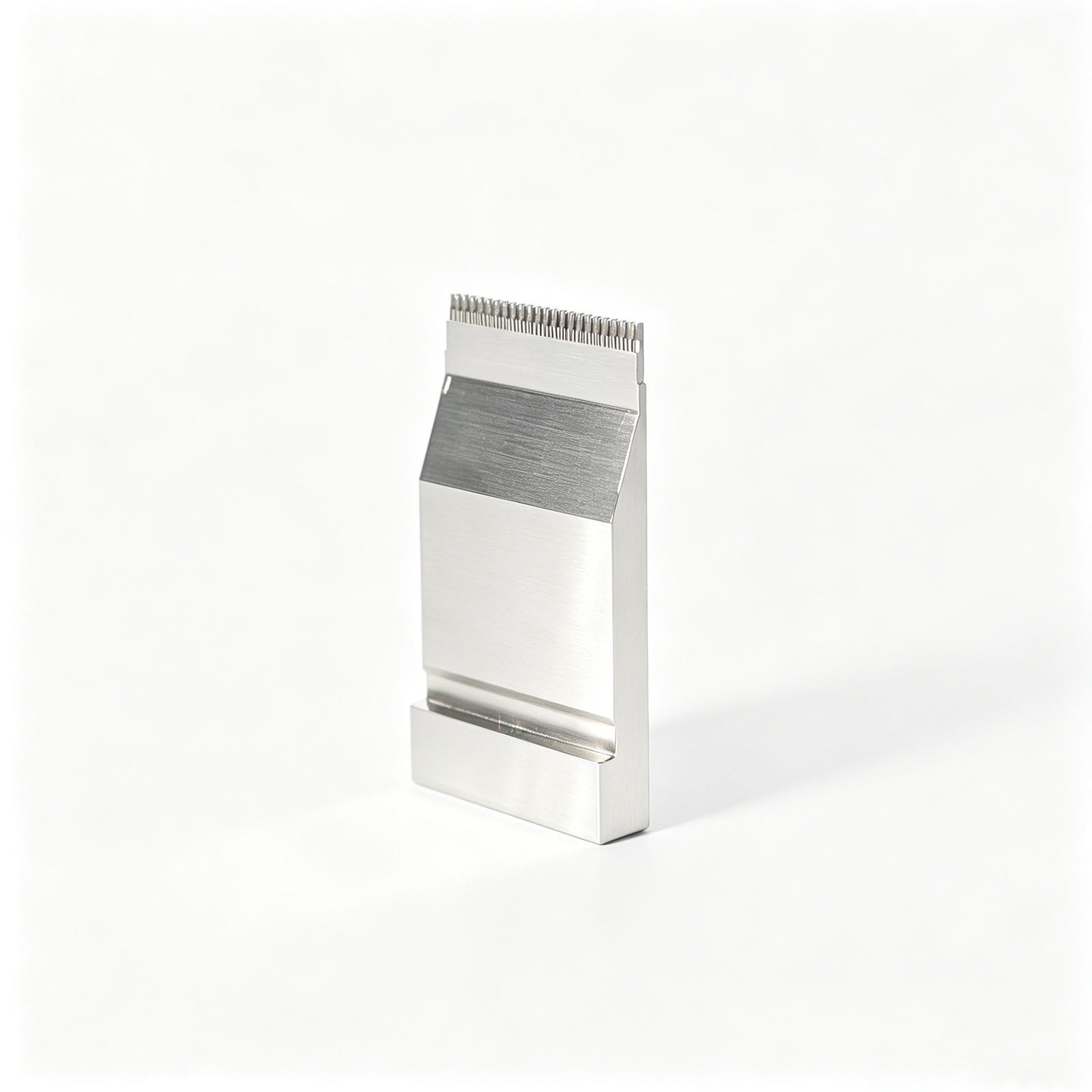
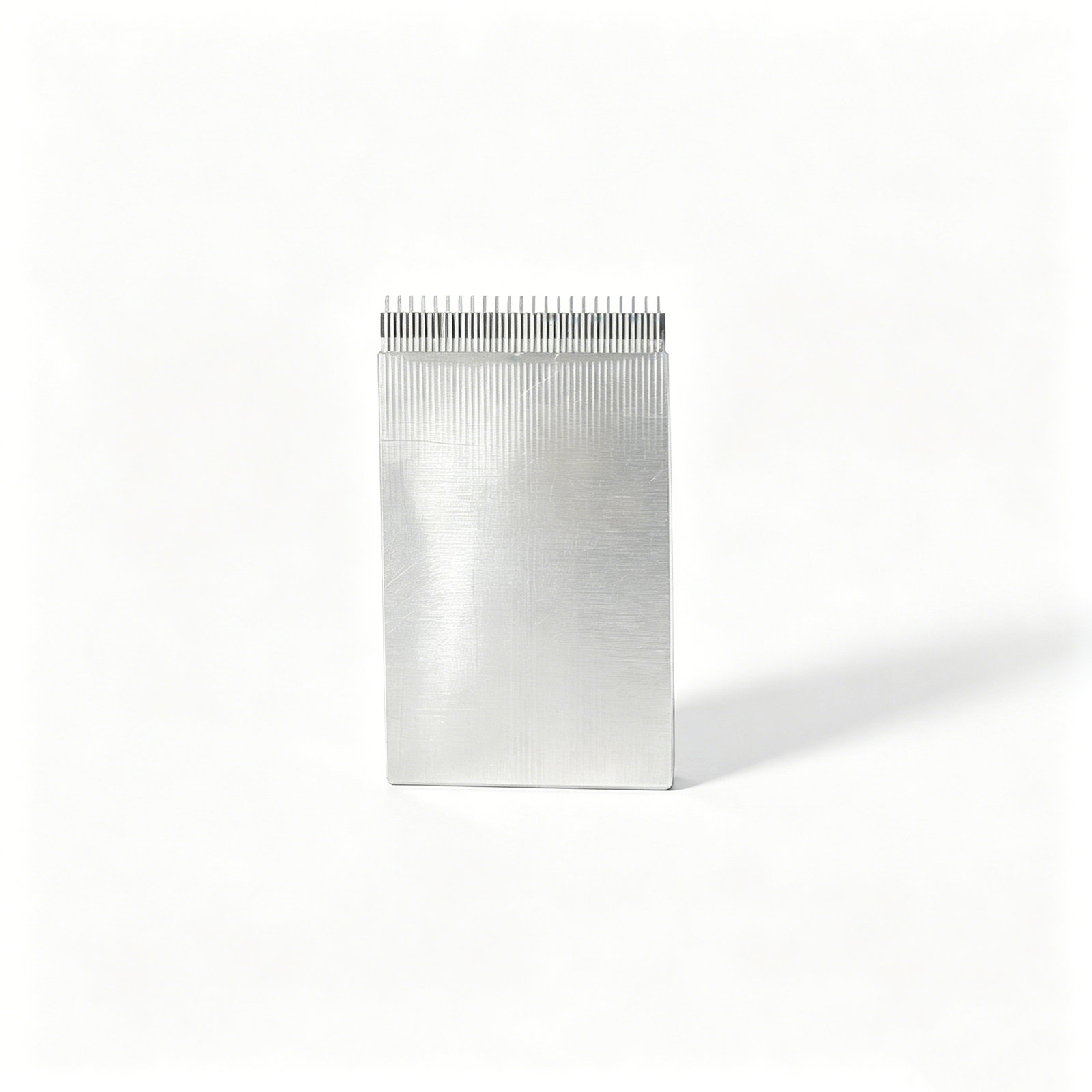
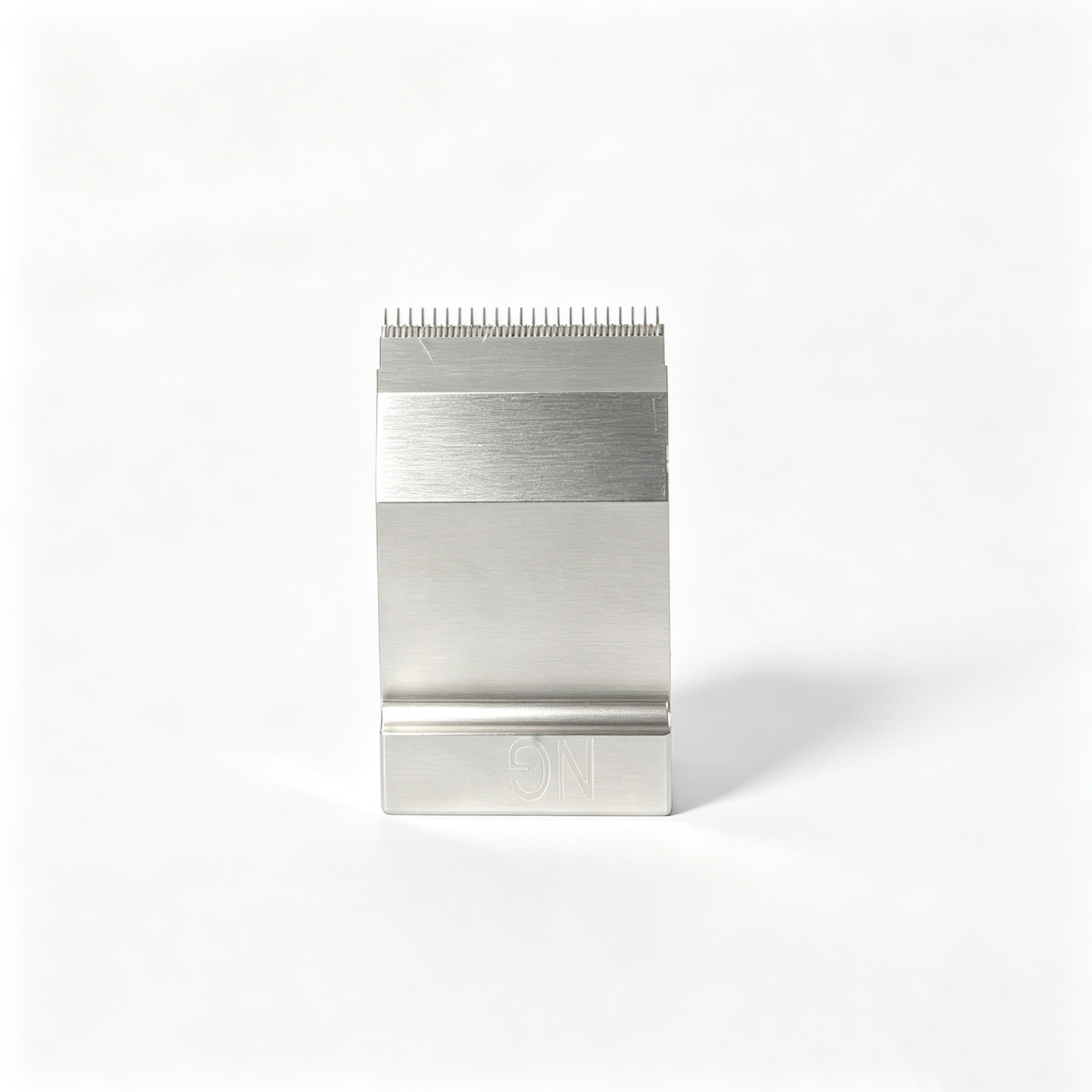
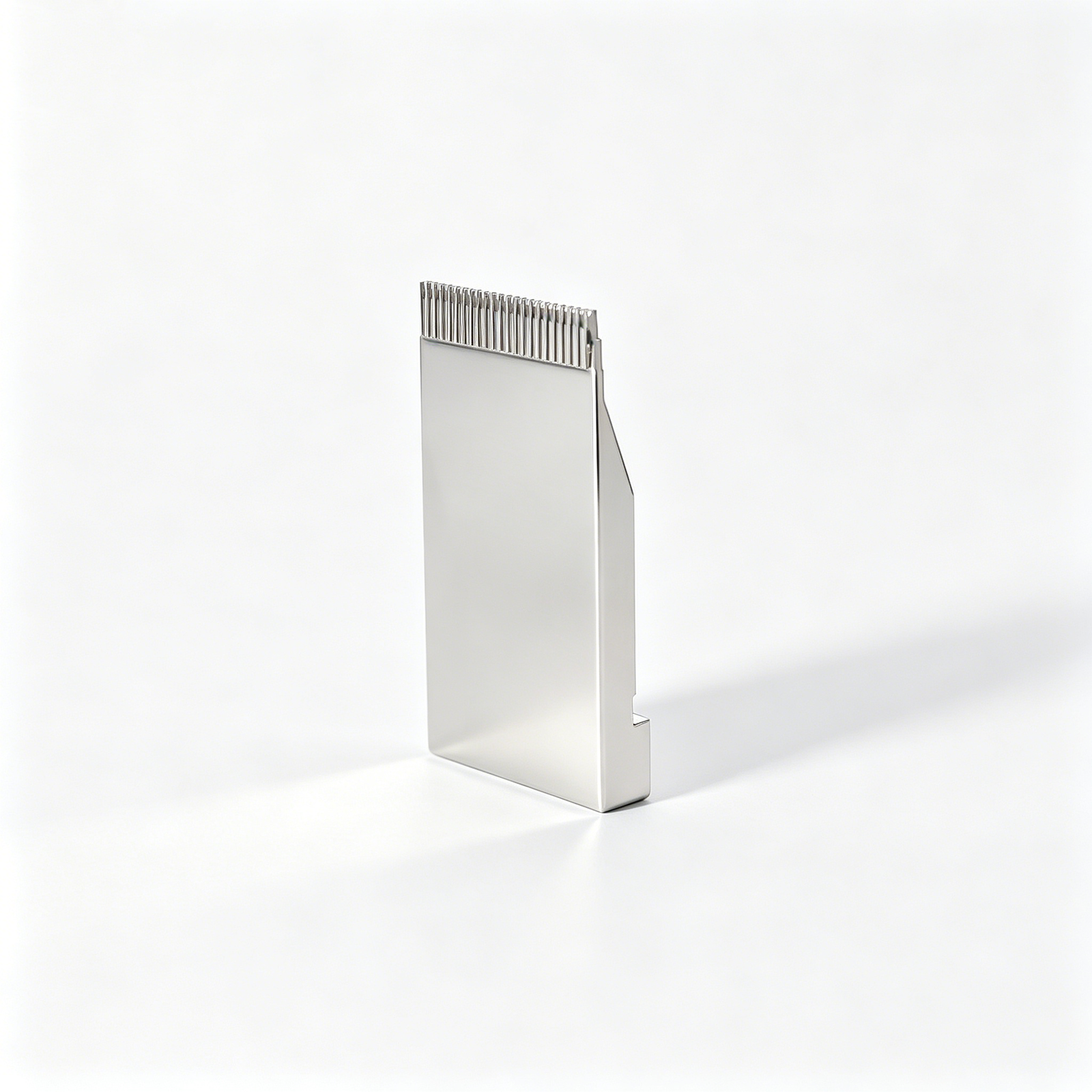
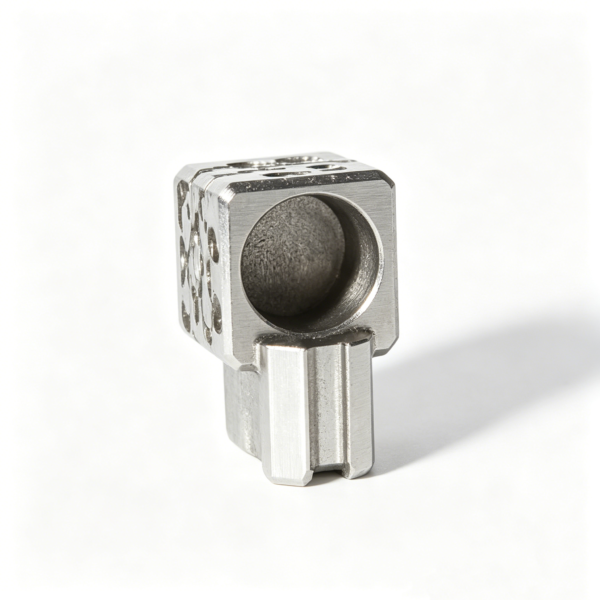
Mobile Connector Precision Mold Components for Compact Connector Modules
Brand Xuxiang Mold
Availability Made to drawing
RFQ pricing
Quote from STEP / PDF & quantity
Engineer stable, compact connector modules with Mobile Connector Precision Mold Components designed for demanding mobile and handheld applications. These high-accuracy inserts, cores, and cavity components help you maintain consistent pin pitch, housing geometry, and locking features from prototype through mass production. Optimized steel selection and surface finishes support long tool life under high-cavity, high-speed molding conditions. Whether you are building mobile device plugs, compact charging connectors, or automotive mobile interface parts, these components keep flash, warpage, and dimensional drift under control. Reduce rework and tuning time while achieving clean parting lines and reliable terminal positioning in every shot.
- ISO 9001:2015–oriented process & documented inspection paths
- Zeiss / Nikon class metrology available for critical dimensions
- DFM feedback from 10+ senior tooling engineers
- Dongguan HQ + Quanzhou capacity for volume programs
Mobile Connector Precision Mold Components for Compact Connector Modules
Mobile and handheld electronics demand smaller, denser, and more reliable connectors with extremely tight dimensional windows. To achieve those parts consistently, the tooling behind them must be built on stable, high-precision mold components. These Mobile Connector Precision Mold Components for Compact Connector Modules are engineered to support fine-pitch mobile connector programs where every micron of mismatch can translate into insertion issues, intermittent contact, or cosmetic rejects.
Designed for mobile power, data, and signal connectors in consumer electronics, automotive interiors, and industrial handheld devices, this component set covers the critical wear and precision locations inside your injection molds. From core and cavity inserts to guide pillars, sliders, ejector elements, and terminal-positioning details, each piece is produced using modern machining, EDM, grinding, and polishing processes to maintain repeatable alignment and dimensional stability under production conditions.[1][3]
When integrated correctly into your connector molds, these components help you shorten debugging cycles, stabilize your process window, and reduce tooling maintenance caused by premature wear, burrs, and galling. For OEMs and mold makers alike, they offer a reliable foundation for building robust, compact connector modules that pass electrical and mechanical validation on the first try.
Key Features & Performance Benefits
These mold components are developed specifically around the requirements of modern miniaturized connector designs, where wall sections, pin spacing, and housing details leave no room for error.[12]
- Tight-tolerance cavity and core inserts engineered to maintain consistent housing dimensions, latch features, and keying geometry across all cavities, even in multi-cavity configurations.
- Fine terminal and contact features produced with high-precision EDM and grinding to support very small slot widths, rib details, and terminal windows without chipping or deformation during molding.[1][3]
- Optimized mold steels and treatments commonly including high-hardness tool steels and appropriate heat treatment to improve wear resistance when processing glass-filled or flame-retardant resins.[1][3]
- Stable guidance and alignment through precision guide pillars, bushings, and locating features that keep pin plates, insert blocks, and terminal holders aligned over long production runs.
- Surface finishes tailored to function, with polished or textured areas where needed to support resin flow, demolding, or cosmetic requirements, while maintaining dimensional fidelity.[1]
- Support for high-cavity and high-speed molding by minimizing mismatch at parting lines, controlling flash risk, and keeping ejection forces predictable even on thin, delicate connector parts.[3][12]
Together, these elements give mold designers and process engineers a stable hardware foundation that makes it easier to tune gating, venting, and process parameters without being limited by inconsistent steel conditions or unstable fits.
Technical Specifications & Component Overview
Since mobile connector projects vary widely in geometry, pin count, and resin selection, these mold components are typically customized or configured to match your project’s CAD and performance targets. Instead of fixed catalog sizes, they are defined by design intent and your chosen connector platform.[2][10][13]
| Attribute | Description |
|---|---|
| Product type | Precision mold components set for mobile and compact connector injection molds |
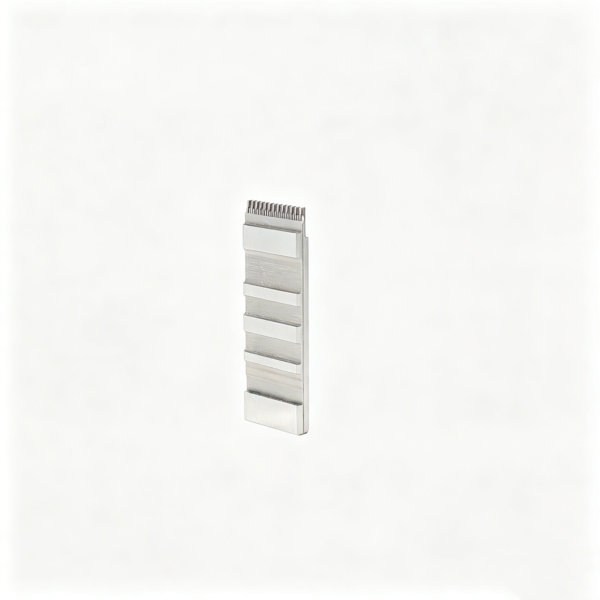
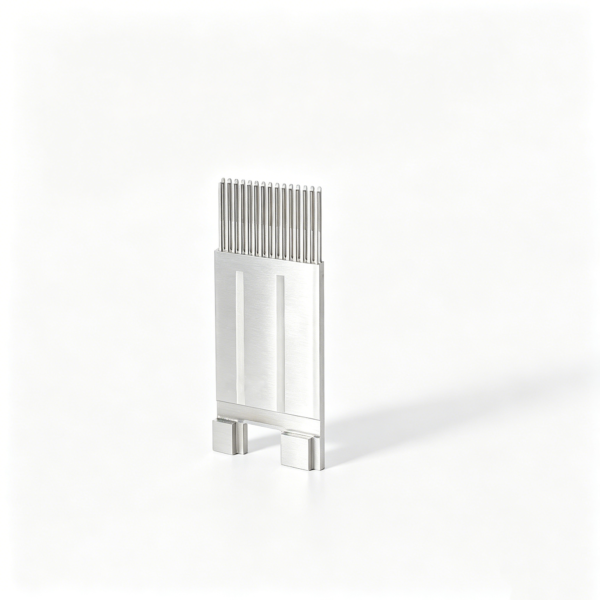
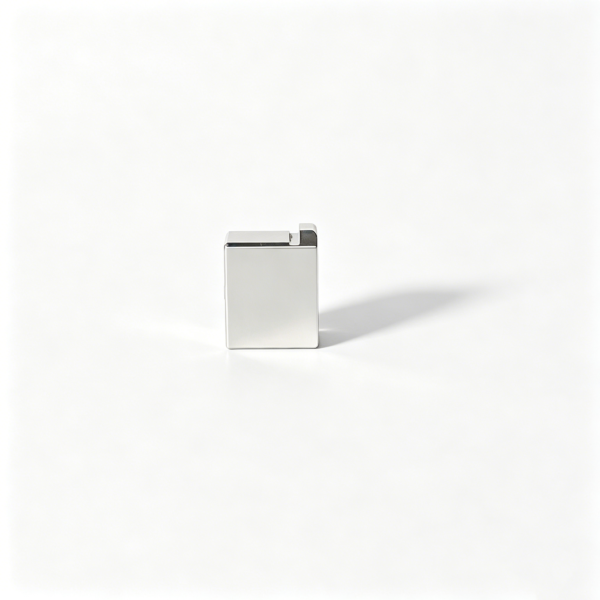
| Typical components | Core and cavity inserts, terminal positioning blocks, pin plates, sliders, lifters, ejector elements, guide pillars, locating rings |
| Primary application | Plastic housings and insulators for mobile connectors, compact charging ports, and small multi-pin interfaces |
| Typical materials | Hardened tool steel or pre-hardened steel for wear areas; optional beryllium copper or similar for localized high-conductivity inserts where heat removal is critical[1][3] |
| Manufacturing processes | CNC machining, high-precision grinding, EDM, polishing, and heat treatment, followed by assembly and mold trial verification[1][3][8] |
| Dimensional focus | Control of fine wall thicknesses, pin pitch, slot openings, and latch geometries typical for miniaturized connectors |
| Compatibility | Custom-fit for customer-specific connector molds; can be adapted to single-cavity, multi-cavity, or family tools |
| Surface finish options | Polished for sealing and cosmetic surfaces, fine EDM or micro-texture in areas where venting or controlled friction is required |
| Quality assurance | Dimensional inspection against 3D CAD, trial molding, and functional testing to verify connector fit and electrical interface consistency[1][3][12] |
| Target industries | Mobile electronics, automotive connectors, industrial handheld devices, medical and wearable electronics |
Use Cases & Who These Components Are For
These Mobile Connector Precision Mold Components are suitable for a wide range of connector programs where miniaturization and repeatability are mission-critical.[12][13]
- Mobile device and consumer electronics connectors – USB-style charging ports, proprietary docking connectors, headset and accessory plugs where compact housings and robust retention features are essential.
- Automotive interior and infotainment connectors – small data and power connectors used in center consoles, instrument panels, and seat modules that must withstand temperature cycling and vibration.[1][3]
- Industrial handheld tools and scanners – rugged connectors that combine dense pin layouts with impact-resistant housings and overmolding requirements.
- Medical and wearable devices – compact low-profile connectors where consistent mating alignment and smooth external surfaces are important for safety and comfort.
- Prototype-to-production transitions – programs moving from pilot tools into multi-cavity, high-output production molds where interchangeable precision components help maintain the same interface geometry.
They are particularly valuable to:
- Mold makers who need dependable, repeatable components to construct one-off or multiple identical connector tools.
- Connector OEMs seeking tighter process windows and less variation between cavities and tooling sets across different plants.
- Electronics manufacturers with in-house tooling departments that must support frequent platform updates and derivative connector designs.
Selection, Integration & Maintenance Guidance
To get the most from these Mobile Connector Precision Mold Components, it is important to approach selection and maintenance as part of a complete connector tooling strategy.
- Define connector requirements clearly – start from the electrical, mechanical, and environmental requirements of the final connector: current rating, mating cycles, temperature, and vibration exposure.[3][12] These inform housing wall thickness, rib structures, and the steel configuration you need.
- Collaborate early on mold design – integrate the components into your CAD during the earliest stages of mold structure design, including gating, cooling, and demolding systems.[3] This helps avoid last-minute compromises that can affect cavity balance or pin positioning.
- Choose materials for resin and volume – for abrasive or flame-retardant polymers, prioritize high-hardness steels and appropriate coatings; for high-speed thin-wall molding, consider integrating high-conductivity inserts in hot spots to improve cooling.[1][3]
- Plan for adjustability and interchangeability – design inserts and pin plates to be replaceable and adjustable so that cavity comp adjustments and design updates can be made without rebuilding the entire mold.
- Implement routine maintenance – adopt cleaning, inspection, and lubrication practices that focus on sealing surfaces, terminal details, and sliding mechanisms.[3] Regularly check for wear, micro-burrs, or corrosion that could impact connector fit.
- Validate via mold trial – use structured mold trials to confirm filling behavior, warpage, and dimensional stability; make small, controlled adjustments to the components where necessary to lock in the process window.[1][3]
With careful integration and upkeep, these components can significantly extend tool life and maintain connector quality over long production campaigns, even as you scale up cavity count or transition between molding lines.
FAQ
Are these Mobile Connector Precision Mold Components standard or fully custom?
The components are typically built around your connector design and mold layout, using reference standards where possible but finalizing dimensions and configurations to match your CAD and performance requirements.
How do I verify compatibility with my existing connector mold?
Share your current mold drawings or 3D models so the critical mounting interfaces, cavity locations, and shut-off surfaces can be reviewed. Components are then adapted to fit your mold base and existing ejector, cooling, and guidance layouts.
What is the typical lead time for these precision components?
Lead time depends on complexity and quantity. Simple replacement inserts can often be produced faster, while full component packages for new connector tools require additional design and validation time. Your project schedule is confirmed during quotation.
Can these components handle high-volume, multi-cavity production?
Yes. They are designed for high-output connector molds, with material selection and fits tailored to withstand continuous production in multi-cavity tools while controlling wear and dimensional drift.
How should I maintain the components to maximize tool life?
Follow a routine that includes cleaning parting surfaces, checking terminal-forming details for micro-burrs, lubricating sliding elements, and inspecting for early signs of wear or corrosion. Adjust maintenance frequency based on resin and production volume.
Do you support small prototype or pilot tools as well as full production molds?
Yes. Components can be sized and configured for single-cavity prototype tools, pilot molds, and later for scaled-up production tools, helping you keep interface geometry consistent throughout the product lifecycle.
What information do I need to provide when requesting a quote?
Provide connector drawings or 3D models, the desired cavity count, planned resin, estimated annual volume, and any special requirements such as specific plating clearances, cosmetic zones, or overmolding conditions.
How are the components packaged and shipped?
Each precision component is protected individually or in matched sets with labeling for position and orientation. Packaging is designed to prevent damage and corrosion during transport, and shipping methods are selected based on your location and schedule.
What happens if a component wears out or is damaged during production?
Because the components are designed as discrete, replaceable elements, worn or damaged pieces can be remanufactured or supplied as spare parts. This allows you to restore mold performance without a complete tool rebuild.
Is there any warranty or support for these mold components?
Warranty and support terms vary by project, but typically include assurances regarding material quality and workmanship, along with technical assistance during installation, mold trials, and early production runs.
Related products
Same drawing, predictable results—next batch
Share revision, quantity ramp, and inspection level. We quote process route, ship date, and documentation in one structured response.